

How to Turn Your Hobby into a Profitable Business
Turning a simple passion into a reliable source of income is one of the most fulfilling paths any Filipino can take. Many successful entrepreneurs in the Philippines started with nothing more than a hobby, whether it was baking, photography, crafting, gaming, gardening, or digital design. Today, more Filipinos are looking for ways to create additional income streams, and the Hobby to Business journey has become a popular and practical option for those who want financial freedom while doing something they love.
This complete guide is written in a friendly and educational way, perfect for the ExpPH Blog audience. Every section provides practical advice, inspiration, and local context to help you confidently take your Hobby to Business journey to the next level.
Turning your hobby into a business is just the first step,
check out How to Start a Home-Based Business in the Philippines and learn how to plan, launch, and grow your business successfully.
Table of Contents
1. 4 Reasons Why Turning Your Hobby into a Business Makes Sense
Turning your hobby into a business is more achievable today than ever. With social media and online platforms, Filipinos can start from home with little capital. Many now earn from their passions while enjoying more freedom, creativity, and better work life balance.

1. Financial Benefits
A Hobby to Business project allows you to earn from something you already enjoy. You can start small, manage your time, and grow your income step by step. This setup reduces pressure while giving you more control over your earnings and progress.
Key benefits include:
- Earning income from your passion
- Starting small with minimal risk
- Growing your income at your own pace
- Having full control over your time and output
It also opens opportunities for multiple income streams. A single hobby can expand into different services or products.
For example:
- Photographers can offer shoots, presets, and workshops
- Bakers can sell custom cakes, dessert boxes, or classes
- Artists can sell prints, commissions, or digital products
This helps build a more stable and sustainable income over time.

2. Flexibility and Work Life Balance
A major benefit of a Hobby to Business journey is having control over your time. You can choose your working hours and adjust your schedule based on your needs. This setup is ideal for people balancing family, studies, or other responsibilities.
What makes it flexible:
- You decide your working hours
- You can work full time or part time
- You can adjust your workload anytime
- You can work from home or anywhere
Working on your own terms helps reduce stress and burnout. Without long commutes or strict schedules, you can stay productive and focused.
This leads to:
- Better time management
- Less stress and fatigue
- Improved focus and consistency
- A healthier work life balance
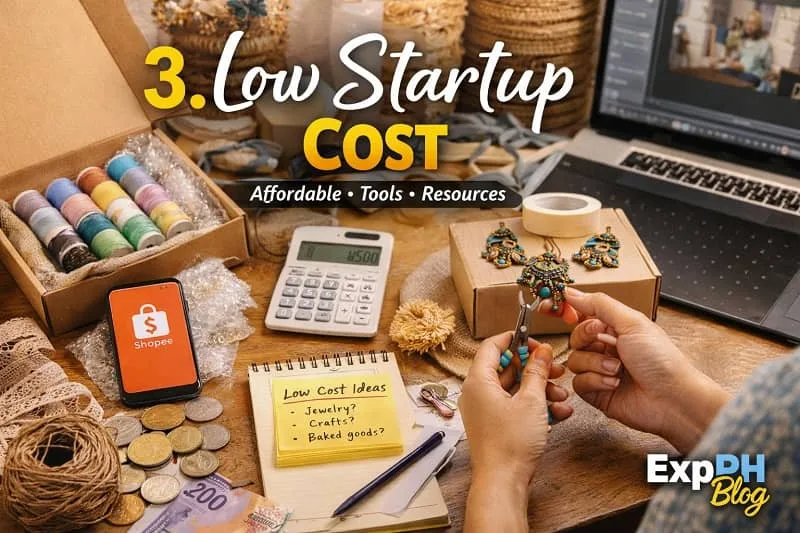
3. Low Startup Cost
Most hobbies require little to no capital to begin. Activities like baking, crafting, writing, or photography can start with tools you already own. This makes it easier for beginners, students, and OFWs to explore business ideas without heavy financial risk.
Why it is low cost:
- No need for a physical store
- No need for large inventory
- You can use existing tools and skills
- You can start from home
Since the investment is low, the pressure is also reduced. You can test your idea with a small audience and improve as you go.
Growth becomes easier because:
- You can reinvest your earnings gradually
- You avoid large debts
- You learn while earning
- You scale based on demand

4. Emotional and Personal Satisfaction
Building a business from your passion brings a strong sense of fulfillment. You enjoy the process because it reflects your interests and creativity. This makes your work more meaningful and keeps you motivated even during challenges.
Emotional rewards include:
- A sense of purpose in your work
- Enjoyment in daily tasks
- Stronger motivation to keep going
- Personal pride in your output
Turning passion into profit also builds confidence. It shows that your skills have real value.
This helps you:
- Gain confidence in your abilities
- Stay inspired to improve
- Feel validated for your efforts
- Stay committed long term
2. 4 Signs Your Hobby Can Become a Successful Business
Not every hobby becomes profitable, but many have strong potential. With the right approach, your passion can grow into a steady source of income. You can evaluate your Hobby to Business idea by looking at clear signs that show demand and long term viability.

1. People Already Show Interest
Are you already getting compliments, inquiries, or requests? If friends and family ask for your baked goods, photos, crafts, or digital designs, it is a strong sign that your Hobby to Business idea has demand.
Sometimes, early signs appear on social media. When people react, comment, or share your work, it means you are getting genuine interest from potential customers.
Common signs of interest:
- Friends or family requesting your products
- People asking for prices or how to order
- Positive feedback or repeat requests
- Social media likes, shares, and comments
These signals show that your hobby already attracts attention and has real potential in the market.

2. You Are Willing to Learn and Improve
Turning Hobby to Business requires dedication, self improvement, and constant learning. If you enjoy practicing your craft and discovering new techniques, your passion is strong enough to grow into a business.
Successful entrepreneurs understand that growth is a process. They continue learning and improving over time.
Signs you are ready to grow:
- You enjoy practicing and improving your skills
- You watch tutorials or study new techniques
- You are open to feedback and corrections
- You stay consistent even when progress is slow
This mindset helps you adapt, improve, and stay competitive as your business grows.

3. The Market Exists and Has Buyers
Many profitable hobbies match real demand such as personalized gifts, food items, home decor, beauty services, and digital products. If people are willing to pay for what you create, your Hobby to Business idea has strong potential.
You do not need a large audience. A small and loyal customer base can support steady income.
What to look for:
- People are already selling similar products
- Customers are actively buying in your niche
- Your product solves a need or problem
- You can offer something unique or better
These factors confirm that there is real demand and a clear opportunity to earn.

4. You Have Time to Commit
Even a small Hobby to Business project needs time. Consistency matters more than perfection. If you can dedicate a few hours each week, you can slowly build a profitable side hustle.
Many Filipino entrepreneurs start small and grow over time through steady effort.
Ways to stay consistent:
- Set a weekly schedule for your business
- Start with small and manageable tasks
- Focus on progress instead of perfection
- Build habits that support long term growth
Your consistency will turn small efforts into steady results over time.

3. 4 Steps to Start Your Hobby to Business Journey
Starting your Hobby to Business journey does not require complicated steps. You can begin with simple but strategic actions that guide you toward a sustainable business. Many Filipinos feel unsure at first, but your passion is already a strong foundation for growth.
Step 1: Evaluate Your Skills and Strengths
Identify what you enjoy and what you do well. These will guide your direction and help shape your business idea. Focus on your strengths and interests before making decisions.
Start by listing:
- Your main hobbies or interests
- Skills you are confident in
- Activities people often praise you for
- Extra skills like writing, design, or communication
You can also ask friends or family for feedback to discover strengths you may overlook.
Step 2: Choose a Profitable Angle
Choose a niche that matches demand and helps you stand out. A focused direction makes it easier to attract the right audience and build a strong foundation for your business.
Examples of profitable angles:
- Baking into minimalist cakes or themed pastries
- Photography into portraits or product shoots
- Gardening into plant selling or landscaping
- Drawing into sticker designs or commissions
- Writing into blogging or copywriting
A clear niche improves your chances of steady growth and consistent sales.
Step 3: Set Small and Achievable Goals
Start with simple goals that are easy to reach and measure. These milestones help you stay motivated and track your progress as your business grows.
Start with:
- First 10 customers
- First online sale
- First customer review
- First repeat buyer
These small wins build confidence and create momentum for long term success.
Step 4: Start Selling and Gather Feedback
Take action and begin offering your product or service as early as possible. Starting small helps you gain experience and understand your market better.
Focus on these steps:
- Post your work on social media
- Offer your product to a small audience
- Ask for honest feedback
- Improve based on customer suggestions
Early action helps you learn faster and build a stronger business over time.

4. 4 Ways to Understand Your Market and Target Customers
To turn your Hobby to Business into a sustainable source of income, you need a clear understanding of your customers. Knowing what people want helps you create better products, improve your offers, and build a business that meets real demand.
1. Identify Your Audience
Start by defining who your ideal customers are. Understanding their needs helps you create products that solve real problems and attract the right buyers.
Ask questions like:
- Who will buy my product
- What age group are they
- What problems do they want solved
Clear answers will guide your decisions and improve your chances of success.
2. Study Competitors
Competitors can help you understand what works in your market. Observing their strategies gives you ideas and helps you avoid common mistakes.
Look at:
- What products or services they offer
- What customers respond to
- What gaps or weaknesses you can improve
This helps you position your Hobby to Business idea more effectively.
3. Create Your Unique Selling Point
Your unique selling point explains why customers should choose you. It helps you stand out in a competitive market.
Examples include:
- Healthy versions of baked goods
- Eco friendly handmade crafts
- Personalized digital illustrations
- Affordable event photography
A clear identity makes your brand more memorable and appealing.
4. Test Your Product and Gather Feedback
Before scaling your business, test your product with a small group of customers. Real feedback helps you improve and adjust your offer based on actual needs.
Start with:
- Offering your product to a small audience
- Asking for honest reviews and suggestions
- Observing customer reactions and behavior
Testing helps you refine your product and build a stronger connection with your market.

5. 4 Marketing Strategies to Grow Your Hobby to Business Project
Marketing helps your Hobby to Business reach more people and turn interest into sales. With the right strategies, you can build awareness, attract customers, and grow your brand. Focus on simple methods that are effective and easy to manage.
1. Use Social Media
Social media platforms are powerful tools for promoting your business and connecting with customers. They allow you to showcase your products and reach a wider audience.
Use platforms like:
- TikTok
Consistent posting helps you stay visible and build trust with your audience.
2. Create Engaging Content
Content keeps your audience interested and encourages them to interact with your brand. Sharing useful and relatable posts can increase your reach and attract more customers.
Post content such as:
- Behind the scenes
- Tutorials or tips
- Customer reviews
- Lifestyle photos
Engaging content builds connection and strengthens your brand image.
3. Offer Promos and Discounts
Promotions can attract new customers and encourage repeat purchases. They create urgency and give people a reason to try your product.
Examples include:
- Limited time discounts
- Bundle offers
- First time buyer deals
- Seasonal promotions
These strategies help increase sales and customer interest.
4. Collaborate with Influencers
Partnering with influencers helps you reach a larger and more targeted audience. Choose creators whose followers match your market.
Focus on:
- Relevant niche influencers
- Authentic content collaborations
- Honest product reviews
- Long term partnerships
This approach builds credibility and expands your brand reach.
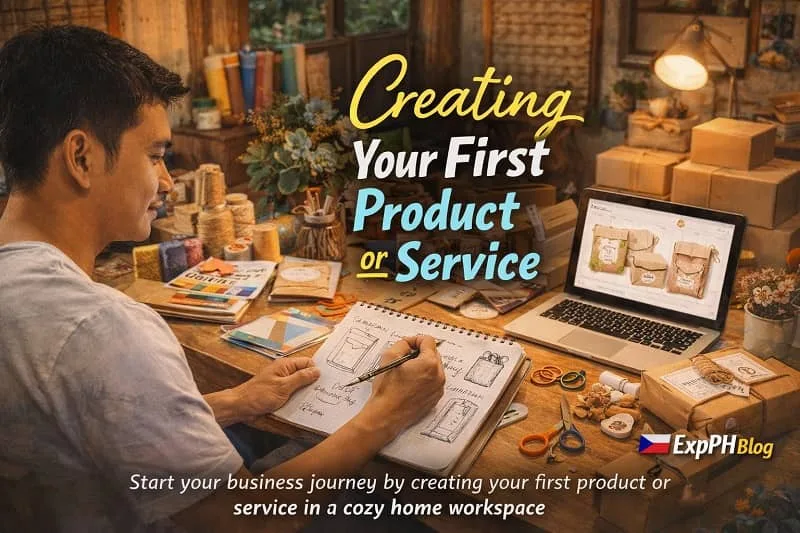
6. Creating Your First Product or Service
Creating your first product or service is an important step in your Hobby to Business journey. Start simple and focus on quality. A strong beginning helps you build trust with customers and gives you a solid foundation for future growth.
Start Simple
Begin with one strong product before expanding. Focus on doing it well instead of offering too many options. This allows you to manage your time better and maintain consistent quality while learning how your business works.
Test and Improve
Listen to customer feedback and use it to improve your product or service. Small adjustments can make a big difference. This process helps you understand your market better and refine your Hobby to Business idea over time.
Use Reliable Materials
Even with a small budget, choose materials that ensure good quality. Customers notice consistency and durability. Using reliable materials helps build trust and encourages repeat buyers, which is important for long term business growth.

7. Building Your Brand Identity
Building a strong brand identity helps your Hobby to Business stand out and become more recognizable. A clear name, consistent design, and meaningful story create trust and connection with your audience, making it easier for customers to remember and support your business.
Create a Simple and Clear Name
Choose a name that is easy to remember and simple to search online. A clear name helps customers find your business quickly and makes your brand more professional and accessible.
Design a Logo and Theme
Create a consistent visual identity that reflects your brand. Use simple tools like Canva or free logo makers to design your logo and choose colors that match your style and message.
Tell Your Story
Share your journey and the inspiration behind your business. People connect with real stories and are more likely to support brands that feel personal and genuine.

8. Legal Requirements and Business Setup in the Philippines
Setting up your Hobby to Business properly helps you operate legally and build trust with customers. Following the right steps protects your business and prepares you for long term growth. Even small businesses benefit from proper registration and basic compliance.
Basic Requirements
Start with the essential documents needed to run your business legally. These are required for most small businesses in the Philippines.
You will need:
- Barangay Clearance
- Mayor’s Permit
- DTI Business Registration
- BIR Registration
Completing these requirements allows you to operate smoothly and avoid legal issues.
Optional Steps
As your business grows, you can take additional steps to improve your operations and credibility. These are not always required at the beginning but can be helpful later.
You may consider:
- SEC Registration
- Opening a business bank account
- Using accounting tools
These steps help you manage your finances better and prepare your business for expansion.

9. Pricing Your Products and Services Correctly
Setting the right price is important for the success of your Hobby to Business. Your pricing should cover your costs, provide fair profit, and remain competitive. A balanced approach helps you earn consistently while keeping your products attractive to customers.
Consider Your Costs
Start by identifying all expenses involved in creating your product or service. This ensures you do not lose money and helps you price with confidence.
Include:
- Materials
- Labor or time spent
- Utilities
- Transportation or delivery
Knowing your total cost is the foundation of correct pricing.
Add Profit Margin
After calculating your costs, add a reasonable profit margin. This ensures your business remains sustainable and rewarding.
Keep in mind:
- Your effort and skill
- Market demand
- Long term growth
A fair margin allows you to earn while still offering value to your customers.
Study Competitors
Research similar products or services in your market. This helps you set a price that is competitive and realistic.
Check:
- Pricing of similar products
- Customer expectations
- Value offered by competitors
This helps you avoid underpricing or overpricing and position your business effectively.

10. Financial Management and Budgeting
Proper financial management helps your Hobby to Business stay stable and grow over time. When you track your money and plan your budget, you avoid losses and make better decisions. Simple systems can help you stay organized and in control of your finances.
Separate Personal and Business Funds
Keep your personal money separate from your business funds. This makes it easier to track income and expenses while avoiding confusion.
You can:
- Open a separate bank account
- Use a dedicated e wallet
- Record business transactions clearly
This helps you manage your finances more effectively and professionally.
Track Expenses and Income
Monitoring your cash flow helps you understand how your business is performing. It also helps you identify areas where you can save or improve.
Use simple tools like:
- Notion
- Excel
- Google Sheets
Regular tracking helps you stay organized and make informed decisions.
Save for Emergency Funds
Set aside savings to prepare for slow months or unexpected expenses. This gives your business stability and reduces financial stress.
Benefits include:
- Protection during low sales periods
- Better financial security
- More confidence in decision making
Emergency funds help you keep your business running even during challenges.

11. Scaling Up Your Hobby to Business
Scaling your Hobby to Business means growing your operations in a smart and manageable way. As your demand increases, you can improve your process, expand your offers, and reach more customers. Careful scaling helps you grow without losing quality or control.
Upgrade Equipment
Investing in better tools helps you work faster and improve product quality. As your business grows, reliable equipment becomes more important.
Benefits include:
- Faster production time
- Better product consistency
- Improved overall quality
Upgrading at the right time helps support steady business growth.
Add New Products
Expanding your product line keeps your business fresh and appealing to customers. It also gives you more ways to increase sales.
You can add:
- Seasonal products
- Limited edition items
- Variations of your best sellers
New products help attract repeat buyers and maintain customer interest.
Expand Your Market
Reaching more customers helps increase your income and brand awareness. Online platforms make it easier to sell beyond your local area.
Sell through:
- Shopee
- Lazada
- TikTok Shop
Expanding your market opens more opportunities and supports long term growth.

12. Common Mistakes to Avoid
Avoiding common mistakes can help your Hobby to Business grow faster and more smoothly. Small errors can lead to losses or missed opportunities. By staying aware of these issues, you can make better decisions and build a stronger and more reliable business.
Underpricing
Pricing too low can hurt your business and reduce your profit. It may also give the impression that your product has low value.
Avoid this by:
- Calculating your total costs
- Valuing your time and effort
- Setting a fair and sustainable price
Pricing correctly helps you earn and grow your business with confidence.
Lack of Planning
Running a business without a clear plan can lead to confusion and slow progress. Planning helps you stay focused and organized.
Make sure to:
- Set clear goals
- Track your progress
- Plan your tasks and schedule
A simple plan keeps your Hobby to Business on the right path.
Poor Customer Service
How you treat your customers can affect your business reputation. Good service builds trust and encourages repeat buyers.
Focus on:
- Responding quickly to inquiries
- Being polite and respectful
- Handling concerns properly
Strong customer service leads to loyal customers and more referrals.

Final Thoughts and Encouragement for Your Hobby to Business Journey
Your Hobby to Business journey can lead to personal freedom, financial growth, and creative fulfillment. Every successful entrepreneur starts small and improves over time. Your passion has real potential when you stay consistent and keep learning. Focus on progress, build your skills, and enjoy the process as you grow your business.
Start today and take simple steps forward. Trust your abilities and believe in your progress. You do not need perfect conditions to begin. What matters is action and commitment. Turn your passion into profit and build a business that reflects your goals and values.

FAQs About How to Turn Your Hobby into a Profitable Business
How do I know if my hobby can become a profitable business?
A hobby can become a profitable business if people show interest, ask for commissions, or compliment your work. If your hobby solves a problem, brings joy, or offers something unique, there is a market for it. You can also check competitors to see if similar products or services are selling well.
How much capital do I need to start a Hobby to Business project?
Most Hobby to Business ideas require low startup capital because you already have basic tools or skills. Many Filipinos begin with as little as five hundred to two thousand pesos for materials, while others start with zero cost by offering skills based services like writing, tutoring, or digital art.
What are the first steps to turning my hobby into a real business?
Start by evaluating your strengths, choosing a profitable niche, and identifying your target customers. Create a simple product or service, test it with a small audience, gather feedback, and slowly improve your offer. Consistency is more important than having a perfect setup.
Do I need permits or registration before starting a Hobby to Business?
Small beginners do not need permits immediately, especially if they are testing demand. Once you have regular customers, it is best to secure DTI registration, barangay clearance, mayor’s permit, and BIR registration. Proper documents help you grow legally and build customer trust.
How do I find customers for my new hobby based business?
Start by promoting your work on social media platforms like Facebook, Instagram, and TikTok. Share behind the scenes content, join community groups, and ask friends to share your posts. Offering limited discounts for first time customers can help you attract early buyers.
What is the best way to price my products or services?
Calculate your total cost, including materials, labor, transportation, and utilities. Add a fair profit margin that reflects your skill and effort. Check competitor pricing so you stay within a reasonable range. Avoid underpricing because it hurts long term growth.
How can I market my Hobby to Business effectively on social media?
Post consistently and share high quality photos or videos of your work. Show how your product is made, share customer testimonials, and post useful tips that relate to your niche. Storytelling helps customers connect with your brand. Hashtags and trending audio can boost visibility.
What common mistakes should beginners avoid when starting a business?
Avoid underpricing your work, copying competitors, skipping market research, and buying too many supplies too soon. Many beginners also forget to track expenses, which leads to confusion later. Good planning and patience are essential for any Hobby to Business project.
Can I start a Hobby to Business even if I have a full time job?
Yes, many Filipinos successfully manage both. You can work on your hobby during weekends, evenings, or your free hours. Once your business becomes stable, you can decide whether to keep it as a side hustle or transition into full time entrepreneurship.
How long does it usually take before a Hobby to Business becomes profitable?
It depends on your niche, pricing, and consistency. Some creators earn within the first week, while others take one to three months to build momentum. Success grows faster when you post regularly, improve your products, and connect with your audience.
Ready to go beyond your hobby and explore more business opportunities?
Explore the Top 10 Small Business Ideas in the Philippines for 2026 and find ideas you can turn into long-term success.
Explore more content suggestions in the list below.
- Cash Management Tips for New Business Owners
- Simple Financial Systems Small Businesses Should Set Up Early
For official resources, please refer to the link below.
Learning Hub Quiz!
Test your knowledge and discover how well you understand the journey of turning passion into profit. This quiz is designed to help you learn the basics of starting your Hobby to Business successfully. Choose the correct answers, check your score, and continue learning with our helpful guides.
Results


#1. What is the first step in starting a Hobby to Business?
#2. What helps you find loyal customers?
#3. Why is feedback important?
#4. What should you study before pricing?
#5. What builds strong branding?
#6. What helps increase sales?
#7. What reduces financial confusion?
#8. When should you get permits?
#9. What expands your market reach?
#10. What mindset guarantees long term success?
Your learning journey matters to us, and we’re proud to help you grow your Hobby to Business skills.
Don’t forget to share your score and tell us your experience in the comments section.

A Filipino web developer with a background in Computer Engineering. Founder of ExpPH Blog and ExpPH Business Guide, creating practical content on OFW guidance, business, finance, freelancing, travel, and lifestyle. Passionate about helping Filipinos grow, he shares insights that educate, empower, and inspire readers nationwide.