

How to Start a Home-Based Business in the Philippines
Starting a home-based business in the Philippines is more than just a convenient way to earn it’s a path toward independence, flexibility, and financial freedom. Whether you’re a stay-at-home parent, a returning OFW, a student seeking extra income, or someone who wants to escape the 9-to-5 grind, running a business from home gives you the chance to turn your skills and passions into profit. It allows you to build something of your own while staying close to your loved ones a dream for many Filipinos who value both family and livelihood.
In recent years, the Philippines has seen a major shift toward remote work and entrepreneurship. As digital tools become more accessible, more Filipinos are exploring ways to create sustainable income without leaving their homes. From small online stores to freelance services and homemade products, the opportunities for home-based businesses in the Philippines are limitless. This growing movement proves that you don’t need to migrate abroad to secure your financial future you can start earning right in your hometown, as long as you have dedication, creativity, and internet access.
The rise of affordable internet access, the popularity of mobile banking apps, and the growing digital literacy among Filipinos have made it easier to start a small business online. You can open a Shopee store in minutes, receive payments via GCash, and market your products to thousands with just one viral post. Many Filipinos are proving that success doesn’t require a big office or a large team all it takes is creativity, persistence, and the willingness to learn and adapt to modern trends.
For example, Anna, a mother of two from Cavite, started a small online baking business from her kitchen in 2020. What began with just a hand mixer and an oven toaster grew into a thriving custom cake business that now serves customers all over the province. Similarly, Ryan, a former OFW from Iloilo, began teaching English online to Korean and Japanese students using only his laptop and headset. Within a year, he was earning more than his overseas salary, all while spending every evening with his family.
Like Anna and Ryan, thousands of Filipinos are realizing that the dream of financial freedom can start right inside their homes. These success stories show that passion, proper planning, and a strong work ethic can transform simple ideas into thriving businesses.
This comprehensive guide will walk you through everything you need to know from idea selection to registration, setup, marketing, and long-term growth to help you launch your own home-based business in the Philippines successfully.
If you are ready to take the first step in starting your home-based business,
check out How to Register Your Small Business in the Philippines and learn the essential steps to get started legally.
Table of Contents

What Is a Home-Based Business?
A home-based business is any type of enterprise operated primarily from your residence. It can be a small online venture, a freelance service, or even a small-scale production setup. The main goal is to reduce overhead costs while maximizing your potential to earn and allowing more freedom in how you manage your time.
In the Philippines, this model is booming. Many entrepreneurs find that starting a home-based business in the Philippines allows them to work with minimal expenses while maintaining full control over their time and schedule. It’s a model that fits perfectly with the Filipino value of diskarte finding creative ways to earn from available resources.
For instance, Mark, an IT graduate from Cebu, works as a freelance website developer from home. Without commuting, office rent, or fixed working hours, Mark earns more than his previous corporate salary while enjoying more time with his family. He now teaches part-time web design online and mentors beginners through Facebook groups, proving that knowledge-sharing can also be profitable.
A home-based business can also be a side hustle that eventually grows into a full-time venture. Whether it’s crafting handmade items or managing an online shop, this setup empowers Filipinos to work smarter and live better, with full control over their work-life balance.

How to Promote Your Home-Based Business in the Philippines
Starting a home-based business is only the beginning. Effective promotion is what drives steady growth. In the Philippines, strong social media usage gives business owners affordable ways to reach customers. Platforms like Facebook, TikTok, and Instagram, along with Shopee and Lazada, help increase visibility without large marketing costs.
- Use Social Media Marketing – Post consistently and engage with followers.
- Join Online Marketplaces – Sell on Shopee, Lazada, and Facebook Marketplace.
- Invest in SEO – Use your focus keyphrase “home-based business in the Philippines” in captions and titles.
- Create Engaging Content – Share stories, reviews, and behind-the-scenes posts.
Consistent effort with these strategies helps build trust and visibility. Over time, this leads to more inquiries, repeat customers, and steady business growth. A clear plan and regular promotion can turn your home-based business in the Philippines into a reliable source of income.
1. 4 Reasons to Start a Home-Based Business in the Philippines
The Philippines offers an ideal environment for home-based businesses due to low barriers to entry and growing digital access. Many Filipinos now earn from home by using available tools skills and online platforms that support small businesses and independent entrepreneurs across the country.
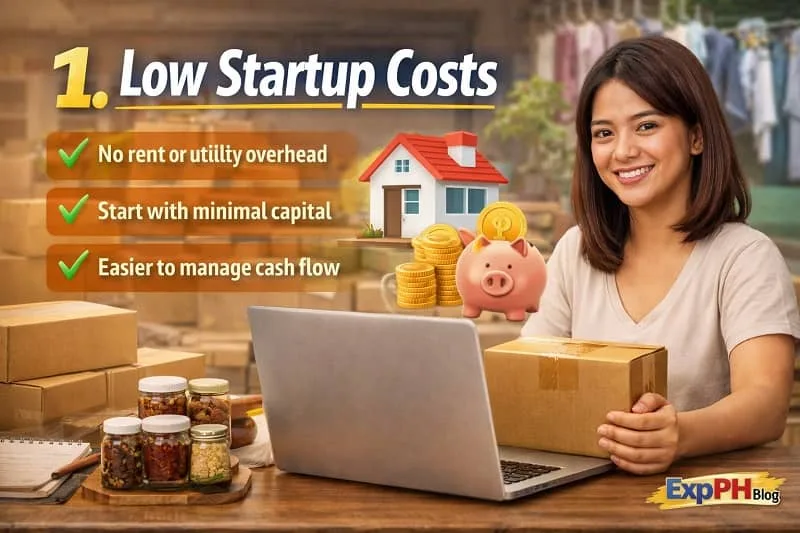
1. Low Startup Costs
Starting a home-based business reduces expenses because there is no need to rent a commercial space. Entrepreneurs can begin with limited capital, focus on essential tools, and grow at a steady pace. This setup lowers financial risk and supports gradual expansion.
- No rent or utility overhead
- Start with minimal capital
- Easier to manage cash flow
This allows business owners to test ideas, build confidence, and reinvest profits as income grows.
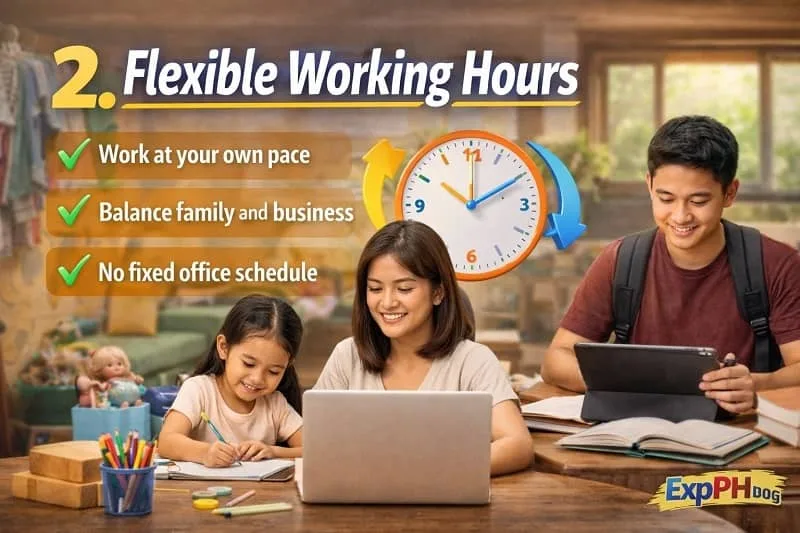
2. Flexible Working Hours
A home-based business gives full control over your schedule. You can adjust working hours based on daily responsibilities. This setup works well for parents, students, and employees who want extra income while maintaining balance between work and personal life.
- Work at your own pace
- Balance family and business
- No fixed office schedule
This flexibility helps reduce stress and improves productivity while supporting both personal and financial goals.
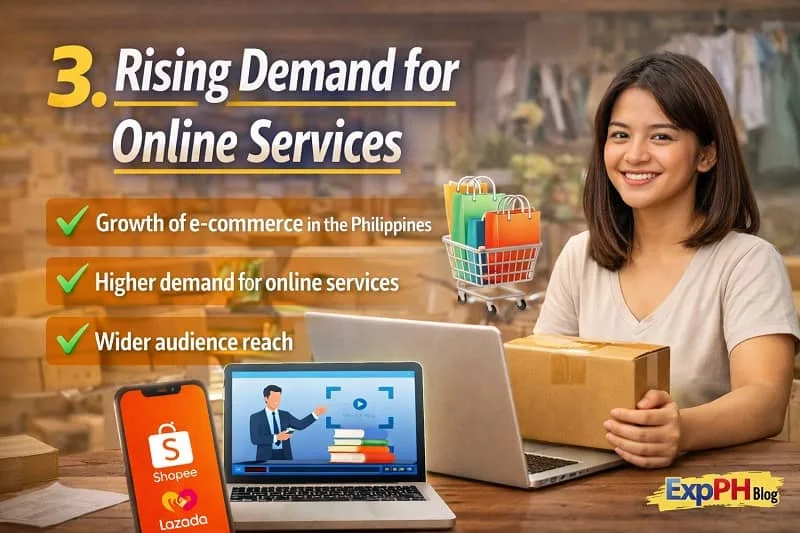
3. Rising Demand for Online Services
The shift to digital platforms increased demand for online shopping and services. Many Filipinos now prefer convenient online options. This creates opportunities for home-based entrepreneurs to sell products, offer services, and reach customers beyond their local area.
- Growth of e-commerce in the Philippines
- Higher demand for online services
- Wider audience reach
This trend continues to open new income streams and supports long-term business growth.
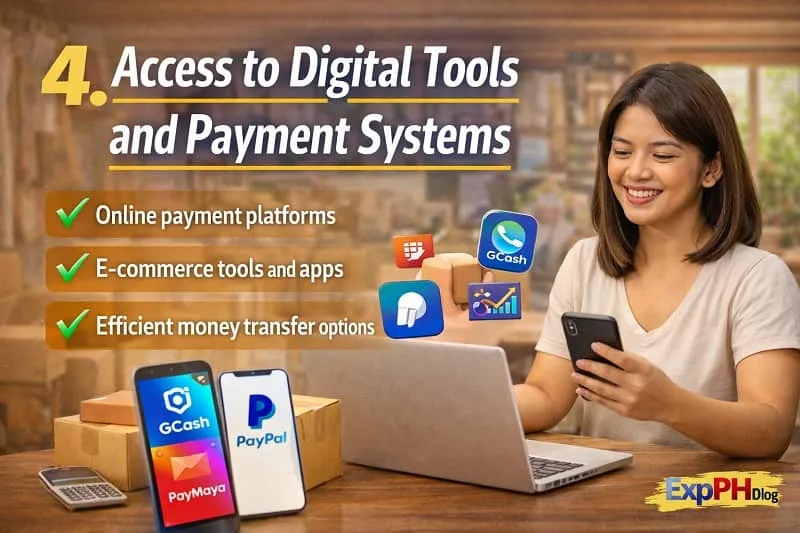
4. Access to Digital Tools and Payment Systems
Modern tools and payment systems make running a home-based business easier and more efficient. Entrepreneurs can manage orders, track sales, and communicate with customers using mobile apps. Secure payment options support smooth transactions across different locations.
- Easy order and sales management
- Secure and fast digital payments
- Wider reach across the Philippines
These tools help simplify daily operations and allow entrepreneurs to focus on growth, customer satisfaction, and long-term success.
2. 6 Ways to Choose the Right Home-Based Business Idea in the Philippines
Choosing the right home-based business is important for long-term success. Your idea should match your skills, interests, and lifestyle. When your business fits what you enjoy and can manage at home, it becomes easier to stay consistent, improve your service, and grow your income over time.

1. Food and Beverage Business
Food remains a reliable home-based business in the Philippines. You can start with simple products and grow as demand increases. This type of business works well for both local customers and online selling, making it a practical option for beginners.
- Easy to start with simple recipes
- High demand in local communities
- Can expand through online orders
Example: Mama A’s Sweet Delights in Bulacan started by selling leche flan and ube halaya online. The business now supplies cafés and restaurants and earns higher income during holidays due to strong demand and regular pre-orders.

2. Handicrafts and Homemade Products
Handmade products attract customers who value creativity and quality. These items are suitable for home production and allow you to build a strong brand. With consistent quality, you can create repeat customers and grow your business steadily over time.
- Unique and customizable products
- Low production setup at home
- Strong appeal for gifts and souvenirs
Example: Tita Ellen’s Candles in Pampanga began as a small home project. The business now supplies events, corporate giveaways, and souvenir shops while maintaining full production from home.

3. Digital Content Creation
Digital content creation offers flexible income for those who enjoy sharing ideas or knowledge. It allows you to build an audience and earn through ads and partnerships. With consistent posting, your content can grow into a stable source of income.
- Earn through ads and sponsorships
- Build a loyal online audience
- Flexible and scalable income
Example: Joyce from Davao started a YouTube channel focused on Filipino recipes. She now earns through ads, brand collaborations, and a growing audience that supports her content.

4. Online Services and Freelancing
Freelancing allows you to offer your skills to clients worldwide while working from home. It suits individuals with digital skills and strong communication. With consistent performance and learning, freelancers can build stable income and long-term client relationships.
- Work with local and international clients
- No need for physical products
- Flexible schedule and income potential
Example: Rina, a former call center agent, shifted to virtual assistance. She now manages multiple international clients and enjoys flexible working hours with steady monthly income.
Learn In-Demand Skills for Home-Based Freelancing
Many successful home-based entrepreneurs in the Philippines start by upgrading their skills before offering services online. Learning practical skills such as virtual assistance, graphic design, web development, digital marketing, or online teaching helps you compete globally while working from home. Structured learning also reduces trial-and-error, saving both time and money when starting your freelancing journey.
If you want guided, beginner-friendly training that you can take at your own pace, online learning platforms like Udemy offer courses focused on freelancing, online services, and digital skills that are well-suited for home-based businesses in the Philippines.

5. Online Selling and Dropshipping
Online selling and dropshipping allow you to run a business without large inventory. You focus on marketing and customer service while suppliers handle storage and shipping. This model is simple to manage and ideal for beginners starting from home.
- Low inventory risk
- Easy to start on online platforms
- Focus on marketing and customer service
Example: Paolo’s Gadget Hub started as a dropshipping store. With strong customer reviews, the business now earns steady income through Shopee and TikTok Shop.
Start Selling Products Online From Home
One of the easiest ways to run a home-based business in the Philippines is through online marketplaces. These platforms allow you to reach customers nationwide without the need for a physical store. You can sell homemade goods, gadgets, clothing, beauty products, or even curated items sourced from local suppliers, all while managing your business from home.
For beginners, Shopee Philippines provides an accessible way to set up an online store, manage orders, and connect with millions of Filipino buyers using just your smartphone and internet connection.

6. Learn In-Demand Skills First
Learning in-demand skills improves your chances of success in any home-based business. It helps you offer better services and stay competitive. With proper training, you can avoid common mistakes and grow faster in your chosen field.
- Learn skills like design or marketing
- Increase chances of getting clients
- Improve long-term income potential
Example: Mark from Cebu learned graphic design through online courses. He started freelancing from home and now works with international clients while earning consistent income.
3. 10 Steps to Start a Home-Based Business in the Philippines
Building a successful home-based business requires a clear and organized approach. Each step below helps you reduce risks improve decision making and create a stable foundation. Following these steps in order allows you to start small stay focused and grow your business with confidence over time.

1. Identify Your Skills and Passion
Start by listing your skills, interests, and experiences that you can use from home. Choosing a business that matches what you enjoy helps you stay motivated. It also improves service quality and supports long-term success during slow or challenging periods.
- List your strengths and skills
- Focus on what you enjoy doing
- Choose something sustainable
This helps you build a business that feels natural and easier to manage over time.

2. Research Market Demand
Study your target market to understand what people are buying or searching for. Review competitors, pricing, and customer feedback. This helps you find gaps and avoid business ideas with low demand or weak income potential.
- Check trends and popular products
- Analyze competitors and pricing
- Identify customer needs
This step gives you a clear direction and improves your chances of success.
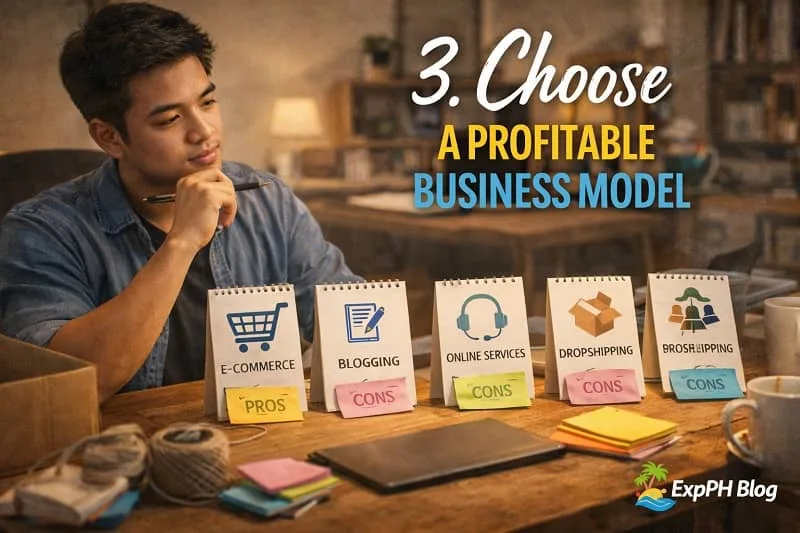
3. Choose a Profitable Business Model
Select a business model that fits your resources and goals. Decide if you will sell products, offer services, or create digital content. A clear model helps you plan your operations and manage your time effectively.
- Product selling or services
- Digital or physical offerings
- Scalable income options
This ensures your business structure supports long-term growth.

4. Create a Business Plan
A simple business plan gives your idea clear direction. Define your goals, target customers, pricing, and marketing approach. Planning helps you manage resources and track progress as your home-based business grows.
- Set clear goals
- Identify your target market
- Plan pricing and marketing
This keeps your business organized and focused.

5. Determine Budget and Funding
Estimate how much capital you need to start and operate your business. Include costs for tools, supplies, internet, and promotion. A clear budget helps prevent overspending and supports better financial management.
- List startup and monthly costs
- Allocate funds properly
- Avoid unnecessary expenses
This ensures better control of your finances.

6. Register Your Business
Registering your business builds trust and ensures legal compliance. Secure permits from your Barangay, register with DTI, and complete BIR requirements. This allows you to operate legally and grow your business with confidence.
- Get Barangay clearance
- Register with DTI
- Complete BIR requirements
This helps you gain credibility and avoid legal issues.

7. Set Up Your Workspace
Create a dedicated workspace at home that supports focus and productivity. A quiet and well-lit area with basic equipment helps you work efficiently and stay organized throughout your daily tasks.
- Choose a quiet space
- Ensure good lighting
- Use basic work tools
This improves productivity and work consistency.

8. Build Online Presence
Establish your presence on platforms where your audience is active. Create business pages on Facebook, Instagram, or TikTok. Consistent posting helps attract customers and build trust over time.
- Create social media pages
- Post content regularly
- Engage with your audience
This increases visibility and brand awareness.

9. Promote Consistently
Consistent promotion keeps your business active and visible. Share updates, respond to messages, and interact with your audience. Engaging content helps build relationships and encourages repeat customers.
- Post updates regularly
- Respond to inquiries
- Share customer feedback
This helps maintain customer interest and loyalty.

10. Manage and Scale Your Business
Track your sales, expenses, and customer feedback to understand what works. Use this information to improve your process and expand your offerings. Scaling slowly helps your business grow without financial pressure.
- Monitor sales and expenses
- Improve based on feedback
- Expand gradually
This supports steady growth and long-term success.
Common Challenges of Running a Home-Based Business
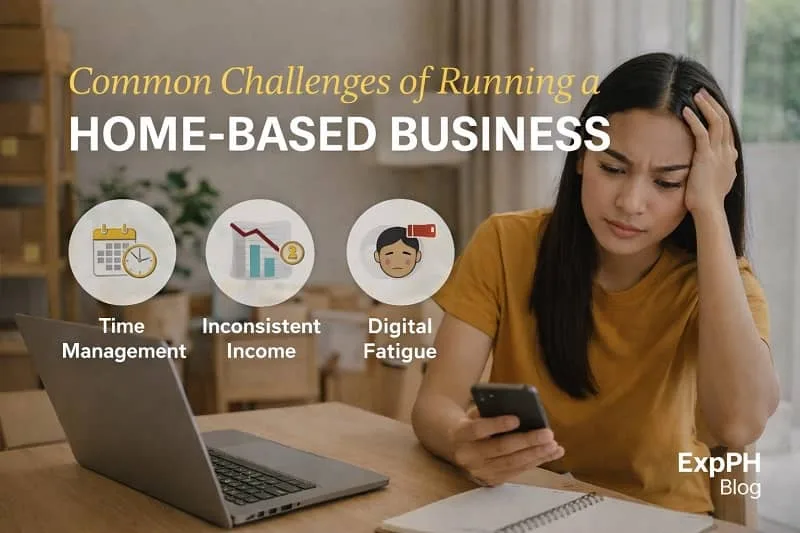
Running a home-based business in the Philippines comes with real challenges that require patience and discipline. Common issues include managing time effectively handling irregular income and dealing with digital fatigue caused by long hours online and blurred boundaries between work and personal responsibilities.
Many new entrepreneurs struggle to separate work duties from home life. Without structure tasks can easily overlap and cause stress. Using simple schedules setting clear work hours and organizing a dedicated workspace can help restore balance and improve productivity over time.

Tips for Success in a Home-Based Business
Building a successful home-based business requires discipline, continuous learning, and a clear focus on delivering value. By developing the right habits and maintaining consistency, you can create steady growth and long-term sustainability even in a competitive market.
- Focus on Quality – Satisfied customers bring repeat sales.
- Learn Digital Marketing – Master social media promotion to reach wider audiences.
- Continue Learning – Attend webinars, join online communities, and read blogs like ExpPH Blog.
- Be Consistent – Post regularly, maintain quality, and communicate well.
- Keep Track of Finances – Separate personal and business funds.
Applying these practical tips consistently helps you build trust, improve performance, and create a strong foundation for long-term business success.

Best Examples of Successful Home-Based Businesses in the Philippines
Many Filipinos have successfully turned small ideas into profitable home-based businesses through determination, creativity, and smart use of online platforms. These examples show that even with limited capital, consistent effort and the right strategy can lead to impressive results.
- Ate Jessa’s Kitchen (Laguna) – Grew from ₱3,000 capital to ₱40,000 monthly income.
- Ukay Queens (TikTok) – Achieved daily sales through live selling and consistent online engagement.
- John (Davao) – A freelance writer earning around ₱80,000 monthly from international clients.
- Karla’s Brew (Quezon City) – Started as a home café and expanded into a physical shop still managed from home.
These real success stories prove that starting small does not limit your potential, especially when you stay consistent, adapt to trends, and focus on delivering value.prove that starting a home-based business in the Philippines can lead to life-changing opportunities.

Financial Tips for Home-Based Entrepreneurs
Proper financial management is one of the most important foundations of a successful home-based business. By handling your money wisely, you can reduce risks, improve decision-making, and ensure your business continues to grow even during slow periods.
- Track Your Cash Flow – Monitor your income and expenses regularly to understand your financial position.
- Reinvest Profits – Allocate earnings to advertising, product improvements, or better tools to support growth.
- Separate Finances – Keep personal and business funds separate to avoid confusion and maintain control.
- Set a Budget – Plan your spending to prevent overspending and ensure sustainability.
- Build an Emergency Fund – Prepare for unexpected expenses or slow sales periods.
Smart money management allows you to stay stable, grow consistently, and build a business that does not rely only on daily sales.

Final Thoughts on Home-Based Businesses in the Philippines
Starting a home-based business in the Philippines is one of the smartest and most empowering paths toward financial independence. It gives every Filipino the chance to turn ideas into income while working in the comfort of their own homes. Whether you’re a parent balancing family life, a student exploring your first venture, or an OFW returning home to start fresh, this opportunity allows you to chase dreams without sacrificing what truly matters time and connection.
In a country known for creativity, hard work, and resilience, a home-based business in the Philippines proves that success doesn’t depend on having a big office or massive capital. It’s about resourcefulness, dedication, and consistency. Every small step from registering your business name to promoting it online brings you closer to long-term success and self-sufficiency.
From bakers in Bulacan selling homemade pastries to vloggers in Davao inspiring thousands with their stories, countless success stories remind us that the Filipino entrepreneurial spirit is alive and thriving right from home. These passionate individuals are living proof that a home-based business in the Philippines can grow from humble beginnings into something truly impactful.
So if you’ve been waiting for the perfect time to start, the truth is there’s no better moment than now. The digital world offers unlimited possibilities for growth, connection, and success. Believe in your abilities, start small, and grow consistently. Your passion, effort, and determination can transform your home into the birthplace of the next great Filipino success story.
Remember, every big dream begins with one small action and your home-based business in the Philippines could be the first step toward the life you’ve always wanted.

FAQs About How to Start a Home-Based Business in the Philippines
What is the first step in starting a home-based business in the Philippines?
The first step is to identify your passion, skills, and available resources. Determine what type of business you can manage from home and research whether there’s a demand for it. Understanding your strengths and target market is key to building a sustainable home-based business in the Philippines.
Do I need to register my home-based business with DTI or BIR?
Yes. Even small home-based businesses in the Philippines are encouraged to register with the Department of Trade and Industry (DTI) and Bureau of Internal Revenue (BIR). Registration gives your business legitimacy, protects your brand name, and helps you comply with tax obligations.
How much does it cost to start a home-based business in the Philippines?
Startup costs depend on your business type. Some online sellers and freelancers begin with as little as ₱3,000 to ₱10,000. For food businesses or those requiring equipment, ₱20,000–₱50,000 may be more realistic. The good news is that you can start small and grow as your income increases.
What are the most profitable home-based businesses in the Philippines?
Some of the most profitable options include food delivery, online selling, freelancing, digital marketing, and tutorial services. Many Filipinos also find success in reselling, vlogging, and making homemade products such as candles, pastries, or soap. These ventures require minimal investment and have strong local demand.
Can I run a home-based business without a physical store?
Absolutely! One of the advantages of a home-based business in the Philippines is that you can operate entirely online. Through Facebook, Shopee, or your own website, you can sell products and services without the need for a physical shop, reducing expenses and maximizing profits.
Is it necessary to pay taxes for a small home-based business?
Yes, even small businesses are required to pay taxes once they are officially registered. You’ll need to apply for a TIN (Tax Identification Number) and file regular tax returns. However, micro-entrepreneurs earning below a certain threshold may qualify for reduced tax rates or exemptions under the TRAIN Law.
How can I promote my home-based business effectively?
Social media is your best marketing tool. Use Facebook, Instagram, TikTok, and even YouTube to reach your audience. Post consistently, share testimonials, and create content that builds trust. You can also optimize your pages using keywords like “home-based business in the Philippines” to attract more local customers through SEO.
What equipment or tools do I need to start a home-based business?
This depends on your business type. Generally, you’ll need a smartphone or laptop, stable internet, and a payment method like GCash or Maya. If you’re into production (like baking or crafts), basic equipment and packaging materials are essential. For freelancers, noise-canceling headphones, a good webcam, and ergonomic workspace setup help boost productivity.
How can I balance work and family life while managing a home-based business?
Time management is key. Set clear boundaries between your business hours and personal time. Create a daily schedule, use productivity apps, and delegate household tasks if possible. Maintaining balance ensures you don’t experience burnout while running your home-based business in the Philippines.
Can a home-based business really replace a full-time job?
Yes many Filipinos have successfully transitioned from traditional employment to full-time entrepreneurship. It might take time to build momentum, but with dedication, smart marketing, and consistent effort, a home-based business in the Philippines can provide equal or even higher income than a corporate job, while giving you freedom and flexibility.
Ready to expand beyond home-based businesses and build something bigger?
Explore the Top 10 Small Business Ideas in the Philippines for 2026 and find opportunities you can turn into long-term success.
For more related content, kindly visit the link below.
- Cash Management Tips for New Business Owners
- Common Money Mistakes New Business Owners Must Avoid
- Simple Financial Systems Small Businesses Should Set Up Early
- Best Savings and Investment Tips for Small Business Owners in 2026
- Choosing Between a Franchise and a Startup for Filipinos
- How to Turn Your Hobby into a Profitable Business
For readers who want to learn more about starting and managing a home-based business in the Philippines, here are some trusted resources from official and educational websites:
- Official Business Registration Portal
- Business Startup Guide for Home-Based Businesses in the Philippines
- Local Government Licensing / Permit Information for Home-Office or Home-Based Setups
- Government Platform for MSMEs and Business Support
Learning Hub Quiz!
Let’s see how much you’ve learned from our guide on starting a home-based business in the Philippines.
Results


#1. What is the first step before starting a home-based business?
#2. Which agency handles business name registration?
#3. What is one major advantage of a home-based business?
#4. Which tool helps with online payments?
#5. What is a common challenge for home-based entrepreneurs?
We’d love to hear from you!
Comment below with your quiz score and tell us what business idea you want to start next. Your feedback helps us create more valuable learning content for every Filipino dreamer.

A Filipino web developer with a background in Computer Engineering. Founder of ExpPH Blog and ExpPH Business Guide, creating practical content on OFW guidance, business, finance, freelancing, travel, and lifestyle. Passionate about helping Filipinos grow, he shares insights that educate, empower, and inspire readers nationwide.