
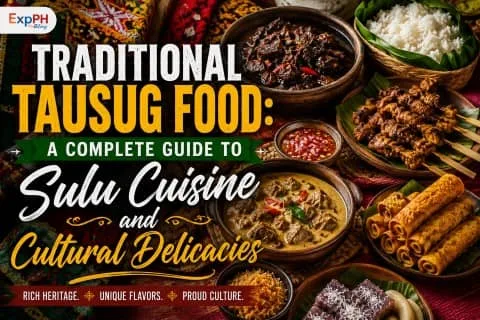
Traditional Tausug Food: A Complete Guide to Sulu Cuisine and Cultural Delicacies
Among the most fascinating cultural treasures of the southern Philippines is the vibrant, aromatic, and deeply historical food culture of the Tausug people. If you want to truly experience the soul of the region, exploring traditional Tausug food is the ultimate gateway.
Nestled in the Sulu Archipelago, the Tausug (whose name beautifully translates to “people of the current”) have a culinary heritage that is as rich, deep, and dynamic as the seas surrounding their island home.
For the Tausug, food is far more than just daily nourishment. It is a profound symbol of hospitality, a centerpiece for family unity, and a proud badge of cultural identity.
Whether it is a grand wedding, a religious celebration, a community gathering, or a simple family dinner, every dish tells a story that connects the present generation to their ancestors.
For Overseas Filipino Workers (OFWs) and Filipinos living abroad, cooking and sharing traditional Tausug food is a heartfelt way to cure homesickness, reconnect with their roots, and proudly share their heritage with the world.
In this comprehensive ExpPH guide, we will dive deep into the history, symbolism, savory masterpieces, and sweet treats that make up this incredible branch of Mindanao cuisine.
Want to explore even more of the region’s culinary heritage?
Make sure to bookmark our master guide, Flavors of Sulu: The Ultimate Guide to Authentic Tausug Cuisine. It is the perfect companion piece for anyone looking to master these authentic recipes and bring a taste of home to their kitchen, no matter where in the world they are!
Table of Contents
Quick Summary (TL;DR)
- A Melting Pot of Flavors: Traditional Tausug food beautifully marries local island ingredients with historical influences from Arab missionaries, Chinese traders, and neighboring Southeast Asian countries.
- Must-Try Savory Dishes: You cannot talk about Sulu delicacies without mentioning iconic meals like Tiyula Itum, Piyanggang, Kurma, and Satti.
- Sweet Native Filipino Delicacies: Celebrations are never complete without traditional treats like Lokot-Lokot, Daral, Patulakan, and Jambangan sweets.
- Deep Cultural Roots: Food is the ultimate expression of Tausug hospitality and plays a massive role in preserving Sulu cultural heritage, especially during weddings, Ramadan, and Eid celebrations.
- The OFW Connection: Recreating these Muslim Filipino dishes abroad helps global Filipinos stay connected to their roots and share their vibrant culture internationally.
- Essential Ingredients: Burnt coconut (pamapa itum), turmeric, lemongrass, and fresh seafood are the foundational pillars of this cuisine.
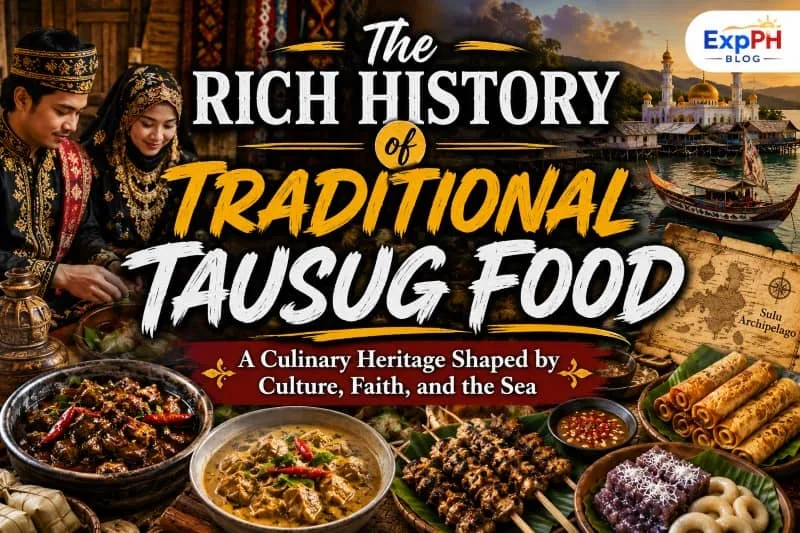
The Rich History of Traditional Tausug Food
To truly appreciate Bangsamoro cuisine and the specific flavors of Sulu, one must look back centuries. The food of the Tausug people is a living historical record of the archipelago’s golden age. Every spice, cooking technique, and ingredient tells a story of trade, religion, and maritime mastery.
The Influence of the Sultanate of Sulu
Founded in the 1400s, the Sultanate of Sulu was once a powerful and wealthy maritime state that encompassed the Sulu Archipelago, parts of Mindanao, and even Palawan and Sabah.
The royal courts of the Sultanate demanded sophisticated, rich, and complex dishes for their banquets. Dishes like Tiyula Itum (the famous black soup) were historically reserved for royalty and high-ranking officials before becoming accessible to the wider community.
The Sultanate’s emphasis on grandeur and hospitality laid the foundation for the elaborate feasts still seen in Tausug culture today. The royal kitchens were places of culinary innovation, where local cooks blended indigenous ingredients with imported spices to create meals fit for a king.
Trade Routes and Spice Connections
Long before the Spanish arrived in the Philippines, Sulu was a bustling hub in the global spice trade. The archipelago’s proximity to the Spice Islands (Maluku) and its strong trade relations with present-day Malaysia and Indonesia heavily influenced its flavor profile.
This is why traditional Tausug food features heavy use of turmeric, lemongrass, galangal, coriander, and coconut milk. These ingredients mirror the rich curries and rendangs of their Southeast Asian neighbors.
Traders brought cloves, nutmeg, and cinnamon, which were quickly adopted by local cooks to elevate their native dishes.
Arab Missionaries and Halal Traditions
The arrival of Arab missionaries and traders, most notably Makhdum Karim in the 14th century, introduced Islam to the region. With Islam came Halal dietary laws, which strictly govern how food is prepared and consumed.
Pork is entirely absent from traditional Tausug food, replaced by beef, goat, chicken, and an abundance of seafood. Arab influences also brought new spices and cooking techniques, such as the slow-braising of meats seen in dishes like Kurma.
The Islamic faith also introduced the concept of communal eating during religious festivals, which cemented food as a spiritual and social cornerstone.
Chinese Trade Influences
Chinese merchants from the Ming Dynasty frequently visited the ports of Jolo to trade silk, porcelain, and iron for Sulu’s prized pearls, birds’ nests, and sea cucumbers.
This centuries-long relationship introduced soy sauce, noodles, and stir-frying techniques to the islands. Over time, these Chinese elements were indigenized, blending seamlessly with local coconut-based broths and native spices.
The fusion of Chinese cooking methods with local ingredients created a unique sub-set of dishes that are still enjoyed in Sulu today.
The Maritime Heritage of the Tausug People
The Tausug are historically a seafaring people. Their ancestors, alongside the Sama-Bajau (sea nomads), mastered the art of harvesting the ocean’s bounty.
This maritime heritage is evident in the preservation techniques used for fish, such as drying and smoking, and the extensive use of seaweed, clams, crabs, and deep-sea fish in everyday meals.
The ocean was not just a source of food but a way of life, and traditional Tausug food reflects this deep respect for marine resources.
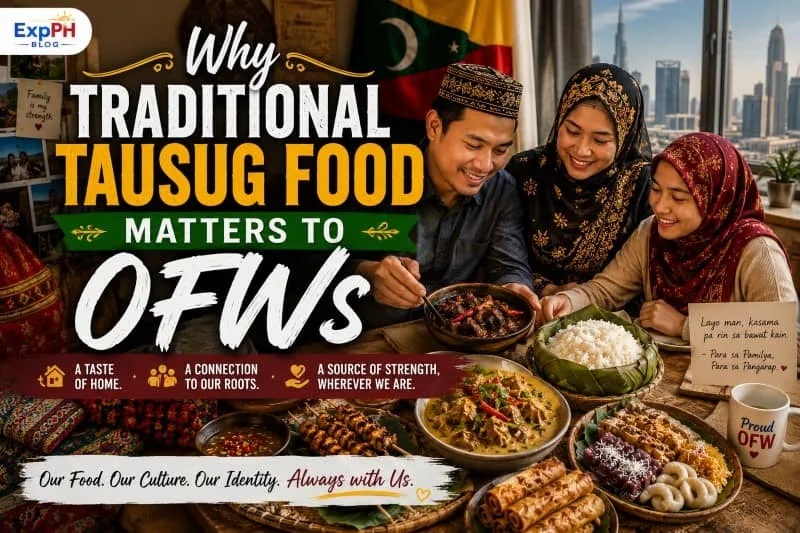
Why Traditional Tausug Food Matters to OFWs
For the millions of Overseas Filipino Workers scattered across the globe, food is the strongest tether to their homeland. The ExpPH Blog recognizes that for OFWs, cooking is not just a chore but an act of cultural preservation and emotional survival.
A Taste of Home in Foreign Lands
When a Tausug OFW living in Dubai, Canada, or Saudi Arabia cooks a pot of traditional Tausug food, they are instantly transported back to the islands of Sulu. The aroma of burnt coconut and lemongrass can turn a lonely apartment into a warm Filipino home.
Finding the right ingredients abroad can be a challenge, but OFWs are incredibly resourceful. They substitute local ingredients, rely on care packages (balikbayan boxes) filled with native spices, and share their precious supplies with fellow Filipinos.
The effort it takes to recreate these dishes makes the final meal even more meaningful.
Preserving Cultural Identity Abroad
Raising children in a foreign country often comes with the fear of losing cultural identity. For OFW parents, traditional Tausug food is a delicious educational tool.
By teaching their children how to roll Daral or how to properly roast coconut for Tiyula Itum, they are passing down centuries of history. These cooking sessions become storytelling moments, where parents share memories of their own childhoods in the Philippines.
It ensures that the next generation, regardless of where they are born, understands and appreciates their Bangsamoro heritage.
Sharing Filipino Heritage with the World
Food is the universal language of friendship. When OFWs share traditional Tausug food with their international colleagues and friends, they are acting as cultural ambassadors.
Serving a rich, smoky bowl of Piyanggang breaks stereotypes and introduces the world to the incredible diversity of Mindanao cuisine. It shows that Filipino food is much more than just Adobo and Sinigang.
It is a complex, spice-rich, and deeply historical culinary tradition that deserves global recognition.
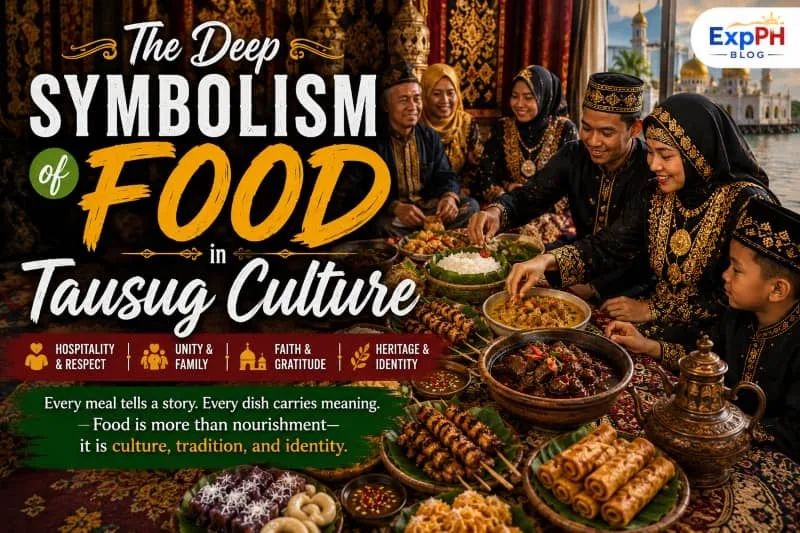
The Deep Symbolism of Food in Tausug Culture
In Sulu, you will rarely find a milestone that is not marked by a feast. Food is the ultimate social glue, carrying deep symbolic meanings that reinforce community bonds and family hierarchy.
Weddings and Grand Feasts (Pagkawin)
A traditional Tausug wedding (Pagkawin) is a massive community event, and the food served is a reflection of the families’ generosity and social standing. Elaborate spreads of traditional Tausug food are prepared days in advance.
Serving a whole roasted cow or goat, alongside massive vats of Tiyula Itum and Piyanggang, symbolizes abundance, blessings, and the merging of two families.
The sweetness of the desserts served at the end of the meal symbolizes the hope for a sweet and harmonious marriage. The entire community pitches in to help cook, making the preparation itself a celebration of unity.
Ramadan and Spiritual Nourishment
During the holy month of Ramadan, food takes on a deeply spiritual meaning. The pre-dawn meal (Suhoor) is designed to provide sustained energy, often featuring rich rice dishes and proteins.
The breaking of the fast (Iftar) is a communal affair. Families and neighbors share native coconut-based snacks, fresh fruits, and warm soups to gently break their fast.
This daily ritual symbolizes gratitude, patience, and spiritual purification. Sharing food with those who have less is highly encouraged during this time, reinforcing the values of charity and compassion.
Eid Celebrations and Community Charity
The festivals of Eid al-Fitr (marking the end of Ramadan) and Eid al-Adha (the feast of sacrifice) are the most anticipated culinary events of the year. Homes are opened to guests, and the absolute best traditional Tausug food is laid out.
It is a time of immense joy, where offering food to guests, the poor, and extended family is considered a religious virtue and a profound act of charity.
The slaughtering of livestock during Eid al-Adha ensures that even the poorest members of the community have access to high-quality meat.
Hospitality as a Way of Life
Hospitality is practically a love language in Sulu. If you visit a Tausug home, expect to be welcomed with generous servings of food and refreshments. This is a genuine display of respect and goodwill.
The best cuts of meat and the finest delicacies are always offered to the guests and the elders first, reinforcing the cultural values of respect for hierarchy and profound generosity.
To refuse food when offered is considered impolite, as sharing a meal is the ultimate sign of trust and friendship.
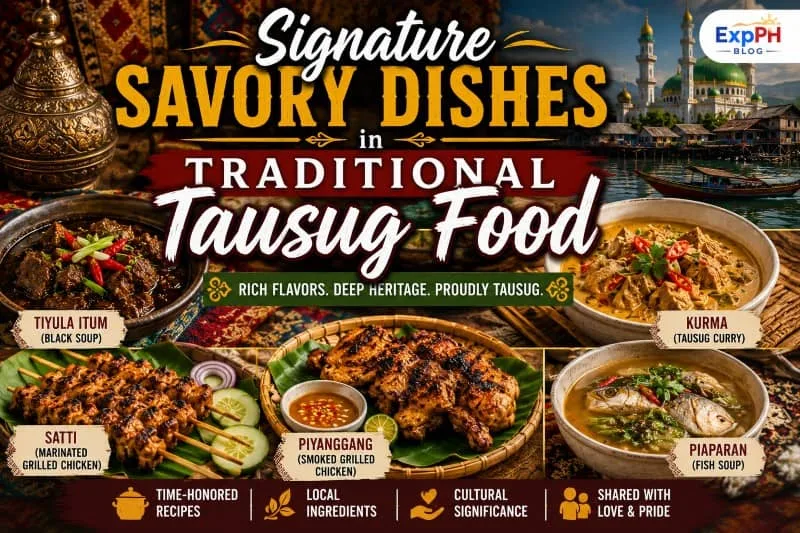
Signature Savory Dishes in Traditional Tausug Food
If you are looking to dive into the savory flavors of Sulu, here are the iconic dishes that define the region’s culinary identity. These recipes have been perfected over generations and remain the pride of the Tausug people.
Tiyula Itum: The Royal Black Soup
If there is one dish that perfectly represents traditional Tausug food, it is Tiyula Itum. Translating to “black soup,” this visually striking dish gets its signature dark broth and smoky flavor from a very specific ingredient known as pamapa itum (burnt coconut meat).
The coconut is roasted over an open fire until it is charcoal black, then pounded with ginger, garlic, turmeric, and galangal.
Simmered slowly with beef or goat, Tiyula Itum is a rich, aromatic, and slightly spicy staple that is an absolute must-have at any Tausug celebration. The broth is deeply comforting, with a complex flavor profile that is unlike anything else in Philippine cuisine.
Piyanggang: Smoky Grilled Chicken
Similar to Tiyula Itum, Piyanggang utilizes the magic of charred coconut. Chicken is marinated in a vibrant blend of turmeric, ginger, garlic, lemongrass, and local spices.
It is then coated in the black burnt coconut paste and grilled or simmered in coconut milk until it is fall-off-the-bone tender. The result is a deeply flavorful, smoky chicken dish that pairs perfectly with a mountain of warm rice.
The contrast between the dark, savory coating and the tender, juicy meat makes Piyanggang a favorite among locals and tourists alike.
Kurma: The Tausug Coconut Curry
Not to be confused with Indian curry, the Tausug Kurma has a distinct local flair. It is a luxurious, thick stew made with beef, chicken, or goat, slow-cooked in rich coconut milk, peanut butter, and a unique blend of spices.
It is a dish that perfectly showcases the historical trade influences of the region while remaining uniquely Tausug. The addition of peanut butter gives the sauce a creamy, nutty depth that balances the heat of the spices.
Kurma is often served during special occasions and is a testament to the slow-cooking traditions of the archipelago.
Satti: The Ultimate Spicy Breakfast
If you find yourself in Sulu or the wider Bangsamoro region early in the morning, you need to eat Satti. This beloved breakfast consists of small grilled skewers of chicken, beef, or goat liver, swimming in a thick, sweet, and spicy red sauce.
It is served alongside puso (rice boiled in woven coconut leaves). Satti is the ultimate comfort food to start the day and a staple of local street food culture.
The sauce is the star of the show, made from a secret blend of chilies, tomatoes, and spices that provides a warming kick to wake up your senses.
Piaparan and Utak-Utak: Coastal Favorites
Other notable savory dishes include Piaparan, a dish of fish or chicken cooked in a vibrant yellow broth of turmeric and coconut milk, topped with toasted grated coconut. The turmeric gives the dish a beautiful golden color and a mild, earthy flavor.
Utak-utak is a unique fish cake made from flaked fish, spices, and beaten eggs. It is shaped to resemble a brain (hence the name) and deep-fried to golden perfection.
These dishes highlight the Tausug’s mastery of seafood and their ability to elevate simple ingredients with complex spice blends.
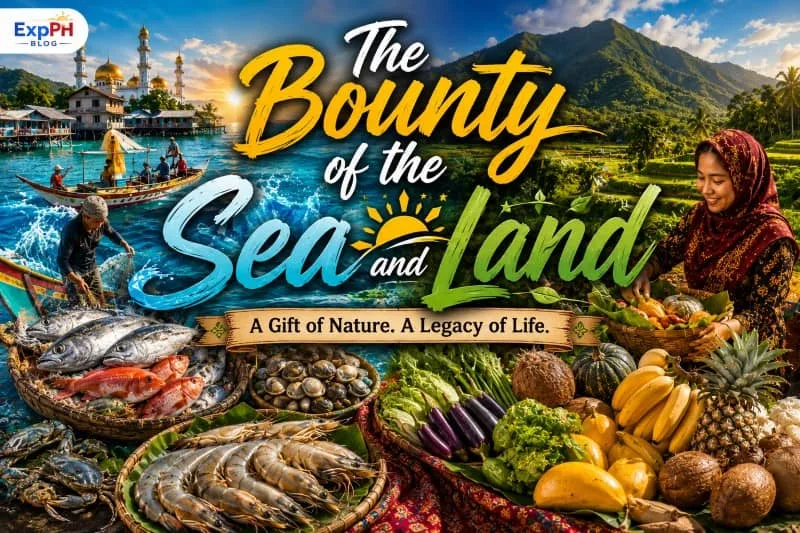
The Bounty of the Sea and Land
Given their deep connection to the sea, it is no surprise that seafood dominates the Tausug diet. The waters surrounding the Sulu Archipelago are teeming with life, providing a daily source of fresh, high-quality protein.
Fresh Seafood and Seaweed Salads
Fresh fish is prepared in a multitude of ways. It is grilled over hot coals, steamed with ginger and lemongrass, fried to a crisp, or bathed in rich coconut milk.
Coastal families regularly feast on crabs, clams, mussels, and shrimp, often caught just hours before cooking. Even seaweed (known locally as agar-agar or lato) is a prized ingredient.
It is often tossed into refreshing, nutrient-packed salads with green mangoes, tomatoes, and a squeeze of calamansi. The crunch of the seaweed combined with the tartness of the mango creates a perfect side dish to cut through the richness of coconut-heavy meals.
Pusut and Pastil: The Art of Rice Preparation
Rice is the undisputed staple of the Filipino diet, and the Tausug have elevated its preparation to an art form. Beyond the standard steamed variety, the Tausug prepare Pusut (also known as Tamu), which is rice beautifully cooked inside woven coconut leaves.
The leaves impart a subtle, earthy aroma to the rice, making it the perfect companion for rich curries and grilled seafood.
Pastil (or Pater) is another popular preparation. It consists of rice topped with shredded savory chicken or fish, wrapped tightly in banana leaves. It is a popular, portable meal that is perfect for travelers, fishermen, and busy workers.
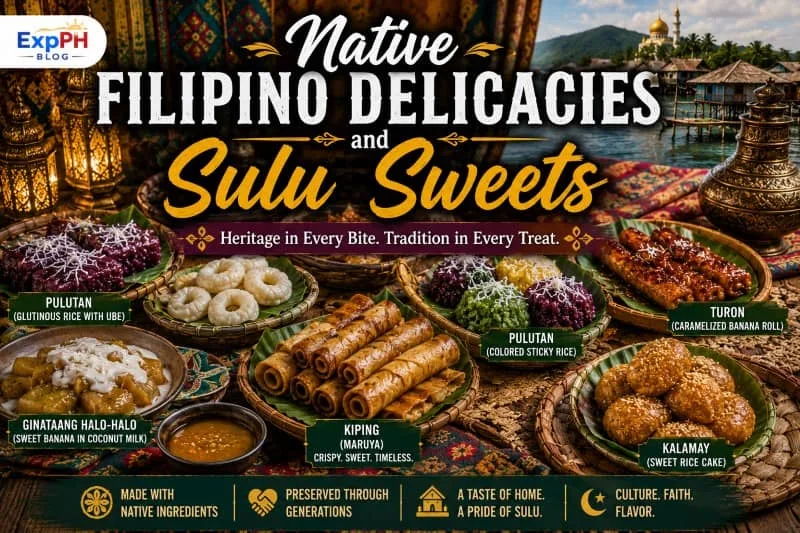
Native Filipino Delicacies and Sulu Sweets
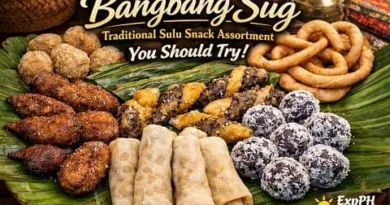
The culinary heritage of Sulu extends far beyond savory dishes. Sulu delicacies, collectively known as Bangbang Sug, are an essential part of traditional Tausug food. These native Filipino delicacies are often enjoyed during afternoon tea (kahawa sug) or as the grand finale to a feast.
Lokot-Lokot: The Golden Zamboanga Roll
Also known as Jaa or the Zamboanga roll, Lokot-Lokot is a masterpiece of culinary architecture. It is made from a fine batter of rice flour and water, which is poured through a coconut shell with tiny holes directly into hot oil.
The batter forms a delicate, golden, net-like web that is quickly folded into a roll while still hot.
It is crunchy, slightly sweet, and requires immense skill and timing to prepare. Watching a master make Lokot-Lokot is like watching a culinary performance.
Jambangan Sweets: Edible Flower Gardens
Jambangan translates to “flower garden,” and these sweets absolutely live up to their name. These are intricately shaped, colorful traditional pastries designed to look like blooming flowers.
They are often used as decorative centerpieces during weddings and royal banquets, showcasing the artistic flair of Tausug bakers. While they are beautiful to look at, they are also delicious, usually made from sweetened rice flour and coconut.
Patulakan and Cassava Treats
Patulakan is a traditional dessert made from grated cassava, coconut milk, and sugar. The mixture is wrapped tightly in banana leaves and steamed or baked until firm.
It has a dense, chewy texture and a rich, earthy sweetness that perfectly complements strong Sulu coffee. Cassava is a resilient crop that grows well in the region, making it a staple ingredient for many traditional desserts.
Daral, Pitis, and Ja: Afternoon Tea Favorites
- Daral: A beloved favorite among children and adults alike. This is a delicate, green crepe-like wrapper (colored and flavored with pandan) rolled around a sweet, juicy filling of caramelized coconut known as hinti.
- Pitis: A steamed delicacy made from purple glutinous rice flour filled with sweetened coconut. The sticky texture and sweet filling make it highly addictive.
- Ja: Similar to Lokot-Lokot, this is a crispy, deep-fried rice flour treat that is often served during Eid celebrations.
Wadjit, Panyalam, and Bawlo: Coconut-Based Snacks
- Wadjit: A sticky, chewy delight made from glutinous rice, rich coconut milk, and dark brown sugar. It is similar to the Tagalog biko but has a distinct regional flavor.
- Panyalam: A deep-fried rice pancake that is crispy on the edges and chewy in the center. It is often used as an offering in traditional rituals and is a staple at community gatherings.
- Bawlo: Small, dense, and sweet sponge cakes baked in brass molds. They are similar to the French madeleine but with a distinct local flavor, often enjoyed with hot tea.
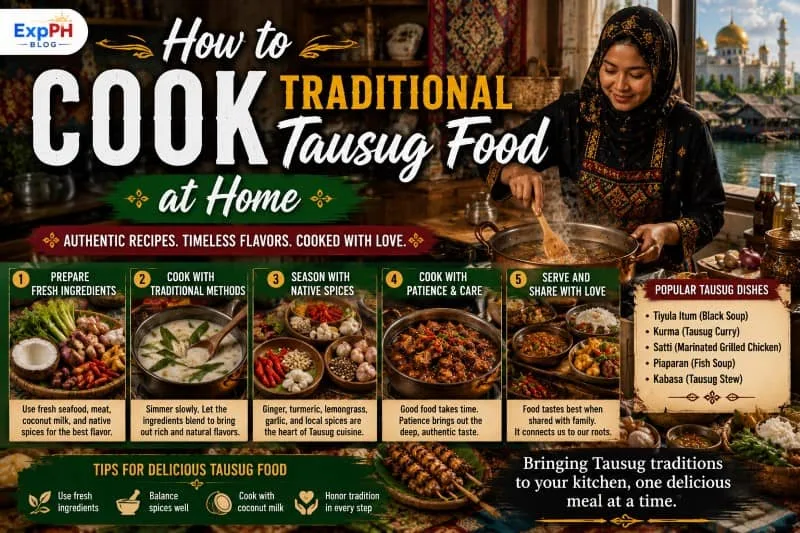
How to Cook Traditional Tausug Food at Home
You do not need to travel to the Sulu Archipelago to enjoy these incredible flavors. With a little patience and the right ingredients, you can recreate traditional Tausug food in your own kitchen, whether you are in Manila, California, or Dubai.
Essential Ingredients You Need
To achieve the authentic taste of Sulu, your pantry needs to be stocked with a few specific items. The most important is coconut, which is used in almost every form (milk, oil, grated, and burnt).
You will also need fresh turmeric, ginger, galangal, lemongrass, and a variety of chilies.
If you are an OFW or living far from a local wet market, sourcing these ingredients can be tough. Fortunately, you can easily order authentic spices and Halal ingredients online.
Cooking Techniques to Master
The secret to traditional Tausug food lies in the preparation. Mastering the art of making pamapa itum (burnt coconut paste) is crucial for dishes like Tiyula Itum and Piyanggang.
You must roast the coconut meat until it is completely black but not turned to ash, then grind it into a fine paste with your aromatics.
Slow cooking is another essential technique. Dishes like Kurma require patience, allowing the meats to simmer gently in coconut milk until they are perfectly tender and the oils separate from the sauce.
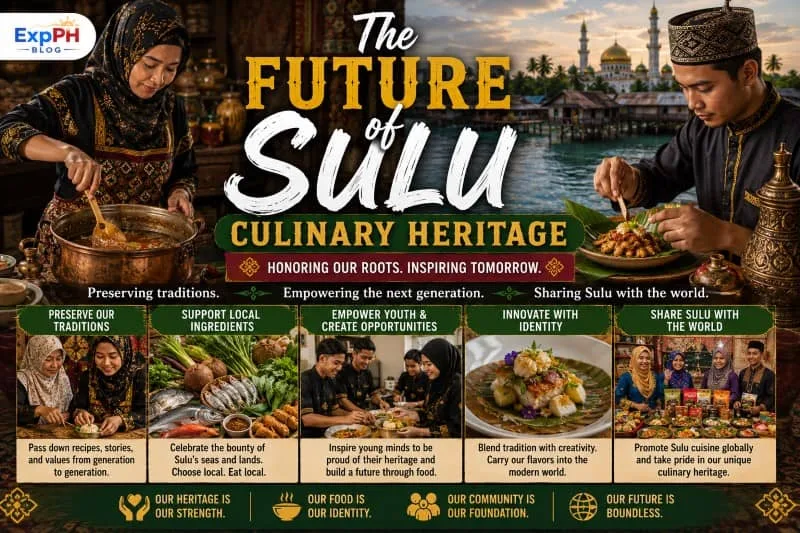
The Future of Sulu Culinary Heritage
While traditional Tausug food is deeply loved by those who know it, it faces significant challenges in the modern world. Preserving this culinary heritage requires active effort from both the local community and Filipinos worldwide.
Challenges in Preserving Recipes
Fast-paced modern lifestyles make it difficult for younger generations to spend hours roasting coconut or slow-cooking stews. The convenience of fast food and globalized diets threatens to overshadow these labor-intensive recipes.
Furthermore, because many of these recipes are passed down orally, there is a real risk of losing them if they are not properly documented. When an elder passes away without teaching their recipes, a piece of culinary history is lost forever.
The Role of Cultural Preservation
To combat this, various organizations, food historians, and passionate bloggers are working to document and promote traditional Tausug food.
The National Commission for Culture and the Arts (NCCA) actively supports initiatives that preserve indigenous traditions, including culinary arts, ensuring that the rich heritage of the Bangsamoro people is recognized as a vital part of the national identity.
By celebrating these dishes at food festivals, writing about them on platforms like the ExpPH Blog, and teaching them to the next generation, we can ensure that Sulu’s culinary legacy continues to thrive.
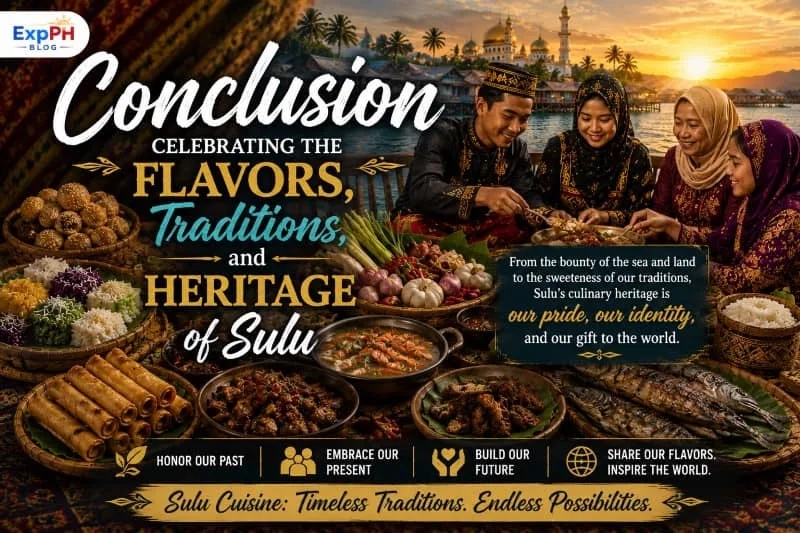
Conclusion
Traditional Tausug food is a magnificent reflection of the history, resilience, and hospitality of the people of the Sulu Archipelago. From the royal, smoky depths of Tiyula Itum to the intricate, crispy sweetness of Lokot-Lokot, every bite tells the story of a vibrant maritime culture.
For OFWs and Filipinos living abroad, these dishes are a comforting taste of home and a powerful way to preserve their heritage.
By continuing to cook, share, and celebrate traditional Tausug food, we ensure that the rich flavors of Mindanao will never be lost to the currents of time. Whether you are a curious foodie looking to expand your palate or a Filipino yearning for the taste of home, exploring the culinary wonders of Sulu is an unforgettable journey.
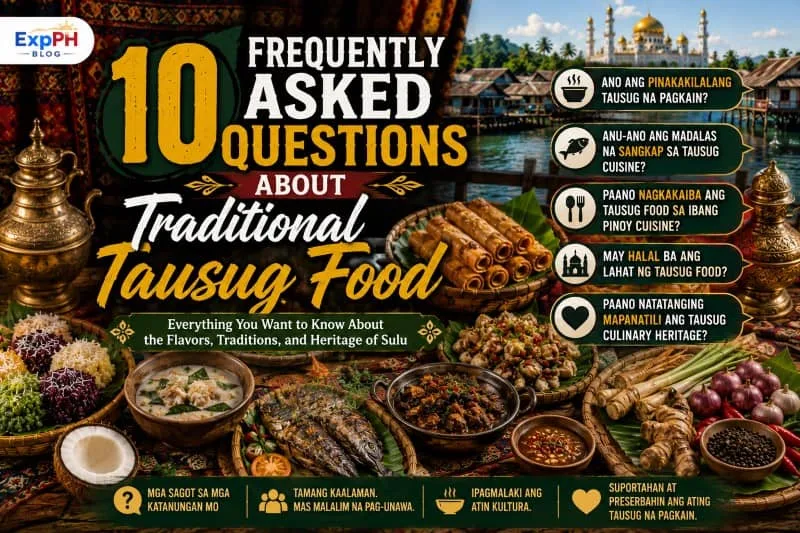
10 FAQs About Traditional Tausug Food
1. What exactly is traditional Tausug food?
It is the native culinary heritage of the Tausug people in the Sulu Archipelago. It is characterized by its strict adherence to Halal dietary laws, the use of fresh seafood, burnt coconut, aromatic spices, and a rich array of sweet, rice-based pastries.
2. What makes Tausug food different from other Filipino cuisines?
Unlike mainstream Filipino food which heavily features pork, soy sauce, and vinegar (like Adobo or Sinigang), Tausug food relies heavily on coconut milk, turmeric, lemongrass, and burnt coconut. It shares closer flavor profiles with Malaysian and Indonesian cuisines.
3. What are the most popular savory dishes in Sulu?
The most iconic savory dishes include Tiyula Itum (black soup), Piyanggang (smoky grilled chicken), Kurma (coconut curry stew), and Satti (spicy breakfast skewers).
4. Why is Tiyula Itum black?
The dish gets its distinct dark color and smoky flavor from pamapa itum, which is roasted, burnt coconut meat that is ground with spices and added to the broth.
5. Are traditional Tausug food dishes very spicy?
While some dishes like Satti have a spicy kick from chili peppers, the cuisine generally focuses on rich, savory, and smoky flavors balanced with coconut milk rather than overwhelming heat.
6. What is Lokot-Lokot and how is it made?
Lokot-Lokot is a crispy, net-like sweet roll made by pouring a thin rice flour batter through a coconut shell with holes into hot oil, then quickly folding it. It requires great skill and timing to make.
7. How did the Sultanate of Sulu influence the local cuisine?
The wealthy Sultanate demanded sophisticated banquet foods, elevating local cooking techniques. They also facilitated the spice trade, introducing foreign spices that became staples in the regional diet.
8. What are Jambangan sweets?
Jambangan translates to “flower garden.” These are intricately shaped, colorful traditional pastries designed to look like flowers, often used as decorative centerpieces at weddings and royal events.
9. What is the role of food in Tausug weddings?
Food symbolizes abundance, hospitality, and respect. In weddings (Pagkawin), serving grand feasts with dishes like Tiyula Itum signifies the merging of families and the sharing of blessings with the entire community.
10. How do OFWs cook traditional Tausug food abroad?
OFWs often substitute hard-to-find ingredients (like using desiccated coconut to make burnt coconut paste) and rely on care packages of native spices sent from home to recreate authentic flavors in foreign countries.
Keep Exploring the Flavors of Sulu
Want to see how all these incredible dishes come together in one magnificent feast? Dive into our next article to discover the ultimate centerpiece of Tausug gatherings:
Read Next: Latal Platter: A Symbol of Tausug Culture, Unity, and Celebration
Related Articles
- Bangbang Sug: Traditional Sulu Snack Assortment You Should Try
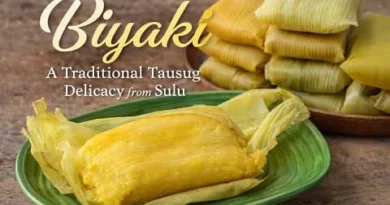
- Biyaki: A Traditional Tausug Delicacy from Sulu
- Apam: The Traditional Tausug Pancake and Its Cultural Significance
- Wadjit (Black Rice Cake): A Classic Filipino Rice Cake with Coconut Flavor
- Jualan (Banana Pancake): A Simple Sulu Snack Loved by All Ages
- Daral: The Traditional Tausug Delicacy Wrapped in Love
- Putli Mandi: A Traditional Sulu Delicacy Made from Glutinous Rice and Coconut
- Piyutu: The Traditional Tausug Mashed Cassava Delicacy of Sulu
- Tausug Pastil: A Deep Fried Savory Pastry from Sulu
- Siyagul A Classic Tausug Seafood Delicacy
- Panganan A Traditional Filipino Sweet Deep Fried Snack
- Kiyaliya The Crispy and Savory Fried Beef Rolls of Sulu
- Junay The Traditional Sulu Dish You Need to Try
- Kulma Authentic Tausug Style Curry Dish
- Pyanggang Manok Authentic Tausug Blackened Chicken
- Tiyula Itum is Mindanao’s Fascinating Tausug Black Soup
- Tausug Simple Atsara (Pickled Papaya) Recipe
The Ultimate Traditional Tausug Food Quiz
How well do you know Sulu’s cuisine and cultural delicacies?
So, you think you know your way around the rich flavors and vibrant heritage of the Tausug people? Let’s put that to the test! Take this quick and fun quiz to see exactly how much you have learned about traditional Tausug food, famous Sulu delicacies, and the beautiful culinary traditions of the Sulu Archipelago.
Results


#1. What does Tiyula Itum mean?
#2. What gives Tiyula Itum its dark color?
#3. Which dish is known for smoky chicken flavor?
#4. What is a common Tausug breakfast dish?
#5. Which ingredient is heavily used in Tausug cuisine?
#6. What is Daral?
#7. Which historical state influenced Tausug cuisine?
#8. What is Lokot-Lokot (Jaa) known for?
#9. What is Pusut (Tamu) made with?
#10. Why is traditional Tausug food important to OFWs?
How many questions did you answer correctly?
Share your score and experience in the comments section below. We’d love to hear from you and learn which traditional Tausug dish or Sulu delicacy you would like to try first!

A Filipino web developer with a background in Computer Engineering. Founder of ExpPH Blog and ExpPH Business Guide, creating practical content on OFW guidance, business, finance, freelancing, travel, and lifestyle. Passionate about helping Filipinos grow, he shares insights that educate, empower, and inspire readers nationwide.
Pingback: 8 Reasons Why Tiyula Itum is Mindanao Fascinating Black Soup
Pingback: 5 Easy Steps Tausug Simple Atsara Fast Pickled Papaya Recipe