Latal Platter: A Symbol of Tausug Culture, Unity, and Celebration
Food has always been more than nourishment in Filipino culture. It reflects history identity faith and community values across generations. In the southern Philippines among the Tausug people of Sulu food connects people through togetherness respect and shared responsibility. One meaningful example of this enduring tradition is the Latal Platter which continues shaping cultural life today for local families daily.
The Latal Platter is not just a meal placed on a table. It is a shared experience representing unity hospitality and celebration within the community. From weddings and family gatherings to religious events and communal feasts this tradition continues playing an important role in Tausug life strengthening bonds identity and collective memory today across generations households culture history together still.
This article explores the meaning history components preparation and cultural significance of the Latal Platter. It helps readers understand why this shared meal remains a treasured tradition today. Through clear discussion and cultural context readers gain deeper appreciation for Tausug heritage values and living practices that continue shaping community life across generations families education identity memory continuity relevance pride today.
Want to explore more traditional dishes that define Tausug culture?
Read our complete guide, Flavors of Sulu: The Ultimate Guide to Authentic Tausug Cuisine, and discover the rich heritage, unique flavors, and culinary traditions that make Sulu’s food culture truly special.
Table of Contents
Quick Summary (TL;DR)
- The Latal Platter is a traditional Tausug communal dining practice where people share food from one platter or serving area.
- It symbolizes unity, equality, hospitality, respect, and togetherness within the community.
- The tradition dates back to early Tausug communal customs and was later influenced by Islamic values and celebrations.
- Latal Platters are commonly served during family gatherings, weddings, religious events, and community celebrations.
- Traditional foods often include rice, beef and chicken dishes, seafood, vegetables, native sauces, and side dishes.
- Preparing a Latal Platter is a collective effort that encourages cooperation and strengthens community relationships.
- Dining etiquette emphasizes respect for elders, patience, fairness, and consideration for others.
- The tradition helps preserve Tausug culture by passing down values, stories, cooking techniques, and customs to younger generations.
- Today, the Latal Platter remains relevant in both rural and urban settings, adapting to modern lifestyles while maintaining its cultural significance.
- For visitors, participating in a Latal Platter offers a meaningful introduction to Tausug hospitality, heritage, and community life.
1. Understanding the Latal Platter in Tausug Culture
The Latal Platter is more than just a way of serving food in Tausug culture. It represents the values of unity, hospitality, and respect that are deeply rooted in the community. By gathering around a shared meal, families and guests strengthen relationships, celebrate important occasions, and preserve cultural traditions that have been passed down through generations.
What Is a Latal Platter?
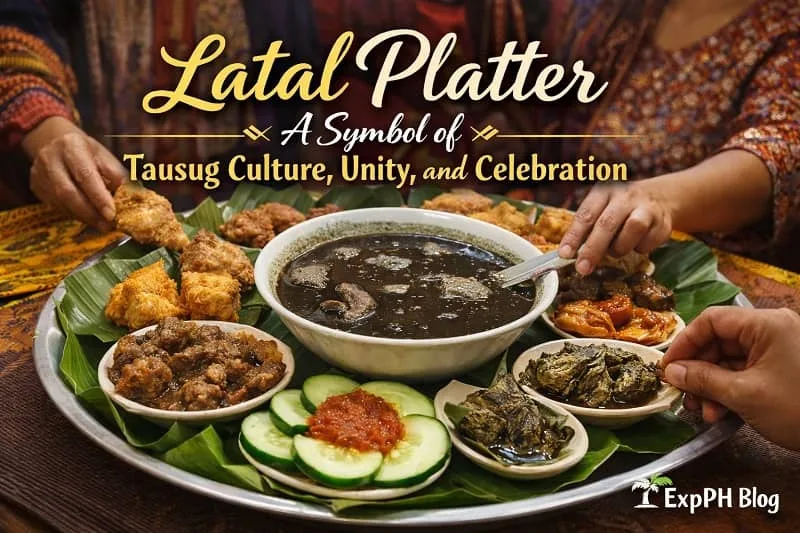
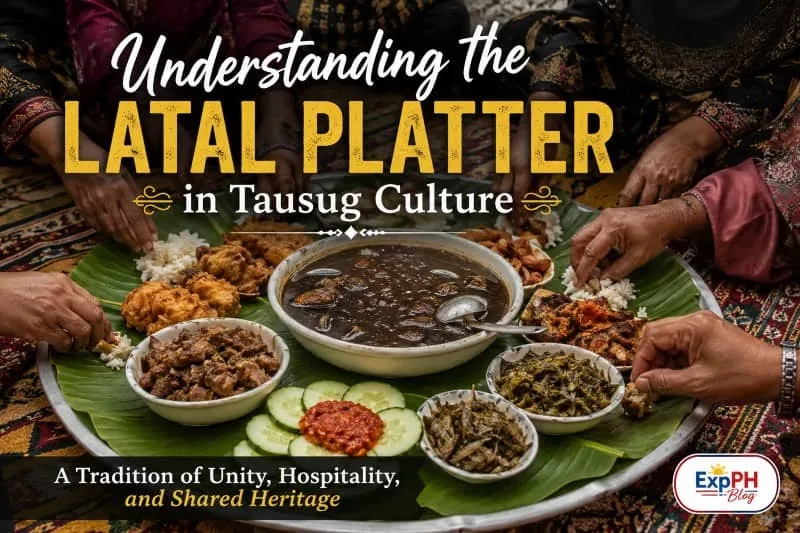
The Latal Platter is a traditional Tausug communal meal served on a shared tray or mat where food is placed together and eaten as one group. Family members guests and visitors sit closely sharing dishes to express hospitality trust and collective belonging within their community.
Unlike individual servings this communal practice highlights equality since everyone eats from the same food regardless of age status or background. Sharing meals this way builds respect cooperation and stronger social bonds while teaching humility patience and unity across families generations and everyday community life.
The Meaning Behind the Name
In Tausug culture the word latal refers to arranging food on a shared surface for group dining. Over time the phrase Latal Platter became linked with communal meals prepared for meaningful gatherings celebrations and important cultural occasions that honor tradition faith relationships and shared identity.
The name symbolizes togetherness because it reflects a belief that food should unite people rather than separate them. It encourages collective enjoyment gratitude and connection reminding everyone that sharing meals strengthens relationships and preserves Tausug values within families communities and cultural celebrations across generations today.
2. Historical Roots of the Latal Platter
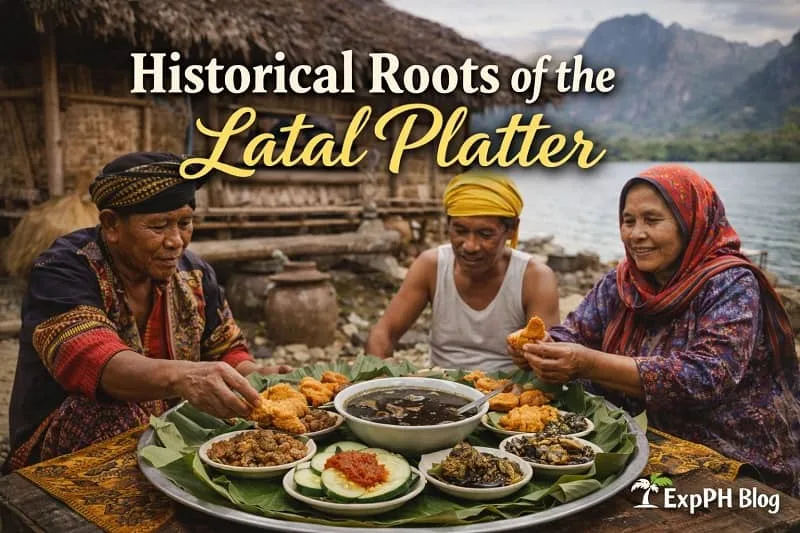
The history of the Latal Platter reflects the rich cultural heritage of the Tausug people. Rooted in early communal traditions and later influenced by Islamic teachings, this shared dining practice has endured for generations as a symbol of unity, cooperation, hospitality, and cultural identity within Tausug communities.
Pre-Islamic and Early Tausug Traditions
Before Islam became rooted in Sulu Tausug communities already practiced communal eating as daily life. Food was shared after fishing farming and hunting which strengthened cooperation mutual support trust and survival values within villages families and growing settlements across generations today historically culturally socially together.
The Latal Platter gradually evolved from these early customs adapting through time while keeping essential values alive. This tradition remained meaningful because it honored shared labor collective meals respect for elders cooperation and unity within Tausug society across families communities culture history identity continuity today.
Influence of Islam on the Latal Platter
Islam strongly shaped Tausug food customs by adding structure purpose and deeper meaning to shared meals. Dining practices became respectful intentional and symbolic as sharing food expressed gratitude fellowship faith humility and responsibility within the community during religious life daily gatherings moral guidance tradition continuity.
The Latal Platter became closely connected with Islamic celebrations including Eid al Fitr and Eid al Adha. During these occasions sharing food symbolized blessings generosity unity and thankfulness while strengthening spiritual bonds family ties and communal harmony across generations households neighborhoods culture faith tradition today.
3. Occasions Where the Latal Platter Is Served
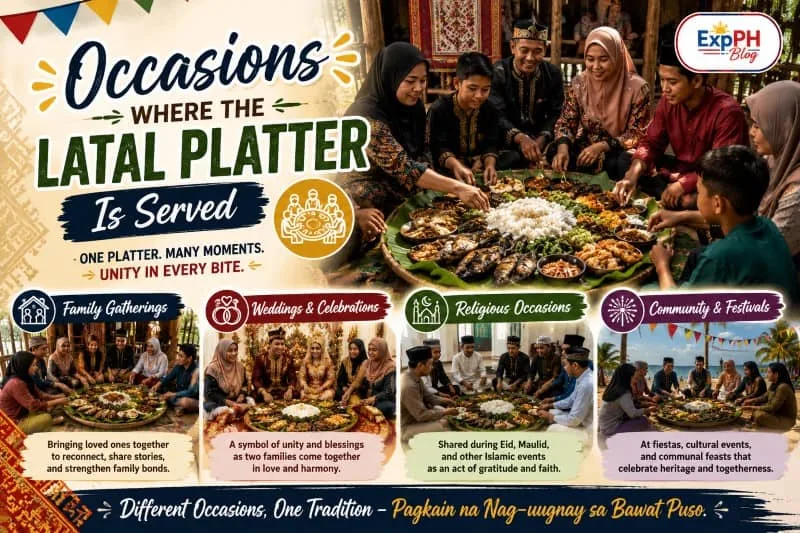
The Latal Platter plays an important role in many Tausug gatherings and celebrations. More than a shared meal, it serves as a symbol of hospitality, unity, and togetherness. Whether for family events, weddings, or religious occasions, the tradition brings people together and strengthens social and cultural bonds.
Family Gatherings and Reunions
One of the most common occasions for a Latal Platter is a family reunion. When relatives gather after long periods apart the shared meal helps reconnect relationships strengthen family ties and restore closeness. Children learn cultural values by observing elders sharing food respect patience and unity together while building lifelong memories and emotional bonds through meaningful family traditions.
Weddings and Celebrations
At Tausug weddings the Latal Platter symbolizes unity between families and the couple beginning married life. Guests are invited to share the meal as a sign of acceptance and blessing. Large platters serve many people showing generosity hospitality shared joy and collective celebration within the community while honoring tradition strengthening kinship and celebrating new beginnings together respectfully.
Religious and Community Events
During religious gatherings the Latal Platter serves as a reminder of gratitude equality and shared faith. Community members sit together eat from one tray and celebrate spiritual occasions as one group. These moments strengthen harmony respect cooperation and meaningful connections within the community while deepening faith reinforcing values and fostering peaceful communal relationships.
4. Traditional Foods Found in a Latal Platter
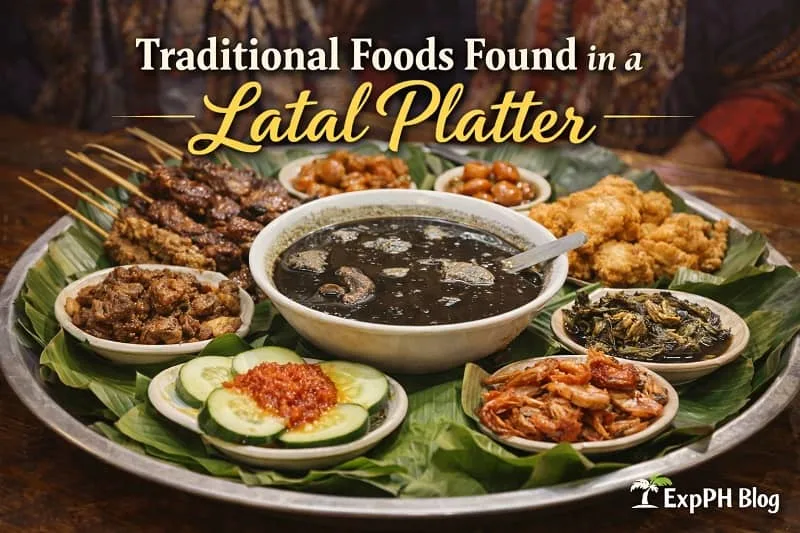
The Latal Platter features a variety of traditional Tausug dishes that reflect the community’s culture, history, and way of life. Each food served has a purpose, contributing to a balanced and meaningful shared meal. Together, these dishes showcase the rich culinary heritage and hospitality of the Tausug people.
Rice as the Foundation
Rice is the heart of the Latal Platter and represents life and daily sustenance. Steamed rice is carefully prepared and placed at the center forming the foundation of the meal. Without rice the shared dining experience feels incomplete unbalanced and culturally lacking supporting nourishment identity tradition balance continuity heritage daily practices across families generations communities shared life.
Beef and Chicken Dishes
Popular dishes include beef kulma, tiyula itum and other slow cooked meals rich in local spices. These foods reflect Tausug patience skill and culinary heritage. Meats are prepared thoroughly to enhance flavor tenderness and balance making them ideal for communal sharing during gatherings celebrated during feasts strengthening unity respect hospitality storytelling memory pride together across families communities.
Seafood Specialties
As coastal people Tausugs often include seafood in the Latal Platter to reflect their environment. Fish shrimp and squid seasoned with local spices are common. These dishes highlight the deep relationship between the community and the sea through food tradition livelihood and culture reflecting coastal heritage sustenance skills gratitude environment survival history identity pride passed down through generations.
Side Dishes and Condiments
The Latal Platter also includes vegetables fried bananas native sauces and pickled sides to complement main dishes. These additions balance flavors and textures while offering variety. Each item is placed thoughtfully to create harmony visual appeal and enjoyment for everyone sharing enhancing taste balance nutrition symbolism rituals learning enjoyment belonging togetherness across shared meals families communities.
5. How the Latal Platter Is Prepared
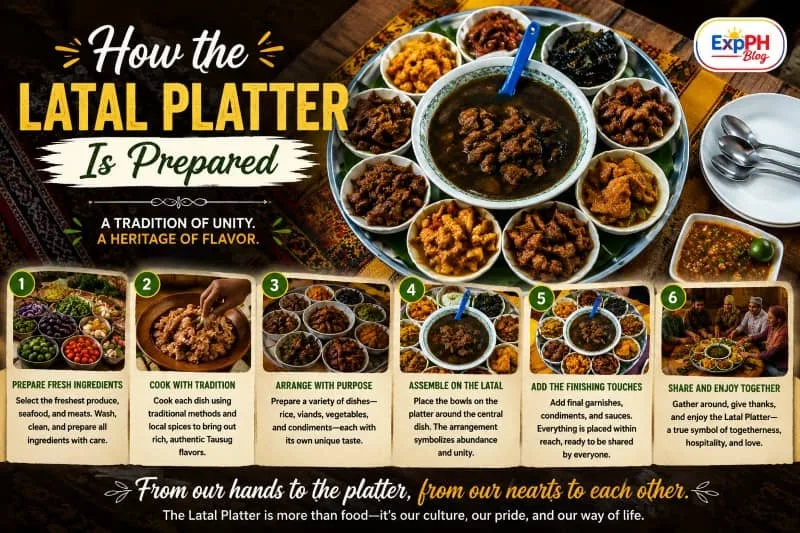
Preparing a Latal Platter involves more than cooking and serving food. It is a community-centered process that reflects the Tausug values of cooperation, responsibility, and cultural preservation. From gathering ingredients to arranging the final meal, every step contributes to strengthening family ties and passing traditions from one generation to the next.
Planning and Coordination
Preparing a Latal Platter is a collective effort within the community. Family members and neighbors work together from sourcing ingredients to cooking and arranging food. This shared preparation strengthens relationships builds trust teaches cooperation and reinforces responsibility across households generations and everyday community life today.
Cooking Techniques Passed Down Through Generations
Tausug cooking methods are inherited from elders through daily guidance and example. Recipes are rarely written and learned instead by observation and practice. The Latal Platter helps preserve these skills by keeping traditional cooking meaningful active relevant and respected within families across generations and communities.
6. Dining Etiquette During a Latal Platter Meal
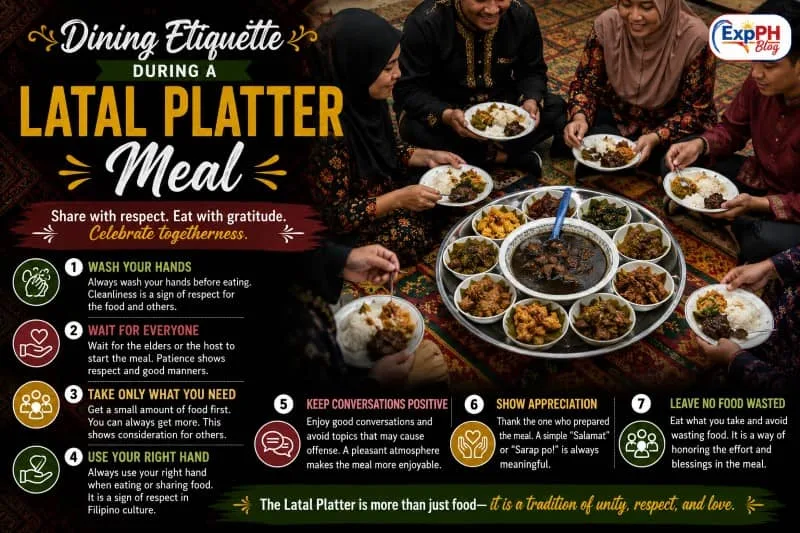
The Latal Platter is guided by important customs that promote respect, fairness, and harmony among participants. Proper dining etiquette helps ensure that everyone feels included and valued. These traditions reflect the Tausug commitment to good manners, consideration for others, and maintaining strong social relationships during communal meals.
Seating Arrangement
Participants usually sit on the floor around the Latal Platter. Elders receive priority seating to show respect and tradition. Everyone waits until the meal begins together creating order patience shared focus and harmony within the group during gatherings across families and communities today cultural practice.
Sharing and Respect
During a Latal Platter taking more than one share is discouraged. Participants stay mindful of others and practice patience. This etiquette teaches discipline empathy and fairness especially among younger members learning cultural values through shared meals guidance from elders and everyday community interaction experiences together.
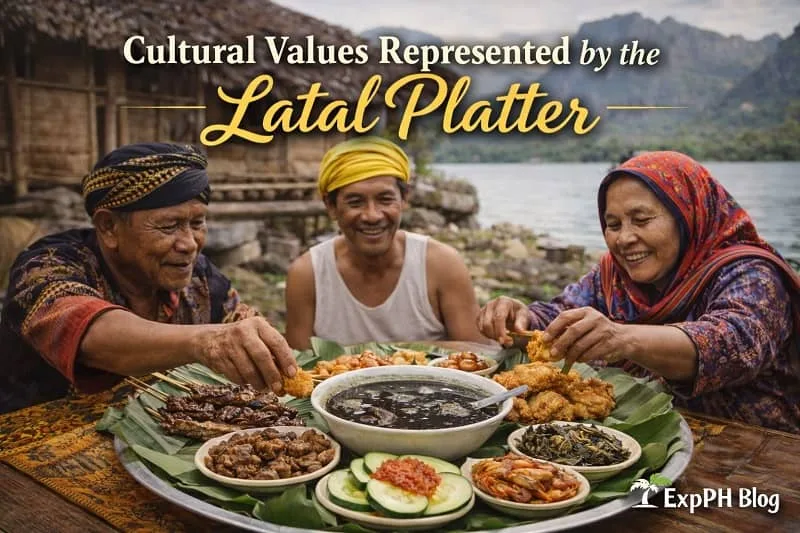
7. Cultural Values Represented by the Latal Platter
The Latal Platter reflects many of the core values that define Tausug culture. More than a shared meal, it serves as a symbol of unity, respect, generosity, and social harmony. Through this tradition, important cultural principles are practiced and passed down, helping strengthen relationships and preserve the identity of the Tausug community.
Unity and Equality
The Latal Platter removes social divisions within the community. Everyone eats the same food from one shared platter while sitting together. This simple practice sends a strong message about equality mutual respect and belonging reinforcing shared values and harmony across families gatherings and cultural life.
Hospitality and Generosity
Offering a Latal Platter to guests shows openness and kindness within Tausug society. Even unexpected visitors are invited to join meals freely. Hospitality is viewed as a responsibility rooted in respect generosity faith and care for others across families communities and shared traditions today continually.
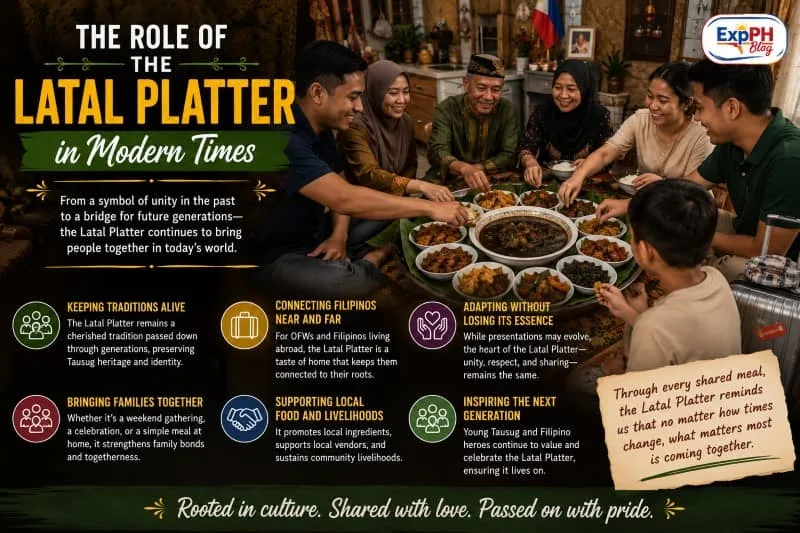
8. The Role of the Latal Platter in Modern Times
The Latal Platter continues to hold cultural significance in contemporary Tausug society. While lifestyles and dining practices have evolved over time, this cherished tradition remains an important symbol of identity, unity, and cultural pride. Its continued practice demonstrates how traditional values can be preserved while adapting to the realities of modern life.
Preservation of Tradition
Despite modernization many Tausug families continue practicing the Latal Platter as part of daily and celebratory life. It serves as a living link to heritage identity and belonging. Younger generations are encouraged to participate learn values and maintain continuity so this tradition remains strong today.
Adapting to Contemporary Settings
Today the Latal Platter appears in urban homes schools and cultural events beyond Sulu. Families adapt the practice by using tables instead of mats while preserving meaning values and togetherness. This flexibility allows the tradition to stay relevant meaningful and respected in modern settings today.
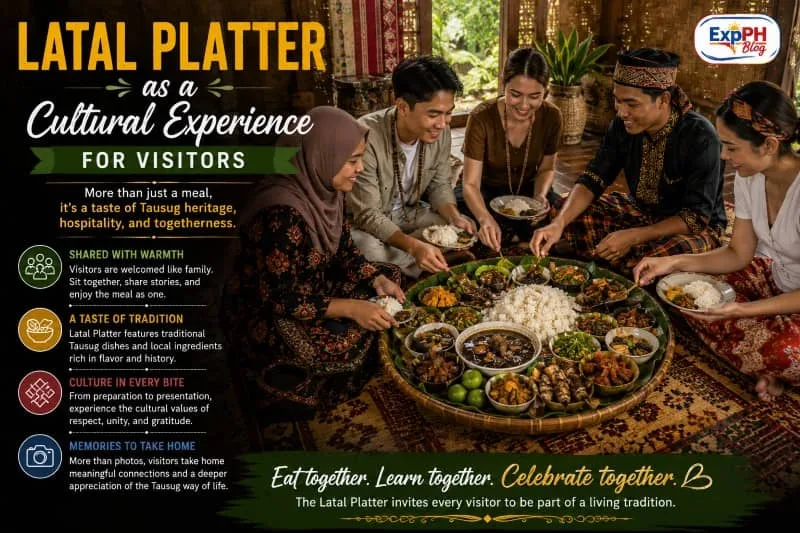
9. Latal Platter as a Cultural Experience for Visitors
The Latal Platter offers visitors a unique opportunity to experience Tausug culture beyond food itself. By participating in this communal dining tradition, guests gain a deeper understanding of local customs, values, and social practices. The experience promotes cultural appreciation while creating meaningful interactions between visitors and the communities that preserve this important tradition.
Cultural Tourism and Awareness
Visitors to Sulu and Tausug communities often experience the Latal Platter as part of cultural immersion. It offers insight into local values lifestyle and daily practices. Sharing food becomes a bridge between cultures encouraging understanding trust respect and meaningful connections for visitors during community experiences.
Respecting Local Customs
Guests are expected to observe proper etiquette when participating in a Latal Platter. Respect and openness are valued throughout the meal. This mutual respect improves cultural understanding builds positive relationships and ensures visitors honor traditions while engaging sincerely with host communities during shared cultural experiences.
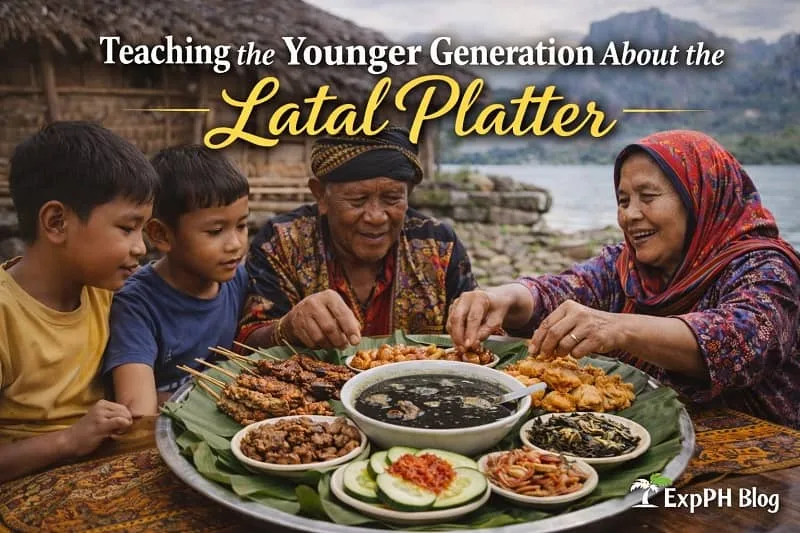
10. Teaching the Younger Generation About the Latal Platter
The Latal Platter plays an important role in educating younger generations about Tausug culture and values. More than a dining tradition, it provides opportunities for children to learn respect, cooperation, and cultural identity through direct participation and interaction with family members. These experiences help ensure that cultural knowledge and traditions continue to thrive for future generations.
Learning Through Participation
Children learn sharing and respect by joining the Latal Platter alongside family members. Elders guide them gently and model patience during meals. Through participation children absorb values responsibility and cooperation which remain influential into adulthood shaping character identity and cultural continuity within everyday community life.
Passing Down Stories and Meaning
During meals elders share stories about family history tradition and faith. The Latal Platter becomes a living classroom where lessons travel across generations. Storytelling preserves knowledge strengthens belonging and connects youth to ancestors ensuring cultural memory remains active meaningful and respected within communities today continually.
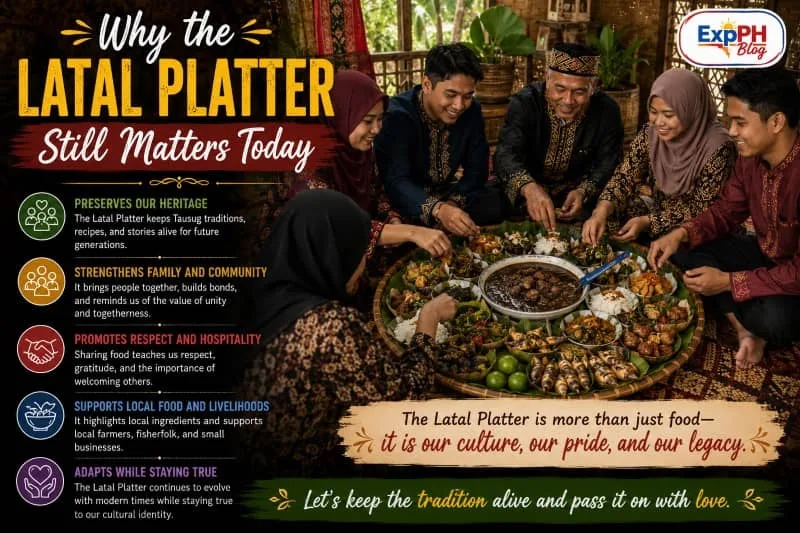
11. Why the Latal Platter Still Matters Today
The Latal Platter remains an important part of Tausug culture because it continues to bring people together and preserve traditions in a rapidly changing world. Beyond sharing food, it reinforces family connections, cultural values, and community relationships. Its enduring presence reflects the importance of maintaining cultural identity while passing meaningful traditions to future generations.
Strengthening Family Bonds
In a fast paced world the Latal Platter encourages people to slow down and connect with one another. Sitting together and sharing food builds emotional closeness trust and understanding. This practice reminds families of what truly matters while strengthening relationships presence gratitude patience and meaningful bonds within daily life across generations today through shared meals values culture memory belonging continuity.
Preserving Tausug Identity
The Latal Platter stands as a symbol of Tausug pride identity and belonging. It represents resilience faith and unity practiced across generations. By continuing this tradition communities protect cultural roots strengthen heritage awareness and pass values forward with confidence purpose responsibility and shared identity for future generations ensuring survival relevance respect education continuity pride community memory history traditions living today.
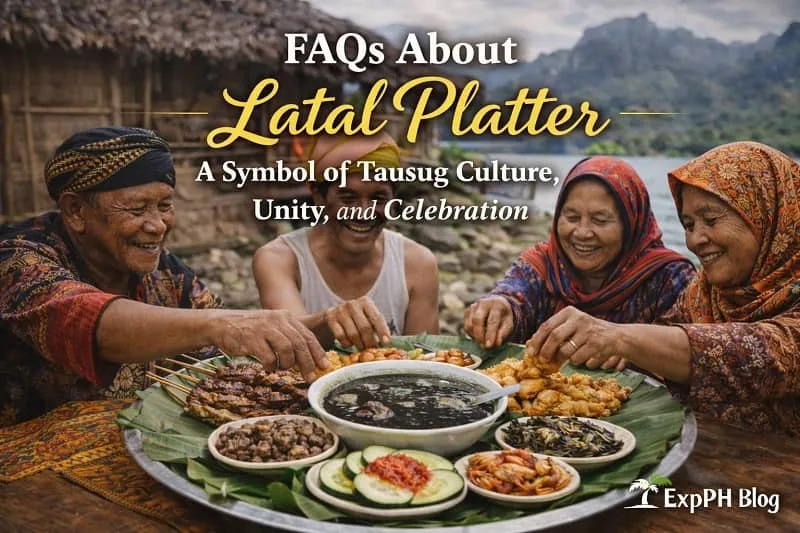
12. FAQs About Latal Platter A Symbol of Tausug Culture, Unity, and Celebration
What is a Latal Platter?
This traditional Tausug communal meal involves sharing food from one large tray, representing unity, respect, hospitality, and strong family connections within the community.
Why is the Latal Platter important in Tausug culture?
This cultural dining tradition reflects Tausug values of togetherness, equality, and generosity, helping strengthen relationships while preserving customs passed down through generations.
What foods are commonly included in a Latal Platter?
The shared platter usually features rice, beef or chicken dishes, seafood, vegetables, and traditional sauces, all prepared for equal sharing among everyone gathered.
When is the Latal Platter usually served?
This communal meal is commonly prepared during weddings, religious celebrations, family reunions, and community events where sharing food strengthens cultural and social ties.
How is a Latal Platter different from regular meals?
Unlike individual servings, this Tausug dining practice encourages people to eat together from one tray, promoting equality, patience, discipline, and mutual respect.
Who participates in eating a Latal Platter?
Family members, guests, neighbors, and community elders all take part in this shared dining experience, regardless of age or social status, building unity, respect, and lasting community bonds.
What etiquette should be followed during a Latal Platter meal?
Participants are expected to eat modestly, respect elders, avoid wasting food, and ensure everyone receives a fair portion throughout the meal, reflecting cultural values of respect and care.
Is the Latal Platter still practiced today?
Yes, many Tausug families continue this tradition today, adapting it to modern lifestyles while preserving its cultural meaning and communal spirit, through everyday practice and shared family values.
Can non Tausug visitors join a Latal Platter?
Visitors are often welcomed to join this shared meal, as participation promotes cultural understanding, respect, and appreciation for Tausug hospitality, through openness and warm community interaction.
Why does the Latal Platter symbolize unity and celebration?
This communal feast represents unity and celebration by bringing people together through shared food, conversation, faith, and gratitude during meaningful occasions.
Conclusion: Latal Platter, a Symbol of Tausug Culture, Unity, and Celebration
The Latal Platter is more than a traditional meal. It reflects Tausug values history and community life passed through generations. Through shared food it teaches unity respect generosity gratitude and responsibility. This practice strengthens bonds between families neighbors and guests while encouraging humility patience and care for others. By gathering around one shared meal people experience belonging trust cooperation and cultural continuity that remain important in daily life and meaningful celebrations today within living traditions and shared cultural memory together.
In every grain of rice and every shared dish the Latal Platter carries stories of ancestors and hopes for future generations. As long as families continue to gather around the platter Tausug culture remains alive strong and meaningful. For readers seeking to understand Filipino diversity this tradition offers a clear glimpse into the heart of Tausug life showing how food connects identity faith relationships and collective celebration across time while honoring heritage community values and shared human connection together.
Enjoyed learning about the Latal Platter?
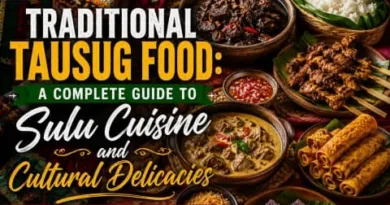
Continue your journey through Tausug food culture with Traditional Tausug Food: A Complete Guide to Sulu Cuisine and Cultural Delicacies, where you’ll discover traditional dishes, local ingredients, and the rich culinary heritage of Sulu.
Related guides are available just after this section
- Tiyula Itum is Mindanao’s Fascinating Tausug Black Soup
- Pyanggang Manok Authentic Tausug Blackened Chicken
- Kulma Authentic Tausug Style Curry Dish
For official resource access, click the link below
- Bangsamoro Autonomous Region in Muslim Mindanao (BARMM) Official Website
- National Historical Commission of the Philippines (NHCP)
- UNESCO Philippines
Test your knowledge about Latal Platter, one of the most meaningful traditions in Tausug culture.
Results


#1. What does Latal Platter represent?
#2. Where did the Latal tradition originate?
#3. How is food served in this tradition?
#4. Who can join the communal meal?
#5. What food is always included?
#6. When is this meal commonly served?
#7. What value is strongly taught?
#8. How do participants usually sit?
#9. Why is sharing important here?
#10. Is the tradition still practiced today?
Your curiosity helps keep Filipino traditions alive and appreciated by future generations
We would love to hear from you. Please comment below and share your experience or thoughts about this tradition with us.

A Filipino web developer with a background in Computer Engineering. Founder of ExpPH Blog and ExpPH Business Guide, creating practical content on OFW guidance, business, finance, freelancing, travel, and lifestyle. Passionate about helping Filipinos grow, he shares insights that educate, empower, and inspire readers nationwide.