

Everyday Filipino Lifestyle: Trends, Hobbies and Simple Living
Filipino lifestyles continue to evolve as people balance work, family responsibilities, technology, personal interests, and the desire for a more comfortable life. From enjoying familiar home-cooked meals and spending weekends with loved ones to exploring new hobbies and discovering practical ways to organize a home, everyday life reflects a combination of Filipino traditions and changing preferences.
For many Filipinos, living well does not necessarily mean owning expensive things or following every new trend. It can mean preparing meals at home, spending meaningful time with family, discovering affordable hobbies, supporting local businesses, and making thoughtful choices about how money and time are used. Overseas Filipino workers (OFWs) may also find ways to maintain these values while adapting to different cultures and routines abroad.
Understanding Everyday Filipino Lifestyle: Trends, Hobbies and Simple Living means looking beyond popular products and social media trends. It involves recognizing the habits, interests, and everyday decisions that help people create a lifestyle suited to their needs, circumstances, and personal goals.
This guide explores Filipino lifestyle trends, popular hobbies, home routines, food traditions, digital habits, affordable recreation, and simple living practices. Whether you live in the Philippines or work overseas, these ideas can help you enjoy everyday life while keeping your priorities in perspective.
Want to build a more balanced and fulfilling lifestyle? Explore our The Complete Lifestyle Guide for Filipinos and OFWs for practical tips on personal growth, healthy habits, financial stability, family relationships, and everyday living.
Quick Summary (TL;DR)
Building practical life goals and healthy money habits helps Filipinos and OFWs manage expenses, support their families, and prepare for a more secure future. Simple financial routines can help households balance daily needs with long-term goals.
- Set Practical Life Goals: Identify clear, realistic goals for savings, education, debt repayment, career growth, and future financial security.
- Create a Realistic Budget: Track income and expenses, prioritize essential needs, and allocate money for savings, debt payments, and personal spending.
- Develop Healthy Saving Habits: Save consistently, even in small amounts, and gradually build an emergency fund for unexpected expenses.
- Manage Debt Responsibly: Understand repayment terms, prioritize costly debts, and avoid unnecessary borrowing that could affect your financial stability.
- Plan Family Remittances Wisely: Agree on household priorities, communicate financial limits, and balance family support with your own needs and savings.
- Make Smarter Spending Decisions: Compare prices, distinguish needs from wants, and avoid impulse purchases that interfere with important financial goals.
- Invest in Useful Skills: Explore learning opportunities that may support career development, personal growth, or additional income opportunities.
- Prepare for Additional Income: Research business ideas carefully, estimate costs, and avoid risking essential savings on untested opportunities.
- Prepare for Life After Overseas Work: Estimate future living expenses, build transition savings, and explore realistic employment or business options in the Philippines.
- Protect Your Money and Review Progress: Watch for financial scams, review your budget monthly, and adjust your goals when your circumstances change.
Key takeaway: Strong Life Goals and Money Habits develop through realistic planning, consistent saving, responsible spending, and clear family communication. Small, practical steps can help Filipinos and OFWs build greater financial stability and prepare for a more secure future.
Table of Contents

Understanding Everyday Filipino Lifestyle Trends
Filipino lifestyle trends continue to evolve as families balance cultural traditions with modern interests and daily responsibilities. From shared meals and community celebrations to online shopping and digital entertainment, these influences shape everyday choices differently for people in cities, rural areas, and overseas.
The Influence of Filipino Culture on Daily Life
Filipino culture often places importance on family relationships, shared meals, hospitality, and community participation. These values can appear in ordinary activities, such as preparing food for relatives, attending family gatherings, helping neighbors, and celebrating birthdays or holidays together.
Family traditions also help preserve connections between generations. Grandparents may teach younger family members traditional recipes, while parents share stories about local customs, celebrations, and childhood experiences.
Cultural practices naturally vary across regions and households. Filipino families have diverse languages, religious traditions, food preferences, and ways of celebrating important occasions. Appreciating these differences helps create a more complete understanding of everyday Filipino life.
How Modern Trends Influence Everyday Choices
Modern lifestyle trends can introduce useful ideas about home organization, exercise, personal development, entertainment, and creative hobbies. People may discover new recipes through online videos, learn household skills from tutorials, or connect with communities that share similar interests.
However, a trend does not automatically improve someone’s life. A popular home makeover may be unsuitable for a small rental property, while an expensive fitness activity may not fit a person’s schedule or budget.
The best approach is to consider whether a trend solves a genuine problem, supports a personal interest, or makes everyday life more enjoyable. There is no need to adopt every new idea to maintain a modern lifestyle.
Traditional Values and Contemporary Living
Traditional Filipino values can work alongside contemporary habits. A family might continue preparing familiar dishes while experimenting with healthier recipes. Someone working abroad might use video calls to maintain family traditions despite physical distance.
Similarly, people can embrace digital tools while preserving time for face-to-face conversations and community activities.
The goal is not to choose between traditional and modern lifestyles. It is to decide which practices remain meaningful and which new habits genuinely improve everyday life.
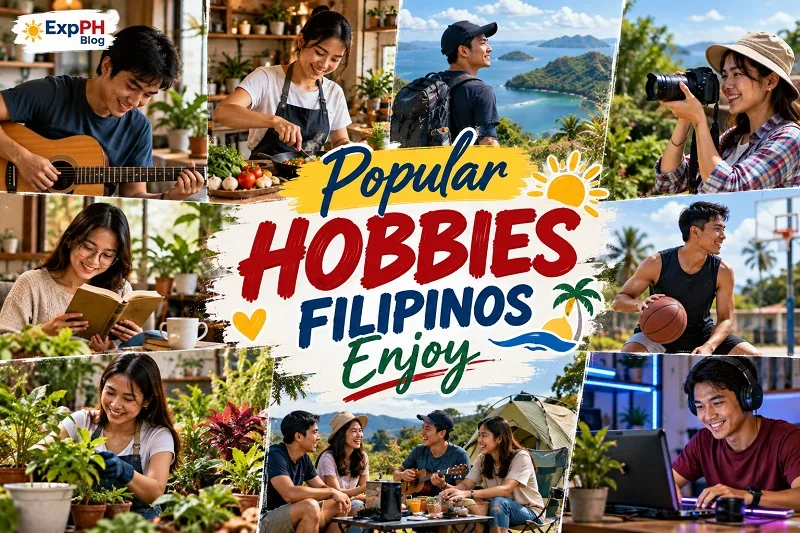
Popular Hobbies Filipinos Enjoy
Popular hobbies give Filipinos ways to relax, develop skills, express creativity, and connect with others outside their daily responsibilities. From cooking and gardening to reading, crafting, and outdoor activities, the best hobbies fit personal interests, available time, physical abilities, and budget.
Cooking and Exploring Filipino Food
Cooking is a practical hobby because it combines creativity with an everyday household need. People can learn to prepare traditional Filipino dishes, experiment with ingredients, or develop new versions of familiar recipes.
Preparing food at home also creates opportunities for family members to work together. Children can help wash vegetables, older relatives can share cooking techniques, and family members can exchange ideas about meals they enjoy.
You do not need professional equipment to begin. Start with recipes that use familiar ingredients and basic kitchen tools. As your skills develop, you can explore regional dishes, baking, meal preparation, or creative ways to use leftovers.
Food can also be a way to preserve family memories. A recipe associated with a grandparent or a special celebration can help younger generations appreciate their family’s traditions.
Gardening and Growing Plants at Home
Gardening appeals to people who enjoy caring for living things and spending time with nature. Even households without a backyard can grow herbs, ornamental plants, or selected vegetables in containers.
A small balcony, windowsill, or suitable outdoor corner may provide enough room for a modest garden. Beginners can start with a few plants that match the available sunlight, space, and local climate.
Gardening encourages patience because plants require regular attention rather than instant results. Watering, checking leaves, and observing new growth can become a relaxing part of a daily routine.
It is important to choose plants that are suitable for your environment. Research their care requirements before purchasing them, and avoid spending heavily on equipment before you know which gardening activities you enjoy.
Reading, Writing, and Creative Activities
Reading allows people to explore new ideas, learn practical skills, and enjoy stories during their free time. Books, magazines, digital publications, and library resources can all support this interest.
Writing offers another accessible creative outlet. People can maintain journals, record family memories, write short stories, or document experiences from work and travel.
Other creative activities include drawing, painting, knitting, sewing, photography, and handmade crafts. These hobbies allow individuals to develop skills gradually without needing to produce perfect results immediately.
For people with limited free time, a short session can be enough to maintain an interest. Setting aside fifteen minutes to read or practice a skill may be more manageable than waiting for an entire free afternoon.
Exercise, Walking, and Outdoor Activities
Physical activities can make leisure time more enjoyable while helping people maintain movement in their daily routines. Walking, cycling, dancing, recreational sports, and simple home workouts are possible options, depending on individual needs and circumstances.
Some people prefer exercising alone, while others enjoy group activities with friends or relatives. Community sports and walking groups can also provide opportunities to socialize.
The important consideration is choosing activities that are appropriate for your physical condition and comfortable for your schedule. People with health concerns or limitations can seek qualified advice about suitable activities.
Outdoor recreation does not have to involve costly equipment or travel. A safe walking route, an accessible public park, or a simple dance session at home may be enough to get started.
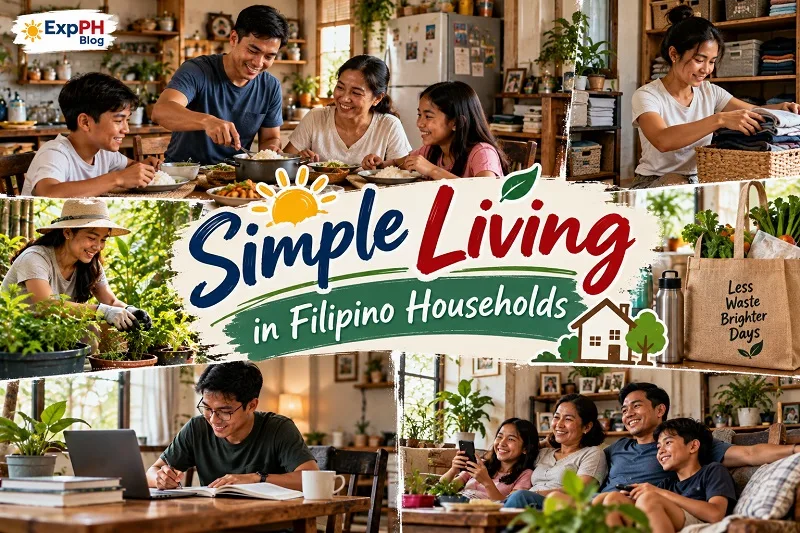
Simple Living in Filipino Households
Simple living helps Filipino households make thoughtful choices about possessions, spending, and daily routines. By organizing shared spaces, planning meals, reducing unnecessary purchases, and appreciating ordinary experiences, families can create more comfortable homes while focusing on what matters most.
Creating a More Organized Home
A comfortable home does not have to look like a professionally designed interior. Clean surfaces, accessible storage, adequate lighting, and functional furniture can make rooms easier to use.
Start by identifying areas that frequently become cluttered. These might include kitchen counters, entryways, wardrobes, desks, or shared living spaces.
Sort belongings according to their usefulness and importance. Items used regularly should be easy to reach, while seasonal belongings can be stored in designated areas.
Household members can share responsibility for maintaining common spaces. Agreeing on simple routines, such as putting items away after use or cleaning the kitchen after meals, helps prevent chores from becoming overwhelming.
Before purchasing storage products or decorative items, consider whether rearranging existing belongings could solve the problem. Practical organization often begins with using what you already have.
Making Small Spaces More Comfortable
Many people live in apartments, compact houses, shared accommodation, or rented rooms where space is limited. A thoughtful arrangement can make these environments more comfortable without requiring major renovations.
Multifunctional furniture, wall shelves, containers, and foldable items may help when additional storage is genuinely necessary. Keeping frequently used belongings accessible can also make a small room feel easier to navigate.
Lighting and ventilation deserve attention as well. Where possible, keep windows unobstructed, maintain clear walking areas, and arrange furniture to support everyday activities.
Renters should check their agreements before making permanent changes. Simple additions that can be removed later are often more practical than expensive modifications.
Reducing Household Waste
Reducing waste can begin with small, repeatable habits. Families can plan meals to avoid unnecessary food purchases, reuse suitable containers, repair usable belongings, and separate waste according to local collection arrangements.
Reusable bags, refillable water bottles, and durable household products may also be helpful when they suit the household’s needs.
However, sustainability should remain practical. Purchasing a new set of reusable products is not automatically better if existing items already serve the same purpose. Use what you have first, and replace belongings when necessary.
Household members can choose one or two changes at a time. Gradual improvements are often easier to maintain than trying to transform every habit at once.

Filipino Food, Home Cooking, and Everyday Meals
Filipino food and home cooking bring families together through shared meals, familiar recipes, and cultural traditions. Planning everyday meals also helps households manage busy schedules and adapt ingredients to their needs while making mealtimes more enjoyable, practical, and meaningful.
Keeping Filipino Food Traditions Alive
Traditional dishes often carry memories of family gatherings, regional customs, and special occasions. Recipes may be passed from one generation to another through written instructions, demonstrations, or informal conversations in the kitchen.
Younger family members can learn these traditions by helping prepare meals or asking relatives about the stories behind particular dishes.
Families can also preserve food traditions while adapting recipes to available ingredients and changing needs. For example, a household might prepare a familiar dish with vegetables that are affordable and accessible in its area.
There is no single way to cook Filipino food. Regional ingredients and household preferences create a wide variety of dishes, each reflecting different experiences and traditions.
Planning Meals for Busy Schedules
Work, school, commuting, and caregiving can make daily meal preparation difficult. Planning a few meals ahead may reduce the pressure of deciding what to cook at the last minute.
Begin by checking the ingredients already available at home. Build a shopping list around meals that use those ingredients, then purchase additional items according to the household’s needs.
Preparing ingredients in advance can also save time. Depending on food safety requirements, households may wash vegetables, portion ingredients, or cook suitable dishes ahead of time and store them properly.
Meal planning should remain flexible. Unexpected changes in schedules may require adjustments, and there is no need to prepare every meal in advance for the practice to be useful.
Making Everyday Meals More Enjoyable
Meals can feel more meaningful when people make time to enjoy them rather than treating every meal as another task.
Whenever schedules allow, family members can eat together, put away distracting devices, and talk about their day. People living alone can also create enjoyable routines by preparing a favorite dish, arranging a comfortable eating space, or trying a new recipe.
Small touches can make ordinary meals feel special without increasing spending. Using familiar tableware, serving food neatly, or sharing a meal with a friend can be enough.

Fashion, Personal Style, and Practical Shopping
Fashion and personal style help Filipinos express themselves while meeting everyday needs. Choosing versatile clothing, building a practical wardrobe, and shopping thoughtfully can help people balance comfort, individual preferences, changing trends, and budgets without buying unnecessary items.
Building a Practical Wardrobe
Start by considering the clothing you regularly wear. Work attire, casual clothes, comfortable footwear, and appropriate clothing for important occasions may form the foundation of a practical wardrobe.
Choose items that can be combined in different ways. Neutral colors, comfortable basics, and versatile pieces may help create multiple outfits without requiring a large collection of clothes.
Before buying something new, check whether it fills a genuine gap. An item that looks attractive online may be less useful if it does not fit comfortably or work with anything you already own.
Personal style should reflect your preferences rather than pressure to copy another person’s appearance. Comfort, fit, suitability, and confidence matter more than following every fashion trend.
Shopping With a Clear Purpose
Online marketplaces and physical shops offer access to a wide range of household goods, clothing, hobby supplies, and everyday essentials. Comparing options can help shoppers make more informed decisions.
Before purchasing, consider the item’s quality, intended use, total cost, and likely lifespan. Read product descriptions carefully and check measurements, materials, delivery terms, and return conditions where applicable.
A lower price does not always mean better value. An inexpensive item that quickly breaks may cost more over time than a durable alternative.
Choosing Everyday Products That Meet Your Needs
When shopping for home essentials, hobby materials, or practical lifestyle accessories, begin with a specific list of what you need. Compare suitable options and avoid adding unrelated products simply because they are promoted alongside your search.
For convenience, you can explore Shopee Philippines to browse everyday products and compare available options. Check the seller’s information, customer reviews, product specifications, shipping costs, and return policies before placing an order.
Set a spending limit before browsing and give yourself time to consider nonessential purchases. Shopping should help you meet a practical need or enjoy a chosen interest, not create unnecessary financial pressure.
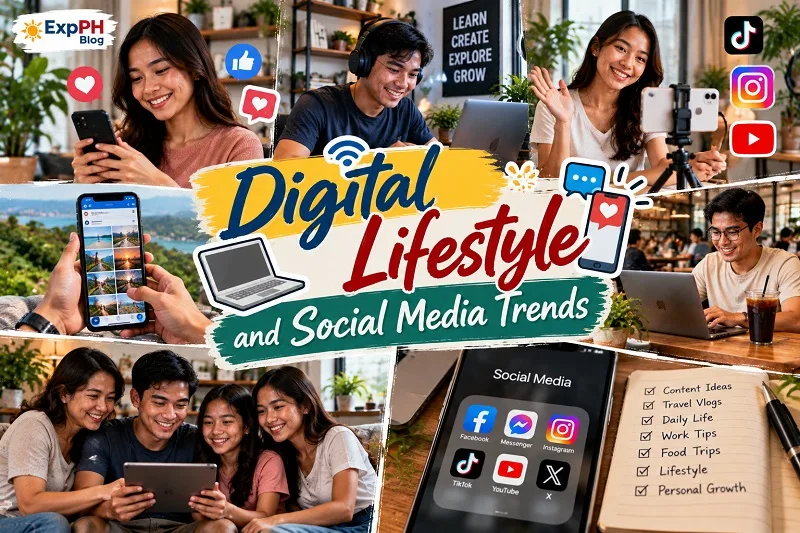
Digital Lifestyle and Social Media Trends
Digital technology shapes how Filipinos communicate, learn, shop, work, and enjoy leisure time. Social media introduces new hobbies and ideas while helping OFWs stay connected with family. Using these platforms responsibly also means managing screen time, protecting privacy, and evaluating online information carefully.
Discovering Ideas Through Social Media
Short videos, photographs, discussion groups, and online tutorials can inspire people to try new activities. Someone might learn a simple recipe, discover a gardening technique, or find a local event through a social platform.
Digital communities can also help people maintain relationships across long distances. For OFWs, messaging applications and video calls may provide regular opportunities to communicate with relatives and participate in family milestones.
However, online content presents a selective view of everyday life. Photographs and videos may emphasize attractive moments while leaving out the effort, expense, or difficulties behind them.
Treat online inspiration as a source of ideas rather than a standard that everyone must follow.
Managing Screen Time
Digital entertainment can become an enjoyable part of leisure time, but it can also compete with sleep, household responsibilities, physical activity, and face-to-face relationships.
People can review their routines to determine whether screen use is helping or interrupting their priorities. Turning off unnecessary notifications, setting device-free periods during meals, and keeping phones away during bedtime routines may be useful strategies.
There is no single screen-time schedule that suits every person. Work requirements, accessibility needs, education, and family circumstances all influence appropriate technology use.
The objective is to use digital tools intentionally rather than feeling obligated to remain connected throughout the day.
Protecting Personal Information Online
Online shopping, social networking, and digital communication involve sharing information that should be handled carefully. Avoid publishing sensitive personal details unnecessarily, and review privacy settings on accounts and devices.
Use strong, unique passwords and enable additional account protection when available. Be cautious about unexpected messages requesting money, account credentials, identification documents, or urgent action.
The Philippine Department of Information and Communications Technology provides information and resources concerning cybersecurity through its official website: Department of Information and Communications Technology.
If a message appears suspicious, verify the sender through an independent and trusted channel before responding. A familiar display name or profile picture is not enough to establish that a request is genuine.

Affordable Recreation and Local Experiences
Affordable recreation allows Filipinos to enjoy meaningful experiences without overspending. From exploring local destinations and attending community events to enjoying simple activities with family and friends, thoughtful planning helps households balance leisure with savings and other essential expenses.
Exploring Local Destinations
The Philippines offers a wide range of places to explore, from public parks and historical sites to local markets, museums, beaches, and nature areas. The most suitable destination depends on location, accessibility, weather, available time, and budget.
Before traveling, check opening schedules, transportation arrangements, admission costs, and any relevant local guidelines. Consider the needs of everyone joining the trip, particularly children, older adults, and people with mobility requirements.
You do not need to travel far to discover something interesting. Exploring a nearby town, visiting a local cultural site, or trying food from a different region may provide a fresh experience without requiring an overnight stay.
Respect local communities, follow site rules, and dispose of waste responsibly during visits.
Enjoying Free and Low-Cost Activities
Free-time activities can be simple and personal. Reading, drawing, listening to music, cooking with family, walking in a suitable public area, and practicing a creative skill may provide enjoyment without large expenses.
Community centers, public libraries, local events, and volunteer activities may offer additional opportunities, depending on what is available in your area.
Families can also create their own traditions. A weekly home-cooked dinner, an evening board game, or a shared gardening project can become something everyone looks forward to.
The value of recreation comes from the experience, not necessarily from how much money is spent.
Planning Leisure Without Overspending
A leisure budget allows people to enjoy activities while keeping other financial responsibilities in view. Decide how much you can comfortably spend after accounting for essential expenses and existing commitments.
For trips, include transportation, food, admission fees, and other likely costs. Leaving room for unexpected expenses can reduce stress if plans change.
Avoid borrowing money for activities you cannot comfortably afford. If an experience is currently outside your budget, consider a less expensive alternative or save gradually toward it.
Thoughtful planning helps make leisure more enjoyable because people can focus on the experience instead of worrying about its financial consequences.
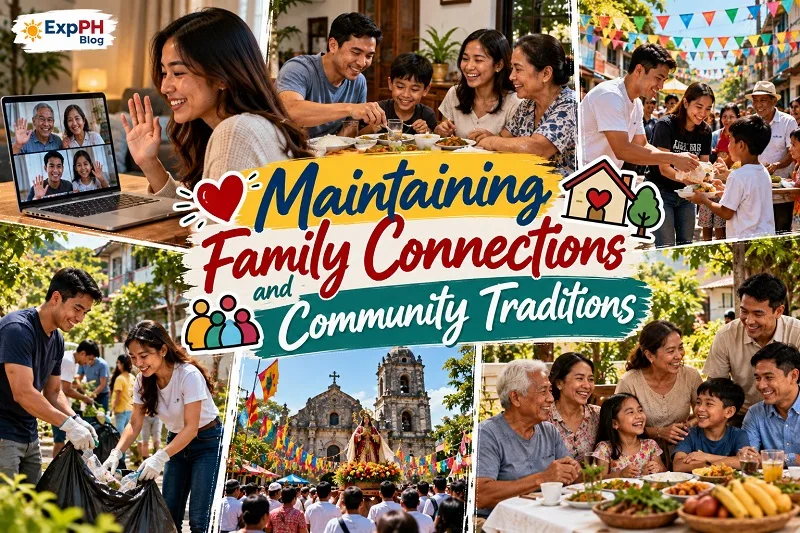
Maintaining Family Connections and Community Traditions
Family connections and community traditions shape everyday Filipino life through shared meals, celebrations, conversations, and local activities. Staying connected takes thoughtful effort when relatives live far apart, especially for OFWs balancing work responsibilities with family relationships and community involvement.
Making Time for Family
Busy schedules can make it difficult for relatives to spend time together. Simple routines, such as eating together when possible, sharing household tasks, or setting aside time for conversation, can help family members stay connected.
Meaningful time does not always require a special event. Asking about someone’s day, listening without interruption, and helping with a practical responsibility can communicate care and consideration.
Families should also recognize that members have different schedules, preferences, and personal boundaries. A balanced approach allows people to maintain relationships while respecting individual responsibilities.
Staying Connected as an OFW
Working overseas can make everyday participation in family life more complicated. Time differences, demanding work schedules, internet access, and personal fatigue may affect communication.
Agreeing on a realistic schedule for calls or messages can help relatives stay in touch. Sharing photographs, discussing household plans, and celebrating important occasions remotely can also create a sense of involvement.
OFWs may find it helpful to discuss expectations openly with family members. Regular communication can help clarify responsibilities, reduce misunderstandings, and ensure that relationships involve more than financial support.
Maintaining connections is a shared effort. Both overseas workers and family members at home can contribute by listening, communicating honestly, and respecting each other’s circumstances.
Participating in Community Life
Community activities offer opportunities to meet neighbors, learn local traditions, and contribute to shared goals. Depending on the area, these activities may include local celebrations, sports, volunteer work, neighborhood cleanups, or cultural events.
Participation should suit each person’s availability and comfort level. Some people enjoy organizing community activities, while others prefer occasional attendance or quieter forms of contribution.
Small actions can still make a difference. Helping a neighbor, supporting a local event, or sharing useful information can strengthen relationships within a community.
Community involvement also provides opportunities to learn from people with different backgrounds and experiences.
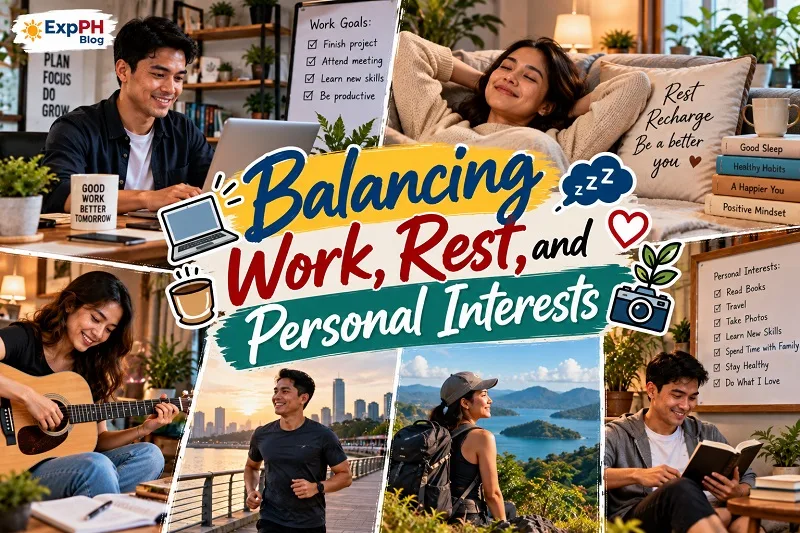
Balancing Work, Rest, and Personal Interests
Balancing work, rest, and personal interests helps Filipinos manage daily responsibilities while protecting their well-being. Creating a manageable routine, making time for proper rest, and enjoying hobbies without pressure can support a more balanced lifestyle that fits individual needs, schedules, and priorities.
Creating a Manageable Daily Routine
Start by identifying the activities that must happen each day. These might include work, school, meals, transportation, household chores, and family responsibilities.
Arrange these activities around actual schedules rather than an ideal routine that is difficult to maintain. Leave room for unexpected changes, especially when work hours or family needs vary.
Small habits can make a routine easier. Preparing belongings the night before, writing a short task list, or planning a few meals may reduce decisions during busy periods.
Review the routine after trying it for a while. Keep the habits that help and adjust the ones that create unnecessary pressure.
Making Space for Rest
Rest is an important part of everyday life, not simply a reward for completing every task. People need opportunities to recover from work, responsibilities, and demanding schedules.
Rest may involve sleeping adequately, spending quiet time alone, enjoying a hobby, talking with friends, or taking a break from digital entertainment.
Different people recover in different ways. An activity that relaxes one person may feel tiring to another, so personal preferences matter.
If exhaustion becomes persistent or interferes with daily functioning, consider seeking appropriate professional advice rather than relying solely on lifestyle changes.
Pursuing Personal Interests Without Pressure
Hobbies can become less enjoyable when people turn them into another source of performance pressure. Social media may encourage comparisons involving skill, appearance, equipment, or the amount of time devoted to an activity.
Remember that hobbies can be valuable even when progress is slow. Reading for enjoyment, growing a few plants, or learning a song does not need to lead to public recognition or financial reward.
Allow yourself to experiment. If an activity no longer fits your interests, schedule, or budget, it is reasonable to try something else.
The purpose of personal interests is to enrich life, not to create another standard that must be met.

Developing a More Sustainable Everyday Lifestyle
Developing a more sustainable everyday lifestyle starts with practical choices that reduce waste and make better use of available resources. Buying only what is needed, maintaining household items, adopting consistent daily habits, and supporting local businesses can help Filipino households live more responsibly without major lifestyle changes.
Buying Less and Using What You Have
Before purchasing something new, check whether an existing item can meet the same need. Clothing may be repaired, furniture rearranged, and suitable containers reused instead of immediately replaced.
Borrowing or sharing certain items may also make sense when they are needed only occasionally. Examples include selected tools, books, or equipment that can be safely shared among family members or neighbors.
When replacement is necessary, consider durability, maintenance, and suitability. A product that meets a real need and lasts longer may offer better value than something purchased mainly because it is trending.
Choosing Practical Household Habits
Households can reduce unnecessary consumption by planning purchases, organizing supplies, and checking what they already own before shopping.
Food planning can help prevent avoidable waste. Keeping track of ingredients and storing food according to appropriate safety guidance may make household resources easier to manage.
Energy and water habits also matter. Turn off lights and equipment when they are not needed, repair leaks when possible, and use appliances according to their instructions.
The best changes are those household members can maintain consistently. Choose manageable actions rather than trying to change every habit at the same time.
Supporting Local Products and Services
Buying from local producers and businesses can provide opportunities to discover regional products, traditional crafts, and services within the community. Markets and small shops may also help consumers find goods suited to local needs.
Compare quality, price, and usefulness before deciding where to purchase. Supporting a local business does not mean every local product will be the best choice, just as a large retailer will not always offer the best value.
When possible, learn about the people and skills behind products you enjoy. This can make shopping more informed and help you appreciate the variety of work involved in everyday goods.

Building a Filipino Lifestyle That Fits Your Priorities
Building a Filipino lifestyle that fits your priorities means making choices that reflect your personal interests, resources, and responsibilities. By identifying what matters most, setting realistic goals, and appreciating everyday experiences, you can create meaningful routines that support your well-being without comparing your life to others.
Identifying What Matters Most
Think about the parts of everyday life you value most. These might include family time, creative hobbies, comfortable surroundings, cultural traditions, physical activity, learning, or time spent outdoors.
Consider which activities help you feel engaged and which create unnecessary demands. You may discover that a few meaningful routines are more satisfying than a crowded schedule filled with activities you do not enjoy.
Your priorities may change over time. A new job, family responsibility, relocation, or change in available resources may require adjustments.
Reviewing your choices periodically can help ensure that your lifestyle continues to reflect your needs.
Setting Realistic Lifestyle Goals
Lifestyle goals work best when they are specific and manageable. Rather than deciding to change every aspect of daily life, choose one improvement you can reasonably practice.
For example, you might prepare meals at home more often, spend time on a hobby twice a week, organize one area of your home, or schedule regular calls with relatives overseas.
Think about what could prevent you from following through. Limited time, costs, transportation, and competing responsibilities may require you to adjust your original plan.
Progress does not need to be dramatic to be meaningful. Consistent small changes can help you develop routines that feel more natural over time.
Appreciating Everyday Experiences
Lifestyle content often focuses on destinations, purchases, makeovers, and major achievements. Yet many meaningful experiences come from ordinary moments.
A relaxed conversation with a relative, a home-cooked meal, a new skill, a quiet morning, or time spent caring for plants can make daily life more satisfying.
Appreciating these experiences does not mean ignoring real difficulties or pretending that everyone has the same opportunities. It means recognizing the value of what genuinely matters within your circumstances.
A comfortable lifestyle is not defined solely by what someone owns. It can also be reflected in how people use their time, care for their relationships, and make decisions that support their priorities.

FAQs About Everyday Filipino Lifestyle
1. What does everyday Filipino lifestyle mean?
Everyday Filipino lifestyle describes daily habits, family traditions, food preferences, hobbies, social connections, and personal choices that shape how Filipinos live at home and work.
2. What hobbies are popular among Filipinos?
Popular hobbies include cooking, gardening, reading, photography, dancing, exercise, crafts, gaming, and exploring local destinations, depending on personal interests, available time, and budget.
3. How can I practice simple living at home?
Practice simple living by organizing belongings, planning purchases, preparing meals, reducing waste, maintaining useful routines, and choosing activities that bring enjoyment without unnecessary expenses.
4. How can families enjoy affordable activities together?
Families can cook together, play games, visit public parks, explore local events, read, garden, or share conversations without needing expensive outings or elaborate plans.
5. How does social media influence Filipino lifestyle trends?
Social media introduces recipes, hobbies, fashion ideas, destinations, and communities, but users should evaluate trends carefully and choose ideas that fit their needs and budgets.
6. How can OFWs maintain Filipino traditions abroad?
OFWs can preserve traditions by preparing familiar dishes, celebrating important occasions remotely, sharing family stories, communicating regularly, and participating in cultural communities when available.
7. How can I enjoy hobbies without spending too much?
Choose affordable activities, use existing supplies, borrow suitable equipment, explore free resources, set spending limits, and develop skills gradually before purchasing additional materials.
8. Why is simple living helpful for Filipino households?
Simple living encourages thoughtful spending, practical organization, reduced waste, and manageable routines, helping households focus resources on essential needs, meaningful experiences, and personal priorities.
9. How can I make my home more comfortable?
Keep frequently used items accessible, maintain clean shared spaces, improve lighting where possible, arrange furniture practically, and choose affordable changes that suit your available space.
10. How can I build a lifestyle that suits my needs?
Identify your priorities, consider your responsibilities and budget, choose realistic habits, protect time for rest, and review your routines regularly as your circumstances change.
Conclusion: Enjoying Everyday Filipino Lifestyle, Trends, Hobbies and Simple Living
Everyday Filipino Lifestyle: Trends, Hobbies and Simple Living brings together the traditions, interests, and practical decisions that shape daily life. From cooking familiar dishes and exploring hobbies to organizing homes, managing digital habits, and enjoying affordable recreation, there are many ways to create a lifestyle that feels meaningful.
Modern trends can introduce useful ideas, but they do not need to determine every decision. Choosing activities that match your interests, respecting your budget, and making time for relationships can help you develop a more personal approach to everyday living.
For Filipinos working overseas, maintaining family traditions and staying connected with loved ones can remain important parts of life despite distance and different schedules. For families at home, small routines and thoughtful spending can help balance responsibilities with enjoyment.
Start with changes that are realistic for your circumstances. Explore a hobby, improve one household routine, plan a simple family activity, or make more intentional shopping decisions. Over time, these small choices can help you build an everyday lifestyle that reflects your values, interests, and goals.
Want to Make Everyday Living Simpler?
Discover Why Minimalist Living Works for Filipinos to learn how decluttering your home, reducing unnecessary purchases, and adopting practical daily habits can help you create a more organized, comfortable, and meaningful lifestyle.
- Lifestyle Trends That Will Shape Filipino Living in 2026
- Filipino Skincare Brands Gaining Global Attention
- 7 Affordable Hobbies to Try This 2026
Test your knowledge of Filipino lifestyle, hobbies, simple living, and everyday habits
Results


#1. What helps shape everyday Filipino lifestyle choices?
#2. What is one benefit of having a hobby?
#3. What supports simple living at home?
#4. What can help households manage meal costs?
#5. What supports practical clothing choices?
#6. What is a responsible digital habit?
#7. How can families enjoy affordable recreation?
#8. What helps OFWs maintain family connections?
#9. What is a useful way to reduce waste?
#10. How can you build a lifestyle that fits you?
Thank you for taking this quiz and reading
Share your experience with us in the comments

A Filipino web developer with a background in Computer Engineering. Founder of ExpPH Blog and ExpPH Business Guide, creating practical content on OFW guidance, business, finance, freelancing, travel, and lifestyle. Passionate about helping Filipinos grow, he shares insights that educate, empower, and inspire readers nationwide.