
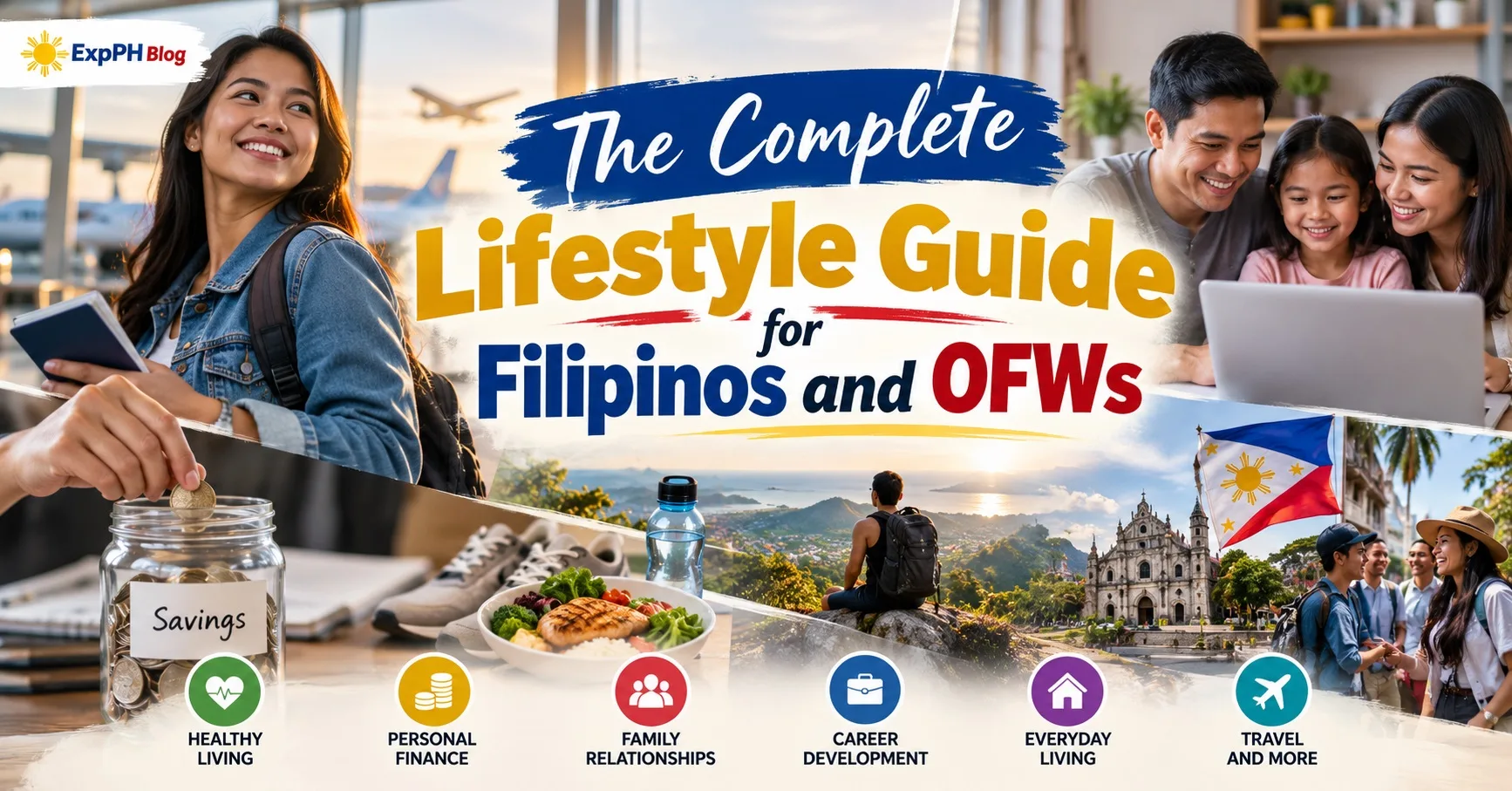
The Complete Lifestyle Guide for Filipinos and OFWs
Life is about more than earning a living, paying bills, or reaching the next milestone. It is also about building meaningful relationships, protecting your health, developing useful skills, making wise financial decisions, and finding time to enjoy the people and experiences that matter most.
For Filipinos, these priorities can take different forms depending on where life happens. A young professional working in Manila may be learning to manage a first salary, while a parent in the province may be balancing household expenses with children’s education. An overseas Filipino worker (OFW) may be supporting loved ones from another country while adjusting to unfamiliar customs, a demanding work schedule, and the emotional distance from home.
Despite these differences, the goal is often similar: to build a more secure, fulfilling, and balanced life.
The Complete Lifestyle Guide for Filipinos and OFWs brings these everyday concerns together in one practical resource. Whether you are living in the Philippines, working abroad, raising a family, planning your next career move, or preparing for a major life transition, the principles in this guide can help you make thoughtful decisions.
There is no single formula for living well. Your circumstances, responsibilities, opportunities, and personal values will shape your choices. What matters is creating habits and plans that support the life you want to build, one realistic step at a time.
Quick Summary (TL;DR)
The Complete Lifestyle Guide for Filipinos and OFWs explores practical ways to build a healthier, more balanced, and financially secure life, whether you live in the Philippines, work overseas, support your family, or plan to return home.
- Healthy Daily Habits: Build sustainable routines around sleep, physical activity, nutritious meals, and personal well-being.
- Personal Finance and Budgeting: Manage monthly expenses, prepare for emergencies, reduce debt, and work toward realistic savings goals.
- Family and Relationships: Strengthen communication, maintain meaningful connections, and establish healthy boundaries around family responsibilities.
- Career and Personal Development: Develop practical skills, explore professional opportunities, and continue learning to improve your career prospects.
- OFW Life and Financial Planning: Manage remittances, prepare for contract transitions, protect your savings, and plan for your future in the Philippines.
- Mental and Emotional Well-Being: Manage stress, make time for rest, address homesickness, and seek professional support when needed.
- Home and Digital Lifestyle: Create a comfortable living environment, protect personal information, and use technology responsibly.
- Travel, Recreation, and Community: Enjoy affordable activities, maintain friendships, preserve Filipino traditions, and contribute to your community.
- Major Life Transitions: Prepare for career changes, relocation, family milestones, and returning home through realistic planning.
Key takeaway: A fulfilling lifestyle is built through consistent, practical decisions that support your health, finances, relationships, and personal goals. Start with manageable improvements, adapt your plans to your circumstances, and focus on long-term well-being rather than comparing your progress with others.

Understanding Lifestyle and What It Means for Filipinos
Lifestyle describes how people manage their daily lives through their habits, relationships, finances, work, and personal interests. For Filipinos, a fulfilling lifestyle means making practical choices that support well-being, financial stability, meaningful relationships, and long-term goals rather than focusing solely on material possessions or social status.
Why lifestyle means different things to different people
A university student may prioritize education, friendships, and learning how to manage a limited allowance. A working parent may focus on household stability, childcare, and career advancement. A self-employed individual may value flexibility, while an OFW may prioritize savings, family responsibilities, and long-term plans for returning to the Philippines.
These priorities can also change with age and circumstances. A lifestyle that works well during your twenties may need adjustments when you have children, care for aging parents, change jobs, or approach retirement.
The goal is not to follow a rigid set of lifestyle rules. It is to understand what matters to you and make daily decisions that support those priorities.
Balancing personal goals with Filipino family values
Family is an important part of life for many Filipinos. Supporting parents, helping siblings, contributing to household expenses, and participating in family celebrations can be meaningful expressions of care.
However, family responsibilities can sometimes compete with personal goals. A person may feel obligated to provide financial assistance even when their own budget is already stretched. An OFW may hesitate to discuss financial difficulties because relatives expect continued support.
Healthy family relationships benefit from honest conversations and realistic expectations. Helping loved ones does not require ignoring your own needs or abandoning every personal ambition.
You can care deeply about your family while maintaining a savings plan, protecting your health, and making room for your future.
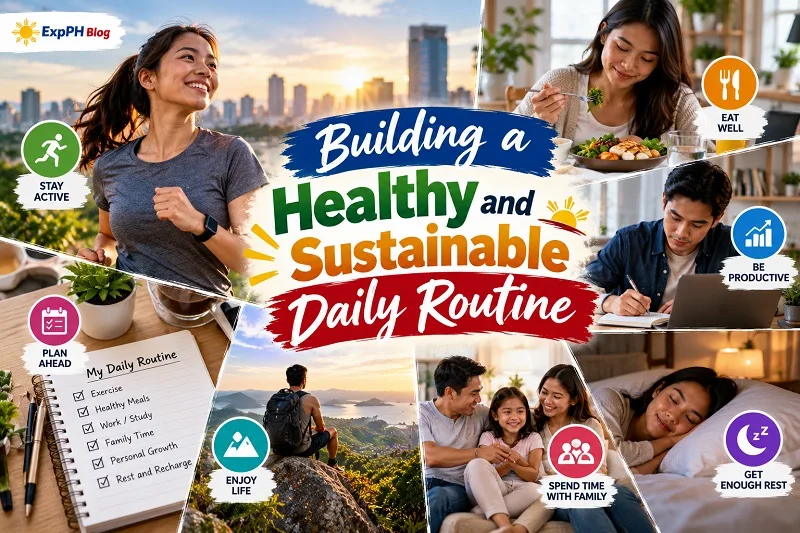
Building a Healthy and Sustainable Daily Routine
Building a healthy and sustainable daily routine starts with simple habits that support your physical and mental well-being. Getting enough sleep, eating balanced meals, staying active, and managing stress can improve everyday life. Choose realistic changes that fit your schedule and maintain them consistently over time.
Create a routine that fits your real life
Start by examining a typical day. Consider when you wake up, how you spend your working hours, what you eat, how much time you spend sitting, and whether you have opportunities to relax.
Look for one or two changes that would make a meaningful difference. You might prepare breakfast the night before, set aside time for a short walk, reduce late-night scrolling, or establish a consistent bedtime.
If you work rotating shifts, have young children, or travel frequently, your routine may not look like somebody else’s. Focus on consistency where possible rather than expecting every day to follow an identical schedule.
Make room for physical activity
Movement can be incorporated into daily life without an expensive gym membership. Walking, dancing, cycling, gardening, household chores, and simple exercises at home can all help you become more active.
Choose activities that match your abilities, available space, schedule, and interests. If you spend long hours at a desk, take movement breaks when practical. If your work involves physical labor, consider how you can recover safely and avoid overexertion.
Anyone with specific health concerns or physical limitations should seek appropriate professional advice before starting a demanding exercise routine.
Improve your sleep habits
Sleep is frequently sacrificed when people have deadlines, family responsibilities, long commutes, or overseas work schedules. However, regularly insufficient sleep can make concentration, emotional regulation, and everyday tasks more difficult.
Try to create a comfortable sleeping environment, establish a calming routine before bed, and reduce avoidable distractions. Shift workers may need to pay particular attention to room darkness, noise, and protecting their rest periods.
When sleep difficulties persist or significantly affect daily functioning, consult a qualified healthcare professional rather than relying entirely on online advice.
Eat well without making food unnecessarily expensive
Healthy eating does not have to mean purchasing premium products or following complicated meal plans.
Filipino households can build practical meals around affordable ingredients such as vegetables, eggs, beans, fish, fruit, and other locally available foods. Rice and familiar home-cooked dishes can remain part of a balanced eating pattern, with attention to portions, variety, and individual nutritional needs.
Planning meals before shopping can reduce waste and make it easier to avoid costly last-minute purchases. Preparing food at home when feasible may also help you understand what you are eating and control expenses.
For OFWs, food choices may depend on accommodation, access to a kitchen, local prices, religious or cultural requirements, and working hours. Start with realistic improvements rather than expecting to recreate every meal you enjoyed at home.

Managing Personal Finances for a More Secure Life
Managing personal finances is essential for building a secure and balanced lifestyle. Creating a realistic budget, preparing for emergencies, saving toward future goals, and managing debt can help you make better financial decisions. With consistent planning, Filipinos and OFWs can improve financial stability and prepare for unexpected expenses.
Build a budget around actual expenses
Begin by identifying your regular income and essential expenses. Include housing, food, utilities, transportation, communication, education, healthcare, debt payments, and support for family members.
Next, identify irregular expenses that may not appear every month. These could include school enrollment, vehicle maintenance, insurance premiums, travel, annual fees, or home repairs.
A practical budget should account for these costs rather than treating them as unexpected every time they occur.
You can use a notebook, spreadsheet, budgeting application, or simple list on your phone. The best method is the one you can update consistently.
Review your spending periodically and look for adjustments that will not undermine essential needs. Reducing unused subscriptions, planning grocery purchases, and comparing service prices may help free up money for savings.
Create an emergency fund gradually
Unexpected expenses can disrupt even a carefully planned budget. A medical bill, temporary loss of income, urgent home repair, or necessary trip can create pressure when no savings are available.
An emergency fund provides money for genuine unexpected needs. Start with a manageable target based on your circumstances, then increase it as your finances improve.
Keep emergency savings separate from everyday spending when possible. Consider accessibility, account security, fees, and the stability of the institution holding your money.
For OFWs, emergency planning may need to account for expenses in two countries. You may need funds for your own immediate needs abroad while maintaining a separate plan for responsibilities in the Philippines.
Save with specific goals in mind
Saving becomes easier to organize when you know what the money is intended to support.
Your goals might include education, a home, retirement, professional training, travel, business preparation, or returning to the Philippines after working abroad.
Estimate how much each goal may require and when you would like to reach it. Then calculate a realistic amount to save regularly.
If your income changes from month to month, consider setting a minimum contribution and increasing it when you have additional funds. Avoid building a plan that only works during your best earning months.
Manage debt before it becomes overwhelming
Debt can help people meet certain needs, but repayment obligations can also reduce financial flexibility.
List each debt, its outstanding balance, interest rate, required payment, and due date. Make required payments on time where possible, then develop a strategy for reducing balances.
Be cautious about borrowing to maintain appearances, cover nonessential purchases, or meet recurring expenses without addressing the underlying budget problem.
If repayments have become unmanageable, contact the lender to understand available options and seek reliable financial guidance. Be skeptical of anyone promising guaranteed debt elimination in exchange for an upfront fee.
Learn about financial services before investing
Financial products differ in their risks, fees, access requirements, and potential returns. Before opening an account, borrowing money, purchasing insurance, or investing, understand what you are agreeing to.
Do not invest money you need for immediate living expenses simply because someone promises fast or guaranteed profits. Diversification, risk tolerance, time horizon, and emergency savings all deserve consideration.
The Bangko Sentral ng Pilipinas financial education resources include learning materials for OFWs and their families on budgeting, financial planning, remittances, and fraud prevention.
Use official information to build your understanding, and verify whether a financial provider is appropriately authorized before committing money.
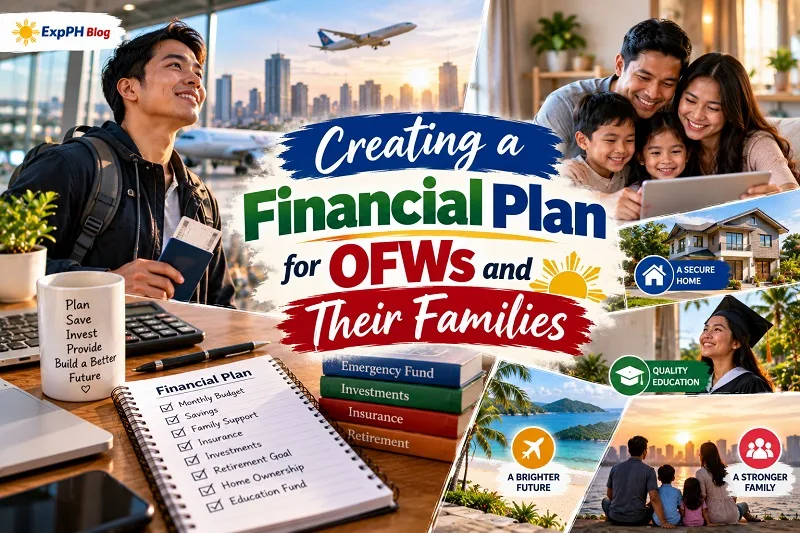
Creating a Financial Plan for OFWs and Their Families
Creating a financial plan helps OFWs manage overseas earnings while supporting their families in the Philippines. By budgeting for living expenses, setting realistic remittance amounts, building savings, and preparing for employment changes, overseas workers can protect their financial stability and work toward long-term goals with greater confidence.
Separate personal expenses from family support
An OFW may be responsible for accommodation, food, transportation, communication, insurance, and other costs in the host country while sending money to relatives in the Philippines.
Before deciding how much to remit, calculate your own essential expenses and minimum savings requirements. Then determine an amount you can realistically provide to your family.
Discuss this arrangement openly with the people who depend on your support. Explain what the remittance is intended to cover and how much you can sustainably contribute.
A predictable amount can help relatives budget more effectively than irregular transfers accompanied by uncertainty. If your income changes or an emergency occurs, communicate early rather than waiting until a financial problem becomes severe.
Plan remittances around household priorities
Remittances can support everyday necessities, education, healthcare, housing, and other family goals. A household plan helps clarify which expenses are essential, which are flexible, and which require advance saving.
Consider reviewing the household budget with a trusted family member. Track recurring expenses and discuss upcoming costs such as tuition, medical appointments, repairs, or major purchases.
Avoid making financial decisions solely because relatives or acquaintances appear to be spending more. Your circumstances and long-term goals are different from theirs.
Prepare for the end of a contract
Before an overseas contract ends, estimate how much money you may need during a period without employment. Include travel, temporary accommodation, household expenses, job-search costs, and any obligations that will continue after your salary stops.
Review the terms of your employment agreement and confirm the official requirements that apply to your circumstances. Keep relevant documents organized and maintain copies of important records.
The Department of Migrant Workers provides official information and services for overseas employment, worker protection, and reintegration. Requirements and available programs can change, so check current official guidance rather than relying entirely on social media posts or informal advice.
Protect your money from scams
OFWs and their families may encounter suspicious investment offers, fake recruitment messages, impersonation attempts, and requests for urgent transfers.
Be cautious when someone promises unusually high returns, pressures you to act immediately, or asks you to disclose passwords or verification codes. Verify unexpected requests through a separate, trusted communication channel.
Never assume that a message is genuine simply because it uses a familiar name, profile picture, company logo, or official-sounding language.
Financial security includes protecting the money you have already worked hard to earn. Take time to verify unfamiliar offers before transferring funds or sharing personal information.

Strengthening Family Relationships and Communication
Strengthening family relationships requires open communication, mutual respect, and shared understanding. Whether living together or separated by overseas work, Filipinos and OFWs can maintain meaningful connections by making time for loved ones, setting healthy boundaries, and addressing disagreements constructively while respecting each person’s needs and responsibilities.
Make meaningful time for loved ones
Busy schedules can make family members feel disconnected even when they live in the same home. Shared meals, conversations, short walks, and regular check-ins can help people stay involved in each other’s lives.
For OFWs, video calls and messages can maintain connections across time zones. Rather than relying only on occasional long conversations, consider creating a manageable schedule that works for everyone.
Ask about everyday experiences, not just bills, school results, or problems that need solving. Children and adults alike benefit from knowing that their feelings and interests matter.
Set healthy financial boundaries
Supporting family members can be rewarding, but it becomes difficult when requests consistently exceed your available resources.
Decide what you can contribute without neglecting essential expenses, debt payments, savings, or dependents. Explain your limits respectfully and consistently.
A boundary does not need to sound harsh. You might explain that you can contribute a fixed amount each month but cannot finance a new purchase or take out a loan for someone else.
When possible, help relatives explore practical alternatives, such as reviewing expenses, comparing service costs, or planning for future needs. Support should be guided by compassion and realistic capacity, not guilt alone.
Navigate disagreements constructively
Disagreements are normal in families. Financial decisions, parenting, household responsibilities, and expectations about returning home can create tension.
Choose a calm time to discuss difficult issues. Describe the specific problem, explain how it affects you, and invite the other person to share their perspective.
Avoid using old arguments to win a new disagreement. Focus on what needs to change and identify a practical next step.
When conflict involves intimidation, abuse, or threats, prioritize safety and seek appropriate support. Not every problem can be resolved through communication alone.

Protecting Mental and Emotional Well-Being
Strengthening family relationships requires open communication, mutual respect, and shared understanding. Whether living together or separated by overseas work, Filipinos and OFWs can maintain meaningful connections by making time for loved ones, setting healthy boundaries, and addressing disagreements constructively while respecting each person’s needs and responsibilities.
Recognize stress before it becomes overwhelming
Stress can show up in different ways. You may feel irritable, distracted, exhausted, withdrawn, or unable to relax. Some people notice changes in sleep, appetite, motivation, or their ability to concentrate.
These experiences can have different causes, so avoid assuming that every difficult period means you have a particular condition.
Start by identifying the pressures you can influence. You may be able to reorganize your schedule, ask for help, reduce unnecessary commitments, or have a conversation about an unreasonable workload.
If distress persists, interferes with daily life, or feels difficult to manage, consider speaking with a qualified mental health professional or healthcare provider.
Address homesickness among OFWs
Living abroad can involve missing familiar food, language, celebrations, weather, friends, and ordinary family routines. Even when overseas employment is a positive choice, distance can bring loneliness and uncertainty.
Give yourself time to adjust to a new environment. Explore local communities, maintain contact with trusted people, and create routines that help your surroundings feel more familiar.
Connecting with Filipino communities can provide cultural comfort, but it is also valuable to build respectful relationships with people from other backgrounds.
If homesickness becomes persistent or overwhelming, seek support rather than judging yourself for struggling. Adjusting to life abroad is a process, not a test of how strong you are.
Make rest part of your schedule
Rest is more than time spent sleeping. It can include quiet activities, recreation, time outdoors, creative hobbies, and periods without work-related demands.
If your schedule is crowded, begin with a small protected period rather than waiting for an entirely free day. A short walk, an enjoyable book, or an unhurried conversation may help you feel more balanced.
Rest does not need to be expensive or impressive. Its purpose is to provide recovery and enjoyment, not to become another task you feel pressured to perform perfectly.

Career Growth, Learning, and Personal Development
Career growth and personal development help Filipinos and OFWs build skills, explore better opportunities, and achieve meaningful goals. Whether pursuing professional qualifications, learning new abilities, or seeking more stable employment, continuous learning can strengthen career prospects and support long-term personal and professional growth.
Identify the skills you want to develop
Start by identifying the skills that would make a practical difference in your life. These might include digital literacy, communication, project management, customer service, technical expertise, language learning, or financial planning.
Review job descriptions and reputable training programs to understand which skills employers actually require. Be careful about paying for a course based only on claims of guaranteed employment or unusually high earnings.
Choose a learning plan that fits your available time and resources. Consistent progress through affordable courses, guided practice, or supervised experience can be more useful than collecting certificates without applying what you learn.
Explore Online Courses to Build Practical Skills
Developing new skills can open doors to career advancement, freelancing, and other professional opportunities. If you want structured lessons to support your learning goals, Udemy’s online courses offer subjects ranging from digital skills and communication to business and professional development. Before enrolling, review the course outline, instructor information, learner feedback, and price to determine whether the training matches your needs and budget.
Build transferable skills for overseas opportunities
Transferable skills are abilities that can be useful across different workplaces or industries. Examples include problem-solving, teamwork, organization, communication, and adapting to unfamiliar situations.
For OFWs, these skills may help with future employment abroad, career changes, or opportunities in the Philippines.
Keep an accurate record of your employment history, training, qualifications, and responsibilities. Where appropriate, request references and retain copies of documents that may be needed for future applications.
If you are considering overseas work, investigate the occupation, employer, destination, contract conditions, and official application requirements before making a commitment.
Avoid comparing your progress with everyone else’s
Online platforms can make it seem as though everyone else is earning more, traveling more frequently, or reaching major milestones earlier.
However, public posts rarely reveal the full financial and personal circumstances behind someone’s lifestyle. A purchase may involve debt, a trip may be a rare occasion, and a career milestone may follow years of work that are not visible online.
Use other people’s achievements as inspiration when helpful, but measure your progress against your own goals, responsibilities, and previous efforts.
A realistic definition of success gives you room to grow without treating every difference in income or lifestyle as a personal failure.
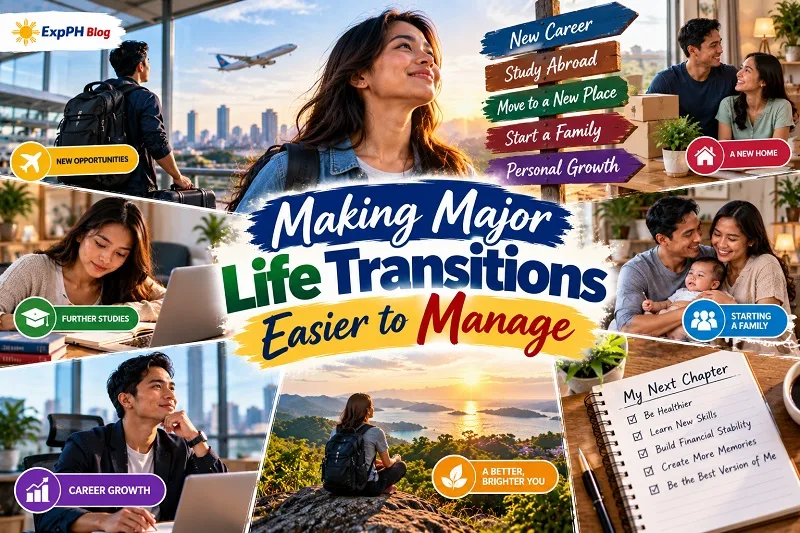
Making Major Life Transitions Easier to Manage
Making major life transitions easier requires thoughtful planning and flexibility. Whether changing careers, starting a family, moving abroad, or returning to the Philippines, preparing financially and emotionally can reduce uncertainty. Clear priorities and realistic expectations help Filipinos and OFWs adapt to change and move forward with greater confidence.
Prepare before making a major decision
Start by identifying what is changing and which responsibilities will be affected. A job change, for example, may influence your income, schedule, benefits, commute, and family arrangements.
Write down the decisions that must be made, the information you still need, and any deadlines involved. Separate essential tasks from decisions that can wait.
Where possible, maintain a financial buffer before making a significant change. Consider how you will manage essential expenses if the transition takes longer or costs more than expected.
You do not need to predict every possible problem. The aim is to reduce avoidable surprises and make informed choices with the information available.
Manage the emotional side of change
Even a positive transition can involve uncertainty, grief, or a sense of losing familiarity. Moving abroad may mean leaving a close social circle. Returning home may mean adjusting to a household and community that have changed while you were away.
Give yourself time to understand these feelings. Talk with trusted people, maintain helpful routines, and avoid judging your adjustment by how quickly others expect you to settle.
If a transition affects your relationships, discuss expectations before resentment develops. Practical conversations about money, household responsibilities, living arrangements, and personal space can prevent misunderstandings.
Plan a return to the Philippines thoughtfully
For OFWs, returning to the Philippines may be a long-term goal or a decision prompted by family needs, contract changes, health considerations, or new opportunities.
Before returning, estimate your living expenses and identify the income sources you expect to rely on. Consider employment, business plans, savings, pensions where applicable, and the time required to establish a new routine.
Research possible work opportunities and avoid committing a large portion of your savings to a business simply because relatives recommend it or a proposal sounds promising.
The Department of Migrant Workers provides official information about services for migrant workers, including reintegration-related resources. Check the current availability, eligibility conditions, and requirements of any program before making financial commitments.
Returning home is not a failure or an automatic solution to every problem. It is a major transition that deserves the same careful preparation as moving abroad.

Creating a Comfortable Home and Everyday Environment
Creating a comfortable home and everyday environment helps Filipinos and OFWs maintain a more organized and balanced lifestyle. Keeping living spaces clean, arranging belongings efficiently, protecting important documents, and making room for rest can improve daily comfort without requiring expensive renovations or major changes.
Organize your space around everyday needs
Begin with the areas you use most often. Keep frequently used items accessible, create a practical place for important documents, and remove belongings that create unnecessary clutter.
If you live in a small apartment or shared accommodation, use available space carefully. Simple storage solutions, regular cleaning, and agreed household routines can make a difference without requiring a complete renovation.
For OFWs living in employer-provided or shared housing, respect the rules of the accommodation and the needs of other residents. Personal comfort is important, but so are safety, cleanliness, privacy, and mutual consideration.
Make your home support rest and connection
Consider what helps you feel comfortable when you return home after work. You might need a quiet sleeping area, a place to prepare meals, a corner for reading, or a shared space where family members can talk.
If you work remotely, separate work materials from relaxation areas when practical. Even a simple routine of putting away work equipment can help create a clearer boundary between professional and personal time.
In family homes, involve household members in deciding how chores and shared spaces should be managed. Fair expectations can reduce repeated disagreements and help everyone contribute according to their abilities.
Keep important documents organized
Store essential records securely, including identification documents, employment contracts, insurance details, financial records, and relevant family paperwork.
For digital copies, use secure storage and strong account protection. Avoid keeping sensitive documents in publicly accessible folders or sharing them casually through messaging applications.
OFWs should also check document validity and official requirements well before travel or employment changes. Requirements vary by situation, so verify current instructions through the appropriate government office, embassy, consulate, or authorized service provider.
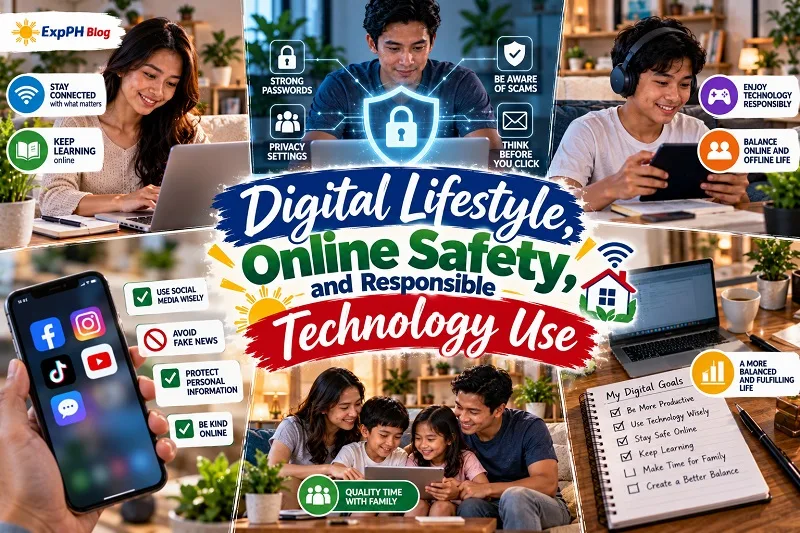
Digital Lifestyle, Online Safety, and Responsible Technology Use
Digital technology helps Filipinos and OFWs stay connected with loved ones, manage finances, access services, and develop new skills. Using it responsibly means protecting personal information, setting healthy screen time limits, and verifying online information to avoid scams, misinformation, and unnecessary digital distractions.
Protect your personal information
Use unique passwords for important accounts and enable multifactor authentication when available. Keep your devices updated, secure your screen with an appropriate lock, and review the permissions granted to applications.
Never share one-time passwords, account recovery codes, or banking credentials with people who contact you unexpectedly. Legitimate-looking messages can still be fraudulent.
If you receive a request to transfer money from a relative, employer, or supposed government representative, confirm it through a separate trusted channel before acting.
Set boundaries around screen time
Constant notifications can interrupt work, rest, and face-to-face conversations. Consider turning off nonessential alerts and setting specific times to check social media or messages.
Avoid using online activity as your only measure of personal connection. A thoughtful conversation with one trusted person can be more valuable than receiving many reactions to a post.
Parents and caregivers can also establish age-appropriate digital routines with children. Discuss online privacy, respectful communication, suspicious links, and what to do when something uncomfortable happens online.
Use online information carefully
Not every viral post, financial tip, health claim, or employment advertisement is accurate. Check the original source, publication date, supporting evidence, and whether an appropriate official institution confirms the information.
For important matters involving overseas employment, government benefits, immigration, finance, or safety, rely on the relevant official authority rather than an anonymous social media account.
Pause when a message creates intense urgency or promises an outcome that seems too good to be true. Taking time to verify information is a practical form of self-protection.

Travel, Recreation, and Enjoying Life Within Your Means
Travel, recreation, and personal hobbies help Filipinos and OFWs enjoy life beyond their daily responsibilities. By choosing activities that fit their budgets, people can create meaningful experiences, strengthen relationships, and explore personal interests without compromising essential expenses or long-term financial goals.
Plan enjoyable activities around your budget
You can explore local destinations, visit public parks, spend time at community events, prepare a special meal at home, or arrange a simple family gathering.
Before booking a trip, calculate the full cost, including transportation, accommodation, meals, entrance fees, insurance where appropriate, and an allowance for unexpected expenses.
Avoid using emergency savings for discretionary travel unless you have carefully considered the consequences. If a trip is not affordable now, adjust the destination, shorten the stay, or save for a later date.
Make time for personal interests
Hobbies offer opportunities to learn, relax, and connect with others. You might enjoy cooking, photography, reading, gardening, music, sports, crafts, or volunteering.
Choose activities because they are meaningful to you, not simply because they are popular online. Some hobbies require equipment or paid lessons, while others can be enjoyed with inexpensive materials and regular practice.
For OFWs, hobbies can also help establish a sense of routine in an unfamiliar country. Joining a local class or community activity may provide opportunities to meet people outside the workplace.
Practice mindful spending
Before making a nonessential purchase, ask yourself whether it fits your priorities, whether you can afford it without borrowing, and whether you expect to use or enjoy it.
There is nothing wrong with treating yourself occasionally. The goal is to distinguish purchases that genuinely improve your life from those made mainly because of pressure, boredom, or comparison.
A balanced lifestyle leaves room for both responsible planning and spontaneous enjoyment.
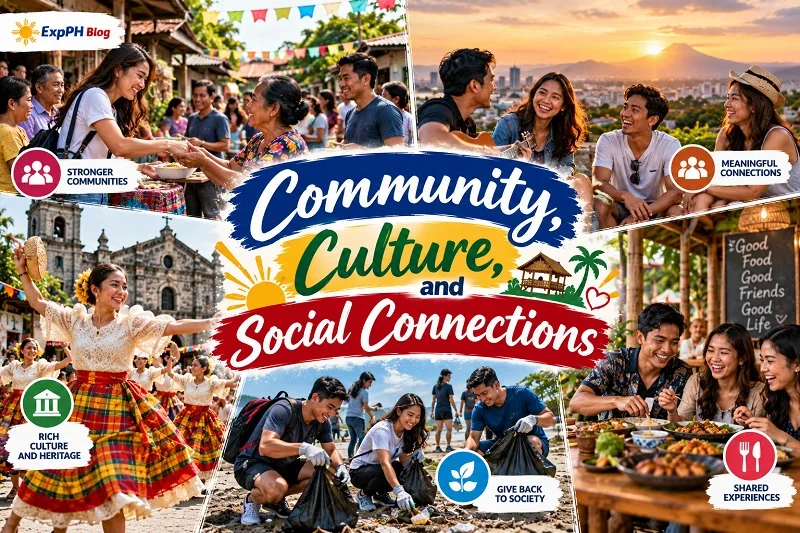
Community, Culture, and Social Connections
Community, culture, and social connections play an important role in a fulfilling lifestyle. For Filipinos and OFWs, maintaining friendships, preserving cultural traditions, and participating in community activities can strengthen relationships, provide emotional support, and create a lasting sense of belonging wherever life takes them.
Maintain friendships beyond family and work
Friendships can provide companionship, perspective, and emotional support. Yet maintaining them takes effort when schedules are busy or people live far apart.
Make time for occasional conversations, shared activities, or simple check-ins. If you have moved to a new place, consider joining a club, class, volunteer group, or community activity that matches your interests.
For OFWs, friendships with other Filipinos may offer cultural familiarity. Connections with local residents and people from other backgrounds can also broaden your understanding of the country where you live and work.
Preserve traditions while adapting to change
Filipino traditions can help people stay connected to their roots, especially when living abroad. Cooking familiar dishes, celebrating important occasions, speaking Filipino languages, and sharing family stories can help younger generations understand their heritage.
At the same time, traditions can evolve as families change. Not everyone has the same beliefs, financial resources, or ability to participate in every gathering.
Focus on the meaning behind a tradition rather than assuming that everyone must follow it in exactly the same way. Respectful flexibility can help preserve connection without creating unnecessary pressure.
Contribute to your community in practical ways
Community involvement does not always require money. Sharing useful information, volunteering time, helping a neighbor, mentoring someone, or participating in local improvement activities can make a positive difference.
Choose commitments that fit your capacity. Helping others should not consistently undermine your health, financial stability, or responsibilities to your household.
A strong community is built through small acts of cooperation and respect, not through competition over who contributes the most.

Setting Realistic Goals for a Better Lifestyle
Setting realistic goals helps Filipinos and OFWs improve their lifestyles through practical and achievable steps. By prioritizing important needs, building consistent habits, and reviewing progress regularly, you can make meaningful changes to your health, finances, relationships, and career without feeling overwhelmed by unrealistic expectations.
Choose a few priorities at a time
Identify the areas that would make the greatest difference to your current situation. If money is a major source of stress, begin with budgeting and debt management. If your schedule leaves you exhausted, focus on rest and workload boundaries.
Trying to change every part of your life at once can create pressure and make it difficult to sustain new habits.
Choose one or two priorities, define what progress would look like, and decide when you will review your efforts.
Turn intentions into manageable actions
A goal such as saving more money becomes more concrete when you decide to transfer a realistic amount into savings after receiving income.
Likewise, improving family communication could mean scheduling a weekly conversation, while developing a professional skill could involve studying for a set period several times a week.
Make your actions small enough to repeat. If the plan consistently fails because it requires too much time or money, adjust the plan rather than assuming you lack discipline.
Review your progress without harsh self-judgment
Life circumstances change. An unexpected expense, family emergency, work schedule, or change in income may require you to revise your goals.
Review what worked, what proved difficult, and what needs to change. Celebrate meaningful progress, even when it is smaller than you originally expected.
A successful lifestyle is not one in which every plan works perfectly. It is one in which you can adapt, learn, and continue moving toward what matters.
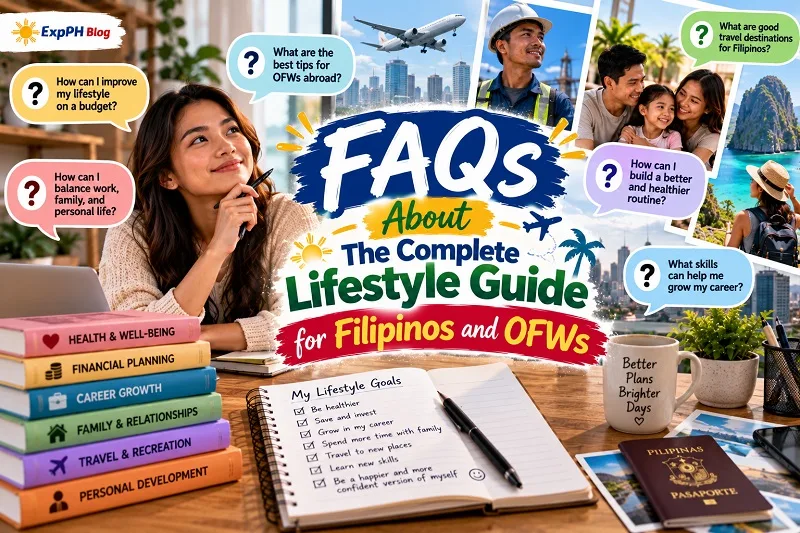
FAQs About The Complete Lifestyle Guide for Filipinos and OFWs
1. What is The Complete Lifestyle Guide for Filipinos and OFWs?
It is a practical resource covering health, finances, relationships, career development, personal growth, and everyday decisions that help Filipinos build more balanced, fulfilling lives.
2. How can OFWs maintain a balanced lifestyle while working abroad?
An OFW can balance responsibilities by budgeting personal expenses first, agreeing on sustainable remittances, maintaining regular communication, and planning savings for emergencies and future goals.
3. How can Filipinos manage their monthly budget effectively?
Create a budget by listing income, essential bills, debt payments, family support, irregular costs, and savings, then review actual spending every month consistently.
4. How can OFWs support their families without financial stress?
Discuss money openly, agree on a predictable support amount, explain financial limits respectfully, and review household priorities together when income or expenses change significantly.
5. Why is an emergency fund important for Filipinos?
Build an emergency fund gradually, keep it accessible and separate from everyday spending, and choose a target that reflects your income and responsibilities realistically.
6. How can Filipinos protect their mental and emotional well-being?
Protect emotional well-being through rest, supportive relationships, manageable routines, and professional help when distress persists or begins interfering with everyday activities and relationships.
7. What should Filipinos consider before working overseas?
Research the employer, contract, destination, recruitment agency, required documents, and official procedures before accepting overseas work, and verify details through government sources beforehand.
8. How should OFWs prepare for returning to the Philippines?
Returning OFWs should estimate living costs, review savings, research employment or business options, and confirm available reintegration support before making major financial commitments carefully.
9. How can Filipinos stay safe while managing their lives online?
Improve digital safety by using unique passwords, enabling multifactor authentication, updating devices, and verifying unexpected payment requests through a separate trusted communication channel every time.
10. What makes a lifestyle healthy, balanced, and fulfilling?
A balanced lifestyle combines physical health, financial planning, meaningful relationships, personal growth, rest, and enjoyment in ways that fit individual circumstances, priorities, and values.
Conclusion: Build a Lifestyle That Reflects Your Values
The Complete Lifestyle Guide for Filipinos and OFWs is ultimately about making everyday choices that support a healthier, more secure, and more meaningful life.
You do not need a high income, an expensive home, frequent travel, or a perfect routine to begin improving your circumstances. You can start by organizing your spending, caring for your health, strengthening relationships, learning a useful skill, or making time for something you genuinely enjoy.
For Filipinos living at home, progress may mean creating a more manageable household budget, finding satisfying work, or establishing healthier boundaries. For OFWs, it may mean adjusting to a new country, planning remittances, protecting personal well-being, or preparing for a future return to the Philippines.
Your circumstances may be different from those of other people, and your priorities may change over time. That is normal.
Focus on decisions that reflect your values, respect your actual resources, and support your long-term well-being. Seek reliable information when a decision involves money, employment, health, or legal requirements. Ask for help when you need it, and give yourself permission to adjust your plans as life changes.
A better lifestyle is not built in one day. It develops through consistent choices, honest reflection, supportive relationships, and the willingness to keep learning.
Start with one meaningful improvement today. Over time, small and sustainable changes can help you build a life that feels more balanced, purposeful, and genuinely your own.
Test your knowledge of healthy living, personal finance, family relationships, career development, and everyday lifestyle decisions
Results


#1. What helps build a healthy daily routine?
#2. What should you include in a practical budget?
#3. Why is an emergency fund important?
#4. How can OFWs manage remittances responsibly?
#5. What strengthens family relationships?
#6. What supports career development?
#7. What helps manage major life transitions?
#8. How can you protect online accounts?
#9. How can you enjoy recreation responsibly?
#10. What makes lifestyle goals achievable?
Thank you for completing this lifestyle quiz
Tell us your score, which question challenged you most, or what lifestyle lesson you plan to apply in your daily life. Your insights may inspire other Filipinos and OFWs in our community.
Table of Contents
A Filipino web developer with a background in Computer Engineering. Founder of ExpPH Blog and ExpPH Business Guide, creating practical content on OFW guidance, business, finance, freelancing, travel, and lifestyle. Passionate about helping Filipinos grow, he shares insights that educate, empower, and inspire readers nationwide.


Pingback: How OFWs Can Build a Better Life: 10 Great Tips for Success