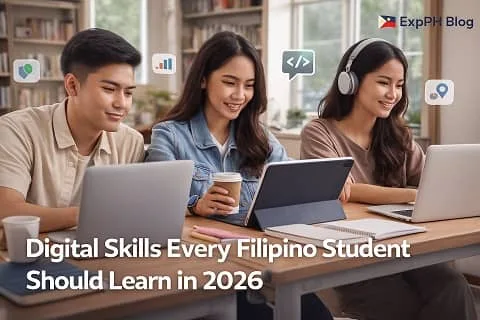
Digital Skills Every Filipino Student Should Learn in 2026
As the Philippines moves deeper into the digital era, learning essential digital skills has become more than just an advantage it’s a survival skill. In classrooms, workplaces, and even at home, technology shapes how people learn, communicate, and earn. Filipino students must be equipped with the digital skills needed to thrive in a world that values innovation, adaptability, and technical know-how.
In 2026, nearly every job in the Philippines from customer service to software engineering will require some level of digital competence. Employers are increasingly looking for applicants who can use digital tools, analyze information, and stay secure online.
From coding and social media marketing to cybersecurity and cloud computing, mastering these digital skills gives Filipino students a competitive edge both locally and globally. This comprehensive guide explores the top 10 digital skills every Filipino student should learn, along with the best tools, platforms, and resources to get started.
For a complete guide to tech careers and future opportunities, explore Tech Careers and Skills for Filipinos and OFWs in 2026 to understand in-demand roles, essential skills, and how to start your journey.
Table of Contents
How Schools Can Support Digital Learning
To ensure future readiness, schools must integrate digital skills education across all grade levels. Teachers can introduce coding clubs, data workshops, and digital safety classes.
Collaboration with the private sector and government agencies can also help provide updated tools and digital training programs.
Educational institutions that focus on digital skills development not only improve employability but also empower students to become innovators and digital leaders in their communities.
The Role of Parents and Communities in Digital Skills Development
Parents play a vital role in nurturing digital skills at home. Encouraging children to explore technology responsibly through educational games, coding activities, or online research helps build curiosity and confidence.
Communities can support digital inclusion by hosting local workshops or providing internet access to underserved areas, ensuring that every Filipino student can learn essential digital skills regardless of background.
1. Basic Computer Literacy
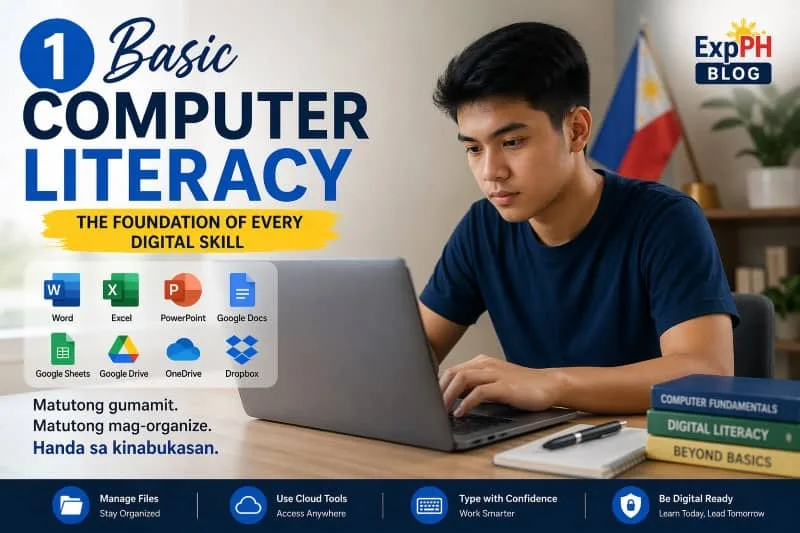
Before exploring advanced technical skills, students need a solid foundation in basic computer literacy. These core abilities support all digital tasks and improve performance in school and future careers. Understanding how computers work helps learners stay organized, confident, and ready for modern work environments.
This includes:
- Using word processors such as Microsoft Word or Google Docs
- Creating and managing spreadsheets in Excel or Google Sheets
- Designing presentations with PowerPoint or Canva
- Understanding file management, folders, and digital storage systems
Equally important are online research skills, keyboard proficiency, and familiarity with cloud-based services like Google Drive, OneDrive, or Dropbox.
Why it matters: Every professional task today from writing reports to attending virtual classes depends on digital tools. Without basic computer literacy, other advanced digital skills become difficult to master.
According to the Technical Education and Skills Development Authority (TESDA) and the Commission on Higher Education (CHED), digital literacy and AI education are now part of the national upskilling framework for students in the Philippines.
A PhilStar report also highlighted how Filipino workers are eager to develop AI and data-related skills, though internet access remains a challenge in some regions.
2. Digital Communication and Collaboration
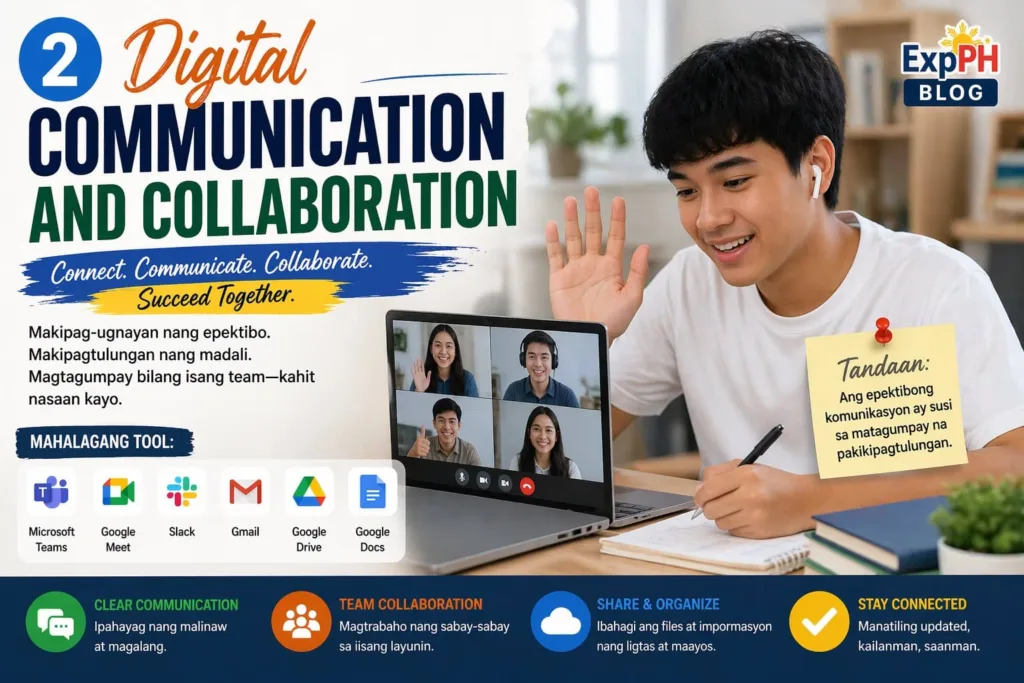
Strong communication is one of the most valuable digital skills today. In hybrid learning environments, Filipino students need to collaborate effectively using technology. Clear communication builds teamwork, prevents misunderstandings, and helps students stay productive across different platforms and learning setups.
Students should learn to:
- Use Zoom, Google Meet, or Microsoft Teams for online meetings
- Share ideas and files through Slack, Notion, or Trello
- Communicate respectfully using professional email and chat etiquette
Pro Tip: Effective online collaboration requires more than just technology. It needs empathy, clarity, and adaptability. Students who communicate clearly, listen actively, and respect others online can build stronger connections and succeed in both academic and professional environments.
3. Data Literacy and Analysis
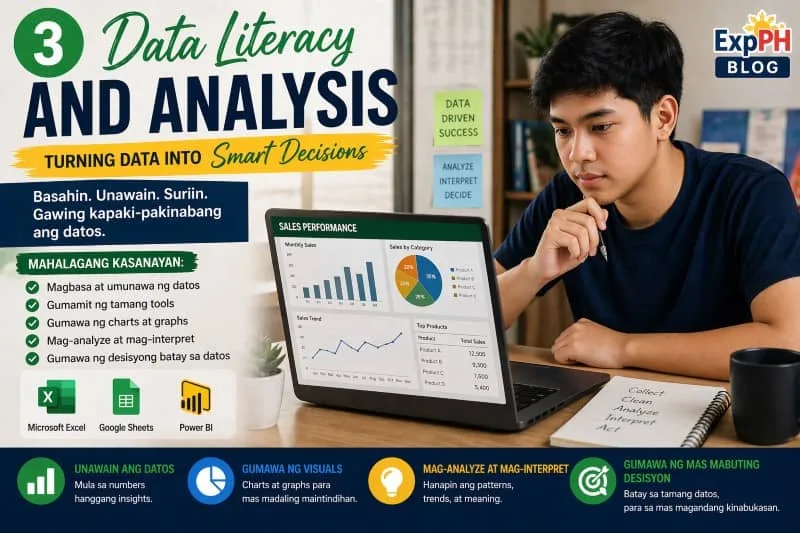
We live in a data-driven world where decisions rely on accurate information. Students need to understand how to collect, interpret, and present data clearly. These skills support problem solving, improve critical thinking, and help learners make informed decisions in academic tasks and real-world situations.
Key areas to master include:
- Basic Excel formulas and Google Sheets functions
- Data visualization tools such as Tableau, Power BI, or Google Data Studio
- Statistical thinking and storytelling with data
Why it matters: Employers value candidates who can turn raw data into useful insights. Whether analyzing survey results or managing records, data literacy improves decision making and strengthens employability in many industries.
4. Cybersecurity Awareness
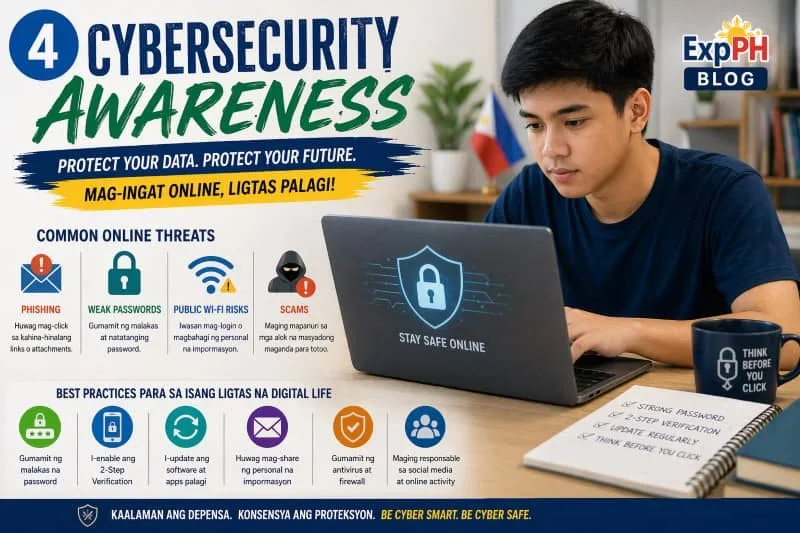
Cybersecurity is one of the most essential digital skills in 2026. As Filipino students spend more time online, risks from scams, data theft, and hacking continue to grow. Understanding cyber hygiene helps protect personal information and promotes responsible behavior across digital platforms and everyday online activities.
Students should know how to:
- Create strong and unique passwords
- Recognize phishing emails and suspicious websites
- Use multi-factor authentication and privacy settings
- Keep software updated and avoid unsecured Wi-Fi networks
Real-world impact: Cyber threats are increasing in the Philippines, especially with the rise of online banking and e-learning. Learning cybersecurity skills protects students from identity theft and digital fraud.
5. Coding and Programming
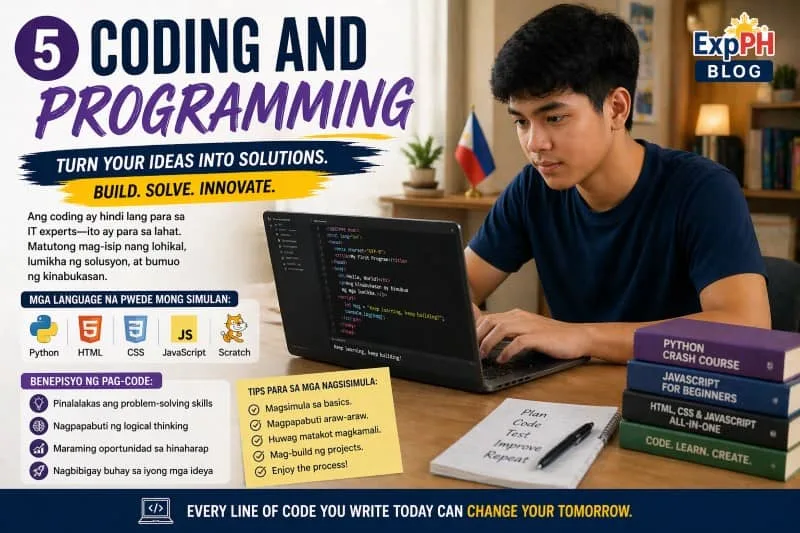
Coding is one of the most valuable digital skills for students in the 21st century. It enhances problem-solving, logical reasoning, and creativity. Even if a student doesn’t plan to become a software engineer, learning the basics of programming can boost confidence and digital fluency.
Start with:
- HTML, CSS, and JavaScript for web development
- Python for automation and data science
- Scratch or Blockly for younger learners
Why it matters: Many high-paying jobs from web developers to AI engineers depend on coding. Developing this digital skill early opens doors to freelancing, app creation, and remote tech jobs.
6. Digital Marketing and Social Media Skills
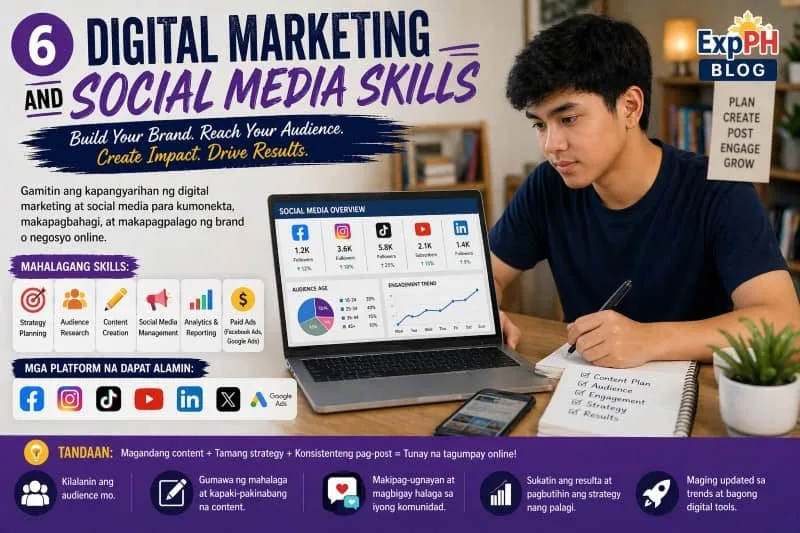
The Philippines is one of the world’s most social media–active nations, making digital marketing one of the fastest-growing career paths. Students who understand how to manage content, grow online audiences, and analyze engagement can turn their creativity into profit.
Essential digital skills to learn include:
- SEO (Search Engine Optimization)
- Content creation using Canva, CapCut, or Adobe Express
- Google Analytics and Facebook Ads
- Social media management for brands and influencers
Job relevance: These digital skills are in high demand for freelancers, e-commerce entrepreneurs, and marketing agencies. Students who master them can earn income while still studying.
7. Cloud Computing and Online Productivity Tools
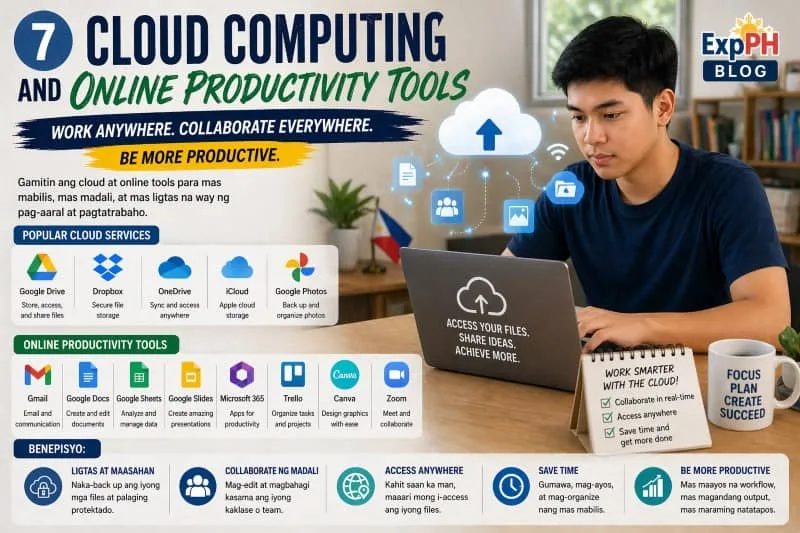
Modern workplaces rely heavily on cloud technology for daily operations and collaboration. Filipino students preparing for professional life need to understand how cloud systems work. These tools allow users to access files, communicate, and complete tasks efficiently from any device with internet access.
Learn to use:
- Google Workspace, Microsoft 365, Notion, and Airtable
- File syncing, real-time document editing, and task automation tools
Benefit: Cloud-based tools allow students to collaborate effectively across locations. They support faster communication, improve organization, and increase efficiency. Mastering these tools helps students adapt to modern workflows and prepares them for both academic success and professional environments.
8. Digital Citizenship and Ethics
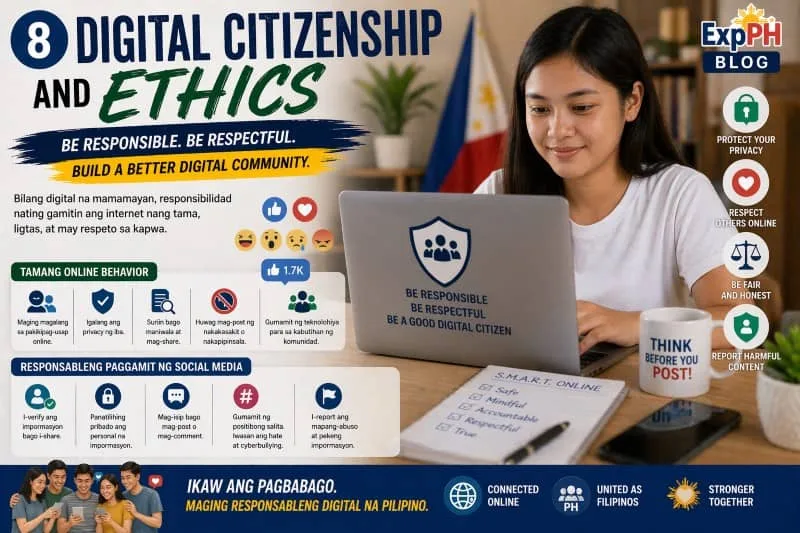
True digital literacy includes understanding digital ethics and responsible technology use. Students need to respect privacy, protect personal information, and value intellectual property. Practicing ethical behavior online helps build trust, encourages accountability, and prepares learners to engage safely and responsibly in digital communities.
Digital citizenship means:
- Practicing honesty in online research and avoiding plagiarism
- Promoting truth and respectful communication on social media
- Understanding the impact of online actions on others
Lesson: Being responsible online is one of the most overlooked yet vital digital skills. Ethical behavior protects reputations, prevents conflicts, and helps students build a positive digital presence that supports long term academic and career success.
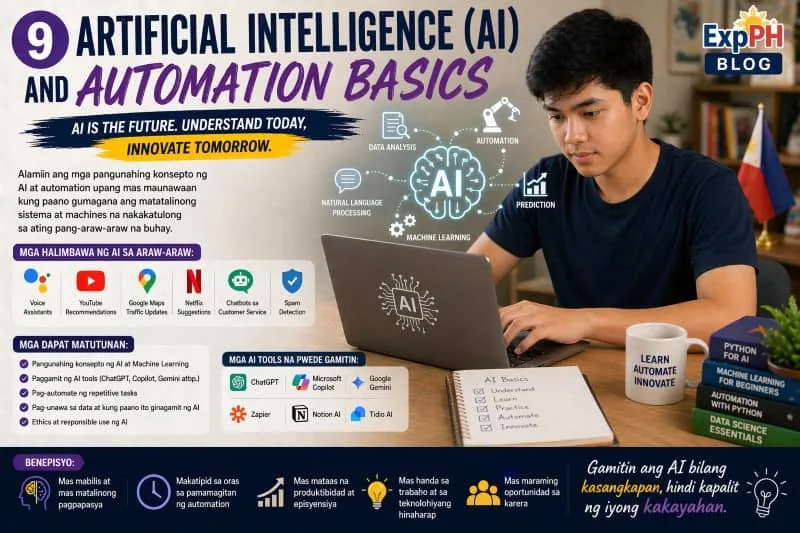
9. Artificial Intelligence (AI) and Automation Basics
Artificial intelligence is changing how people study, work, and solve problems. Filipino students who understand AI gain a strong advantage in modern careers. Learning how automation works helps improve efficiency, supports decision making, and prepares students for technology driven environments across different industries.
Students can start exploring:
- AI tools like ChatGPT, Copilot, and Gemini
- Machine learning concepts such as pattern recognition
- Automation software like Zapier or IFTTT
Future edge: The ability to use AI and automation tools gives students a competitive advantage in future careers. These skills help improve productivity, reduce manual work, and allow individuals to focus on higher value tasks that require creativity and critical thinking.
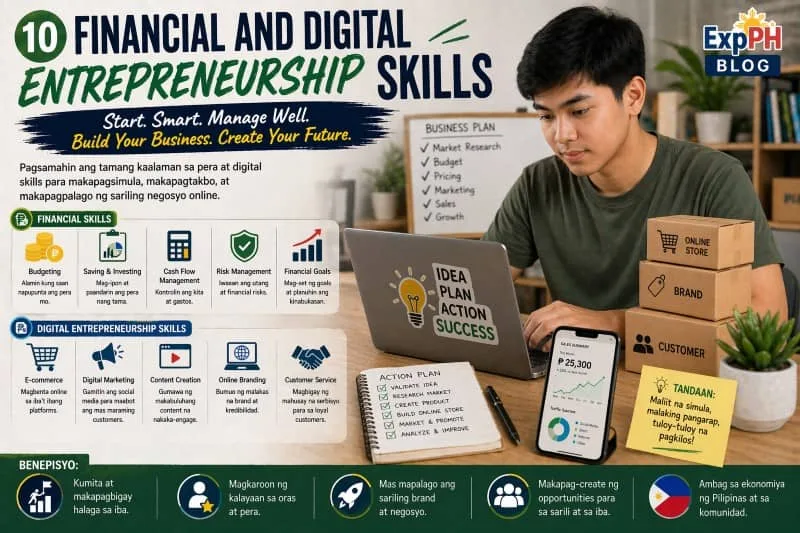
10. Financial and Digital Entrepreneurship Skills
Many young Filipinos are exploring online business opportunities. To succeed, students need to combine financial literacy with digital entrepreneurship skills. Understanding income, expenses, and pricing helps build sustainable ventures, while digital tools allow them to reach customers, manage operations, and grow their businesses effectively.
Learn to:
- Sell through Shopee, Lazada, or TikTok Shop
- Use digital payments such as GCash, Maya, or PayPal
- Create brand identities using social media and digital ads
Why it matters: Mastering digital entrepreneurship empowers students to generate income, build independence, and develop real world skills. It opens opportunities for side hustles or full time businesses while strengthening financial awareness, creativity, and adaptability in a fast changing digital economy.
Educational Resources for Digital Learning in the Philippines
Access to quality learning platforms helps Filipino students build strong digital skills and stay competitive in today’s technology driven world. Many free and affordable resources offer practical training, certifications, and real world knowledge that support career growth and continuous learning.
There are plenty of free and affordable platforms where students can develop their digital skills:
- TESDA Online Program – Free technical and IT courses
- DICT DigitalJobs PH – Government-led digital training initiatives
- Google Career Certificates – Job-ready programs for data analytics, IT, and UX design
- Coursera, edX, and Udemy – Affordable online learning from top global universities
These educational platforms help Filipino students gain practical digital skills, access global learning opportunities, and prepare for future careers in a competitive digital economy
These institutions help bridge the gap between traditional education and modern digital skills demanded by employers.
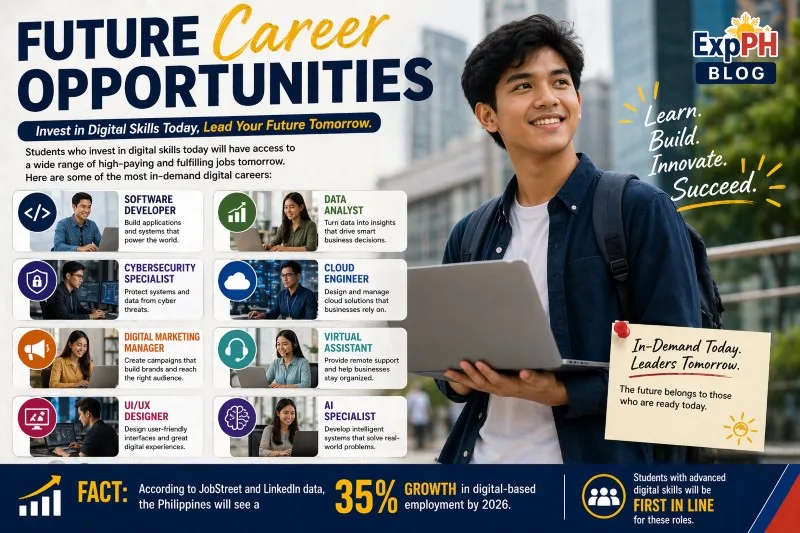
Future Career Opportunities for Filipino Students in the Digital Age
Students who invest in digital skills today gain access to high paying and meaningful careers in the future. As technology continues to grow, many industries now require strong digital knowledge. These skills open doors to stable jobs, remote work opportunities, and long term professional growth.
Students can explore careers such as:
- Software Developer
- Data Analyst
- Cybersecurity Specialist
- Cloud Engineer
- Digital Marketing Manager
- Virtual Assistant
- UI and UX Designer
- AI Specialist
Fact: According to JobStreet and LinkedIn data, the Philippines is expected to see around 35% growth in digital based employment by 2026. Students with advanced digital skills will have more opportunities and stronger career advantages.
The Future of Digital Skills in the Philippines
As the Philippines continues its digital transformation, digital skills will become the foundation of education and employment. The government’s Digital Workforce Competitiveness Act and private tech training initiatives aim to upskill millions of Filipinos for the digital economy.
By 2030, experts predict that over 80% of jobs will require at least one form of digital skill, from basic computer literacy to advanced programming. Those who adapt early will thrive in this evolving landscape.
Final Thoughts on Digital Skills Every Filipino Student Needs
The future of the Philippines is digital and it starts with its students. By embracing digital skills, Filipino learners gain the power to innovate, connect, and create. These skills go beyond job readiness they foster independence, creativity, and resilience.
As technology continues to evolve, remember: mastering digital skills is not a one-time effort but a lifelong journey. The more you learn, the more opportunities open up both within the Philippines and on the global stage.
Every Filipino student who embraces digital skills today is shaping a smarter, more inclusive, and future-ready nation tomorrow.
10 FAQs About Digital Skills Every Filipino Student Should Learn in 2026
1. What are the most important digital skills Filipino students should learn in 2026?
The most important digital skills include computer literacy, data analysis, cybersecurity, digital communication, coding, AI basics, digital marketing, cloud productivity tools, digital citizenship, and online entrepreneurship.
2. Why do Filipino students need strong digital skills for the future?
Digital skills prepare students for modern jobs, remote work opportunities, online innovation, and global competitiveness.
3. How can students start improving their basic computer literacy?
They can begin by learning word processing, spreadsheets, presentations, keyboard shortcuts, and cloud-based tools such as Google Workspace or Microsoft 365.
4. Which digital communication tools should Filipino students master?
Students should learn Zoom, Google Meet, email etiquette, Slack, Notion, and other collaboration platforms used in online learning and workplaces.
5. Why is data literacy essential for Filipino students?
Data literacy helps students analyze information, make better decisions, interpret trends, and perform well in research, academics, and digital careers.
6. What cybersecurity practices should students learn in 2026?
Students must learn password safety, detecting phishing attempts, using multi-factor authentication, safe browsing, and protecting personal data online.
7. Is coding required for all Filipino students?
Coding is not mandatory, but learning basic programming builds problem-solving skills and opens opportunities in web development, automation, and tech careers.
8. How can students develop digital marketing skills?
They can practice content creation, SEO, social media management, analytics, and advertising using platforms like Canva, TikTok, Meta Ads, and Google Analytics.
9. What are examples of cloud-based digital tools students should use?
Tools include Google Drive, Notion, Airtable, Microsoft OneDrive, and Trello which support productivity, file storage, and real-time collaboration.
10. How do AI and automation benefit Filipino students?
AI tools help students study smarter, automate tasks, improve creativity, and prepare for future jobs related to machine learning and automation.
Ready to turn your digital skills into a real tech career?
Explore Tech Career Roadmap for Filipinos and OFWs Starting in 2026 and follow a clear path to build your skills and start your journey.
Continue reading with the additional content below.
- Tech Skills Filipinos Should Learn in 2026 (Beginner Guide)
- Best Programming Languages to Learn in 2026 for Filipinos and OFWs
Learning Hub Quiz!
The world is moving fast, and Filipino students need strong digital skills to stay competitive. Test what you learned and see how ready you are for the digital future.
Results


#1. What is the foundation of digital learning?
#2. Which tool is used for online meetings?
#3. What is essential for safe online activity?
#4. Which skill helps students interpret information?
#5. What language is great for beginners?
#6. Which tool is used for design?
#7. What does AI help with?
#8. What platform is used for cloud files?
#9. What protects accounts online?
#10. What helps students earn online?
If you enjoy this quiz, comment your experience with us
Your feedback motivates us to create more helpful tools.

A Filipino web developer with a background in Computer Engineering. Founder of ExpPH Blog and ExpPH Business Guide, creating practical content on OFW guidance, business, finance, freelancing, travel, and lifestyle. Passionate about helping Filipinos grow, he shares insights that educate, empower, and inspire readers nationwide.