
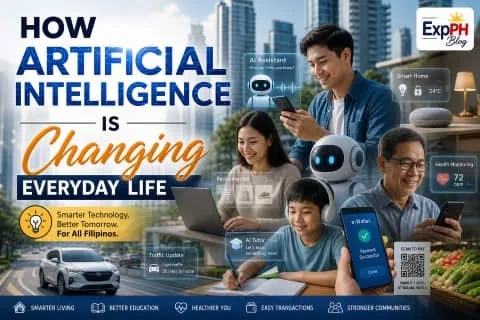
How Artificial Intelligence is Changing Everyday Life
Artificial intelligence is no longer a futuristic concept seen only in science fiction movies. Today, Artificial Intelligence in Everyday Life quietly shapes how we work, communicate, shop, travel, learn, and even relax. From smartphones and social media feeds to healthcare systems and smart homes, AI is deeply woven into our daily routines, often without us even realizing it.
In the Philippines and around the world, Artificial Intelligence in Everyday Life is transforming how people make decisions, save time, improve productivity, and solve real world problems. This article explores how AI works behind the scenes, where we encounter it daily, its benefits and challenges, and what the future holds for individuals, families, businesses, and communities.
Artificial Intelligence is already changing everyday life, and to understand what comes next,
read Future Technology in the Philippines: AI, Robotics, and 5G Trends to see how robotics and 5G are shaping what’s ahead.
Table of Contents
1. Understanding Artificial Intelligence in Everyday Life
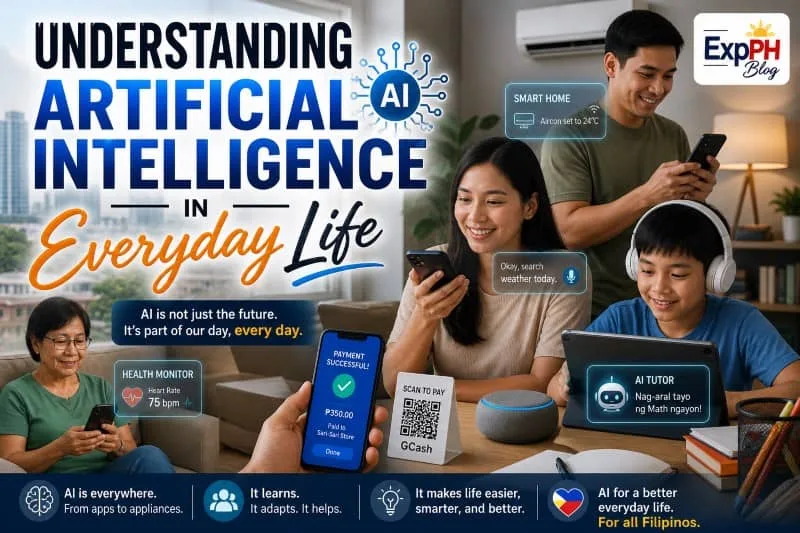
Before exploring its impact, it is important to understand what Artificial Intelligence in Everyday Life truly means, how it functions in daily settings, and why it plays an increasingly important role in modern routines, decisions, services, and personal experiences worldwide in today’s rapidly evolving society.
What Is Artificial Intelligence
Artificial intelligence refers to computer systems designed to perform tasks that normally require human intelligence, including learning from data, recognizing patterns, understanding language, making decisions, solving problems, adapting to new information, and improving performance through repeated exposure and feedback cycles.
When we talk about Artificial Intelligence in Everyday Life, we refer to technologies people regularly use, such as voice assistants, recommendation systems, navigation apps, smart devices, facial recognition tools, automated customer support, and platforms that enhance convenience, efficiency, and accuracy.
How AI Works in Simple Terms
AI systems rely on large amounts of data, advanced algorithms, and strong computing power. They learn by analyzing patterns, adjusting models, testing outcomes, and improving predictions or actions over time through experience, repetition, and feedback from real usage scenarios daily.
For example, when a streaming platform suggests movies you might like, it uses Artificial Intelligence in Everyday Life to analyze viewing habits, compare preferences with similar users, refine recommendations, predict interests, and deliver content that becomes accurate over time consistently.
2. Artificial Intelligence in Everyday Life at Home
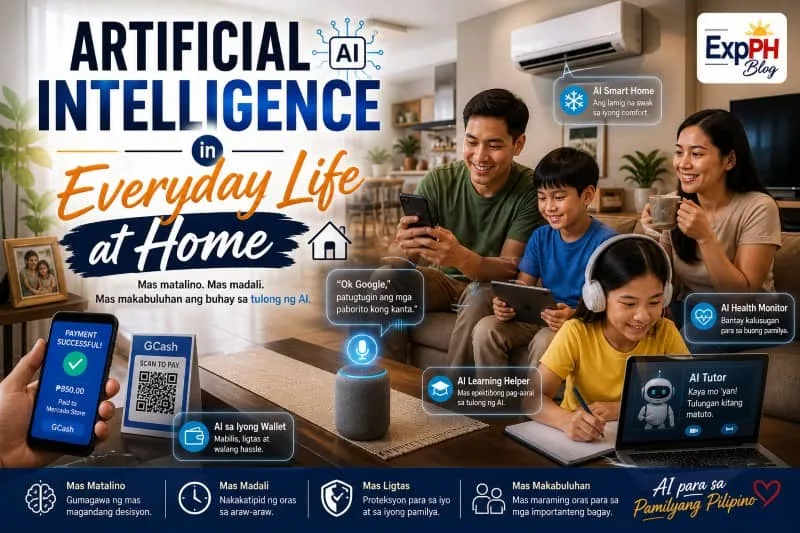
One of the most noticeable places where AI is making a difference is inside our homes, where everyday activities become easier, faster, and smarter through automation, personalization, and intelligent systems that quietly assist families, improve comfort, enhance security, and simplify daily living routines nationwide today.
Smart Home Devices and Automation
Smart home technology is a clear example of Artificial Intelligence in Everyday Life, where devices like smart speakers, lights, thermostats, and security cameras automate tasks, learn user preferences, respond to voice commands, increase convenience, strengthen safety, and create more responsive living environments for families today.
Energy Efficiency and Cost Savings
AI powered systems help households save energy by optimizing electricity usage efficiently. Smart thermostats adjust temperature settings based on occupancy and weather conditions, while intelligent lighting systems automatically turn off lights when rooms are empty, reducing costs, conserving resources, and supporting sustainable living habits daily.

3. Artificial Intelligence in Everyday Life and Communication
Communication has changed dramatically thanks to AI driven technologies that improve speed, clarity, and convenience. Artificial Intelligence in Everyday Life helps people connect through smarter tools that enhance messaging, reduce misunderstandings, support global interactions, and make everyday conversations more efficient across personal and professional settings worldwide.
Messaging Apps and Smart Replies
Many messaging platforms now offer smart replies, grammar suggestions, and predictive text features. These tools use Artificial Intelligence in Everyday Life to analyze context, understand intent, suggest relevant responses, reduce typing time, improve message accuracy, and help users communicate clearly across different platforms and devices daily.
Translation and Language Tools
AI powered translation tools break language barriers by providing real time translations across multiple languages. Travelers, students, and online workers benefit from Artificial Intelligence in Everyday Life by communicating effectively, accessing information easily, collaborating globally, and understanding content without requiring advanced language skills or professional translation services.
4. Artificial Intelligence in Everyday Life at Work
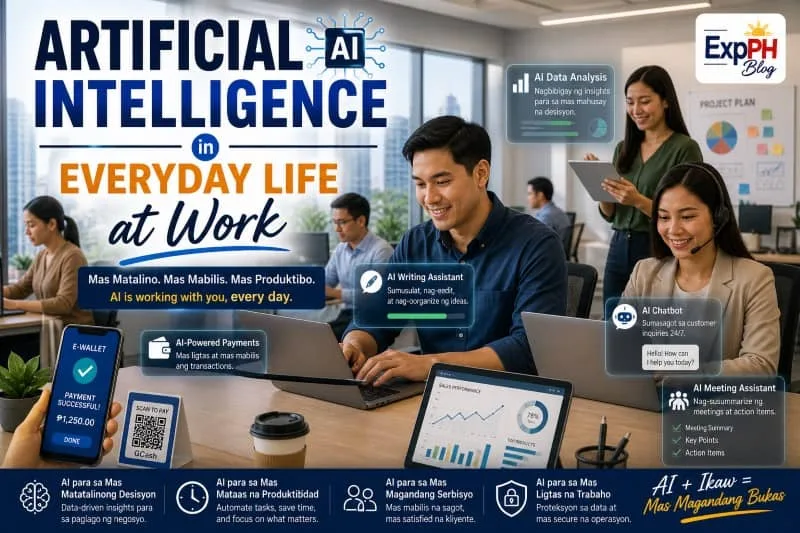
AI is reshaping the workplace across various industries by automating tasks, improving efficiency, and supporting smarter decisions. Artificial Intelligence in Everyday Life helps employees save time, reduce errors, enhance productivity, and focus more on creative, strategic, and human centered responsibilities within modern professional environments worldwide.
Automation of Routine Tasks
Many repetitive and time consuming tasks are now handled by AI systems, including data entry, scheduling, document processing, and inventory management. Artificial Intelligence in Everyday Life reduces manual workload, improves accuracy, speeds up operations, and allows workers to dedicate attention to higher value tasks requiring judgment and creativity.
Productivity and Decision Making
AI tools analyze large datasets to provide insights, forecasts, and recommendations that support smarter business choices. Artificial Intelligence in Everyday Life enables organizations to improve efficiency, reduce costly errors, identify trends, optimize strategies, and make informed decisions based on reliable, data driven analysis across industries.
5. Artificial Intelligence in Everyday Life and Education
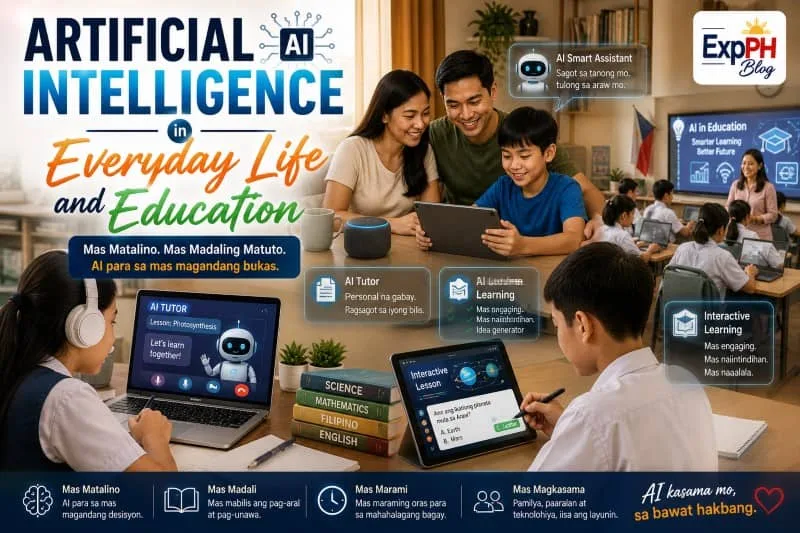
Education is another area where AI is creating meaningful change by enhancing access, flexibility, and effectiveness. Artificial Intelligence in Everyday Life supports modern classrooms, remote learning, and lifelong education by improving engagement, personalizing instruction, reducing administrative burdens, and expanding opportunities for students and educators globally.
Personalized Learning Experiences
AI driven learning platforms adapt content based on student performance, progress, and learning styles. Artificial Intelligence in Everyday Life enables personalized lessons that adjust difficulty, pace, and format, helping students learn comfortably at their own speed, build confidence, strengthen understanding, and achieve better academic outcomes.
Support for Teachers and Schools
AI helps teachers by automating grading, tracking student progress, and identifying learning gaps efficiently. Artificial Intelligence in Everyday Life allows educators to spend more time teaching, mentoring, and supporting students, while schools improve planning, assessment accuracy, resource allocation, and educational quality through data driven insights.

6. Artificial Intelligence in Everyday Life and Healthcare
Healthcare has seen major improvements through AI driven technologies that enhance accuracy, speed, and accessibility. Artificial Intelligence in Everyday Life supports doctors, nurses, and patients by improving diagnostics, streamlining processes, reducing errors, and delivering better care experiences across hospitals, clinics, and remote healthcare services worldwide.
Medical Diagnosis and Early Detection
AI systems analyze medical images, test results, and patient data to detect diseases earlier and more accurately. Artificial Intelligence in Everyday Life helps identify health risks, supports clinical decisions, improves treatment outcomes, reduces delays, and increases survival rates by enabling timely intervention and precise medical assessments.
Virtual Health Assistants and Telemedicine
AI powered chatbots and virtual assistants help patients schedule appointments, understand symptoms, and receive basic health guidance. Artificial Intelligence in Everyday Life expands access to healthcare, supports telemedicine services, reduces waiting times, improves communication, and assists individuals in managing health concerns from home efficiently.
7. Artificial Intelligence in Everyday Life and Transportation
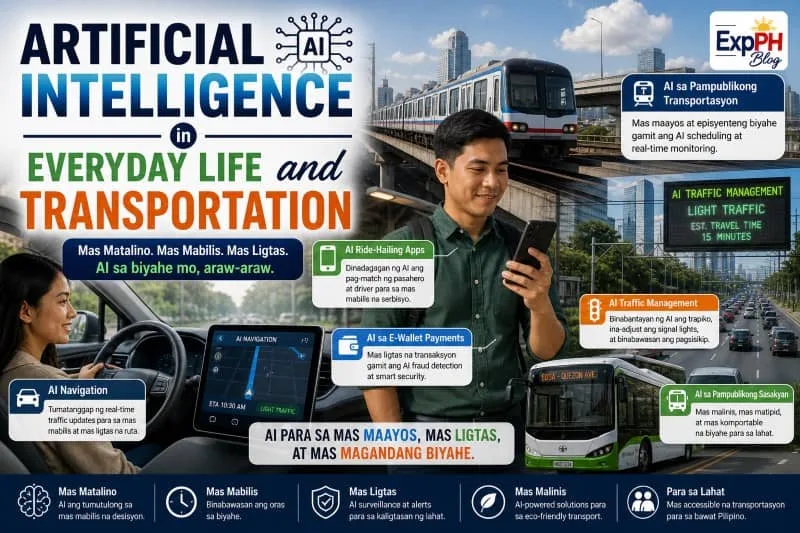
Getting from one place to another has become easier and safer thanks to AI powered systems. Artificial Intelligence in Everyday Life improves transportation by enhancing navigation accuracy, reducing traffic risks, supporting smarter planning, and helping commuters travel efficiently, confidently across cities and communities daily nationwide.
Navigation and Traffic Management
Navigation apps use AI to analyze traffic patterns, road conditions, and user behavior. Artificial Intelligence in Everyday Life provides real time route suggestions, predicts congestion, adjusts directions instantly, saves travel time, reduces stress, improves fuel efficiency, and supports safer driving experiences for daily commuters everywhere.
Ride Hailing and Public Transport
Ride hailing platforms rely on AI to match drivers with passengers, set dynamic pricing, and improve service quality. Artificial Intelligence in Everyday Life optimizes routes, balances supply and demand, shortens waiting times, enhances safety features, and improves public transport efficiency for urban travelers daily nationwide.
8. Artificial Intelligence in Everyday Life and Shopping
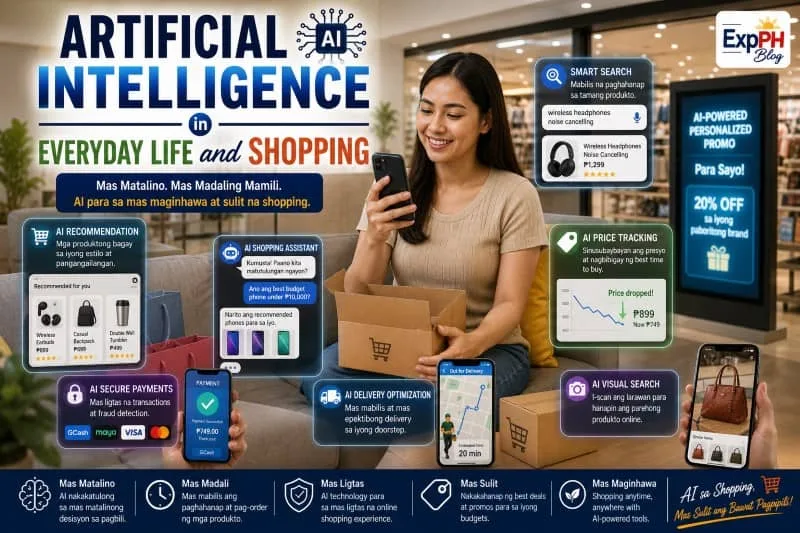
Shopping experiences have been transformed by AI driven personalization across digital platforms. Artificial Intelligence in Everyday Life enhances convenience by tailoring product discovery, improving relevance, reducing search effort, and helping consumers find items that match needs, interests, and budgets more efficiently during online purchases.
Personalized Recommendations
Online stores suggest products based on browsing history, purchase behavior, and personal preferences. Artificial Intelligence in Everyday Life analyzes user data to deliver relevant recommendations, increase satisfaction, encourage repeat purchases, improve engagement, and help shoppers make confident decisions faster across various digital shopping platforms.
Customer Support and Chatbots
AI powered chatbots provide instant customer support, answer questions, and resolve issues at any time. Artificial Intelligence in Everyday Life improves response speed, reduces wait times, ensures consistent assistance, enhances customer experience, and supports businesses by operating continuously without human fatigue across multiple online channels.
9. Artificial Intelligence in Everyday Life and Entertainment
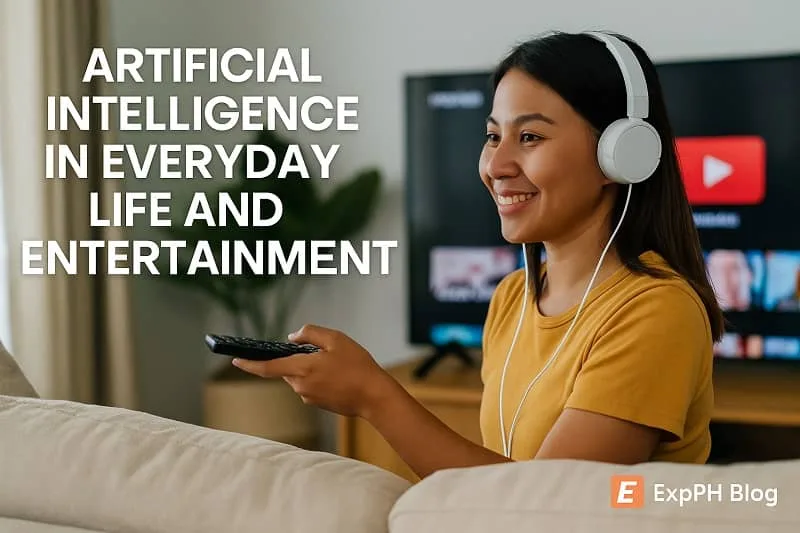
Entertainment has become more engaging and personalized through AI powered systems. Artificial Intelligence in Everyday Life improves enjoyment by analyzing preferences, recommending relevant content, enhancing interactivity, and delivering customized experiences across movies, music, games, and digital media platforms used daily worldwide by modern audiences.
Streaming Platforms and Content Suggestions
Streaming services use AI algorithms to recommend movies, shows, and music. Artificial Intelligence in Everyday Life studies viewing habits, listening behavior, ratings, and interactions to learn preferences over time, improve accuracy, increase satisfaction, and help users discover content they enjoy more easily every single day.
Gaming and Interactive Media
AI enhances gaming experiences by creating intelligent opponents, realistic environments, and adaptive storylines. Artificial Intelligence in Everyday Life adjusts difficulty levels, reacts to player behavior, supports immersive worlds, improves realism, and keeps gameplay challenging, engaging, and enjoyable for players of all ages worldwide consistently.
10. Artificial Intelligence in Everyday Life and Social Media
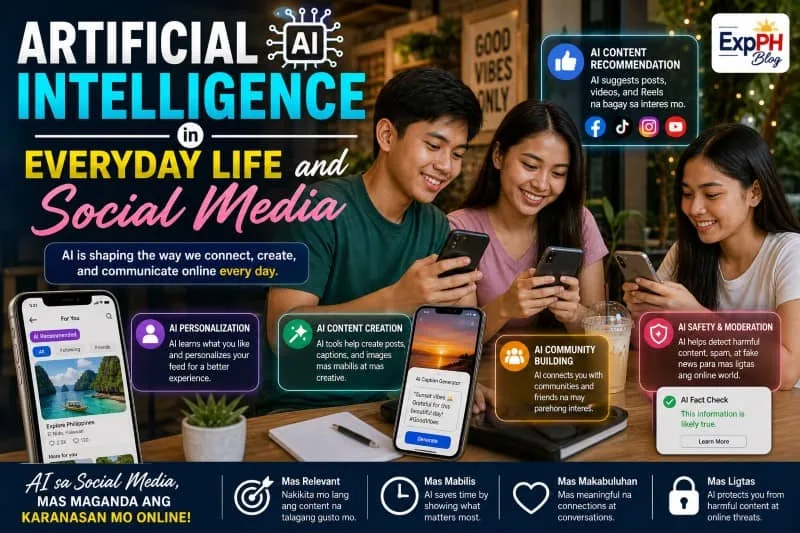
Social media platforms heavily rely on AI technologies to manage vast content, personalize user experiences, and improve engagement. Artificial Intelligence in Everyday Life shapes how people discover posts, connect with communities, receive updates, and interact online through intelligent systems that analyze behavior and preferences continuously.
Content Curation and Feeds
AI algorithms determine what content appears on user feeds based on interests, interactions, and behavior. Artificial Intelligence in Everyday Life filters posts, prioritizes relevance, reduces overload, boosts engagement, and ensures users see content aligned with their preferences, habits, and online activity patterns daily.
Safety, Moderation, and Fake Content Detection
AI helps detect harmful content, spam, and misinformation across social platforms. Artificial Intelligence in Everyday Life supports safer digital spaces by identifying violations, flagging fake content, protecting users, improving moderation efficiency, and promoting more trustworthy, respectful, and responsible online communities worldwide.
11. Artificial Intelligence in Everyday Life and Finance
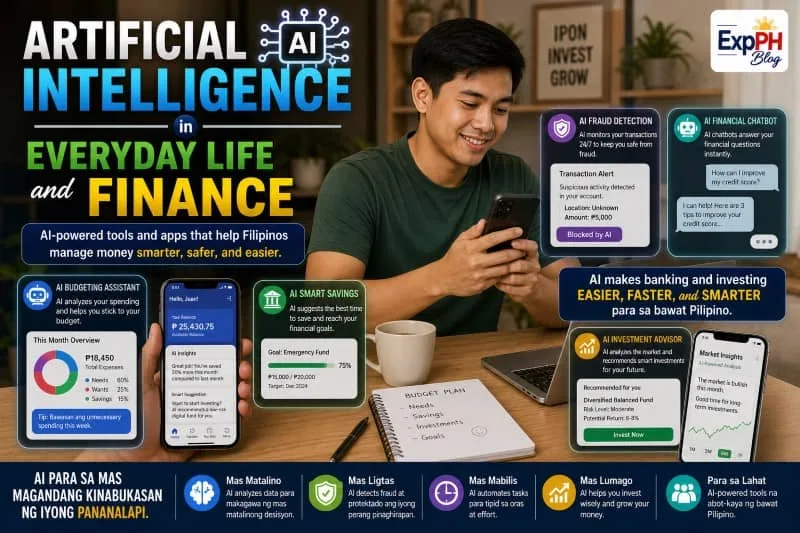
Financial services have become faster and more secure through AI powered systems. Artificial Intelligence in Everyday Life improves banking by speeding transactions, strengthening security, reducing errors, enhancing customer experience, and helping individuals and businesses manage money efficiently through smarter digital financial services.
Fraud Detection and Security
Banks use AI to detect unusual transactions and prevent fraud in real time. Artificial Intelligence in Everyday Life analyzes spending patterns, flags suspicious activity, alerts users quickly, reduces financial risks, protects accounts, and strengthens trust between customers and financial institutions worldwide.
Budgeting and Financial Planning Tools
AI powered apps help users track expenses, manage budgets, and set financial goals efficiently. Artificial Intelligence in Everyday Life provides insights, spending summaries, personalized tips, and progress tracking, helping individuals build better money habits, improve savings, and make informed financial decisions.
12. Benefits of Artificial Intelligence in Everyday Life
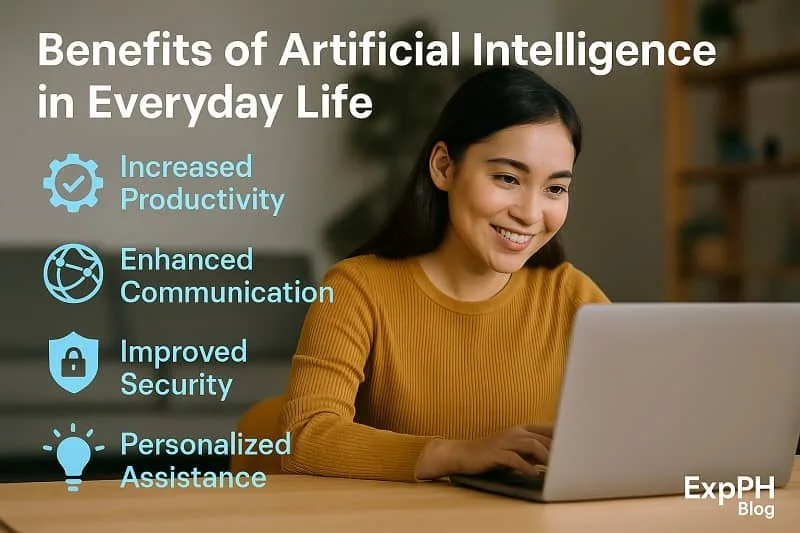
The growing presence of AI offers many advantages that improve quality of life, streamline daily activities, and enhance decision making. Artificial Intelligence in Everyday Life supports productivity, convenience, innovation, and smarter solutions, helping individuals, families, and businesses adapt confidently to modern digital environments worldwide.
Time Saving and Convenience
AI automates tasks, reduces manual effort, and simplifies complex processes across many activities. Artificial Intelligence in Everyday Life saves valuable time, improves convenience, speeds workflows, reduces stress, and allows people to focus more on priorities, creativity, relationships, and meaningful goals daily in modern life today.
Improved Accuracy and Efficiency
AI systems minimize human error and deliver consistent results across different tasks. Artificial Intelligence in Everyday Life improves accuracy, reliability, and efficiency by analyzing data precisely, following defined rules, reducing mistakes, and supporting better outcomes in professional, personal, and technical situations for users worldwide.
Accessibility and Inclusion
AI tools support people with disabilities through speech recognition, text to speech, and assistive technologies. Artificial Intelligence in Everyday Life improves accessibility by enabling communication, independence, mobility, and inclusion, helping individuals participate more fully in education, work, services, and digital experiences across communities.
13. Challenges of Artificial Intelligence in Everyday Life
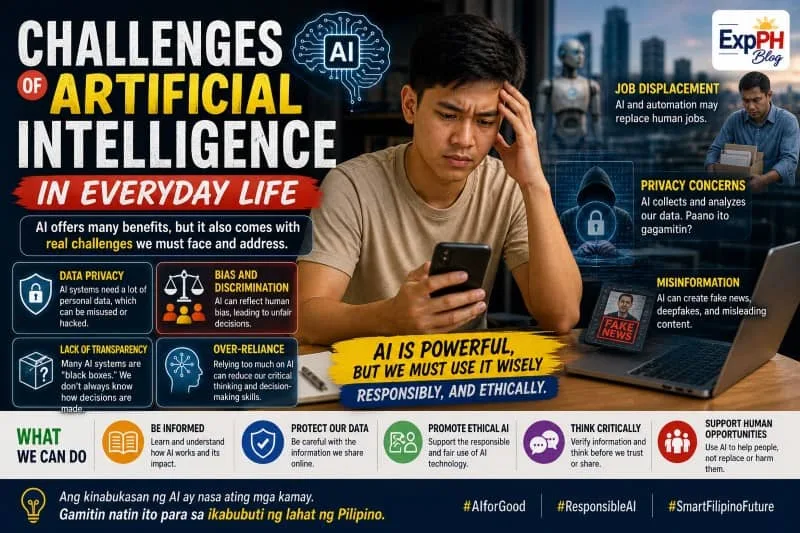
Despite its benefits, AI also presents challenges that must be addressed responsibly and thoughtfully. Artificial Intelligence in Everyday Life raises concerns about privacy, employment, fairness, and trust, requiring clear policies, ethical design, education, and cooperation among governments, businesses, and users to ensure balanced adoption globally.
Privacy and Data Security
AI systems rely on personal data, raising serious concerns about privacy and misuse. Artificial Intelligence in Everyday Life collects information through apps, devices, and platforms, making strong data protection, transparency, consent, and cybersecurity measures essential to protect users from breaches, surveillance, and unauthorized exploitation risks.
Job Displacement and Skills Gap
Automation may replace certain jobs, creating the need for reskilling and adaptation across industries. Artificial Intelligence in Everyday Life changes job roles, requiring workers to learn new skills, embrace lifelong learning, and prepare for evolving careers supported by technology, creativity, and human centered problem solving.
Ethical and Bias Issues
AI systems can reflect biases present in their training data, leading to unfair outcomes. Artificial Intelligence in Everyday Life must be designed responsibly, tested regularly, and monitored carefully to ensure fairness, transparency, accountability, and equal treatment across different communities, cultures, genders, and socioeconomic groups globally.
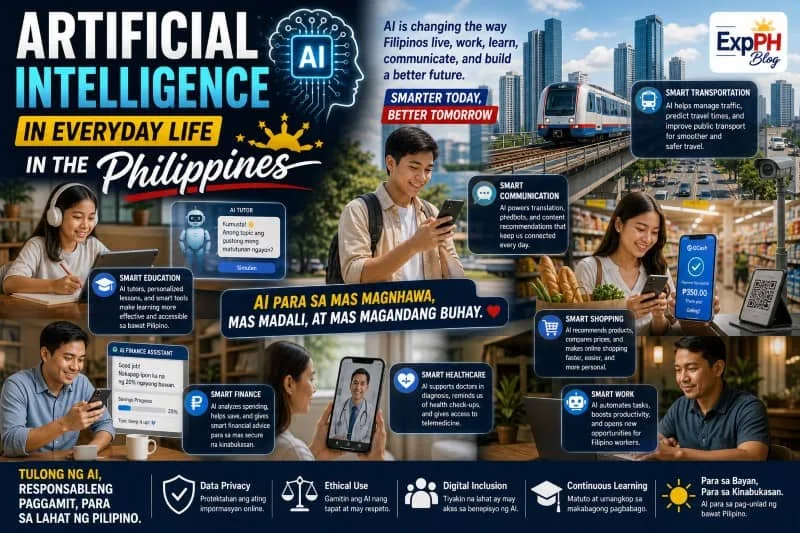
14. Artificial Intelligence in Everyday Life in the Philippines
The Philippines is gradually adopting AI across different sectors, including education, healthcare, finance, and transportation. Artificial Intelligence in Everyday Life helps address local challenges, modernize systems, increase competitiveness, and support national development goals through smarter solutions and digital transformation initiatives that benefit citizens and communities.
Business and Entrepreneurship
Startups and small businesses use AI for marketing, analytics, and customer engagement. Artificial Intelligence in Everyday Life enables entrepreneurs to understand audiences, optimize campaigns, automate operations, reduce costs, improve decision making, and compete effectively in local and global markets today with scalable digital growth strategies.
Government and Public Services
AI helps improve traffic management, disaster response, and public service delivery across the country. Artificial Intelligence in Everyday Life supports data driven governance, faster decision making, better resource allocation, improved transparency, and more responsive services for citizens nationwide especially during emergencies and critical situations nationally.
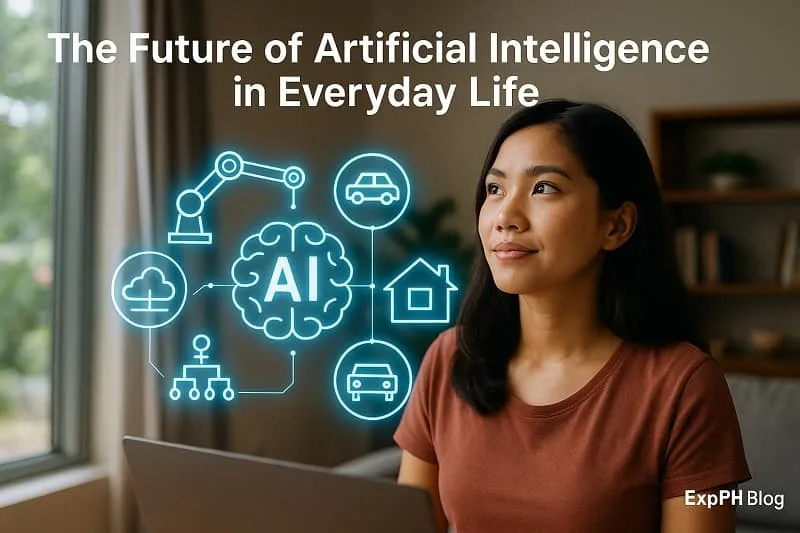
15. The Future of Artificial Intelligence in Everyday Life
AI will continue to evolve and integrate deeper into daily activities, shaping routines, decisions, and services. Artificial Intelligence in Everyday Life will become more adaptive, proactive, and personalized, supporting homes, workplaces, education, healthcare, and communities through intelligent systems designed to enhance human capabilities worldwide.
Smarter Personal Assistants
Future AI assistants will better understand emotions, context, and complex requests, improving interactions. Artificial Intelligence in Everyday Life will deliver smarter personal assistants that anticipate needs, manage tasks, offer guidance, and communicate naturally, helping people save time, reduce stress, and feel more supported daily consistently.
Greater Human AI Collaboration
AI will work alongside humans rather than replace them, strengthening collaboration. Artificial Intelligence in Everyday Life will enhance creativity, productivity, and problem solving by combining human judgment with machine intelligence, enabling safer decisions, better outcomes, and shared progress across industries and societies globally.
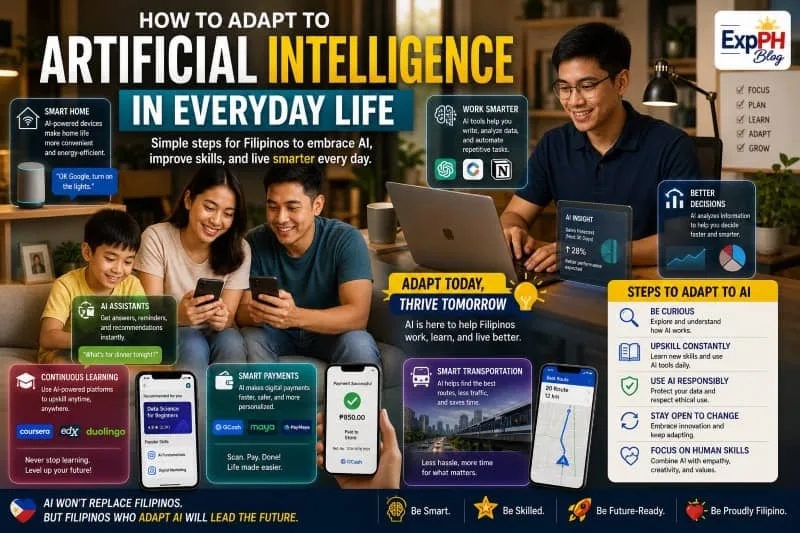
16. How to Adapt to Artificial Intelligence in Everyday Life
Adapting to Artificial Intelligence in Everyday Life requires awareness, preparation, and a positive mindset toward change. People can benefit by understanding everyday applications, recognizing limitations, and staying informed about emerging tools that influence work, learning, communication, and decision making across modern society today globally now.
Learning Digital Skills
Learning digital skills is essential as technology evolves quickly in many fields. Understanding basic AI concepts, data literacy, and automation tools helps individuals stay competitive, adapt to new roles, improve problem solving, and build confidence when working alongside intelligent systems daily in modern workplaces today.
Using AI Responsibly
Using AI responsibly means being mindful of data privacy, security, and ethical considerations at all times. Artificial Intelligence in Everyday Life should be applied transparently, fairly, and safely, encouraging trust, accountability, and respectful use that protects individuals, communities, and shared digital environments for everyone everywhere.

Final Thoughts on Artificial Intelligence in Everyday Life
Artificial Intelligence in Everyday Life is no longer optional or distant. It is already shaping how we live, work, and connect with others. From smart homes and healthcare to education and entertainment, AI brings opportunities, responsibilities, ethical questions, and long term impacts that require awareness, balance, and thoughtful use from individuals, communities, businesses, and institutions worldwide today and future generations.
By understanding how Artificial Intelligence in Everyday Life works and how it affects us, we can make informed choices, embrace innovation, and prepare for a future where technology supports human potential, creativity, and well being rather than replacing people, skills, judgment, empathy, and meaningful human contributions across society while promoting responsibility, trust, collaboration, learning, inclusion, and long term progress globally.
As AI continues to grow, one thing is clear. Artificial Intelligence in Everyday Life will remain a powerful force that influences society, culture, and personal experiences for years to come, shaping values, opportunities, challenges, and relationships while redefining how humans interact with technology responsibly, creatively, and thoughtfully across generations, industries, communities, nations, education, work, daily life worldwide for everyone ahead.

FAQs About How Artificial Intelligence is Changing Everyday Life
What does Artificial Intelligence in Everyday Life mean?
Artificial Intelligence in Everyday Life improves convenience, accuracy, and efficiency by automating tasks, personalizing services, supporting decisions, saving time, and enhancing daily experiences globally today.
Where do people commonly encounter Artificial Intelligence in Everyday Life?
Artificial Intelligence in Everyday Life appears in smartphones, smart homes, navigation apps, online shopping, social media, healthcare systems, banking services, entertainment recommendations, and support tools.
How is Artificial Intelligence in Everyday Life changing the workplace?
AI powered technologies automate repetitive tasks, analyze data faster, improve accuracy, support decision making, boost productivity, and allow people to focus on higher value responsibilities requiring creativity and human judgment.
How does Artificial Intelligence in Everyday Life improve healthcare?
Intelligent technologies support healthcare through early disease detection, virtual health assistants, personalized treatment plans, faster diagnoses, improved patient care, and expanded telemedicine access for patients and providers.
How is Artificial Intelligence in Everyday Life used in education?
AI driven learning systems improve education by personalizing lessons, assisting teachers with assessments, identifying learning gaps, supporting remote education, and increasing student engagement across classrooms and digital platforms.
How does Artificial Intelligence in Everyday Life affect shopping experiences?
Smart algorithms enhance shopping by recommending relevant products, predicting preferences, optimizing prices, managing inventory, improving customer support, and delivering more personalized consumer experiences online and offline.
How does Artificial Intelligence in Everyday Life improve transportation?
AI based systems improve transportation by analyzing traffic data, suggesting faster routes, supporting public transport planning, reducing delays, and increasing overall travel safety and efficiency.
How does Artificial Intelligence in Everyday Life shape entertainment?
AI powered platforms transform entertainment by recommending movies and music, personalizing content, improving game realism, adapting experiences to user preferences, and increasing audience engagement.
Why are there privacy concerns about Artificial Intelligence in Everyday Life?
Intelligent systems raise privacy concerns because they collect personal data, track behavior, analyze habits, and require transparency, ethical use, and strong security practices to protect users globally.
What is the future of Artificial Intelligence in Everyday Life?
Artificial intelligence will continue evolving, becoming smarter, more personalized, and more human centered, influencing work, education, healthcare, creativity, and daily routines worldwide.
Want to see the bigger picture of technology in the Philippines?
Artificial Intelligence is already changing everyday life, so read Technology in the Philippines Strong Progress, Key Opportunities, and Future Innovations to understand the trends, opportunities, and innovations shaping the future of Filipinos.
Gain additional insight through the content below
- The Future of Smart Homes in the Philippines
- The Business Process Outsourcing (BPO) Sector in the Philippines
- Top Platforms for Building an Online Community in 2026
- Digital Skills Every Filipino Student Should Learn in 2026
- Space Technology Kontra Korapsyon
For approved references, click the link below
Test your knowledge about How Artificial Intelligence is Changing Everyday Life
Results


#1. What best describes Artificial Intelligence in Everyday Life?
#2. Which device commonly uses AI at home?
#3. How does AI help smartphones?
#4. What role does AI play in navigation apps?
#5. How does AI improve online shopping?
#6. Which area benefits from AI diagnostics?
#7. How does AI support education?
#8. What is a common AI workplace task?
#9. What concern comes with AI usage?
#10. What is the future focus of AI?
Your curiosity and willingness to learn help build a smarter and more informed digital community
Please comment below and share your experience, score, or thoughts about how Artificial Intelligence affects your everyday life.

A Filipino web developer with a background in Computer Engineering. Founder of ExpPH Blog and ExpPH Business Guide, creating practical content on OFW guidance, business, finance, freelancing, travel, and lifestyle. Passionate about helping Filipinos grow, he shares insights that educate, empower, and inspire readers nationwide.