

How to Register Your Small Business in the Philippines
Starting your own business in the Philippines is an exciting milestone and a big step toward financial independence. Whether you’re opening a small café, launching an online store, or offering freelance services, the first and most important step is learning how to register a small business in the Philippines.
Registering your business officially provides you with legal protection, builds customer trust, and allows you to operate smoothly while avoiding future penalties. It also gives you access to banking services, financial support, and government incentives that can help your business grow.
In this complete guide, we’ll walk you through everything you need to know about how to register a small business in the Philippines, from understanding business types to securing your permits from DTI, SEC, and BIR.
If you are planning to start a home-based business, it helps to understand the full process beyond registration,
check out How to Start a Home-Based Business in the Philippines and learn how to plan, launch, and grow your business successfully.
Table of Contents
Understanding Why You Need to Register Your Business
Before starting the registration process, it is essential to understand why formal registration matters. Many first-time entrepreneurs delay this step, thinking it is optional. In reality, registration gives your business a legal identity and builds trust with customers, suppliers, and financial institutions.
Learning how to register a small business in the Philippines protects both you and your customers. It strengthens your credibility and allows you to operate without fear of penalties or closure due to non-compliance with government regulations.
Here’s why you should register your small business in the Philippines:
- Establishes your business as legitimate and credible
- Allows you to open a business bank account
- Enables you to apply for loans and financial support
- Ensures compliance with Philippine laws and tax rules
- Provides a tax identification number
- Allows you to issue official receipts
- Helps you attract corporate clients and partners
A registered business also gives you more growth opportunities. If you plan to sell on platforms like Lazada or Shopee Philippines, you will need proper permits and tax registration. Many suppliers and marketplaces require proof of legitimacy before approving sellers.
Taking the time to complete registration properly builds a strong foundation for long-term success. It positions your business for expansion, partnerships, and financial stability while allowing you to grow confidently within the law.
3 Types of Business Ownership in the Philippines
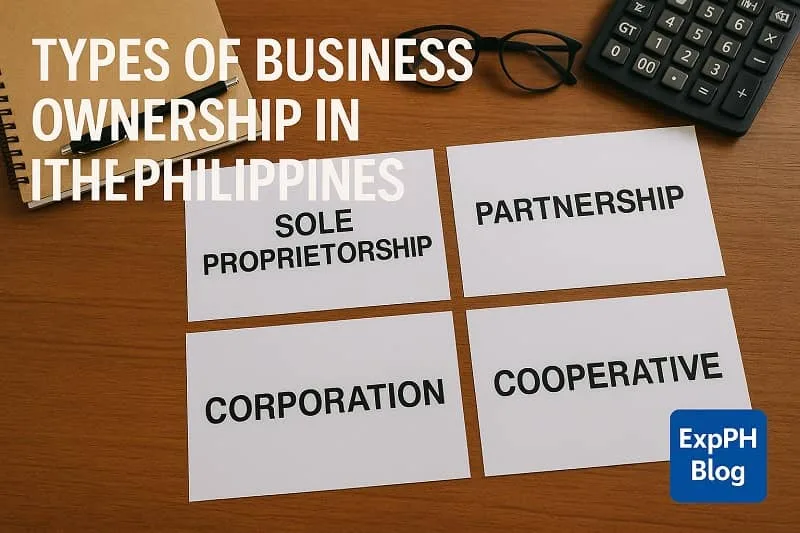
Before learning how to register a small business in the Philippines, you must choose the right business structure. Your chosen ownership type determines the registration process, required documents, and government agencies involved. Selecting the proper structure ensures smoother compliance and supports your long-term goals.
1. Sole Proprietorship
A sole proprietorship is the simplest and most common structure for small entrepreneurs. One person owns and manages the entire business and assumes full responsibility for profits and liabilities. Registration is completed through the Department of Trade and Industry. This option suits freelancers, online sellers, and small service providers seeking a straightforward setup.
2. Partnership
A partnership is formed when two or more individuals agree to share profits, responsibilities, and liabilities. This structure must be registered with the Securities and Exchange Commission. It works well for entrepreneurs who want to combine capital, expertise, or resources with trusted partners to strengthen their business operations.
3. Corporation
A corporation is a separate legal entity from its owners and provides stronger asset protection. It must also be registered with the Securities and Exchange Commission and requires more documentation and compliance. This structure suits larger ventures planning to expand nationally or attract investors.
Understanding these ownership types helps you follow the correct registration process and choose a structure that aligns with your growth plans and financial objectives.
6 Steps to Register a Small Business in the Philippines
Registering your business involves several agencies and legal steps. The exact process depends on your chosen business structure. Following each requirement carefully ensures smooth approval and prevents delays that may affect your ability to operate legally.

Step 1: Choose and Register Your Business Name
Your business name represents your brand identity and influences how customers perceive your company. It must be unique, appropriate, and legally available. Always verify name availability before submitting your application to avoid rejection or unnecessary revisions during registration.
For Sole Proprietorship DTI Registration
If you are starting alone, you must register your business name with the Department of Trade and Industry. This step grants you the legal right to use your chosen name for commercial purposes within your approved business scope.
Steps:
- Visit https://bnrs.dti.gov.ph
- Check your preferred business name availability
- Complete the online registration form
- Pay the registration fee based on scope
- Download and print your certificate
The DTI Certificate of Registration confirms that your business name is officially recorded and legally protected within your selected territory.
For Partnerships or Corporations SEC Registration
If forming a partnership or corporation, registration must be completed with the Securities and Exchange Commission. This agency oversees business entities beyond sole ownership and ensures compliance with corporate regulations.
Steps:
- Visit https://www.sec.gov.ph/
- Reserve your company name
- Prepare Articles of Partnership or Incorporation
- Submit required documents
- Pay filing and registration fees
- Secure your SEC Certificate
Once issued, your SEC Certificate legally establishes your company as a recognized entity under Philippine law.

Step 2: Secure Barangay Clearance
After receiving your DTI or SEC certificate, obtain a Barangay Clearance from the local barangay where your business operates. This document confirms community approval and verifies that your business complies with local ordinances and zoning requirements.
Steps:
- Visit your Barangay Hall
- Present DTI or SEC certificate
- Submit valid ID and proof of address
- Complete the application form
- Pay the processing fee
- Receive your clearance
Keep this document updated since it is required for your Mayor’s Permit application.

Step 3: Get Your Mayor’s Permit
You must secure a Mayor’s Permit from your city or municipal government before operating legally. This permit confirms compliance with local safety, zoning, and business regulations.
Steps:
- Visit the Business Permits and Licensing Office
- Submit Barangay Clearance and registration certificate
- Provide lease contract if applicable
- Complete the application form
- Pay assessed taxes and fees
- Undergo inspection if required
- Claim your approved permit
Your Mayor’s Permit serves as official authorization to operate within your local jurisdiction.
Step 4: Register with the Bureau of Internal Revenue
Registration with the Bureau of Internal Revenue is required for tax compliance. This step allows you to issue official receipts, register books of accounts, and fulfill your tax obligations properly.
Steps:
- Visit your assigned Revenue District Office
- Present DTI or SEC certificate and Mayor’s Permit
- Submit valid identification
- Accomplish Form 1901 or 1903
- Pay the annual registration fee
- Register your Books of Accounts
- Apply for Authority to Print receipts
- Obtain your Certificate of Registration
Completing this process ensures you can legally file taxes and avoid penalties.
Understanding BIR Compliance and Basic Business Accounting
Many entrepreneurs find tax compliance challenging after registration. Filing returns, maintaining accurate records, and meeting deadlines require proper understanding. Registration alone does not guarantee compliance. Business owners must actively manage financial documentation and reporting responsibilities.
If you want to confidently handle bookkeeping, taxation basics, or financial record preparation, structured learning can help. Udemy offers practical courses on small business accounting, taxation fundamentals, and Excel for entrepreneurs.
Developing these skills early helps prevent filing errors, late payments, and unnecessary penalties as your business grows.

Step 5: Register with Social Agencies
If you plan to hire employees, you must register with government agencies that provide mandatory benefits. This ensures compliance with labor laws and protects both employer and staff.
Steps:
- Register with Social Security System
- Register with PhilHealth
- Register with Pag-IBIG Fund
- Submit required business documents
- Obtain employer registration numbers
This demonstrates responsible business management and commitment to employee welfare.
Step 6: Apply for Special Permits if Required
Certain industries require additional permits before operations begin. Requirements depend on the nature of your business and local regulations.
Examples include:
- Food businesses require sanitary and fire safety permits
- Online stores require proper DTI and BIR registration
- Transport services require accreditation from Land Transportation Franchising and Regulatory Board
Always verify industry-specific requirements to ensure full compliance and uninterrupted operations.
Documents You Need for Business Registration
Preparing your documents in advance makes the registration process faster and more efficient. Government offices require specific records at each stage. Having complete paperwork reduces delays, prevents repeat visits, and helps ensure your application is processed without unnecessary complications.
Below are the commonly required documents for registering a small business in the Philippines:
- DTI or SEC Certificate of Registration
- Barangay Clearance
- Mayor’s Permit
- BIR Certificate of Registration Form 2303
- Proof of business address such as lease contract or land title
- Valid government issued identification
- Registered Books of Accounts
- Authority to Print receipts or invoices
Organizing these documents before visiting any office saves time and effort. Keep both physical and digital copies for safekeeping. Proper preparation shows professionalism and helps you complete the registration process with fewer obstacles and greater confidence.
How Much Does It Cost to Register a Small Business in the Philippines?
The cost of registering a small business in the Philippines depends on your business structure, location, and required permits. Fees vary by city and industry, so expenses may differ slightly. Planning your budget in advance helps you avoid financial surprises during the registration process.
Below is an estimated breakdown of common registration expenses:
| Registration Step | Estimated Cost (₱) |
|---|---|
| DTI Registration | 200 – 2,000 |
| Barangay Clearance | 300 – 1,000 |
| Mayor’s Permit | 2,000 – 10,000 |
| BIR Registration | 500 – 1,000 |
| Books of Accounts and Receipts | 1,000 – 2,000 |
In total, prepare approximately ₱5,000 to ₱15,000 for complete registration. The final amount depends on your city and business type.
If you are starting with limited capital, consider launching a home based or online business first. Many entrepreneurs begin small, build steady income, then expand to a physical location once their operations become stable and profitable.

Common Mistakes to Avoid During Registration
Understanding how to register a small business in the Philippines includes knowing the common errors that delay approval or cause penalties. Many entrepreneurs overlook small details during registration. Avoiding these mistakes will save time, protect your finances, and help your business operate smoothly.
Below are frequent mistakes you should avoid:
- Using a business name that is already registered
- Forgetting to renew your DTI certificate or Mayor’s Permit
- Registering under the wrong BIR Revenue District Office
- Failing to apply for Authority to Print official receipts
- Skipping barangay or city clearances
- Submitting incomplete or inconsistent documents
Staying organized and double checking every requirement prevents costly corrections and repeat visits to government offices. Careful preparation helps ensure a faster approval process and reduces the risk of compliance issues in the future.
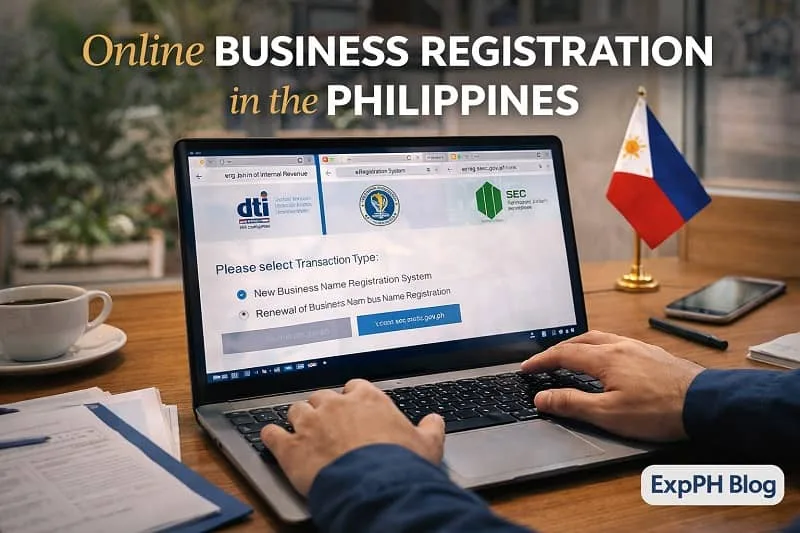
Online Business Registration in the Philippines
Many government agencies now offer online registration services. This makes the process of registering a small business in the Philippines more convenient and efficient. Digital platforms reduce long queues, minimize paperwork, and allow entrepreneurs to complete several steps without visiting physical offices.
Below are the official online portals you can use:
DTI Business Name Registration System
SEC Company Registration System
BIR eRegistration System
Using these online systems allows you to submit applications, verify information, and track progress from home. This approach saves transportation costs, reduces processing time, and provides greater flexibility for busy entrepreneurs.
Renewal and Compliance
Registering your business is only the beginning. After completing the process, you must maintain compliance by renewing permits and updating records on time. Keeping documents current protects your operations and ensures your business remains legally authorized to operate.
Below are the key renewals to remember:
DTI Certificate
- Renew every five years
Mayor’s Permit
- Renew every January
BIR Registration
- Pay the annual ₱500 registration fee
Consistent compliance builds a positive record with government agencies and prevents penalties, fines, or temporary closure. Staying organized with renewal schedules demonstrates professionalism and supports long term business stability.

Tips for a Successful Business Registration
Proper preparation makes your business registration process faster and more manageable. Small errors often cause delays, so staying organized and focused helps you complete each requirement efficiently. A clear plan improves coordination with government offices and reduces unnecessary follow ups.
Follow these practical tips:
- Prepare all required documents early and bring extra copies
- Use your official business address consistently across forms
- Review all details carefully before submission
- Remain polite and patient during office transactions
- Keep digital copies of certificates for backup
- Join local business groups to stay informed about updates
Applying these steps reduces errors and prevents repeat visits. Staying organized and proactive makes registering your small business in the Philippines smoother and less stressful.
For OFWs Planning to Start a Business
If you are an Overseas Filipino Worker planning to return home, proper business registration protects the savings you worked hard to earn abroad. Many OFWs invest in small retail stores, online selling, or service businesses. Completing registration ensures your capital is legally secured and your operations are recognized by government agencies. This step builds stability and creates a stronger foundation for long term financial growth.

Final Thoughts on How to Register a Small Business in the Philippines
Now that you understand how to register a small business in the Philippines, you are closer to turning your idea into a legitimate and sustainable enterprise. While the process may seem complex at first, following each step carefully ensures compliance and long term stability. Proper registration protects your business, builds credibility, and allows you to operate with confidence in a competitive market.
Take time to complete your registration with the appropriate agencies including DTI, SEC, BIR, and your local government. Once your permits are secured, you gain the authority to grow, expand, and attract more opportunities. With a clear roadmap in hand, you can begin your entrepreneurial journey knowing that small, consistent steps today can lead to lasting success in the future.
FAQs About How to Register a Small Business in the Philippines
1. How long does it take to register a small business in the Philippines?
Registration usually takes one to three weeks, depending on business type, document completeness, and local government processing speed. Online applications may shorten overall processing time.
2. How much does it cost to register a small business in the Philippines?
Total costs typically range from ₱5,000 to ₱15,000 depending on location, permits required, and business structure. Expenses include registration fees, clearances, and tax documentation requirements.
3. Do I need to register a home-based or online business?
Yes, home-based and online businesses must register legally. Proper registration allows you to issue receipts, comply with taxes, and build trust with customers.
4. Which government agencies handle business registration?
You will register with DTI for sole proprietorships, SEC for partnerships or corporations, your local barangay and city hall, and the BIR for tax compliance.
5. Can I register my business entirely online?
Some steps such as DTI and SEC registration can be completed online. However, local permits and certain BIR requirements may still require in-person processing.
6. What documents are commonly required during registration?
Common documents include DTI or SEC certificates, Barangay Clearance, Mayor’s Permit, BIR registration, valid identification, proof of address, and registered books of accounts.
7. What happens if I operate without registering my business?
Operating without registration may lead to fines, penalties, or closure. You cannot legally issue official receipts or apply for business loans and permits.
8. Do I need an accountant to register my small business?
An accountant is not mandatory but can help with tax registration and compliance. Professional guidance reduces filing errors and ensures proper financial record management.
9. How often do I need to renew my business permits?
Mayor’s Permits must be renewed every January, while DTI registration renews every five years. BIR requires annual registration fee payment.
10. Can foreigners register a business in the Philippines?
Yes, foreigners may register a business but must follow ownership restrictions and additional requirements. Certain industries have limitations under Philippine investment and corporate laws.
Dive into more articles found in the list below.
- Choosing Between a Franchise and a Startup for Filipinos
- Common Money Mistakes New Business Owners Must Avoid
Learning Hub Quiz!
Test your knowledge about how to register a small business in the Philippines and see if you’re ready to start your own legal and successful business.
Results


#1. Which agency registers sole proprietorships in the Philippines?
#2. What is the first step to register a small business?
#3. Which agency issues the Mayor’s Permit?
#4. What document allows you to issue receipts?
#5. How often should you renew your Mayor’s Permit?
#6. Which agency handles partnerships and corporations?
#7. What is the estimated total registration cost?
#8. What clearance is needed before the Mayor’s Permit?
#9. What form is used for sole proprietors at BIR?
#10. Which of these is optional but recommended?
Thank you for reading and taking this quiz on ExpPH Blog Learning Hub!
Share your experience in the comments below and let us know if you’re ready to start your own small business journey!

A Filipino web developer with a background in Computer Engineering. Founder of ExpPH Blog and ExpPH Business Guide, creating practical content on OFW guidance, business, finance, freelancing, travel, and lifestyle. Passionate about helping Filipinos grow, he shares insights that educate, empower, and inspire readers nationwide.