Visiting a Traditional Weaving Home in Sulu and Watching the Process
Sulu is known not only for its natural beauty and rich history but also for cultural traditions that remain strong today. One of the most meaningful experiences for visitors is spending time in a traditional weaving home and watching the process firsthand. This allows people to witness skills passed down through generations and to understand why Sulu Traditional Weaving continues to represent identity, patience, and artistic dedication within the community.
For travelers, cultural enthusiasts, and Overseas Filipino Workers hoping to reconnect with their roots, observing traditional weaving in Sulu offers more than a simple activity. It becomes a personal encounter with heritage. Each thread, color, and movement tells a story shaped by experience, discipline, and cultural pride that continues to live through skilled hands.
To learn more about Tausug customs, family traditions, community values, and everyday life in Sulu, read our complete guide: Complete Guide to Tausug Culture and Traditional Life in Sulu. Discover how traditions, heritage, and local practices continue to shape Tausug identity across generations.
Table of Contents
Quick Summary (TL;DR)
- Sulu Traditional Weaving is a handwoven cultural craft practiced mainly within Tausug communities using traditional looms and techniques passed down through generations.
- Visiting a traditional weaving home allows travelers and OFWs to witness authentic Filipino craftsmanship, cultural identity, and heritage preservation firsthand.
- The weaving process involves careful thread preparation, loom setup, and detailed handweaving that can take days or weeks to complete.
- Patterns and colors in Sulu Traditional Weaving carry cultural meanings connected to family, celebrations, values, and community traditions.
- Women play a major role in preserving weaving traditions while also using the craft as a source of livelihood and empowerment.
- Supporting local weavers through respectful visits and fair purchases helps preserve Sulu’s cultural heritage for future generations.
- For OFWs returning home, visiting weaving communities offers a meaningful way to reconnect with Filipino roots, traditions, and cultural identity.
1. Understanding Sulu Traditional Weaving
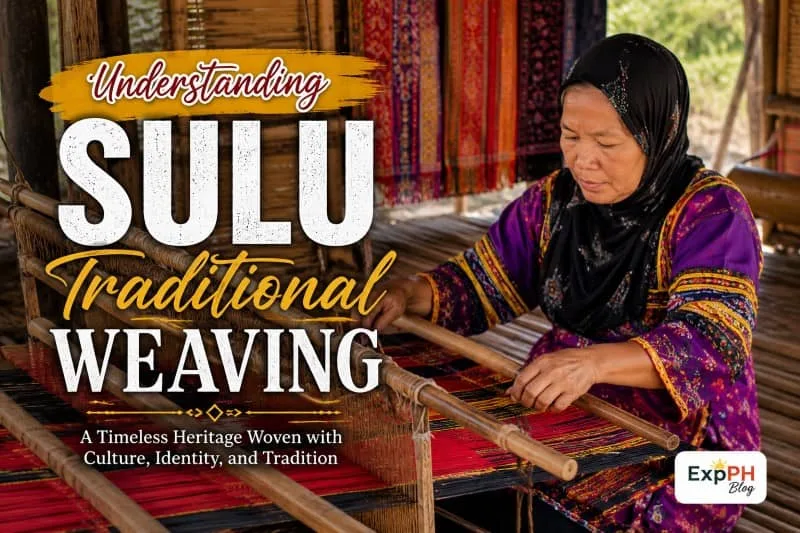
Sulu Traditional Weaving reflects the rich cultural identity and artistic heritage of Tausug communities in Sulu. Through traditional handwoven textiles, local artisans continue to preserve skills, stories, and cultural practices passed down through generations. Understanding this weaving tradition helps visitors appreciate the deeper meaning behind each fabric, pattern, and handcrafted design while learning how weaving remains an important part of community life today.
What Is Sulu Traditional Weaving
Sulu Traditional Weaving refers to handwoven textiles created by local artisans, mainly within Tausug communities. These fabrics are produced using traditional looms and methods passed down through generations. Each woven piece reflects cultural values, social identity, and community traditions that remain important in Sulu today.
Unlike factory-made fabrics, traditional weaving in Sulu is done with patience and care. Every pattern, color, and knot carries meaning shaped by history and culture. Visiting a weaving home allows people to understand the skill and purpose behind each textile, something that cannot be fully appreciated by viewing finished products alone.
The Cultural Roots of Weaving in Sulu
Weaving in Sulu is deeply connected to everyday life, celebrations, and important milestones. In the past, woven cloth was used for clothing, ceremonial attire, and meaningful gifts during special occasions. The knowledge of weaving was usually taught within families, with skills passed from mothers to daughters through years of practice.
Today, Sulu Traditional Weaving continues to be a respected and valued skill. Many weavers view their craft not only as a source of income but also as a responsibility to protect and preserve their cultural heritage for future generations.
2. Visiting a Traditional Weaving Home in Sulu
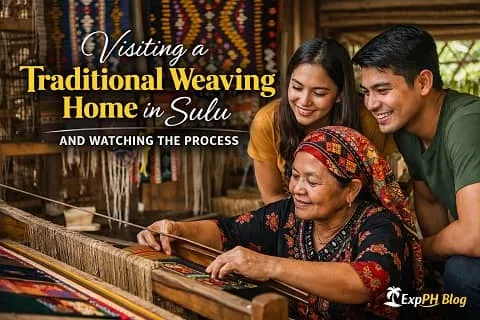
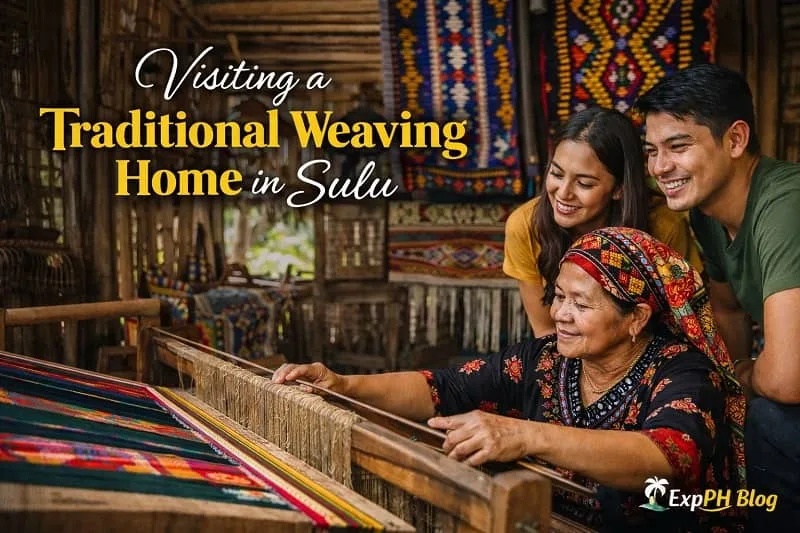
Visiting a traditional weaving home in Sulu gives travelers and OFWs the chance to experience local culture in a personal and meaningful way. These homes are more than weaving spaces because they also reflect family life, tradition, and community heritage. Observing the weaving process firsthand helps visitors appreciate the patience, skill, and cultural value behind every handmade textile.
What to Expect When You Arrive
When visiting a traditional weaving home in Sulu, do not expect a commercial workshop or tourist space. Most weaving areas are part of a family home where daily life continues alongside the craft. Looms are usually placed in open areas near windows or verandas so natural light helps the weaver focus on fine details.
Visitors are often welcomed warmly, especially when they show respect and genuine interest. You may see unfinished fabrics on the loom, bundles of colorful threads nearby, and simple tools that have been carefully used and maintained for many years.
The Importance of Respectful Visiting
A weaving home serves as both a workplace and a private living space. Visitors should always ask permission before taking photos or videos. Quiet observation and attentive listening show respect for the weaver and for the skill required to complete each piece with care and focus.
For OFWs visiting Sulu with family, bringing younger relatives to observe Sulu Traditional Weaving can help pass cultural knowledge to the next generation. Seeing the process firsthand builds respect for tradition and strengthens cultural awareness at an early age.
3. Watching the Traditional Weaving Process
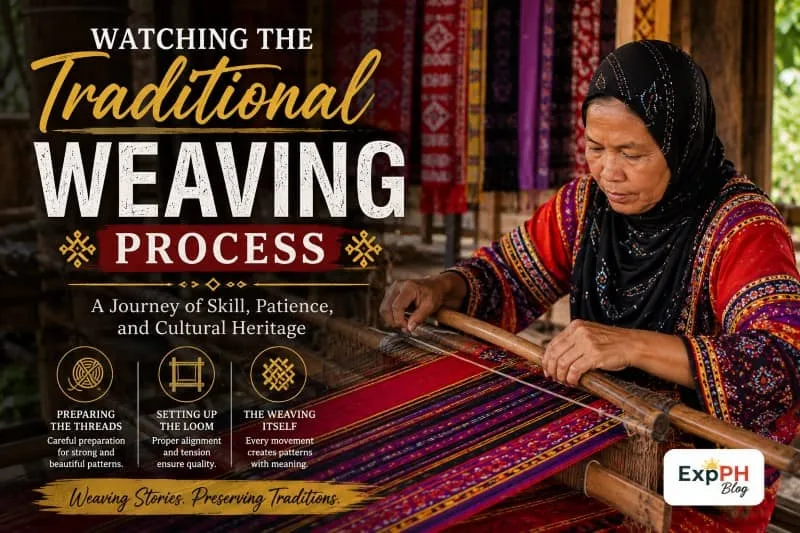
Watching the traditional weaving process in Sulu allows visitors to see the patience, discipline, and craftsmanship behind every handmade textile. Each stage requires careful attention and years of experience to complete properly. Observing the process firsthand helps travelers and OFWs better understand the cultural importance and artistic value of Sulu Traditional Weaving.
Preparing the Threads
The weaving process begins long before the fabric takes form. Threads are carefully prepared, sorted by color, and measured based on the chosen pattern. This stage requires accuracy and patience because small mistakes can affect the entire design. Proper preparation ensures the fabric will remain balanced and visually consistent throughout the weaving process.
In Sulu Traditional Weaving, color selection is never random. Specific colors often represent values such as harmony, bravery, or community pride. These meanings are shaped by local traditions and give each woven piece cultural depth beyond its visual beauty.
Setting Up the Loom
The loom used in Sulu weaving is a traditional handloom made from wood and simple materials. Setting it up requires carefully aligning the threads with proper tension. This step is important because it helps keep the fabric even and strong as the weaving continues. A well prepared loom supports both durability and design accuracy.
Watching this stage helps visitors understand how much effort is needed before weaving begins. It highlights the skill and patience required long before the first pattern starts to appear.
The Weaving Itself
The weaving process is steady and precise. The weaver moves the shuttle back and forth while interlacing threads based on memorized patterns. This stage clearly shows the result of years of practice, skill, and patience. Every movement must be controlled to keep the design consistent and the fabric strong.
Completing a single piece can take several days or even weeks depending on the design. This slow and careful approach is what makes Sulu Traditional Weaving special in a world focused on speed and mass production.
4. Patterns and Designs in Sulu Traditional Weaving
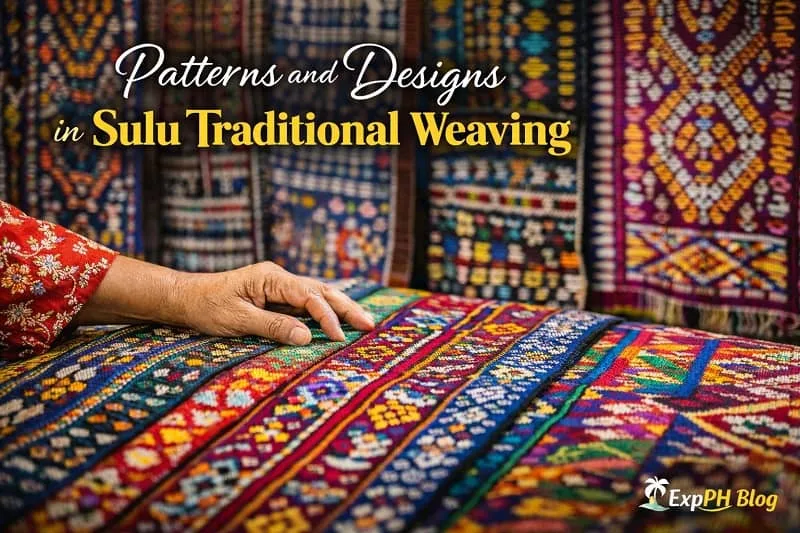
Patterns and designs in Sulu Traditional Weaving reflect the culture, beliefs, and artistic identity of Tausug communities. Each woven design carries meanings connected to tradition, family, and community values passed down through generations. Understanding these patterns and color choices helps visitors appreciate the deeper cultural significance behind every handmade textile created in Sulu.
Meaning Behind Common Patterns
Patterns in Sulu weaving often represent elements of nature, family relationships, and shared community values. Some designs are created for special ceremonies while others are intended for everyday clothing. Each pattern follows tradition and reflects the weaver’s cultural knowledge passed down through generations.
During a visit, weavers may explain the stories and meanings behind specific patterns. Hearing these explanations adds depth to the experience and helps visitors form a more personal connection to the craft.
Color Symbolism
Colors play an important role in Sulu Traditional Weaving and are chosen with care and purpose. Bright colors often express joy, celebration, or important life events, while deeper tones may reflect strength, dignity, or maturity. These color choices are guided by tradition and cultural understanding rather than personal preference alone.
The balance of colors in each woven piece shows the weaver’s artistic skill and experience. Combining shades requires knowledge of cultural meaning and visual harmony. This thoughtful process ensures that every textile carries both beauty and cultural significance that can be recognized and appreciated by the community.
5. The Role of Women in Sulu Weaving Traditions
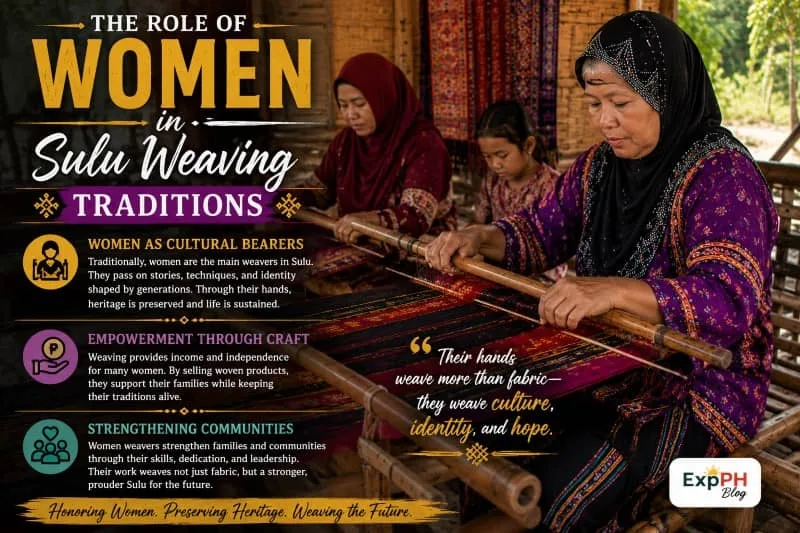
Women play an important role in preserving Sulu Traditional Weaving and keeping cultural knowledge alive within their communities. Through years of practice and shared learning, they continue passing down weaving techniques, stories, and traditions to younger generations. Their dedication supports both cultural preservation and sustainable livelihoods while strengthening community identity in Sulu.
Women as Cultural Bearers
Traditionally, women have been the main weavers in Sulu and play a vital role in preserving cultural heritage. Through weaving, they pass on stories, techniques, and identity shaped by generations. Many women begin learning at a young age by practicing beside older family members, slowly building skill through observation and repetition.
Visiting a weaving home highlights the dedication and strength of these women. Their work supports family income while also ensuring that Sulu Traditional Weaving continues as a living cultural tradition within the community.
Empowerment Through Craft
In modern times, Sulu Traditional Weaving has become a source of empowerment for many women. By selling woven products locally or through cultural groups, they are able to earn income while continuing to practice their traditional skills. This balance allows them to support their families without losing connection to cultural identity.
For Overseas Filipino Workers who value sustainable livelihoods at home, supporting traditional weaving helps create meaningful economic opportunities. It encourages self reliance within communities and strengthens respect for cultural craftsmanship passed down through generations.
6. Why Sulu Traditional Weaving Matters Today
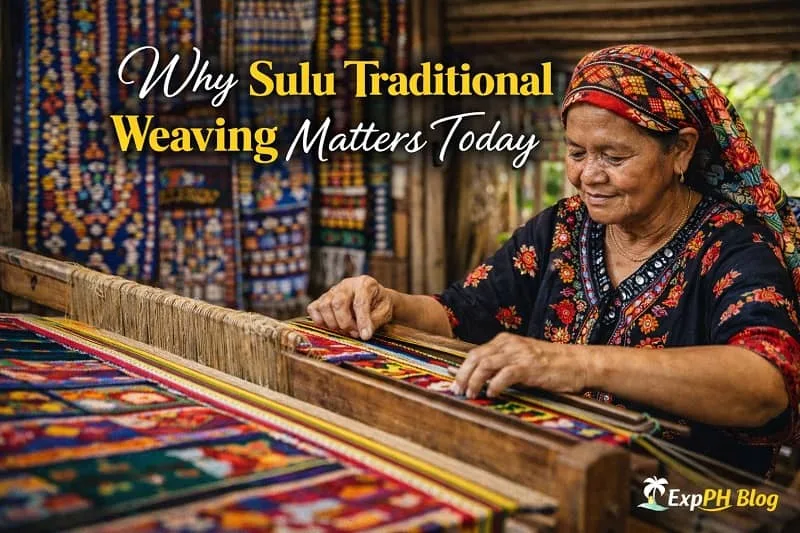
Sulu Traditional Weaving remains important today because it preserves cultural heritage, strengthens community identity, and keeps traditional craftsmanship alive for future generations. In a rapidly changing world, weaving continues to represent resilience, pride, and cultural continuity within Tausug communities. Supporting this tradition helps protect valuable cultural knowledge while encouraging younger generations to appreciate their heritage.
Preserving Heritage in a Changing World
As modernization reaches even remote areas, many traditional crafts face the risk of fading away. Visiting and supporting weaving homes encourages younger generations to continue learning the skills needed to preserve their heritage. These experiences show that traditional knowledge still has value in today’s world.
Every visitor who shows interest in Sulu Traditional Weaving helps keep the tradition alive. Simple actions such as learning, sharing, and supporting local weavers contribute to the survival of this important cultural practice.
Cultural Pride and Identity
Weaving is more than the creation of fabric. It stands as a symbol of resilience, pride, and cultural strength. For Tausug communities, weaving represents continuity and survival despite historical challenges that shaped their identity. Each woven piece reflects shared history and values that continue to guide community life today.
For Overseas Filipino Workers returning to Sulu, reconnecting with traditions like weaving brings comfort and a renewed sense of identity. After years abroad, these experiences help strengthen emotional ties to home and cultural roots.
7. Responsible Cultural Tourism in Sulu
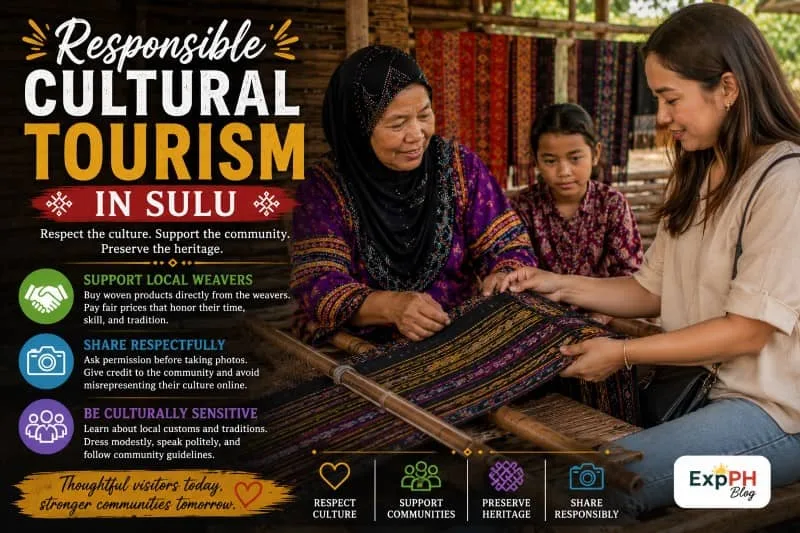
Responsible cultural tourism in Sulu encourages visitors to respect local traditions, support community artisans, and protect cultural heritage through thoughtful actions. Visiting weaving homes with genuine interest helps preserve traditional craftsmanship while creating meaningful connections between travelers and local communities. Respectful behavior and fair support help keep Sulu Traditional Weaving valued for future generations.
Supporting Local Weavers
If you decide to buy woven products, purchasing directly from the weaver is the best choice. This approach ensures fair payment and supports the continued practice of traditional skills. Buying locally also helps strengthen trust between visitors and artisans while showing respect for the value of handmade work.
Avoid aggressive bargaining when buying woven items. Handmade textiles require many hours of labor and a high level of skill. Fair pricing honors the effort and expertise involved in creating each piece.
Sharing the Experience Respectfully
When sharing photos or stories online, it is important to give proper credit to the community and the weavers involved. Always respect cultural context and avoid using images in ways that misrepresent traditions. Thoughtful sharing helps educate others while protecting the dignity and meaning behind Sulu Traditional Weaving.
Responsible storytelling allows traditions to be appreciated without distortion. By sharing accurate information and respectful visuals, visitors help present Sulu Traditional Weaving in a positive and truthful way. This approach supports cultural understanding and encourages others to value heritage rather than view it only as content.
8. Tips for OFWs Visiting Sulu Weaving Homes
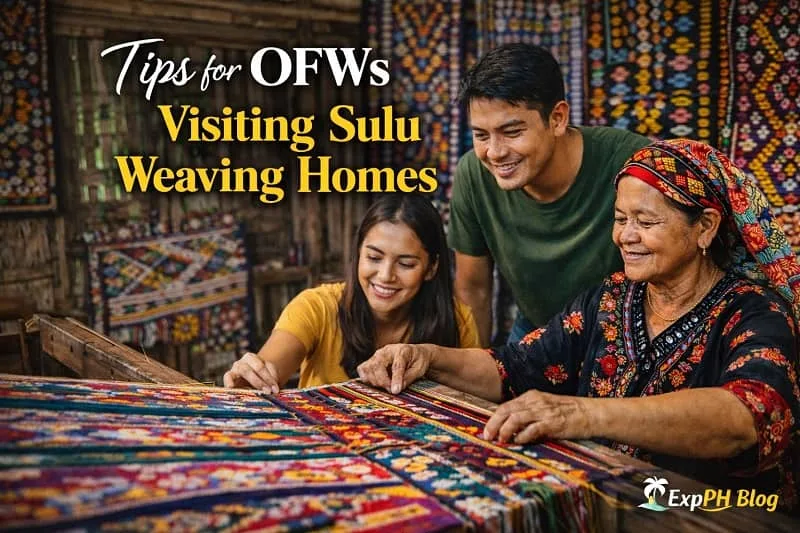
Visiting weaving homes in Sulu can give Overseas Filipino Workers a meaningful way to reconnect with culture, family traditions, and local heritage during their stay. These experiences allow OFWs to support local artisans while learning more about traditional craftsmanship. Simple and respectful visits can create lasting memories and strengthen appreciation for Sulu Traditional Weaving.
Plan Visits During Home Stays
Overseas Filipino Workers visiting family in Sulu can plan short trips to nearby weaving homes during their stay. These visits create meaningful cultural moments without adding pressure to busy schedules. Spending even a short time observing the craft allows OFWs to reconnect with heritage while supporting local artisans in a respectful way.
Bring Children and Relatives
Introducing younger family members to traditional weaving helps build a strong sense of cultural identity. Watching the weaving process together encourages curiosity and respect for heritage. These shared experiences allow children to understand the value of tradition and appreciate the skills passed down through generations within the community.
Consider Cultural Gifts
Woven items make meaningful gifts for friends or colleagues abroad. They carry cultural significance and reflect the care involved in traditional craftsmanship. Giving these items helps share Sulu heritage internationally while supporting local weavers. Such gifts also create opportunities to tell stories about culture and tradition beyond the community.
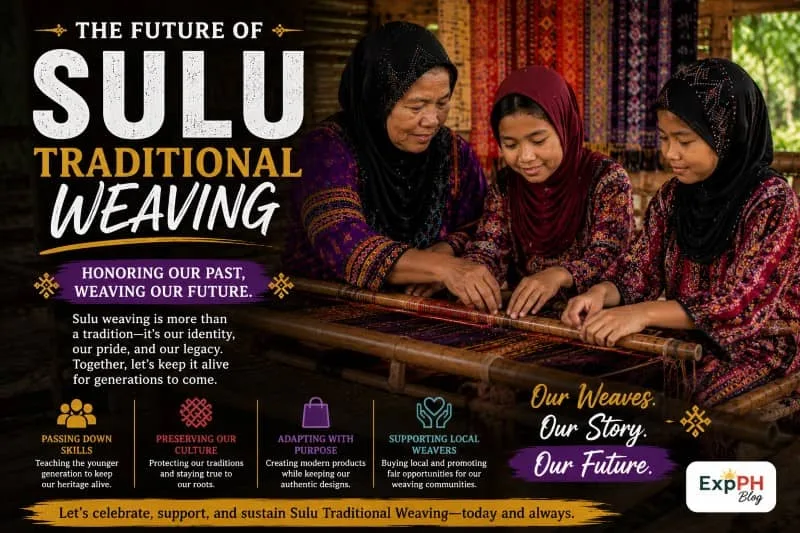
The Future of Sulu Traditional Weaving
The future of Sulu Traditional Weaving depends on continued cultural preservation, community support, and younger generations learning traditional skills. Local artisans and cultural groups are helping keep weaving traditions alive through education and modern adaptation. By balancing heritage with changing trends, Sulu weaving can continue growing while preserving its cultural identity and artistic value.
Passing Skills to the Next Generation
Some communities are encouraging young people to learn weaving through informal training and cultural programs. These efforts help ensure that traditional skills are not lost over time. Continued interest from visitors also plays a role by showing that weaving remains valued. Support from both locals and visitors motivates younger generations to learn and continue the craft.
Blending Tradition and Modern Use
While traditional designs remain important, some weavers are adapting patterns for modern clothing and accessories. This approach allows Sulu Traditional Weaving to stay relevant in today’s world. By blending tradition with modern use, artisans preserve authenticity while meeting changing needs and attracting new audiences.
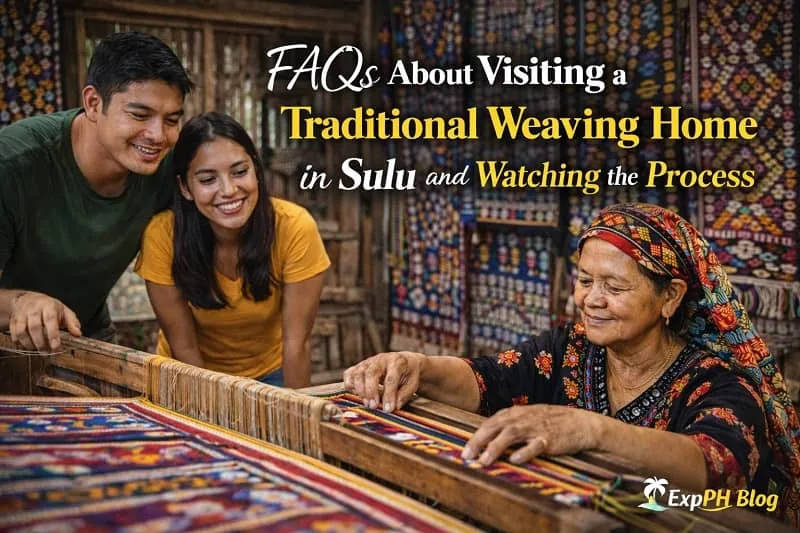
FAQs About Visiting a Traditional Weaving Home in Sulu and Watching the Process
What makes visiting a traditional weaving home in Sulu special?
It offers a firsthand look at Sulu Traditional Weaving, allowing visitors to understand cultural heritage, craftsmanship, patience, and community values through real artisans at work.
Are visitors allowed to enter traditional weaving homes in Sulu?
Yes, visitors are welcome when respectful, ask permission, follow local customs, and avoid interrupting the weaver, since homes are private spaces and active workplaces daily.
How long does a typical weaving home visit take?
A visit usually lasts one to two hours, depending on discussions, demonstrations, and questions, giving enough time to observe the weaving process without rushing comfortably.
Is it allowed to take photos or videos during the visit?
Photography is often allowed, but visitors should always ask permission first, respect privacy, and avoid disrupting the weaver’s focus and traditional working rhythm during sessions.
What parts of the weaving process can visitors observe?
You can observe thread preparation, loom setup, pattern creation, and steady hand weaving, while learning how experience, patience, and tradition shape each textile beautifully crafted.
Can visitors buy woven products directly from the weavers?
Yes, buying directly from weavers supports local livelihoods, encourages cultural preservation, and helps ensure Sulu Traditional Weaving continues for future generations within their own communities.
How is traditional weaving different from modern textile production?
Traditional weaving uses handlooms, natural techniques, and symbolic patterns, unlike modern textiles which rely on machines, speed, and mass production methods for global commercial markets.
What role do women play in Sulu Traditional Weaving?
Women are primary bearers of weaving knowledge, passing skills across generations, preserving identity, and contributing economically to families and communities in Sulu through traditional craftsmanship.
Is this experience suitable for Overseas Filipino Workers visiting Sulu?
Yes, OFWs visiting Sulu can reconnect with heritage, share cultural learning with family, and support traditional livelihoods during meaningful home visits that strengthen cultural identity.
How can visitors show respect during a weaving home visit?
Respect customs, dress modestly, listen attentively, ask questions politely, and value the time and effort involved in every woven piece as part of shared heritage.
Final Thoughts on Sulu Traditional Weaving
Visiting a traditional weaving home in Sulu offers a meaningful experience that allows visitors to appreciate the patience, skill, and cultural value behind every woven textile. Watching the weaving process firsthand helps people understand how Sulu Traditional Weaving continues to preserve Tausug identity, heritage, and community pride through generations. More than a simple craft, weaving remains a living tradition that reflects resilience, creativity, and the strong cultural connections that continue to shape everyday life in many communities across Sulu today.
For travelers, cultural enthusiasts, and Overseas Filipino Workers returning home, experiencing traditional weaving creates a deeper connection to Filipino heritage and local traditions. Showing respect, supporting local weavers, and learning about the meaning behind each textile all help protect this important cultural practice. These simple actions encourage younger generations to value traditional craftsmanship and ensure that Sulu Traditional Weaving continues to remain appreciated, preserved, and passed down for many years to come.
Want to explore more about Tausug traditions and community life in Sulu?
Read our full feature, Inside Traditional Tausug Lifestyle and Community Practices, to learn how heritage continues to shape everyday Tausug life today.
Additional posts that support this topic are below
- Storytelling Sessions with Local Elders in Sulu
- Learning the Art of Tausug Pis Syabit Making
- Tausug Brassware Crafting Sessions with Local Artisans
Open the original source using the link below
- Bangsamoro Commission for the Preservation of Cultural Heritage (BCPCH)
- National Commission for Culture and the Arts (NCCA)
- National Museum of the Philippines
- Department of Tourism Philippines
- UNESCO Philippines
Sulu Traditional Weaving Quiz
Test your understanding of Sulu Traditional Weaving and the cultural experience of visiting a weaving home.
Results


#1. What craft is featured in this experience?
#2. Where does the weaving take place?
#3. Who traditionally practices Sulu weaving?
#4. What tool is mainly used?
#5. Why is the weaving process slow?
#6. What do weaving patterns often represent?
#7. What should visitors do before taking photos?
#8. How can visitors support weavers?
#9. Why is this experience meaningful for OFWs?
#10. What helps preserve Sulu weaving traditions?
If you have visited a weaving home or witnessed the process yourself
Share your experience with us in the comments. Your story helps keep our culture alive.

A Filipino web developer with a background in Computer Engineering. Founder of ExpPH Blog and ExpPH Business Guide, creating practical content on OFW guidance, business, finance, freelancing, travel, and lifestyle. Passionate about helping Filipinos grow, he shares insights that educate, empower, and inspire readers nationwide.