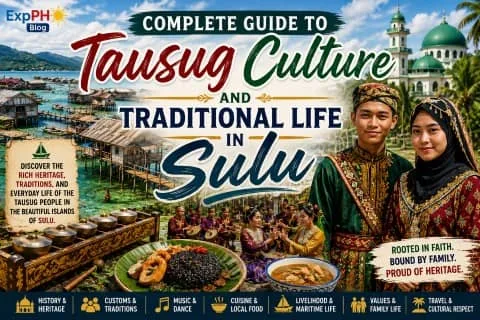
Complete Guide to Tausug Culture and Traditional Life in Sulu
The southern Philippines is home to many rich and diverse cultures, but few are as vibrant, resilient, and deeply rooted in tradition as the Tausug people. Known for their bravery, artistry, hospitality, and strong Islamic faith, the Tausug community has played an important role in the history and identity of the southern Philippines for centuries.
In this complete guide, we will explore the beauty of Tausug Culture, including traditional customs, family values, clothing, music, food, livelihood, language, celebrations, and everyday life in Sulu. Whether you are an OFW wanting to reconnect with Filipino heritage, a student researching Mindanao culture, or a traveler interested in local traditions, this guide will help you understand the unique way of life of the Tausug people.
Want a closer look at everyday living in Sulu?
Read A Day in a Traditional Tausug Household and Community Life and explore family routines, community interactions, hospitality, and traditional customs within Tausug Culture.
Table of Contents
Quick Summary (TL;DR)
- Tausug Culture originates mainly from Sulu in the southern Philippines.
- The Tausug people are known for bravery, hospitality, Islamic faith, and strong family ties.
- Traditional Tausug life centers around family, religion, fishing, farming, trade, and community cooperation.
- Tausug language, music, dance, food, and clothing remain important parts of cultural identity.
- Famous traditions include pangalay dance, kulintang music, and traditional woven textiles.
- Islam strongly influences Tausug customs, celebrations, and daily life.
- Despite modernization, many Tausug families continue preserving traditional values and practices.
- Understanding Tausug Culture helps promote respect, unity, and appreciation for Filipino diversity.
Introduction to Tausug Culture
Tausug Culture reflects centuries of history, trade, faith, and survival in the southern Philippines. The word “Tausug” comes from two words: “tau” meaning person, and “sug” meaning current or sea current. Together, the name can be interpreted as “people of the current,” highlighting the Tausug people’s close relationship with the sea.
The Tausug community primarily lives in Sulu, although many Tausug families can also be found in nearby provinces such as Basilan, Tawi-Tawi, Zamboanga, and parts of Sabah in Malaysia. Over time, Tausug communities have also grown abroad because of migration and overseas work opportunities.
Historically, the Tausug people were connected to the powerful Sultanate of Sulu, which once had strong trade and political influence across parts of Southeast Asia. The Tausug became known for their courage, maritime skills, and resistance against foreign colonizers.
Today, Tausug Culture continues to thrive through language, faith, traditions, arts, and strong family connections.
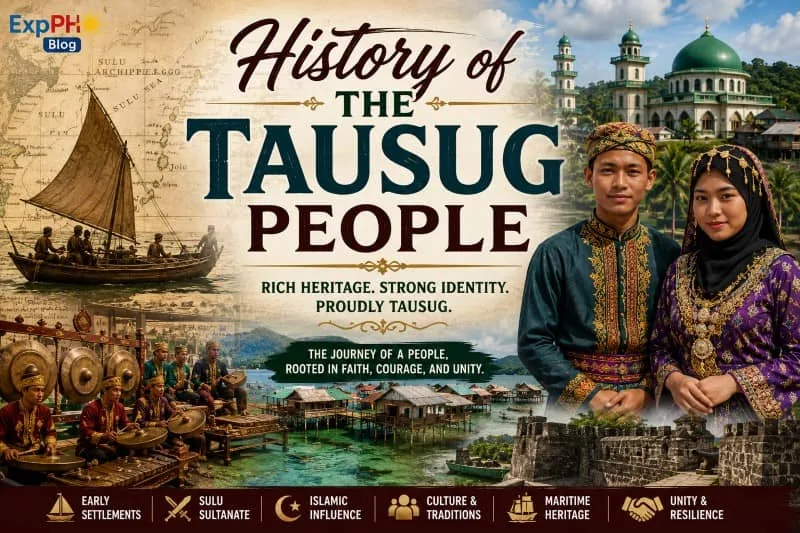
1. History of the Tausug People
The history of the Tausug people reflects centuries of trade, leadership, faith, and resistance in the southern Philippines. Understanding this part of Tausug Culture helps explain how the community developed its strong identity, Islamic traditions, and resilient spirit over generations. From early trade connections to the rise of the Sultanate of Sulu, the Tausug people played an important role in shaping the history of Mindanao and nearby regions in Southeast Asia.
Early Origins of the Tausug Community
The history of the Tausug people dates back many centuries before Spanish colonization in the Philippines. Because of Sulu’s strategic location near important trade routes, Arab, Malay, Chinese, and Indonesian traders frequently visited the region.
These interactions influenced local customs, religion, language, and economic activities. Islam arrived in the Sulu region around the 14th century through Muslim missionaries and traders. Over time, Islam became deeply rooted in Tausug society and remains central to their identity today.
The Sultanate of Sulu
One of the most significant parts of Tausug history is the establishment of the Sultanate of Sulu. The sultanate became an important political and economic power in Southeast Asia.
The Sultanate of Sulu helped strengthen Islamic education, governance, trade networks, and regional diplomacy. Historical records show that the sultanate traded pearls, spices, sea products, and textiles with neighboring countries.
For readers interested in Philippine cultural heritage and historical preservation, the National Commission for Culture and the Arts (NCCA) provides valuable resources about Filipino indigenous and Muslim cultures.
Resistance and Resilience
The Tausug people are widely recognized for their strong resistance against foreign colonizers. During Spanish and American colonial periods, many Tausug warriors defended their homeland and traditions.
This history of resilience continues to shape Tausug identity today. Many Tausug families value courage, dignity, and perseverance, especially during difficult times.
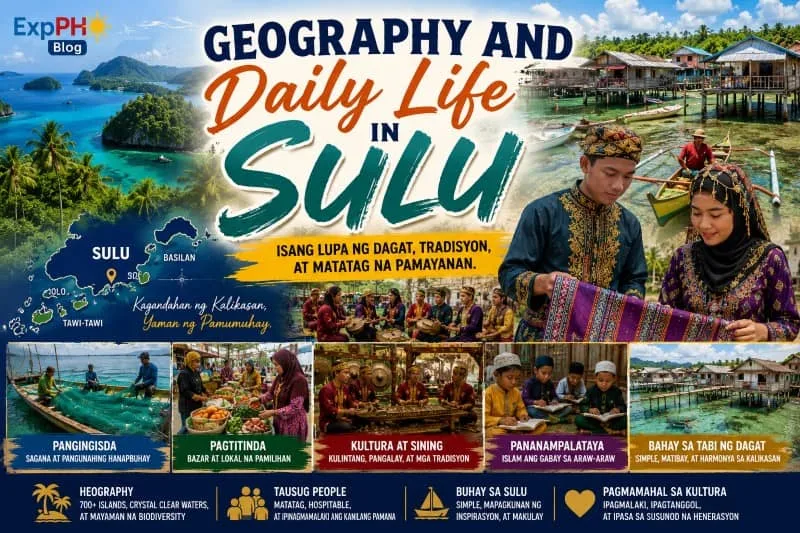
2. Geography and Daily Life in Sulu
The geography of Sulu has greatly influenced the development of Tausug Culture and traditional living practices. Surrounded by the sea and connected to historical trade routes, Sulu became a center for fishing, commerce, cultural exchange, and community life. Daily life among Tausug families is closely tied to the natural environment, strong family relationships, and shared community responsibilities that continue to shape local traditions today.
The Natural Environment of Sulu
Sulu is an island province known for its beautiful coastlines, clear waters, fishing communities, and tropical environment. The sea has always played a major role in Tausug Culture because it supports transportation, trade, and livelihood.
Fishing remains one of the traditional occupations in many coastal communities. Some families also engage in farming, weaving, small businesses, and seaweed cultivation.
Traditional Community Structure
Traditional Tausug communities are often family-centered. Extended families commonly support one another financially, emotionally, and socially.
Community cooperation remains important in many areas. Neighbors help each other during celebrations, weddings, religious events, and difficult times. Respect for elders is strongly emphasized within households.
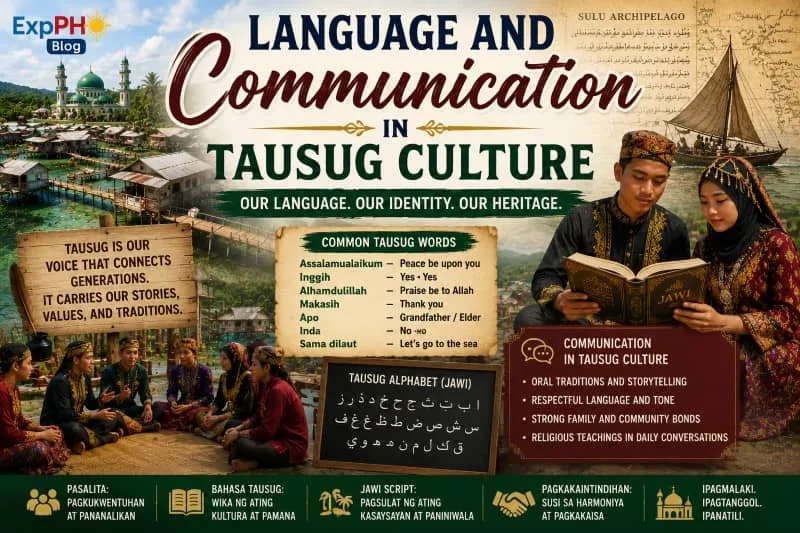
3. Language and Communication in Tausug Culture
Language and communication play an essential role in preserving Tausug Culture and passing traditions from one generation to another. Through spoken language, storytelling, poetry, and oral history, the Tausug people continue to protect their cultural identity, religious beliefs, and community values. Communication within Tausug society is not only about conversation but also about preserving respect, wisdom, and historical memory.
The Tausug Language
The Tausug language is one of the strongest symbols of Tausug identity. It belongs to the Bisayan language family but has unique vocabulary, pronunciation, and expressions influenced by Arabic and Malay languages.
Many Tausug people are multilingual and may also speak Filipino, English, Chavacano, or other regional languages.
Oral Traditions and Storytelling
Storytelling has long been an important part of Tausug Culture. Elders pass down lessons, values, and historical memories through stories, poetry, and oral traditions.
Traditional stories often teach:
- Respect for parents
- Courage and honor
- Religious faith
- Community responsibility
- Wisdom and humility
These oral traditions help preserve cultural identity across generations.
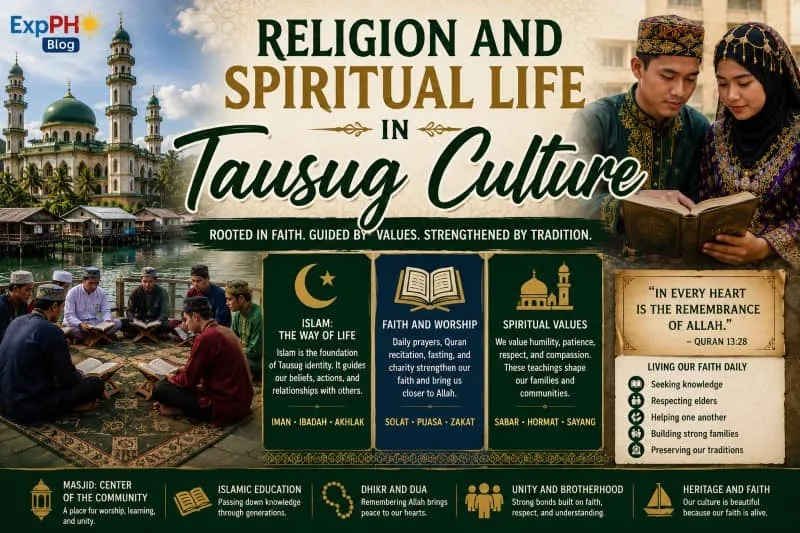
4. Religion and Spiritual Life in Tausug Culture
Religion and spiritual practices are deeply woven into Tausug Culture and everyday life in Sulu. Islam serves as a guiding foundation for moral values, family relationships, education, traditions, and community responsibilities. Spiritual life among the Tausug people influences not only religious worship but also social behavior, celebrations, hospitality, and cultural identity that continue to shape generations both in the Philippines and abroad.
The Importance of Islam in Tausug Culture
Islam is deeply connected to everyday Tausug life. Religious practices influence family values, celebrations, education, clothing, and social behavior.
Mosques serve not only as places of worship but also as centers for community gatherings and learning.
Important Islamic practices include:
- Daily prayers
- Fasting during Ramadan
- Charity and community support
- Islamic education for children
- Religious celebrations such as Eid al-Fitr and Eid al-Adha
Religious Celebrations
Religious occasions are important community events among Tausug families. Celebrations usually involve prayer, family gatherings, food sharing, and acts of generosity.
Many OFWs from Tausug families continue practicing these traditions abroad to maintain their connection to home, faith, and cultural identity.
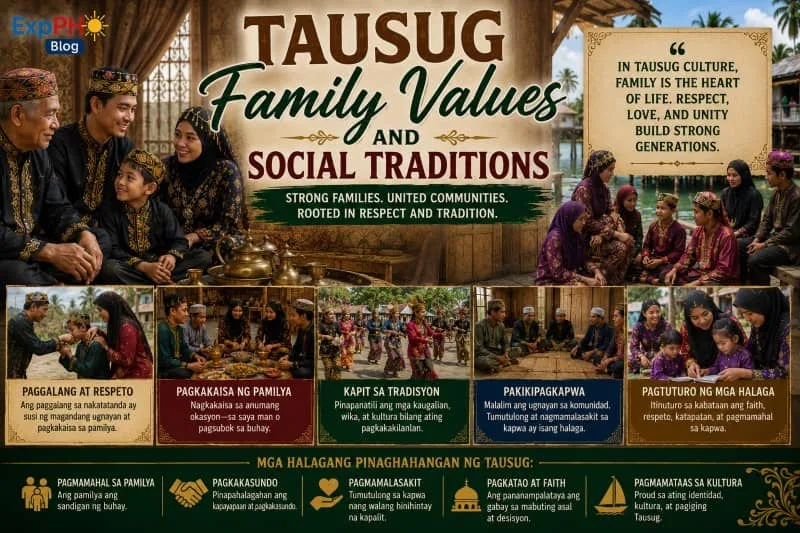
5. Tausug Family Values and Social Traditions
Family values and social traditions are among the strongest foundations of Tausug Culture. The Tausug community places great importance on family unity, respect, hospitality, and shared responsibility within society. These values continue to guide everyday life, strengthen community relationships, and preserve cultural identity across generations. Even for Tausug families living abroad, traditional values remain an important source of emotional support, discipline, and connection to their roots.
Strong Family Connections
Family loyalty is one of the strongest foundations of Tausug Culture. Parents, grandparents, cousins, and relatives often maintain close relationships even when living far apart.
This value is especially meaningful for OFWs who work overseas to support their families back home. Sacrifice, responsibility, and mutual support are highly respected within Tausug households.
Respect for Elders
Children are taught to show respect toward elders through polite speech, obedience, and proper behavior.
Elders often serve as:
- Family advisers
- Religious guides
- Decision-makers
- Keepers of cultural traditions
Hospitality and Community Spirit
Visitors are commonly welcomed warmly in Tausug homes. Hospitality is considered an important cultural value.
Guests are often offered food, coffee, or refreshments, even when resources are limited. Sharing and generosity are highly valued traits.
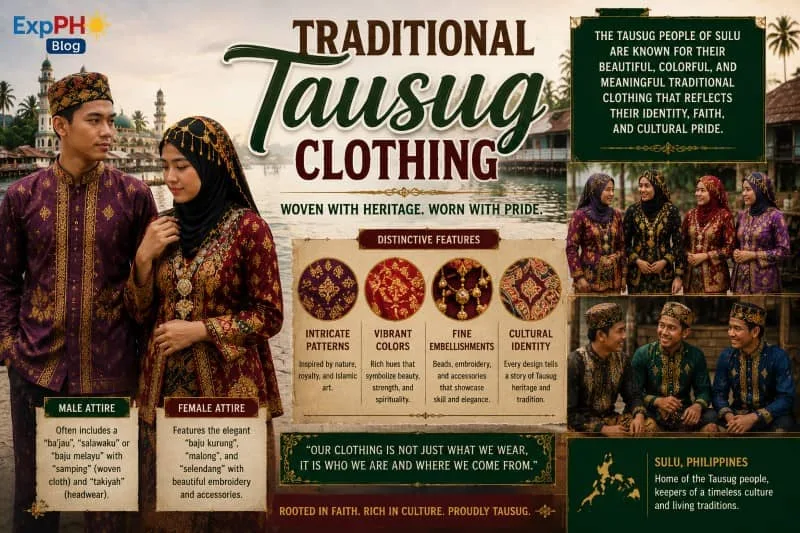
6. Traditional Tausug Clothing
Traditional clothing is an important expression of Tausug Culture and identity. The garments worn by Tausug men and women reflect history, religious values, artistic craftsmanship, and respect for tradition. Clothing is often used during weddings, religious gatherings, cultural celebrations, and important community events. Even as modern fashion becomes more common, many Tausug families continue preserving traditional attire as a symbol of pride, heritage, and cultural continuity.
Traditional Clothing for Men
Traditional Tausug male attire often includes:
- Long-sleeved shirts
- Loose trousers
- Head coverings or turbans
- Decorative belts or accessories
Clothing styles may vary depending on ceremonies, weddings, or religious events.
Traditional Clothing for Women
Traditional Tausug women’s clothing is colorful, elegant, and modest.
Common garments include:
- Long dresses
- Traditional scarves
- Decorative jewelry
- Handwoven fabrics
Embroidery and detailed patterns reflect artistic creativity and cultural pride.
Symbolism in Clothing
Traditional attire often represents:
- Social identity
- Religious values
- Cultural heritage
- Respect during ceremonies
Although modern fashion is now common in many communities, traditional Tausug clothing remains an important part of cultural celebrations and family traditions.
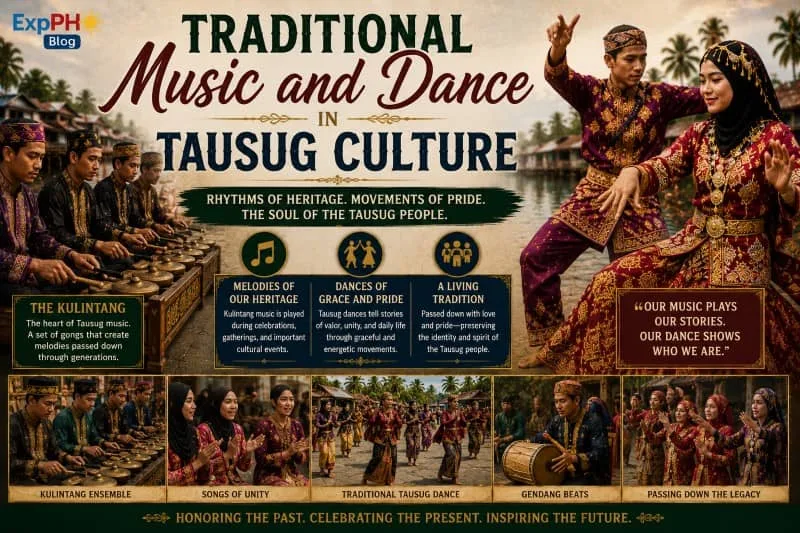
7. Traditional Music and Dance in Tausug Culture
Music and dance are important parts of Tausug Culture and serve as powerful expressions of identity, celebration, and artistic heritage. Traditional performances are commonly seen during weddings, festivals, religious gatherings, and community events throughout Sulu. Tausug music and dance not only entertain audiences but also preserve stories, emotions, traditions, and cultural pride that have been passed down through generations.
Kulintang Music
Kulintang music is one of the most recognizable parts of Tausug Culture and Mindanao heritage. It involves a set of small gongs played rhythmically during celebrations and cultural gatherings.
Kulintang performances often accompany:
- Weddings
- Religious celebrations
- Community festivals
- Cultural presentations
The Pangalay Dance
The pangalay dance is a graceful traditional Tausug dance known for its flowing hand movements and elegant posture.
Dancers wear colorful traditional attire while performing slow, expressive movements inspired by ocean waves and nature.
The dance reflects:
- Beauty
- Discipline
- Cultural identity
- Artistic expression
Preservation of Cultural Arts
Today, schools, local organizations, and cultural groups continue working to preserve traditional Tausug music and dance for younger generations. These efforts help keep Tausug artistic traditions alive while encouraging cultural appreciation among modern audiences.
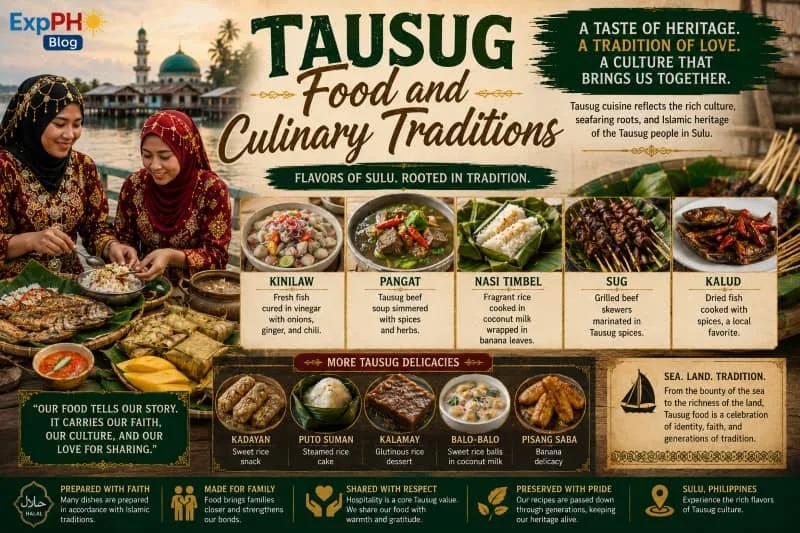
8. Tausug Food and Culinary Traditions
Food plays an important role in Tausug Culture and reflects the community’s history, coastal environment, religious practices, and strong family traditions. Tausug cuisine is known for its flavorful use of spices, seafood, coconut, and traditional cooking methods that have been preserved for generations. Meals are more than daily necessities because they also serve as moments of bonding, hospitality, and cultural celebration among families and communities in Sulu.
Traditional Tausug Dishes
Tausug cuisine reflects the region’s coastal lifestyle and Islamic dietary practices. Seafood, spices, coconut, and rice are common ingredients.
Popular Tausug dishes include:
- Tiyula itum
- Piyanggang
- Satti
- Kulma
- Traditional seafood dishes
Tiyula Itum
Tiyula itum is one of the most famous Tausug dishes. It is a black soup traditionally made with beef, burnt coconut, and spices.
The dish is known for its rich flavor and unique appearance.
Food and Community
Meals are important social activities in Tausug Culture. Families often gather together during celebrations, religious holidays, and special occasions.
Food sharing symbolizes unity, generosity, and hospitality.
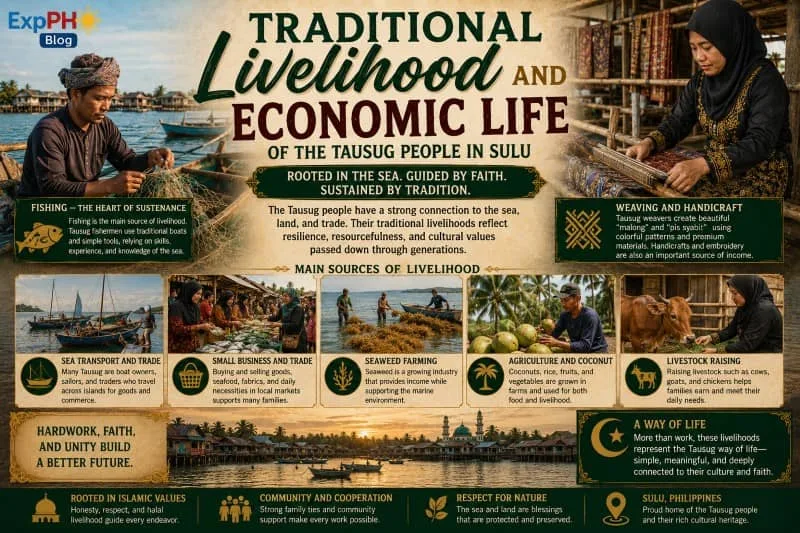
9. Traditional Livelihood and Economic Life of the Tausug People in Sulu
Traditional livelihood practices are deeply connected to Tausug Culture and the natural environment of Sulu. For generations, Tausug families have relied on fishing, farming, trade, and small businesses to support their communities and preserve their way of life. Economic activities among the Tausug people are not only sources of income but also important parts of cultural identity, family responsibility, and community cooperation.
Fishing and Maritime Activities
Because of Sulu’s geography, fishing has long been a major source of livelihood among Tausug families.
Traditional fishing methods were passed down through generations and relied heavily on knowledge of sea currents and weather patterns.
Farming and Agriculture
Some Tausug communities also practice farming.
Common crops include:
- Coconut
- Cassava
- Corn
- Fruits
- Vegetables
Agriculture helps support household needs and local markets.
Trading and Entrepreneurship
Historically, the Tausug people were active traders across Southeast Asia. Business skills and entrepreneurship remain important today.
Many Tausug families operate:
- Small stores
- Market stalls
- Fishing businesses
- Textile crafts
- Food businesses
This entrepreneurial spirit is also visible among many Tausug OFWs who support their families through overseas work and investments.
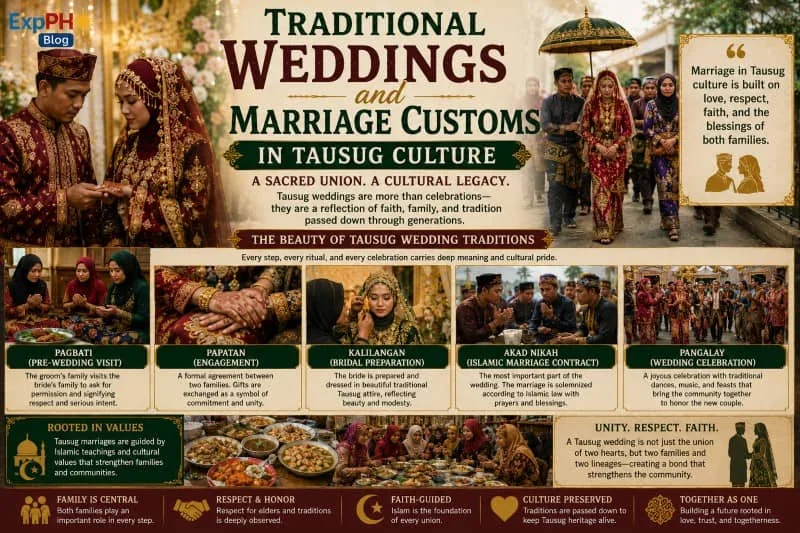
10. Traditional Weddings and Marriage Customs in Tausug Culture
Traditional weddings and marriage customs are important parts of Tausug Culture and reflect the community’s strong emphasis on family, respect, faith, and social responsibility. Marriage is viewed as a meaningful commitment that strengthens not only the bond between two individuals but also the relationship between families and communities. Tausug wedding traditions often combine Islamic practices, cultural celebrations, music, food, and family participation, creating memorable events that preserve heritage and community unity.
Family Involvement in Marriage
Marriage is considered an important union between families, not just individuals. Parents and elders often play significant roles in wedding preparations and arrangements.
Wedding Ceremonies
Traditional Tausug weddings may include:
- Islamic marriage rites
- Community feasts
- Traditional clothing
- Music and dance
- Family gatherings
Wedding celebrations can last several days depending on family traditions and resources.
Cultural Meaning of Marriage
Marriage symbolizes:
- Family unity
- Respect
- Commitment
- Social responsibility
Strong marriages are highly valued within Tausug communities.
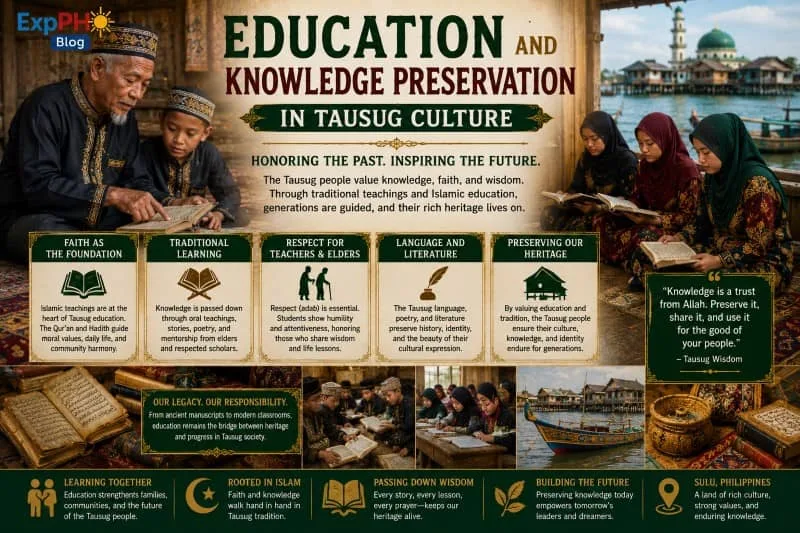
11. Education and Knowledge Preservation in Tausug Culture
Education and knowledge preservation play an important role in protecting Tausug Culture and preparing younger generations for the future. Traditional learning methods helped pass down practical skills, religious teachings, and community values long before modern schools became common in Sulu. Today, many Tausug families continue balancing cultural traditions with formal education to create better opportunities while preserving their identity and heritage.
Traditional Learning
Before formal education became widespread, knowledge was commonly passed through family teachings, religious instruction, and community mentorship.
Children learned practical skills such as:
- Fishing
- Farming
- Household responsibilities
- Religious practices
- Cultural traditions
Modern Education
Today, many Tausug families prioritize education as a pathway toward better opportunities.
Students pursue careers in:
- Teaching
- Healthcare
- Government service
- Business
- Overseas employment
Education has become increasingly important for Tausug families seeking economic stability, professional growth, and stronger opportunities for future generations while continuing to preserve cultural values and traditions.
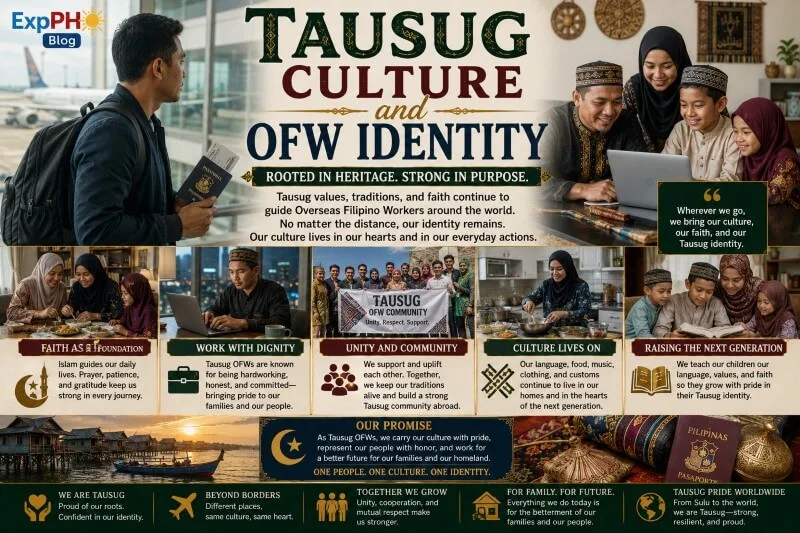
12. Tausug Culture and OFW Identity
Tausug Culture continues to remain important for many Overseas Filipino Workers (OFWs) who live and work far from their hometowns and families. Cultural traditions, religious practices, language, and family values often provide emotional strength and a sense of belonging while abroad. For many Tausug OFWs, preserving cultural identity helps maintain strong family connections and reminds them of their roots, traditions, and responsibilities back home.
Preserving Culture Abroad
Many Tausug individuals work overseas to support their families.
Despite living far from home, they often maintain strong cultural connections through:
- Religious gatherings
- Traditional food
- Family communication
- Community organizations
- Cultural celebrations
For OFWs, preserving Tausug Culture helps strengthen identity and emotional connection to their roots.
Challenges Faced by Tausug OFWs
Like many overseas workers, Tausug OFWs may experience:
- Homesickness
- Cultural adjustment
- Family separation
- Financial pressure
However, strong family values and faith often provide emotional support during difficult times.
Passing Culture to Younger Generations
Parents and elders continue teaching younger family members about Tausug traditions, language, and values, even while living abroad.
This effort helps preserve cultural identity across generations.
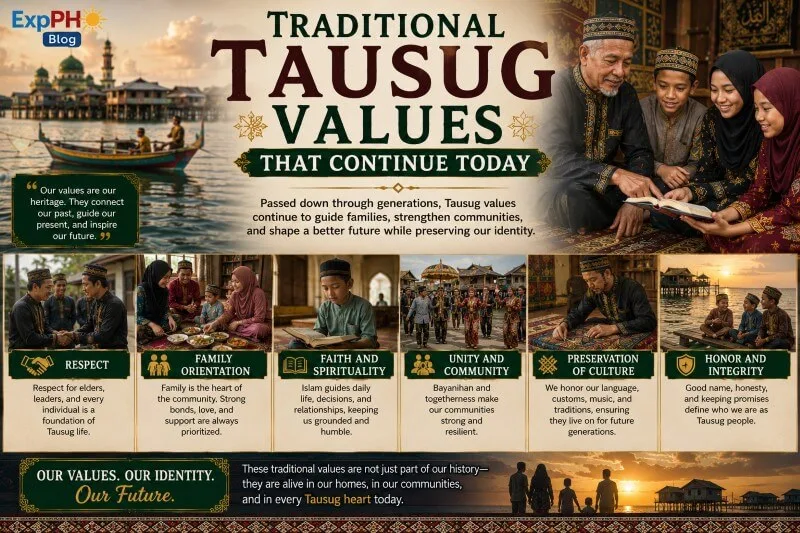
13. Traditional Tausug Values That Continue Today
Many traditional values within Tausug Culture continue shaping everyday life, family relationships, and community behavior even in modern times. These values have been passed down through generations and remain important foundations of Tausug identity. Through faith, resilience, respect, and cooperation, Tausug communities continue preserving cultural traditions while adapting to social and economic changes both in the Philippines and abroad.
Courage and Resilience
The Tausug people are widely respected for resilience during hardship. Historical struggles and modern challenges have strengthened community solidarity.
Honor and Dignity
Personal honor and respect remain important social values in Tausug Culture. Many people strive to maintain good relationships, protect family reputation, and act responsibly within the community.
Faith and Spiritual Discipline
Religious faith continues guiding daily life, family decisions, and moral behavior.
Unity and Cooperation
Community cooperation remains visible during:
- Weddings
- Religious events
- Emergencies
- Community projects
- Family gatherings
These values help strengthen social bonds and encourage mutual support among Tausug families and communities.
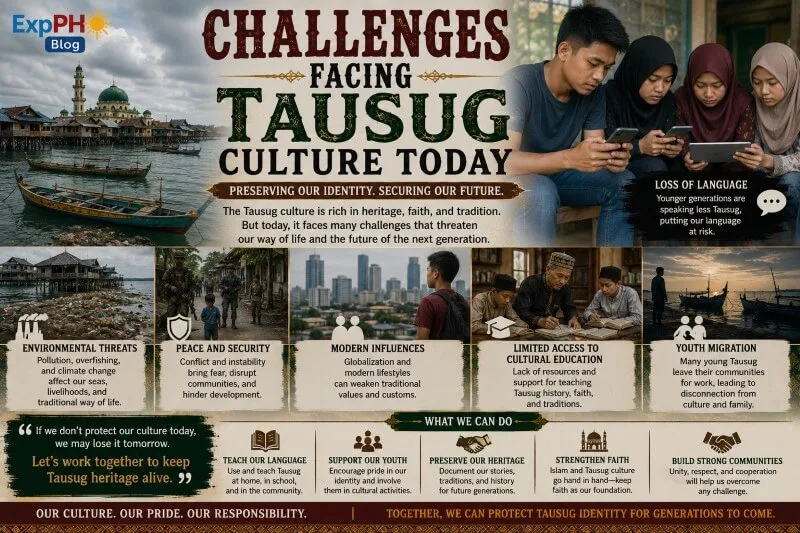
14. Challenges Facing Tausug Culture Today
Like many indigenous and traditional communities around the world, Tausug Culture continues facing various social, economic, and cultural challenges in modern times. Rapid technological change, migration, globalization, and economic pressures can affect how younger generations connect with traditional practices and cultural identity. Despite these challenges, many Tausug families, educators, and community leaders continue working to preserve their heritage and pass important traditions to future generations.
Modernization and Cultural Change
Like many traditional cultures, Tausug Culture faces challenges from modernization, migration, and changing lifestyles.
Younger generations may become less familiar with:
- Traditional language
- Cultural arts
- Local customs
- Traditional livelihoods
Economic Difficulties
Some communities continue facing economic challenges related to poverty, limited infrastructure, and employment opportunities.
These issues can affect education, cultural preservation, and local development.
Importance of Cultural Preservation
Protecting cultural heritage is important for future generations. Preserving traditions helps maintain identity, pride, and historical understanding.
Cultural preservation efforts may include:
- Community education
- Cultural festivals
- Language programs
- Traditional arts training
- Historical documentation
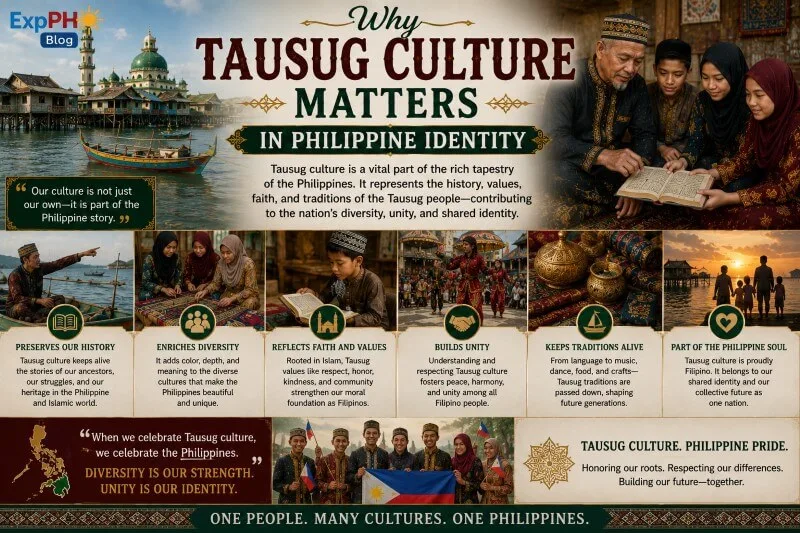
15. Why Tausug Culture Matters in Philippine Identity
The Philippines is a diverse nation made up of many cultures, languages, beliefs, and traditions that together shape the country’s identity. Tausug Culture is an important part of this cultural diversity and contributes valuable traditions, historical experiences, and community values to the broader Filipino heritage. By learning about the Tausug people and other Muslim Filipino communities, more Filipinos can develop deeper respect, cultural understanding, and appreciation for the rich traditions found across the country.
The Tausug people contribute valuable traditions in:
- Music
- Dance
- Cuisine
- Maritime history
- Religious heritage
- Community values
Learning about Muslim Filipino cultures also helps encourage respect, inclusion, and national unity throughout the Philippines.
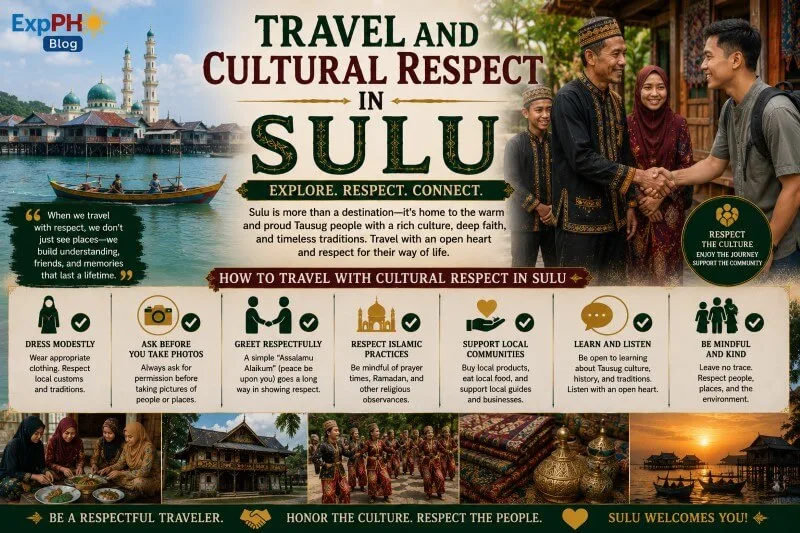
16. Travel and Cultural Respect in Sulu
Traveling to Sulu offers visitors an opportunity to learn more about Tausug Culture, local traditions, and the unique heritage of Muslim communities in the southern Philippines. Cultural respect and responsible tourism are important when visiting local communities because they help preserve traditions, strengthen mutual understanding, and support local livelihoods. Visitors who approach communities with openness, politeness, and sensitivity often enjoy more meaningful cultural experiences.
Respecting Local Traditions
Visitors interested in learning about Tausug Culture should approach communities with respect and cultural sensitivity.
Important reminders may include:
- Dressing modestly
- Respecting religious practices
- Asking permission before taking photos
- Being polite during community interactions
Supporting Local Communities
Responsible tourism can help support local livelihoods through:
- Purchasing local crafts
- Supporting local businesses
- Respecting community customs
- Learning from local guides
Cultural understanding benefits both visitors and local communities while helping preserve Tausug traditions and cultural heritage for future generations.
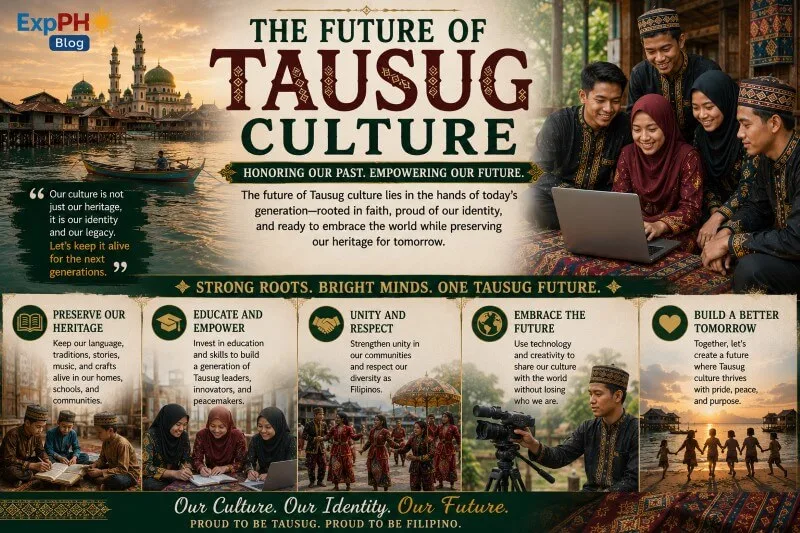
17. The Future of Tausug Culture
The future of Tausug Culture depends on the continued efforts of families, educators, community leaders, artists, and younger generations who value their heritage and traditions. Although modernization, migration, and technology continue changing lifestyles and social practices, many Tausug communities remain committed to preserving their identity, beliefs, language, and cultural traditions. By combining traditional values with modern opportunities, younger generations are helping ensure that Tausug heritage continues to thrive in the years ahead.
Young people today are finding new ways to celebrate and protect their heritage through:
- Social media
- Cultural education
- Community organizations
- Traditional performances
- Local entrepreneurship
Many Tausug families believe preserving culture is essential for future generations because it strengthens identity, promotes cultural pride, and helps protect the rich history and traditions of the Tausug people.
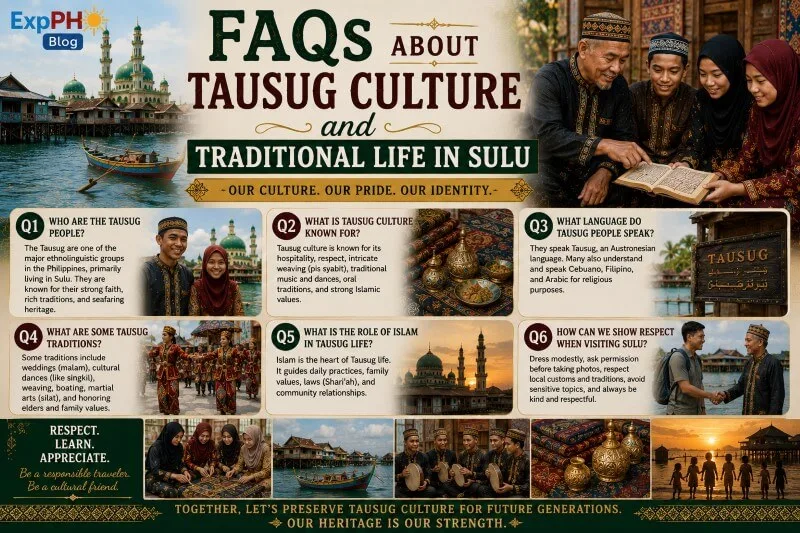
18. FAQs About Tausug Culture and Traditional Life in Sulu
What is Tausug Culture known for?
Tausug Culture is known for strong family values, Islamic traditions, colorful clothing, kulintang music, pangalay dance, hospitality, resilience, and rich maritime history in Sulu.
Where do the Tausug people mainly live?
The Tausug people mainly live in Sulu, including nearby areas like Basilan, Tawi-Tawi, Zamboanga, and some communities in Sabah, Malaysia.
What language do the Tausug people speak?
The Tausug people speak the Tausug language, which contains influences from Arabic and Malay, while many also understand Filipino, English, and regional Philippine languages.
Why is Islam important in Tausug Culture?
Islam guides many aspects of Tausug daily life, including family values, celebrations, education, clothing, moral behavior, community relationships, and religious practices within local communities.
What are popular traditional Tausug foods?
Popular Tausug dishes include tiyula itum, piyanggang, satti, kulma, and seafood-based meals prepared using spices, coconut, and traditional cooking methods from Sulu communities.
What is the pangalay dance in Tausug Culture?
The pangalay dance is a traditional Tausug performance featuring graceful hand movements, elegant posture, colorful clothing, and artistic expressions inspired by ocean waves and nature.
How do Tausug families preserve their traditions?
Tausug families preserve traditions through storytelling, religious practices, traditional celebrations, language teaching, cultural performances, family gatherings, and passing values to younger generations consistently.
What livelihoods are common among Tausug communities?
Fishing, farming, trading, weaving, seaweed cultivation, and small businesses are common livelihoods that support many Tausug families living in coastal and rural communities.
Why is family important in Tausug Culture?
Family is highly valued because it provides emotional support, guidance, protection, financial assistance, and cultural continuity within Tausug households and extended family relationships.
How does Tausug Culture contribute to Philippine identity?
Tausug Culture contributes music, dance, cuisine, religious heritage, community values, and historical traditions that strengthen the cultural diversity and identity of the Philippines.
Final Thoughts on Tausug Culture and Traditional Life in Sulu
Tausug Culture remains one of the richest and most meaningful cultural traditions in the Philippines. From the historic Sultanate of Sulu to modern OFW communities abroad, the Tausug people continue preserving values of faith, courage, hospitality, resilience, and family unity.
Traditional music, dance, clothing, food, language, and community customs all reflect a deep cultural identity shaped by history and strong spiritual foundations. Although modernization continues bringing change, many Tausug families remain committed to protecting their heritage and passing it on to younger generations.
By learning about Tausug Culture, Filipinos and international readers alike can gain greater appreciation for the diversity and beauty of Philippine traditions. Cultural understanding helps strengthen respect, unity, and pride in the many communities that shape the nation’s identity.
For OFWs and younger generations especially, remembering and preserving cultural roots can provide a strong sense of belonging no matter where life leads.
Want to learn more about the daily customs and traditions of the Tausug people?
Read Inside Traditional Tausug Lifestyle and Community Practices to explore family values, cultural traditions, food, faith, music, and community life in Sulu. You can also read our detailed guide, Traditional Tausug Wedding Practices Explained, to discover the meaning behind traditional ceremonies, Islamic practices, family involvement, and cultural celebrations in Sulu.
Now that you know the history and traditions of the Tausug people, it’s time to explore their incredible food! Discover the must-try dishes and rich culinary heritage of the south in our complete food guide: Read Flavors of Sulu: The Ultimate Guide to Authentic Tausug Cuisine
Tausug Culture Quiz
Test your knowledge about Tausug Culture, traditional life in Sulu, local traditions, music, food, family values, and history. This fun quiz is perfect for students, travelers, OFWs, and readers who want to learn more about one of the Philippines’ richest cultural communities.
Results


#1. Where do most Tausug people live?
#2. What religion strongly influences Tausug Culture?
#3. What does “Tausug” mean?
#4. Which traditional dance belongs to Tausug Culture?
#5. What musical instrument is common in Tausug traditions?
#6. Which dish is famous in Tausug cuisine?
#7. What value is highly respected in Tausug families?
#8. What livelihood is common in Sulu communities?
#9. What helps preserve Tausug traditions?
#10. Why is Tausug Culture important?
We would also love to hear from you
Share your quiz score, cultural experiences, or thoughts about Tausug Culture in the comment section below and connect with fellow readers.

A Filipino web developer with a background in Computer Engineering. Founder of ExpPH Blog and ExpPH Business Guide, creating practical content on OFW guidance, business, finance, freelancing, travel, and lifestyle. Passionate about helping Filipinos grow, he shares insights that educate, empower, and inspire readers nationwide.