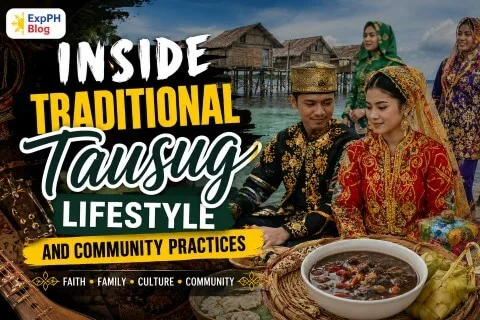
Inside Traditional Tausug Lifestyle and Community Practices
The southern Philippines is home to many rich and diverse cultural groups, but few are as deeply rooted in history, honor, and community as the Tausug people. Known for their bravery, hospitality, Islamic faith, and strong family ties, the Tausug community continues to preserve traditions that have shaped life in the Sulu Archipelago for centuries.
Understanding the Traditional Tausug lifestyle offers a meaningful glimpse into one of the Philippines’ most fascinating cultural identities. From daily customs and clothing to marriage traditions, food, values, and social structure, Tausug heritage reflects resilience, discipline, and deep respect for both faith and family.
Today, many younger Tausug generations continue to balance traditional customs with modern life. Whether living in Sulu, Zamboanga, Metro Manila, or abroad as OFWs, Tausug families often carry their traditions wherever they go.
Want to explore more about Tausug heritage and traditions?
Read our Complete Guide to Tausug Culture and Traditional Life in Sulu to discover the history, customs, food, values, and daily life that continue shaping Tausug communities today.
Table of Contents
Quick Summary (TL;DR)
- The Tausug people primarily live in Sulu, Basilan, Tawi-Tawi, and parts of Zamboanga
- Islam strongly influences the Traditional Tausug lifestyle
- Family honor, respect, and community unity are central cultural values
- Traditional clothing, music, dance, and food remain important cultural symbols
- Tausug customs include unique marriage traditions, social etiquette, and celebrations
- Many Tausug families preserve traditions even while adapting to modern education, technology, and overseas work
- Cultural preservation remains important for younger generations and OFWs
Understanding the Origins of the Tausug People
The Tausug people are one of the major ethnolinguistic Muslim groups in the Philippines. The word “Tausug” comes from two words: “tau,” meaning person, and “sug,” meaning current or sea current. Together, the term roughly translates to “people of the current.”
Historically, the Tausug people became known as skilled seafarers, traders, warriors, and community leaders. Their homeland is centered in the Sulu Archipelago, especially in the province of Sulu, which once served as the center of the powerful Sultanate of Sulu.
The Sultanate played a major role in regional trade and politics for centuries, connecting Mindanao and Sulu to neighboring regions such as Malaysia, Brunei, and Indonesia. According to the official historical resources of the National Historical Commission of the Philippines, the Sultanate of Sulu became one of the most influential Islamic political structures in Philippine history.
The history of the Tausug people continues to influence their identity today. Traditional leadership systems, Islamic teachings, and community-centered living remain deeply connected to everyday Tausug culture.
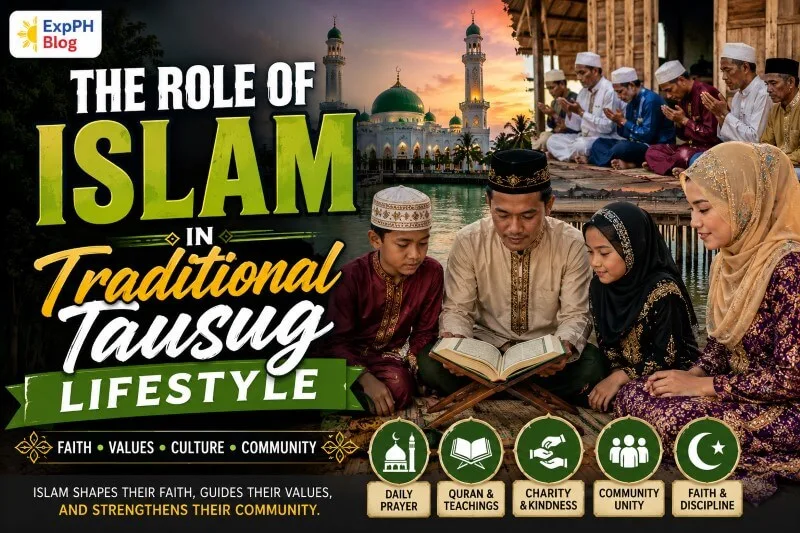
1. The Role of Islam in Traditional Tausug Lifestyle
Islam serves as one of the strongest foundations of the Traditional Tausug lifestyle. Religious teachings influence daily routines, family relationships, clothing, celebrations, and moral conduct. Most Tausug families practice Sunni Islam, and many households organize their day around prayer schedules, religious duties, and community-centered traditions.
Importance of Prayer and Religious Practice
Daily prayer remains an essential part of Tausug life. Mosques function not only as places of worship but also as gathering spaces for religious discussions, education, and community activities. These shared practices help strengthen spiritual discipline while encouraging unity among families and neighbors within the community.
Children are usually introduced to Islamic teachings at an early age. Parents, grandparents, and elders guide younger family members in learning values such as respect, modesty, discipline, and obedience. Religious education also helps preserve cultural identity and strengthens family connections across generations.
During Ramadan, Tausug communities observe fasting with strong participation and devotion. Families gather for iftar meals after sunset while mosques become more active during evening prayers and Quran recitations. The holy month also encourages charity, patience, reflection, and stronger relationships within the community.
Islamic Influence on Social Conduct
Islamic teachings continue to shape social behavior and community expectations among Tausug families. These values influence how people interact with relatives, neighbors, guests, and elders in both daily life and important occasions.
Common values influenced by Islamic teachings include:
- Respect for elders
- Modest behavior
- Hospitality toward guests
- Strong family responsibility
- Community cooperation
- Peaceful conflict resolution
These principles continue to guide interpersonal relationships within Tausug communities. Many families still prioritize kindness, mutual respect, and cooperation in everyday interactions. Even Tausug individuals living in cities or working abroad often continue practicing these traditional values as part of their cultural and religious identity.
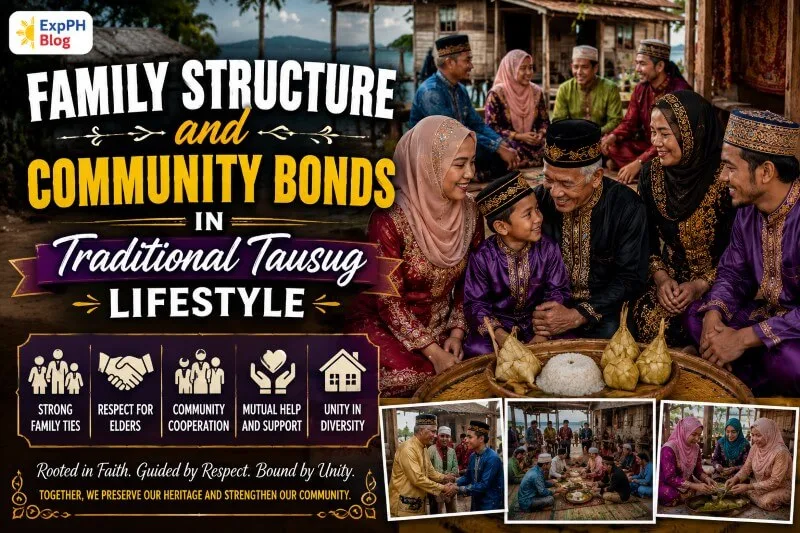
2. Family Structure and Community Bonds in Traditional Tausug Lifestyle
Family remains one of the strongest foundations of the Traditional Tausug lifestyle. Most Tausug families maintain close relationships and strong support systems that extend beyond immediate relatives. Communication, cooperation, and shared responsibilities help strengthen family unity while preserving important traditions, values, and cultural practices across generations.
Respect for Elders
Elders hold a respected position within Tausug households and communities. Younger family members are expected to show courtesy and listen carefully to guidance from parents, grandparents, and older relatives. Respect for elders reflects both cultural tradition and Islamic teachings that emphasize discipline, humility, and family responsibility.
Important family decisions often involve consultation with elders before final choices are made. Matters related to marriage, education, property, and family concerns are usually discussed with trusted senior relatives. Their advice is valued because elders are seen as sources of wisdom, experience, and community guidance.
Bayanihan and Community Cooperation
Like many Filipino communities, Tausug society values cooperation and shared responsibility. Neighbors often help one another during weddings, funerals, religious gatherings, and difficult situations. This spirit of unity strengthens relationships between families and encourages communities to work together during important social and cultural events.
Community cooperation remains highly visible in rural areas across Sulu and nearby provinces. Families may assist each other in farming, fishing, building homes, or preparing large celebrations. These collective efforts reflect the Tausug belief that strong communities are built through mutual support, trust, and shared responsibilities.
Hospitality in Tausug Homes
Hospitality is an important part of Tausug culture and daily social life. Guests are usually welcomed warmly with food, drinks, and friendly conversation. Offering comfort and kindness to visitors reflects respect and good character, especially when receiving relatives, neighbors, friends, or travelers into the household.
This tradition of hospitality reflects the Tausug belief in maintaining strong social relationships and mutual respect within the community. Welcoming guests also strengthens family connections and encourages positive interactions among neighbors. Many Tausug families continue practicing this tradition even while adapting to modern lifestyles and environments.
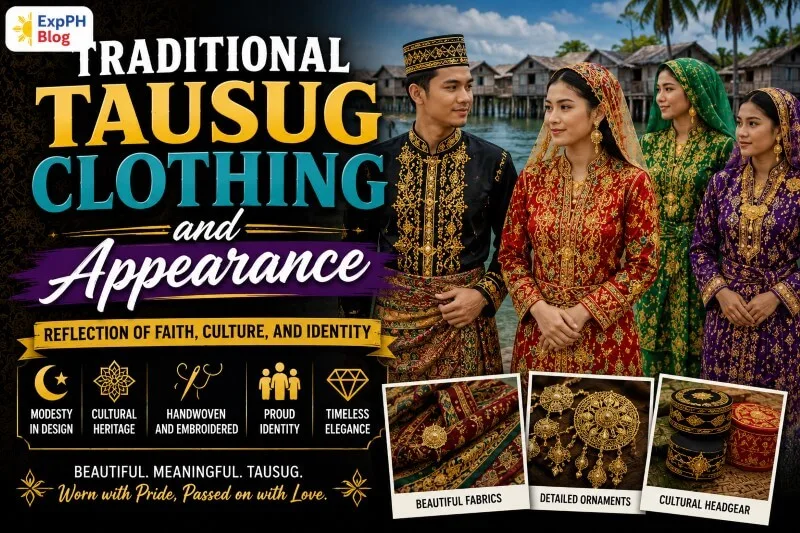
3. Traditional Tausug Clothing and Appearance
Traditional clothing remains one of the most recognizable parts of Tausug identity and cultural heritage. Although modern fashion is widely used today, many Tausug families continue wearing traditional attire during weddings, religious celebrations, cultural festivals, and important gatherings. These garments reflect pride, modesty, and strong respect for tradition.
Men’s Traditional Clothing
Traditional Tausug men’s clothing is designed for comfort and practicality in the tropical climate of the southern Philippines. Loose garments allow ease of movement while maintaining modesty and cultural identity. Some traditional styles also reflect the influence of Tausug warriors and historical leaders from earlier generations.
Common traditional clothing for Tausug men includes:
- Long-sleeved shirts
- Loose trousers
- Head coverings or turbans
- Decorative belts or accessories
These garments are still worn during religious occasions, weddings, cultural presentations, and traditional ceremonies. Many designs feature detailed patterns and local craftsmanship that represent Tausug artistry. Older generations continue encouraging younger family members to appreciate and preserve these traditional styles as part of their cultural identity.
Women’s Traditional Clothing
Tausug women are known for wearing colorful and elegant traditional attire that highlights modesty and cultural beauty. Traditional clothing often combines layered fabrics, decorative details, and carefully crafted accessories. Many outfits are worn during celebrations, family gatherings, religious events, and cultural performances within the community.
Common traditional clothing and accessories for Tausug women include:
- Long dresses
- Layered fabrics
- Decorative jewelry
- Traditional headscarves
Traditional attire often reflects local craftsmanship and artistic design passed down through generations. Many families continue preserving these clothing traditions as symbols of cultural pride and identity. Even younger Tausug women today sometimes wear traditional garments during special events to honor their heritage and community traditions.
Symbolism of Clothing
Traditional clothing in Tausug culture carries meanings that go beyond appearance and fashion. Specific garments, colors, and accessories may represent family background, religious beliefs, social status, or important life events. Clothing also reflects respect for cultural traditions and the values that continue shaping Tausug community identity today.
Traditional Tausug clothing may symbolize:
- Social status
- Religious values
- Family identity
- Celebration or mourning
- Respect for tradition
Many Tausug families continue preserving traditional attire despite changing fashion trends and modern influences. Cultural organizations, schools, and community events also help promote awareness of traditional clothing among younger generations. These efforts support the preservation of Tausug heritage while encouraging pride in local culture and identity.
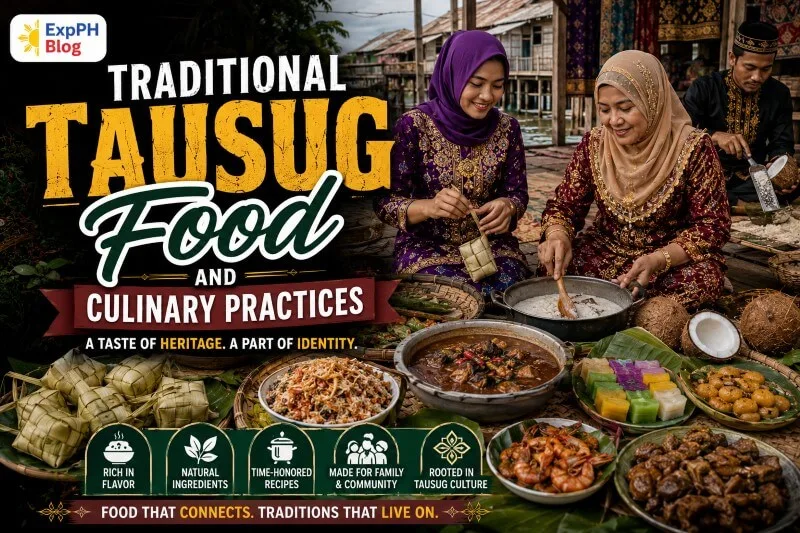
4. Traditional Tausug Food and Culinary Practices
Food plays an important role in the Traditional Tausug lifestyle and reflects the community’s rich cultural heritage. Tausug cuisine combines local ingredients, Islamic dietary traditions, and regional influences from nearby Southeast Asian cultures. Meals are often shared during gatherings, celebrations, religious occasions, and important family activities within the community.
Popular Tausug Dishes
Traditional Tausug cuisine includes flavorful dishes that are widely recognized across Mindanao and the Sulu Archipelago. Many recipes have been passed down through generations and continue to hold cultural importance during family gatherings, religious celebrations, and community events. These dishes also reflect Tausug creativity and local culinary traditions.
Some well-known Tausug dishes include:
- Tiyula Itum
- Piyanggang
- Satti
- Daral
- Bangbang Sug
Tiyula Itum
- Tiyula Itum is one of the most famous dishes in Tausug cuisine. This black soup dish is usually prepared using beef or goat meat mixed with burnt coconut spices. Its dark broth and rich flavor make it highly recognizable and widely appreciated in Tausug households and cultural celebrations.
Piyanggang
- Piyanggang is a traditional grilled chicken dish seasoned with coconut and local spices. The blackened appearance comes from charred coconut meat that gives the dish its distinct flavor and color. It is commonly served during gatherings and remains a favorite among many Tausug families and communities.
Satti
- Satti is a popular Tausug dish made with grilled meat skewers served alongside spicy sauce and rice. It is commonly enjoyed during breakfast but is also served during gatherings and social occasions. The combination of smoky grilled meat and flavorful sauce makes it a well-loved traditional meal.
Daral and Bangbang Sug
- Traditional Tausug desserts and snacks also hold cultural importance within the community. Daral is a rolled sweet delicacy often served during celebrations, while Bangbang Sug is a traditional banana-based snack. These foods are commonly prepared for guests, family gatherings, and important cultural or religious occasions.
Halal Food Practices
Islamic dietary practices strongly influence Tausug cooking traditions and food preparation methods. Pork and alcohol are generally avoided while halal preparation standards are carefully observed within the community. These practices reflect religious teachings and help preserve cultural identity through responsible and respectful food preparation.
For general guidance on halal principles and Islamic dietary standards, readers may refer to the National Commission on Muslim Filipinos.
5. Traditional Tausug Homes and Living Environment
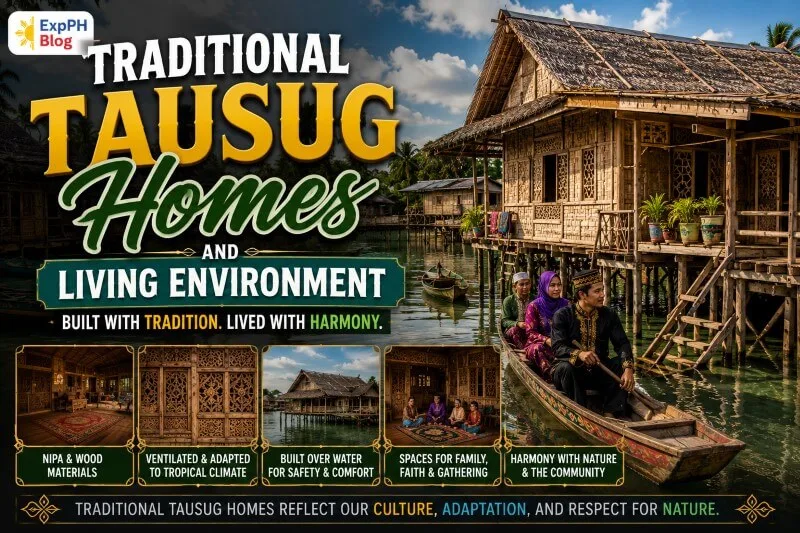
Traditional Tausug homes were historically designed to match the coastal and island conditions of the Sulu Archipelago. Local communities built houses using practical materials and layouts suited for tropical weather, strong sea winds, and changing tides. These homes also reflected the importance of family cooperation and community-centered living.
Stilt Houses Near Coastal Areas
Many traditional Tausug houses were built on stilts near coastal villages and fishing communities. Elevated structures helped protect homes from flooding, seawater, and shifting tides during bad weather conditions. This housing style also improved airflow inside the home, making daily living more comfortable in tropical environments.
Traditional Tausug homes commonly used materials that were locally available and suitable for island life. Builders often relied on natural resources that could withstand heat and humid conditions while remaining practical for everyday use and maintenance within coastal communities.
Common construction materials included:
- Wood
- Bamboo
- Nipa leaves
- Palm materials
- Rattan bindings
These traditional materials helped create lightweight but durable homes that blended well with the surrounding environment. Many rural communities still preserve elements of these architectural styles today. Traditional house designs continue to represent Tausug creativity, adaptability, and strong connections to coastal living and local cultural practices.
Community-Based Neighborhoods
Tausug communities often developed around extended family groups living close to one another. Relatives commonly shared responsibilities, resources, and daily activities that strengthened cooperation within the neighborhood. This close family arrangement helped maintain strong relationships and encouraged mutual assistance during important community events and difficult situations.
Shared spaces within the community played an important role in preserving social unity and cultural traditions. Families gathered for celebrations, religious activities, discussions, and important occasions that brought neighbors together. These community-centered environments helped strengthen relationships while promoting respect, cooperation, and collective responsibility among residents.
6. Marriage Traditions in Tausug Culture
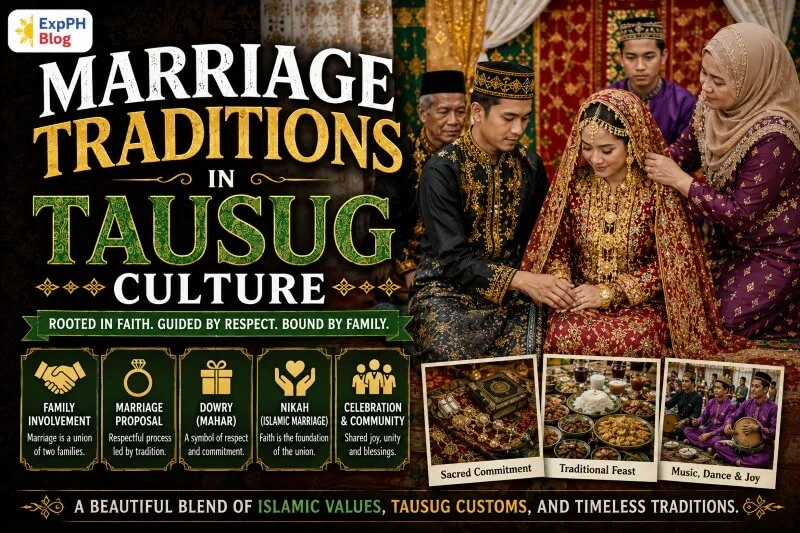
Marriage is considered one of the most respected institutions within the Traditional Tausug lifestyle. It represents not only a personal commitment between two individuals but also a meaningful relationship between families. Tausug marriage traditions reflect strong Islamic values, family cooperation, respect, responsibility, and long-standing cultural practices passed through generations.
Courtship and Family Involvement
Family involvement traditionally plays an important role in Tausug courtship and marriage arrangements. Parents, elders, and close relatives often participate in discussions regarding compatibility, family reputation, and long-term responsibilities. These conversations help ensure that marriage decisions are guided by respect, wisdom, and shared cultural values within the community.
Respectful behavior and proper communication are highly valued during the courtship process. Couples are generally expected to maintain modest interactions while showing courtesy toward each other’s families. Good character, responsibility, and religious commitment are often considered important qualities when preparing for marriage within traditional Tausug society.
Wedding Ceremonies
Traditional Tausug weddings are often vibrant celebrations that combine Islamic customs with local cultural traditions. Ceremonies usually involve family participation, community gatherings, and festive activities that strengthen relationships among relatives, friends, and neighbors. Weddings also serve as important occasions for honoring both family heritage and religious values.
Traditional Tausug weddings may include:
- Islamic marriage rites
- Family feasts
- Traditional music and dance
- Cultural clothing
- Community celebrations
These gatherings are often large social events attended by extended relatives and community members. Weddings help strengthen social bonds while promoting unity and cooperation between families. Many Tausug communities continue preserving these traditions today even while adapting certain practices to modern lifestyles and changing social environments.
Importance of Marriage in Tausug Society
Marriage in Tausug culture is viewed as more than a union between two individuals. It also represents a lasting connection between families and communities. Mutual respect, responsibility, trust, and religious commitment remain important foundations of married life and continue shaping family relationships across generations within Tausug society.
7. Tausug Music, Dance, and Cultural Expression
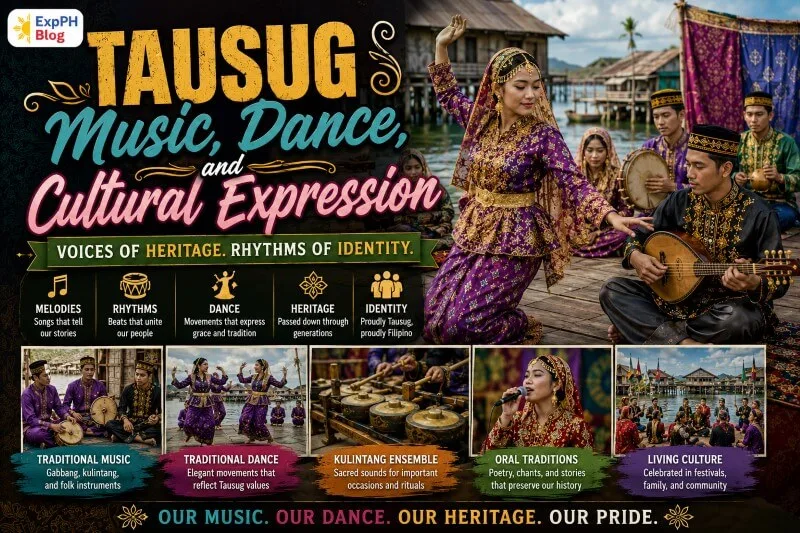
Artistic traditions continue to play an important role in preserving Tausug identity and cultural heritage. Music, dance, and traditional performances remain valuable forms of expression within the community. These traditions are commonly presented during celebrations, religious gatherings, weddings, and cultural festivals across Sulu and other parts of Mindanao.
Traditional Music
Traditional Tausug music often features drums, gongs, and string instruments performed during ceremonies and community gatherings. Musical performances help preserve local stories, emotions, and cultural values that have been passed down through generations. Many traditional songs continue to hold meaning within family celebrations and important social occasions.
Traditional Tausug songs may express themes such as:
- Love
- Heroism
- Faith
- Family
- Cultural pride
Music remains an important part of community life and cultural identity among Tausug families. Traditional performances often encourage unity while strengthening appreciation for local heritage. Many musicians and cultural groups continue teaching younger generations about traditional instruments, songs, and performance styles to help preserve Tausug artistic traditions.
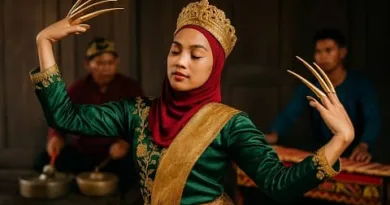
Pangalay Dance
One of the most recognized traditional dances in Tausug culture is the Pangalay dance. It is known for graceful hand movements, controlled body posture, and elegant motions inspired by natural beauty and traditional artistry. Performers often wear colorful cultural clothing that highlights the beauty of the presentation.
The Pangalay dance reflects discipline, beauty, and artistic expression within Tausug culture. Skilled performers spend years practicing careful movements and posture control to master the dance. Today, Pangalay continues to be performed during weddings, cultural programs, festivals, and educational events that promote Tausug heritage and traditions.
Preservation Through Festivals
Cultural festivals in Mindanao and Sulu continue helping preserve Tausug traditions and artistic practices. These events commonly feature traditional music, dance performances, clothing exhibits, handicrafts, and local cuisine. Festivals also create opportunities for communities to celebrate cultural identity while sharing traditions with visitors and younger generations.
These cultural gatherings help younger Tausug generations appreciate and preserve their heritage in modern society. Schools, local organizations, and cultural advocates often participate in promoting traditional arts and performances. Continued support for festivals and cultural education helps protect Tausug identity and encourages pride in local history and traditions.
8. Traditional Tausug Livelihood and Economic Practices
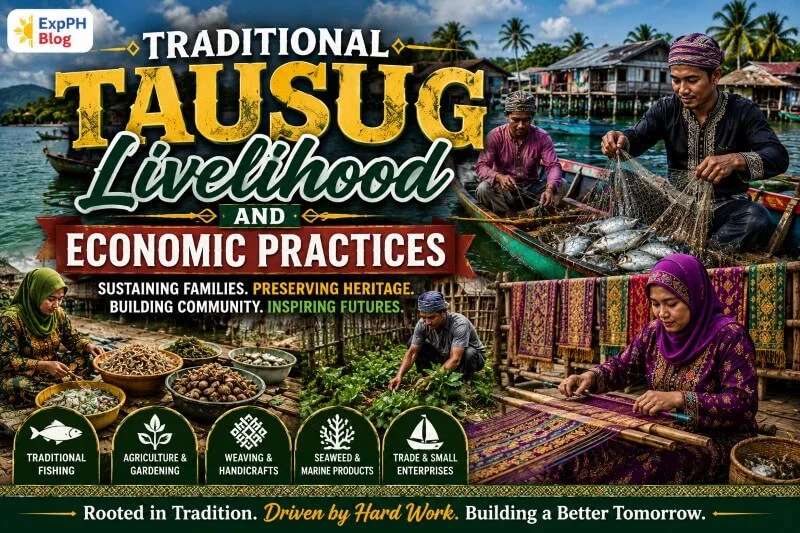
Historically, the Tausug people depended on livelihoods closely connected to the sea, trade, and local resources. Economic activities were often shaped by the coastal environment and the strategic location of the Sulu Archipelago. These traditional practices helped communities survive while supporting strong family and social connections across generations.
Fishing and Maritime Skills
Fishing has long been one of the most important livelihoods within Tausug coastal communities. Families relied on the sea for food, trade, and daily survival. Traditional knowledge about tides, weather conditions, and navigation techniques was carefully passed down from older generations to younger family members over many years.
The Tausug people were historically recognized as skilled sailors, fishermen, and traders throughout the region. Their maritime abilities allowed them to travel between islands and build trade connections with neighboring communities. These skills also played an important role in strengthening economic activity within the Sulu Archipelago and nearby areas.
Farming and Agriculture
Aside from fishing, inland Tausug communities also practiced farming and agriculture suited to the local climate and environment. Families cultivated crops that could grow well in tropical conditions while supporting daily food needs and small-scale trade activities within nearby communities and local markets.
Common agricultural products included:
- Coconut
- Cassava
- Rice
- Fruits
- Root crops
Agriculture helped provide food security and additional income for many Tausug families. Farming activities often involved cooperation among relatives and neighbors during planting and harvesting seasons. These shared responsibilities strengthened community relationships while preserving traditional agricultural knowledge passed down through generations.
Trading and Entrepreneurship
Trade played a major role in Tausug history because of the strategic location of the Sulu Archipelago along important regional trade routes. Tausug traders exchanged goods with neighboring communities and nearby Southeast Asian regions, helping strengthen economic connections and cultural exchanges across the southern Philippines and surrounding areas.
Today, many Tausug families continue their entrepreneurial traditions through different forms of business and employment. Modern economic opportunities allow families to support relatives while adapting to changing industries and technologies in both local and international environments.
Many Tausug families now engage in:
- Local markets
- Small businesses
- Overseas employment
- Online selling
- Family-owned enterprises
These modern livelihood activities continue reflecting the Tausug values of hard work, resilience, and family responsibility. Many overseas workers and business owners still maintain strong ties to their communities while helping support relatives through education, housing, and daily living expenses.
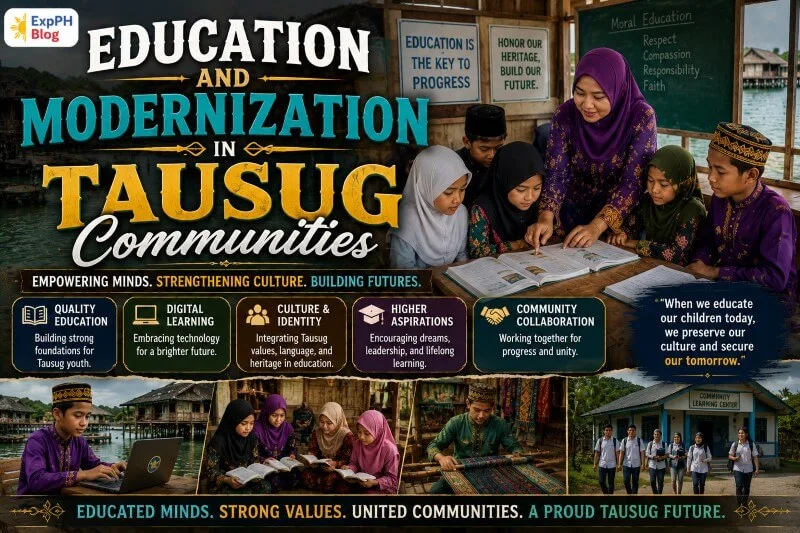
9. Education and Modernization in Tausug Communities
Modern education has become increasingly important among Tausug families and communities. Many parents view education as a path toward better opportunities, stable careers, and improved living conditions. At the same time, families continue encouraging younger generations to preserve cultural traditions, religious values, and strong community connections.
Balancing Tradition and Education
Many Tausug parents encourage children to pursue formal education while continuing to respect Islamic teachings and traditional customs. Families often emphasize discipline, respect for elders, and religious responsibility alongside academic achievement. This balance helps students adapt to modern society without losing important parts of their cultural identity.
Education has opened opportunities for Tausug youth in fields such as business, healthcare, government, technology, and overseas employment. Many students now pursue higher education in different parts of the Philippines and abroad. Despite modernization, many families still encourage strong connections to local traditions and community values.
Technology and Social Media Influence
Technology and social media now play an important role in preserving Tausug culture and maintaining communication between families. Younger generations often use digital platforms to share traditions, cultural practices, and educational content that help promote awareness of Tausug identity in modern online spaces.
Tausug youth commonly use digital platforms to:
- Share cultural content
- Promote local traditions
- Teach language and customs
- Connect with overseas relatives
Modern communication tools help maintain strong family and community relationships despite geographical distance. Video calls, messaging applications, and social media platforms allow relatives to stay connected across different countries. These technologies also support cultural preservation by helping younger generations learn about Tausug traditions, language, and heritage online.
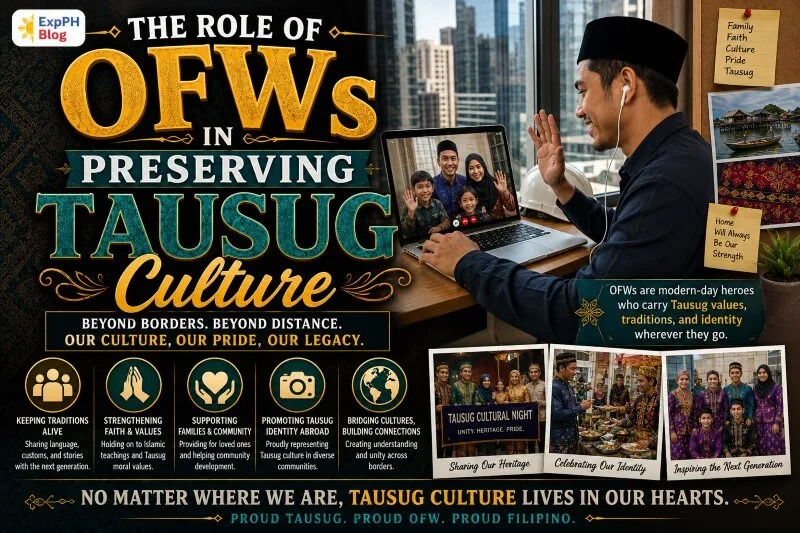
10. The Role of OFWs in Preserving Tausug Culture
Many Tausug individuals work overseas to provide financial support for their families and communities. OFWs from Sulu and nearby provinces often bring their traditions, values, and religious practices with them abroad. Despite living in different countries, many continue preserving important parts of the Traditional Tausug lifestyle within their households.
Maintaining Cultural Identity Overseas
Even while living abroad, many Tausug OFWs continue practicing traditions that reflect their cultural and religious identity. Families often make efforts to preserve customs, language, and Islamic practices while adjusting to life in foreign countries and multicultural communities.
Many Tausug OFWs continue maintaining:
- Islamic practices
- Family traditions
- Native language
- Cultural celebrations
- Traditional food preparation
Family communication remains an important priority for many overseas workers and their relatives back home. Video calls, online messaging, and social media platforms help families stay connected despite long distances. These regular interactions strengthen emotional bonds while helping preserve cultural values and family relationships across generations.
Financial Support and Family Responsibility
Supporting relatives is strongly connected to Tausug values of responsibility, sacrifice, and family loyalty. Many OFWs work abroad to provide better opportunities for parents, children, siblings, and extended relatives. Financial assistance from overseas workers often plays a major role in improving the quality of life for their families.
Many Tausug OFWs commonly help support:
- Education
- Home construction
- Medical expenses
- Community projects
- Religious activities
These financial contributions often improve living conditions and create better opportunities for family members in the Philippines. Some overseas workers also help fund local religious programs and community activities within their hometowns. Their sacrifices continue reflecting the Tausug tradition of prioritizing family welfare and collective responsibility.
Cultural Pride Among Younger Generations
Second-generation Tausug families living abroad are increasingly encouraged to learn about their cultural background and family heritage. Parents and elders often teach children about traditions, values, and religious practices to help maintain strong cultural connections even while growing up outside the Philippines.
Younger generations are often encouraged to learn about:
- Tausug language
- Traditional customs
- Islamic teachings
- Family history
These efforts help preserve Tausug identity among families living overseas. Cultural education also encourages pride in heritage while strengthening family relationships across generations. Many parents believe that understanding traditional values helps younger family members remain connected to their roots despite living in modern international environments.
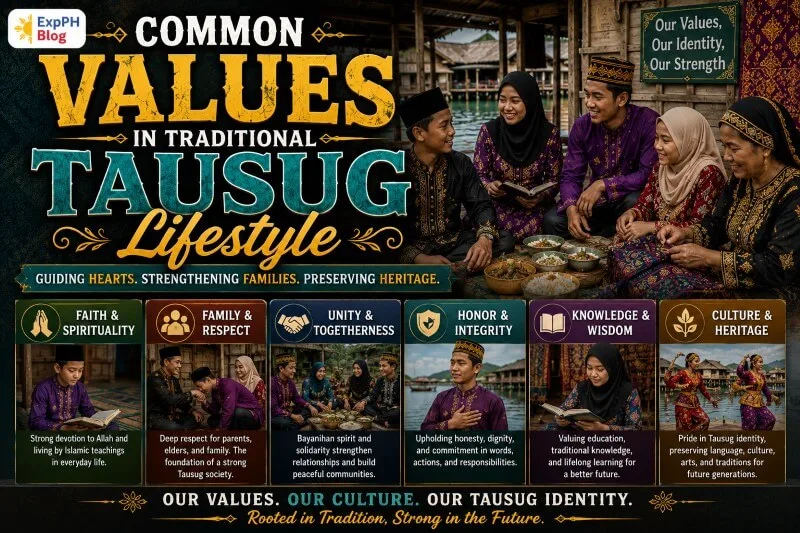
11. Common Values in Traditional Tausug Lifestyle
Several important values continue shaping Tausug culture across generations and remain deeply connected to daily life, family relationships, and community traditions. These principles guide social behavior, strengthen community unity, and help preserve the cultural identity of Tausug families both in the Philippines and in overseas communities around the world.
Honor and Respect
Personal and family honor hold great importance within Tausug society and strongly influence social behavior. Individuals are expected to show respect through proper conduct, responsible actions, and courteous communication. Respectful behavior reflects positively on both the individual and the family while helping maintain trust and strong community relationships.
Courage and Resilience
Historically, Tausug communities experienced conflict, colonization, economic hardship, and social challenges throughout different periods of history. These experiences contributed to a strong reputation for courage, resilience, and determination. Many Tausug families continue demonstrating perseverance while adapting to modern life and protecting their cultural traditions and identity.
Loyalty to Family
Family loyalty remains one of the strongest values within the Traditional Tausug lifestyle. Relatives often support one another emotionally, financially, and socially during both good times and difficult situations. Strong family connections encourage cooperation, shared responsibility, and mutual assistance that continue strengthening relationships across multiple generations within the community.
Faith and Discipline
Religious commitment continues guiding moral behavior, daily routines, and personal responsibilities within Tausug communities. Islamic teachings encourage discipline, humility, respect, and responsible decision-making in everyday life. Many families continue teaching these values to younger generations to help preserve strong moral character and maintain cultural and religious traditions.
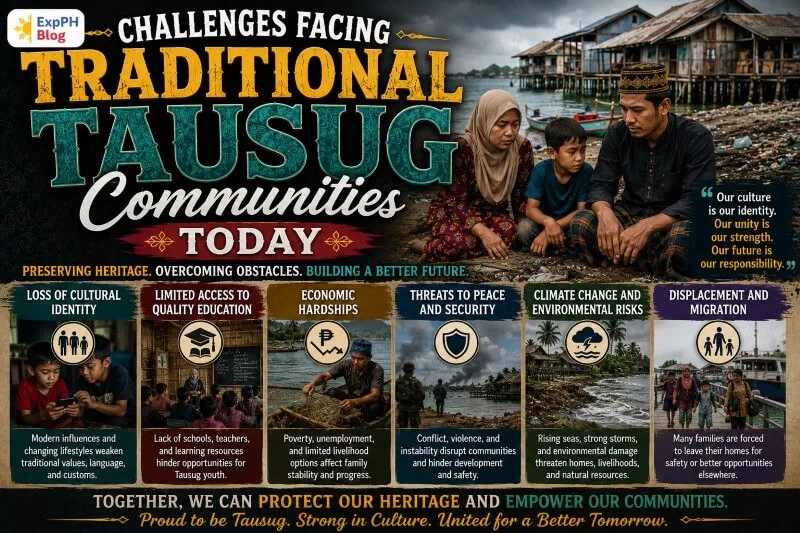
12. Challenges Facing Traditional Tausug Communities Today
Like many indigenous and cultural communities, Tausug society continues facing modern challenges that affect traditions, livelihoods, and social connections. Rapid modernization, economic pressures, and changing lifestyles have created difficulties for families trying to preserve cultural identity while adapting to new opportunities and responsibilities in contemporary society.
Cultural Preservation
Globalization and modernization can reduce interest in traditional customs among younger generations growing up in highly digital and modern environments. Some families worry that cultural knowledge may slowly disappear if traditional practices, language, and values are no longer regularly taught or actively practiced within households and local communities.
Some elders worry that:
- Traditional language use may decline
- Cultural practices could be forgotten
- Modern lifestyles may weaken community bonds
Despite these concerns, many families and cultural organizations continue promoting Tausug traditions through education, festivals, community programs, and online platforms. Younger generations are also becoming more involved in cultural preservation efforts by sharing traditional stories, language lessons, and local history through social media and digital content.
Economic Difficulties
Certain areas in Sulu and nearby provinces continue experiencing poverty, unemployment, and limited economic opportunities. Many families face challenges related to education, healthcare, transportation, and stable income sources. These economic difficulties often affect younger generations who are searching for better opportunities and improved living conditions.
Limited job opportunities frequently encourage migration to larger cities or overseas employment. Many Tausug individuals work outside their hometowns to support their families financially and improve future opportunities for their children. While migration can provide economic benefits, long periods of separation may also affect family relationships and community connections.
Misunderstanding and Stereotypes
Muslim communities in Mindanao sometimes experience unfair stereotypes and misunderstanding from outsiders who lack knowledge about their history and culture. Negative assumptions can affect social relationships and create barriers to cultural understanding. These challenges highlight the importance of accurate education and respectful representation of Muslim Filipino communities.
Cultural education and responsible storytelling play an important role in promoting understanding, respect, and appreciation for Tausug heritage. Schools, media platforms, cultural advocates, and local communities can help reduce harmful stereotypes by sharing accurate information about Tausug traditions, history, values, and contributions to Philippine society.
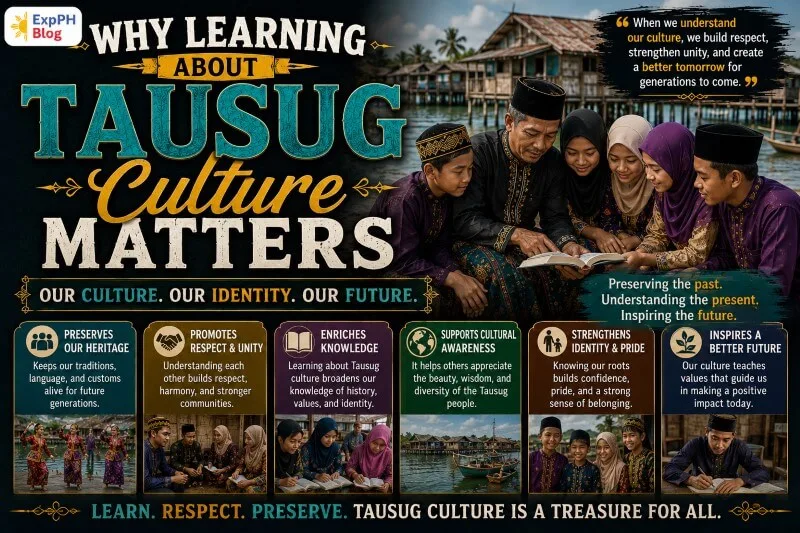
13. Why Learning About Tausug Culture Matters
Understanding the Traditional Tausug lifestyle helps strengthen appreciation for the rich diversity of Filipino identity and cultural heritage. Learning about Tausug traditions also encourages greater awareness of the history, beliefs, and values that continue shaping Muslim Filipino communities across the southern Philippines and other parts of the world.
The Philippines is home to many cultures, languages, and belief systems that contribute to the country’s national identity. Learning about Muslim Filipino communities encourages deeper understanding while helping people recognize the importance of respecting cultural differences and preserving local traditions across different regions and generations.
Learning about Tausug culture can encourage:
- Respect
- Cultural understanding
- National unity
- Historical awareness
- Preservation of heritage
For travelers, students, OFWs, researchers, and younger Filipinos, cultural education helps create stronger appreciation for communities with different traditions and beliefs. Understanding Tausug culture also encourages responsible tourism, respectful communication, and better relationships between people from different cultural and religious backgrounds throughout the Philippines.
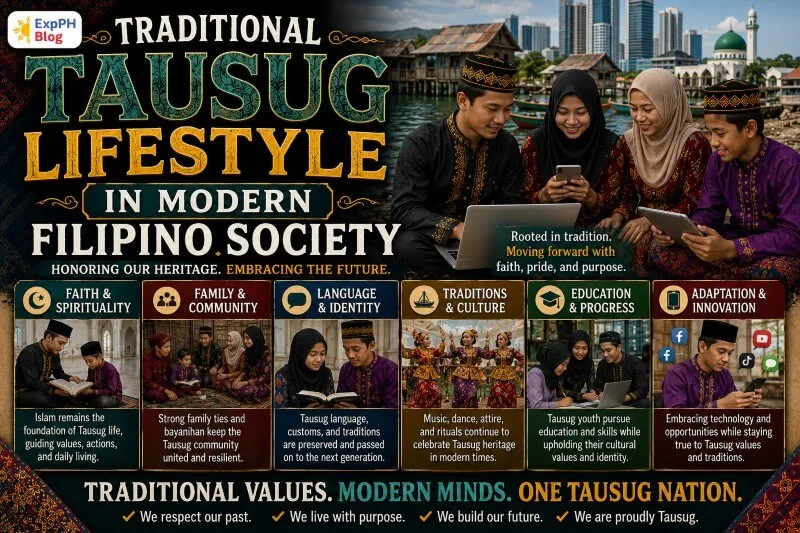
14. Traditional Tausug Lifestyle in Modern Filipino Society
Despite modernization and changing lifestyles, many Tausug traditions continue to remain active within families and communities. Cultural practices are still preserved through important gatherings, religious activities, and social events that strengthen identity and maintain connections between younger generations and their cultural heritage.
Many Tausug traditions continue to remain visible through:
- Family gatherings
- Weddings
- Religious celebrations
- Traditional cuisine
- Language use
- Cultural festivals
These traditions continue helping families preserve cultural identity while adapting to modern Filipino society. Community events, celebrations, and religious activities also provide opportunities for younger generations to learn more about their heritage. Many families still encourage children to respect traditional customs while pursuing education and modern careers.
Younger Tausug generations continue finding ways to balance traditional values with modern opportunities and professional goals. Many pursue higher education and careers in different industries while still maintaining strong cultural and religious connections within their families and communities both in the Philippines and abroad.
Some Tausug individuals pursue careers in:
- Education
- Government
- Business
- Healthcare
- Overseas employment
- Technology
Even while working in modern industries or living outside their hometowns, many Tausug individuals continue maintaining strong cultural ties to their roots. Family traditions, religious practices, language, and community relationships remain important parts of daily life that help preserve Tausug identity across generations.
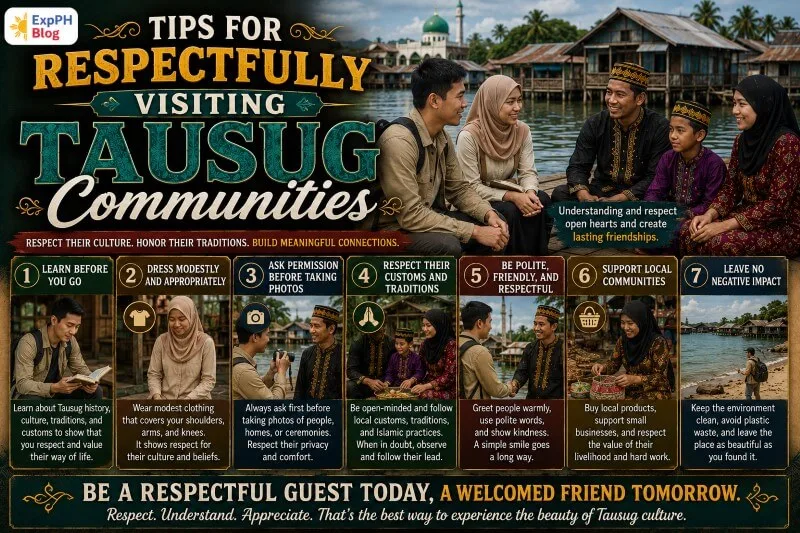
15. Tips for Respectfully Visiting Tausug Communities
Visitors interested in learning about Tausug culture should approach communities with respect, understanding, and cultural sensitivity. Practicing proper behavior helps create positive interactions while showing appreciation for local traditions and religious values. Respectful conduct also encourages stronger relationships between visitors and members of the Tausug community.
Dress Modestly
Because Islamic values play an important role in Tausug society, modest clothing is generally appreciated within many communities. Visitors are encouraged to wear respectful attire, especially during religious events and community gatherings. Dressing appropriately shows cultural awareness and helps create a more comfortable environment for local residents.
Respect Religious Practices
Religious practices remain an important part of daily life within many Tausug communities. Visitors should remain mindful during prayer times, religious gatherings, and Islamic celebrations. Showing patience, observing proper behavior, and respecting sacred spaces demonstrate courtesy while helping promote positive interactions with local families and community members.
Ask Permission Before Taking Photos
Some individuals and families may prefer privacy during ceremonies, religious gatherings, or personal activities. Visitors should politely ask permission before taking photographs of people, homes, or community events. Respecting personal boundaries helps avoid misunderstandings while showing consideration for cultural practices and individual preferences within the community.
Learn Basic Cultural Etiquette
Learning simple cultural etiquette can help visitors communicate more respectfully with Tausug families and community members. Polite greetings, respectful gestures, and proper behavior during social interactions often create positive experiences for both visitors and local residents. Cultural awareness also encourages mutual understanding and appreciation between different communities.
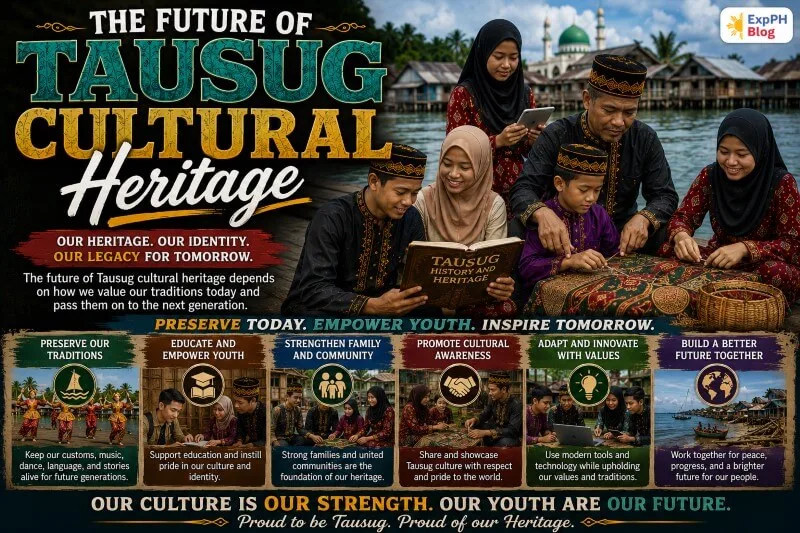
16. The Future of Tausug Cultural Heritage
The future of Tausug cultural heritage depends on both preservation and adaptation within modern society. Communities continue finding ways to protect traditional values while adjusting to changing lifestyles, technology, and educational opportunities. These combined efforts help ensure that Tausug identity and traditions remain meaningful for future generations.
Educational programs, cultural organizations, community leaders, and families all play important roles in preserving Tausug traditions and historical knowledge. Schools and local groups often organize cultural activities, language programs, and heritage events that encourage younger generations to appreciate and understand their cultural roots and community identity.
Modern technology now provides additional ways to preserve and share cultural knowledge with wider audiences. Digital platforms allow communities to document traditions, promote local history, and connect younger generations with valuable educational resources related to Tausug culture and heritage.
Modern tools used for cultural preservation include:
- Social media
- Digital archives
- Documentaries
- Online education
As more Filipinos become interested in indigenous and regional cultures, awareness of Tausug history and traditions continues to grow across the country. Increased cultural education and responsible storytelling also help encourage respect, understanding, and appreciation for Muslim Filipino communities and their lasting contributions to Philippine society and heritage.
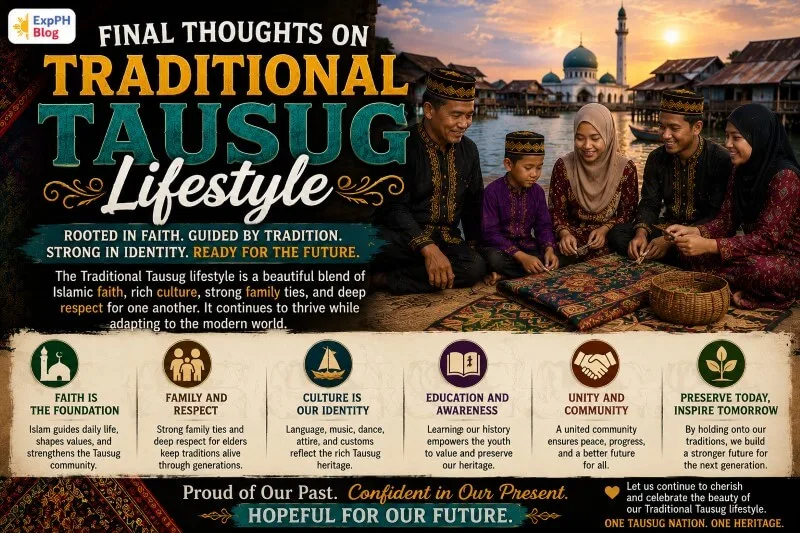
Final Thoughts on Traditional Tausug Lifestyle
The Traditional Tausug lifestyle reflects centuries of faith, resilience, honor, and strong community values that continue shaping daily life today. Family traditions, Islamic practices, music, clothing, food, and social customs remain important parts of Tausug identity. These cultural traditions continue preserving one of the richest and most meaningful heritages within Filipino society and history.
Even in a rapidly changing modern world, many Tausug communities continue protecting their cultural identity through family relationships, education, religious practices, and community celebrations. Whether living in Sulu, other parts of the Philippines, or working overseas as OFWs, Tausug families continue passing important traditions and values to younger generations with pride and responsibility.
Learning about Tausug culture goes beyond simply studying history or observing traditions from the past. It also encourages greater understanding of the diversity, strength, and cultural richness that exist within Filipino communities today. Increased awareness and respect for Tausug heritage can help preserve important traditions while strengthening appreciation for the many cultures that shape the Philippines.
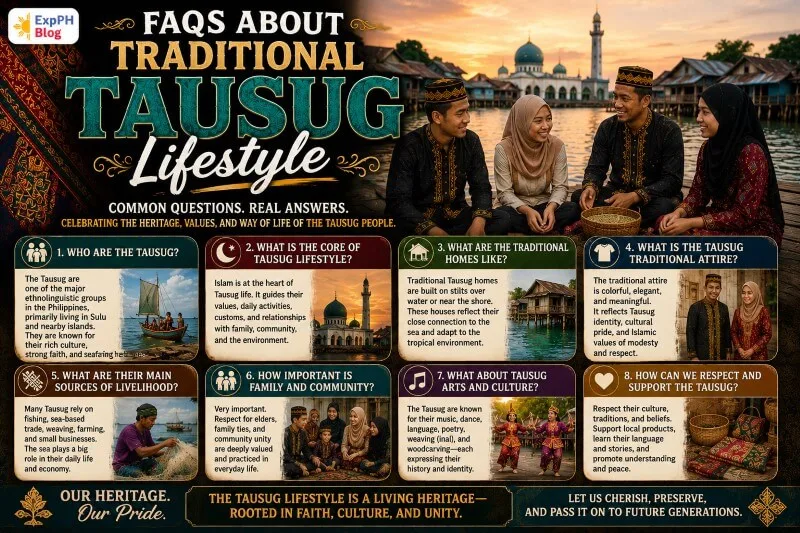
FAQs About Traditional Tausug Lifestyle
What is the Traditional Tausug lifestyle?
The Traditional Tausug lifestyle centers on Islamic values, strong family relationships, cultural traditions, community cooperation, and practices preserved through generations in the southern Philippines.
Where do most Tausug people live?
Most Tausug people live in Sulu, Basilan, Tawi-Tawi, and parts of Zamboanga. Some families also live abroad as overseas Filipino workers today.
What religion do the Tausug people practice?
Most Tausug people practice Sunni Islam. Religious teachings strongly influence family life, traditions, clothing, celebrations, food preparation, and daily responsibilities within communities.
Why is family important in Tausug culture?
Family plays an important role in Tausug culture because relatives support one another emotionally, financially, and socially while preserving traditions, respect, and shared responsibilities.
What are common traditional Tausug foods?
Popular traditional Tausug foods include Tiyula Itum, Piyanggang, Satti, Daral, and Bangbang Sug. These dishes are commonly served during celebrations and gatherings.
What is the Pangalay dance in Tausug culture?
The Pangalay dance is a traditional Tausug performance known for graceful hand movements, elegant posture, and artistic expression presented during celebrations and cultural events.
How do Tausug communities preserve their traditions today?
Tausug communities preserve traditions through family teachings, cultural festivals, religious practices, language use, social media, educational programs, and community-based cultural activities today.
Why do many Tausug individuals work overseas?
Many Tausug individuals work overseas to support their families financially, improve living conditions, fund education, and create better opportunities for future generations.
What values are important in Tausug culture?
Important Tausug values include honor, respect, faith, courage, discipline, resilience, hospitality, and strong loyalty toward family members and the wider community.
Why is learning about Tausug culture important?
Learning about Tausug culture encourages cultural understanding, respect, historical awareness, and appreciation for the diversity and heritage of Filipino Muslim communities today.
Want to see how Tausug families live day by day?
Read A Day in a Traditional Tausug Household and Community Life to explore family routines, community interactions, food traditions, and daily cultural practices in Sulu.
Related Guides
- Daily Life of Fishermen in Sulu
- Learning the Art of Tausug Pis Syabit Making
- Immersive Pangalay Dance Experience with Tausug Performers
- The Spirit of Ramadan Among the Tausug: Faith, Unity, and Tradition
- Visiting a Traditional Weaving Home in Sulu and Watching the Process
- Experiencing Quranic Recitation Learning with Tausug Teachers
- Tausug Brassware Crafting Sessions with Local Artisans
- Learning Silat the Martial Art of the Tausug People
- Traditional Tausug Wedding Practices Explained
- Storytelling Sessions with Local Elders in Sulu
- Experiencing the Tausug Pag duwaa
Traditional Tausug Lifestyle Quiz
Test your knowledge about Tausug culture, traditions, food, family values, and community practices through this quick learning quiz from ExpPH Blog. Challenge yourself and discover more about one of the Philippines’ richest cultural communities.
Results


#1. Where do most Tausug people live?
#2. What religion do most Tausug follow?
#3. Which dance is famous in Tausug culture?
#4. What is Tiyula Itum?
#5. What value is important in Tausug culture?
#6. What do Tausug communities value most?
#7. What structure protects coastal homes?
#8. Why do many Tausug work overseas?
#9. What helps preserve Tausug traditions today?
#10. What food practice follows Islamic teachings?
Thank you for supporting ExpPH Blog and learning more about Filipino cultural heritage with us
We also invite you to share your quiz experience in the comments section. Tell us your score, favorite question, or what you learned about Tausug culture today.

A Filipino web developer with a background in Computer Engineering. Founder of ExpPH Blog and ExpPH Business Guide, creating practical content on OFW guidance, business, finance, freelancing, travel, and lifestyle. Passionate about helping Filipinos grow, he shares insights that educate, empower, and inspire readers nationwide.