
Rice Retail and Distribution Business: A Stable Income Opportunity for OFWs
Many Overseas Filipino Workers (OFWs) dream of building a stable source of income that can support their families long after their contracts abroad end. While working overseas provides financial opportunities, it can also come with uncertainty, homesickness, and long-term sacrifices. Because of this, more OFWs are exploring businesses that can generate steady income in the Philippines while remaining practical, sustainable, and essential to everyday life.
One business that continues to attract attention is the Rice Retail and Distribution Business. Rice is a daily necessity in almost every Filipino household. Regardless of economic conditions, people continue to buy rice regularly, making it one of the most consistent products in the local market.
For OFWs looking for a business with stable demand, manageable operations, and long-term potential, rice retail and distribution can become a practical investment. Whether starting with a small rice store in a barangay or growing into a larger distribution operation serving multiple communities, this business offers flexibility for different budget levels.
In this guide, you will learn how a Rice Retail and Distribution Business works, why it is suitable for OFWs, how to start step by step, estimated capital requirements, common challenges, marketing strategies, and practical tips for building a sustainable operation in the Philippines.
If you are exploring more practical business opportunities for OFWs and aspiring entrepreneurs, you may also read our guide on Top 10 Profitable Agribusiness Philippines Ideas for Beginners and OFWs. It features beginner-friendly agribusiness opportunities that can help Filipinos build stable income, long-term growth, and sustainable businesses in the Philippines.
Table of Contents
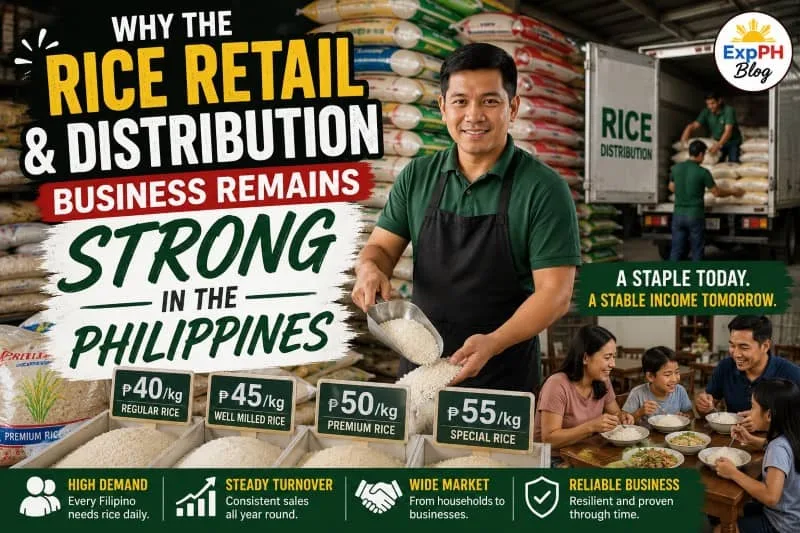
1. Why the Rice Retail and Distribution Business Remains Strong in the Philippines
Rice remains one of the most important food products in the Philippines because it is part of the daily diet of many Filipino families. Most households buy rice regularly, which keeps demand stable throughout the year. Unlike trend-based businesses, rice retail serves a continuous market driven by basic household needs.
Many consumers continue prioritizing food expenses even during difficult financial situations. Because rice is considered a necessity, the Rice Retail and Distribution Business is often viewed as a practical and lower-risk investment. Entrepreneurs appreciate its steady demand, especially in communities where rice is purchased almost every day.
Consistent Everyday Demand
One of the biggest strengths of the Rice Retail and Distribution Business is its reliable customer demand. Rice is consumed daily in most Filipino homes, making it a product with continuous sales potential. Customers regularly buy rice for household meals, small eateries, and food-related businesses throughout the year.
Even smaller communities often have several rice sellers because people prefer buying nearby instead of traveling long distances. This creates a stable opportunity for OFWs who want a business connected to an essential product that local families consistently need for everyday living.
Flexible Business Size
The Rice Retail and Distribution Business is flexible because entrepreneurs can begin with a small setup and gradually expand operations over time. This makes it suitable for OFWs with different budgets, financial goals, and business plans. Many successful rice businesses started with simple and manageable operations.
Some entrepreneurs begin with:
- Small rice stalls
- Mini rice stores
- Home-based rice selling
- Market stall operations
As the business grows, they may expand into:
- Bulk distribution
- Wholesale supply
- Delivery services
- Multi-branch operations
- Partnerships with restaurants and small stores
This flexibility allows OFWs to grow the business based on their available capital, experience, and long-term plans. Instead of investing heavily at the beginning, many entrepreneurs prefer starting gradually while learning how the local rice market works in their chosen area.
Essential Product Category
Food-related businesses often remain more stable than industries focused on luxury or seasonal products. Rice belongs to an essential product category because it is a daily necessity in many Filipino households. Demand usually remains active even during economic uncertainty since families continue prioritizing food expenses above non-essential spending.
According to the official website of the National Food Authority, rice remains one of the country’s most important agricultural commodities because of its role in food security and national consumption. This steady demand is one reason many OFWs consider the Rice Retail and Distribution Business a long-term opportunity.
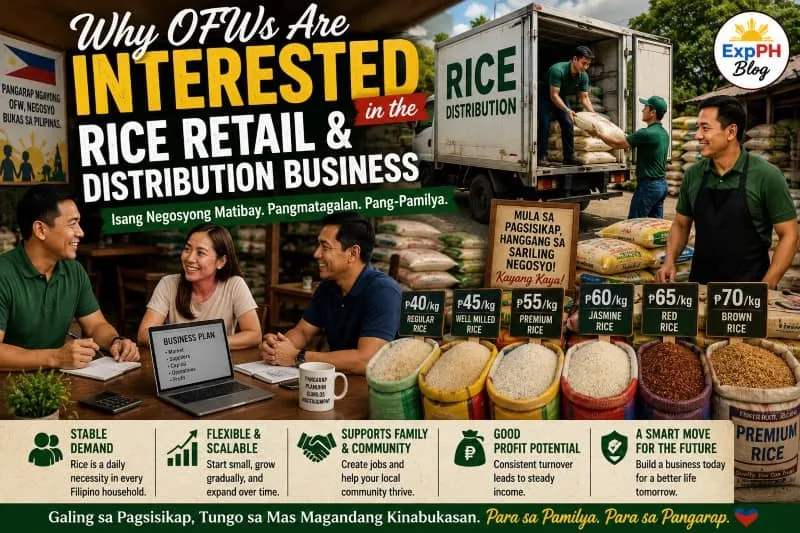
2. Why OFWs Are Interested in the Rice Retail and Distribution Business
Many OFWs look for businesses that can operate in the Philippines while they continue working abroad. The Rice Retail and Distribution Business fits this setup because trusted family members can help manage daily operations. With proper systems and supervision, the business can continue running smoothly even from a distance.
Stable Income Potential
Rice sales happen regularly because rice is a daily necessity in many Filipino households. Unlike businesses that rely on occasional spending, rice retailers often experience repeat purchases from loyal customers. This steady buying pattern helps create more predictable income opportunities for OFWs planning long-term financial stability.
This creates:
- Recurring cash flow
- Repeat customers
- Predictable demand
- Stable inventory movement
These qualities make the Rice Retail and Distribution Business attractive for OFWs who want a practical business with stable market demand. Since rice remains an essential household product, many entrepreneurs see it as a business that can continue generating sales throughout the year.
Family Involvement
Many OFWs prefer businesses that allow family members to participate in daily operations. A Rice Retail and Distribution Business can often be managed with the help of trusted relatives who handle customer transactions, inventory monitoring, and supplier coordination while the OFW continues working overseas.
A spouse, sibling, or parent can help with:
- Daily sales
- Inventory monitoring
- Customer service
- Delivery coordination
- Supplier communication
This setup helps OFWs stay connected to the business even while abroad. Family involvement can also reduce staffing costs and improve operational trust, especially during the early stages of building the business in a local community.
Easy to Understand
Compared to highly technical industries, the Rice Retail and Distribution Business is easier for many beginners to understand. The business focuses on daily consumer demand, inventory management, and supplier coordination. With proper planning and discipline, many OFWs can gradually learn the operations and improve their business knowledge over time.
You mainly need to understand:
- Rice varieties
- Supplier pricing
- Customer demand
- Inventory handling
- Storage practices
- Delivery logistics
Learning these areas can help OFWs build confidence in managing the business. As experience grows, entrepreneurs can improve operations, expand product offerings, and develop better systems that support long-term business stability and consistent customer service.
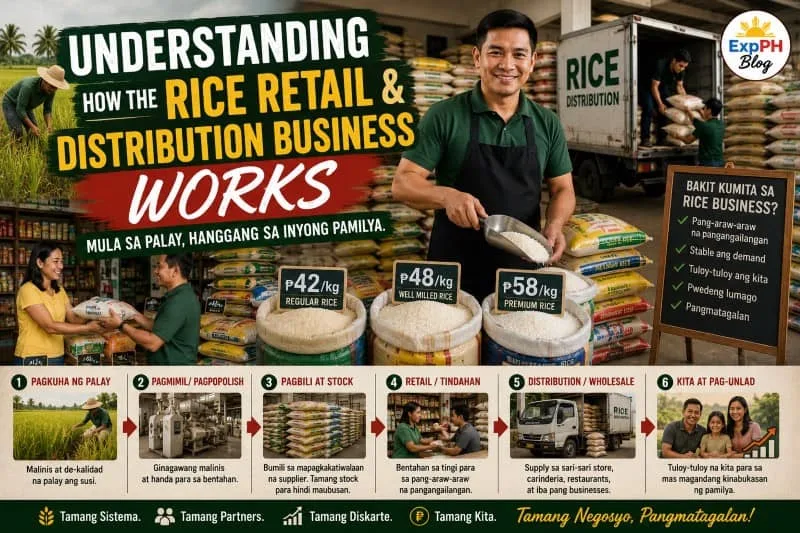
3. Understanding How the Rice Retail and Distribution Business Works
Before starting a Rice Retail and Distribution Business, it is important to understand how the business operates. Knowing the basic structure can help OFWs plan their investment more effectively. The business may focus on direct retail selling, bulk distribution, or a combination of both depending on available capital and goals.
Retail Setup
Retail rice selling focuses on serving individual consumers within a local community. Customers usually buy rice regularly for household consumption, making retail operations suitable for areas with steady residential demand. Small retail setups are common because they require lower starting capital compared to large distribution businesses.
Typical customers include:
- Families
- Workers
- Students
- Neighborhood residents
Retailers usually sell rice by:
- Per kilo
- Per sack
- Different rice varieties
- Budget and premium options
This setup allows entrepreneurs to serve different income groups and customer preferences. Some buyers look for affordable rice for daily meals, while others prefer premium varieties with better grain quality and cooking texture for home or business use.
Distribution Setup
Distribution focuses on supplying rice in larger quantities to businesses and retailers instead of individual consumers. This setup often requires higher capital because distributors purchase inventory in bulk and handle transportation logistics. However, larger sales volume can also create stronger income potential over time.
Distributors may supply:
- Sari-sari stores
- Small retailers
- Carinderias
- Restaurants
- Mini groceries
- Public market vendors
A distribution business usually depends on reliable supplier relationships and efficient delivery systems. Entrepreneurs who manage inventory and logistics properly may build long-term partnerships with regular clients that consistently order rice supplies for their operations.
Hybrid Setup
Some entrepreneurs combine both retail and distribution to maximize business opportunities. This hybrid approach allows them to earn from walk-in customers while also supplying nearby stores and food businesses. Combining multiple income channels can help improve sales stability and expand market reach gradually.
For example:
- A storefront handles walk-in customers
- Delivery operations supply nearby stores
- Bulk buyers receive discounted rates
This setup gives business owners more flexibility because they can serve different customer groups at the same time. Many OFWs prefer this approach once operations become stable since it creates additional opportunities for growth and long-term income expansion.
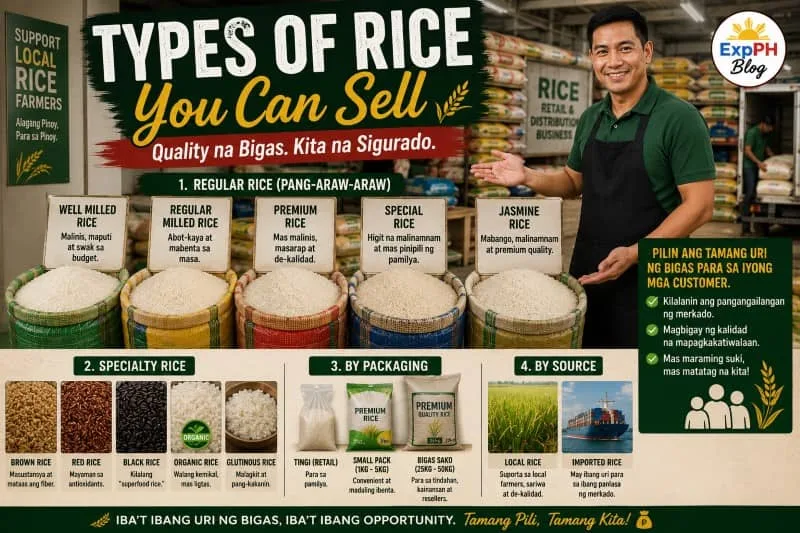
4. Types of Rice You Can Sell in a Rice Retail and Distribution Business
Understanding customer preferences is important when managing a Rice Retail and Distribution Business because different buyers look for rice varieties based on budget, taste, quality, and nutritional value. Offering several rice options can help attract more customers, increase repeat purchases, and improve long-term business opportunities within your local market.
Regular Milled Rice
Regular milled rice is usually one of the most affordable rice categories available in the market. Many budget-conscious households choose this option because it helps lower daily food expenses while still meeting regular meal needs. This variety often generates stable demand in communities where affordability is an important factor for consumers.
Well-Milled Rice
Well-milled rice is popular among middle-income families because of its cleaner appearance, smoother texture, and better cooking quality. Many consumers prefer this rice for daily meals since it offers a balance between affordability and improved eating experience compared to lower-grade rice varieties sold in local markets.
Premium Rice
Premium rice varieties are commonly preferred by households and restaurants looking for higher-quality products with better aroma, grain texture, and presentation. Although these rice types usually cost more, they can also provide better profit margins for retailers serving customers who prioritize quality over lower pricing options.
Special Rice Varieties
Special rice varieties appeal to customers with specific dietary preferences, health goals, or cooking needs. These products can help businesses attract niche markets and expand their product selection beyond traditional rice categories while offering consumers more options based on lifestyle and nutritional preferences.
These may include:
- Brown rice
- Organic rice
- Dinorado rice
- Jasmine rice
- Black rice
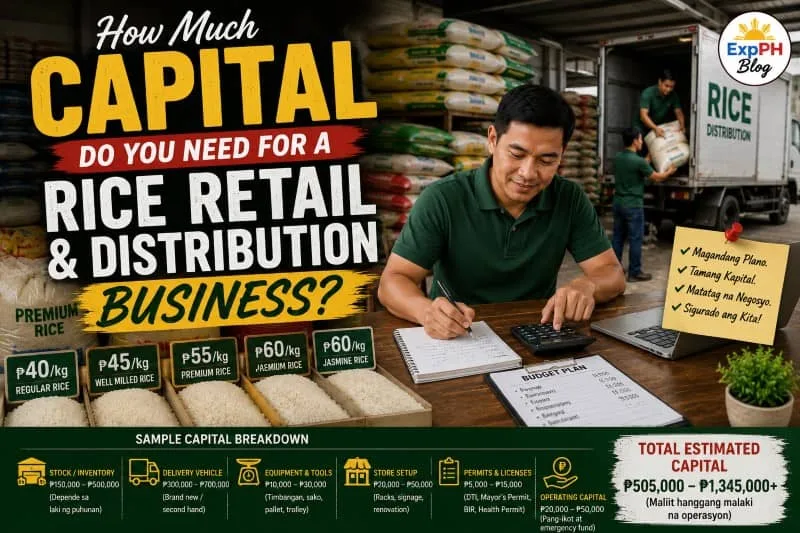
5. How Much Capital Do You Need for a Rice Retail and Distribution Business?
The startup capital for a Rice Retail and Distribution Business depends on the size of the operation, business location, and overall setup. Some OFWs begin with small community-based retail stores, while others invest in larger distribution operations that require higher inventory levels and transportation support.
Small-Scale Rice Retail
Small-scale rice retail is suitable for beginners who want to start with lower capital and manageable operations. This setup often focuses on serving nearby households and local communities while gradually building customer trust and gaining experience in inventory management and daily business operations.
Estimated startup range:
- ₱20,000 to ₱80,000
This may include:
- Initial rice inventory
- Containers
- Weighing scale
- Signage
- Small storage area
Many OFWs prefer this setup because it allows them to test the business without risking large amounts of savings. Starting small can also provide valuable experience before expanding into wholesale supply or larger distribution operations in the future.
Medium-Scale Setup
A medium-scale setup is ideal for entrepreneurs planning to serve larger communities or increase product variety. This type of operation often requires more inventory, additional equipment, and better business systems to handle higher customer demand and more consistent sales activity throughout the year.
Estimated startup range:
- ₱100,000 to ₱300,000
This may include:
- Larger inventory
- Delivery vehicle rental
- Store renovation
- Multiple rice varieties
- Basic staffing
This setup can help entrepreneurs expand their market reach and improve operational efficiency. Many businesses at this level begin offering delivery services and developing supply relationships with small stores, restaurants, and nearby food establishments within their local area.
Distribution Business
A distribution business usually requires higher capital because it focuses on supplying rice in bulk quantities to retailers, restaurants, and commercial buyers. This setup often involves warehousing, transportation, and supplier coordination, which increases operational costs but also creates larger sales opportunities over time.
Estimated startup range:
- ₱300,000 and above
This may involve:
- Bulk inventory purchasing
- Warehousing
- Transportation
- Delivery operations
- Commercial supplier agreements
OFWs should avoid investing all their savings immediately when starting a Rice Retail and Distribution Business. Beginning gradually can reduce financial risk, improve learning opportunities, and help entrepreneurs understand the local market before expanding into larger operations or higher inventory investments.
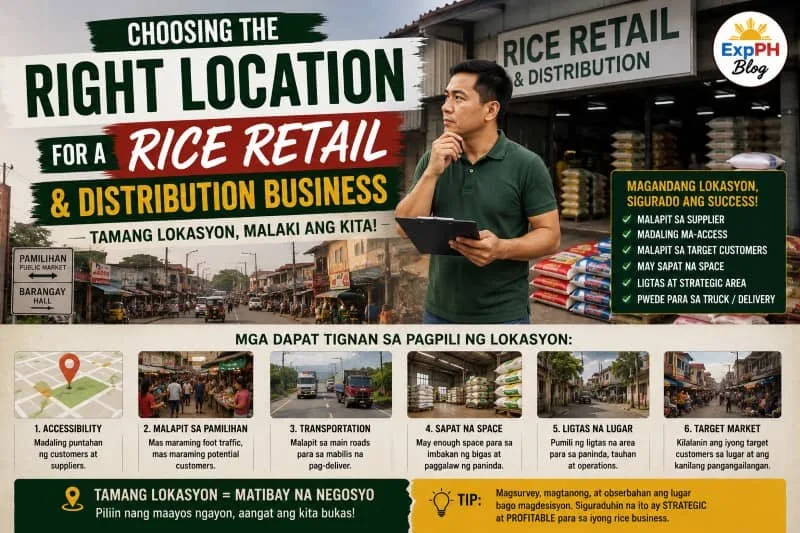
6. Choosing the Right Location for a Rice Retail and Distribution Business
Choosing the right location is important when starting a Rice Retail and Distribution Business because customer access and daily demand can directly affect sales performance. A good location can help attract repeat buyers, improve delivery efficiency, and support long-term business growth within the local community.
Residential Communities
Residential communities often provide steady customer demand because families regularly buy rice for daily household meals. Areas with larger populations usually create more consistent sales opportunities since many residents prefer buying rice from nearby stores instead of traveling longer distances for basic food needs.
Public Markets
Public markets are popular business locations because they attract daily shoppers searching for affordable food products and household essentials. Many consumers already visit markets regularly, making them suitable areas for rice retail businesses that want steady customer traffic and higher visibility among local buyers.
Near Restaurants and Carinderias
Restaurants, carinderias, and small food establishments regularly purchase rice supplies for daily operations. Opening a Rice Retail and Distribution Business near these businesses may create recurring wholesale opportunities and long-term supply relationships that can help generate more stable and predictable sales volume.
Accessibility Matters
Business accessibility can influence customer convenience, delivery operations, and inventory management. A location that is easy to access may improve customer satisfaction and support smoother daily business activities, especially for retailers handling regular deliveries or bulk inventory storage.
Your location should be:
- Easy to reach
- Visible to customers
- Accessible for deliveries
- Safe for inventory storage
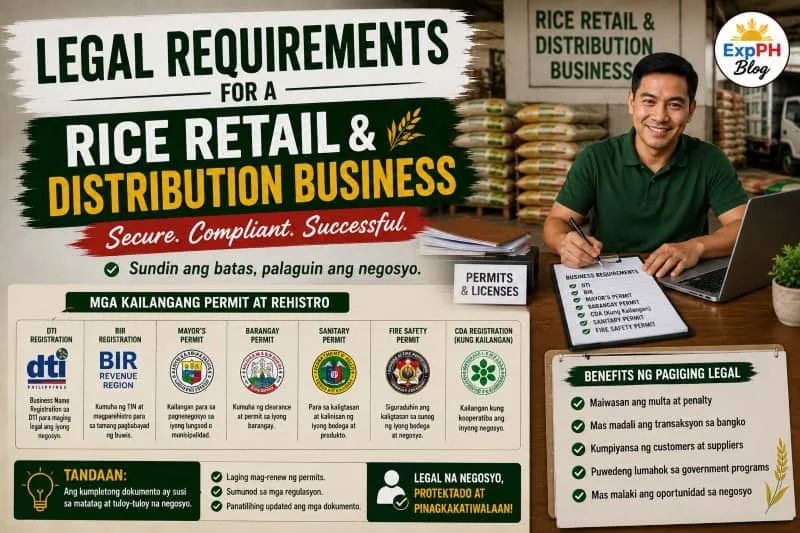
7. Legal Requirements for a Rice Retail and Distribution Business
Before starting a Rice Retail and Distribution Business, it is important to complete the necessary legal registrations and permits. Operating legally helps protect your business, improves credibility, and allows smoother transactions with suppliers, customers, and local government offices within your chosen area.
Common requirements may include:
- Barangay clearance
- Mayor’s permit
- DTI registration
- BIR registration
Business requirements may vary depending on your city or municipality, so it is important to confirm local regulations before operating. You can verify updated business registration guidelines through the official website of the Department of Trade and Industry at https://www.dti.gov.ph/. Completing legal requirements can also help establish stronger trust with customers and suppliers.
8. Finding Reliable Rice Suppliers
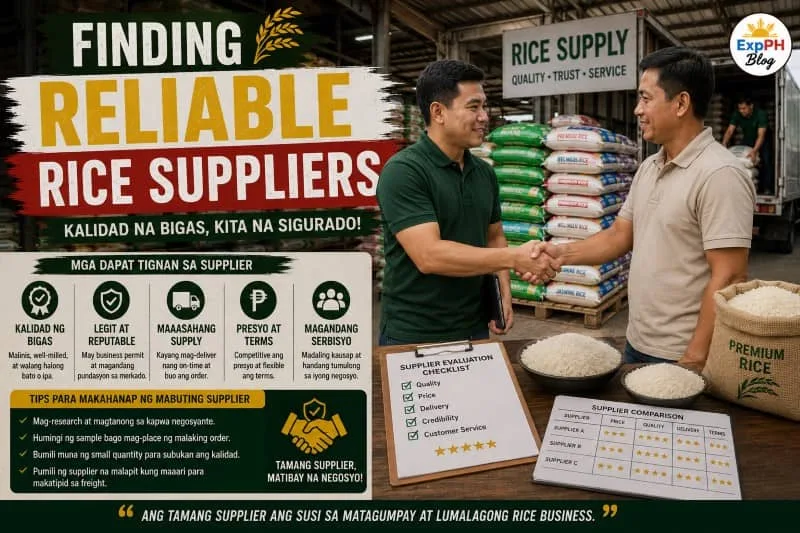
Building strong supplier relationships is one of the most important parts of managing a Rice Retail and Distribution Business. Reliable suppliers can help maintain product quality, improve inventory stability, and support smoother daily operations. A dependable supply chain also helps businesses avoid shortages and maintain customer trust.
A good supplier can help ensure:
- Consistent stock availability
- Competitive pricing
- Better product quality
- Stable business operations
Local Rice Traders
Many entrepreneurs begin by sourcing rice from local traders or wholesalers because these suppliers are easier to access and communicate with. Local sourcing can also simplify transportation and inventory management, especially for small businesses that are still building experience and customer demand within their area.
Advantages include:
- Easier communication
- Faster delivery
- Smaller minimum orders
Local suppliers may also provide more flexible payment arrangements for regular customers. This setup is often helpful for OFWs and beginners who want to start gradually without committing to large inventory purchases during the early stages of the business.
Rice Mills
Buying directly from rice mills may reduce product costs, especially for businesses purchasing larger inventory volumes. Rice mills often provide wholesale pricing and more consistent supply availability, which can improve profit margins and help distributors maintain stable inventory for retail and commercial customers.
This option is usually more suitable for medium-scale retailers and distribution businesses with stronger capital capacity. Entrepreneurs who establish direct relationships with rice mills may also gain access to better pricing, customized supply arrangements, and long-term inventory support.
Agricultural Networks
Some rice distributors build partnerships with farmers and agricultural cooperatives to secure long-term supply arrangements. These relationships may help businesses maintain more stable inventory sources while supporting local agricultural communities that produce rice for regional and national markets throughout the Philippines.
Working directly with agricultural networks may also improve supply reliability during periods of increased demand. Businesses with strong supplier relationships are often better prepared to manage inventory challenges, pricing changes, and long-term expansion opportunities within competitive local markets.
Using Alibaba to Explore Wholesale Supply Options
As a Rice Retail and Distribution Business grows, entrepreneurs may eventually explore bulk sourcing options for packaging materials, storage products, weighing equipment, and other commercial business supplies. Expanding operations often requires more organized systems that improve efficiency, inventory handling, and product presentation for customers.
Some entrepreneurs use Alibaba to compare wholesale suppliers and business equipment that may support business expansion and operational improvements. You can explore supplier categories and sourcing options here: https://www.alibaba.com/
9. Proper Rice Storage and Handling
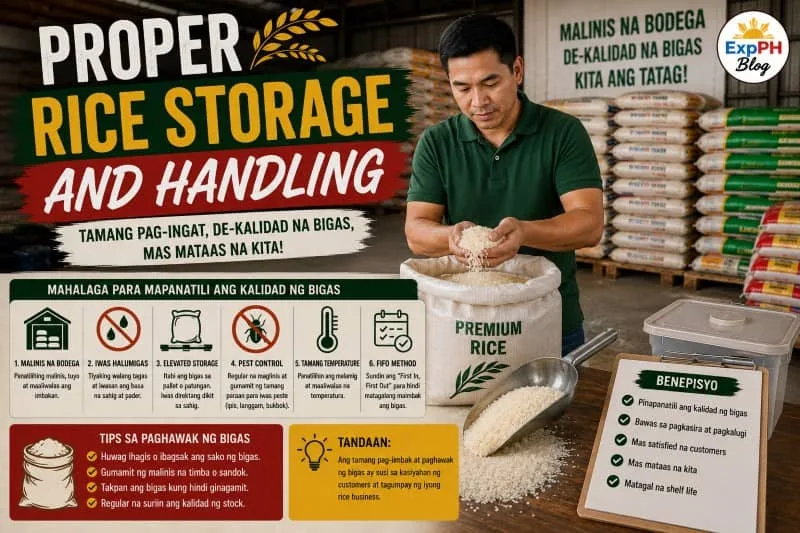
Proper rice storage and handling are important because product quality directly affects customer trust and repeat purchases. Poor storage conditions may damage rice quality, reduce freshness, and create inventory losses. Maintaining clean and organized storage practices can help protect products and support long-term business reliability.
Poor storage can lead to:
- Pest problems
- Moisture damage
- Bad odor
- Product contamination
Storage Tips
Good storage practices help preserve rice quality and reduce the risk of spoilage or contamination. Businesses that maintain proper storage conditions are more likely to keep customers satisfied because buyers often expect clean, fresh, and properly handled rice products during every purchase.
Use these practices to protect inventory:
- Store rice in dry areas
- Avoid direct sunlight
- Use sealed containers when possible
- Maintain cleanliness
- Monitor inventory rotation
Keeping the storage area organized can also improve inventory monitoring and reduce unnecessary waste. Small improvements in storage management may help extend product freshness and maintain better overall product quality for both retail and wholesale customers.
First-In, First-Out Method
The first-in, first-out method means older inventory should be sold before newer stock. This simple inventory practice helps reduce spoilage, preserve freshness, and avoid long-term storage issues that may affect rice quality and customer satisfaction within a Rice Retail and Distribution Business.
Proper inventory rotation can also improve stock monitoring and reduce unnecessary losses caused by expired or damaged products. Businesses that consistently maintain fresh inventory are more likely to build customer trust and encourage repeat purchases from households, retailers, and food establishments.
10. Equipment Needed for a Rice Retail and Distribution Business
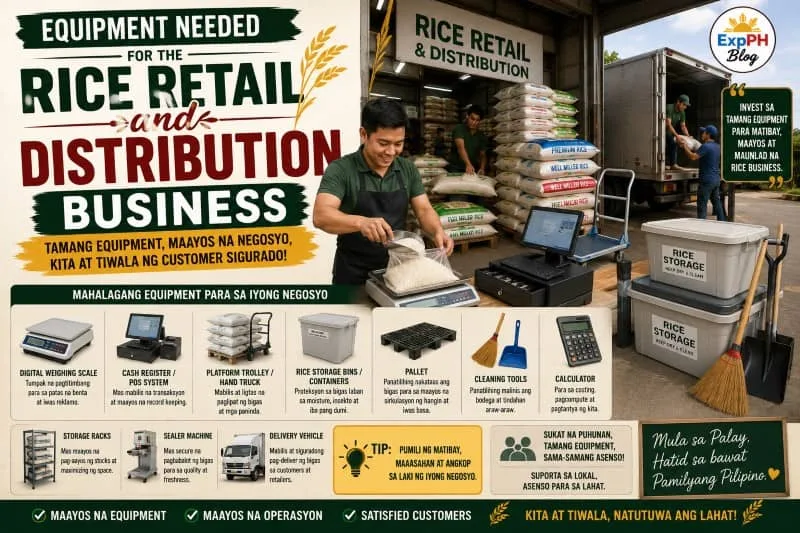
Starting a Rice Retail and Distribution Business does not require complicated equipment during the early stages. Many small businesses begin with basic tools that support daily selling, inventory handling, and product storage. As operations grow, entrepreneurs can gradually invest in more advanced systems and improved business equipment.
Basic equipment may include:
- Weighing scale
- Rice containers
- Scoops
- Shelving
- Sack storage
- Calculator or POS system
- Delivery cart or vehicle
These tools help improve efficiency, maintain product organization, and support smoother daily operations. Reliable equipment can also reduce handling problems and improve customer service, especially for businesses managing regular inventory movement and frequent customer transactions within busy local communities.
As the business expands, owners may invest in upgraded storage systems, delivery vehicles, digital payment systems, and advanced inventory monitoring tools. Gradual improvements can help support larger operations while maintaining organized workflows, better product handling, and more efficient customer service for retail and wholesale clients.
11. How to Price Your Rice Products
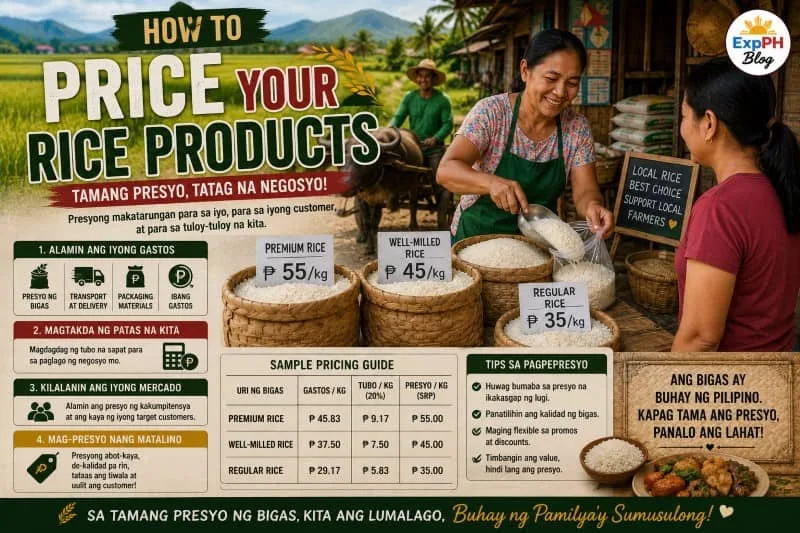
Pricing is an important part of running a successful Rice Retail and Distribution Business because it directly affects profitability, customer demand, and long-term sustainability. Business owners should balance competitive pricing with realistic operating costs to maintain stable income while attracting regular buyers from different market segments.
Consider Supplier Costs
Before setting rice prices, entrepreneurs should calculate all business expenses connected to purchasing, storing, transporting, and selling products. Proper cost analysis helps prevent losses and allows businesses to maintain stable operations while offering fair prices that remain attractive to both retail and wholesale customers.
Include:
- Purchase cost
- Transportation expenses
- Packaging
- Labor
- Rent
Study Local Competitors
Observing nearby rice sellers can help entrepreneurs understand local market pricing, customer preferences, and popular rice varieties within their area. Studying competitors may also provide useful insights into pricing strategies that support repeat purchases while helping businesses remain competitive in residential and commercial markets.
Offer Multiple Price Ranges
Providing affordable and premium rice options can help businesses attract customers with different budgets, preferences, and quality expectations. A balanced product selection may improve sales opportunities because households, restaurants, and small food businesses often look for rice varieties that match their specific needs and spending capacity.
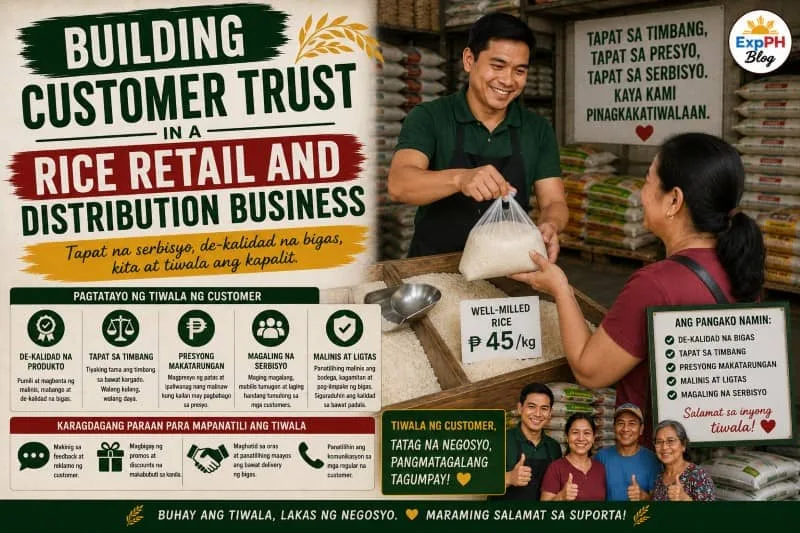
12. Building Customer Trust in a Rice Retail and Distribution Business
Customer trust is important in a Rice Retail and Distribution Business because loyal buyers often return regularly for household and commercial purchases. Businesses that maintain product quality, honest communication, and reliable service are more likely to build long-term customer relationships and strengthen their reputation within the local community.
Maintain Product Quality
Consistent rice quality encourages repeat purchases because customers prefer products that meet their expectations in taste, texture, freshness, and overall cooking performance. Businesses that regularly monitor inventory and storage conditions are more likely to maintain customer satisfaction and develop stronger long-term buyer confidence.
Be Honest About Rice Variants
Customers appreciate clear and honest information when buying rice products because transparency helps build trust and improves purchasing confidence. Explaining product details accurately may also reduce complaints and encourage repeat customers who value businesses that provide reliable and truthful product descriptions.
Customers appreciate transparency regarding:
- Rice type
- Grain quality
- Origin
- Pricing
Provide Good Customer Service
Friendly and respectful customer service can help a Rice Retail and Distribution Business stand out from competitors. Buyers often remember businesses that provide helpful assistance, answer questions properly, and handle transactions professionally during every customer interaction within the store or delivery process.
Offer Consistent Availability
Customers usually prefer stores that maintain reliable inventory because they want convenient access to rice whenever needed. Businesses that consistently keep popular rice varieties available are more likely to encourage repeat visits and build stronger customer loyalty within their target community and local market.
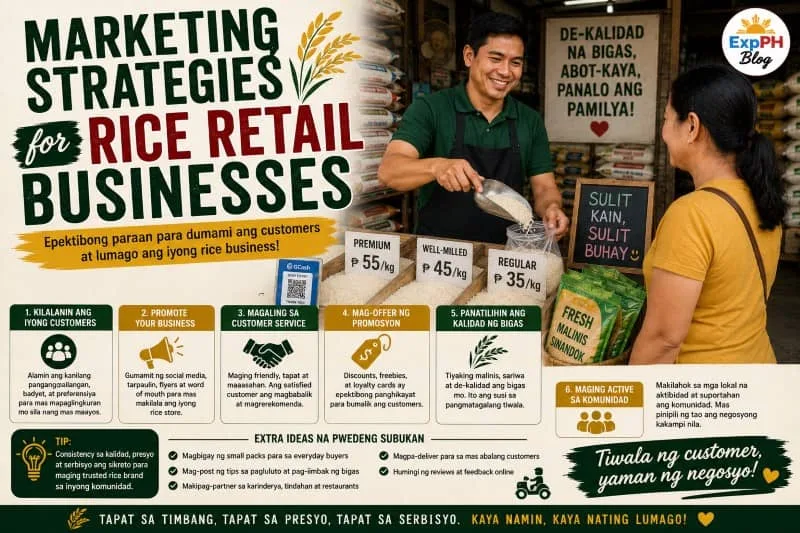
13. Marketing Strategies for Rice Retail Businesses
Marketing is still important for a Rice Retail and Distribution Business because it helps attract customers, improve visibility, and encourage repeat purchases within the local community. Even simple marketing efforts can support long-term growth by increasing customer awareness and strengthening trust in your products and services.
Use Facebook Community Groups
Facebook community groups can help rice retailers connect with nearby customers searching for affordable rice products and delivery options. Many households use local groups to check product updates, promotions, and recommendations from businesses operating within their barangay or surrounding residential areas.
You can post:
- Price updates
- Delivery availability
- Promotions
- Rice variety announcements
Offer Delivery Services
Delivery services provide convenience for busy households and small food businesses that prefer ordering rice without visiting the store. Even simple delivery options may increase repeat customers because accessibility and convenience often influence buying decisions in local communities and nearby commercial areas.
Build Relationships With Small Businesses
Restaurants, carinderias, and small eateries regularly need rice supplies for daily operations. Building strong relationships with these businesses may create long-term clients that consistently place repeat orders, helping improve income stability and strengthen wholesale opportunities within your target market.
Encourage Word-of-Mouth Marketing
Satisfied customers often recommend reliable rice sellers to family members, friends, and neighbors within the community. Positive word-of-mouth marketing can help attract new customers naturally because many consumers trust personal recommendations when choosing businesses that provide quality products and dependable service.
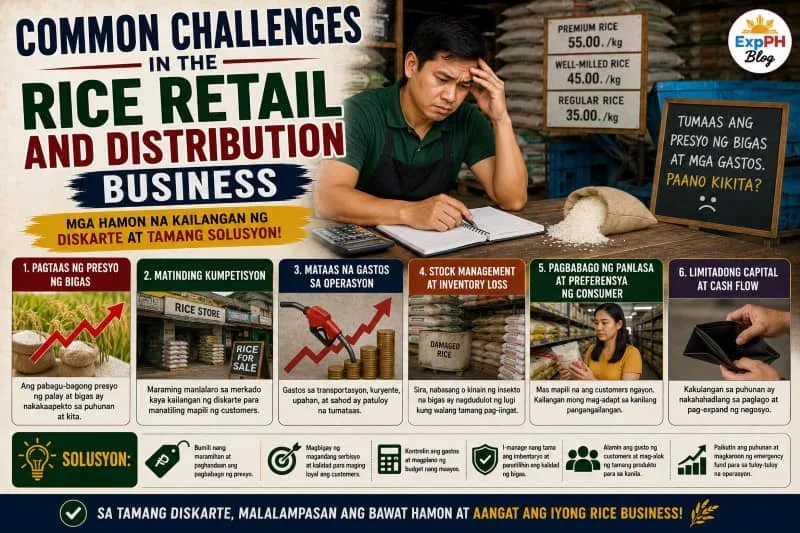
14. Common Challenges in the Rice Retail and Distribution Business
Every Rice Retail and Distribution Business faces operational challenges that may affect profitability, inventory stability, and customer satisfaction. Understanding these risks early can help OFWs prepare better business strategies, improve decision-making, and develop practical solutions that support smoother long-term operations within competitive local markets.
Price Fluctuations
Rice prices may change because of several factors that affect supply availability and operating expenses. Business owners should monitor market conditions regularly to avoid unexpected pricing problems and maintain stable inventory planning that supports both profitability and customer demand within their target communities.
Rice prices may change depending on:
- Harvest conditions
- Supply levels
- Transportation costs
- Government policies
Inventory Management
Managing inventory properly is important because excessive stock can increase storage risks while insufficient inventory may result in missed sales opportunities. Businesses that regularly monitor stock movement are often better prepared to maintain product freshness, reduce waste, and respond more effectively to customer demand.
Too much inventory can increase storage risks, while too little inventory may lead to product shortages and customer dissatisfaction. Balanced inventory management helps maintain stable business operations and improves overall efficiency within a Rice Retail and Distribution Business.
Competition
Many communities already have existing rice sellers, making competition a common challenge for new businesses. Entrepreneurs often need to focus on customer trust, service quality, and consistent product availability to stand out from competitors and encourage repeat purchases within their local market.
Success often depends on:
- Better service
- Reliable quality
- Fair pricing
- Convenience
Businesses that consistently provide positive customer experiences are more likely to maintain loyal buyers and build stronger reputations. Reliable service and fair pricing often play an important role in long-term business growth and customer retention.
Logistics and Transportation
Distribution businesses depend heavily on efficient transportation systems because rice products must be delivered consistently and on time. Fuel price increases, delivery delays, and transportation issues can affect operational costs, customer satisfaction, and overall profitability for businesses handling wholesale and bulk supply operations.
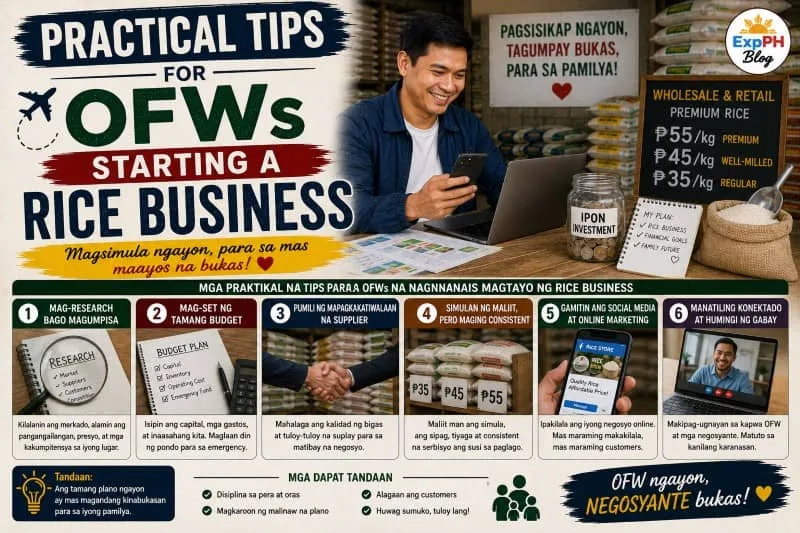
15. Practical Tips for OFWs Starting a Rice Business
Starting a Rice Retail and Distribution Business requires careful planning, patience, and responsible financial management. OFWs who grow their business gradually are often better prepared to handle operational challenges, improve decision-making, and maintain long-term business stability while balancing overseas work responsibilities and local business operations.
Start Small and Learn Gradually
Many beginners make the mistake of investing heavily before fully understanding how the business works. Starting with a smaller setup allows entrepreneurs to learn inventory management, supplier coordination, customer demand, and daily operations while reducing financial pressure and creating more room for adjustments and continuous learning.
Choose Trusted Family Partners
Many OFWs depend on trusted family members to help manage local operations while working abroad. Choosing reliable individuals is important because accountability, honesty, and proper communication can directly affect business performance, customer relationships, and the overall stability of the Rice Retail and Distribution Business.
Monitor Financial Records
Proper financial monitoring helps business owners track income, manage expenses, and prevent unnecessary losses. Organized records also improve business planning and support better financial decisions that contribute to smoother operations and long-term profitability within a competitive local market.
Track:
- Daily sales
- Expenses
- Inventory
- Supplier payments
- Profit margins
Reinvest Wisely
Successful entrepreneurs often reinvest part of their earnings into business improvements instead of withdrawing all profits immediately. Gradual reinvestment can strengthen operations, improve efficiency, and support sustainable growth while helping businesses maintain stable inventory and better customer service over time.
Reinvest part of the earnings into:
- Additional inventory
- Improved storage
- Delivery services
- Business expansion
Avoid Excessive Debt
Avoiding excessive debt may help reduce financial pressure, especially during the early stages of the business. Many OFWs prefer gradual expansion because it allows better financial control, lowers operational risk, and creates a more stable foundation for long-term business growth and sustainability.
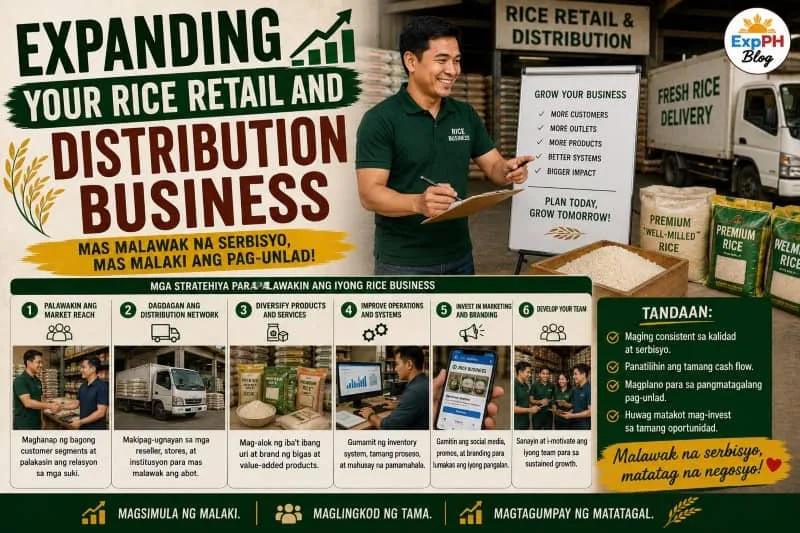
16. Expanding Your Rice Retail and Distribution Business
Once a Rice Retail and Distribution Business becomes stable, entrepreneurs may begin exploring expansion opportunities that can increase sales and improve long-term profitability. Gradual growth allows business owners to serve more customers, strengthen market presence, and build a more reliable operation within their local area.
Add More Rice Varieties
Adding more rice varieties can help attract customers with different preferences, budgets, and dietary needs. Expanding product selection may also improve repeat purchases because consumers often appreciate having more choices available when buying rice for household or commercial use.
Supply More Areas
As operations grow, businesses may expand distribution routes into nearby barangays, towns, or commercial districts. Serving additional locations can increase customer reach, improve sales opportunities, and strengthen long-term growth potential for entrepreneurs planning to scale their rice distribution operations gradually.
Partner With Small Stores
Partnering with sari-sari stores, mini groceries, and local food businesses may create additional wholesale opportunities and more consistent monthly sales volume. Long-term supply partnerships can also improve income stability and help businesses establish a stronger reputation within the local market.
Invest in Branding
Simple branding can help a Rice Retail and Distribution Business stand out from competitors and improve customer recognition. Strong branding may also help build customer trust because organized and professional-looking businesses often leave a better impression on buyers and potential wholesale clients.
This may include:
- Store signage
- Packaging labels
- Delivery uniforms
- Facebook business page
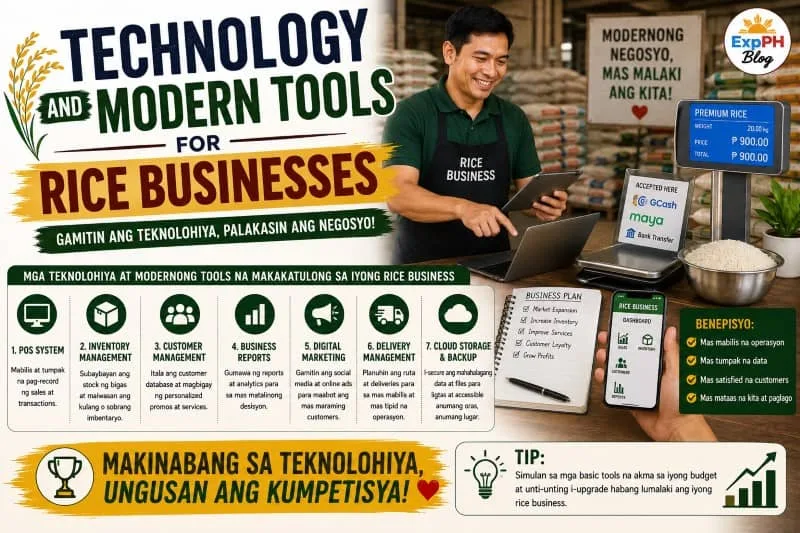
17. Technology and Modern Tools for Rice Businesses
Modern technology can help improve efficiency, customer convenience, and overall business operations even for small rice retailers. Many entrepreneurs now use digital tools to simplify payments, monitor inventory, improve communication, and support daily operations within their Rice Retail and Distribution Business.
Digital Payment Options
Many customers now prefer digital payment methods because they provide faster and more convenient transactions. Accepting electronic payments may also improve customer experience and reduce the need to handle large amounts of cash during daily business operations.
Many customers now prefer:
- GCash
- Maya
- Bank transfers
Offering multiple payment options can make transactions easier for households, restaurants, and wholesale buyers. Businesses that support digital payments may also improve convenience for customers who regularly order rice through delivery services or online communication channels.
Inventory Tracking
Simple spreadsheet systems and digital tracking tools can help monitor inventory movement, sales performance, and stock availability. Organized inventory tracking may reduce losses, improve restocking decisions, and help businesses maintain more stable product availability for both retail and wholesale customers.
Social Media Marketing
Facebook remains one of the most effective low-cost marketing platforms in the Philippines because many consumers actively use social media to discover local businesses, compare prices, and check product availability. Regular online updates may help improve visibility and strengthen customer engagement within local communities.
Delivery Coordination
Mobile messaging applications can improve customer communication, order coordination, and delivery scheduling for rice retailers and distributors. Faster communication may help businesses respond more efficiently to customer inquiries, confirm orders quickly, and maintain smoother delivery operations throughout the day.
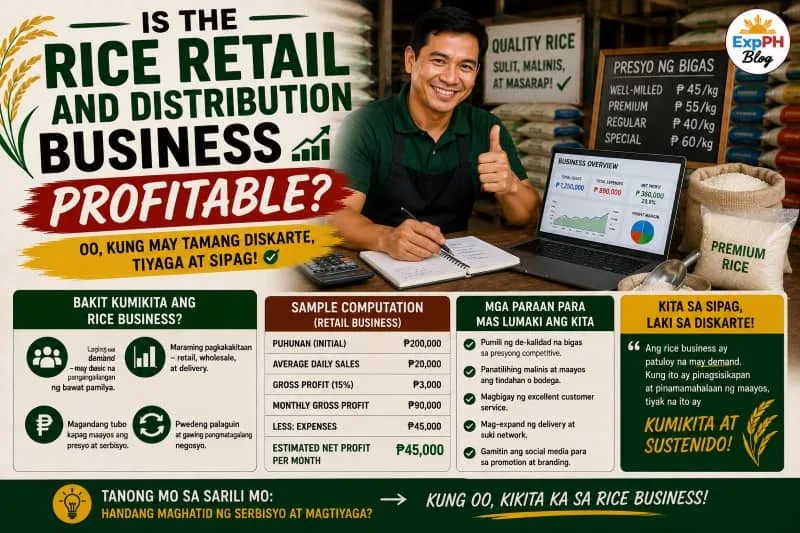
18. Is the Rice Retail and Distribution Business Profitable?
The profitability of a Rice Retail and Distribution Business depends on several important factors that affect daily operations, customer demand, and long-term sustainability. Businesses that manage costs properly and maintain strong customer relationships are often better positioned to achieve stable income and consistent sales performance over time.
Profitability depends on several factors, including:
- Location
- Pricing strategy
- Supplier relationships
- Inventory management
- Customer retention
Because rice is an essential household product, the business often benefits from steady demand and regular customer purchases throughout the year. Many families, restaurants, and small food businesses continue buying rice consistently, which may create more stable sales opportunities compared to industries affected by seasonal or changing consumer trends.
Although the business can provide reliable income opportunities, long-term success still requires discipline, planning, and effective operational management. Entrepreneurs who maintain product quality, monitor expenses carefully, and provide dependable customer service are often more likely to build sustainable and profitable rice business operations.
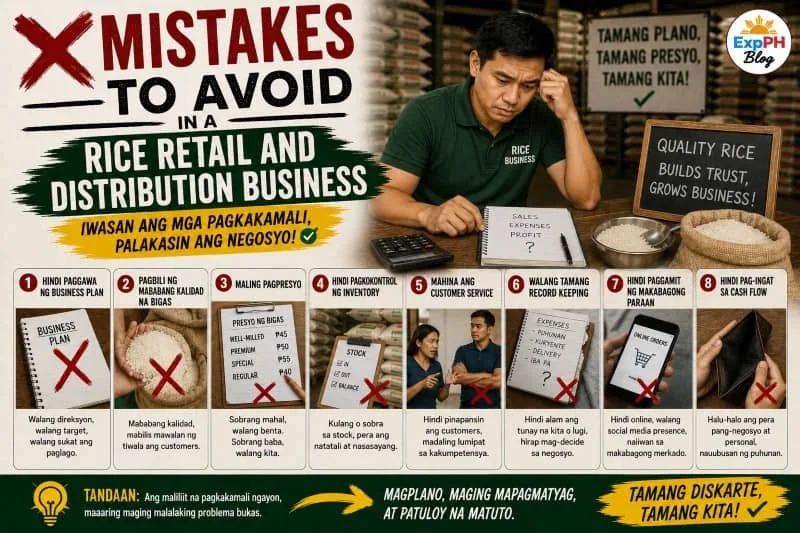
19. Mistakes to Avoid in a Rice Retail and Distribution Business
Avoiding common mistakes can help entrepreneurs maintain smoother operations and reduce unnecessary financial risks in a Rice Retail and Distribution Business. Many business problems develop from poor planning, weak inventory control, and inconsistent customer service, which may affect profitability and long-term business stability over time.
Ignoring Inventory Monitoring
Poor inventory monitoring may lead to product shortages, spoiled stock, and unnecessary financial losses. Businesses that fail to track inventory movement properly often struggle with inaccurate stock levels, delayed restocking, and difficulty maintaining consistent product availability for customers and wholesale buyers.
Buying Excessive Inventory Too Early
Purchasing too much inventory during the early stages of the business can create storage problems and increase cash flow pressure. Entrepreneurs should balance inventory levels carefully to avoid unnecessary expenses while still maintaining enough stock to meet regular customer demand.
Neglecting Customer Relationships
Customer loyalty plays an important role in local communities because satisfied buyers often return regularly and recommend reliable businesses to others. Entrepreneurs who ignore customer service, communication, or product quality may struggle to maintain repeat customers and long-term business growth opportunities.
Choosing Unreliable Suppliers
Working with unreliable suppliers may cause delayed deliveries, inconsistent product quality, and unexpected inventory shortages. Supply disruptions can damage customer trust and negatively affect business operations, especially for retailers and distributors handling regular orders from households and food establishments.
Lack of Financial Discipline
Poor financial discipline can create operational problems and reduce business stability over time. Entrepreneurs should separate personal expenses from business funds whenever possible because organized financial management helps improve budgeting, expense monitoring, and long-term decision-making within the Rice Retail and Distribution Business.

20. Why the Rice Retail and Distribution Business Fits Long-Term OFW Goals
Many OFWs eventually aim to achieve financial independence in the Philippines so they can spend more time with their families and reduce long-term dependence on overseas employment. Building a stable local business is often part of that goal, especially for workers planning a more secure future after years abroad.
The Rice Retail and Distribution Business can support that goal because it offers:
- Essential market demand
- Flexible growth potential
- Community relevance
- Scalable operations
- Family involvement opportunities
Because rice is a daily necessity in many Filipino households, the business may provide more stable demand compared to industries affected by changing trends or seasonal spending. With proper management, consistent product quality, and reliable operations, entrepreneurs may gradually build a dependable source of local income over time.
For some OFWs, this business becomes more than just an investment opportunity. It can become part of a long-term plan for financial stability, family involvement, and eventual transition back to living and working full-time in the Philippines while maintaining a sustainable source of income.

Final Thoughts on Starting a Rice Retail and Distribution Business
The Rice Retail and Distribution Business remains one of the most practical and sustainable opportunities for OFWs who want to build stable income in the Philippines. Because rice is an essential daily product, demand stays consistent in many communities throughout the year. With proper planning, disciplined management, and reliable operations, this industry can help OFWs create dependable local income while supporting their family’s future goals.
Rice is a daily necessity for millions of Filipino households, which helps maintain strong demand throughout the year. Unlike trend-based businesses that can lose popularity quickly, rice retail and distribution focuses on a product that consumers continue purchasing regularly for everyday meals and household needs.
Success in this industry does not happen overnight. It requires careful planning, trustworthy suppliers, proper inventory management, customer trust, and financial discipline. Despite the challenges, many entrepreneurs value the business because it offers stability, flexible growth opportunities, and the potential to expand gradually over time.
For OFWs looking for a realistic opportunity that family members can help manage locally, the Rice Retail and Distribution Business can become an important step toward financial security and eventual independence from overseas employment while building a stronger future in the Philippines.
By starting carefully, learning continuously, and prioritizing customer satisfaction, OFWs can build a stable business that supports both community needs and long-term personal goals.
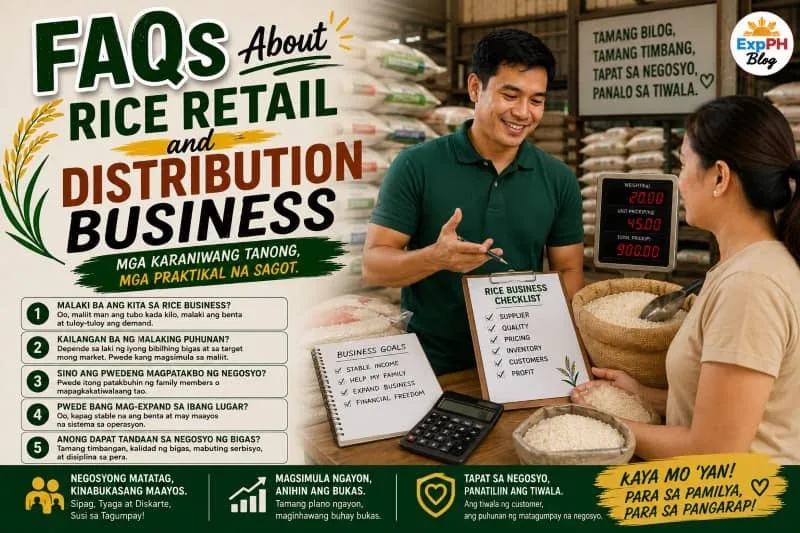
FAQs About Rice Retail and Distribution Business
What is a Rice Retail and Distribution Business?
A Rice Retail and Distribution Business involves selling rice directly to consumers or supplying rice products in bulk to stores, restaurants, and local food businesses regularly.
Why is the rice business popular among OFWs?
Many OFWs prefer the rice business because rice remains a daily necessity in Filipino households, creating stable demand and long-term income opportunities within communities.
How much capital is needed to start a rice business?
Startup capital depends on business size, inventory levels, and location. Small rice retail setups may begin with lower investment compared to distribution operations.
Can a rice business be managed while working abroad?
Yes, many OFWs operate rice businesses with trusted family members managing daily operations, inventory, customer service, and supplier coordination within the Philippines locally.
What are the common products sold in rice businesses?
Rice businesses commonly sell regular milled rice, premium rice, jasmine rice, brown rice, and specialty rice varieties based on customer preferences and budgets.
Is the Rice Retail and Distribution Business profitable?
The business can become profitable with proper inventory management, reliable suppliers, competitive pricing, and strong customer relationships that encourage consistent repeat purchases regularly.
What permits are needed for a rice business in the Philippines?
Common requirements include barangay clearance, mayor’s permit, DTI registration, and BIR registration, depending on local government regulations and business location requirements.
Why is location important for rice retail businesses?
A good location helps attract customers, improve accessibility, support delivery operations, and maintain stable sales from nearby households and food establishments consistently.
How can entrepreneurs attract more rice customers?
Businesses can attract customers through competitive pricing, reliable product quality, delivery services, social media marketing, and positive customer relationships within local communities.
What are the biggest challenges in the rice business?
Common challenges include price fluctuations, inventory management, supplier reliability, transportation costs, competition, and maintaining consistent product quality for repeat customers regularly.
Looking for more practical business opportunities in the Philippines?
Explore our guides on Best Business Ideas for Filipinos in 2026 and Top 10 Small Business Ideas in the Philippines for 2026 for beginner-friendly, scalable, and profitable ventures that can help Filipinos and OFWs build long-term income and financial stability.
Related Guides
- Mushroom Farming at Home: A High-Profit Small Business for OFWs in the Philippines
- Goat Farming Business: Low-Cost Livestock Investment Guide for OFWs
Rice Retail and Distribution Business Quiz
Test your knowledge about the Rice Retail and Distribution Business and discover how this opportunity can support long-term financial goals for OFWs. This quick quiz is perfect for readers who want to learn more about rice retail, distribution, and business management in the Philippines.
Results


#1. Why is rice business popular in the Philippines?
#2. Who commonly buys rice products?
#3. Which business setup sells directly to households?
#4. What is important for rice storage?
#5. Which payment method is commonly used today?
#6. What can improve customer loyalty?
#7. Which factor affects rice pricing?
#8. What helps businesses grow gradually?
#9. Which customers may buy bulk rice?
#10. What supports better inventory management?
Thank you for reading and participating in this Rice Retail and Distribution Business quiz. We appreciate your support for ExpPH Blog. Feel free to share your score and comment about your experience with us below.

A Filipino web developer with a background in Computer Engineering. Founder of ExpPH Blog and ExpPH Business Guide, creating practical content on OFW guidance, business, finance, freelancing, travel, and lifestyle. Passionate about helping Filipinos grow, he shares insights that educate, empower, and inspire readers nationwide.