

Junay The Traditional Sulu Dish You Need to Try

Introduction to Junay and Its Cultural Importance
Junay is one of the most treasured dishes in Sulu cuisine, a flavorful and aromatic dish that represents the creativity and heritage of the Tausug people. If you have ever been curious about authentic Mindanao flavors, then Junay should be at the top of your list. This traditional dish may not be as widely known as national favorites such as adobo or sinigang, yet it carries a unique identity that reflects centuries of culture, community, and culinary craftsmanship. Junay is more than food. It is a cultural experience that offers a meaningful connection to the people of the Sulu Archipelago.
In many Tausug households, Junay is served during gatherings, celebrations, and special meals. Its combination of spices, coconut, roasted rice powder, and tender meat produces a complex flavor that makes Junay unforgettable. When you learn about Junay, you also learn about the traditions and stories of the Tausug, who have preserved this dish for generations.
This blog post will guide you through everything you need to know about Junay. You will learn its origins, cooking process, ingredients, health benefits, serving traditions, and reasons why it remains an essential part of Sulu cuisine. Whether you live in the Philippines or abroad, Junay is a dish that you absolutely need to try at least once in your life.
The Origin of Junay and Its Tausug Roots
Junay is deeply rooted in Tausug culture, one of the major ethnolinguistic groups of the southern Philippines. The Tausug are known for their strong cultural identity, their vibrant cuisine, and their close relationships with family and community. Junay is believed to have originated from traditional cooking techniques that were designed to preserve meat and create hearty dishes suitable for long journeys or communal gatherings.
The use of burnt coconut powder, known locally as pipis itum, is a trademark of Tausug cooking. This ingredient gives Junay its distinct dark color and smoky taste. The combination of coconut, spices, and meat reflects the natural resources available in Sulu, a region abundant in coconuts, livestock, and spices brought by early traders. This culinary influence shaped the development of Junay over time, giving it a flavor profile that is truly unique.
The heritage of Junay is more than a recipe. It is a reminder of how Tausug ancestors preserved their cultural identity through food. Today, Junay continues to be served in homes, restaurants, and community events, proving that traditional dishes remain powerful symbols of heritage and pride.
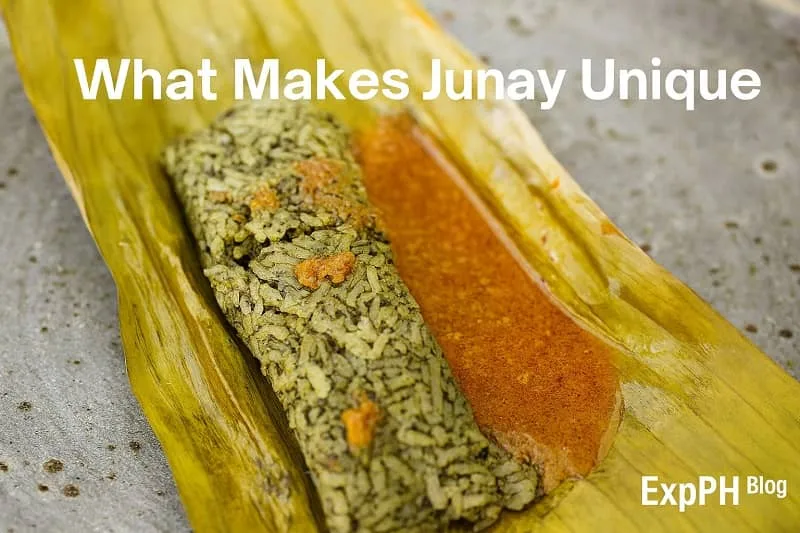
What Makes Junay Unique
Junay stands out among Filipino dishes because of its unique preparation and ingredients. If you have never tried Junay, you might be surprised by how different it is from the typical Filipino lutong bahay meals. While many dishes use sautéing or boiling techniques, Junay is prepared through a slow cooking process that allows the meat to absorb rich flavors from the spices and roasted coconut.
Here are some of the qualities that make Junay one of a kind:
The Use of Burnt Coconut Powder
The signature ingredient of Junay is burnt coconut powder. The coconut is roasted until dark, then ground into a fine powder that adds smokiness, aroma, and depth to the dish. This element gives Junay its iconic dark appearance.
A Flavorful Blend of Local Spices
Junay typically includes ginger, garlic, pepper, turmeric, and other spices that create a warm and fragrant taste. The spice combination is carefully balanced to make the dish rich but not overpowering.
A Soft and Tender Texture
The meat in Junay is slow cooked until tender. The coconut and spices help retain moisture, which makes every bite flavorful and satisfying and enhances overall texture for an enjoyable meal.
A Cultural Identity in Every Serving
Every serving of Junay carries emotional and cultural value. It represents tradition, family, and the strong culinary identity of the Tausug people and strengthens meaningful connections across generations.
With these unique characteristics, Junay offers a culinary experience that you cannot find in mainstream Filipino dishes. The more you learn about Junay, the more you appreciate the creativity and heritage behind it.
Traditional Ingredients Used in Junay
To understand how to prepare Junay, you need to become familiar with its key ingredients. These components contribute to the overall flavor, aroma, and authenticity of the dish.
Meat of Choice
Most traditional Junay recipes use beef or goat. These meats pair well with the smoky flavor of burnt coconut powder. However, chicken can also be used as a lighter alternative for added convenience.
Burnt Coconut Powder (Pipis Itum)
This ingredient defines Junay. The coconut is grated, roasted until dark, and ground into powder. It adds smokiness, color, and depth that enhances flavor richness and makes each bite memorable.
Coconut Milk
Coconut milk brings creaminess that balances the spice and earthiness of the burnt coconut powder, creating a smoother texture that enhances overall flavor and elevates the dish beautifully.
Roasted Rice Powder
This ingredient helps thicken the sauce and enhances the nutty profile of Junay, adding depth and richness that improves overall flavor balance and creates a more enjoyable tasting experience for everyone.
Ginger, Garlic, Onions, and Pepper
These aromatics add layers of flavor, warmth, and aroma, creating a richer cooking experience that enhances every dish and helps elevate simple ingredients into something truly memorable and satisfying.
Turmeric
Turmeric provides color and subtle bitterness that complements the richness of the coconut, enhancing every bite with deeper flavor complexity and supporting a more balanced taste overall.
Salt and Seasoning
Simple but essential, these balance all flavors.
Each ingredient plays a specific role. When combined, they produce a harmonious blend that makes Junay unforgettable and brings out rich flavors enjoyed by many people across different occasions.
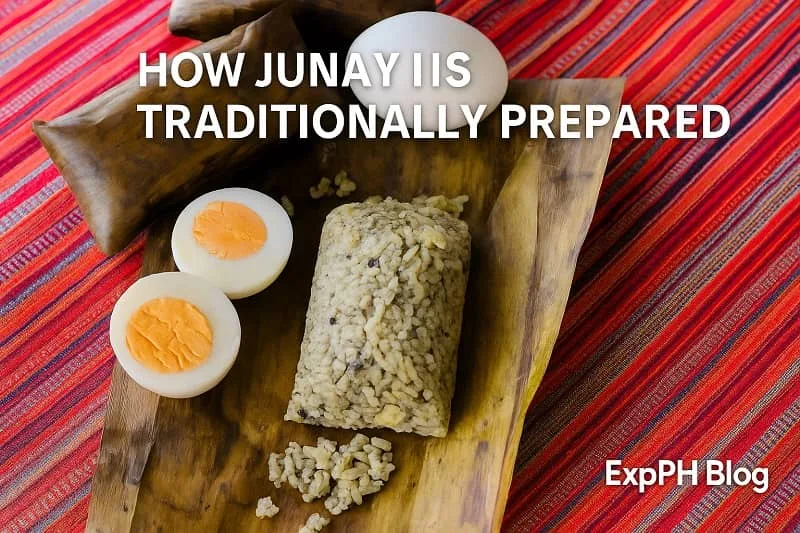
How Junay Is Traditionally Prepared
One of the reasons Junay is so special is the amount of time and effort required to prepare it. Traditional cooking methods allow the flavors to develop slowly and create deeper richness overall.
Preparing the Burnt Coconut Powder
The first step is roasting grated coconut until it becomes almost black. The key is to avoid burning it too quickly. After roasting, the coconut is ground into a fine powder for enhanced flavor in cooking.
Mixing the Spices
Ginger, garlic, pepper, turmeric, and onions are ground or chopped and mixed to form a spice paste that enhances the dish’s depth and creates a richer, more aromatic flavor for everyone to enjoy.
Marinating the Meat
The meat is mixed with the spice paste, coconut milk, and burnt coconut powder. This marinade helps the flavors penetrate the meat deeply, enhancing tenderness and creating a richer taste overall.
Slow Cooking the Dish
Junay is cooked over low heat. Slow cooking allows the coconut milk to thicken and the spices to blend naturally with the meat. This method develops a rich, aromatic sauce that many appreciate.
The careful preparation of Junay is a testament to how the Tausug honor their culinary heritage. The process may be lengthy, but the result is well worth the effort and brings meaningful satisfaction to many.
Why Junay Is Considered a Comfort Food in Sulu
For many Tausug families, Junay is more than a special dish. It is a comfort food that brings back memories of home, traditions, and gatherings. When people living abroad return to Sulu, Junay is often one of the first dishes they request because it reminds them of childhood and family moments.
Comfort foods carry emotional weight, and Junay is no exception. It is a dish that strengthens bonds and keeps cultural traditions alive. With its warm spices and rich coconut flavor, Junay provides a sense of familiarity and comfort that many people cherish.
The Health Benefits of Eating Junay
Although Junay is rich and flavorful, it also offers several health benefits, providing nutrients that support overall wellness and helping individuals maintain balanced eating habits for improved daily vitality.
Coconut Contains Healthy Fats
Coconut milk provides medium chain triglycerides that support energy and metabolism, helping the body stay active, sustain daily tasks, and maintain balanced wellness through consistent nutritious eating habits.
Turmeric Offers Anti-inflammatory Benefits
Turmeric is known for its antioxidant properties and its ability to support immune health, helping the body fight infections, maintain balance, and promote overall wellness through consistent healthy habits every day.
Spices Aid Digestion
Ginger and pepper help improve digestion and reduce bloating, supporting healthier gut function and promoting smoother nutrient absorption for individuals seeking natural ways to enhance overall wellness.
Protein Rich Ingredients
Beef, goat, or chicken provide essential amino acids for muscle growth and repair, supporting overall strength and helping your body recover faster after physical activity and daily movement.
While Junay is best enjoyed in moderation, its nutrients make it a meaningful addition to your diet and help support better daily wellness through improved eating habits and balanced nutrition.
Modern Variations of Junay
Modern Filipino cooks have begun experimenting with new styles of this Tausug favorite while keeping its soul intact and exploring fresh techniques that honor cultural identity and inspire creative cooking.
Chicken Junay
A lighter version that cooks faster and appeals to younger people offers a simple introduction to this traditional dish while encouraging healthier habits for beginners today seeking nutritious meals.
Spicy Junay
Chili is added for those who prefer a stronger kick, giving this flavorful creation a bold and exciting taste that enhances every bite and appeals to adventurous food lovers seeking richer flavors.
Vegetable Junay
A plant based twist for health conscious individuals offers a lighter version of this Sulu specialty that highlights fresh ingredients and supports healthier lifestyle choices for people seeking nutritious meals daily.
These variations show how versatile this Sulu delicacy can be. Even as the world evolves, the heart of the dish remains the same and continues inspiring people through its rich cultural story and tradition.
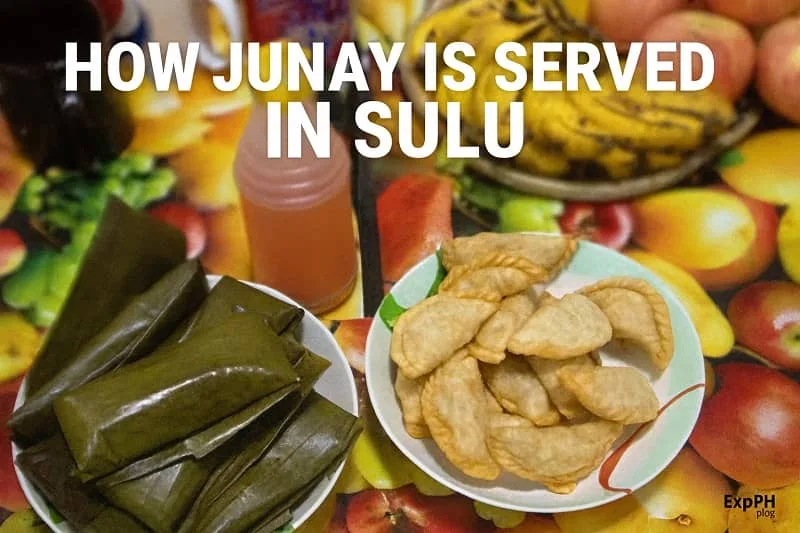
How Junay Is Served in Sulu
Junay can be enjoyed in different ways depending on the occasion, allowing families and friends to share meaningful dishes that highlight culture, strengthen bonds, and create lasting memories together.
As a Main Dish
This cultural Sulu delicacy is commonly served with warm rice along with side dishes such as cucumbers or steamed vegetables, enhancing every meal and creating memorable dining moments for families.
During Festivities
This traditional Tausug dish plays an important role during community celebrations, weddings, and special gatherings, bringing people together to honor culture and strengthen lasting bonds across generations.
With Family Meals
Families enjoy this traditional dish during weekends or special visits, creating warm interactions around the dining table and strengthening meaningful bonds that celebrate shared cultural traditions.
These serving traditions demonstrate how this Sulu delicacy strengthens relationships and keeps Tausug culture alive within families and communities through shared meals and cultural appreciation.
Why You Need to Try Junay at Least Once
If you enjoy discovering unique Filipino dishes, Junay should be your next food adventure. It offers a delicious blend of coconut, spices, and smoky flavors that you will not find in ordinary dishes. Junay brings you closer to Tausug culture and introduces you to one of the Philippines most distinct culinary styles.
Here are reasons why you must try Junay:
- It is an authentic taste of Sulu heritage.
- It offers a balanced combination of savory, smoky, and creamy flavors.
- It connects you to the culture and identity of the Tausug people.
- It is filling, aromatic, and truly unforgettable.
Whether you taste this traditional dish in Sulu or prepare it at home, the experience will inspire you to explore more regional delicacies and appreciate the deeper cultural stories behind them.
Junay and Its Role in Sulu Tourism
Food tourism is growing in the Philippines, and this Tausug specialty has become a popular attraction for visitors exploring Sulu. Travelers seek authentic food experiences, and the dish introduces them to Tausug hospitality and culture. Restaurants, home cooks, and local food vendors proudly serve this traditional delicacy to tourists who want to experience something rare and meaningful.
Promoting this Tausug delicacy not only preserves cultural heritage but also supports local communities. When more travelers appreciate dishes like this traditional specialty, they help sustain tourism and encourage cultural preservation while strengthening meaningful connections that honor regional identity and shared history.
A Step by Step Guide to Making Junay at Home
While this classic Tausug dish takes time to prepare, you can still cook it at home using accessible ingredients and appreciate its comforting flavors through simple steps that anyone can follow and enjoy fully.
Ingredients
- Beef, goat, or chicken
- Coconut milk
- Burnt coconut powder
- Ginger, garlic, onions
- Turmeric
- Roasted rice powder
- Salt and pepper
Procedure
- Roast grated coconut until dark. Grind into powder.
- Mix spices and aromatics into a paste.
- Combine the spice paste, burnt coconut powder, meat, and coconut milk.
- Marinate for at least one hour for better flavor.
- Cook over low heat until the meat becomes tender.
- Adjust seasoning and serve with rice.
Preparing this Sulu specialty at home is a wonderful way to experience Tausug cuisine firsthand while discovering unique flavors that highlight its rich cultural heritage and deepen overall appreciation.
How Junay Preserves Tausug Identity
Every culture has dishes that represent its identity. For the Tausug people, this traditional delicacy is one of these dishes. It reflects their creativity, resilience, and ability to transform simple ingredients into something extraordinary. Through the dish, Tausug traditions are passed from one generation to another.
Cooking this Tausug dish is a form of cultural preservation. Families teach children how to prepare it so that the knowledge stays within the community. This passing of tradition shows how food connects people to their roots and strengthens shared cultural identity over time.
The Future of Junay in Filipino Cuisine
As Filipino cuisine continues to gain international recognition, dishes like this Tausug specialty have the potential to become global favorites. With its rich flavor profile and cultural depth, the dish can stand proudly alongside other Filipino specialties. Food lovers around the world are becoming more interested in regional dishes, and this traditional delicacy holds strong potential to impress them.
Through online content, food blogs, culinary tourism, and social media, more people are discovering the wonders of this Tausug delicacy. Its growing popularity is a positive sign that traditional dishes will continue to thrive as more communities celebrate unique flavors, cultural identity, and meaningful stories behind the dish.
Conclusion
Junay is more than a traditional dish. It is a symbol of Tausug identity, a flavorful blend of heritage and creativity, and a culinary experience that every Filipino should try. Whether you enjoy it as a comforting family meal or as part of a cultural adventure, Junay will leave a lasting impression on your taste buds and your appreciation for Sulu cuisine.
This dish is a reminder of how rich and diverse Filipino food culture truly is. When you taste this Tausug specialty, you taste history, tradition, and the heart of the Tausug people. If you have not tried the dish yet, now is the perfect time to enjoy this unforgettable delicacy and appreciate its deep cultural significance shared across generations.
Look for more posts that match your search below.
- Kulma Authentic Tausug Style Curry Dish
- Pyanggang Manok Authentic Tausug Blackened Chicken
- Tiyula Itum is Mindanao’s Fascinating Tausug Black Soup
- Satti a Flavorful Filipino Breakfast Specialty from Western Mindanao
- Tausug Simple Atsara Pickled Papaya Recipe
For reference confirmation, click the link below.
- Sulu Provincial Government (Official)
- Bangsamoro Government Official Website
- Official Philippine Tourism Website (DOT)

10 FAQs About Junay The Traditional Sulu Dish You Need to Try
What is Junay and why is it considered a traditional Sulu dish?
This Tausug delicacy is prepared using meat, burnt coconut powder, spices, and coconut milk. It is considered traditional because it has been handed down through generations and continues to be served in many Sulu households and celebrations.
What ingredients are commonly used to prepare Junay?
This traditional recipe typically uses beef, goat, or chicken along with burnt coconut powder, roasted rice powder, ginger, garlic, turmeric, coconut milk, and pepper. These elements create its signature smoky and flavorful profile.
What makes Junay different from other Filipino dishes?
The dish stands out because of its use of burnt coconut powder and its slow cooking method. The deep smoky flavor and rich sauce give this specialty a distinct identity among Filipino dishes.
Is Junay spicy or mild in flavor?
This Sulu creation is usually mild to moderately spicy depending on the recipe. Some cooks add chili for extra heat, although the classic version focuses more on smoky and aromatic flavors.
Can I cook Junay at home even if I am not familiar with Tausug cuisine?
Yes. This traditional dish can be prepared at home using easily available ingredients. As long as you follow the steps of making burnt coconut powder, mixing spices, and slow cooking, you can create an authentic tasting version.
What type of meat is best for Junay?
Beef and goat are the preferred options because they absorb flavors well during slow cooking. Chicken also works for those who want a lighter or quicker variation of the recipe.
Is Junay a healthy dish?
This Tausug specialty provides protein from meat, antioxidants from turmeric, and beneficial fats from coconut. It can be part of a balanced diet when enjoyed in moderation.
Where can I find Junay if I visit Sulu?
You can find this traditional food in local eateries, markets, and restaurants throughout Sulu. Many families also prepare it for guests during gatherings and special events.
Can Junay be served with other dishes?
Yes. The dish pairs well with steamed rice, fresh vegetables, putli mandi, or other Tausug delicacies. Its rich flavor blends nicely with a variety of side dishes.
Why should first time visitors try Junay when traveling to Sulu?
Travelers should try this local favorite because it offers a true taste of Tausug culture. Its unique flavors represent Sulu’s heritage and provide a memorable dining experience that is not commonly found outside the region.
Test your knowledge about Junay, one of the most iconic traditional dishes from Sulu.
Each question will help you learn more about its ingredients, cooking method, cultural value, and unique flavors. Choose the best answer from the four available options.
Results


#1. What is Junay known for?
#2. What ingredient gives Junay color?
#3. What meat is often used?
#4. What cooking style is used?
#5. What enhances Junay’s aroma?
#6. Where is Junay from?
#7. What pairs well with Junay?
#8. What spice adds color?
#9. What makes Junay unique?
#10. What is Junay’s texture?
Your support helps us continue sharing Filipino culture and Sulu’s culinary treasures.
Feel free to comment on your quiz experience and share your score with us.

A Filipino web developer with a background in Computer Engineering. Founder of ExpPH Blog and ExpPH Business Guide, creating practical content on OFW guidance, business, finance, freelancing, travel, and lifestyle. Passionate about helping Filipinos grow, he shares insights that educate, empower, and inspire readers nationwide.


Pingback: Kiyaliya The 5 Must Try Best Crispy and Savory Beef Rolls Now
Pingback: 10 Powerful Reasons Siyagul Tausug Seafood Is a Classic Roday