Top 10 Historical Landmarks in the Philippines: Tracing the Nation’s Rich Heritage
Introduction
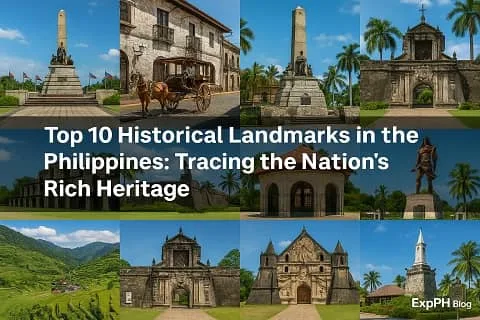
The Philippines is a country steeped in history, boasting a rich tapestry of stories shaped by courage, faith, and resilience. From centuries of colonial rule to the rise of independence, the nation has left behind historical landmarks in the Philippines that narrate its journey. These sites from ancient churches and colonial forts to national monuments and rice terraces serve as living testaments to the country’s cultural heritage and enduring spirit.
For travelers and history enthusiasts, visiting these historical landmarks in the Philippines is more than sightseeing it is a journey through time. The archipelago is dotted with centuries-old structures that tell stories of bravery, faith, and cultural fusion. In this guide, we will explore the top historical sites in the Philippines, including UNESCO heritage sites, colonial forts, national monuments, and sacred spaces that every Filipino should know.
Exploring these landmarks provides a unique opportunity to understand Filipino identity and appreciate the sacrifices made by those who shaped the nation. Whether it’s walking through cobblestone streets, climbing to a vantage point overlooking rice terraces, or witnessing annual cultural reenactments, each site offers a living connection to history.
1. Rizal Park (Luneta), Manila
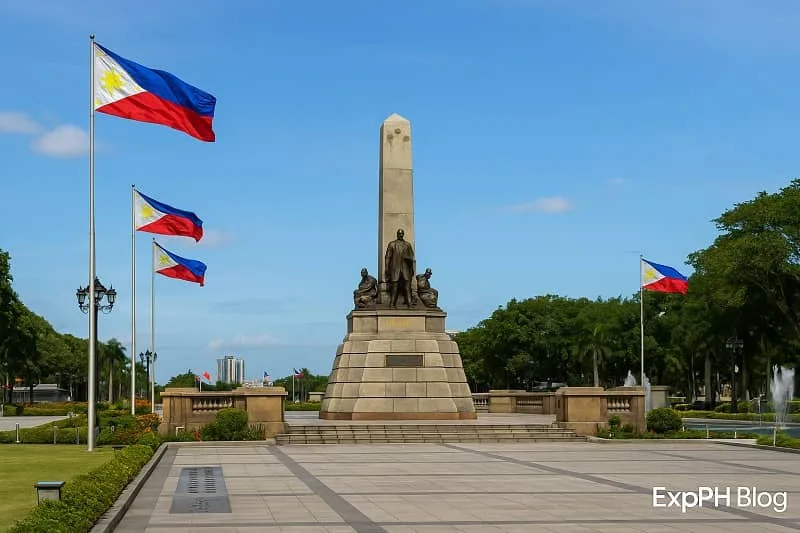
Located in the heart of Manila, Rizal Park, also called Luneta, is one of the most famous historical landmarks in the Philippines. This sprawling park commemorates the execution of Dr. José Rizal, the national hero, on December 30, 1896 an event that ignited the Philippine Revolution against Spanish colonial rule.
Historical Significance
Rizal Park is more than a green public space. It symbolizes the birth of Filipino nationalism and the pursuit of freedom. The Rizal Monument, erected in 1913, enshrines Rizal’s remains beneath a bronze statue that stands as a beacon of courage, enlightenment, and patriotism. The park’s design incorporates elements of Philippine history, including fountains, statues, and open spaces for public gatherings.
Highlights & Attractions
- Rizal Monument:
Guarded by ceremonial sentries known as the “Kabalyeros de Rizal,” it is the focal point of the park. - Rizal Execution Site:
Bronze footprints mark his last steps, offering visitors a chance to reflect on history. - Independence Flagpole:
The tallest flagpole in the country, where the Philippine flag proudly waves daily. - Chinese and Japanese Gardens:
Designed to promote peace and friendship between nations. - Lagoon and Fountains:
The park’s centerpiece reflects Manila’s modernization while honoring its past.
Location: Ermita, Manila
Highlight: Rizal Monument and execution site
Visitor Tip: Visit on Rizal Day (December 30) to witness national commemorations or in the evening when fountains light up the park. Consider hiring a local guide to learn in-depth stories about the park’s historical relevance and monuments.
Cultural Impact: Rizal Park is not only a tourist attraction but also a venue for civic activities, festivals, and remembrance ceremonies, connecting present-day Filipinos to their historical roots.
2. Intramuros, Manila
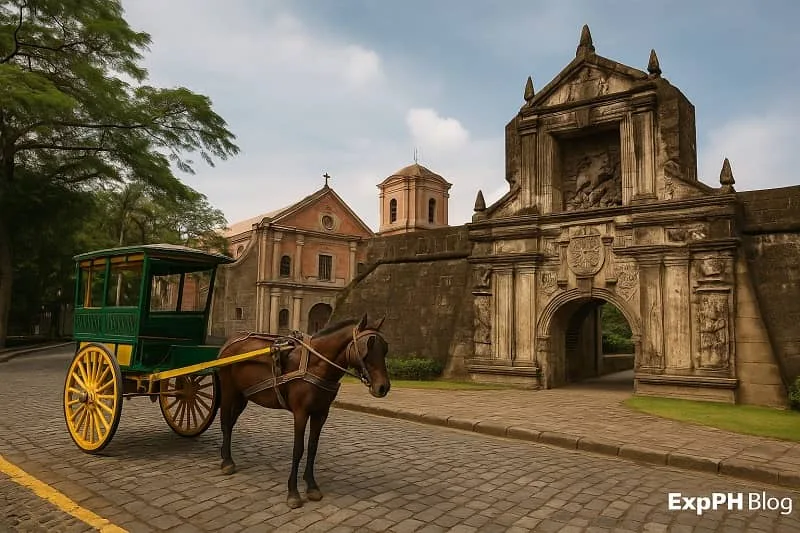
Known as the “Walled City,” Intramuros is an iconic example of Spanish colonial landmarks in the Philippines. Established in the late 1500s by Governor-General Miguel López de Legazpi, it was the political, religious, and cultural hub of Spanish Manila.
Historical Background
Intramuros was constructed to protect Spanish officials and clergy from pirates and foreign invaders. Its thick stone walls, defensive bastions, and deep moats reflect the military architecture of the time. It also represented social hierarchy, separating Spanish elites from native populations. During World War II, much of Intramuros was destroyed, but restoration projects revived its historical charm.
What to Explore
- Fort Santiago:
Served as a citadel and prison for José Rizal. Today, it houses the Rizal Shrine Museum. - San Agustin Church:
The oldest stone church in the Philippines and a UNESCO World Heritage Site, known for its intricate baroque interiors. - Casa Manila Museum:
A faithful recreation of an 18th-century Spanish colonial home showcasing period furniture and lifestyle. - Manila Cathedral:
The mother church of the Archdiocese of Manila with neo-Romanesque architecture.
Location: Manila
Highlight: Fort Santiago, San Agustin Church
Cultural Importance: Intramuros is a living museum, where cobblestone streets, horse-drawn carriages (kalesa), and restored structures provide a glimpse into Manila’s colonial past. It serves as a major educational site for history enthusiasts and students.
Visitor Tip: Take a walking tour or ride a kalesa to experience the city authentically. Don’t miss evening cultural shows held within the fort and museums.
3. Barasoain Church, Bulacan
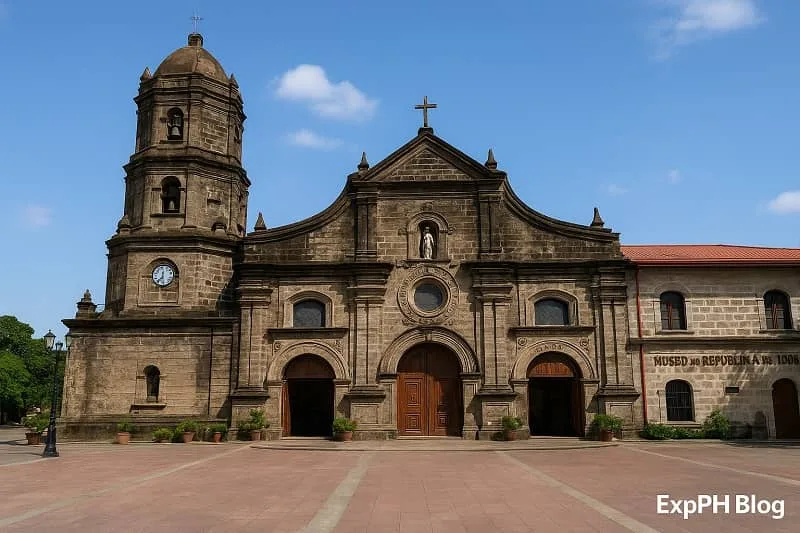
The Barasoain Church in Malolos, Bulacan, is known as the “Cradle of Democracy in the East.” It was the venue of the First Philippine Republic’s inauguration on January 23, 1899, marking a historic milestone in Philippine and Asian history.
Historical Significance
The Malolos Congress convened within its walls to draft the Malolos Constitution, the first democratic constitution in Asia. President Emilio Aguinaldo took his oath here, establishing the Philippines as the first republic in the region.
Architectural Beauty
Built in Baroque style using adobe stones, Barasoain Church features a bell tower and intricately carved façade that has survived wars and natural calamities. Its resilience makes it a symbol of national pride and independence.
What to See
- Museum of the First Philippine Republic: Exhibits artifacts from the revolutionary era.
- Historical Paintings and Documents: Including replicas of the Malolos Constitution.
- Memorial Hall: Honors revolutionary leaders and patriots who fought for freedom.
Location: Malolos, Bulacan
Highlight: Museum and historical archives
Cultural Impact: Barasoain Church is both a religious site and a national treasure. Annual celebrations commemorate the First Republic, making it a vital landmark for civic and educational purposes.
4. Magellan’s Cross, Cebu
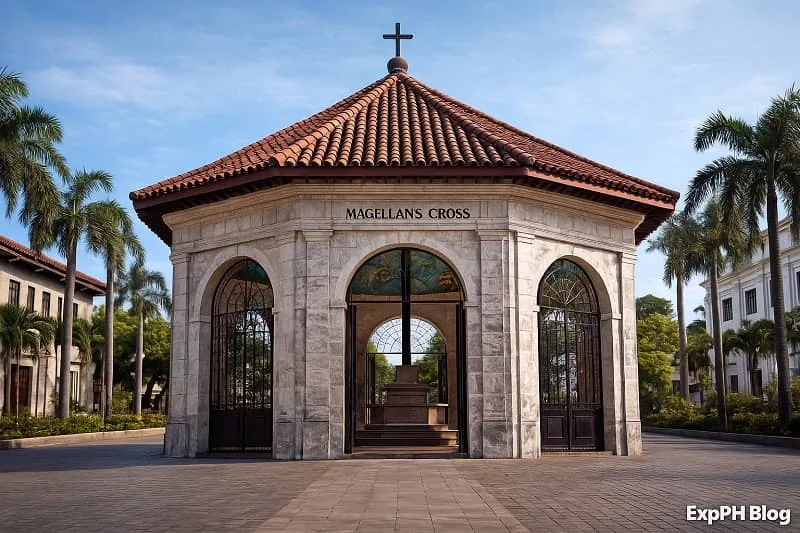
Magellan’s Cross is one of the most important historical landmarks in the Philippines, marking the introduction of Christianity in the country. Planted by Ferdinand Magellan in 1521, it commemorates the baptism of Rajah Humabon and his followers a pivotal moment in Philippine history.
Cultural Significance
As a renowned historical landmark in the Philippines, the cross represents the start of Christianity and the beginning of Spanish colonization. Today, it stands as a symbol of faith, cultural fusion, and the long history of European influence on Filipino society.
Visitor Experience
Located beside the Basilica Minore del Santo Niño in Cebu City, this historical landmark in the Philippines draws countless tourists and pilgrims alike.
During the annual Sinulog Festival, visitors can celebrate this historical moment with music, dance, and devotion, witnessing local rituals and participating in cultural activities.
Location: Cebu City
Highlight: Encased historic cross
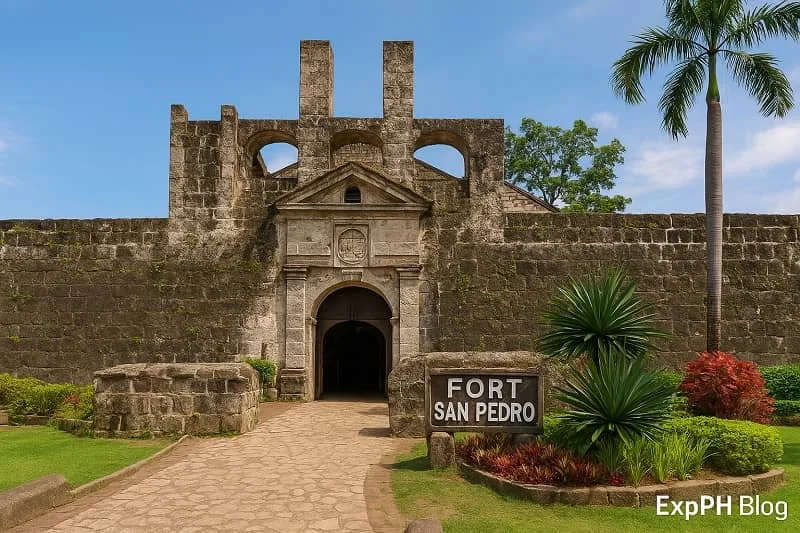
5. Fort San Pedro, Cebu
Constructed in 1738 by Spanish and Cebuano laborers, Fort San Pedro is the oldest triangular bastion fort in the Philippines and a notable historical landmark in the Philippines. It served as a military defense post against pirates and later housed American and Japanese forces.
Architectural Features
- Built with coral stones in a triangular layout.
- Bastions named San Miguel, San Ignacio de Loyola, and La Concepción.
- Panoramic views of Cebu’s port, highlighting its historical significance as a landmark in the Philippines.
What to See
- Old Spanish cannons and colonial weapons.
- Artifacts from the colonial period.
- Museum displays featuring historical photographs and documents, emphasizing Fort San Pedro as a key historical landmark in the Philippines.
Location: Cebu City
Highlight: Museum, cannons, historical exhibits
Visitor Tip: Walk along the fort’s walls for breathtaking views of Cebu’s skyline and harbor. Local guides can provide detailed stories about battles, colonial life, and the fort’s strategic importance.
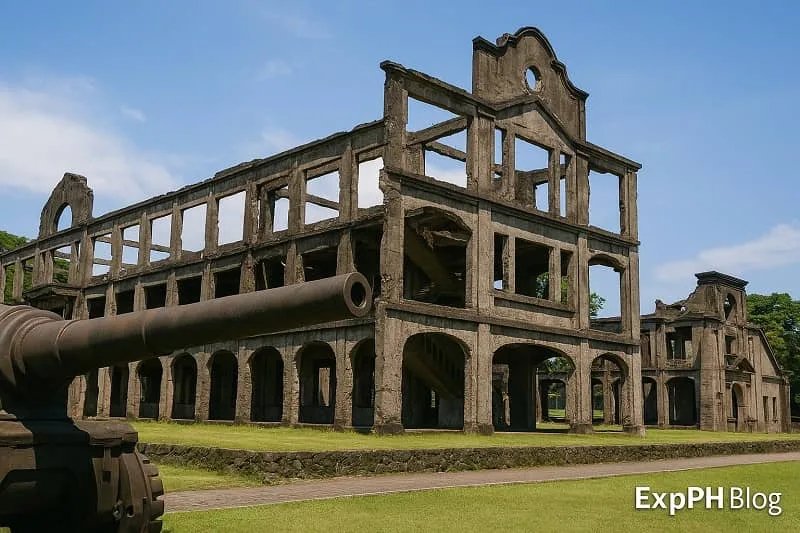
6. Corregidor Island, Cavite
Known as the “Gibraltar of the East,” Corregidor Island is both a historical landmark in the Philippines and a memorial to Filipino and American heroism during World War II.
Historical Background
Corregidor guarded the entrance to Manila Bay and was central to the defense of the Philippines during WWII. In 1942, Filipino and American forces valiantly defended the island before it fell to Japanese occupation. Allied forces reclaimed it in 1945, marking a pivotal moment in the Pacific campaign.
Points of Interest
- Malinta Tunnel: Underground complex serving as a bomb shelter and hospital.
- Pacific War Memorial: Honors soldiers who sacrificed their lives.
- Battery Way and Battery Hearn: Massive coastal defense guns.
Location: Entrance of Manila Bay
Highlight: Malinta Tunnel, war memorials
Visitor Tip: Take a guided tour to explore tunnels, ruins, and memorials for a full historical experience.
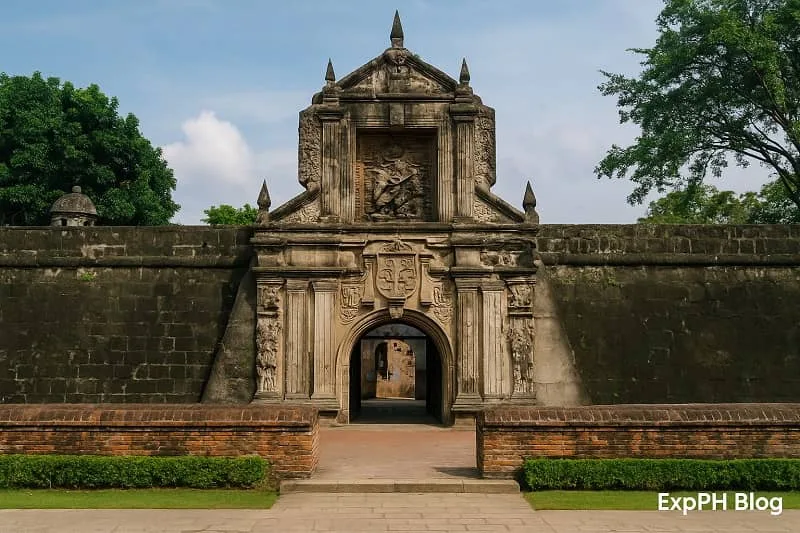
7. Fort Santiago, Manila
Fort Santiago, located within Intramuros, is one of the most iconic historical landmarks in the Philippines. Built in 1593 by Spanish conquistador Miguel López de Legazpi, it served as a military citadel and defense fortress during Spanish colonial rule.
Historical Significance
Fort Santiago is most famously known as the prison of Dr. José Rizal before his execution in 1896. His final footsteps are marked along the fort in bronze, allowing visitors to trace the path of the national hero. The fort also played a crucial role during World War II, serving as a detention site and a battleground.
What to Experience
- Rizal Shrine Museum: Exhibits Rizal’s writings, personal items, and the story of his final days.
- WWII Dungeons: Dark tunnels used by Japanese forces during the war.
- Scenic Gardens: Peaceful areas for reflection and photography.
- Baluarte de San Diego: A restored bastion showcasing the fort’s military architecture.
Location: Intramuros, Manila
Highlight: Rizal Shrine, dungeons, historical exhibits
Cultural Impact: Fort Santiago is not just a tourist site but a living classroom where locals and visitors learn about Philippine history, heroism, and the resilience of the Filipino people.
Visitor Tip: Take a guided tour to fully understand the fort’s complex history. Early morning visits offer fewer crowds and better light for photography.
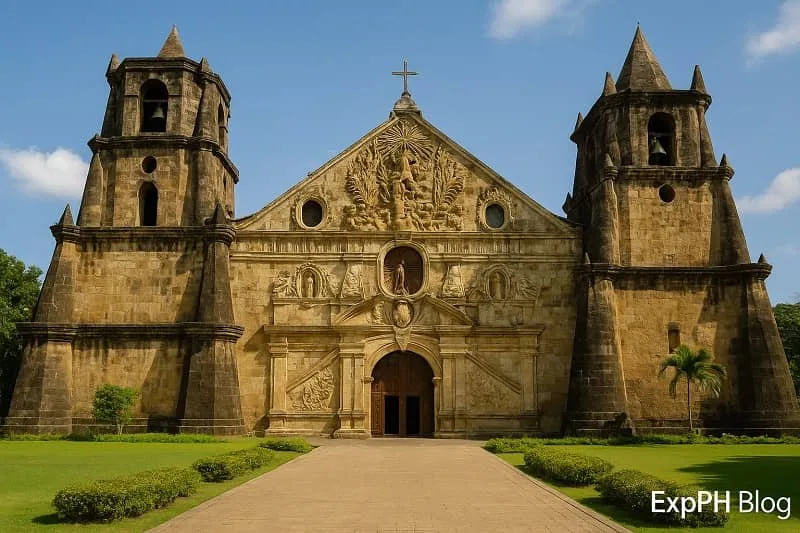
8. Miag-ao Church, Iloilo
The Miag-ao Church, officially known as Sto. Tomas de Villanueva Parish Church, was built in 1787 and is a UNESCO World Heritage Site. It is one of the finest examples of Baroque architecture in Asia and stands as a prominent historical landmark in the Philippines, blending European and Filipino craftsmanship.
Architectural Masterpiece
The church’s façade is adorned with intricate carvings depicting tropical plants, native figures, and religious symbols. Its massive stone walls were designed to withstand pirate attacks and earthquakes, highlighting the ingenuity of Filipino builders and its significance as a historical landmark in the Philippines.
Visitor Experience
- Interior:
Features gold-plated altars, centuries-old religious artifacts, and a serene atmosphere for reflection. - Cultural Symbol:
The church represents the fusion of local traditions and Spanish colonial influence, making it a key historical landmark in the Philippines. - UNESCO Recognition:
One of four Baroque Churches of the Philippines recognized for their architectural and cultural importance.
Location: Miag-ao, Iloilo
Highlight: Ornate Baroque façade
Visitor Tip: Attend local festivals or masses to experience the church as a vibrant part of community life.
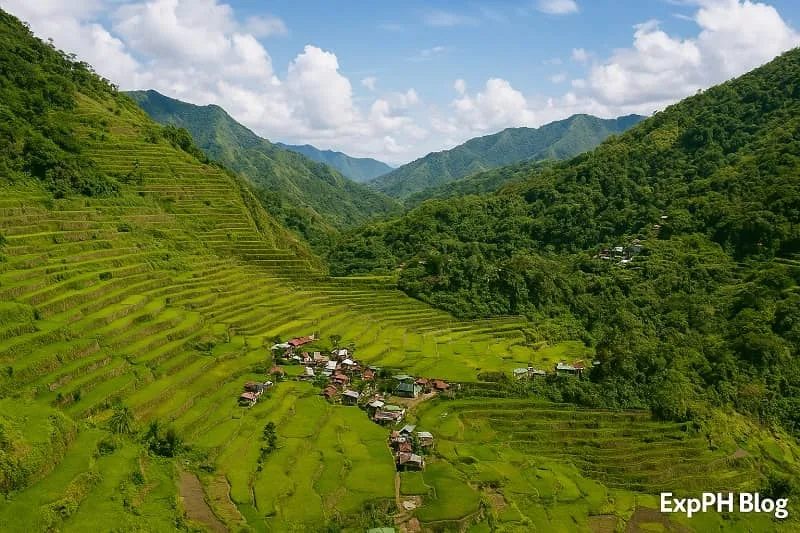
9. Banaue Rice Terraces, Ifugao
Carved over 2,000 years ago by the Ifugao people, the Banaue Rice Terraces are often called the “Eighth Wonder of the World.” Recognized as a UNESCO World Heritage Site, they are a unique historical landmark in the Philippines that combines natural beauty with cultural significance.
Cultural Significance
The terraces demonstrate sustainable farming practices and embody the Ifugao’s spiritual beliefs, rituals, and community life. Passed down through generations, they remain integral to Ifugao identity and are celebrated as one of the most important historical landmarks in the Philippines.
Visitor Experience
- Viewpoints:
Banaue, Batad, and Bangaan terraces offer breathtaking panoramic views of this iconic historical landmark in the Philippines. - Cultural Encounters:
Visitors can meet Ifugao villagers and learn about traditional farming and rituals. - Eco-Tourism:
Hiking trails, homestays, and guided tours support local livelihoods. - Photography & Nature:
Ideal for capturing sunrise and sunset over the terraced landscapes, making it a must-visit historical landmark in the Philippines.
Location: Banaue, Ifugao
Highlight: UNESCO-recognized terraces and native culture
Visitor Tip: Plan a multi-day stay to explore surrounding villages and participate in cultural activities.
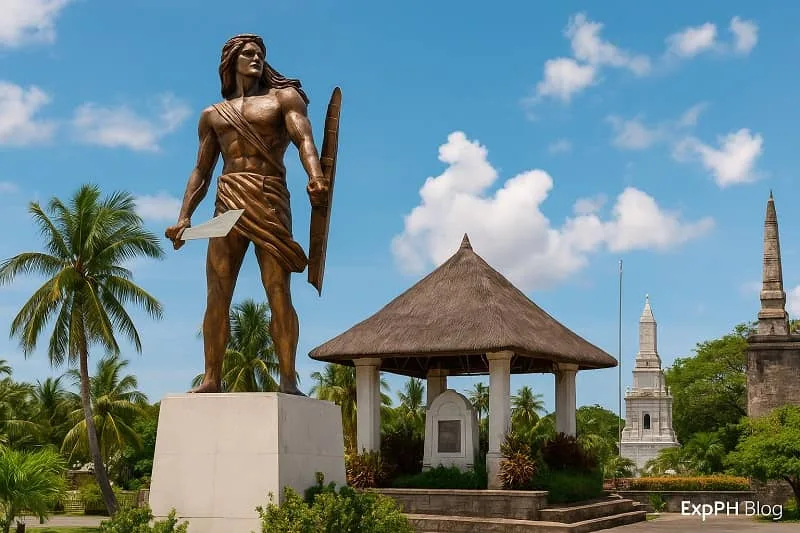
10. Mactan Shrine, Cebu
The Mactan Shrine in Lapu-Lapu City commemorates Datu Lapu-Lapu, the first Filipino hero to resist foreign invasion by defeating Ferdinand Magellan in the Battle of Mactan (1521). This landmark celebrates bravery, resistance, and Filipino pride.
Highlights
- Lapu-Lapu Monument: A towering statue representing heroism and courage.
- Magellan Marker: Denotes the site where Magellan was killed.
- Cultural Park: Hosts annual reenactments of the historic battle every April.
Historical Context
The Battle of Mactan symbolizes Filipino defiance against colonization and foreign control. Lapu-Lapu’s leadership and valor are celebrated in history books, local folklore, and annual festivals.
Location: Lapu-Lapu City, Cebu
Highlight: Monument and cultural park
Visitor Tip: Attend the Mactan Festival in April for a full cultural immersion.
Conclusion
These historical landmarks in the Philippines from Rizal Park and Intramuros to the Banaue Rice Terraces and Mactan Shrine are more than tourist attractions. They are living testimonies of Filipino resilience, faith, and pride.
Visiting these sites allows locals and travelers alike to connect with the nation’s past, appreciate the sacrifices that shaped the Philippines, and understand the rich cultural heritage that continues to influence modern society.
For more related content, please see the link below.
- 10 Must See Attractions and Cultural Highlights in Visayas, Philippines
- Pangasinan and La Union: Trade and Heritage
- Cebu: A Comprehensive History of the Queen City of the South
- Laguna and Batangas Historical Sites: Legacy of Heroes
- Rizal and Cavite History: Cradle of Revolution
For official references, kindly visit the link below.
- National Historical Commission of the Philippines (NHCP)
- Department of Tourism Philippines
- UNESCO World Heritage List (Philippines)
- Intramuros Administration (Official Site)
- Cebu Provincial Government Tourism Page
Frequently Asked Questions
1. What are the most important historical landmarks in the Philippines?
The most important historical landmarks include Rizal Park, Intramuros, Barasoain Church, Magellan’s Cross, Fort San Pedro, Corregidor Island, Fort Santiago, Miag ao Church, the Banaue Rice Terraces, and the Mactan Shrine.
2. Why are these historical landmarks significant to Filipino culture?
These landmarks preserve stories of heroism, colonization, independence, and cultural identity. They help Filipinos understand their history and strengthen national pride.
3. Which historical landmark should first time visitors prioritize?
First time visitors often start with Intramuros and Rizal Park in Manila because these areas offer a comprehensive view of Spanish colonial history and the life of national hero Dr. José Rizal.
4. Are these landmarks accessible for budget travelers?
Yes. Many historical landmarks in the Philippines are free or affordable to visit. Sites like Rizal Park, Intramuros, and Magellan’s Cross offer low cost or optional guided tours.
5. What is the best time of year to visit historical landmarks in the Philippines?
The best time is during the dry season from November to May. Weather conditions are stable, making it ideal for outdoor sightseeing and walking tours.
6. Can visitors join guided tours at these historical sites?
Yes. Many landmarks such as Fort Santiago, Intramuros, and Corregidor Island offer guided tours. These tours provide valuable historical stories and deeper insights.
7. Are UNESCO World Heritage Sites included in the top landmarks?
Yes. Miag ao Church and the Banaue Rice Terraces are recognized as UNESCO World Heritage Sites due to their cultural value and unique architecture.
8. Are these historical sites family friendly?
Absolutely. Most landmarks welcome families and offer educational experiences for children. Some locations have museums, open parks, and interactive exhibits.
9. How long should travelers spend at each historical landmark?
Most sites can be explored in one to two hours. Larger locations such as Intramuros or Corregidor Island may require half a day or a full day to appreciate fully.
10. Do historical landmarks in the Philippines have entrance fees?
Some sites such as Fort Santiago and museums have minimal entrance fees. Others like Rizal Park, Magellan’s Cross, and Mactan Shrine are free to enter.
Test your knowledge of the top historical landmarks in the Philippines.
Each question is designed to help you learn key facts about our national heritage while keeping it fun and simple. Enjoy the quiz and see how well you remember each landmark.
Results


#1. Which park honors Dr. José Rizal?
#2. Where is Intramuros located?
#3. What church hosted the First Philippine Republic?
#4. Which fort is the oldest in Cebu?
#5. What island is known for WWII battles?
#6. Where was Rizal imprisoned before execution?
#7. Which church is a UNESCO site?
#8. What terraces are 2000 years old?
#9. Who defeated Magellan in Mactan?
#10. Where is Magellan’s Cross found?
Thank you for taking this quiz.
Your curiosity keeps our history alive. We appreciate your time and support for ExpPH Blog. Feel free to share your score and comment your experience with us.

A Filipino web developer with a background in Computer Engineering. Founder of ExpPH Blog and ExpPH Business Guide, creating practical content on OFW guidance, business, finance, freelancing, travel, and lifestyle. Passionate about helping Filipinos grow, he shares insights that educate, empower, and inspire readers nationwide.