

E-commerce in the Philippines: Growth, Challenges, and Opportunities
Introduction
E-commerce in the Philippines has become one of the most dynamic sectors in the country’s economy. Over the past decade, the Philippines has witnessed a surge in online shopping, driven primarily by a young, digitally savvy population and widespread smartphone usage. The convenience of purchasing products online, combined with the availability of diverse payment options, has accelerated the adoption of e-commerce across both urban and rural areas. Major platforms such as Shopee and Lazada dominate the market, while emerging players like Temu and TikTok Shop are reshaping consumer behavior and increasing competition.
The rise of e-commerce in the Philippines is not just a trend; it is an integral part of the country’s economic transformation. The market has attracted significant investment, and businesses are leveraging digital channels to expand their reach, improve customer engagement, and optimize supply chains. E-commerce in the Philippines is expected to continue its strong growth in the coming years, creating opportunities for both established enterprises and startups that can navigate the unique challenges of this market.
If you are ready to turn these e-commerce opportunities into real income,
check out How to Start Selling on Shopee and Lazada and learn the step-by-step process to launch your online business.
Table of Contents
1. Top 4 Drivers of E-commerce Growth in the Philippines
Several factors drive the rapid growth of e-commerce in the Philippines. These include widespread internet access, high smartphone usage, and growing adoption of digital payments. Social media influence and changing consumer behavior also encourage more Filipinos to shop online.
1. Demographics and Internet Penetration
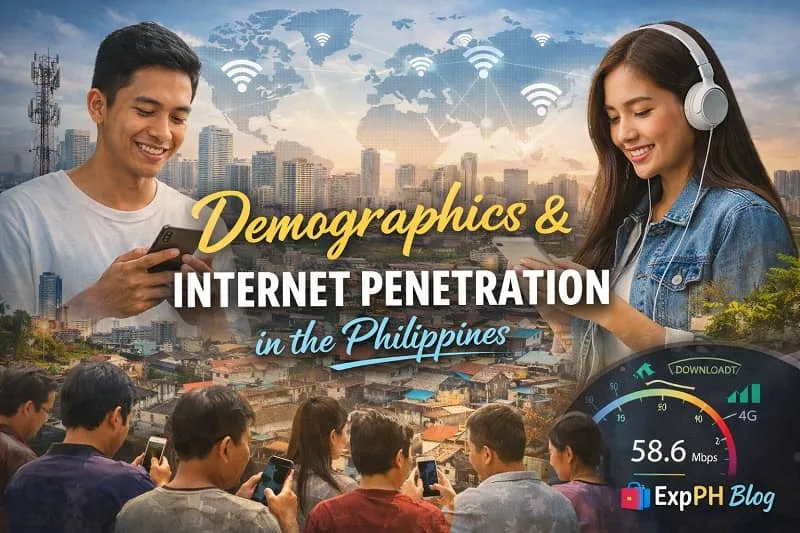
The Philippines has a young population, with more than half under 30. This group is comfortable with digital tools and online platforms. Internet penetration now exceeds 70 percent, allowing millions to shop online daily. Strong connectivity helps businesses reach wider audiences and supports steady e-commerce growth.
Key Points:
- Young, tech-literate population
- Over 70 percent internet penetration
- High daily online activity
- Strong reach for businesses
These factors create a strong foundation for continuous expansion of e-commerce across the country.

2. Smartphone Adoption
Smartphones have changed how Filipinos shop. Consumers can browse, compare prices, and buy anytime using mobile devices. Many prefer apps like Shopee and Lazada over physical stores. Mobile payments make transactions faster and easier, helping more people access and trust e-commerce platforms.
Key Points:
- Mobile-first shopping behavior
- Popular apps like Shopee and Lazada
- Convenience and flexibility
- Faster checkout through mobile payments
This shift toward mobile usage continues to drive faster growth in online shopping nationwide.

3. Digital Payments and Fintech Solutions
Digital wallets and online banking have improved e-commerce in the Philippines. Services like GCash and PayMaya offer secure and simple payment options. These tools reduce dependence on cash-on-delivery, speed up transactions, and build consumer confidence in online shopping and digital financial systems.
Key Points:
- Rise of digital wallets and fintech
- Secure and convenient transactions
- Reduced use of cash-on-delivery
- Increased consumer trust
As digital payments grow, they strengthen reliability and encourage more users to shop online.

4. Social Media and Influencer Marketing
Social media plays a major role in e-commerce growth. Platforms like Facebook, Instagram, and TikTok support product discovery and sales. Influencers promote products through trusted recommendations. Businesses use social media campaigns to attract attention, engage users, and convert followers into customers.
Key Points:
- Strong influence of social platforms
- Product discovery through content
- Impact of influencer recommendations
- Higher engagement and conversions
This strong social presence makes it easier for brands to connect with and convert their target audience.
2. Top 4 Leading E-commerce Platforms in the Philippines
The Philippine e-commerce market is led by several major platforms that use different strategies to attract consumers and expand their reach. These companies compete through technology, logistics, pricing, and marketing to capture market share across different customer segments.

1. Shopee
Shopee remains one of the most popular e-commerce platforms in the Philippines. Its growth comes from a user-friendly app, strong promotions, and a wide range of products. Features like flash sales and free shipping keep users active and encourage frequent purchases.
Key Points:
- User-friendly mobile app
- Strong marketing campaigns
- Flash sales and free shipping
- High user engagement
These strengths help Shopee maintain its leading position in the competitive e-commerce market.

2. Lazada
Lazada is another leading e-commerce platform in the Philippines, supported by Alibaba. It offers a wide product range, reliable logistics, and a secure shopping experience. Strong seller support and smooth payment integration help sustain its growth and customer trust.
Key Points:
- Backed by Alibaba
- Wide product selection
- Reliable delivery system
- Secure payment options
These features allow Lazada to remain competitive and trusted by many online shoppers.

3. Temu
Temu is an emerging platform gaining popularity in the Philippines. It focuses on affordable products and competitive pricing. Frequent promotions and low-cost deals attract budget-conscious shoppers, helping it grow quickly and compete with established e-commerce platforms in the market.
Key Points:
- Affordable product pricing
- Frequent promotions
- Appeals to budget shoppers
- Rapid market growth
These advantages position Temu as a strong challenger in the e-commerce space.

4. TikTok Shop
TikTok Shop is changing online shopping by combining social media and e-commerce. Users can discover and buy products through videos and live streams. This content-driven approach increases engagement and helps businesses connect with customers in a more interactive way.
Key Points:
- Integrated with social media
- Live selling and video content
- High user engagement
- Content-driven marketing
This model allows TikTok Shop to attract both sellers and modern online consumers.nsumers.h content-driven selling.
3. Top 4 Opportunities in the Philippine E-commerce Market
E-commerce in the Philippines offers strong opportunities for businesses that invest in digital tools and effective marketing. Online platforms help companies reach wider audiences, lower operating costs, and adapt quickly to changing consumer behavior in both urban and rural markets.

1. Expanding Market Reach
E-commerce helps businesses overcome geographic challenges in the Philippines, an archipelago with over 7,000 islands. Online platforms allow companies to reach customers in remote areas, reduce reliance on physical stores, and expand beyond major cities through digital channels and reliable delivery networks.
Key Points:
- Access to remote locations
- Reduced geographic limitations
- Expansion beyond major cities
- Dependence on digital platforms
This wider reach allows businesses to serve more customers and grow across different regions.

2. SME Growth and Entrepreneurship
Small and medium enterprises are using e-commerce to grow their customer base. Platforms like Shopee Philippines provide tools for product listing, inventory management, and promotions. These features help businesses operate online without building their own website and lower initial startup costs.
Key Points:
- Easy entry for small businesses
- Built-in selling tools
- Lower startup costs
- Access to wider markets
E-commerce gives entrepreneurs a practical way to launch and scale their businesses.

3. Cross-Border E-commerce
Cross-border e-commerce allows Filipino businesses to reach international customers. Improved logistics and global shipping make exporting easier and more efficient. Local brands can expand their presence, increase sales opportunities, and compete in the global market through digital platforms.
Key Points:
- Access to global markets
- Improved shipping and logistics
- Increased export opportunities
- Global brand exposure
This creates new growth opportunities beyond the local market.

4. Technological Innovation
E-commerce drives innovation in logistics, marketing, and customer service in the Philippines. Businesses use tools like AI recommendations, chatbots, and data analytics to improve efficiency. These technologies enhance customer experience and help companies stay competitive in a fast-changing digital environment.
Key Points:
- Use of AI and automation
- Improved customer service tools
- Data-driven decision making
- Increased operational efficiency
Adopting new technology helps businesses improve performance and maintain a competitive edge.
4. Top 4 Challenges Facing E-commerce in the Philippines
Despite rapid growth, e-commerce in the Philippines still faces key challenges that affect business performance and consumer trust. These include delivery limitations, security concerns, payment behavior, and rising competition. Addressing these issues requires clear strategies and continuous improvement.
1. Logistics and Delivery
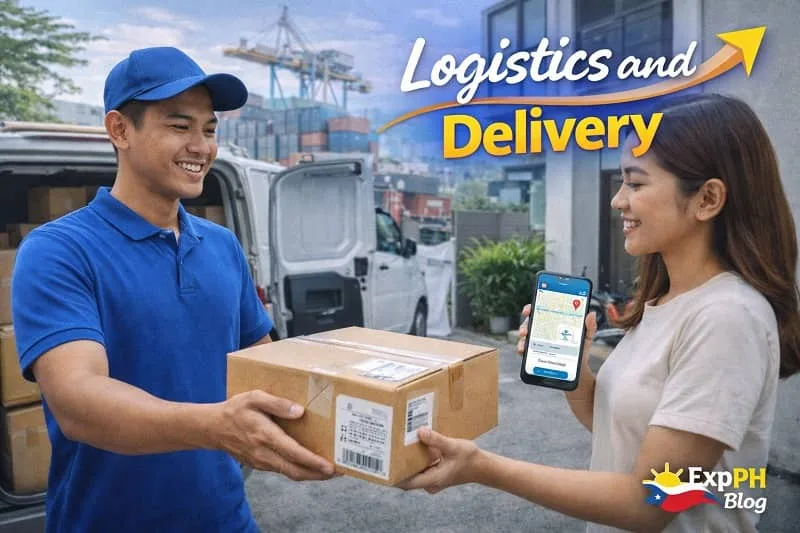
The Philippines’ archipelagic geography creates challenges for logistics and delivery. Shipping delays, high costs, and limited infrastructure affect service quality, especially in remote areas. Businesses must strengthen supply chains and improve delivery systems to ensure reliable service and meet customer expectations.
Key Points:
- Geographic challenges across islands
- Shipping delays in remote areas
- High delivery costs
- Need for efficient logistics systems
Improving logistics is essential to support consistent growth and customer satisfaction.

2. Online Trust and Security
Consumer trust remains essential for e-commerce success. Issues like fraud, counterfeit products, and phishing scams reduce confidence in online shopping. Platforms must implement strong security systems, clear policies, and responsive support to protect users and build long-term trust.
Key Points:
- Risk of fraud and scams
- Presence of counterfeit products
- Need for strong security measures
- Importance of customer support
Building trust encourages more users to engage in online transactions.

3. Financial Literacy
Many Filipinos still prefer cash-on-delivery despite the growth of digital payments. Limited financial literacy affects confidence in online transactions. Educating users about secure payment methods and the benefits of digital wallets can increase adoption and support long-term e-commerce growth.
Key Points:
- Preference for cash-on-delivery
- Limited financial literacy
- Need for consumer education
- Growth of digital payment awareness
Improving financial knowledge can drive wider adoption of online payment systems.
4. Competition and Market Saturation
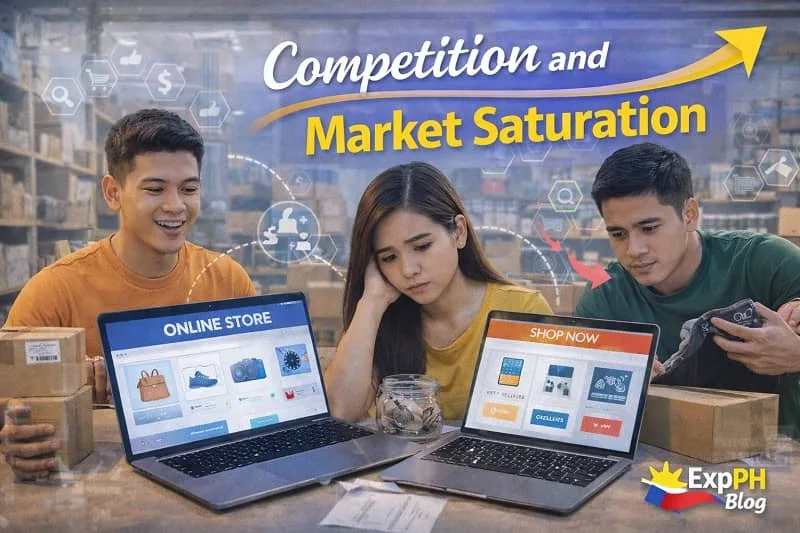
E-commerce competition in the Philippines continues to grow as more businesses enter the market. Popular categories like fashion and electronics are becoming crowded. Companies must focus on innovation, strong branding, and added value to stand out and maintain a competitive position.
Key Points:
- Increasing number of competitors
- Saturation in key product categories
- Need for innovation and branding
- Importance of value-added services
Strong differentiation is necessary to succeed in a competitive e-commerce environment.
5. Top 4 Strategies for Success in Philippine E-commerce
Businesses that want to succeed in the Philippine e-commerce market need clear and practical strategies. Focusing on customer experience, strong online visibility, secure payments, and reliable delivery systems helps companies build trust, improve efficiency, and stay competitive in a fast-changing digital environment.
1. Social Media Integration
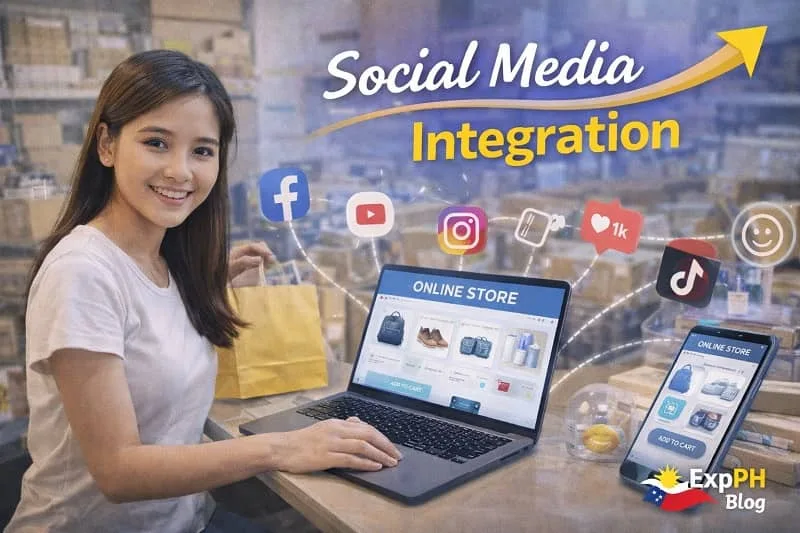
Social media plays a key role in e-commerce success in the Philippines. Businesses use live selling, influencer partnerships, and targeted ads to increase visibility and drive sales. These strategies help brands connect with active users and turn engagement into direct purchases.
Key Points:
- Use of live selling features
- Influencer partnerships
- Targeted social media ads
- Direct customer engagement
A strong social media presence helps businesses reach and convert online audiences more effectively.

2. Enhanced Customer Experience
A smooth shopping experience helps retain customers and build loyalty. Easy navigation, flexible payment options, and responsive support improve satisfaction. Personalization and AI-driven recommendations make shopping more relevant, encouraging repeat purchases and stronger customer relationships.
Key Points:
- Easy website or app navigation
- Multiple payment options
- Responsive customer service
- Personalized recommendations
A better experience leads to higher customer retention and long-term growth.

3. Secure Payment Solutions
Secure payment options are essential for building trust in e-commerce platforms. Digital wallets, cards, and flexible payment methods make transactions easier. Strong security systems reduce fraud risks, improve checkout confidence, and lower cart abandonment while increasing overall conversion rates.
Key Points:
- Availability of digital wallets and cards
- Flexible payment methods
- Strong fraud protection
- Improved checkout experience
Reliable payment systems encourage more users to complete online purchases.
4. Transparent Policies and Reliable Service
Clear policies and dependable service help build trust in e-commerce businesses. Return policies, reliable delivery, and responsive support influence customer decisions. In the Philippines, reviews and recommendations strongly shape buyer confidence and long-term brand reputation.
Key Points:
- Clear return and refund policies
- Reliable delivery service
- Responsive customer support
- Importance of customer reviews
Transparency and reliability strengthen trust and encourage repeat purchases.
Future Outlook of E-commerce in the Philippines
Industry forecasts predict continued growth for e-commerce in the Philippines over the next five to ten years. The market is expected to expand significantly, driven by increasing internet penetration, smartphone adoption, and a growing digitally savvy population. The integration of emerging technologies such as augmented reality shopping experiences, AI-powered customer service, and real-time personalized recommendations will further enhance the attractiveness of online shopping.
E-commerce in the Philippines is also likely to benefit from improvements in logistics infrastructure and last-mile delivery solutions, which will make it easier for businesses to reach underserved rural communities. Additionally, the increasing adoption of eco-friendly packaging and sustainable business practices will appeal to environmentally conscious consumers, helping brands differentiate themselves in a highly competitive market.
Moreover, government initiatives supporting digital transformation and fintech innovation will continue to create an enabling environment for e-commerce growth. As more businesses embrace online channels, e-commerce in the Philippines will play an even more pivotal role in the country’s economy, creating jobs, fostering entrepreneurship, and encouraging innovation across multiple sectors.
With these developments, companies that remain agile, adopt cutting-edge technology, and prioritize consumer trust and engagement will have a significant advantage. E-commerce in the Philippines is no longer just a supplementary retail channel. It is becoming a central pillar of modern commerce and economic development in the country.
OFW Opportunities in Philippine E-commerce
E-commerce creates strong opportunities for OFWs who want to build income while working abroad. Online platforms allow them to start small businesses, support families, and manage operations remotely. This approach helps OFWs prepare for financial stability and long-term plans.
Key Points:
- Ability to start online businesses abroad
- Support for family-based operations in the Philippines
- Lower startup costs compared to traditional businesses
- Flexible income opportunities
E-commerce provides OFWs with a practical path toward financial growth and future stability.

Final Thoughts on E-commerce in the Philippines
E-commerce in the Philippines is experiencing a transformative phase, offering both tremendous opportunities and unique challenges. The combination of a young, tech-savvy population, increased smartphone usage, and digital payment adoption is driving rapid market growth. However, challenges related to logistics, security, financial literacy, and competition must be addressed strategically.
Businesses that leverage social media, adopt innovative technologies, provide secure payment solutions, and prioritize customer trust are likely to succeed. E-commerce in the Philippines is poised to become a major contributor to the country’s economy, transforming how Filipinos shop and creating new opportunities for entrepreneurs and established businesses alike.
By understanding market dynamics, investing in technology, and maintaining a customer-centric approach, companies can fully harness the potential of e-commerce in the Philippines and secure a sustainable competitive advantage in this rapidly evolving digital landscape.

FAQs About E-commerce in the Philippines
What is driving the growth of e-commerce in the Philippines?
E-commerce growth is driven by high smartphone usage, improved internet access, digital payment adoption, and changing consumer habits that favor convenience and online shopping.
Why is the Philippines considered a strong e-commerce market?
The Philippines has a young, digitally active population, strong social media engagement, and increasing trust in online transactions, making it ideal for e-commerce expansion.
What are the biggest challenges facing e-commerce in the Philippines?
Key challenges include logistics limitations, delivery delays in rural areas, online fraud risks, payment preferences, and intense competition among online sellers.
How important is mobile shopping in the Philippines?
Mobile shopping is essential, as most Filipino consumers use smartphones to browse, compare prices, and complete online purchases through apps and social platforms.
What role does social media play in Philippine e-commerce?
Social media drives product discovery, live selling, and influencer marketing, helping businesses reach customers, build trust, and convert engagement into actual sales.
How do digital payments support e-commerce growth?
Digital wallets and online banking make transactions faster and safer, reduce reliance on cash on delivery, and improve customer confidence in online shopping platforms.
Are small businesses benefiting from e-commerce in the Philippines?
Yes, e-commerce allows small businesses to reach wider markets, reduce startup costs, and compete with larger brands using online tools and marketplaces.
What opportunities exist for new e-commerce entrepreneurs?
Opportunities include niche products, home-based online stores, cross-border selling, and using social commerce to test markets with lower financial risk.
How does logistics affect e-commerce performance in the country?
Reliable logistics directly impact customer satisfaction, as delayed or costly deliveries can reduce trust and discourage repeat online purchases.
What is the future outlook for e-commerce in the Philippines?
The sector is expected to grow steadily as technology improves, logistics expand, and more consumers and businesses adopt online shopping solutions.
Ready to turn your e-commerce knowledge into a real business?
Explore the Top 10 Small Business Ideas in the Philippines for 2026 and find opportunities you can start, scale, and grow over time.
For related insights, you may also explore these articles:
- E-commerce Opportunities in the Philippines
- Digital Economy and E-Commerce Growth in the Philippines for 2026
- How to Promote Your Business on Facebook and TikTok
Explore the DTI E-Commerce Portal for official insights and opportunities
Learning Hub Quiz!
Test your knowledge on E-commerce in the Philippines. Answer the questions below and see how much you know about the country’s booming online market!
Results


#1. Which sector leads Philippine e-commerce growth?
#2. What is a major e-commerce challenge?
#3. Which factor boosts online shopping?
#4. Which payment method is most popular?
#5. What represents e-commerce opportunities?
Keep exploring the trends and opportunities in Philippine e-commerce!
Your experience matters to us, and we invite you to share your thoughts or experiences in the comments section below.

A Filipino web developer with a background in Computer Engineering. Founder of ExpPH Blog and ExpPH Business Guide, creating practical content on OFW guidance, business, finance, freelancing, travel, and lifestyle. Passionate about helping Filipinos grow, he shares insights that educate, empower, and inspire readers nationwide.