
Smart Spending Habits to Avoid Living Paycheck to Paycheck
Living paycheck to paycheck is something many Filipinos experience, especially with rising expenses, unpredictable emergencies, and the increasing cost of daily needs. The good news is that financial stress can be reduced when you practice Smart Spending. These habits allow you to take control of your money, become more confident with your financial decisions, and slowly build a future where your income works for you rather than disappearing as soon as it arrives.
In this complete guide, you will learn the most effective Smart Spending techniques that help you avoid living paycheck to paycheck. You will also discover practical examples, financial strategies that work even for small incomes, and money-saving tips that can help you build stability for yourself and your family.
Let this be your starting point toward financial peace. With consistent practice, Smart Spending will become a natural part of your lifestyle.
Before improving your spending habits,
learn the basics with The 50/30/20 Rule: A Filipino’s Guide to Smart Budgeting and discover a simple way to manage your income.
Quick Summary (TL;DR)
Smart spending is about making thoughtful decisions with your money so you can cover your needs, save consistently, and avoid living paycheck to paycheck. For Filipinos dealing with everyday expenses and unexpected costs, simple habits like budgeting, tracking expenses, and limiting unnecessary purchases can help build greater financial stability over time.
- Track Your Income and Expenses: Know how much money you take home each month and where every peso goes. This helps you identify spending habits that may be holding you back.
- Create a Realistic Budget: Use the 50/30/20 rule as a starting point, allocating money for needs, wants, and savings or debt payments. Adjust the percentages to fit your actual income and responsibilities.
- Separate Needs From Wants: Prioritize essentials such as food, housing, utilities, and transportation before spending on non-essential items.
- Avoid Impulse Buying: Give yourself time to think before making unplanned purchases, compare prices, and buy only what fits your budget.
- Save Before You Spend: Set aside money as soon as you receive your salary. Start with a manageable amount and gradually build an emergency fund.
- Manage Debt Wisely: List your debts, keep up with required payments, prioritize a repayment strategy, and avoid unnecessary new borrowing.
- Reduce Everyday Expenses: Cook at home more often, review unused subscriptions, plan grocery trips, conserve electricity, and choose cost-effective transportation when practical.
- Build Healthy Money Habits: Focus on long-term goals rather than instant gratification. Celebrate small wins and avoid comparing your lifestyle with others.
- Explore Ways to Increase Income: Consider developing new skills, starting a suitable side hustle, or exploring other income opportunities that fit your circumstances.
Key takeaway: Smart spending does not mean giving up everything you enjoy. It means using your money intentionally, saving consistently, and making choices that help you meet today’s needs while preparing for tomorrow.
Table of Contents

Understanding Why People Live Paycheck to Paycheck
Many people live paycheck to paycheck not because they are irresponsible, but because their expenses and income do not match. Before learning Smart Spending strategies, it is important to understand the most common reasons behind financial struggles.
Rising Cost of Living
Prices of food, transportation, utilities, and rent continue to increase. When income does not grow at the same pace, it becomes difficult to save money.
Lack of a Clear Budget
Without a structured budget, it is easy to overspend. Many people do not track where their money goes until it is already gone. Smart Spending solves this by helping you understand and manage every peso.
No Emergency Fund
Unexpected events like medical bills, job loss, or home repairs force people to use their next paycheck or borrow money. When you do not have emergency savings, you stay trapped in the paycheck cycle.
Lifestyle Inflation
As income increases, people also tend to spend more. This is called lifestyle inflation. With Smart Spending, you learn to control your lifestyle rather than letting it control your finances.

Building the Foundation of Smart Spending
Smart Spending begins with building financial awareness. You cannot improve your money habits unless you fully understand your current situation.
Track Every Peso
One of the strongest habits of Smart Spending is tracking every expense. Whether you buy food, load, skincare products, or something small from a sari sari store, it should all be listed. This helps you identify wasteful spending.
You can use apps like Money Manager, Spendee, or even a simple notebook. What matters is consistency because steady tracking builds stronger habits and long term financial awareness.
Know Your Monthly Income Clearly
Many people think they know their income, but they only consider the gross amount. Smart Spending encourages you to list only your net income, meaning the exact amount you can spend after deductions.
Identify Needs and Wants
Smart Spending does not mean you cannot enjoy life. It simply means you should separate needs such as bills, food, and transportation from wants such as gadgets, subscriptions, or luxury items.
Once you understand the difference, you can control your spending more wisely and make thoughtful financial choices that support long term stability and personal growth.

Creating a Budget that Supports Smart Spending
A budget is your road map to financial success. When done correctly, it helps you avoid overspending while also allowing you to enjoy your money responsibly.
Use the 50 30 20 Rule
This budgeting rule works perfectly with a Smart Spending lifestyle because it organizes your finances effectively and supports long term budgeting success and stability.
- 50 percent for needs
- 30 percent for wants
- 20 percent for savings and debt payments
If your income is small, you can adjust the percentages. What matters is that you follow a structured plan that supports consistent progress and guides your financial decisions wisely.
Create a Zero Based Budget
Zero based budgeting ensures that every peso is assigned to something. This is a powerful Smart Spending technique because it forces you to be intentional.
For example:
If you earn 20,000 pesos, your total budget must also equal 20,000 pesos exactly, covering bills, savings, and discretionary spending to maintain clear financial control.
Pay Yourself First
Smart Spending always encourages saving before spending. This habit ensures you build financial stability slowly but consistently, supporting your long term financial growth.
Paying yourself first means placing money into savings as soon as you receive your salary, before paying bills or buying personal items, helping you build consistency.

Practical Smart Spending Habits You Can Apply Today
Smart Spending is more than a concept. It is a daily practice that slowly transforms your life. Here are practical habits you can start immediately.
Limit Impulse Buying
Impulse purchases often destroy a budget. Smart Spending teaches you to apply the 24 hour rule. If you want to buy something that is not a need, wait for twenty four hours before deciding. If it still feels important after a day, reconsider the purchase.
Cook at Home More Often
Food deliveries and restaurant meals cost much more than home cooked food. Smart Spending recommends preparing meals in advance or cooking large batches.
This habit alone can save thousands of pesos per month and significantly improve your budget, reduce stress, and support long term financial stability.
Reduce Unnecessary Subscriptions
Streaming services, apps, and memberships may seem cheap, but when combined, they can take a significant chunk of your income. Smart Spending encourages reviewing your subscriptions monthly and keeping only what you actually use.
Practice Cash Envelope Budgeting
This is an excellent way to stay disciplined. Divide your budget into envelopes such as groceries, food allowance, and transportation. When the envelope is empty, you stop spending. This is Smart Spending in action.

Adopting a Mindset that Supports Smart Spending
Smart Spending requires the right mindset. You need to believe that financial peace is possible and that your future is worth protecting.
Shift from Instant Gratification to Long Term Rewards
Instead of focusing on immediate pleasure, Smart Spending teaches you to think long term. Delaying pleasure today allows you to enjoy more comfort and security tomorrow.
Celebrate Small Wins
Every time you stay within budget, pay off debt, or save even a small amount, celebrate your progress. Smart Spending is a journey, not a race.
Avoid Comparing Yourself to Others
Comparing your lifestyle to someone else creates unnecessary pressure. Smart Spending is about living within your means, not living according to others’ expectations.
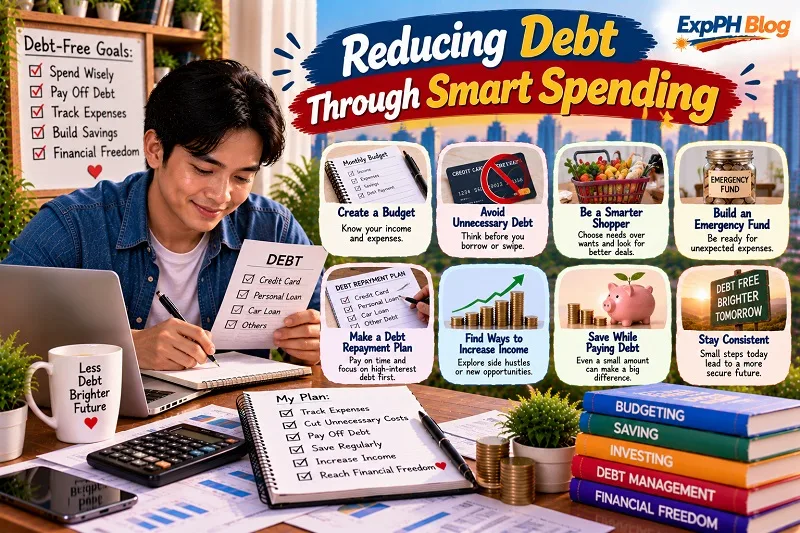
Reducing Debt Through Smart Spending
Debt drains your income and keeps you stuck in the paycheck cycle. To break free, Smart Spending helps you manage and reduce your debts effectively.
List All Your Debts
Write down the total balance, interest rate, and monthly payments. Avoid hiding or ignoring anything. Smart Spending requires honesty and clarity.
Use the Debt Snowball Method
Start by paying off your smallest debts first, while still paying the minimum on larger debts. Every time you clear a debt, your motivation increases. This is a practical Smart Spending strategy that keeps you disciplined.
Avoid New Debts
Whenever possible, stop taking new loans or relying on credit. Smart Spending means learning to live on the money you actually have.

Building Savings Through Smart Spending
Savings are the foundation of financial freedom. Even small savings add up over time and gradually build security, confidence, and stronger financial habits for your future.
Start an Emergency Fund
Aim for at least one month of expenses first, then three to six months later. Smart Spending protects you from unexpected financial shocks.
Save Automatically
Automate your savings by transferring money to a separate account on payday. Smart Spending becomes easier when the process is automatic.
Use High Interest Savings Accounts
Many digital banks offer higher interest rates. Practical money habits encourage choosing accounts that help your money grow and support long term financial success.

Smart Spending for Daily Living
Your daily habits define your financial life. Small actions repeated consistently make the biggest difference and gradually shape long term stability, confidence, and better decision making.
Plan Your Purchases
Never buy important items without comparing prices. Smart money habits mean finding the best value, not the cheapest option, to support better financial decisions.
Buy in Bulk When Practical
Rice, canned goods, toiletries, and cleaning supplies are cheaper when bought in bulk. This supports Smart Spending by reducing long term costs.
Use Rewards and Cashback
Many apps offer points, rewards, or cashback promotions. Smart Spending encourages taking advantage of these offers as long as you avoid overspending.

Smart Spending for Transportation and Travel
Transportation costs can easily drain your income. Smart money habits help reduce these expenses by encouraging better planning and more cost efficient daily travel choices.
Walk When Possible
Short distances can be traveled on foot. This saves money and improves your health while promoting daily movement and reducing unnecessary transportation costs over time.
Use Public Transportation
Instead of relying on ride hailing apps, choose jeeps, buses, or trains. Wise money choices mean selecting the most cost effective option that supports your overall budget.
Plan Your Routes
Avoid unnecessary trips and combine tasks into one route. This is a powerful money saving method that prevents wasted fuel and time while improving daily efficiency.

Smart Spending in the Home
Your home is where most spending happens, so practical money habits apply strongly here and help guide better decisions for long term financial stability.
Conserve Electricity
Turn off appliances when not in use, choose energy efficient bulbs, and clean air conditioners regularly. Smart Spending means reducing bills without sacrificing comfort.
Stick to a Monthly Grocery Plan
Create a grocery list and follow it. Responsible money habits help you avoid buying items you do not need, keeping your budget organized and supporting smarter daily choices.
Repair Instead of Replace
Before buying new items, check if they can be fixed. Practical money habits encourage sustainability and thoughtful purchases that support long term financial well being.

Smart Spending in Your Relationships and Social Life
Financial discipline does not mean avoiding fun. Instead, practical money habits teach you to enjoy life without harming your budget while staying mindful of your choices.
Host Potlucks Instead of Eating Out
This allows you to bond with friends while spending less, helping you build stronger relationships through meaningful moments without putting pressure on your monthly budget.
Choose Affordable Activities
Walks in the park, beach days, home movie nights, or small gatherings are budget friendly choices that help you enjoy meaningful moments without overspending or stressing your finances.
Communicate About Budget Limitations
Practical money habits teach you that it is okay to say no politely when something does not fit your budget, and true friends will understand your situation.

Growing Your Income to Support Smart Spending
While cutting expenses is important, increasing your income also strengthens your financial habits and creates more opportunities for long term stability and growth.
Start a Side Hustle
Freelancing, online selling, and digital services can boost your income, helping you build financial stability, expand your skills, and open more opportunities for long term success.
Improve Your Skills
Upskilling helps you get better job opportunities, and wise money habits include investing in yourself to build long term professional growth and confidence.
Explore Passive Income
Digital products, blogs, or small investments are long term options that can steadily generate income, support financial growth, and strengthen your future stability over time.

Final Thoughts on Smart Spending and Financial Freedom
Smart Spending is a powerful money management approach that helps you stop living paycheck to paycheck. It teaches you to be intentional, disciplined, and strategic with your financial decisions. You do not need to be rich to practice Smart Spending. You only need consistency, awareness, and the willingness to take small steps every day.
By applying these Smart Spending habits, you improve your life, reduce stress, and build a future filled with stability and opportunity. Every peso saved, every unnecessary purchase avoided, and every wise decision you make brings you closer to financial freedom.
You can choose better financial habits today and create a better tomorrow for yourself and your family by staying consistent, disciplined, and focused on meaningful goals.

FAQs about Smart Spending Habits
What is Smart Spending and why is it important?
Smart Spending is the practice of managing your money wisely by prioritizing essential needs, tracking expenses, and avoiding unnecessary purchases. It is important because it helps you break free from living paycheck to paycheck and build long term financial stability.
How can Smart Spending help me stop living paycheck to paycheck?
Smart Spending helps you control your expenses, create a practical budget, avoid impulse buying, and save money consistently. When you follow these habits, you reduce financial stress and gain control over your income.
What is the first step to start smart money management?
The first step is tracking all your expenses. Knowing where your money goes helps you identify unnecessary spending and adjust your habits to match your financial goals.
How do I create a budget that supports smart money habits?
Start by listing your income, identifying fixed and variable expenses, and dividing your money using a method like the 50 30 20 rule. A clear budget helps you stay organized and avoid overspending.
What are common mistakes that stop people from practicing wise spending?
Common mistakes include impulse buying, ignoring small expenses, not having a financial plan, and not saving regularly. These habits trap many people in the paycheck to paycheck lifestyle.
Can smart money management work even if my income is small?
Yes. Smart financial habits are effective at any income level. Even with a small income, you can manage your money better by prioritizing needs, reducing wasteful spending, and saving small amounts consistently.
How can I avoid impulse buying and stay committed to wise spending habits?
Use the twenty four hour rule before buying non essential items, follow a shopping list, and separate needs from wants. These small habits strengthen your discipline and reduce financial stress.
Why is an emergency fund part of responsible money management?
An emergency fund protects you from unexpected expenses such as medical bills or job loss. Without it, you are forced to use your next paycheck or borrow money, which keeps you stuck in financial stress.
What tools can help me practice smart financial habits?
You can use budgeting apps, cash envelope systems, banking alerts, or simple notebooks. Anything that helps you track your income and expenses consistently supports responsible money behavior.
How long does it take to see results from smart money management?
Most people notice improvement within one to three months of consistent practice. Over time, responsible budgeting becomes a natural habit that leads to long term financial freedom.
Ready to break free from the paycheck-to-paycheck cycle?
Explore the OFW Financial Success Guide for Filipinos in 2026 and learn how to save more, manage your income, and build long-term financial security.
Read more suggestions in the list below.
For source references, please click the link below.
- Bangko Sentral ng Pilipinas Financial Education
- Commission on Filipinos Overseas PISO Financial Education
- Department of Trade and Industry Consumer Tips
Learning Hub Quiz!
Test your knowledge about Smart Spending Habits to Avoid Living Paycheck to Paycheck.
Results


#1. What is the goal of smart spending?
#2. What helps stop impulse buying?
#3. What is the first step in smart spending?
#4. What budgeting rule helps smart spending?
#5. What prevents living paycheck to paycheck?
#6. What helps manage small expenses?
#7. What should you prioritize first?
#8. What habit builds savings fast?
#9. What protects you from emergencies?
#10. What reduces monthly costs?
Your commitment to learning smart spending habits shows your dedication to building a better financial future. Feel free to share your score and comment your experience with us.

A Filipino web developer with a background in Computer Engineering. Founder of ExpPH Blog and ExpPH Business Guide, creating practical content on OFW guidance, business, finance, freelancing, travel, and lifestyle. Passionate about helping Filipinos grow, he shares insights that educate, empower, and inspire readers nationwide.