
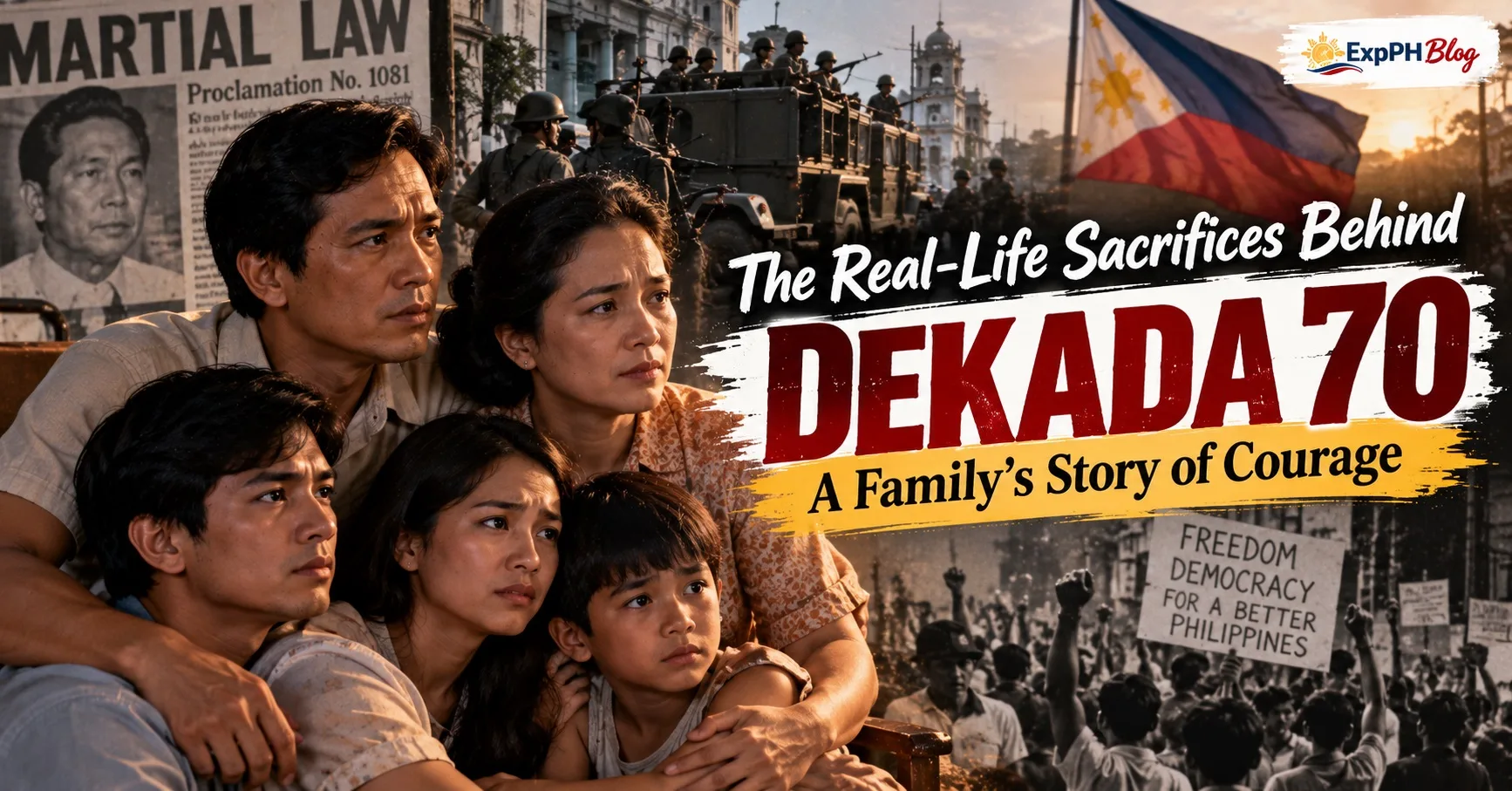
The Real-Life Sacrifices Behind Dekada 70 A Family’s Story of Courage
The Philippines has a long and emotional history shaped by the strength of Filipino families. Among the many stories that reflect this journey, the Dekada 70 real story is one of the most inspiring examples of courage, sacrifice, and resilience. Many Filipinos know the iconic novel and movie adaptation titled Dekada 70, but not everyone fully understands the deep meaning behind its real life context. This article explores the real events, struggles, and emotional battles that many families faced during the 1970s as martial law reshaped the country.
The Dekada 70 real story is more than a political narrative. It is a reminder of how ordinary people discovered extraordinary courage. It reveals how families held onto hope even when surrounded by fear. This article aims to help readers understand the lessons of that era, the sacrifices made by parents and children, and how the experience continues to shape today’s society.
Quick Summary (TL;DR)
The Dekada 70 real story explores the courage, sacrifices, and struggles of Filipino families during the martial law period. Through the experiences of the fictional Bartolome family, readers gain a deeper understanding of how political oppression affected family relationships, youth activism, personal freedom, and the lives of ordinary Filipinos.
- Understand the Real-Life Context: Learn how martial law from 1972 to 1981 changed daily life and affected Filipino families across the country.
- Explore the Bartolome Family: Discover how Amanda, Julian, and their children represent the struggles, hopes, and experiences of ordinary Filipino households.
- Recognize the Daily Struggles: Understand how curfews, military checkpoints, restricted freedoms, and fear affected families during this difficult period.
- Discover the Power of Youth Activism: Learn how young Filipinos stood up for their rights and helped shape the country’s future through collective action.
- Understand Amanda’s Personal Awakening: Explore how Amanda’s journey reflects the growing awareness, strength, and social involvement of Filipino women.
- Appreciate Family Love and Sacrifice: Discover how parents and children protected one another while facing uncertainty and difficult choices.
- Understand the Role of Fear: Learn how constant uncertainty challenged families while encouraging unity, courage, and mutual support.
- Explore the Story’s Symbolism: Recognize how family unity, motherhood, youth idealism, and resistance represent broader Filipino experiences during martial law.
- Learn Lessons for Today’s Generation: Understand why freedom, human rights, social awareness, and responsible citizenship remain important.
- Preserve the Memory of the Past: Discover how the story encourages younger Filipinos to understand history and appreciate the sacrifices made by earlier generations.
Key takeaway: The Dekada 70 real story reminds Filipinos that courage, family unity, and the pursuit of freedom can endure even during difficult times. By understanding the experiences reflected in the Bartolome family’s fictional journey, readers can appreciate the historical struggles of ordinary Filipinos and recognize why protecting human rights, justice, and freedom remains essential today.
Table of Contents
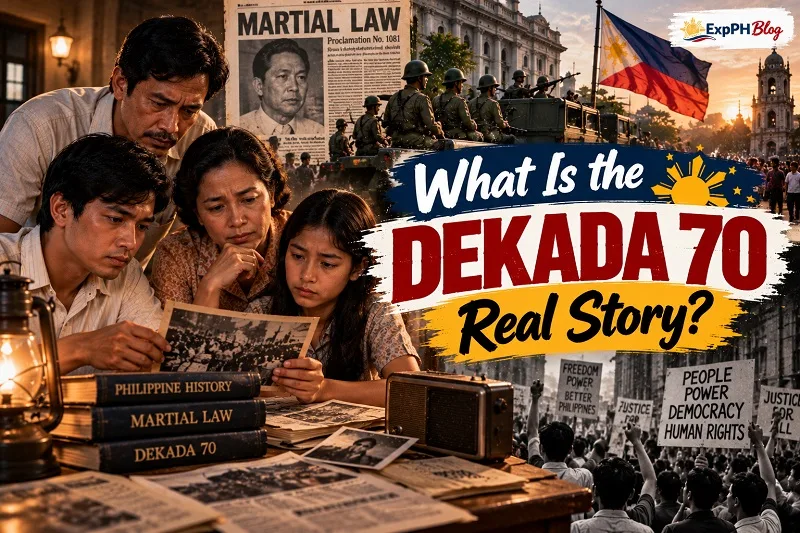
What Is the Dekada 70 Real Story
The Dekada 70 real story refers to the real life experiences that inspired the book written by Lualhati Bautista. It is set during the martial law period from 1972 to 1981. During this time, families across the Philippines lived under strict government control, limited freedoms, and a climate of fear. The novel’s main characters, the Bartolome family, represent the typical Filipino household that struggled to protect their loved ones in a time when safety was never guaranteed.
While the story centers on a fictional family, their experiences mirror the real events faced by countless Filipino families. The Dekada 70 real story shines a light on parents who wanted a peaceful life for their children, young people who fought for freedom, and communities that learned to stay strong despite overwhelming challenges.
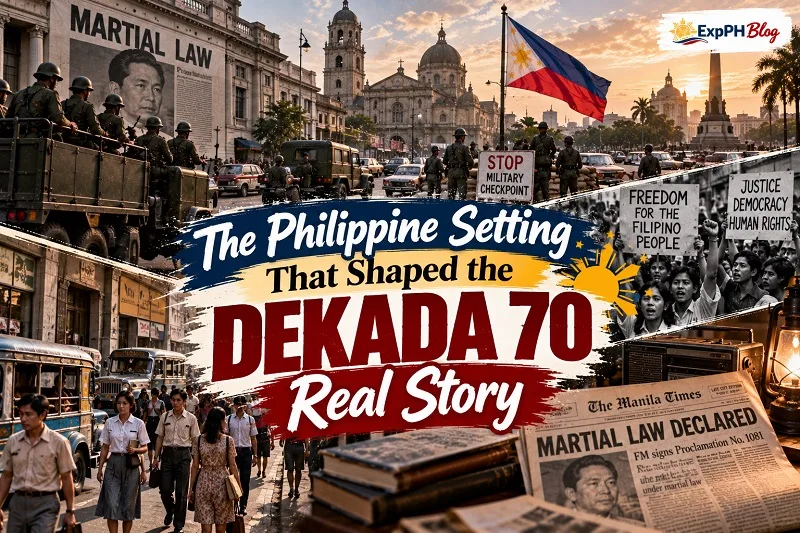
The Philippine Setting That Shaped the Dekada 70 Real Story
The social and political environment of the 1970s played a major role in shaping the Dekada 70 real story. Martial law brought major changes to the country. Curfews were imposed, military checkpoints became common, public gatherings were restricted, and many individuals were arrested without warning. Media organizations were shut down or controlled, which limited access to truthful information.
All these conditions created a heavy atmosphere that families had to navigate every day. The Dekada 70 real story highlights how these conditions affected relationships inside the home. Parents worried constantly about their children. Young adults questioned authority and searched for ways to defend their rights. Even simple daily activities like going to school or going to work felt risky.
Understanding this environment helps readers appreciate how the Dekada 70 real story reflects the strength and unity of Filipino families.

The Bartolome Family as a Symbol of the Filipino People
Although the Bartolome family is fictional, every part of their journey represents the real experiences of Filipino households during martial law. This is why the Dekada 70 real story continues to resonate with readers and viewers today.
Character Representations
Amanda Bartolome
Amanda represents Filipino mothers who carried emotional weight silently. She struggled with her identity as a woman, a mother, and a citizen during a time when she felt powerless. Her journey in the Dekada 70 real story reflects the awakening of many women who realized they could contribute to social change.
Julian Bartolome
Julian symbolizes hardworking Filipino fathers who wanted stability for their families. However, the political climate forced them to confront new realities. Julian’s slow shift in perspective mirrors the changing mindset of men who learned to support their children’s advocacy.
The Bartolome Children
Each child represents a different segment of Filipino youth. Their passions, frustrations, and sacrifices show how the younger generation found their voice in the Dekada 70 real story. From activism to personal dreams, they reveal the internal conflict between pursuing a normal life and fighting for national freedom.
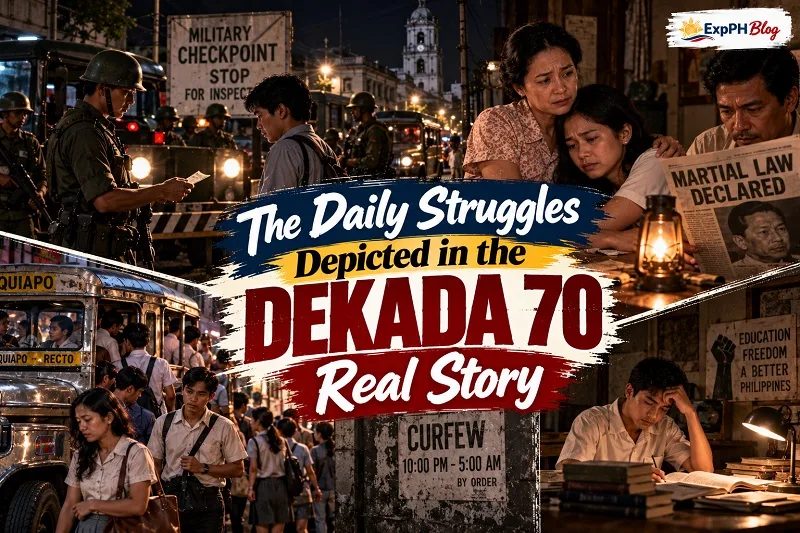
The Daily Struggles Depicted in the Dekada 70 Real Story
The Dekada 70 real story captures the tension of living under constant surveillance. Families had to adjust their behaviors. They avoided political conversations in public. They stayed alert for sudden arrests or military raids. Even the simple act of going home late became dangerous.
Many mothers in the Dekada 70 real story often hid their worries behind calm expressions. Fathers tried to appear strong even when they felt afraid. Younger family members wanted to explore the world but were held back by strict laws and violent encounters happening around them.
The story reflects how the Filipino spirit continued to survive even in the darkest times.
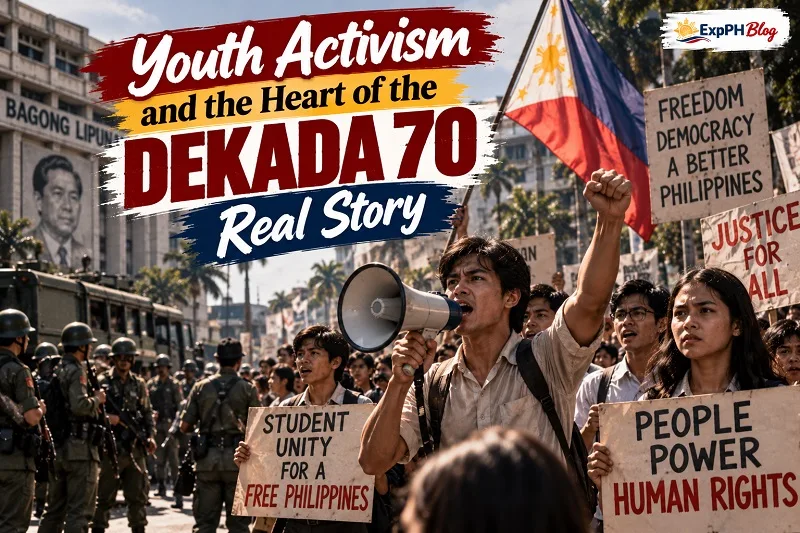
Youth Activism and the Heart of the Dekada 70 Real Story
One of the most powerful elements of the Dekada 70 real story is the rise of youth activism. Many young Filipinos refused to stay silent. They organized peaceful protests, joined student groups, and educated communities about their rights.
Although the story shows these acts through the perspective of the Bartolome siblings, the events reflect true historical actions. Students, artists, writers, and workers became brave voices in a time when freedom of speech was restricted. Their sacrifices influenced many of the freedoms enjoyed today.
The Dekada 70 real story shows how youth activism helped shape the country’s future.
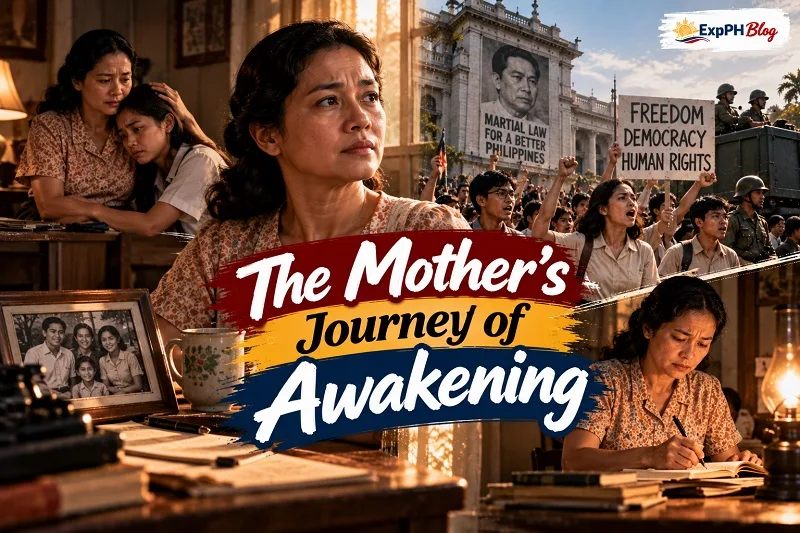
The Mother’s Journey of Awakening
A central theme in the Dekada 70 real story is Amanda’s personal awakening. She started as a traditional housewife who focused mainly on raising her children. But as she witnessed the changes happening to her country and her family, she began questioning her role in society.
Her transformation mirrors countless real Filipino mothers who discovered their strength and wisdom. Many women became leaders in community efforts, human rights movements, and social awareness campaigns. The Dekada 70 real story honors these women who learned to balance their responsibilities at home with the growing need to take part in national issues.
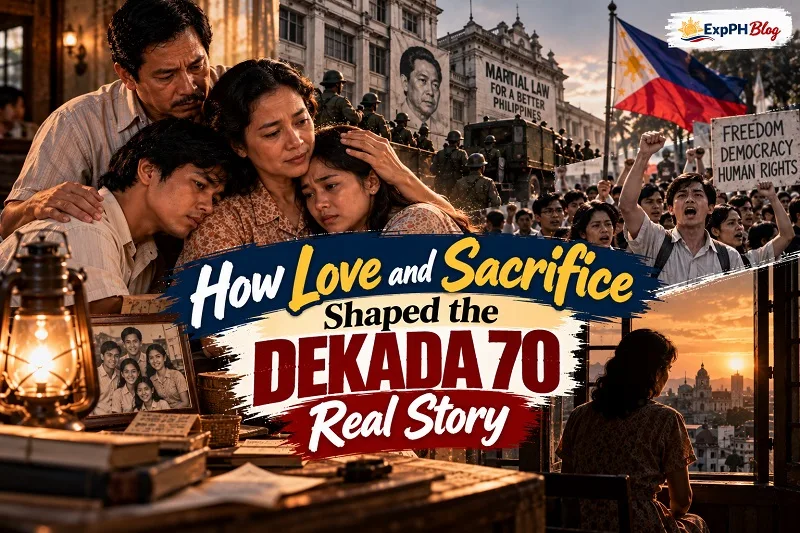
How Love and Sacrifice Shaped the Dekada 70 Real Story
Love is one of the strongest elements that define the Dekada 70 real story. The sacrifices made by parents and children came from deep love for family and country. Parents protected their children even when facing fear. Young people fought for freedom so future generations could live without oppression.
These sacrifices reflect the core Filipino values of bayanihan, loyalty, faith, and resilience. The Dekada 70 real story presents these qualities through simple daily actions, emotional conversations, and difficult choices. Families argued, cried, and disagreed, yet their love stayed strong.
The story teaches that love is not only a feeling. It is also courage in action.
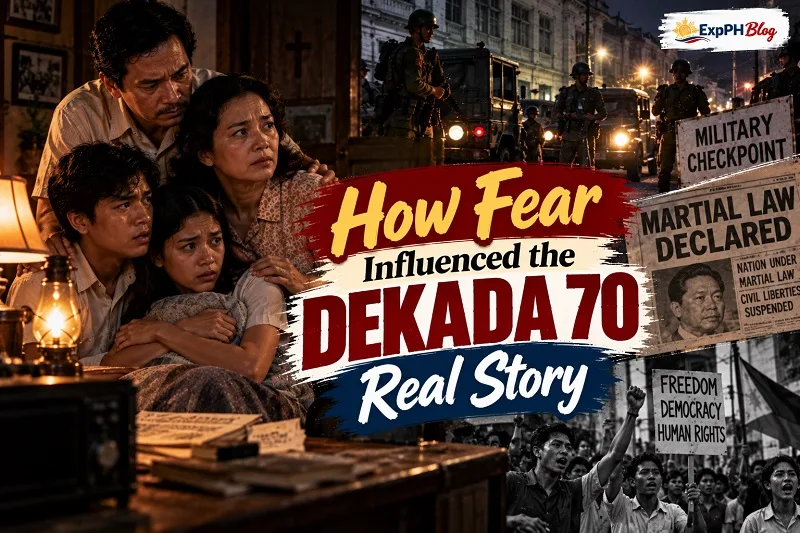
How Fear Influenced the Dekada 70 Real Story
Fear plays a major role throughout the Dekada 70 real story. Families had to manage fear every day. When someone knocked on the door late at night, everyone paused. When a child was late coming home, parents panicked. When rumors of arrests spread, communities felt shaken.
This fear did not weaken Filipino families. Instead, it taught them unity. It pushed them to support each other and find strength in their shared experiences. The Dekada 70 real story shows how Filipinos learned to transform fear into wisdom and courage.

Symbolisms and Messages in the Dekada 70 Real Story
The Dekada 70 real story uses symbolism to explore the experiences and emotions of Filipino families during martial law. Family unity represents strength through adversity, while the younger generation symbolizes hope for a better future. Amanda reflects the strength of motherhood, and resistance highlights the courage to fight for justice.
Family Unity
The Bartolome family symbolizes how families stay strong despite political challenges.
Youth Idealism
The children represent hope and the desire for a better future.
Motherhood
Amanda symbolizes the quiet but powerful role of mothers who held families together.
Resistance
The actions of many characters reflect the real resistance movements that fought for justice.
These symbols help readers understand why the Dekada 70 real story continues to be meaningful across generations.
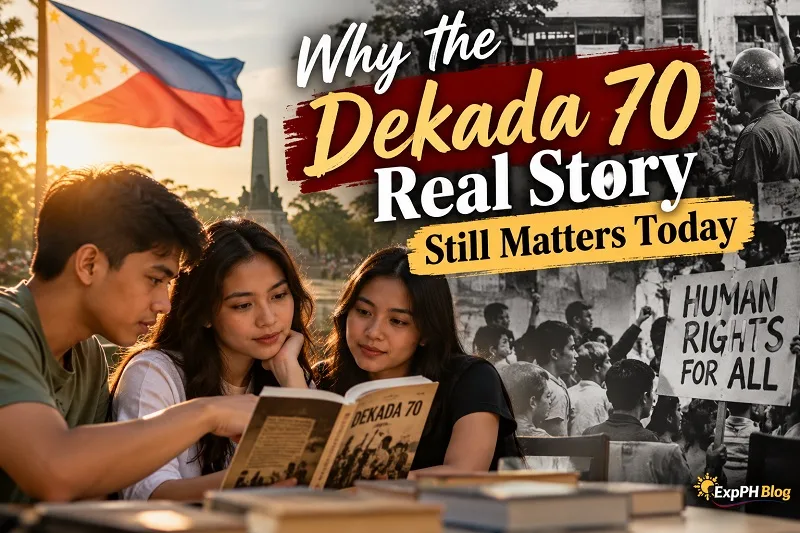
Why the Dekada 70 Real Story Still Matters Today
Even though the events happened decades ago, the Dekada 70 real story remains relevant. It teaches young people about the importance of fighting for their rights. It reminds parents that communication and understanding strengthen families. It encourages communities to remain united in times of struggle.
Modern issues may be different, but the lessons of the Dekada 70 real story continue to guide Filipinos today. Through its portrayal of family struggles and the value of freedom, the story encourages younger generations to understand the past, appreciate their rights, and recognize the importance of protecting freedom for future generations.
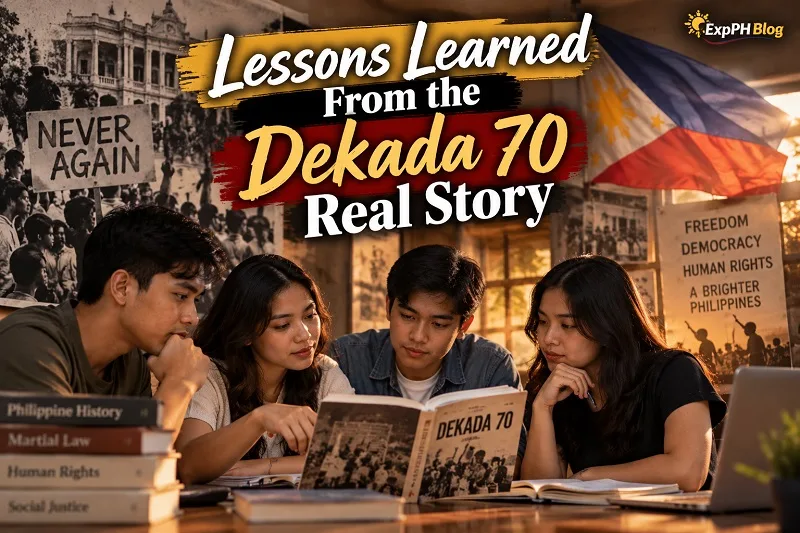
Lessons Learned From the Dekada 70 Real Story
The Dekada 70 real story offers valuable lessons that remain relevant today. It shows how love inspires courage during difficult times and how young people can influence the nation’s future. Amanda represents the strength of Filipino mothers, while the sacrifices of past generations remind us to value freedom and protect the rights of others.
Lesson 1: Courage Comes From Love
People become brave when they fight for someone they love. Families in the 1970s protected one another even when facing danger.
Lesson 2: Youth Can Change the Nation
The story shows how young people play an important role in shaping the country’s future.
Lesson 3: Mothers Are Silent Pillars of Strength
Amanda’s character highlights the wisdom and strength of Filipino mothers.
Lesson 4: Freedom Requires Sacrifice
The freedoms enjoyed today are built on the sacrifices of past generations.
These lessons keep the Dekada 70 real story alive in the hearts of Filipinos.
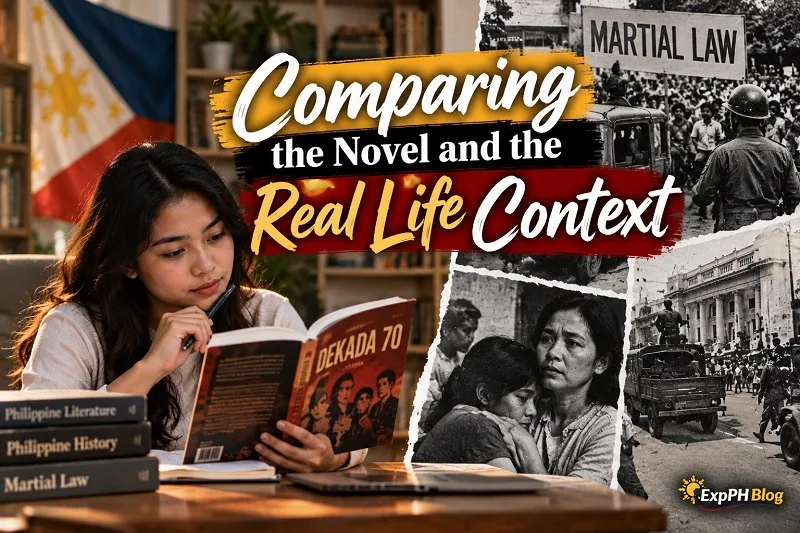
Comparing the Novel and the Real Life Context
The Dekada 70 real story blends fiction with real history. While the characters are fictional, their struggles reflect true events experienced by families nationwide. The novel simplifies and highlights certain situations, but the emotions are real. Many mothers cried for their children. Many fathers struggled with their roles. Many young people disappeared or were detained.
The Dekada 70 real story delivers these truths in a way readers can understand emotionally and historically. By portraying the impact of political unrest on family relationships, the novel helps readers connect fictional experiences with the hardships faced by real Filipino families during martial law.

Impact of the Dekada 70 Real Story on Filipino Culture
The Dekada 70 real story became part of Philippine culture because it speaks to the heart of Filipino identity. Its themes of family, bravery, and justice reflect the nation’s values. Schools use the book to teach history. Communities watch the film to remember past struggles. Writers and artists draw inspiration from its emotional depth.
The story helped shape how Filipinos view martial law. It preserves the memory of families who endured hardship and individuals who fought for their rights, reminding younger generations why understanding the past is essential to appreciating Filipino culture and protecting the values that continue to unite the nation.

Why Younger Generations Should Learn the Dekada 70 Real Story
Many young Filipinos today did not experience martial law. The Dekada 70 real story helps bridge that gap. It gives them a clearer understanding of history, not through numbers or dates, but through the experiences of a family just like theirs.
Learning the Dekada 70 real story helps young people:
• Appreciate their freedoms
• Understand the importance of human rights
• Value the sacrifices of earlier generations
• Become more socially aware
It is a powerful learning tool for shaping responsible citizens.

How Families Today Can Relate to the Dekada 70 Real Story
Despite the time difference, many families today can still relate to the Dekada 70 real story. Parents still worry about their children’s safety. Young people still desire independence and self expression. Families still face challenges that test their unity.
The story remains relevant because it is universal. It reflects the love, arguments, dreams, and sacrifices that exist in every household. Through the Bartolome family’s experiences, readers can recognize familiar struggles and understand how open communication, mutual respect, and support help families overcome challenges and remain united during difficult times.
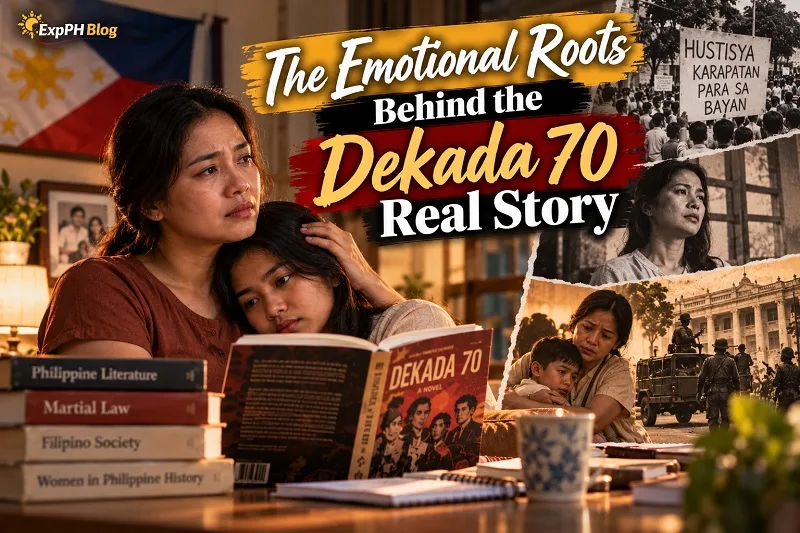
The Emotional Roots Behind the Dekada 70 Real Story
The emotional heart of the Dekada 70 real story lies in the mother’s journey. Amanda’s story is deeply personal and relatable. Many Filipino mothers focus on their families so much that they forget their own voices. Amanda’s awakening encourages women to recognize their worth and potential.
This emotional depth is why the Dekada 70 real story continues to touch readers of all ages. Amanda’s journey shows how mothers can discover their own identities while facing family responsibilities and social pressures. Her experiences remind readers that women deserve to have their voices heard and their choices respected.

How the Dekada 70 Real Story Connects With Modern Social Issues
Today’s world faces new challenges such as misinformation, political conflicts, and social inequality. The Dekada 70 real story reminds people to stay aware, ask questions, and protect their rights.
Families can use the lessons of the Dekada 70 real story to guide conversations about social responsibility and national values. By discussing the struggles portrayed in the novel, parents can help younger generations understand the importance of critical thinking, respect for human rights, and awareness of the social issues that affect their communities.
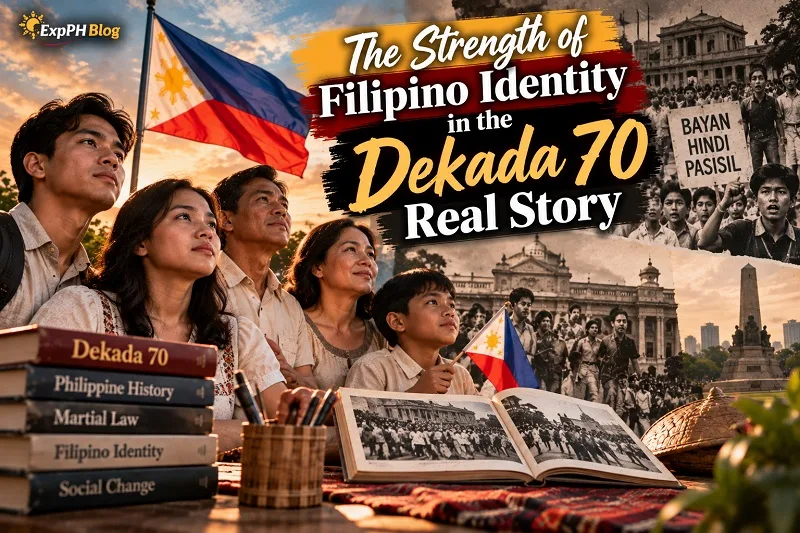
The Strength of Filipino Identity in the Dekada 70 Real Story
Filipino identity is built on courage, compassion, and unity. The Dekada 70 real story showcases all these qualities. It highlights how families stay strong even when facing danger. It demonstrates the deep love between parents and children. It shows how communities unite to defend what is right.
These qualities define the Filipino spirit and continue to inspire the nation. Through the Bartolome family’s struggles, readers see how love, resilience, and shared responsibility help Filipinos face difficult circumstances while holding on to their values and supporting one another in times of uncertainty.
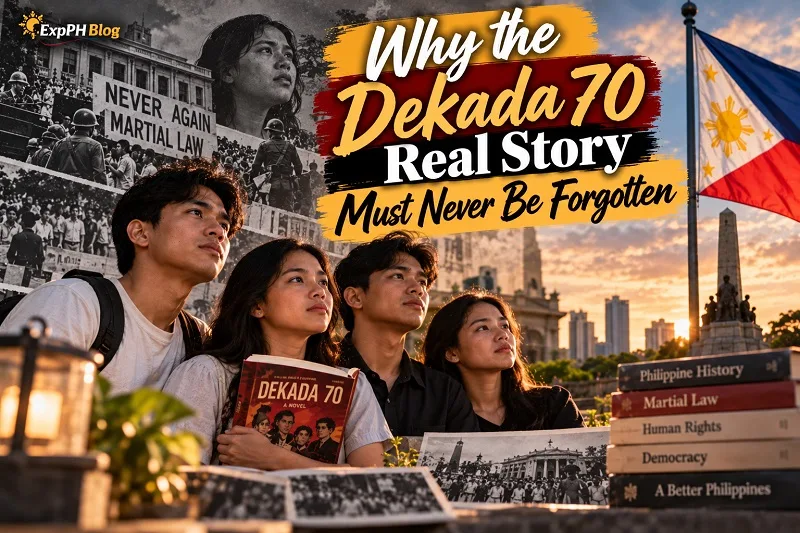
Conclusion: Why the Dekada 70 Real Story Must Never Be Forgotten
The Dekada 70 real story is more than a historical narrative. It is a powerful tribute to Filipino families who showed bravery during one of the most difficult periods in the country’s history. Their sacrifices shaped the freedoms enjoyed today. Their courage inspires future generations to value justice, love, and unity.
By remembering the Dekada 70 real story, Filipinos keep the lessons of the past alive. It teaches that even in times of fear, hope never dies. It reminds everyone that family will always be the strongest shield. It encourages young people to use their voices for positive change.
The Dekada 70 real story is a reflection of the heart of the Filipino nation. It continues to guide, educate, and strengthen every reader who takes the time to understand its message.

FAQs About Dekada 70 A Family’s Story of Courage
What is the main message Behind Dekada 70 A Family’s Story of Courage
The main message is that Filipino families showed incredible courage during the martial law era. Their sacrifices, unity, and strength helped them survive difficult challenges and protect one another while fighting for freedom.
Is the story based on true events
Yes. While the Bartolome family is fictional, their experiences represent the real struggles of many Filipino families during martial law. The narrative reflects genuine emotions, sacrifices, and hardships from that period.
Why is this story important for younger generations
It teaches young people about the value of freedom, human rights, and social awareness. Understanding the themes of this story helps them appreciate the sacrifices made by past generations.
What sacrifices are highlighted in the story
The story highlights emotional sacrifices, lost opportunities, limited freedom, strained family relationships, and the bravery of young activists who risked their safety to stand up for justice.
How does the mother’s role shape the narrative
Amanda’s journey shows how mothers found their voice during difficult times. Her transformation represents the strength, wisdom, and emotional resilience of Filipino women who kept their families together.
What lessons can families learn from the story
Families can learn the importance of communication, unity, and supporting each other during challenging times. The narrative also teaches that courage often comes from love and responsibility.
How does youth activism influence the events shown
Youth activism plays a central role. The younger characters symbolize hope and the desire for change. Their involvement reflects the real students and young Filipinos who fought for justice during martial law.
How does the story reflect the Philippine political climate of the 1970s
It mirrors the atmosphere of fear, censorship, military control, and restricted freedoms that families experienced. The themes show how these conditions affected daily life and personal choices.
Why does the story remain relevant today
Modern society still faces issues like misinformation, inequality, and political tensions. The story reminds people to stay aware, protect their rights, and value the freedom others worked hard to achieve.
What makes the story emotionally powerful
Its emotional power comes from the relatable experiences of a family trying to stay together during a challenging period. The combination of love, fear, sacrifice, and resilience creates a deep connection with readers.
Keep reading through the helpful links below.
- Real Story of Bata Bata Paano Ka Ginawa and Motherhood
- Quezon’s Game and Filipino Compassion in the Holocaust
- The Best Filipino Films on Netflix Right Now
- The Inspiring Story Behind Heneral Luna
- Real Lessons from Goyo
For verified references, click the link below.
- Philippine Official Gazette
- National Library of the Philippines
- National Historical Commission of the Philippines (NHCP)
Test your knowledge about The Real-Life Sacrifices Behind Dekada 70 A Family’s Story of Courage
Results


#1. What era is the story set in
#2. Who is the main mother figure
#3. What value is strongly shown
#4. What did youth fight for
#5. What emotion families faced often
#6. What shaped the family’s struggle
#7. What role did activism play
#8. What did Amanda discover
#9. What theme is central
#10. Why does the story matter today
Your curiosity helps keep important stories alive
We appreciate your support and we invite you to comment your experience with us.

A Filipino web developer with a background in Computer Engineering. Founder of ExpPH Blog and ExpPH Business Guide, creating practical content on OFW guidance, business, finance, freelancing, travel, and lifestyle. Passionate about helping Filipinos grow, he shares insights that educate, empower, and inspire readers nationwide.