
Digital Economy and E-Commerce Growth in the Philippines for 2026
The Philippines has rapidly evolved into one of the most promising E-Commerce markets in Southeast Asia. Strong E-Commerce Growth is fueled by an expanding middle class, rising internet penetration, and a young tech-savvy population. In recent years, the country’s digital economy has accelerated significantly. As we approach 2026, this expansion presents both opportunities and challenges for businesses and entrepreneurs.
This article explores the key drivers behind E-Commerce Growth in the Philippines, including the rise of online shopping, digital services, and emerging technologies transforming the industry. As more Filipinos rely on digital platforms for shopping, entertainment, and daily needs, businesses must adapt to meet shifting consumer expectations and remain competitive.
With industries moving toward digital-first operations, understanding these trends is essential for anyone looking to participate in the expanding online economy. By 2026, digital transformation is expected to accelerate further, creating new opportunities for innovation, investment, and sustainable business growth.
For overseas Filipino workers, this digital expansion offers opportunities beyond traditional remittances. E-Commerce Growth in the Philippines enables OFWs to invest in online businesses, support family-run stores, or build small digital ventures while working abroad. Through online marketplaces, digital payments, and remote management tools, OFWs can actively participate in the growing E-Commerce sector and strengthen long-term financial stability for their families.
If you want a deeper understanding of how e-commerce is shaping the market,
explore E-commerce in the Philippines: Growth, Challenges, and Opportunities and learn how you can take advantage of this growing industry.
Table of Contents
Current E-Commerce Landscape in the Philippines
E-Commerce in the Philippines has grown rapidly in recent years due to stronger internet access, higher mobile usage, and shifting consumer behavior. The market was valued at USD 7.5 billion in 2020 and is projected to reach USD 12.5 billion by 2025. Analysts expect continued expansion as more businesses and consumers adopt digital platforms.
In 2023, internet users in the Philippines surpassed 76 million, with smartphones serving as the primary device for online shopping. More Filipinos now purchase groceries, clothing, and electronics through digital platforms. Reports show that around 90% of users browse and shop using mobile devices, making mobile optimization essential for businesses.
Digital payment systems have also strengthened E-Commerce expansion across the country. Mobile wallets, online banking, and contactless payments have improved transaction speed and security. As more consumers gain trust in digital payments, businesses can serve wider markets and support smoother purchasing experiences across urban and provincial areas.
Key Drivers of the Current E-Commerce Landscape
- Rising demand for convenient shopping experiences
- Growing internet penetration nationwide
- High smartphone usage for online shopping
- Increasing trust in digital payment systems
- Expansion of mobile wallet and online banking services
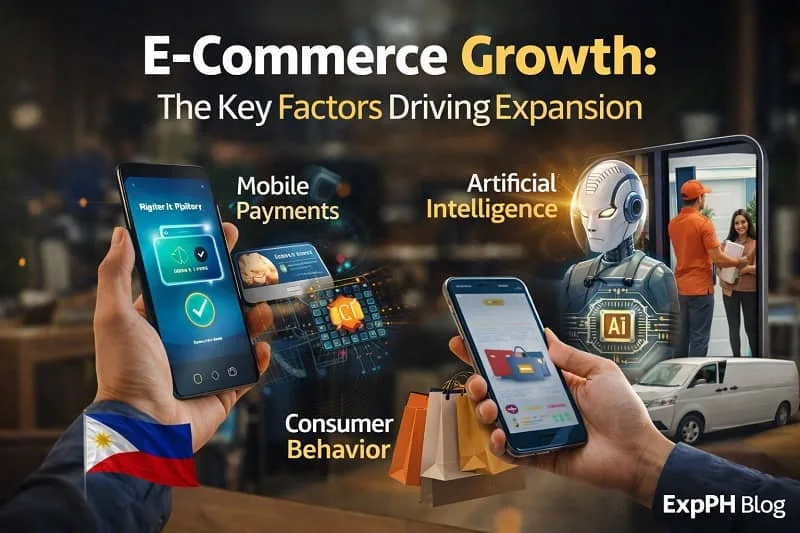
Top 3 Key Factors Driving E-Commerce Growth
E-commerce in the Philippines is growing rapidly due to advances in technology, changing consumer behavior, and strong government support. Tools like mobile payments and AI improve customer experience, while more Filipinos prefer online shopping for its convenience. Social media also influences buying decisions, and government efforts in infrastructure and digital access continue to support this growth.
1. Technological Advancements
Technological progress plays a major role in driving e-commerce expansion. Mobile payments, artificial intelligence, augmented reality, and data analytics improve personalization and efficiency in online shopping. Businesses that adopt these tools can increase engagement, improve conversion rates, and deliver faster service.
AI-powered chatbots provide instant customer support, reducing response time without increasing costs. Augmented reality allows customers to preview products, especially in fashion and beauty, helping improve buying confidence.
Technologies Strengthening E-Commerce
- Data analytics for insights
- Mobile wallets and digital payments
- Artificial intelligence for personalization
- Chatbots for customer support
- Augmented reality for product viewing
2. Consumer Behavior and Digital Adoption
Consumer behavior continues to shift toward digital platforms. Filipinos now use online channels for shopping, entertainment, and communication. Social media platforms like Facebook, Instagram, and TikTok strongly influence purchasing decisions.
Convenience is a key driver. Consumers value home delivery, flexible payments, and easy product comparisons. Younger generations are leading this shift as digital adoption continues to grow.
Consumer Trends Supporting Growth
- Growth among younger users
- Preference for mobile shopping
- Influence of social media
- Demand for delivery services
- Increased trust in online transactions
3. Government Support and Initiatives
Government initiatives support the growth of e-commerce by improving infrastructure, digital literacy, and online security. Programs like the Philippine E-Commerce Roadmap 2022 help guide businesses and promote safe digital transactions.
Support for logistics, digital payments, and rural connectivity makes it easier for businesses to operate and reach more customers across the country.
Government Actions Driving Expansion
- Expansion of rural connectivity
- National e-commerce roadmap
- Support for digital payments
- Investment in logistics
- Digital literacy programs
Top 3 E-Commerce Sectors in the Philippines for 2026
E-Commerce expansion in the Philippines continues to create strong opportunities across multiple industries. As digital adoption increases, certain sectors are positioned to generate higher revenue and long term innovation. These industries reflect changing consumer behavior and rising demand for convenient online solutions.
1. Online Retail
Online retail remains the largest E-Commerce sector in the Philippines. Consumers frequently purchase fashion, electronics, and household products through digital marketplaces. Platforms such as Lazada, Shopee, and Zalora continue to grow as shoppers seek competitive prices, promotions, and accessible product options.
Demand for faster delivery, secure payment systems, and smooth website navigation continues to rise. Customers expect reliable service and easy returns. Retailers that improve logistics and adopt modern technology will gain a competitive advantage as digital commerce expands toward 2026.
Getting Started with Online Selling in the Philippines
Many Filipinos are now exploring online selling as a primary or secondary source of income. Using established marketplaces reduces startup challenges because sellers do not need to build their own website or delivery system. This approach allows beginners to focus on product sourcing and customer service.
One accessible platform for new sellers is Shopee Philippines, which allows individuals and small businesses to open a store and reach a nationwide customer base. If you plan to launch your own online shop, you can review the seller registration process here: https://shopee.ph/
Established marketplaces provide built in traffic, integrated payment solutions, and logistics support. These systems simplify operations and help new sellers manage orders more efficiently during the early stages of business growth.
Why Online Retail Leads Growth
- Low entry barriers for new sellers
- High consumer demand for convenience
- Strong marketplace competition and promotions
- Secure digital payment systems
- Improved nationwide delivery services
2. Digital Services
Digital services continue to expand beyond physical product sales. Online education, streaming platforms, and remote health services attract growing numbers of Filipino users. Consumers value flexibility and instant access, which supports long term growth in subscription based and service driven platforms.
The pandemic accelerated digital adoption across work, education, and entertainment sectors. Even after restrictions eased, many users maintained their online habits. Businesses that provide localized content and practical digital solutions can strengthen their position within the evolving digital economy.
Growing Digital Service Segments
- Subscription based learning platforms
- Online courses and skills training
- Video streaming and digital entertainment
- Telemedicine and virtual consultations
- Fitness and wellness applications
3. Health and Wellness E-Commerce
Health and wellness have become important priorities for Filipino consumers. Online demand for supplements, fitness equipment, and nutritious food products continues to rise. By 2026, this sector is expected to remain one of the fastest growing areas within Philippine E-Commerce.
Businesses now offer digital workout programs, wellness coaching, and healthy product delivery services. Increased awareness of mental and physical health drives consistent consumer spending. Companies that provide quality products and reliable information will build long term trust in this expanding market.
Key Health E-Commerce Drivers
- Increased focus on mental wellness
- Demand for home fitness solutions
- Rising interest in preventive healthcare
- Growth in organic and healthy food delivery
- Strong online product research behavior
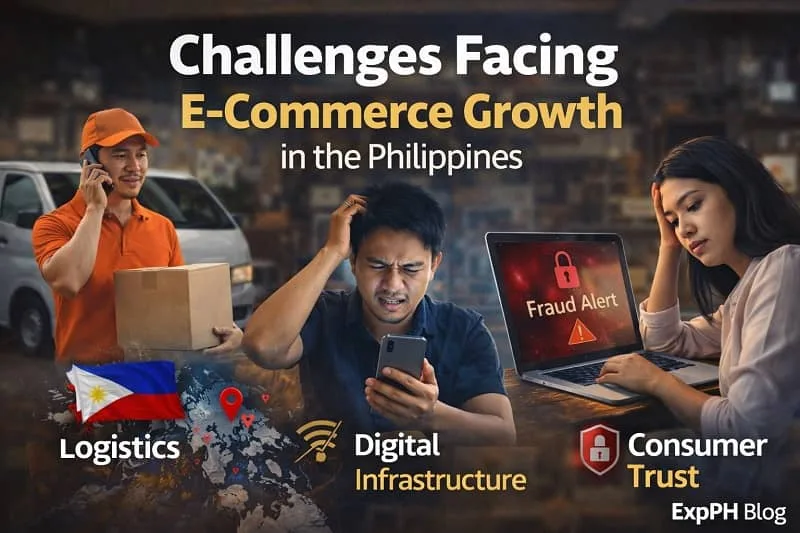
Top 3 Challenges Facing E-Commerce Growth in the Philippines
E-Commerce growth in the Philippines offers strong opportunities, yet several structural challenges remain. Businesses must address operational, technological, and consumer trust issues to compete effectively. Overcoming these barriers is essential for maintaining steady expansion and delivering consistent customer satisfaction nationwide.
1. Logistics and Delivery Challenges
Logistics remains one of the most complex issues for Philippine E-Commerce. The country’s geography includes more than 7,000 islands, which complicates transportation and increases delivery costs. Businesses must work with dependable shipping partners and invest in tracking systems to ensure safe and timely distribution.
Efficient logistics networks and reliable last mile delivery services improve customer satisfaction and reduce failed deliveries. Companies that strengthen warehouse management and regional distribution hubs will gain a competitive advantage. As order volumes increase, streamlined logistics operations become critical for long term sustainability.
Key Logistics Challenges
- Inconsistent last mile services
- Geographic barriers across islands
- High inter-island shipping costs
- Delivery delays in remote areas
- Limited warehouse infrastructure
2. Digital Infrastructure
Digital infrastructure continues to improve, yet connectivity gaps remain across some regions. Internet speed and reliability vary between urban centers and rural communities. These differences affect website performance, payment processing, and overall user experience for online shoppers and businesses alike.
Companies targeting underserved areas should prioritize mobile optimized platforms and flexible payment solutions. Offline payment options and lightweight website designs can improve accessibility. Continued investment from service providers and public sector programs is expected to strengthen connectivity and support broader E-Commerce participation.
Infrastructure Limitations
- High data costs in certain areas
- Uneven internet speed nationwide
- Connectivity issues in rural provinces
- Limited broadband penetration
- Network interruptions during peak usage
3. Trust and Security Concerns
Consumer trust remains a crucial factor in E-Commerce success. Some buyers hesitate due to concerns about payment security, product authenticity, and unreliable delivery. Without strong safeguards, these concerns can reduce online purchasing confidence and slow market growth.
Businesses must implement secure payment gateways, transparent return policies, and responsive customer service systems. Clear communication builds credibility and encourages repeat purchases. As digital literacy improves across the Philippines, stronger security practices will help create a safer and more trusted online marketplace.
Common Trust Barriers
- Delayed or missing deliveries
- Fear of online payment fraud
- Concerns about counterfeit products
- Limited access to customer support
- Uncertainty about return processes
Top 3 E-Commerce Growth Strategies for Businesses in the Philippines
Businesses that want to succeed in Philippine E-Commerce must adopt focused and practical strategies. Growth depends on strong branding, effective marketing, and consistent customer experience. Companies that respond quickly to market trends and consumer expectations will build sustainable advantages in a competitive digital environment.
1. Building Strong Online Brands
A clear and consistent brand identity helps businesses stand out in crowded marketplaces. Companies should define their values, visual style, and communication tone. Strong branding builds recognition and strengthens customer trust, which encourages repeat purchases and long term loyalty.
Effective brand building requires active social media presence, compelling content, and responsive customer support. High quality visuals and authentic messaging create a reliable image. Businesses that prioritize transparency and customer satisfaction are more likely to maintain steady digital growth.
Key Elements of Strong Online Branding
- Reliable after sales support
- Clear brand identity and messaging
- Consistent visual presentation
- Active engagement with customers
- Transparent communication policies
2. Utilizing Social Media and Digital Marketing
Social media platforms provide direct access to target audiences across the Philippines. Businesses can use Facebook, Instagram, and TikTok to share updates, promote products, and build community engagement. Consistent content and strategic advertising increase visibility and attract potential buyers.
Localized campaigns that reflect Filipino culture and preferences improve marketing effectiveness. Influencer collaborations and customer generated content strengthen credibility. Engaging regularly with followers builds stronger relationships and encourages referrals through positive online interactions.
Effective Digital Marketing Approaches
- Consistent social media posting
- Targeted paid advertising campaigns
- Influencer and creator partnerships
- Search engine optimization strategies
- Email marketing for repeat customers
3. Improving User Experience and Customer Service
A smooth and reliable shopping experience supports long term success. Websites must load quickly and function well on mobile devices. Clear product descriptions and simple checkout processes reduce cart abandonment and improve overall customer satisfaction.
Responsive customer service builds confidence in online transactions. Prompt replies, easy returns, and transparent policies encourage trust. Businesses that invest in user experience design and mobile optimization can strengthen their reputation and generate positive reviews that support future growth.
Ways to Enhance Customer Experience
- Efficient order tracking updates
- Mobile optimized website design
- Fast and secure checkout systems
- Clear product information and pricing
- Responsive customer support channels
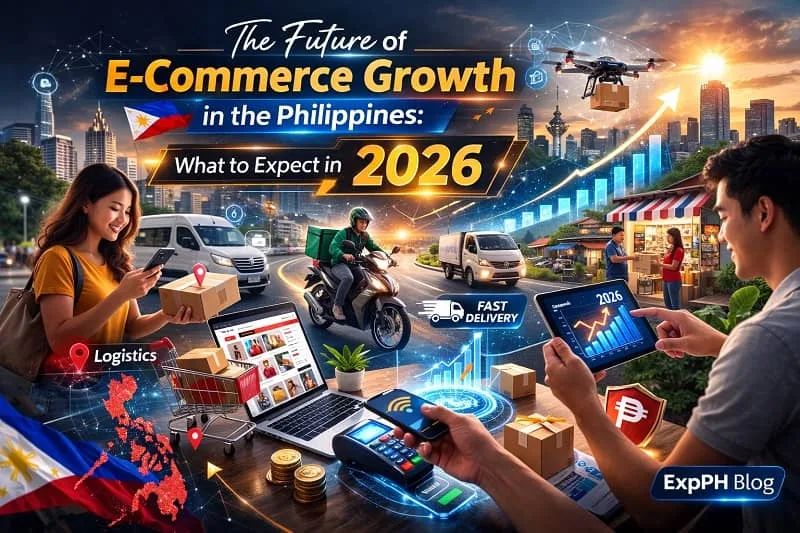
Top 3 Future E-Commerce Trends in the Philippines for 2026
E-Commerce growth in the Philippines is expected to accelerate further by 2026. Advancing technology, changing consumer habits, and stronger digital infrastructure will reshape the industry. Businesses that anticipate these shifts and adapt early will gain stronger positioning in the evolving digital marketplace.
1. Artificial Intelligence and Automation
Artificial intelligence and automation will become central to online business operations. Companies will use smart systems to analyze customer behavior, predict demand, and personalize shopping experiences. These technologies improve efficiency while reducing operational costs and manual workload.
Automation will streamline order processing, inventory tracking, and customer communication. AI driven chat support and recommendation engines will enhance user satisfaction. Businesses that invest in intelligent systems can improve service quality and maintain competitiveness in a rapidly growing digital economy.
Impact of AI and Automation
- Faster order processing systems
- Personalized product recommendations
- Automated customer service support
- Smarter inventory management
- Data driven marketing strategies
2. Mobile Commerce
Mobile commerce will remain a major driver of E-Commerce expansion. Most Filipino consumers rely on smartphones for browsing and purchasing products. Businesses must ensure their platforms function smoothly across different mobile devices and network conditions.
Optimized mobile websites and responsive applications improve customer engagement and reduce cart abandonment. Secure payment integration and simplified checkout systems strengthen user confidence. Companies that prioritize mobile performance will capture larger segments of the growing online market.
Mobile Commerce Priorities
- App based shopping experiences
- Mobile friendly website design
- Fast loading product pages
- Secure mobile payment options
- Simple checkout processes
3. Sustainable E-Commerce
Environmental awareness is influencing purchasing decisions across the Philippines. Consumers are showing greater interest in sustainable products and responsible brands. Businesses that adopt environmentally conscious practices can strengthen brand reputation and attract value driven buyers.
Sustainable packaging, ethical sourcing, and energy efficient operations will become competitive advantages. Transparency in production and supply chains builds consumer trust. As awareness increases, sustainable E-Commerce practices will shape long term industry standards.
Sustainable Growth Practices
- Transparent sourcing information
- Ethical supplier partnerships
- Eco friendly packaging materials
- Reduced carbon logistics strategies
- Support for local sustainable products

Final Thoughts on E-Commerce Growth in the Philippines
The future of E-Commerce growth in the Philippines remains strong as digital adoption continues to expand across different regions and industries. More consumers are choosing online platforms for convenience, better pricing, and wider product selection. This shift creates meaningful opportunities for businesses that are prepared to adapt to changing expectations and invest in reliable digital systems. Companies that understand market trends and consumer behavior will be better positioned to compete effectively in a rapidly evolving environment.
Sustainable success will depend on strategic planning, operational efficiency, and consistent customer experience. Businesses must address logistics limitations, strengthen digital infrastructure, and build trust through secure transactions and transparent service policies. Those that combine innovation with strong execution can establish long term growth. As the country moves toward 2026, E-Commerce will continue to support entrepreneurship, expand digital inclusion, and contribute significantly to the Philippine economy.
FAQs About E-Commerce Growth in the Philippines
1. What is the digital economy in the Philippines?
The digital economy refers to economic activities powered by internet technologies, including online commerce, digital payments, cloud services, and platform based business operations nationwide today.
2. How fast is E-Commerce growing in the Philippines?
E-Commerce in the Philippines continues expanding due to rising internet penetration, smartphone usage, and digital payment adoption, with steady growth projected through 2026 and beyond.
3. What industries benefit most from E-Commerce expansion?
Online retail, digital services, education platforms, health products, and logistics providers benefit significantly as consumers shift toward convenient and accessible digital purchasing options nationwide.
4. Why is mobile commerce important in the Philippines?
Most Filipino consumers use smartphones for browsing and purchasing, making mobile optimized websites, secure payment systems, and fast loading pages essential for business success.
5. How do digital payments support E-Commerce growth?
Digital wallets and online banking improve transaction speed, increase security, and build customer trust, which encourages more frequent and confident online purchasing behavior.
6. What challenges affect E-Commerce businesses in the Philippines?
Key challenges include logistics limitations, inconsistent internet connectivity, high delivery costs, and consumer concerns about payment security and product authenticity.
7. How can small businesses start selling online?
Small businesses can register on established marketplaces, source reliable products, use digital marketing strategies, and provide responsive customer service to attract buyers.
8. What role does government support play in E-Commerce?
Government initiatives strengthen digital infrastructure, promote online security standards, support startup development, and encourage broader participation in the growing digital economy.
9. Why is customer trust important in online selling?
Customer trust increases repeat purchases, positive reviews, and referrals, which are essential for long term growth and strong brand reputation in competitive markets.
10. What trends will shape E-Commerce by 2026?
Artificial intelligence, automation, mobile commerce optimization, and sustainable business practices will significantly influence how Philippine E-Commerce platforms operate and compete.
For more business content like this, please refer to the link below:
For the official announcement, please click the link below:
- Philippine Department of Trade and Industry (DTI) – E-Commerce Program
- Philippine Statistics Authority – Digital Economy Reports
- World Bank – Digital Economy in the Philippines
- Trade.gov – Philippines E-Commerce Overview
- Statista – E-Commerce in the Philippines
Learning Hub Quiz!
Test your knowledge of the evolving E-Commerce landscape in the Philippines.
Results


#1. What primarily drives E-Commerce growth in the Philippines?
#2. Which device is most used for online shopping?
#3. What strengthens online transaction security?
#4. Which sector leads Philippine E-Commerce?
#5. What technology personalizes shopping experiences?
#6. What major challenge affects deliveries?
#7. Why is mobile optimization important?
#8. What builds customer trust online?
#9. Which trend supports future growth?
#10. What consumer trend influences buying decisions?
Thank you for taking this quiz!
Share your score and tell us about your experience in the comments. Your feedback helps us improve future quizzes and learning materials.

A Filipino web developer with a background in Computer Engineering. Founder of ExpPH Blog and ExpPH Business Guide, creating practical content on OFW guidance, business, finance, freelancing, travel, and lifestyle. Passionate about helping Filipinos grow, he shares insights that educate, empower, and inspire readers nationwide.