
True Stories Behind Filipino Movies: History, Heroes and Real-Life Experiences
Filipino movies have always been more than entertainment. Some films take audiences back to important moments in Philippine history, introduce them to remarkable individuals, and reveal personal experiences that reflect the struggles, sacrifices, and achievements of ordinary Filipinos. Behind many memorable scenes are real events and people whose stories deserve to be remembered.
From historical films about national heroes to emotional dramas inspired by actual experiences, Philippine cinema provides an opportunity to understand the country’s past and appreciate the people who helped shape its identity. These movies allow viewers to explore different periods of Filipino life, including colonial struggles, political changes, family challenges, and the experiences of Filipinos working overseas.
Filipino Movies Based on True Stories attract audiences because they connect cinematic storytelling with real experiences. They can introduce younger generations to historical personalities, encourage conversations about national identity, and help families understand important social issues through accessible storytelling.
However, not every scene in a historical or biographical movie is completely accurate. Filmmakers sometimes combine events, simplify timelines, or create dialogue to make a story more engaging. Understanding the difference between historical facts and creative interpretation makes watching these films more meaningful.
In this guide, we explore the stories behind notable Filipino movies, the historical figures who inspired them, the real-life experiences reflected in Philippine cinema, and why these stories continue to matter today.
Want to explore more about Filipino entertainment? Discover our Complete Guide to Filipino Entertainment, Movies and Popular Culture to learn more about Philippine movies, television, celebrities, music, and the stories that shape Filipino entertainment. Explore more fascinating content and discover the rich culture behind the entertainment we enjoy.
Quick Summary (TL;DR)
Filipino movies based on true stories help audiences understand Philippine history, recognize national heroes, and appreciate real-life experiences that shaped Filipino communities. These films preserve important stories while providing meaningful lessons about courage, family, sacrifice, and national identity.
- Explore Historical Filipino Movies: Discover films about important historical events, revolutionary movements, and significant periods in Philippine history.
- Learn About Filipino Heroes: Understand the lives, contributions, and sacrifices of national heroes such as José Rizal, Andres Bonifacio, Antonio Luna, and Gregorio del Pilar.
- Understand Real-Life Experiences: Explore movies that reflect the struggles, achievements, and everyday experiences of ordinary Filipinos.
- Recognize OFW Family Sacrifices: Understand how films such as Anak and Milan portray overseas employment, family separation, and the emotional challenges of migration.
- Discover Social Issues Through Cinema: Learn how Filipino movies explore poverty, inequality, political struggles, human rights, and family challenges.
- Distinguish Historical Facts From Fiction: Recognize that some movies include fictional dialogue, combined events, and creative interpretations to make historical stories more engaging.
- Appreciate Biographical Films: Explore movies inspired by real personalities and understand how their experiences influenced Philippine society.
- Research the Stories Behind Movies: Consult historical books, biographies, government archives, and reliable educational resources to verify important details.
- Preserve Filipino History and Culture: Appreciate how historical and biographical films introduce younger generations to important events, personalities, and cultural experiences.
- Learn Meaningful Lessons From Real Stories: Reflect on the values of courage, compassion, perseverance, leadership, and responsibility presented through Filipino cinema.
Key takeaway: Filipino Movies Based on True Stories connect entertainment with Philippine history, national identity, and real-life experiences. By understanding the stories behind these films and distinguishing historical facts from creative interpretations, audiences can develop a deeper appreciation of Filipino cinema and the experiences that shaped the nation.
Table of Contents
Why Filipino Movies Based on True Stories Matter
Filipino movies based on true stories help preserve the country’s history and highlight experiences that deserve greater recognition. Through historical events and personal narratives, these films introduce audiences to important personalities and real-life struggles while encouraging a deeper understanding of Filipino culture and society.
Preserving Philippine History Through Cinema
Movies can bring historical periods to life through costumes, locations, dialogue, and visual storytelling. Instead of simply reading about an event, audiences can see how filmmakers interpret the circumstances surrounding it.
Historical films can also encourage viewers to investigate the original events, particularly when a movie introduces important personalities or forgotten episodes in Philippine history.
However, cinema should complement historical research rather than replace it. Viewers should remember that filmmakers make creative decisions when translating historical information into a screenplay.
Giving Recognition to Filipino Heroes and Historical Figures
National heroes and historical personalities often become subjects of Filipino films because their lives represent important moments in the country’s development.
Their stories can introduce audiences to courage, leadership, patriotism, and the difficult decisions people faced during significant historical periods.
These films also provide opportunities to discuss the contributions of individuals whose experiences may not receive enough attention in everyday conversations.
Reflecting the Experiences of Ordinary Filipinos
Not all meaningful true stories involve famous personalities or major historical events.
Some films explore experiences involving families, workers, communities, and individuals dealing with difficult circumstances. These stories can be equally important because they reflect the everyday realities of Filipino society.
For example, films about overseas Filipino workers, family separation, and economic challenges can help audiences understand the emotional experiences behind migration.
Historical Filipino Movies Inspired by Real Events
Historical Filipino movies bring important chapters of the country’s past to life through stories of revolutionary leaders and significant historical events. These films explore the struggles for independence, political conflicts, and humanitarian efforts while helping audiences understand the people and circumstances that shaped Philippine history.
Heneral Luna: The Story of a Revolutionary Leader
Heneral Luna (2015) explores the life of General Antonio Luna during the Philippine-American War.
Antonio Luna was a military leader who became known for his strong personality, military discipline, and involvement in the struggle against American forces following the Philippine Revolution.
The movie portrays the challenges of organizing a revolutionary army while dealing with political disagreements, conflicting loyalties, and internal divisions.
One of its central themes is the difficulty of achieving national unity during a period of conflict. The story illustrates how disagreements among leaders can affect a country’s ability to defend its independence.
The film also encourages audiences to learn more about the historical circumstances surrounding Luna’s leadership and assassination.
Although the movie draws from historical events, certain conversations and dramatic sequences are presented through cinematic interpretation.
Goyo: Ang Batang Heneral and the Life of Gregorio del Pilar
Goyo: Ang Batang Heneral (2018) tells the story of General Gregorio del Pilar, one of the youngest generals associated with the Philippine revolutionary forces.
The film focuses on his military responsibilities, personal relationships, and growing reputation during the Philippine-American War.
Gregorio del Pilar became especially remembered for his role in the Battle of Tirad Pass in December 1899. His forces attempted to delay American troops and help protect the retreat of President Emilio Aguinaldo.
The movie explores the responsibilities that come with leadership, particularly when a young individual becomes involved in decisions that affect many lives.
It also presents the personal side of a historical figure, reminding viewers that national heroes were human beings with ambitions, uncertainties, and personal struggles.
Quezon’s Game: A Historical Story of Humanitarian Leadership
Quezon’s Game (2018) explores an important episode involving President Manuel L. Quezon and efforts to provide refuge in the Philippines for Jewish refugees escaping persecution in Europe during the 1930s.
The film presents the political and humanitarian challenges surrounding the effort to welcome refugees.
It also explores the difficulties of balancing international politics, immigration concerns, and humanitarian responsibilities.
The story provides an opportunity to learn about a lesser-known chapter of Philippine history and the country’s involvement in helping people facing persecution.
Beyond its historical setting, the movie highlights compassion, leadership, and the importance of providing assistance to people experiencing difficult circumstances.
Goyo and Heneral Luna: Understanding the Philippine-American War
Although Heneral Luna and Goyo focus on different historical personalities, watching them together provides a broader cinematic introduction to the Philippine-American War.
Both films explore the complicated circumstances surrounding the struggle for Philippine independence.
They also demonstrate how historical storytelling can examine leadership, national identity, political disagreements, and the sacrifices associated with armed conflict.
For viewers interested in understanding this period, these films can serve as starting points for further historical research.
Filipino Biographical Movies About Real People
Filipino biographical movies introduce audiences to influential personalities whose lives helped shape the country’s history and identity. Through stories about national heroes and revolutionary leaders, these films explore personal struggles, achievements, and sacrifices while highlighting their lasting contributions to Philippine society.
Bonifacio: Ang Unang Pangulo
Bonifacio: Ang Unang Pangulo (2014) tells the story of Andres Bonifacio, one of the central figures of the Philippine Revolution against Spanish colonial rule.
Bonifacio helped establish the Katipunan, a revolutionary organization that sought independence from Spain.
The movie explores his involvement in the revolutionary movement, his relationships with fellow revolutionaries, and the political disagreements that emerged during the struggle.
His life provides an important opportunity to understand how ordinary individuals became involved in a movement that changed Philippine history.
The film also raises questions about leadership, unity, and the complicated relationships among revolutionary leaders.
Jose Rizal: The Life of a National Hero
The 1998 film José Rizal explores the life and writings of the Philippine national hero.
José Rizal was a physician, writer, and reform advocate whose literary works criticized abuses under Spanish colonial rule.
His novels, Noli Me Tangere and El Filibusterismo, exposed social injustices and encouraged discussions about reform and national identity.
The film portrays important moments in his life, including his education, relationships, literary activities, and eventual execution in 1896.
It also helps audiences understand how writing and intellectual movements contributed to the development of Filipino nationalism.
Rizal’s story remains relevant because it demonstrates the influence of education, critical thinking, and peaceful advocacy in addressing social problems.
Bonifacio and Rizal: Different Paths Toward National Freedom
Andres Bonifacio and José Rizal contributed to the Philippine struggle for independence through different approaches.
Rizal became known for his writings and reform advocacy, while Bonifacio helped organize an armed revolutionary movement.
Their stories reveal that historical change often involves individuals with different beliefs, methods, and responsibilities.
Watching films about both personalities can encourage audiences to examine their contributions within the broader context of Philippine history.
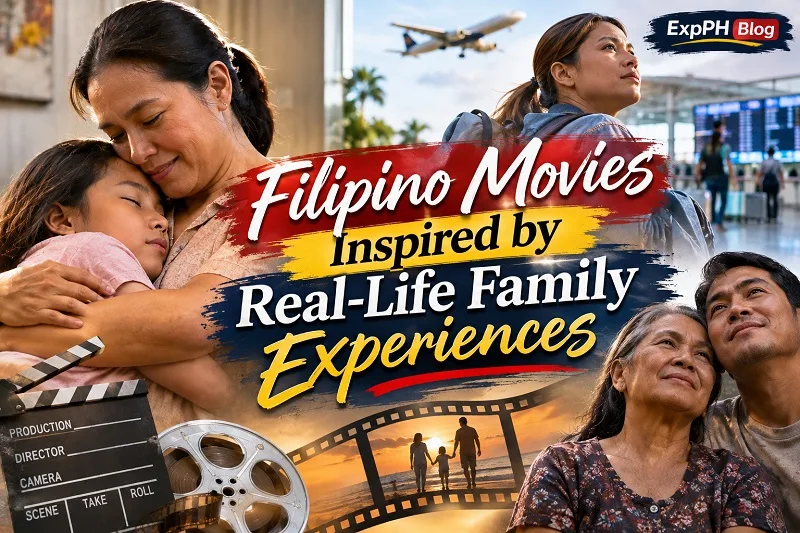
Filipino Movies Inspired by Real-Life Family Experiences
These stories reveal how family relationships are affected by long periods of separation and the demands of overseas employment. They highlight the sacrifices parents make to support their children while showing the emotional challenges families face when loved ones build their lives abroad.
Anak: A Mother’s Sacrifice and the OFW Experience
Anak (2000), starring Vilma Santos and Claudine Barretto, explores the emotional consequences of a mother working overseas and returning home to reconnect with her children.
The movie follows Josie, an overseas worker who sacrifices years away from her family to provide financial support.
However, her return reveals that financial assistance cannot automatically repair emotional distance or restore relationships affected by prolonged separation.
The film reflects experiences that many Filipino migrant families can recognize, particularly the challenges of maintaining relationships while working abroad.
It also highlights an important reality of overseas employment: providing for loved ones financially does not remove the emotional difficulties associated with being physically separated.
Although Anak is a fictional drama rather than a direct biography of one specific OFW family, its themes reflect genuine experiences within Filipino communities.
Milan: Love, Migration, and Life Abroad
Milan (2004) explores the experiences of Filipinos living and working overseas, particularly the emotional challenges associated with migration.
The story follows people navigating relationships, employment, loneliness, and personal decisions while living far from their homeland.
The film reflects the complicated reality of overseas life, where opportunities for financial improvement can come with emotional sacrifices.
Its themes are particularly relevant to audiences interested in understanding the personal experiences of Filipinos who build their lives outside the Philippines.
Like Anak, Milan is a fictional narrative inspired by recognizable social experiences rather than a documented biography of one individual.
Why OFW Stories Continue to Resonate With Filipino Audiences
Overseas employment remains an important part of many Filipino families’ experiences.
Parents may work abroad to finance education, support household expenses, purchase property, or provide better opportunities for their children.
However, migration also creates challenges involving communication, parenting, relationships, and emotional well-being.
Movies that explore these experiences can help families discuss topics that are sometimes difficult to express directly.
They also remind viewers that behind every overseas worker is a personal story involving hopes, responsibilities, and sacrifices.
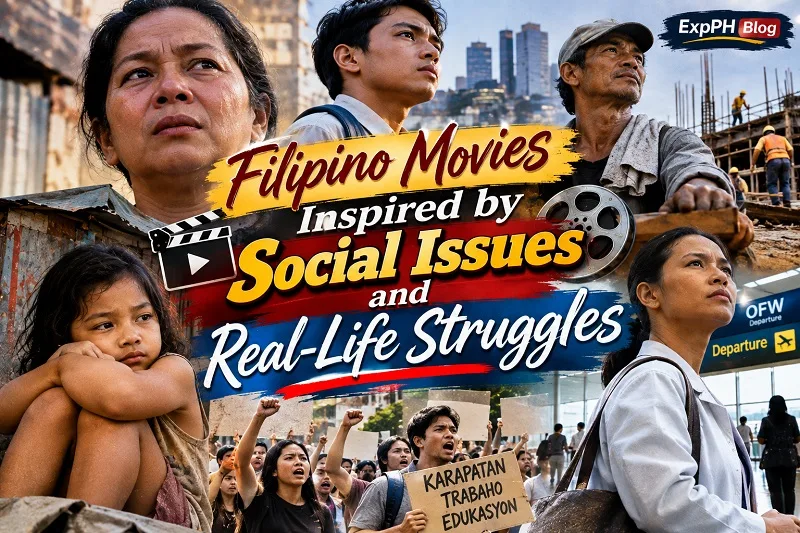
Filipino Movies Inspired by Social Issues and Real-Life Struggles
These stories examine how social problems affect individuals and families in different parts of Filipino society. They highlight the consequences of poverty and inequality while exploring issues involving education, authority, and human rights. Through these narratives, audiences gain a deeper understanding of everyday struggles and social realities.
Magnifico: The Power of Kindness in Everyday Life
Magnifico (2003) tells the story of a young boy whose simple acts of kindness reveal the importance of compassion and family relationships.
The movie follows a child who tries to help his family despite their financial difficulties.
His actions demonstrate how people can show generosity even when they have limited resources.
The story is fictional, but its themes reflect genuine experiences of families facing economic hardship and emotional challenges.
It also reminds viewers that meaningful contributions do not always require money or extraordinary achievements.
Batch ’81: Understanding Authority and Social Pressure
Batch ’81 (1982), directed by Mike de Leon, explores fraternity membership, initiation practices, authority, and the pressure to conform.
The film follows students participating in a fraternity where acceptance comes with increasingly difficult challenges.
Although it is not a documentary about one specific fraternity, its story reflects real concerns about hazing, group pressure, and the misuse of authority.
Its themes remain relevant when discussing student safety, personal boundaries, and the responsibility of educational institutions to protect young people.
For viewers, the movie provides an opportunity to examine why harmful traditions should be questioned rather than accepted simply because they have existed for generations.
Dekada ’70: A Family During Martial Law
Dekada ’70 (2002) is based on the novel by Lualhati Bautista.
The film follows the Bartolome family during the period of Martial Law in the Philippines.
Through the experiences of Amanda Bartolome and her children, the story explores political awareness, family relationships, gender expectations, and the consequences of authoritarian rule.
The movie demonstrates how major political developments can affect everyday household experiences.
It also highlights the importance of understanding historical context when discussing freedom, human rights, and civic responsibility.
Although the characters and specific family narrative come from a novel, the historical setting reflects a real period in Philippine history.
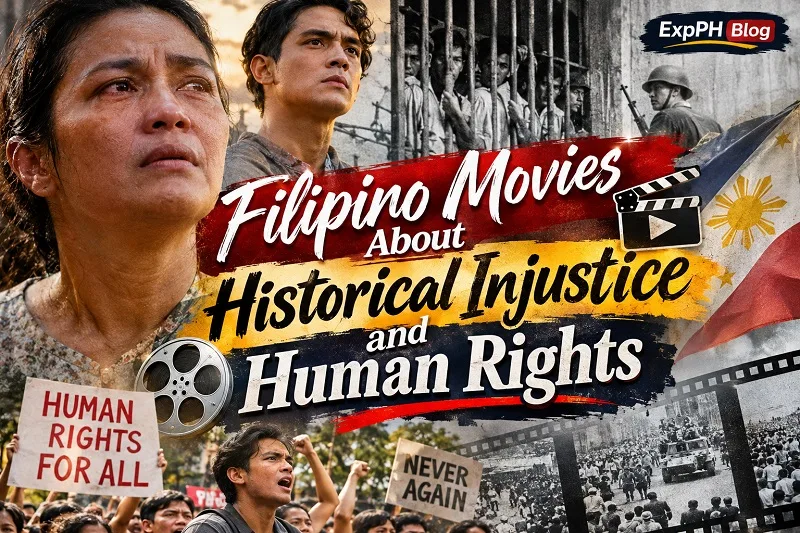
Filipino Movies About Historical Injustice and Human Rights
These stories reveal the human consequences of war and political conflict while highlighting the struggles of individuals affected by injustice. They explore the importance of human rights and accountability while showing how real-life tragedies can influence public awareness and encourage reflection on the need for social responsibility.
Oro, Plata, Mata: War and the Human Experience
Oro, Plata, Mata (1982), directed by Peque Gallaga, explores the effects of World War II on wealthy Filipino families in Negros.
The story follows individuals whose comfortable lives are disrupted by war and the collapse of social stability.
Although the film is not a direct account of one particular family’s experience, it reflects the broader realities of wartime displacement, violence, and social transformation.
Its historical setting offers an opportunity to examine how armed conflict affects people from different backgrounds.
The Flor Contemplacion Story: An OFW Tragedy
The Flor Contemplacion Story (1995) dramatizes the case of Flor Contemplacion, a Filipino domestic worker who was executed in Singapore in 1995.
Her case attracted considerable attention in the Philippines and raised questions about overseas worker protection, legal representation, and the responsibilities of governments toward citizens working abroad.
The film explores the emotional and social dimensions of the tragedy, including the concerns experienced by her family and the wider Filipino community.
It remains an important example of how Philippine cinema can bring attention to issues affecting migrant workers.
Because the film dramatizes a real and sensitive case, viewers should distinguish its cinematic portrayal from documented legal records and historical accounts.
Why Historical Injustice Should Be Remembered
Films about injustice provide opportunities to discuss the importance of human dignity, accountability, and fair treatment.
They can also encourage audiences to examine historical events from multiple perspectives rather than relying on a single dramatic interpretation.
Remembering difficult experiences does not mean celebrating suffering. Instead, it allows communities to understand past mistakes and consider how similar problems can be prevented.
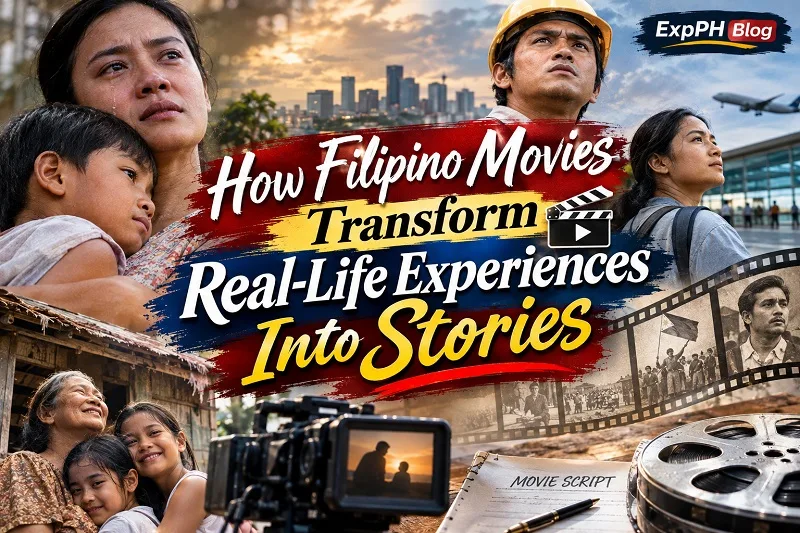
How Filipino Movies Transform Real-Life Experiences Into Stories
Filmmakers turn historical events and personal experiences into compelling stories by combining research with creative storytelling. Their decisions about characters and dramatic details help shape how audiences understand real events while highlighting the differences between documented history and cinematic interpretation.
Historical Research and Story Development
Before creating a historical or biographical film, filmmakers may consult books, historical documents, interviews, photographs, and other available references.
Research helps establish important details about the setting, people, and events being portrayed.
However, available historical information may sometimes be incomplete or disputed.
Filmmakers must therefore make decisions about which accounts to follow and how to represent uncertain details.
Creative Interpretation and Dramatic Scenes
Movies often use dialogue, emotional scenes, and character interactions to make complicated events easier to understand.
Some conversations may be imagined because historical records do not contain exact transcripts.
Filmmakers may also combine events or shorten timelines to maintain the story’s flow.
These creative decisions do not automatically make a movie misleading, but viewers should understand that dramatic storytelling is not identical to historical documentation.
Why Some Details Differ From Historical Records
A movie may portray a personality differently from how historians describe that individual.
This can happen because films prioritize a central storyline, limited screen time, and emotional development.
For example, a historical figure may have participated in numerous political discussions and military decisions, but a movie may focus on only a few important moments.
The result is a simplified portrayal of a much more complicated life.

How to Verify the True Stories Behind Filipino Movies
Readers can check the accuracy of movie stories by consulting historical books and trustworthy sources. Comparing cinematic portrayals with official records helps identify documented events and creative interpretations while providing a clearer understanding of the people and historical circumstances behind Filipino films.
Read Historical Books and Biographies
Books written by historians and biographers can provide additional information about historical personalities and important events.
Readers should look for publications that identify their sources and explain the historical context behind their conclusions.
Comparing different accounts can also help reveal disagreements or uncertainties surrounding particular events.
Check Official Historical References
Government institutions, museums, archives, and educational organizations can provide reliable information about Philippine history.
For example, the National Historical Commission of the Philippines provides historical information, publications, and educational resources.
You can explore its official website at nhcp.gov.ph.
The National Library of the Philippines is another useful resource for historical publications and archival materials. Its website is available at web.nlp.gov.ph.
These resources can help viewers investigate the historical background of movies and identify documented events.
Compare Movie Scenes With Documented Events
When watching a historical film, pay attention to the events that form the central storyline.
Afterward, compare the movie’s portrayal with reliable historical accounts.
Consider these questions:
- Did the event happen during the period shown in the movie?
- Are the main personalities historically documented?
- Do historical sources support the major events?
- Were certain conversations or relationships created for dramatic purposes?
- Does the movie present different historical interpretations fairly?
This approach makes historical movie watching more educational and encourages critical thinking.
Why Filipino Movies Based on True Stories Remain Relevant Today
These films continue to influence Filipino audiences by connecting historical lessons with present-day experiences. They encourage younger generations to appreciate their heritage while helping families understand the sacrifices and struggles of others. Their stories also promote cultural awareness and meaningful conversations about important social issues.
Teaching Younger Generations About Philippine History
Younger viewers may find historical subjects easier to understand when they are introduced through compelling stories.
Movies can encourage students to explore historical figures, important dates, and events beyond what they encounter in classrooms.
However, films should be treated as learning starting points rather than complete historical references.
Combining movies with books, educational resources, and discussions can provide a more balanced understanding.
Strengthening Filipino Identity and Cultural Awareness
Stories about national heroes, historical struggles, and Filipino communities help audiences recognize the experiences that shaped the country.
They also provide opportunities to discuss shared values such as courage, responsibility, compassion, family commitment, and perseverance.
These stories can strengthen appreciation for Filipino culture while encouraging viewers to understand the different experiences of people throughout the country.
Helping Families Understand OFW Experiences
Movies about overseas employment can help families understand the emotional challenges associated with migration.
Children may gain a better appreciation of their parents’ sacrifices, while parents may recognize the importance of maintaining emotional connections despite physical distance.
For OFWs, these stories can also provide a sense of recognition because they reflect experiences that are sometimes difficult to explain to people who have never lived abroad.
Encouraging Conversations About Important Social Issues
Movies can create opportunities to discuss topics such as historical injustice, poverty, family separation, education, and political responsibility.
These conversations become more meaningful when audiences approach them with curiosity and respect for different experiences.
A good historical or socially relevant film does not need to provide every answer. Sometimes, its greatest contribution is encouraging people to ask better questions.
Recommended Filipino Movies Based on True Stories and Real Experiences
This collection features Filipino films that explore historical events and real-life experiences involving national heroes and ordinary Filipinos. Each movie offers a different perspective on Philippine history and society while helping audiences discover meaningful stories and understand the distinction between documented events and fictional interpretations.
For readers who want to explore more Filipino films inspired by history and actual social experiences, the following list provides a useful starting point.
| Movie | Year | Main subject |
|---|---|---|
| José Rizal | 1998 | Life of national hero José Rizal |
| Heneral Luna | 2015 | Antonio Luna and the Philippine-American War |
| Goyo: Ang Batang Heneral | 2018 | Gregorio del Pilar |
| Bonifacio: Ang Unang Pangulo | 2014 | Andres Bonifacio and the Philippine Revolution |
| Quezon’s Game | 2018 | Jewish refugees and Manuel L. Quezon |
| The Flor Contemplacion Story | 1995 | A real OFW tragedy |
| Dekada ’70 | 2002 | Martial Law through a fictional family |
| Oro, Plata, Mata | 1982 | World War II and its social consequences |
| Anak | 2000 | OFW family separation and motherhood |
| Milan | 2004 | Filipino migration and overseas relationships |
| Magnifico | 2003 | Family struggles and compassion |
| Batch ’81 | 1982 | Fraternity culture and social pressure |
Important distinction: These films do not all belong to the same category of true-story adaptation. Some portray documented historical personalities or actual cases, while others are fictional stories set against real social and historical circumstances.
Understanding this difference helps audiences appreciate each film without assuming that every character or event represents a documented individual.
Conclusion: Remembering the Real Stories Behind Filipino Movies
These films preserve important stories that connect Philippine history with the experiences of ordinary Filipinos. By exploring the lives of national heroes and the struggles of Filipino families, audiences can appreciate the country’s past while recognizing the lessons and values that remain meaningful for future generations.
Through Philippine cinema, viewers can discover remarkable individuals and historical events that deserve greater recognition. These stories provide a deeper understanding of the country’s cultural identity and the experiences that shaped Filipino society.
From the revolutionary struggles portrayed in Heneral Luna and Goyo to the experiences of overseas Filipino families reflected in Anak and Milan, these movies connect audiences with stories that continue to influence Filipino society.
Filipino Movies Based on True Stories are meaningful because they bring historical events and real-life experiences into conversations that audiences can understand and appreciate. They introduce younger generations to important personalities, encourage families to discuss difficult experiences, and remind viewers of the sacrifices and challenges that have shaped Filipino communities.
However, enjoying these films also means recognizing the difference between historical facts and creative interpretation. By exploring reliable references and learning more about the people and events behind the stories, viewers can develop a deeper appreciation of Philippine cinema.
Ultimately, the most valuable stories are not simply those that entertain us. They are the stories that help us understand where we came from, appreciate the experiences of others, and remember the lessons that should guide future generations.
FAQs About True Stories Behind Filipino Movies
1. What are Filipino movies based on true stories?
Filipino movies based on true stories portray actual historical events, real personalities, documented experiences, or social circumstances that influenced Philippine society.
2. Which Filipino movies portray real historical events?
Popular examples include Heneral Luna, Goyo, Quezon’s Game, and José Rizal, which explore significant personalities and events in Philippine history.
3. Is Heneral Luna based on a true story?
Yes, Heneral Luna portrays General Antonio Luna’s life and involvement in the Philippine-American War, although some scenes contain creative cinematic interpretations.
4. Is Goyo: Ang Batang Heneral historically accurate?
Goyo portrays Gregorio del Pilar’s historical military involvement, particularly Tirad Pass, while certain conversations and personal scenes involve dramatic interpretation.
5. Is Anak based on a true story?
Anak is fictional, but its portrayal of overseas employment, family separation, motherhood, and emotional struggles reflects experiences shared by many Filipino families.
6. Which Filipino movies feature real OFW experiences?
The Flor Contemplacion Story dramatizes an actual case, while Anak and Milan explore fictional narratives inspired by overseas Filipino workers’ experiences.
7. Are Filipino historical movies completely accurate?
Not always. Historical movies may change timelines, create dialogue, simplify events, or combine characters to make complicated stories understandable and emotionally engaging.
8. Where can viewers verify Filipino movie historical facts?
Viewers can consult historical books, biographies, government archives, museum collections, and resources published by the National Historical Commission of the Philippines.
9. Why are true-story Filipino movies important?
These movies preserve cultural memories, introduce historical personalities, encourage meaningful discussions, and help younger generations understand important experiences within Filipino society.
10. What makes a Filipino movie based on real-life experiences meaningful?
Meaningful films connect audiences with recognizable experiences, encourage empathy, preserve important stories, and inspire viewers to understand history and society more deeply.
Want to discover the real story behind a mother’s sacrifice?
Read The True Story Behind Anak and a Mother’s Love to explore the emotional experiences of an overseas Filipino mother and the challenges of family separation. Discover the deeper meaning of parental love, sacrifice, and the importance of family connections despite the distance.
Keep growing your knowledge with the links below
- The Untold Story Behind Manila Kingpin
- How Ang Larawan Captured the Soul of Pre-War Manila
- Jose Rizal 1998 The Movie That Redefined Nationalism for Filipinos
- The Rise of Filipino Biographical Films that Changed Local Cinema
- Real Story of Bata Bata Paano Ka Ginawa and Motherhood
- Quezon’s Game and Filipino Compassion in the Holocaust
- The Inspiring Story Behind Heneral Luna
- Real Lessons from Goyo
Test your knowledge of Philippine history, national heroes, and real-life stories behind Filipino movies
Results


#1. Which Filipino general is portrayed in Heneral Luna?
#2. What historical conflict is portrayed in Heneral Luna?
#3. Who is the main historical figure in Goyo: Ang Batang Heneral?
#4. Which Filipino president appears in Quezon’s Game?
#5. Which organization did Andres Bonifacio help establish?
#6. What overseas experience does Anak explore?
#7. Who was the Filipino worker portrayed in The Flor Contemplacion Story?
#8. Which historical period is portrayed in Dekada ’70?
#9. What major historical event provides the setting for Oro, Plata, Mata?
#10. Why should viewers verify historical movie details?
We appreciate your time and interest in learning more about Philippine cinema and history

A Filipino web developer with a background in Computer Engineering. Founder of ExpPH Blog and ExpPH Business Guide, creating practical content on OFW guidance, business, finance, freelancing, travel, and lifestyle. Passionate about helping Filipinos grow, he shares insights that educate, empower, and inspire readers nationwide.


Pingback: 10 Powerful Filipino Biographical Films That Changed Cinema.
Pingback: 7 Truths Behind Anak and Mothers Sacrifice Hope and Heartache
Pingback: 7 Powerful Facts Behind Manila Crime History and Asiong Story