
The Complete Guide to Filipino Entertainment, Movies and Popular Culture
Filipino entertainment is an important part of everyday life in the Philippines. From memorable movies and television dramas to popular music, comedy, celebrity culture, and digital content, entertainment connects Filipinos through shared experiences, stories, and traditions. Whether watching a highly anticipated movie, following a favorite television personality, listening to OPM, or discovering a new online creator, Filipinos continue to find different ways to enjoy and participate in popular culture.
Over the years, the Philippine entertainment industry has experienced significant changes. Traditional television and cinema once dominated the entertainment landscape, but streaming services, social media platforms, and independent digital creators have introduced new opportunities for artists and audiences. Filipino entertainers can now reach viewers beyond the country, including millions of Overseas Filipino Workers (OFWs) who use entertainment to maintain connections with home.
For Filipinos living abroad, entertainment can provide more than simple enjoyment. Watching Filipino movies, listening to familiar songs, and following local television programs can bring back memories, preserve cultural connections, and make distance from family and friends feel a little easier.
Understanding Filipino entertainment also means appreciating the people, creative industries, cultural influences, and technological developments that shape it. Philippine popular culture reflects the country’s history, values, humor, creativity, social experiences, and changing lifestyles.
This complete guide explores the different parts of Filipino entertainment, including Philippine movies, television, music, celebrities, comedy, streaming platforms, online creators, and the growing influence of Filipino culture around the world.
Quick Summary (TL;DR)
Filipino entertainment covers the movies, television programs, music, celebrities, comedy, digital content, and popular culture enjoyed by audiences in the Philippines and abroad.
Here are the main things to understand:
- Filipino Movies: Philippine cinema tells stories about family, relationships, history, social issues, romance, comedy, and everyday Filipino experiences.
- Television Entertainment: Local television remains an important source of news-related entertainment, drama, comedy, reality shows, and variety programs.
- Original Pilipino Music (OPM): Filipino musicians contribute to different genres, including pop, rock, ballads, hip-hop, and independent music.
- Celebrity Culture: Actors, singers, television personalities, and online personalities influence entertainment trends and public conversations.
- Philippine Comedy: Filipino humor reflects everyday experiences, regional traditions, relationships, and social observations.
- Streaming Platforms: Digital services give audiences more opportunities to discover Filipino movies, series, and international entertainment.
- Social Media Creators: Online personalities introduce new forms of entertainment through videos, livestreams, podcasts, and other digital content.
- OFW Entertainment: Filipino entertainment helps overseas workers maintain cultural connections and stay familiar with developments in the Philippines.
- Filipino Popular Culture: Food, fashion, language, traditions, music, and entertainment contribute to the country’s cultural identity.
Filipino entertainment continues to develop as traditional media, independent creativity, and digital technology create new ways for stories and performances to reach audiences.
Table of Contents
What Is Filipino Entertainment?
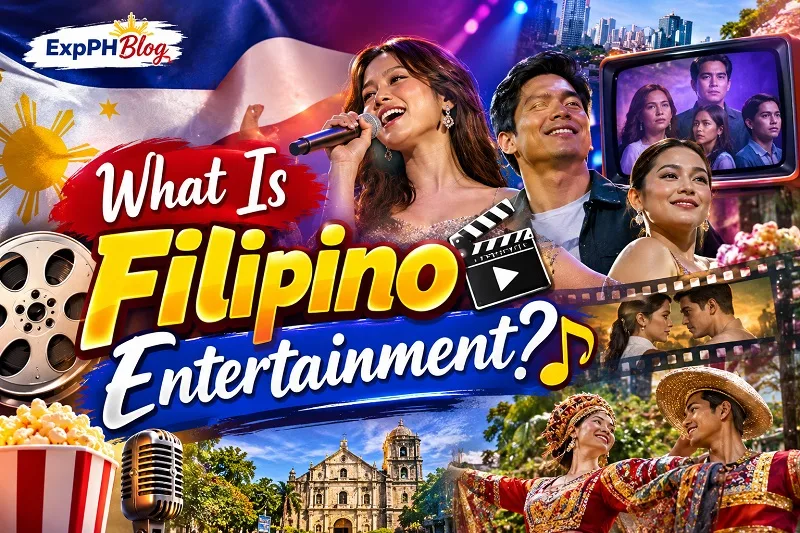
Filipino entertainment encompasses the creative expressions, performances, and media enjoyed by Filipino audiences. It includes movies, television, music, comedy, theater, celebrity activities, and digital content. Beyond the Philippines, it also represents the work of Filipino artists and creators who share local stories, traditions, and cultural influences with international audiences.
The Role of Entertainment in Filipino Society
Entertainment plays several important roles in Filipino society.
First, it provides relaxation and enjoyment. People watch movies, listen to music, follow television programs, and browse online videos to take a break from their daily responsibilities.
Second, entertainment brings people together. Families may watch television programs during weekends, friends may discuss the latest movies, and communities may organize local performances or cultural celebrations.
Third, entertainment communicates stories and experiences. Philippine films and television dramas frequently explore family relationships, economic challenges, social expectations, personal struggles, and everyday life.
Finally, entertainment helps preserve and introduce Filipino culture. Traditional music, regional performances, historical stories, and local creative works allow audiences to appreciate different aspects of the country’s identity.
Filipino Entertainment as Part of Cultural Identity
Filipino entertainment often reflects characteristics associated with Filipino culture, including close family relationships, humor, hospitality, resilience, and community connections.
These themes appear in different creative formats. A family drama may explore the sacrifices parents make for their children, while a romantic comedy may highlight relationships and everyday misunderstandings.
Music can express love, longing, hope, and national pride. Comedy can turn ordinary experiences into shared moments of laughter.
These cultural elements help make Filipino entertainment recognizable to audiences who understand the experiences behind the stories.

The History and Evolution of Filipino Entertainment
Filipino entertainment has evolved through different generations, reflecting changes in cultural traditions, creative industries, and technology. From traditional performances and early Philippine cinema to television programs and modern digital platforms, each period has shaped how Filipinos create, experience, and share entertainment with audiences locally and internationally.
Early Filipino Entertainment and Traditional Performances
Before modern television and cinema became widely available, Filipinos enjoyed entertainment through traditional performances, music, storytelling, dances, and community celebrations.
Local communities used performances to communicate stories, celebrate important occasions, and preserve cultural traditions.
Traditional forms of entertainment included folk dances, musical performances, theatrical presentations, and storytelling passed from one generation to another.
These traditions continue to influence modern Filipino entertainment, especially productions that incorporate historical themes, indigenous music, regional languages, and traditional performances.
The Development of Philippine Cinema
The introduction of motion pictures created new opportunities for Filipino storytellers and performers.
Philippine cinema gradually developed into an important creative industry, producing movies that explored romance, family relationships, comedy, action, drama, and historical experiences.
Filipino filmmakers introduced different approaches to storytelling and filmmaking. Some productions focused on entertainment and commercial success, while others explored social conditions, cultural identity, and important historical events.
Cinema also created opportunities for actors, directors, writers, cinematographers, editors, producers, and other creative professionals.
The Golden Age and Growth of Filipino Movies
Philippine cinema experienced important periods of artistic and commercial development during the twentieth century.
Filipino filmmakers experimented with different genres, storytelling techniques, and production styles. Movies became an important part of popular entertainment, attracting audiences through recognizable actors, memorable characters, and compelling stories.
Family dramas, action movies, romantic films, and comedies became familiar parts of the Philippine movie industry.
These productions helped establish the popularity of Filipino actors and filmmakers while influencing the entertainment preferences of succeeding generations.
The Rise of Television Entertainment
Television changed how Filipino households consumed entertainment.
Instead of visiting movie theaters for every new story, families could enjoy dramas, comedy programs, variety shows, and other productions at home.
Television networks developed recognizable programs and personalities that became part of everyday conversations.
The popularity of television also created opportunities for actors, presenters, musicians, comedians, and production professionals.
The Digital Transformation of Filipino Entertainment
The growth of the internet and smartphones introduced another major change.
Audiences can now discover Filipino movies, television clips, music performances, interviews, and independent productions through digital platforms.
Content creators can publish videos without relying exclusively on traditional television networks or movie studios.
This development has expanded the entertainment industry and provided new opportunities for independent artists.
It has also changed audience behavior. Viewers increasingly choose what to watch, when to watch it, and which creators or productions they want to follow.
Filipino Movies and Philippine Cinema
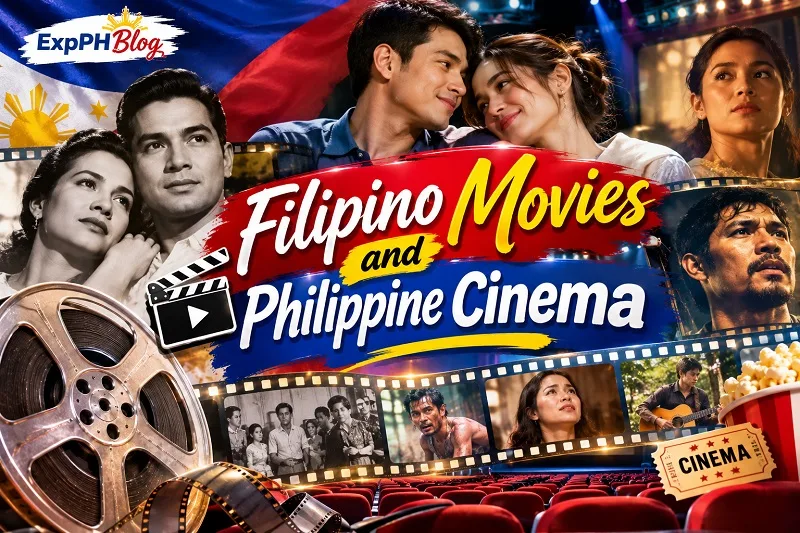
Filipino movies and Philippine cinema showcase the country’s creativity through stories inspired by everyday experiences, cultural traditions, and historical events. From drama and romance to comedy, action, and horror, Filipino films entertain audiences while highlighting Filipino values, social realities, and perspectives that connect viewers locally and internationally.
The Philippine film industry continues to grow through the efforts of filmmakers, creative professionals, and organizations supporting local cinema. The Film Development Council of the Philippines (FDCP) promotes Filipino filmmaking through industry development programs, film festivals, production support, and film preservation initiatives.
Different Genres of Filipino Movies
Filipino cinema includes many genres, each offering a different viewing experience.
Filipino Drama Movies
Drama movies explore emotional experiences, relationships, personal challenges, and difficult decisions.
Many Filipino dramas focus on family relationships, parental sacrifices, economic struggles, friendships, and the consequences of personal choices.
These films often appeal to audiences because their themes reflect familiar situations and emotional experiences.
Filipino Romantic Movies
Romantic movies explore love, relationships, misunderstandings, commitment, and personal growth.
Filipino romance films frequently feature characters dealing with family expectations, long-distance relationships, differences in social circumstances, and difficult decisions about their future.
Some combine romance with comedy, while others focus on emotional storytelling.
Filipino Comedy Movies
Comedy remains an important part of Philippine cinema.
Filipino comedy movies use humor, memorable characters, unexpected situations, and everyday experiences to entertain audiences.
Some productions feature family humor, romantic misunderstandings, workplace situations, and exaggerated characters.
Comedy can also communicate observations about society and Filipino lifestyles.
Filipino Action Movies
Action films feature exciting sequences, conflicts, investigations, crime-related stories, and characters facing dangerous situations.
Filipino action cinema has developed recognizable styles involving dramatic confrontations, law enforcement themes, and stories about justice and survival.
These productions attract viewers who enjoy fast-paced storytelling and action-oriented entertainment.
Filipino Horror Movies
Horror movies explore fear, supernatural experiences, mysterious events, and Filipino folklore.
Philippine horror productions frequently incorporate cultural beliefs, traditional stories, and supernatural characters familiar to local audiences.
Aswang, multo, and other folklore-inspired figures have influenced many Filipino horror stories.
These cultural references help distinguish Philippine horror from productions based entirely on international storytelling traditions.
Filipino Historical and Biographical Movies
Historical and biographical films explore real people, important events, and significant periods in Philippine history.
These productions can introduce audiences to historical personalities, national struggles, cultural developments, and important social experiences.
Biographical films are particularly valuable when they encourage viewers to learn more about the actual people and events behind the stories.
However, dramatized scenes should not automatically be treated as historical facts. Viewers should distinguish artistic interpretation from documented historical information.
Why Filipino Movies Remain Popular
Filipino movies continue to attract audiences because they offer stories that many viewers can relate to.
Family relationships, love, sacrifice, friendship, ambition, and personal struggles are familiar themes across different generations.
Filipino films also provide opportunities to appreciate local languages, traditions, locations, and cultural experiences.
For OFWs, watching a Filipino movie can create a sense of familiarity and connection with home.
Independent Filipino Films and Creative Storytelling
Independent filmmaking has expanded the range of stories presented in Philippine cinema.
Independent filmmakers can explore subjects that may receive less attention in mainstream commercial productions.
Their projects may focus on regional communities, social experiences, cultural identity, personal struggles, and unconventional storytelling.
Film festivals and independent screenings also help introduce these productions to audiences and recognize the work of emerging filmmakers.
How to Appreciate Filipino Cinema
Watching Filipino movies can become more meaningful when viewers pay attention to more than the main storyline.
Consider the following:
- Observe how the characters represent Filipino family relationships and social expectations.
- Notice the use of local languages and regional expressions.
- Pay attention to the film’s historical or cultural setting.
- Consider the message behind the characters’ decisions.
- Explore the work of the director, writer, and other creative professionals.
- Compare older films with modern productions to understand how storytelling has changed.
Appreciating cinema in this way helps viewers recognize the creative and cultural value of Filipino movies.
Filipino Television Shows and Entertainment Programs
Locally produced programs offer audiences a wide range of viewing experiences, from emotional dramas and comedy to reality competitions and musical performances. Despite the growing popularity of digital platforms, traditional broadcasting continues to provide opportunities for Filipino performers to showcase their talents and connect with viewers across generations.
Filipino Drama Series and Teleseryes
Teleseryes are among the most recognizable forms of Philippine television entertainment.
These drama series commonly explore family relationships, romance, personal conflicts, social differences, and emotional challenges.
Their storytelling often develops over multiple episodes, allowing audiences to become familiar with the characters and follow their experiences.
Some teleseryes also explore historical events, crime-related stories, social issues, and inspirational themes.
For many viewers, following a television drama becomes part of their daily routine.
Filipino Comedy Shows
Comedy programs provide entertainment through jokes, sketches, humorous characters, and everyday situations.
Filipino television comedy often incorporates local expressions, family experiences, workplace humor, and observations about society.
Some programs rely on scripted comedy, while others feature improvisation, audience participation, or comedic performances.
These shows contribute to the popularity of Filipino comedians and television personalities.
Variety Shows and Musical Programs
Variety shows combine different entertainment formats within a single program.
They may feature musical performances, comedy segments, interviews, celebrity appearances, contests, and audience participation.
Musical programs also provide opportunities for singers and emerging performers to showcase their talents.
These formats remain recognizable parts of Philippine television entertainment.
Reality Shows and Talent Competitions
Reality programs introduce audiences to competitions, personal stories, and unscripted or partially structured experiences.
Talent competitions may feature singers, dancers, performers, and other aspiring entertainers.
Reality shows can help emerging personalities gain exposure and introduce viewers to different creative talents.
However, audiences should remember that reality television is still a produced entertainment format. Editing, presentation, and program structure influence what viewers see.
The Changing Role of Traditional Television
Traditional television faces growing competition from streaming platforms and social media.
Viewers increasingly expect flexible schedules, on-demand content, and access through smartphones and computers.
In response, television producers have expanded their digital presence through online clips, livestreams, and official streaming channels.
This combination of traditional and digital distribution allows television entertainment to reach audiences beyond regular broadcast schedules.
Filipino Music and Original Pilipino Music (OPM)
Music plays an important role in expressing Filipino creativity and cultural identity through different genres and musical traditions. From traditional songs and popular ballads to rock, hip-hop, and modern independent productions, Filipino artists continue to develop OPM and introduce their music to audiences in the Philippines and abroad.
What Is OPM?
OPM refers to music created by Filipino artists and composers.
It includes different musical styles and languages, reflecting the diversity of Philippine culture.
Although many OPM songs use Filipino or English lyrics, musicians also create songs in regional languages.
OPM has developed through different generations of performers, songwriters, bands, and independent musicians.
Filipino Pop Music
Filipino pop music features accessible melodies, memorable lyrics, and different musical influences.
Pop songs commonly explore love, friendship, personal experiences, confidence, and everyday emotions.
Filipino pop continues to evolve as musicians incorporate contemporary production techniques and international influences.
Filipino Rock Music
Rock music has played an important role in the development of modern Filipino music.
Filipino rock bands have explored different styles, including alternative rock, acoustic rock, hard rock, and other subgenres.
Their songs often discuss relationships, identity, social experiences, and personal struggles.
Live performances and music festivals also provide opportunities for Filipino rock musicians to connect with audiences.
Filipino Hip-Hop and Rap
Filipino hip-hop has developed into an influential part of contemporary music culture.
Rappers and hip-hop performers use lyrics to express personal experiences, creativity, social observations, and cultural identity.
The genre includes different approaches, from mainstream commercial productions to independent and underground performances.
Traditional Filipino Music
Traditional Filipino music reflects the country’s cultural diversity.
Different regions have their own musical traditions, instruments, songs, and performance styles.
Traditional music can be heard during cultural celebrations, religious events, community gatherings, and heritage presentations.
These musical traditions remain valuable because they preserve cultural practices and introduce younger generations to the country’s artistic heritage.
Filipino Music in the Digital Age
Digital platforms have changed how Filipino musicians distribute and promote their work.
Artists can release songs, publish music videos, communicate with fans, and reach international audiences through online services.
Independent musicians also have more opportunities to introduce their music without relying exclusively on traditional recording and distribution systems.
For listeners, digital access makes it easier to discover emerging artists and explore different OPM genres.

Filipino Celebrities and Entertainment Personalities
Filipino celebrities influence the entertainment industry through their performances, public appearances, and creative projects. Actors, singers, comedians, and television personalities contribute to popular culture while connecting with audiences through their talents. Their growing presence also shapes fan communities, fashion preferences, and entertainment trends in the Philippines and abroad.
Filipino Actors and Actresses
Filipino actors and actresses contribute to movies, television dramas, comedy productions, theater, and digital series.
Their performances help bring fictional and historical characters to life.
Some become widely recognized through memorable roles, while others develop careers through different genres and creative projects.
Filipino Singers and Musicians
Filipino singers and musicians influence music trends and introduce different sounds to audiences.
They perform through concerts, television programs, festivals, online platforms, and international events.
Their popularity can also help introduce Filipino music to people unfamiliar with OPM.
Television Hosts and Presenters
Television hosts and presenters contribute to news-related entertainment, interviews, variety shows, and competitions.
Their communication skills and on-screen personalities can become an important part of a program’s identity.
Some presenters also build audiences through podcasts and digital content.
Celebrity Culture and Fan Communities
Fan communities are an important part of the entertainment industry.
Supporters discuss performances, share news, organize fan activities, and promote their favorite celebrities.
Social media has made these communities more accessible, allowing fans from different countries to interact.
However, responsible fandom requires respecting personal boundaries and distinguishing verified information from rumors.
The Influence of Filipino Celebrities on Popular Culture
Celebrities can influence fashion, beauty trends, music preferences, entertainment discussions, and consumer interests.
Their public appearances and creative projects can introduce audiences to new styles and cultural conversations.
At the same time, audiences benefit from evaluating celebrity-related information carefully instead of automatically accepting everything shared online.

Filipino Comedy, Humor, and Memorable Entertainment
Comedy brings a distinctive sense of humor to Filipino culture through storytelling, witty expressions, and relatable situations. From movie performances and television sketches to stand-up routines and internet memes, Filipino humor reflects everyday experiences, strengthens social connections, and provides audiences with enjoyable ways to share laughter across generations.
Why Filipino Humor Is Unique
Filipino humor frequently combines storytelling, wordplay, expressions, cultural references, and unexpected situations.
Some jokes depend on understanding Filipino languages and local experiences.
Others use universal situations that audiences from different backgrounds can appreciate.
Filipino comedy also reflects the country’s regional diversity. Humor in one community may include expressions and cultural references that are less familiar to people from another region.
Comedy in Movies and Television
Comedy films and television programs help popularize recognizable characters and comedic styles.
Some productions focus on family entertainment, while others explore romantic situations, friendships, workplace experiences, and social observations.
Comedy can also help audiences discuss complicated subjects through lighter storytelling.
Filipino Memes and Internet Humor
Social media has introduced new ways for Filipinos to share humor.
Memes, reaction images, short videos, and humorous captions frequently reflect everyday experiences and current online conversations.
These forms of entertainment can spread quickly because they are easy to understand, share, and adapt.
However, users should remain mindful of privacy, copyright, and the possibility that jokes can become harmful when they target individuals or vulnerable communities.
Streaming Platforms and Online Filipino Entertainment
Digital services give audiences greater flexibility in watching movies, television series, and other productions whenever convenient. They also make it easier to discover Filipino content beyond traditional broadcasting. For OFWs and viewers abroad, online access provides more opportunities to enjoy familiar entertainment while staying connected to Philippine culture.
Watching Filipino Movies Online
Digital services and official online channels can provide access to Filipino movies.
Depending on the platform, viewers may find classic productions, contemporary films, independent cinema, and selected television programs.
Availability varies according to licensing agreements, subscription arrangements, and geographic restrictions.
Viewers should use legitimate services to support content creators and avoid unauthorized websites that distribute copyrighted productions.
Filipino Television Shows on Digital Platforms
Some television programs are also distributed through official websites and streaming services.
These options allow viewers to catch up on selected episodes, watch program highlights, and access content outside traditional broadcast schedules.
Digital distribution can be particularly useful for Filipinos who work different shifts or live in other countries.
Streaming Entertainment for OFWs
Streaming services can help OFWs stay connected with Filipino entertainment.
Workers living abroad may watch local dramas, listen to OPM playlists, or discover Filipino movies during their free time.
These activities can provide a familiar connection to home, especially when distance and work schedules make regular communication difficult.
However, access to specific programs depends on the platform’s licensing arrangements and the viewer’s location.
Choosing a Suitable Streaming Platform
Not every streaming service offers the same content.
Before choosing a subscription, consider the following:
- Content selection: Check whether the service offers Filipino movies and television programs.
- Subscription cost: Compare monthly and annual pricing.
- Device compatibility: Make sure the service works with your smartphone, computer, or television.
- Video quality: Consider your internet connection and preferred viewing quality.
- Regional availability: Confirm whether the content can be accessed in your country.
- Account security: Use official applications and protect your login information.
A suitable streaming service should provide convenient access to content that matches your interests and budget.

Filipino Social Media Influencers and Digital Content Creators
Digital platforms have made it easier for Filipino creators to share their talents and connect with audiences without relying entirely on traditional media. Through videos, livestreams, podcasts, and other online formats, they introduce fresh entertainment experiences while influencing digital trends and expanding the reach of Filipino creativity.
The Rise of Filipino Online Creators
Filipino content creators produce different types of digital entertainment.
Some specialize in comedy, while others create lifestyle videos, music performances, travel content, gaming videos, interviews, and educational entertainment.
Their audiences may include people from the Philippines and Filipino communities abroad.
Digital creators can also introduce local traditions, regional destinations, and Filipino experiences to international viewers.
Short-Form Videos and Viral Entertainment
Short-form videos have become a recognizable part of modern online entertainment.
These videos often feature comedy sketches, dance performances, music trends, everyday experiences, and quick storytelling.
Their format makes content easy to discover and share.
However, popularity does not necessarily indicate accuracy or quality. Viewers should evaluate information carefully, especially when entertainment videos discuss serious subjects.
Filipino Podcasts and Online Discussions
Podcasts provide another format for Filipino entertainment.
Some programs focus on comedy and casual conversations, while others explore relationships, lifestyle, music, movies, and personal experiences.
Online discussions also allow audiences to share opinions about entertainment trends and cultural developments.
These formats can create communities around shared interests.
Responsible Social Media Entertainment
Enjoying online content also requires responsible digital habits.
Consider the following practices:
- Verify information before sharing celebrity news.
- Avoid spreading private information about entertainers.
- Respect copyright when reposting videos and music.
- Be cautious about misleading headlines and fabricated stories.
- Manage screen time to maintain a healthy balance.
- Support creators through legitimate channels.
Responsible online participation helps create a more respectful digital entertainment environment.
Filipino Popular Culture and Its Influence on Everyday Life
Everyday Filipino experiences are shaped by cultural traditions and changing social trends that influence how people communicate, dress, eat, and celebrate. From popular expressions and fashion preferences to local food and community festivals, these cultural elements reflect shared values and help preserve Filipino identity across generations.
Filipino Language and Expressions in Popular Culture
Language plays an important role in Filipino entertainment.
Filipino, English, and regional languages are used in movies, television programs, music, comedy, and online content.
Expressions, catchphrases, and memorable lines from entertainment productions can become part of everyday conversations.
Social media also introduces new slang and expressions that spread among younger audiences.
Filipino Fashion and Celebrity Trends
Entertainment personalities can influence fashion preferences through their public appearances, performances, and social media activities.
Viewers may become interested in clothing styles, hairstyles, accessories, and beauty trends introduced by celebrities.
However, Filipino fashion is not limited to celebrity influences. Traditional clothing, regional designs, local craftsmanship, and independent fashion businesses also contribute to the country’s style culture.
Filipino Food and Entertainment Culture
Food frequently appears in Filipino movies, television programs, travel videos, and online content.
Popular dishes and regional specialties can become part of entertainment discussions.
Cooking shows, food reviews, and travel programs also introduce audiences to different Filipino culinary traditions.
Food-related entertainment provides opportunities to appreciate the country’s regional diversity.
Filipino Festivals and Cultural Celebrations
Festivals and community celebrations combine entertainment with cultural expression.
Music, dance, performances, traditional clothing, and local food are common features of many Philippine celebrations.
These events introduce audiences to regional identities and provide opportunities for communities to preserve cultural practices.
They also attract visitors interested in experiencing Filipino traditions.
How Entertainment Influences Filipino Lifestyles
Entertainment can influence how people communicate, dress, spend their free time, and discover new interests.
A popular television program may encourage conversations among family members, while a music trend can inspire people to learn dancing or singing.
Movies and documentaries can also introduce audiences to unfamiliar social experiences and historical subjects.
The influence of entertainment is not always positive or negative. Its value depends on the content, the audience, and how people interpret what they watch.
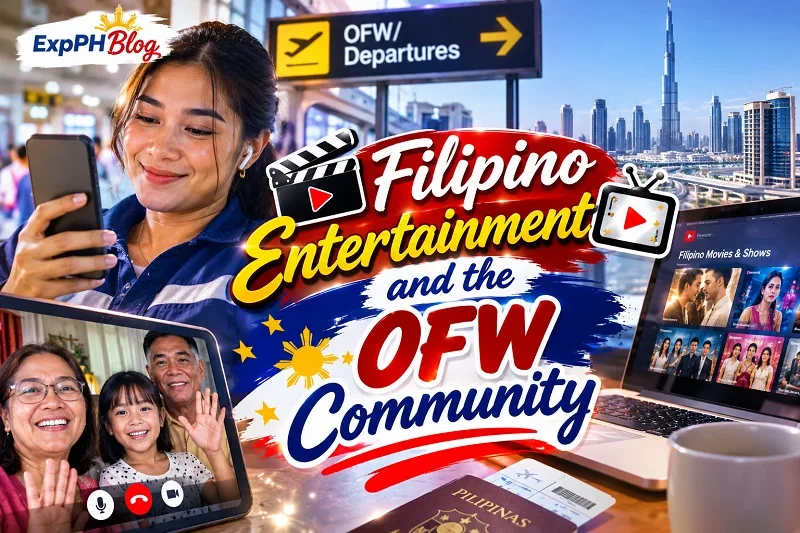
Filipino Entertainment and the OFW Community
Living and working overseas can make it challenging to maintain connections with familiar surroundings and Filipino traditions. Movies, music, television programs, and digital content provide OFWs with meaningful ways to enjoy familiar stories, share experiences with loved ones, and preserve their cultural identity while living abroad.
Staying Connected to the Philippines Through Entertainment
Watching Filipino movies and television programs can help OFWs maintain an interest in local developments and cultural conversations.
Following Filipino entertainers and listening to OPM can also provide a sense of familiarity.
For some overseas workers, these activities become part of their personal routine after work.
They offer an opportunity to relax while enjoying stories and music connected to home.
Filipino Music and Memories of Home
Music can create strong emotional connections.
An OPM song may remind an OFW of family gatherings, school experiences, friendships, or special moments in the Philippines.
Listening to familiar songs can make leisure time more meaningful.
Sharing music with family members can also create opportunities for conversations across different time zones.
Watching Filipino Movies With Family
Filipino movies can become a shared activity for families separated by distance.
Family members may recommend movies, discuss their favorite actors, or watch selected productions together when their schedules allow.
Although entertainment cannot replace physical presence, shared viewing experiences can help families maintain common interests.
Entertainment as a Way to Preserve Cultural Identity
OFWs often experience different cultures, languages, and lifestyles while working abroad.
Filipino entertainment can provide an opportunity to remain familiar with local traditions, expressions, and cultural experiences.
Children growing up outside the Philippines may also discover Filipino stories and music through their parents.
This can help introduce younger generations to the country’s cultural background.
Finding a Healthy Balance Between Work and Entertainment
Entertainment should complement daily life rather than interfere with important responsibilities.
OFWs can enjoy movies, music, and online content while maintaining sufficient time for rest, family communication, and personal activities.
A balanced routine may include watching a movie during a day off, listening to music while relaxing, or sharing a television program with family members online.
The goal is to enjoy entertainment without allowing excessive screen time to affect sleep, productivity, or personal relationships.
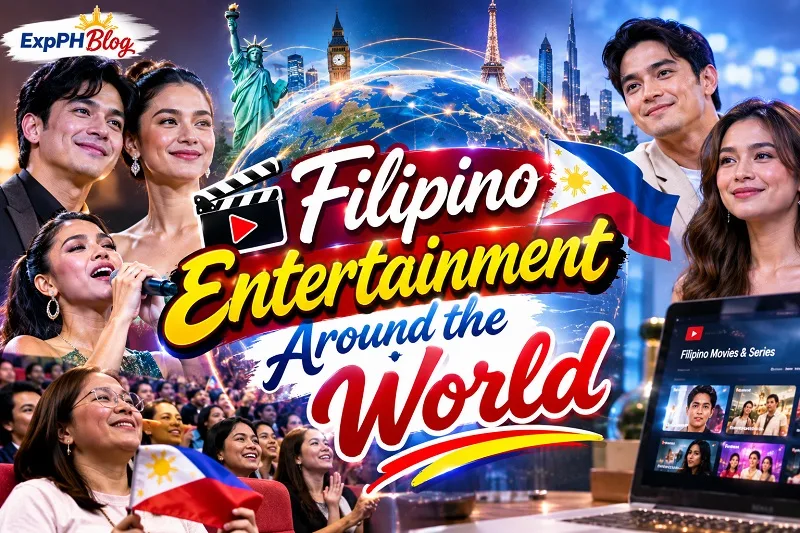
Filipino Entertainment Around the World
Filipino artists continue to share their talents with international audiences through music, films, television, and live performances. Their growing presence abroad helps introduce Philippine creativity and cultural traditions to different communities while strengthening connections among Filipinos living overseas and promoting greater appreciation of local entertainment worldwide.
Filipino Artists in International Entertainment
Filipino performers contribute to international entertainment through music, film, theater, television, and other creative industries.
Some artists build careers abroad, while others participate in international projects and performances.
Their achievements can introduce global audiences to Filipino creative talent.
Filipino Music and Global Audiences
Filipino singers and musicians have opportunities to reach international listeners through digital music platforms and live performances.
OPM can attract audiences through emotional storytelling, musical creativity, and different genres.
Online distribution also makes it easier for overseas Filipinos to discover emerging musicians from the Philippines.
Philippine Cinema at International Film Festivals
International film festivals provide opportunities for Filipino filmmakers to present their work to audiences and industry professionals from different countries.
These events can introduce viewers to Philippine stories, filmmaking styles, and cultural experiences.
They also provide opportunities for creative collaboration and professional recognition.
The Filipino Diaspora and Entertainment Communities
Filipino communities abroad often organize cultural activities that include music, performances, film screenings, and entertainment events.
These activities help maintain cultural connections while introducing Filipino traditions to people from other backgrounds.
For many overseas Filipinos, participating in these events creates opportunities to celebrate shared experiences and strengthen community relationships.
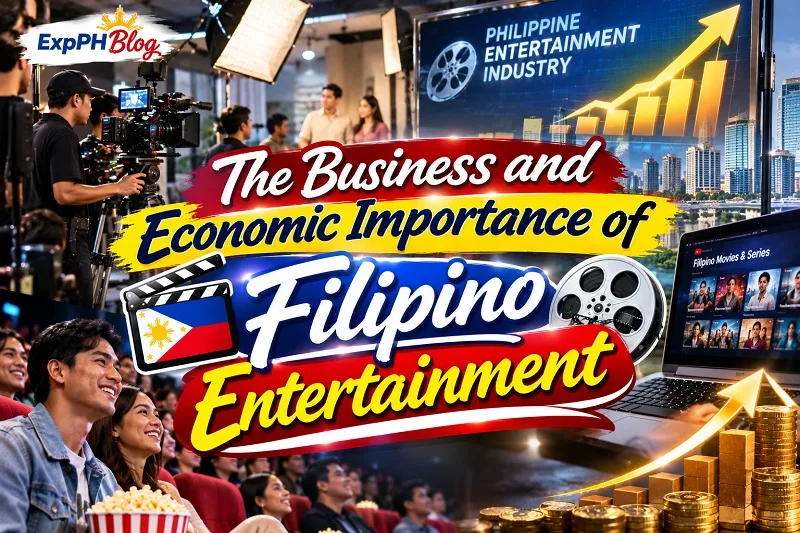
The Business and Economic Importance of Filipino Entertainment
The entertainment industry contributes to the Philippine economy by creating jobs and supporting businesses across different creative fields. From film production and music performances to digital content creation, these activities provide income opportunities for professionals while encouraging entrepreneurship and supporting the growth of local creative industries.
Employment Opportunities in Entertainment
The entertainment industry provides opportunities for people with different skills and professional backgrounds.
These include:
- Actors and performers
- Directors and producers
- Screenwriters and script editors
- Cinematographers and photographers
- Video editors and sound engineers
- Production designers and costume professionals
- Musicians and composers
- Television presenters and hosts
- Marketing and public relations professionals
- Digital content creators
Many productions also require transportation, catering, equipment rental, location services, and other supporting businesses.
Film Production and Supporting Businesses
Movie production involves several stages, from developing a story to distributing the finished film.
Each stage requires creative and technical professionals.
Production companies may work with independent contractors and local businesses for equipment, locations, transportation, and other services.
This creates economic activity beyond the film production company itself.
Music and Live Entertainment Businesses
The music industry creates opportunities for performers, event organizers, recording professionals, sound technicians, venue operators, and marketing teams.
Concerts and live performances can also support nearby businesses, including restaurants, transportation providers, and accommodation establishments.
Digital Content Creation as a Career
Digital content creation has introduced additional opportunities for Filipinos interested in media and entertainment.
Creators may work independently or collaborate with brands, production companies, and other professionals.
However, building a sustainable career requires more than gaining views or followers.
Important skills include storytelling, communication, video editing, audience research, creative planning, and responsible content management.
Supporting Filipino Creative Industries
Audiences can support the Philippine entertainment industry by watching legitimate productions, attending authorized performances, purchasing official merchandise, and respecting copyright.
Supporting independent filmmakers and emerging musicians can also help expand opportunities for Filipino creative professionals.
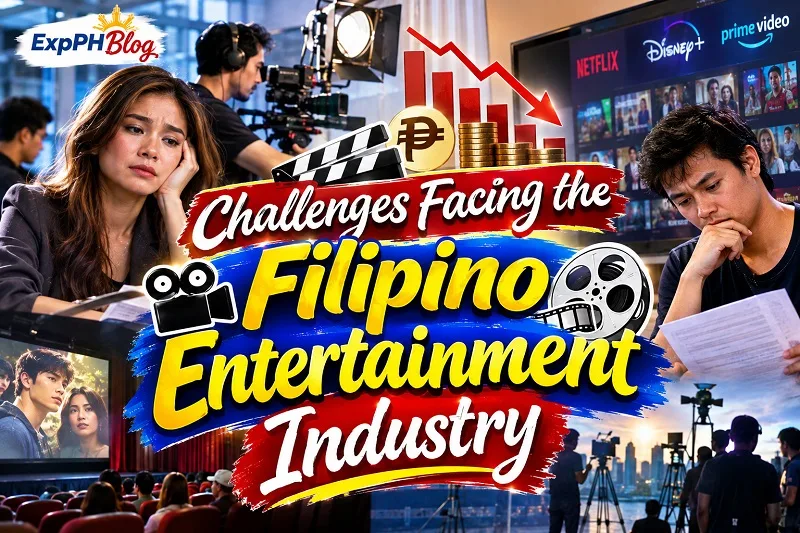
Challenges Facing the Filipino Entertainment Industry
The industry faces several obstacles that affect its growth and competitiveness. International competition, rising production costs, copyright infringement, and misinformation create difficulties for Filipino creators and entertainment businesses. Changing audience preferences also require continuous improvement while presenting new opportunities for independent artists to reach wider audiences.
Competition From International Entertainment
Filipino movies, television programs, and music compete with productions from other countries.
International content is widely accessible through streaming services and digital platforms.
Local creators must continue developing compelling stories and high-quality productions to attract audiences.
Production Costs and Financial Limitations
Producing movies, television programs, and music requires financial resources.
Independent creators may face challenges related to equipment, production facilities, marketing, and distribution.
These limitations can affect the scale and reach of their projects.
Copyright Infringement and Unauthorized Distribution
Unauthorized distribution of movies, music, and television content can affect creators and legitimate distributors.
Copyright protection helps recognize the rights of people and organizations responsible for producing creative works.
Audiences can contribute by using legitimate viewing and listening services rather than unauthorized sources.
Misinformation and Celebrity Rumors
Social media allows entertainment-related information to spread quickly.
Unfortunately, unverified celebrity rumors, misleading headlines, and fabricated stories can also circulate.
Audiences should check reliable sources before believing or sharing claims about entertainers and entertainment organizations.
Changing Audience Preferences
Entertainment preferences continue to evolve.
Some viewers prefer traditional television, while others favor streaming services, short-form videos, podcasts, or independent productions.
Entertainment businesses need to understand these changing preferences while maintaining the quality and originality of their content.
Opportunities for Independent Filipino Creators
Despite these challenges, digital technology creates opportunities for independent creators.
Filipino filmmakers, musicians, writers, and online personalities can introduce their work through digital distribution and social media.
With creativity, responsible production practices, and consistent improvement, emerging artists can find audiences beyond traditional entertainment channels.
How to Discover and Enjoy Filipino Entertainment
Exploring Filipino movies, music, television programs, and digital content allows audiences to discover the richness of local entertainment. By following Filipino artists, supporting independent creators, attending cultural events, and sharing recommendations with others, viewers can enjoy meaningful experiences while staying connected to Philippine culture.
Explore Different Filipino Movie Genres
Start by exploring different types of Philippine films.
Try watching dramas, romantic movies, comedy films, horror productions, historical stories, and independent cinema.
Exploring multiple genres helps you discover different filmmaking styles and storytelling approaches.
Follow Filipino Music and OPM Artists
Discover OPM through official music platforms, artist channels, radio programs, and live performances.
Explore different genres rather than limiting yourself to familiar songs.
You may discover emerging Filipino musicians whose work introduces new sounds and creative ideas.
Watch Legitimate Filipino Television Programs
Explore official television network websites, authorized streaming services, and legitimate online channels.
These sources can help you discover television dramas, comedy programs, interviews, and variety shows.
Check regional availability before subscribing to a streaming service.
Support Independent Filipino Creators
Follow filmmakers, musicians, writers, and digital creators whose work interests you.
Watching official uploads, attending performances, and sharing their legitimate content can help introduce their work to new audiences.
Participate in Filipino Cultural Events
If you live in the Philippines, consider attending local film screenings, concerts, theater productions, and cultural festivals.
OFWs can also look for Filipino community events and cultural celebrations in their host countries.
These experiences provide opportunities to appreciate entertainment beyond screens.
Discuss Movies, Music, and Television With Others
Entertainment can become more enjoyable when shared with other people.
Discussing favorite movies, recommending music, and exchanging opinions about television programs can introduce you to new productions.
These conversations also help maintain connections with friends, family members, and Filipino communities.
The Future of Filipino Entertainment
The industry is expected to create new opportunities for Filipino artists through digital platforms, independent filmmaking, and international partnerships. Advances in technology will introduce new ways to produce and share content while encouraging creators to preserve Filipino traditions and develop original stories that appeal to future generations.
More Opportunities Through Digital Platforms
Digital platforms provide additional ways for Filipino creators to distribute their work.
Independent filmmakers and musicians can reach audiences through online services, while digital creators can build communities around their content.
These opportunities may help introduce more diverse Filipino stories to local and international audiences.
Growth of Independent Filmmaking
Independent filmmaking can continue expanding the range of Philippine cinema.
Emerging filmmakers may explore regional stories, historical experiences, cultural identity, and contemporary social issues.
Greater access to digital production tools can also help reduce some barriers for new creators.
International Recognition of Filipino Talent
Filipino artists have opportunities to collaborate with international performers and creative organizations.
Film festivals, music events, digital platforms, and international productions can help introduce Filipino talent to new audiences.
These opportunities can strengthen the visibility of Philippine creative industries.
Technology and New Entertainment Experiences
Technology continues to introduce new ways to create and consume entertainment.
Digital production tools, improved video distribution, interactive content, and artificial intelligence may influence future creative processes.
However, technology should support rather than replace the originality, cultural understanding, and storytelling skills that make entertainment meaningful.
Preserving Filipino Culture Through Modern Entertainment
As the entertainment industry develops, preserving Filipino culture remains important.
Modern productions can incorporate traditional music, regional languages, historical stories, and local experiences.
This balance allows creators to explore new ideas while maintaining meaningful connections to Filipino identity.
Conclusion: Celebrating Filipino Entertainment and Popular Culture
Filipino entertainment continues to celebrate the country’s creativity, traditions, and cultural identity through movies, music, television, and digital storytelling. As the industry evolves, its influence reaches new audiences while helping Filipinos worldwide preserve meaningful connections to their heritage and share the richness of Philippine popular culture.
Filipino entertainment reflects the experiences, traditions, and creative expressions that shape the country’s cultural identity. Through movies, television programs, music, and celebrity activities, Filipino artists share stories that connect audiences across generations and celebrate different aspects of Philippine life.
From traditional performances and classic Philippine cinema to modern streaming services and digital creators, the industry continues to introduce new ways for audiences to enjoy stories and connect with Filipino culture.
Movies allow viewers to explore meaningful experiences, OPM provides a soundtrack to everyday life, television creates shared conversations, and online creators introduce new forms of entertainment. Together, these creative industries contribute to the country’s cultural identity and economic opportunities.
For OFWs and Filipinos living abroad, entertainment also provides a familiar connection to home. Watching a Filipino movie, listening to an OPM song, or following a local television program can bring back memories and help maintain connections with Filipino culture.
As technology and audience preferences continue to change, Filipino entertainment has opportunities to reach more people locally and internationally. Supporting legitimate productions, appreciating independent creators, and exploring different forms of Philippine entertainment can help strengthen the industry.
Ultimately, Filipino entertainment is a celebration of Filipino creativity and storytelling. Its stories, music, performances, and cultural influences will continue to connect generations and introduce the richness of Philippine popular culture to the world.
FAQs About Filipino Entertainment, Movies and Popular Culture
1. What is Filipino entertainment?
Filipino entertainment includes movies, television, music, comedy, celebrities, digital content, and cultural performances that reflect Filipino creativity, experiences, traditions, and popular interests.
2. What are the most popular forms of Filipino entertainment?
Popular forms include Filipino movies, teleseryes, OPM, comedy shows, variety programs, streaming content, concerts, and social media entertainment enjoyed nationwide.
3. What does OPM mean in Filipino entertainment?
OPM means Original Pilipino Music, referring to music created by Filipino artists, composers, and musicians across different genres and languages.
4. Why are Filipino movies important to Philippine culture?
Filipino movies preserve cultural experiences, explore family relationships, reflect social realities, celebrate traditions, and introduce Philippine stories to audiences worldwide.
5. Where can I watch Filipino movies online?
You can watch Filipino movies through authorized streaming services, official television network platforms, licensed digital stores, and legitimate production company channels.
6. How does Filipino entertainment help OFWs?
Filipino entertainment helps OFWs maintain cultural connections, enjoy familiar stories, remember home, discover local developments, and share experiences with loved ones.
7. What are the main genres of Filipino movies?
Major genres include drama, romance, comedy, action, horror, historical films, biographical movies, independent cinema, and family-oriented productions.
8. How has social media changed Filipino entertainment?
Social media allows Filipino creators to publish videos, promote music, build communities, reach international audiences, and introduce new entertainment trends.
9. Why is Filipino popular culture important?
Filipino popular culture reflects national identity, traditions, language, creativity, social experiences, and shared interests that connect different generations and communities.
10. What is the future of Filipino entertainment?
Filipino entertainment will continue evolving through digital platforms, independent productions, international collaborations, technological innovation, and creative storytelling rooted in culture.
Test Your Knowledge of Filipino Entertainment!
Results


#1. What does OPM stand for?
#2. Which television drama format is popular in the Philippines?
#3. Which genre commonly explores supernatural creatures and folklore?
#4. What is a major purpose of independent filmmaking?
#5. How does Filipino entertainment help OFWs?
#6. Which platform development changed how audiences watch movies and series?
#7. What is one example of Filipino digital entertainment?
#8. What can Filipino celebrities influence?
#9. Which activity helps preserve Filipino cultural traditions?
#10. What helps strengthen the Filipino entertainment industry?
Thank you for participating in the Filipino Entertainment Knowledge Quiz!
Leave a comment below and share your experience with the ExpPH Blog community.

A Filipino web developer with a background in Computer Engineering. Founder of ExpPH Blog and ExpPH Business Guide, creating practical content on OFW guidance, business, finance, freelancing, travel, and lifestyle. Passionate about helping Filipinos grow, he shares insights that educate, empower, and inspire readers nationwide.