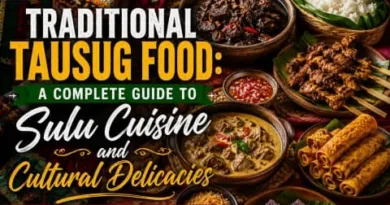
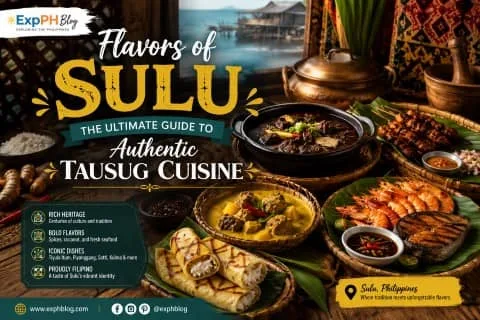
Flavors of Sulu: The Ultimate Guide to Authentic Tausug Cuisine
The southern islands of the Philippines are home to one of the country’s richest and most vibrant culinary traditions. Among these regional food cultures, Tausug cuisine stands out for its bold spices, fresh seafood, unique cooking methods, and deep connection to Tausug identity and heritage. Rooted in the traditions of the Tausug people of Sulu, this cuisine reflects centuries of trade, cultural exchange, and island living.
For many Filipinos, especially younger generations and OFWs living abroad, discovering the flavors of Sulu is more than just a food experience. It is a way to reconnect with heritage, preserve cultural identity, and celebrate the incredible diversity of the Philippines. From spicy curries and grilled seafood to traditional delicacies prepared during gatherings and celebrations, Tausug food offers a memorable culinary journey unlike any other.
Whether you are planning to visit Sulu, exploring Filipino regional dishes, or searching for authentic recipes to try at home, this guide will help you understand the history, flavors, traditions, and iconic dishes that make Tausug cuisine truly special.
Food is just one piece of the puzzle.
To truly understand the people behind these incredible dishes, check out our Complete Guide to Tausug Culture and Traditional Life in Sulu.
Table of Contents
Quick Summary (TL;DR)
If you are short on time, here is a quick taste of what you need to know about Tausug cuisine. Originating from the Tausug people of the Sulu Archipelago, this food culture is famous for its bold, spicy flavors, heavy reliance on fresh seafood, and rich coconut-based curries. Standout dishes like Tiyula Itum, Piyanggang, Satti, Kulma, and Daral showcase centuries of Malay, Arab, and Southeast Asian trade influences. Because it relies heavily on fresh turmeric, coconut milk, and halal meats, the food plays a massive role in local hospitality, family gatherings, and celebrations. Today, it remains a proud symbol of cultural identity for locals and overseas Filipinos alike.
1. The Origins and History of Tausug Cuisine
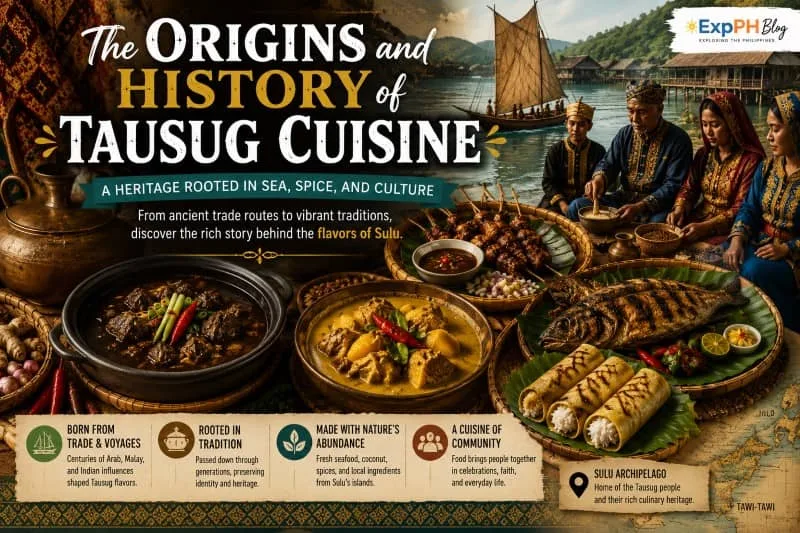
Understanding Tausug cuisine begins with understanding the people behind it. The Tausug people are one of the major ethnolinguistic groups in the southern Philippines, primarily living in the Sulu Archipelago, which includes Jolo, Tawi-Tawi, and nearby coastal communities. The word “Tausug” translates to “people of the current,” perfectly capturing their deep, historical relationship with the sea. For generations, fishing, trading, and maritime travel have shaped their way of life, and naturally, these elements became the foundation of their cooking.
Cultural Influences on Tausug Food
Because Sulu historically served as a bustling trading hub in Southeast Asia, its culinary traditions were shaped by centuries of interaction with foreign merchants. Arab, Malay, Indonesian, and Indian influences seamlessly blended with local island ingredients. This rich cultural exchange introduced the complex spice combinations, curry-based cooking, and coconut milk dishes that define the region today. It also brought a love for grilled meats, rice-centered meals, and delicate, sweet desserts.
The Importance of Food in Tausug Culture
In Tausug society, food is the ultimate expression of hospitality and family. You will rarely see a small spread during weddings, religious celebrations, family reunions, or Eid festivities. Sharing food symbolizes generosity, respect, and unity. Guests are always welcomed warmly, often greeted with massive servings of fresh seafood, spiced rice dishes, and traditional delicacies. For OFWs from Sulu and Mindanao, cooking these traditional meals abroad is a powerful way to maintain family traditions and cultural pride, even when living thousands of miles from home.
2. What Makes Tausug Cuisine Unique?
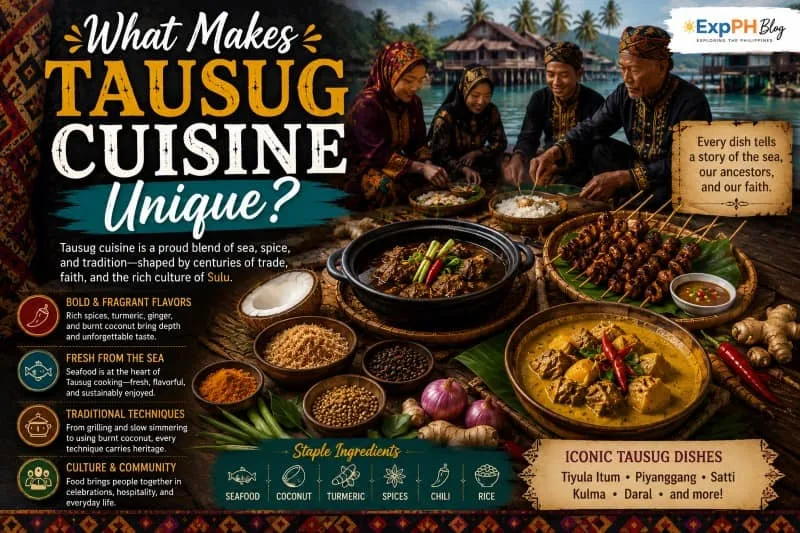
Dive into a plate of Tausug food, and you’ll immediately notice it doesn’t hold back. The flavors are unapologetically bold, drawing heavily from the ocean’s daily bounty. Because Sulu is an archipelago, fresh fish, squid, and crab are transformed into rich curries and smoky grilled masterpieces. You’ll taste the earthy warmth of fresh turmeric—which gives many dishes their signature golden hue—and the creamy, aromatic depth of coconut milk. And because the Tausug people are predominantly Muslim, the cuisine strictly follows halal traditions, favoring tender beef, chicken, and goat over pork.
Bold and Spicy Flavors
Tausug dishes are often much more intensely seasoned than what you might find in other parts of the Philippines. Cooks rely on a heavy hand of turmeric, ginger, garlic, onions, and local spices to build deep, complex flavor profiles. Some recipes even call for burnt coconut, which lends an unforgettable smoky and earthy taste to the broth.
Heavy Use of Seafood
Thanks to Sulu’s island geography, the ocean dictates the daily menu. Fresh fish, squid, shrimp, crab, and shellfish are the stars of the show. Whether it is grilled over an open flame, simmered in a rich curry, stewed, smoked, or fried to a crisp, freshness is the absolute highest priority in a Tausug kitchen.
Coconut and Turmeric-Based Cooking
If there are two ingredients that define the aroma of a southern kitchen, it is coconut milk and turmeric. Coconut adds a luxurious richness and creaminess to savory dishes and desserts alike. Meanwhile, fresh turmeric provides that signature bright yellow color and earthy bite that is so closely associated with southern Filipino cooking.
Halal Food Traditions
Since the majority of the Tausug people are Muslim, all food preparation strictly follows halal dietary practices. You won’t find pork on the menu here; instead, beef, chicken, fresh seafood, and goat are the proteins of choice.
3. Famous Tausug Dishes You Must Try
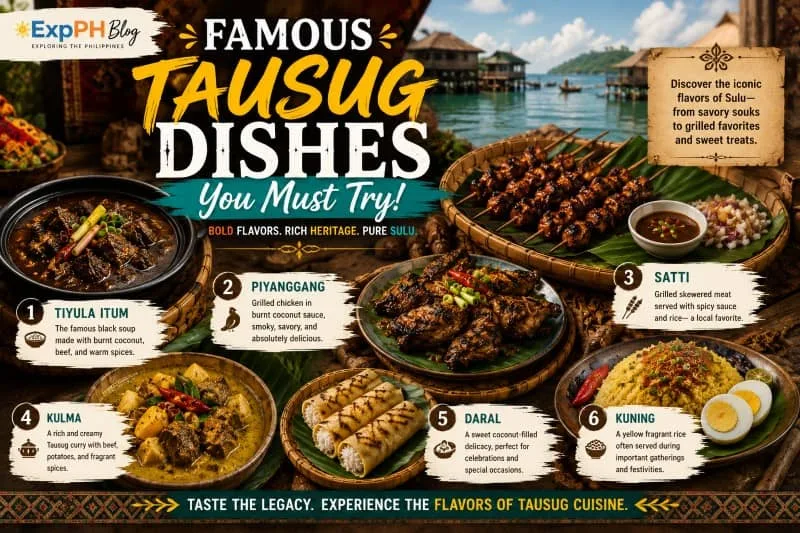
If you’re ready to taste the soul of Sulu, these are the iconic dishes you simply cannot miss. Each recipe tells a story about the region’s culture, tradition, and local ingredients.
Tiyula Itum
The Black Soup of Sulu Tiyula Itum is arguably the most famous dish in the Tausug culinary arsenal. The name literally translates to “black soup,” a nod to its dark, intimidating broth made from burnt coconut. This hearty dish is usually prepared with tender chunks of beef or goat, simmered slowly with ginger, turmeric, garlic, and local spices. The result is a smoky, savory, and slightly spicy soup with an incredibly rich aroma.
Why Tiyula Itum Is Special Unlike ordinary beef soups, Tiyula Itum gets its deep, earthy flavor from carefully charred coconut meat. This unique ingredient gives the dish its signature black color and an unforgettable taste. Because it takes time and care to prepare, it is almost always the centerpiece during weddings, celebrations, and important gatherings.
Piyanggang
Grilled Chicken With Burnt Coconut Piyanggang is another beloved classic known for its dark sauce and smoky flavor profile. Chicken is marinated in a robust spice paste and coated with burnt coconut before being grilled or simmered until tender. Cooks often add a splash of coconut milk to make the sauce even richer, resulting in a dish that perfectly balances charred, smoky edges with creamy, savory notes.
Best Pairings for Piyanggang To get the most out of Piyanggang, you have to pair it right. It is best enjoyed with a mountain of steamed white rice, fresh vegetables, pickled side dishes (like atsara) to cut through the richness, and a side of spicy sauce. It is the ultimate comfort food for many local families.
Satti
Tausug Skewered Meat With Spicy Sauce If you walk the streets of Sulu or nearby Mindanao cities early in the morning, you will find Satti. This beloved street food consists of small, tender skewers of grilled chicken or beef (and sometimes seafood) swimming in a thick, sweet, and fiery red sauce, always served alongside sticky rice.
Why Locals Love Satti Satti is the undisputed champion of Tausug breakfasts. The combination of the spicy, vibrant sauce and the smoky grilled meat creates a flavorful, heavy start to the day. It is affordable, incredibly filling, and universally loved by locals and visitors alike.
Kulma
Tausug Curry Dish Kulma is a beautiful reflection of the Indian and Malay influences that touched the Sulu archipelago. Unlike fiery, aggressive curries, Kulma is mild, fragrant, and incredibly creamy. Tender beef is cooked down with rich coconut milk, turmeric, curry spices, and potatoes until everything melts in your mouth.
Cultural Importance of Kulma Because of its rich ingredients, Kulma is a staple at family gatherings and celebrations. It perfectly represents the centuries-old fusion of local island resources and international spice trades that shaped the region’s food history.
Daral
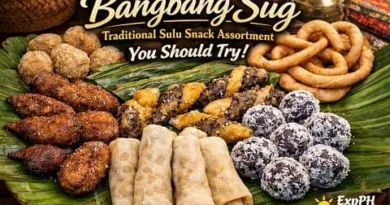
Traditional Tausug Delicacy You can’t finish a Tausug feast without Daral. This popular dessert features a thin, soft, crepe-like pancake made from rice flour, which is then rolled and stuffed with a sweet, freshly grated coconut filling.
Ingredients Commonly Used The beauty of Daral lies in its simplicity. It relies on rice flour, coconut milk, sugar, and a sweetened coconut filling. Its delicate texture and comforting sweetness make it an absolute favorite for both children and adults during festive occasions.
4. Traditional Ingredients in Tausug Cuisine
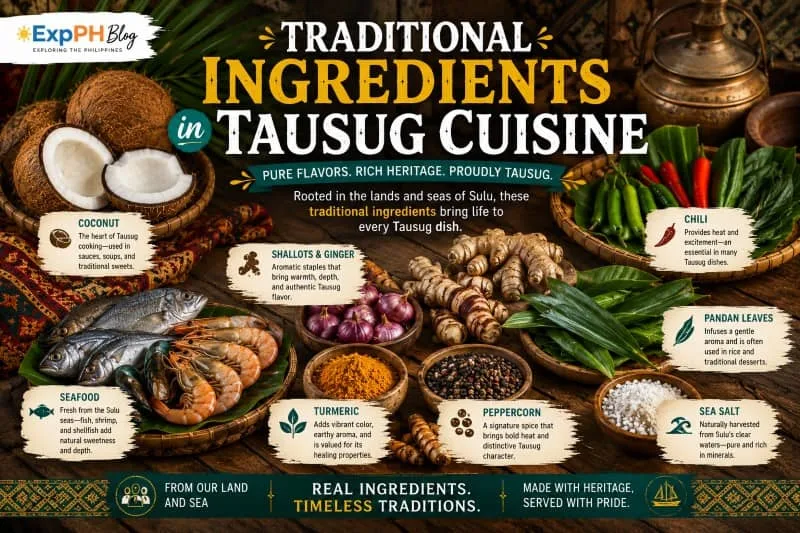
The magic of Sulu’s kitchens starts with the raw ingredients harvested straight from the islands and local farms.
Seafood
Fresh seafood is the undisputed star of Tausug cooking. Local markets are packed daily with fresh tuna, grouper, squid, crab, shrimp, and shellfish. Because the ocean is right at their doorstep, seafood is almost always purchased and cooked on the exact same day.
Coconut
Coconut is the hardworking backbone of the pantry, used in both savory and sweet dishes. You will find it in every imaginable form: freshly squeezed coconut milk for curries, grated coconut for desserts, burnt coconut for savory stews, and coconut oil for frying. It adds creaminess, aroma, and richness to everything it touches.
Turmeric
Turmeric is the signature spice of the south. It gives the food its bright, appetizing yellow color and a distinct earthy flavor. While powdered turmeric works in a pinch, local cooks always prefer using the fresh root whenever it is available.
Rice
Like the rest of the Philippines, rice is the ultimate staple food in Tausug households. The bold, spicy, and saucy dishes of the region are specifically designed to be eaten with generous servings of rice. You will also find rice transformed into various cakes and traditional desserts.
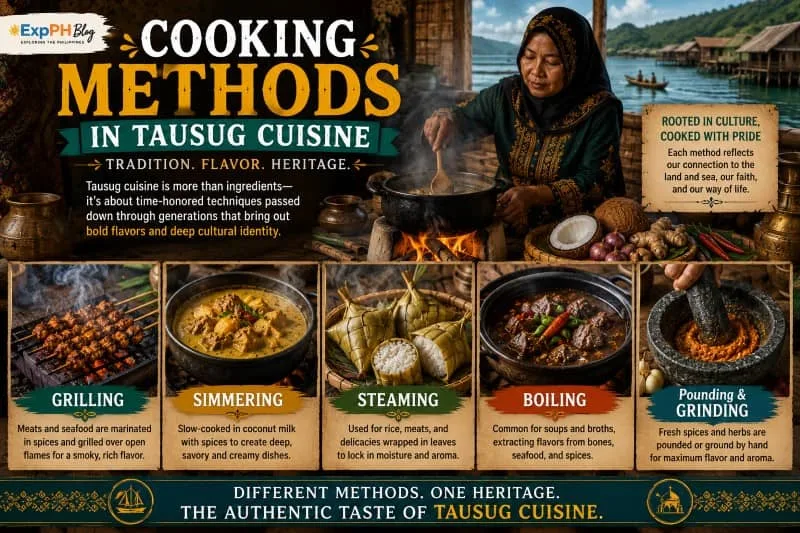
5. Cooking Methods in Tausug Cuisine
Tausug cooks are masters of patience and fire, using traditional methods that elevate simple ingredients into extraordinary meals.
Grilling
Grilling is a way of life in Sulu. Fish, chicken, and skewered meats are constantly grilled over open charcoal. This method not only locks in the natural freshness of the seafood and meats but also imparts a beautiful, irresistible smokiness.
Slow Simmering
Great flavor takes time. Soups like Tiyula Itum and curries like Kulma are simmered low and slow for hours. This patient technique allows the complex spices, coconut milk, and tough cuts of meat to break down and blend into rich, flavorful broths.
Burning Coconut
This is perhaps the most fascinating and unique technique in the Tausug culinary playbook. Cooks intentionally roast coconut meat over an open flame until it turns pitch black, then grind it into a fine paste. This deliberate process creates the smoky, earthy flavors that make dishes like Tiyula Itum and Piyanggang impossible to replicate.
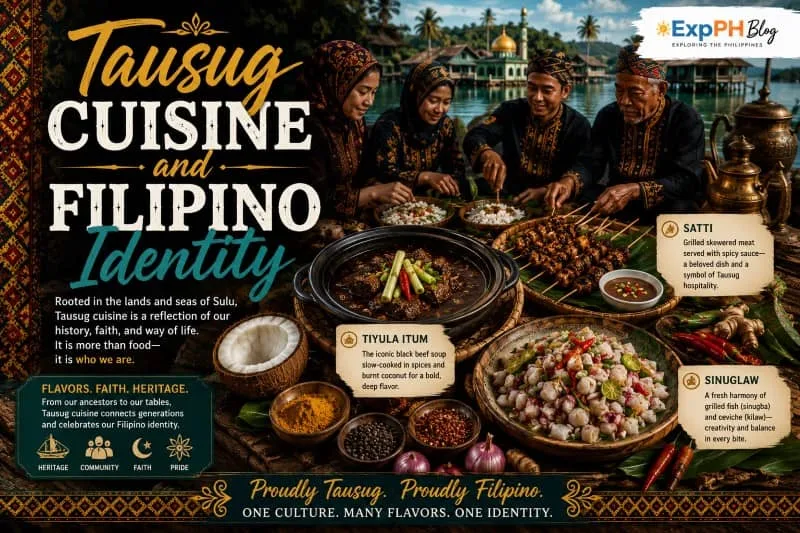
6. Tausug Cuisine and Filipino Identity
Food is never just about sustenance; it’s a living, breathing record of who we are. The Philippines is famous for its diverse regional cuisines, and Tausug food plays a massive role in that culinary tapestry.
Preserving Southern Filipino Heritage
For many families, cooking traditional recipes is an act of preserving their identity. These recipes are fiercely protected and passed down from grandparents to younger generations. This is especially vital for OFWs and overseas families who want their children to stay connected to their roots. Cooking a Tausug dish abroad is a powerful, comforting reminder of home.
Promoting Cultural Understanding
Food is the great equalizer. Learning about and enjoying Tausug cuisine helps promote understanding and respect between different Filipino communities. By exploring these regional flavors, Filipinos across the country gain a much deeper appreciation for the nation’s multicultural heritage.
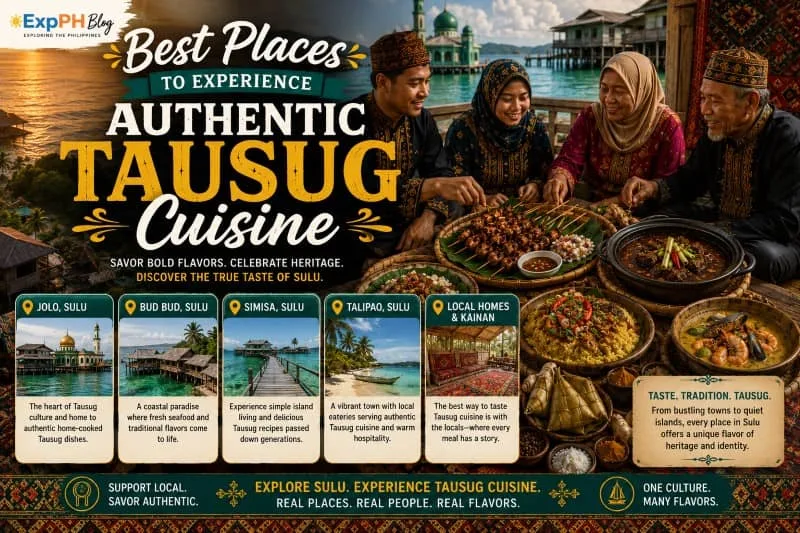
7. Best Places to Experience Authentic Tausug Cuisine
To truly experience these flavors at their source, you have to travel to the heart of the south.
Jolo, Sulu
Jolo is the undisputed culinary capital and the beating heart of Tausug culture. Here, local markets and humble eateries serve up the most authentic, unpretentious versions of these classic dishes. Visitors can feast on fresh seafood, traditional curries, and grilled specialties cooked exactly as they have been for generations.
Zamboanga City
If you can’t make it to the islands, Zamboanga City is a fantastic gateway. The city’s vibrant food scene is packed with halal restaurants and street food stalls run by Tausug families who have brought their ancestral recipes to the mainland.
Tawi-Tawi
Further south, the coastal communities of Tawi-Tawi offer an incredibly fresh, seafood-heavy take on the cuisine. The island’s coastal lifestyle strongly shapes the local food, offering unique dishes heavily influenced by neighboring Southeast Asian borders.
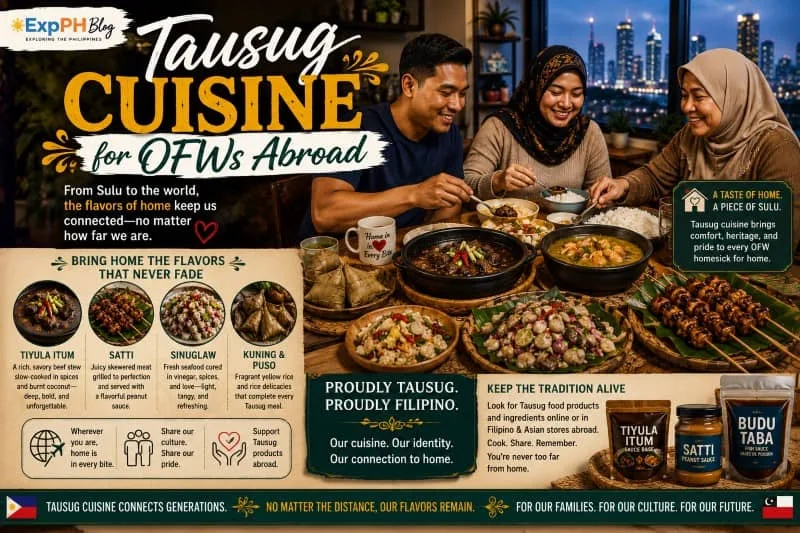
8. Tausug Cuisine for OFWs Abroad
For Overseas Filipino Workers and families living thousands of miles away from Mindanao, a pot of traditional food simmering on the stove is the ultimate cure for homesickness.
Recreating Tausug Dishes Overseas
Recreating these dishes in foreign kitchens often requires a bit of creativity. OFWs frequently substitute canned coconut cream when fresh coconut milk isn’t available, use frozen seafood when the fresh catch is out of reach, or rely on powdered turmeric. Despite these ingredient adjustments, the cultural meaning and comfort of the food remain just as strong.
Passing Traditions to the Next Generation
Cooking these meals in apartments in Dubai, California, or London is a powerful act of love. It is how parents introduce their overseas-born children to the tastes, storytelling, and family traditions of their homeland, strengthening their cultural identity from afar.
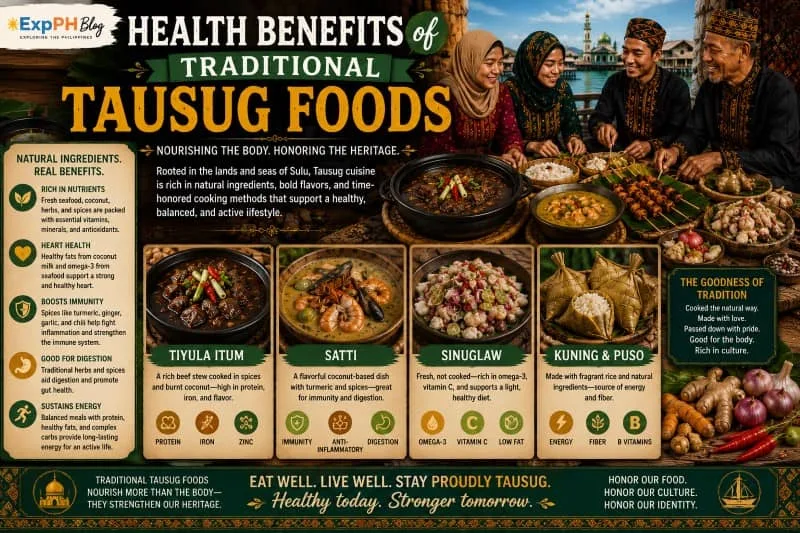
9. Health Benefits of Traditional Tausug Foods
Beyond the incredible taste, traditional Tausug cooking naturally leans into wholesome, nourishing ingredients that support a balanced diet.
Seafood Nutrition
Because the cuisine relies so heavily on the ocean, meals are naturally packed with lean protein, essential vitamins, minerals, and heart-healthy omega-3 fatty acids. A fish-based diet is widely associated with heart health and overall wellness.
Natural Spices
The generous use of aromatics isn’t just for flavor. Fresh turmeric and ginger are legendary in the wellness world, widely recognized for their powerful anti-inflammatory and antioxidant properties.
Fresh Ingredients
Traditional Tausug meals prioritize fresh, locally sourced ingredients over heavily processed foods. This commitment to freshness not only makes the food taste better but also contributes to a much more natural, balanced diet.
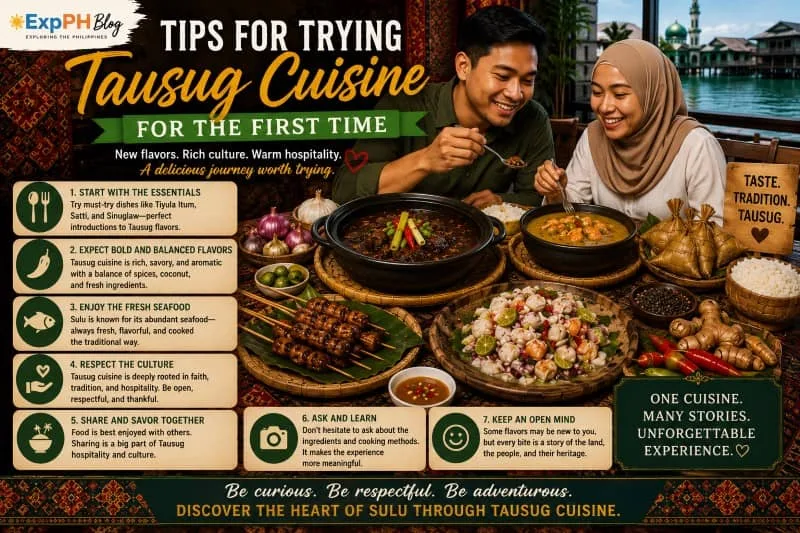
10. Tips for Trying Tausug Cuisine for the First Time
If you’re diving into Tausug food for the very first time, here are a few tips to make your culinary adventure unforgettable.
Start With Mild Dishes
Because Tausug food can pack a spicy punch, beginners might want to ease in. Start with a mild, creamy dish like Kulma before tackling the fiery heat of a local Satti sauce.
Pair Dishes With Rice
Never skip the rice! A generous mound of steamed rice perfectly balances the strong, bold flavors and helps soak up every last drop of those rich, complex broths.
Explore Local Markets
Skip the fancy restaurants if you can. Local food markets and community-based eateries provide the most authentic experience, offering fresh ingredients and traditional cooking styles cooked with real soul.
Respect Cultural Traditions
Take a moment to understand the cultural and Islamic background of the food. Appreciating the halal traditions and the history behind the dishes makes the dining experience so much more meaningful.
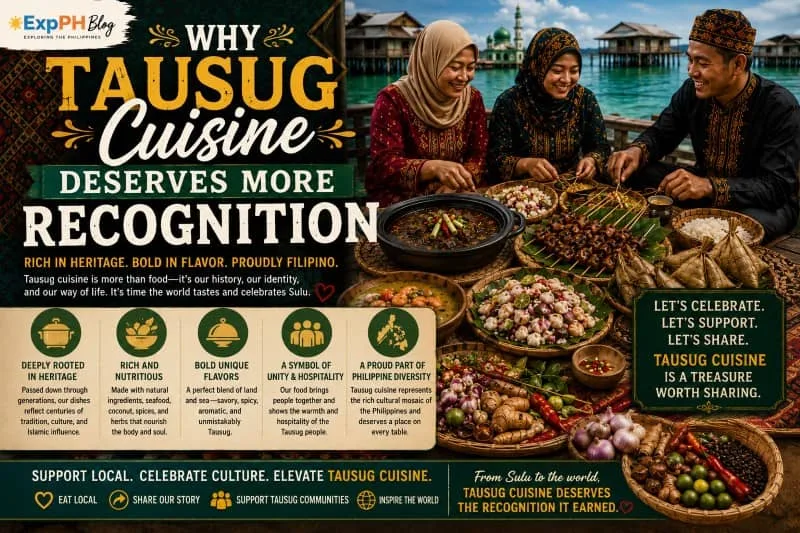
11. Why Tausug Cuisine Deserves More Recognition
For too long, the culinary spotlight in the Philippines has focused heavily on northern and central dishes, leaving the brilliant flavors of the south waiting in the wings.
A Unique Culinary Treasure
Tausug cuisine is an absolute treasure. It offers a mesmerizing blend of maritime traditions, indigenous cooking methods, and rich Southeast Asian spice trades. This creates a culinary identity that is completely unlike any other in the Philippines.
Supporting Local Communities
Championing these dishes does more than just expand our palates. Promoting southern Filipino cuisine helps support local tourism, boosts small food businesses, and encourages a wider appreciation for the diversity of Filipino heritage.
Preserving Culinary Traditions
As modernization changes the way we eat, documenting and celebrating these traditional recipes becomes incredibly important. Food traditions connect generations and preserve beautiful stories that might otherwise disappear.
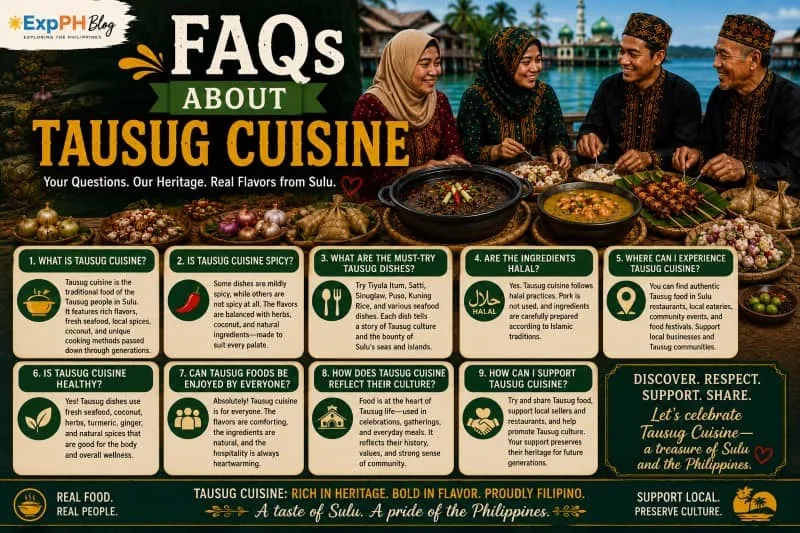
12. FAQs About Tausug Cuisine
What is Tausug Cuisine known for?
It is famous for its bold, spicy flavors, incredibly fresh seafood dishes, rich coconut-based curries, smoky grilled meats, and unique cooking techniques influenced by centuries of Malay and Arab trade.
Where does Tausug Cuisine originate?
It originates from the Sulu Archipelago in the southern Philippines, specifically from the maritime communities of Jolo, Tawi-Tawi, and the surrounding coastal areas.
What are the most famous Tausug dishes?
The absolute must-try dishes include Tiyula Itum (black soup), Piyanggang (blackened chicken), Satti (spicy meat skewers), Kulma (creamy beef curry), and Daral (sweet coconut crepes).
Why is seafood important in Tausug Cuisine?
Because the Tausug people are historically “people of the current” who live along the coast, they have always relied on the ocean’s daily catch for their everyday meals and grand celebrations.
What makes Tiyula Itum unique?
Tiyula Itum stands out because its broth is made using intentionally burnt coconut meat. This gives the soup its intimidating black color, a rich aroma, and a deep, smoky flavor you won’t find in other Filipino soups.
Is Tausug Cuisine spicy?
Yes, many dishes pack a flavorful punch! Cooks generously use turmeric, ginger, garlic, and local chilies to create bold, aromatic, and moderately spicy meals.
What ingredients are commonly used in Tausug cooking?
You will almost always find fresh coconut milk, turmeric, seafood, beef, chicken, ginger, garlic, and onions in a Tausug kitchen, all served alongside plenty of rice.
Can OFWs recreate Tausug dishes abroad?
Absolutely. Many overseas Filipinos successfully recreate these dishes by substituting hard-to-find items (like using canned coconut cream or powdered turmeric) while keeping the traditional cooking methods alive to maintain their connection to home.
Why is Tausug Cuisine culturally important?
It is the ultimate expression of southern hospitality. The cuisine preserves family traditions, strengthens community bonds during celebrations, and proudly showcases the rich, multicultural heritage of the southern Philippines.
Where can travelers experience authentic Tausug Cuisine?
For the most authentic experience, travelers should head straight to the local markets and eateries in Jolo, Zamboanga City, and Tawi-Tawi, where these traditional halal dishes are cooked with generations of soul and expertise.
Final Thoughts on Tausug Cuisine
At the end of the day, Tausug cuisine is a beautiful reflection of history, resilience, and community. Every dish carries the story of island living and strong family traditions passed down through generations. From the smoky richness of Tiyula Itum to the comforting flavors of Kulma and the sweetness of Daral, these dishes offer an experience that is both memorable and deeply cultural.
Whether you are a traveler exploring the markets of Jolo, a food enthusiast looking to expand your palate, or an OFW longing for the comforting taste of home, exploring these southern flavors is an experience you won’t forget. As more Filipinos embrace regional food heritage, the smoky, spicy, and soulful flavors of Sulu truly deserve a proud place at the center of the national dining table.
Tausug Cuisine Quiz
Think you know your way around the flavors of Sulu?
From the smoky broth of Tiyula Itum to the sweet bite of Daral, test your knowledge of authentic southern Filipino food with this quick quiz!
Results


#1. Where does Tausug Cuisine originate?
#2. What is Tiyula Itum known for?
#3. Which ingredient gives Tiyula Itum its dark color?
#4. What is Satti commonly served with?
#5. Which spice is commonly used in Tausug Cuisine?
#6. What type of food is Daral?
#7. Why is seafood important in Tausug Cuisine?
#8. What cooking method is unique in Tausug Cuisine?
#9. Which city is known for authentic Tausug food?
#10. What does Tausug food reflect?
Thanks for taking the Tausug Cuisine Quiz!
Whether you aced it or learned something new today, we love that you’re exploring the incredible flavors of the southern Philippines with us. Be sure to explore the rest of the ExpPH Blog for more delicious deep-dives into Filipino food and culture!

A Filipino web developer with a background in Computer Engineering. Founder of ExpPH Blog and ExpPH Business Guide, creating practical content on OFW guidance, business, finance, freelancing, travel, and lifestyle. Passionate about helping Filipinos grow, he shares insights that educate, empower, and inspire readers nationwide.