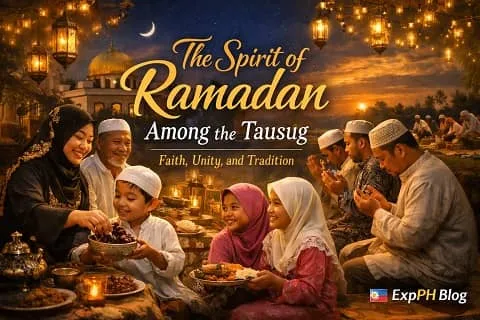
The Spirit of Ramadan Among the Tausug: Faith, Unity, and Tradition
Ramadan is a sacred month observed by Muslims around the world, but every community expresses it through its own cultural lens. In the southern Philippines, Tausug Ramadan Traditions reflect a powerful blend of deep Islamic devotion, strong family ties, and vibrant local customs that have been preserved for generations.
For the Tausug people of Sulu and nearby provinces, Ramadan is more than fasting from dawn to sunset. It is a month of spiritual renewal, disciplined worship, strengthened community bonds, and heartfelt generosity. It shapes daily routines, business activities, family gatherings, and even community leadership. For Overseas Filipino Workers who come from Tausug families, Ramadan often becomes a time of homesickness, reflection, and renewed connection with their roots.
In this in-depth guide, we will explore the faith, unity, and tradition that define Ramadan among the Tausug. Whether you are a student, an OFW, a cultural enthusiast, or someone seeking to understand Muslim Filipino traditions better, this article will give you a meaningful and respectful overview.
Table of Contents
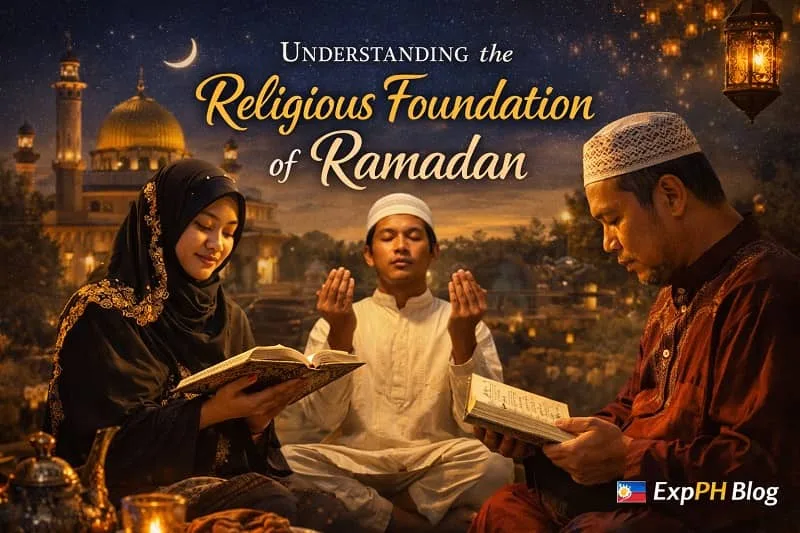
Understanding the Religious Foundation of Ramadan
Before exploring Tausug Ramadan Traditions, it is important to understand the religious foundation that shapes them. Ramadan is rooted in Islamic teachings and spiritual discipline. Every tradition practiced by the Tausug community reflects guidance from the Quran and the core principles of Islam.
Ramadan is the ninth month of the Islamic lunar calendar. During this sacred month, Muslims fast daily from dawn until sunset. They abstain from food and drink and avoid harmful behavior. This fast, known as sawm, is one of the Five Pillars of Islam.
The Meaning of Fasting in Islam
Fasting is not simply about avoiding food. It is a spiritual exercise that trains the heart and mind. Muslims fast to grow closer to Allah and to purify their intentions. Through fasting, believers learn patience, gratitude, and responsibility.
Fasting encourages believers to develop important spiritual values, including:
- Strengthening taqwa or God consciousness
- Practicing self control and discipline
- Developing empathy for the poor
- Cleansing the heart and intentions
- Rebuilding spiritual focus
The Quran teaches that fasting leads to righteousness and moral awareness. Muslims also believe Ramadan is the month when the Quran was first revealed. This makes the month deeply sacred and increases devotion to prayer and recitation.
For official announcements and national guidance in the Philippines, readers may consult the National Commission on Muslim Filipinos through its official website at https://ncmf.gov.ph. This source confirms moon sightings and the official start and end of Ramadan nationwide.
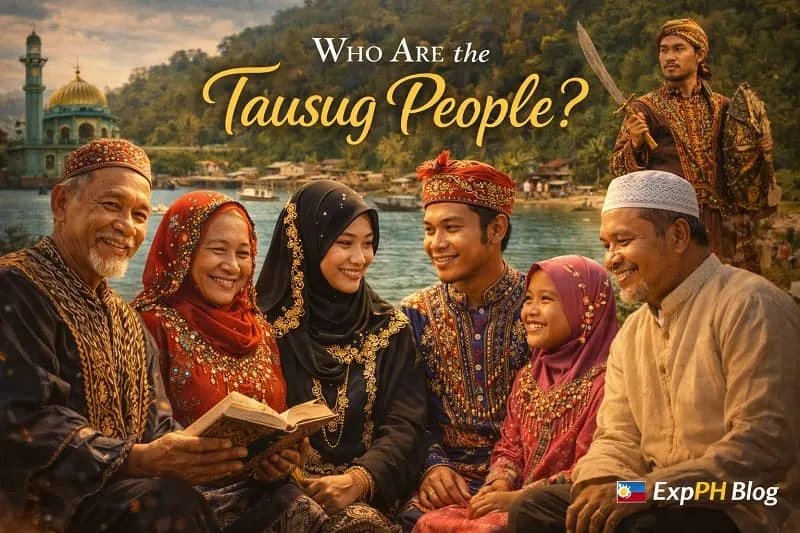
Who Are the Tausug People?
To fully appreciate Tausug Ramadan Traditions, it is important to understand the people behind them. The Tausug community carries a rich history shaped by faith, leadership, and maritime culture. Their traditions reflect both Islamic devotion and a strong sense of identity rooted in the southern Philippines.
The Tausug are one of the major Muslim ethnolinguistic groups in the Philippines. They are primarily found in Sulu, Basilan, and Tawi Tawi. Over time many have migrated to Zamboanga, Manila, and other countries, forming close knit communities that preserve language and tradition.
The name Tausug comes from two words. Tau means people and sug means current, referring to people of the sea. Historically they were skilled seafarers, traders, and defenders of their homeland. They founded the Sultanate of Sulu which shaped Islamic governance and culture in Mindanao.
Islam is deeply woven into Tausug identity and daily life. Religious values guide dress, speech, leadership, and family structure. Faith influences community decisions and personal conduct. Because religion is central to their identity, Ramadan carries profound spiritual and cultural meaning for the Tausug people.
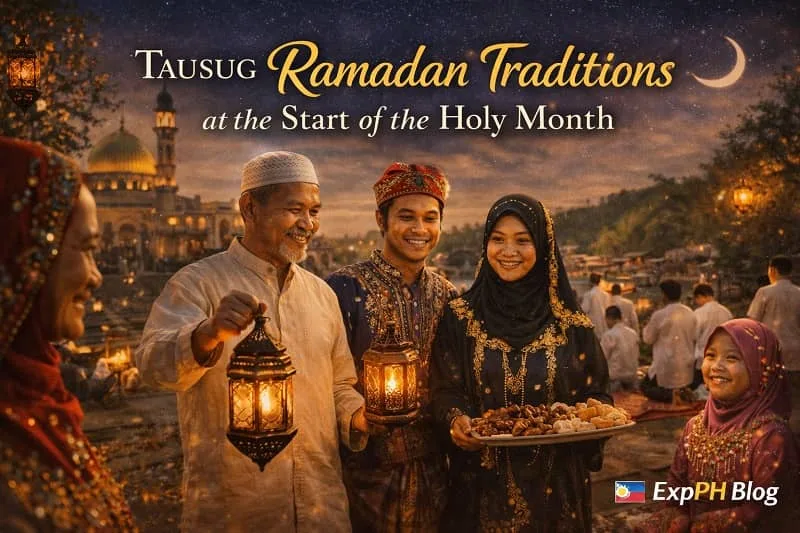
Tausug Ramadan Traditions at the Start of the Holy Month
The beginning of Ramadan brings anticipation and spiritual preparation in Tausug communities. Families approach the month with respect and intention. Tausug Ramadan Traditions emphasize readiness of both the home and the heart. This period encourages reflection, discipline, and renewed commitment to faith.
Moon Sighting and Community Announcements
Like Muslims around the world, Tausug communities wait for the official moon sighting to confirm the start of Ramadan. Religious leaders and national authorities make formal announcements. Before the month begins, families prepare by:
- Cleaning homes
- Buying essential food supplies
- Planning prayer schedules
- Setting personal spiritual goals
The atmosphere combines excitement with seriousness. Children are reminded to practice good behavior and respect. Adults reflect on past mistakes and set sincere intentions for self improvement throughout the holy month.
Preparing the Home and the Heart
In many Tausug households, the days before Ramadan focus on spiritual and physical preparation. Families take practical steps to create a peaceful environment for worship, including:
- Setting aside prayer spaces
- Organizing prayer garments
- Preparing dates and traditional dishes
- Reconciling with relatives after misunderstandings
This preparation reflects a core value in Tausug Ramadan Traditions, purification of both surroundings and inner character before entering a sacred time of devotion.
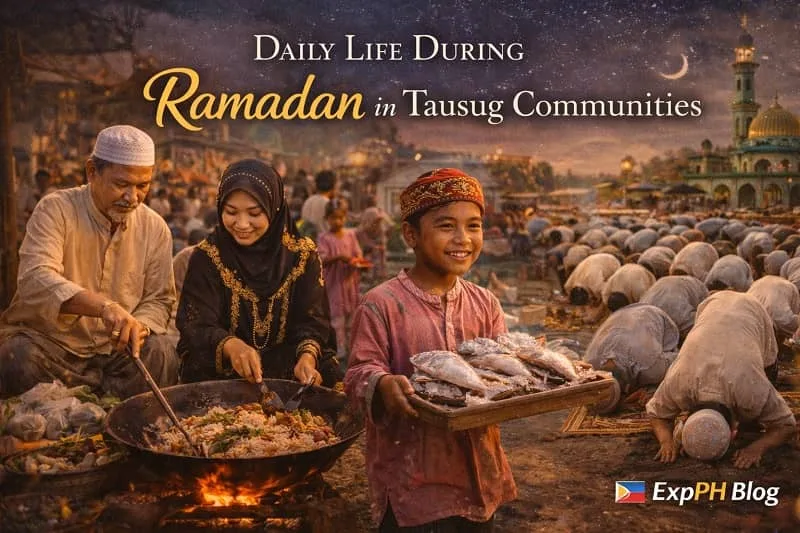
Daily Life During Ramadan in Tausug Communities
Ramadan changes the rhythm of daily life in Tausug communities. Work schedules adjust and evenings become more active with prayer and gatherings. Tausug Ramadan Traditions guide families to balance worship, responsibility, and rest while keeping faith at the center of everyday routines.
Suhoor Before Dawn
Suhoor is the pre dawn meal eaten before the Fajr prayer. Families wake early and share this quiet time together. The meal often includes:
- Rice
- Eggs
- Fish or dried seafood
- Simple vegetables
- Water or coffee
The goal is nourishment rather than indulgence. Parents gently wake children and teach them discipline, gratitude, and the value of starting the day with prayer.
Fasting Throughout the Day
From sunrise until sunset adults observe the fast. Some children practice partial fasting to prepare for responsibility later in life. During the day many adjustments take place:
- Business hours may change
- Physical activity is reduced
- Arguments and gossip are avoided
- Quran recitation increases
Self control remains central. Even when tired people remind themselves that fasting is a sacred act of worship.
Iftar and Community Sharing
At sunset families gather for iftar and break the fast with dates and water before the Maghrib prayer. In Tausug Ramadan Traditions iftar is rarely done alone. Neighbors exchange dishes and relatives visit one another. Mosques also host shared meals.
Common dishes include:
- Rice
- Chicken or beef stews
- Traditional Tausug delicacies
- Fresh fruits
Food becomes a symbol of gratitude, generosity, and unity within the community.
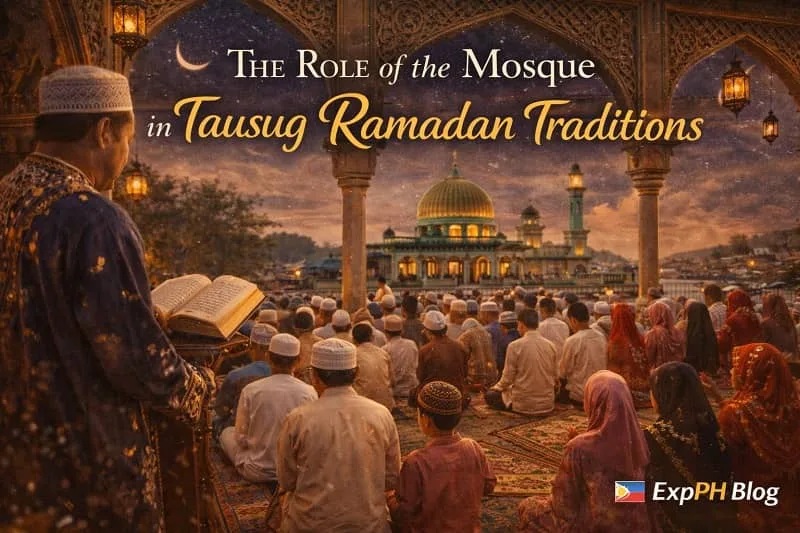
The Role of the Mosque in Tausug Ramadan Traditions
The mosque serves as the spiritual center of Ramadan life in Tausug communities. It is a place for prayer, reflection, and unity. Throughout the holy month the mosque becomes more active, reinforcing faith and strengthening community bonds through shared worship.
Tarawih Prayers at Night
After the Isha prayer Muslims gather for Tarawih prayers. Tausug Ramadan Traditions encourage strong participation and many attend regularly. Men and older boys often pray at the mosque while some women attend or pray at home based on preference and access.
During Tarawih long portions of the Quran are recited. The atmosphere is peaceful and emotional. Many worshippers hope to complete listening to the entire Quran during Ramadan, which deepens spiritual focus and connection with divine guidance.
Religious Teachings and Lectures
Ramadan is also a time for learning and moral growth. Imams and scholars offer lessons that guide the community in practical faith. Common topics include:
- Islamic ethics
- Family responsibility
- Charity and generosity
- Patience and forgiveness
These teachings strengthen knowledge and reinforce moral discipline, helping individuals live out the values of Ramadan beyond the holy month.
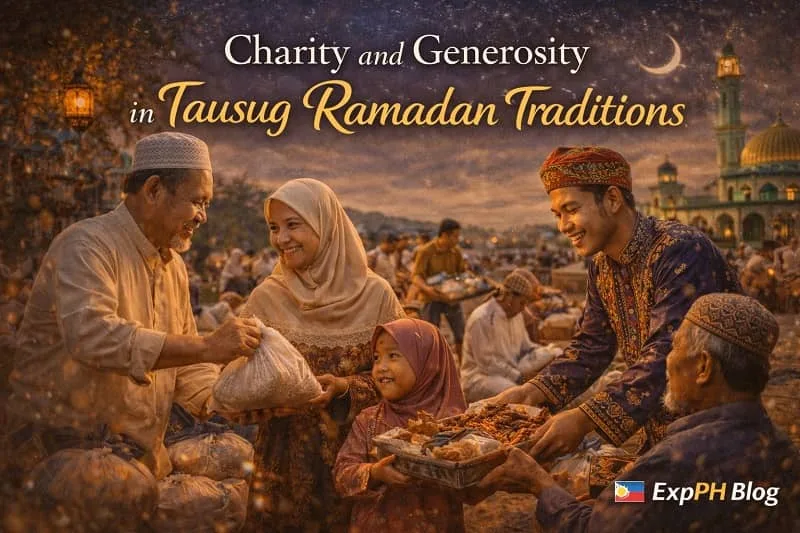
Charity and Generosity in Tausug Ramadan Traditions
One of the strongest pillars of Tausug Ramadan Traditions is generosity. Ramadan encourages believers to care for others and strengthen social responsibility. Giving is not viewed as optional kindness but as a moral duty that reflects faith and compassion within the community.
Zakat and Sadaqah
Muslims are required to give zakat which is a mandatory form of charity. During Ramadan voluntary charity called sadaqah also increases. Families actively look for ways to support those in need through simple but meaningful actions such as:
- Providing food for poorer households
- Contributing to mosque programs
- Supporting widows and orphans
- Sending assistance to relatives
This consistent practice of giving strengthens unity and reminds everyone that wealth is a trust that should benefit the wider community.
Community Solidarity
In many Tausug areas wealthier families quietly support struggling households. Assistance is offered with respect to protect dignity and avoid embarrassment. Charity is given sincerely without public display which reflects humility and shared responsibility.
For OFWs this tradition continues abroad. Many send extra remittances during Ramadan to help relatives and fund community feeding efforts, keeping Tausug Ramadan Traditions alive across borders.
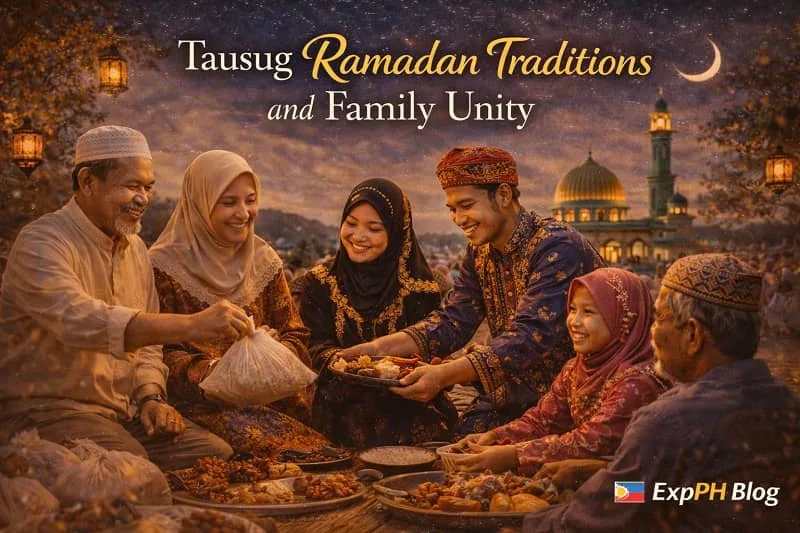
Tausug Ramadan Traditions and Family Unity
Tausug Ramadan Traditions place strong emphasis on family unity. Ramadan strengthens relationships by encouraging shared worship, patience, and mutual respect. Homes become spaces of reflection and cooperation. Through daily fasting and prayer families grow closer and renew their commitment to faith and harmony.
Teaching Children the Meaning of Faith
Parents treat Ramadan as a meaningful opportunity to guide their children. Lessons are taught through daily practice and consistent example. Families focus on:
- Teaching prayer routines
- Explaining the purpose of fasting
- Encouraging respectful speech
- Modeling patience in difficulty
Children observe adults carefully and learn through imitation. The home becomes the first school of faith where values are practiced and understood in daily life.
Reconciliation and Forgiveness
Ramadan encourages families to repair strained relationships. If conflicts occurred during the year this month offers a fresh start. Asking forgiveness becomes a sincere act of humility and growth. Pride is set aside to protect unity. In Tausug Ramadan Traditions harmony within the family is considered a lasting blessing.
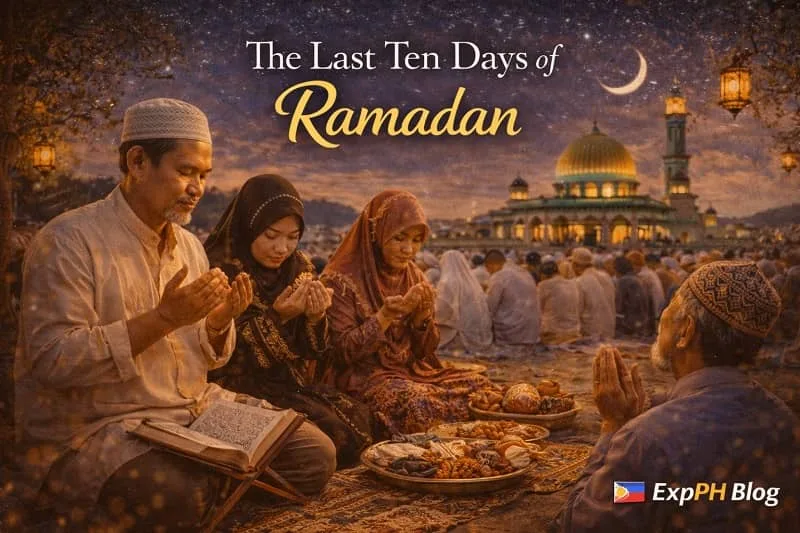
The Last Ten Days of Ramadan
The final ten days of Ramadan hold special meaning in Tausug Ramadan Traditions. This period is marked by deeper devotion and focused worship. Families increase their spiritual efforts and seek forgiveness. The atmosphere becomes quieter and more reflective as believers prepare for the end of the holy month.
Searching for Laylat al Qadr
Laylat al Qadr, known as the Night of Decree, is believed to be more valuable than a thousand months of worship. Tausug families increase their acts of devotion during these nights through:
- Night prayers
- Quran reading
- Personal reflection
- Extended mosque visits
Many stay longer in prayer and avoid distractions. These nights are seen as precious opportunities for mercy and spiritual renewal.
Spiritual Reflection
The last ten nights often bring deep emotion and humility. Many worshippers pray with tears and reflect on their lives. They ask for forgiveness, guidance, and protection for their families including relatives working abroad.
For OFWs this period can be especially meaningful. Being away from home during sacred nights often deepens longing and strengthens spiritual commitment.

Eid al Fitr and the Celebration After Fasting
At the end of Ramadan Muslims celebrate Eid al Fitr, a day of gratitude and renewal. For Tausug families this occasion reflects the spiritual discipline practiced throughout the month. Eid marks both completion of fasting and a joyful return to regular daily life.
Morning Prayer and Community Gathering
On Eid morning people wear their best clothes and gather for a special congregational prayer. The prayer is often held in large open spaces or local mosques to accommodate the community. The atmosphere reflects dignified joy, gratitude, and shared faith.
Visiting Relatives and Sharing Food
After prayer families visit elders and exchange greetings of peace and forgiveness. In Tausug Ramadan Traditions respect for elders remains central. Younger members gently kiss the hands of older relatives as a sign of honor and humility.
Throughout the day homes remain open to visitors. Meals are shared generously and stories are exchanged. Laughter and conversation strengthen bonds and remind families that Eid celebrates unity, gratitude, and lasting relationships.
How Tausug Ramadan Traditions Influence OFWs
ExpPH Blog highlights the experiences of Overseas Filipino Workers, including those from Tausug communities. Tausug Ramadan Traditions continue to shape identity and daily life even outside the Philippines. For many OFWs Ramadan strengthens faith and deepens their connection to home and family.
Fasting While Working Abroad
Many Tausug OFWs work in Middle Eastern countries while others live in non Muslim nations. Observing Ramadan abroad can be demanding due to several challenges such as:
- Long working hours
- Extreme heat
- Limited access to mosques
- Different time zones
Despite these realities many remain committed to fasting and prayer. Discipline and faith help them balance work responsibilities with spiritual duties.
Maintaining Cultural Identity
OFWs often gather with fellow Muslims to break their fast and share encouragement. They prepare traditional dishes that remind them of Sulu and family gatherings back home. These shared meals create comfort and belonging.
Remittances may also increase during Ramadan as an expression of charity and responsibility. For Tausug OFWs the holy month becomes both a spiritual obligation and a strong link to cultural identity.

Cultural Distinctiveness Within Islamic Unity
Islamic principles are universal and guide Muslims across the world. However cultural expressions vary from one community to another. Tausug Ramadan Traditions reflect this balance by blending shared religious duties with local customs that express identity history and social values.
Tausug Ramadan Traditions may include practices such as:
- Specific local dishes
- Unique clothing styles
- Community level coordination
- Traditional greetings in Tausug language
These customs add cultural richness while keeping the spiritual focus of Ramadan clear and sincere.
Although customs may differ the core religious practices remain consistent with global Islamic teachings. Fasting prayer charity and moral discipline follow the same foundation observed worldwide. This harmony between faith and culture makes the Tausug experience distinct while keeping it firmly connected to the wider Muslim community.
Challenges Facing Modern Tausug Ramadan Traditions
Modern life continues to reshape daily routines and community structures. Tausug Ramadan Traditions face new pressures as technology, economic realities, and migration influence how families observe the holy month. While faith remains strong, adapting to change requires awareness and intentional effort.
Technology and Social Media
Younger generations spend significant time on social media during Ramadan. Digital platforms can share Islamic reminders and educational content. However constant online activity may distract from prayer and reflection. Many families now promote balanced digital habits to protect spiritual focus.
Economic Pressures
Some families face financial challenges that affect Ramadan preparation. Rising food prices can make iftar planning more difficult. This reality highlights the importance of zakat and voluntary charity. Community support becomes essential in ensuring that everyone can observe Ramadan with dignity.
Migration and Urbanization
As many Tausug move to cities or work abroad communal traditions may become less visible. Distance from extended family can reduce shared gatherings. Despite this, strong family values and consistent religious practice continue to preserve identity and sustain Tausug Ramadan Traditions across generations.
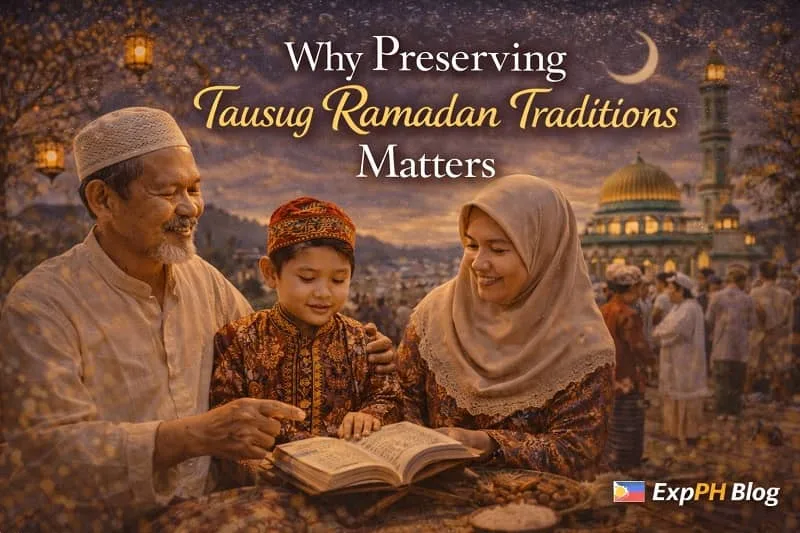
Why Preserving Tausug Ramadan Traditions Matters
Preserving Tausug Ramadan Traditions goes beyond protecting culture. It safeguards identity, faith, and continuity across generations. These traditions anchor families in shared values and spiritual discipline. When practiced consistently they strengthen community bonds and ensure that heritage remains meaningful in changing times.
For younger generations especially those born outside Sulu or raised abroad these traditions provide essential guidance. They help children understand who they are and where they come from through lessons such as:
- Providing moral grounding
- Connecting them to their heritage
- Strengthening their Islamic identity
- Promoting family cohesion
For OFWs raising children overseas teaching Ramadan traditions becomes an intentional act of preservation. By modeling prayer fasting and generosity parents pass down faith and cultural identity. This effort ensures that Tausug Ramadan Traditions remain alive even far from their ancestral homeland.
Practical Lessons from Tausug Ramadan Traditions
Tausug Ramadan Traditions offer meaningful lessons that extend beyond religious practice. The habits formed during the holy month shape character and strengthen values. These lessons guide daily decisions and relationships, helping individuals grow in discipline responsibility and compassion.
Discipline and Time Management
Waking before dawn for suhoor requires planning and commitment. Managing hunger throughout the day builds patience and mental strength. Organizing prayer schedules teaches structure and balance. These routines train individuals to value time and remain consistent in fulfilling responsibilities.
Generosity and Social Responsibility
Ramadan encourages believers to care for others through active generosity. Sharing food and offering support strengthen social bonds. When families practice charity regularly communities become more united and resilient. This mindset promotes responsibility toward neighbors and those facing hardship.
Respect and Unity
Ramadan reminds families to forgive past mistakes and protect relationships. Support and understanding become daily priorities. Respect for elders and compassion for younger members reinforce harmony. These lessons extend beyond religion and help shape individuals who value unity integrity and lasting peace.
Conclusion: The Living Spirit of Tausug Ramadan Traditions
The Spirit of Ramadan Among the Tausug reflects a deep expression of faith, unity, and heritage. It appears in early morning suhoor, quiet reflection during the day, shared iftar meals, and sincere night prayers. Tausug Ramadan Traditions go beyond abstaining from food. They nurture spiritual growth, restore family relationships, and encourage service to others. Rooted in centuries of Islamic devotion, these practices continue to shape identity in Sulu and in communities beyond.
For Overseas Filipino Workers Ramadan becomes both a sacrifice and a connection to home. Even when separated by distance the traditions remain alive through prayer, charity, and remembrance. When families teach their children and mosques remain active centers of worship the spirit of Ramadan endures. Tausug Ramadan Traditions stand as a living reminder that faith and unity can guide people toward compassionate disciplined lives wherever they may live.
Continue exploring Tausug culture and heritage through these related Learning Hub articles:
- Learning the Art of Tausug Pis Syabit Making
- Sunset Watching on Remote Coastal Communities
- Tausug Brassware Crafting Sessions with Local Artisans
- Visiting a Traditional Weaving Home in Sulu and Watching the Process
- Experiencing Quranic Recitation Learning with Tausug Teachers
Frequently Asked Questions
What makes Tausug Ramadan Traditions unique compared to other Muslim communities?
Tausug Ramadan Traditions combine Islamic teachings with local cultural customs, emphasizing strong family bonds, community sharing, respect for elders, and deep spiritual discipline throughout the month.
How do Tausug families prepare for Ramadan?
Families clean their homes, prepare prayer spaces, buy essential food, reconcile misunderstandings, and set spiritual goals to welcome Ramadan with sincerity, unity, and readiness.
What foods are commonly prepared during Tausug iftar?
Common iftar foods include rice, chicken or beef dishes, seafood, fruits, and traditional Tausug delicacies, often shared with neighbors and extended family members.
How important is the mosque during Ramadan in Tausug communities?
The mosque becomes the center of worship, hosting daily prayers, Tarawih, Quran recitation, and religious lectures that strengthen faith and community unity.
How do Tausug parents teach children about Ramadan?
Parents teach fasting gradually, explain its meaning, encourage prayer, model patience, and involve children in charity to nurture faith and responsibility.
What role does charity play in Tausug Ramadan Traditions?
Charity is central, with families giving zakat and voluntary donations, supporting the poor, and sharing food discreetly to preserve dignity and strengthen solidarity.
How do Tausug OFWs observe Ramadan abroad?
Tausug OFWs maintain fasting and prayer despite work challenges, gather with fellow Muslims for iftar, and send remittances home to support families.
Why are the last ten days of Ramadan significant for Tausug Muslims?
The last ten days focus on increased worship, searching for Laylat al Qadr, deep reflection, and heartfelt prayers for forgiveness and guidance.
How is Eid al Fitr celebrated among the Tausug?
Eid begins with communal prayer, wearing best clothes, visiting elders, sharing meals, asking forgiveness, and celebrating gratitude with dignity and joy.
Why is preserving Tausug Ramadan Traditions important for future generations?
Preserving these traditions strengthens identity, protects cultural heritage, promotes moral values, and ensures younger generations remain connected to their faith and roots.
Learning Hub Quiz!
Test your knowledge about Tausug Ramadan Traditions and discover how faith, unity, and culture shape this sacred month in Sulu and beyond.
Results


#1. What is the main purpose of fasting during Ramadan?
#2. When do Tausug families eat suhoor?
#3. What meal breaks the daily fast?
#4. Where are Tarawih prayers commonly performed?
#5. What charity is mandatory in Islam?
#6. What strengthens family bonds during Ramadan?
#7. What are Muslims searching for in the last ten nights?
#8. What marks the end of Ramadan?
#9. How do Tausug OFWs support families during Ramadan?
#10. What value is central to Tausug Ramadan Traditions?
Thank you for taking this quiz and supporting ExpPH Blog.
We would love to hear your story. Comment your experience with us and let us know how Tausug Ramadan Traditions shaped your faith and family life.

A Filipino web developer with a background in Computer Engineering. Founder of ExpPH Blog and ExpPH Business Guide, creating practical content on OFW guidance, business, finance, freelancing, travel, and lifestyle. Passionate about helping Filipinos grow, he shares insights that educate, empower, and inspire readers nationwide.