Storytelling Sessions with Local Elders in Sulu
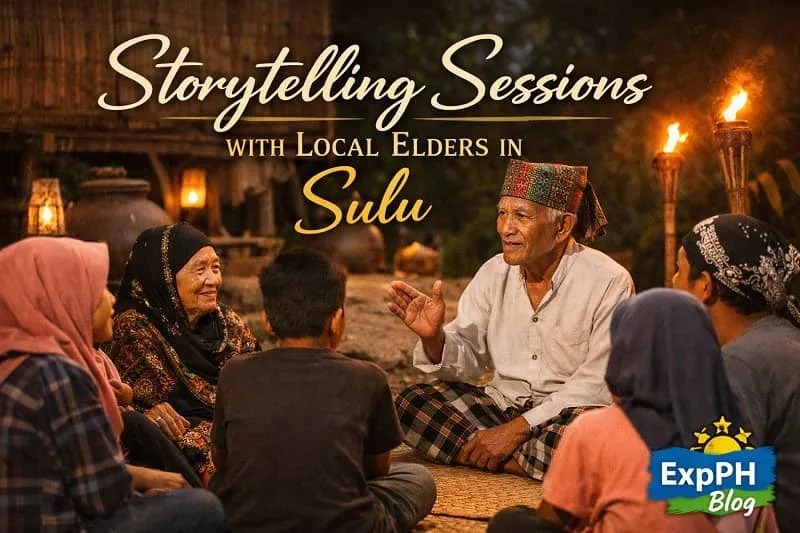
Storytelling is one of the oldest ways humans preserve memory, identity, and values across generations. In the southern Philippines, particularly in Sulu, storytelling remains alive through meaningful gatherings led by elders. Storytelling Sessions with Sulu Elders go beyond casual conversation and shared entertainment. They act as living bridges between past and present, helping young people understand their roots, traditions, and cultural identity through real experiences shared directly by respected community elders.
These sessions serve as powerful tools for cultural preservation, education, and community bonding within Sulu society. In a fast changing digital world, Storytelling Sessions with Sulu Elders offer something rare and deeply meaningful. Authentic voices share real stories shaped by struggle, faith, and resilience. This article explores their value, importance, purpose, and structure while showing how these sessions help protect Sulu’s rich heritage and guide future generations through shared wisdom.
Understanding the Roots of Storytelling in Sulu
The Role of Oral Tradition in Tausug Culture
Long before books and digital media, history in Sulu was preserved through spoken word. Oral tradition has always shaped Tausug life. Elders served as historians, teachers and moral guides who shared memories, values and lessons that helped communities understand identity, behavior and responsibility across generations.
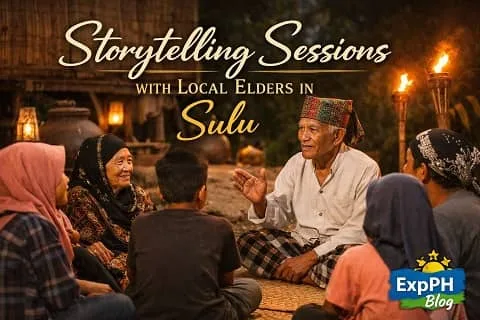
Storytelling Sessions with Sulu Elders traditionally took place in homes, community halls, mosques or open gathering spaces. These meetings allowed elders to pass down stories of ancestry, courage, values, customs and spiritual beliefs while guiding listeners through shared history and collective meaning for future generations.
Through repetition and careful listening, younger generations learned who they were and where they came from. This tradition continues today as storytelling adapts to modern settings while keeping its purpose, strengthening identity, memory and respect between elders and the youth within Sulu communities today widely.
Why Elders Are the Keepers of Knowledge
Elders in Sulu are respected not only for age but for lived experience. Many witnessed major historical events and social change that textbooks cannot fully capture. Their memories reflect resilience, leadership and cultural understanding shaped by years of responsibility and service to their communities today.
During Storytelling Sessions with Sulu Elders, they share lessons learned through real life experiences. Stories of hardship, survival, leadership and faith help listeners gain wisdom that formal education often misses, offering guidance rooted in culture, belief and practical understanding for daily decisions personal growth values.
Why Storytelling Sessions with Sulu Elders Matter Today
Preserving Cultural Identity
Cultural identity becomes fragile when traditions fade from daily life. Storytelling Sessions with Sulu Elders protect customs, language and worldview by keeping traditions active. These sessions allow culture to be practiced and shared, helping communities maintain pride, continuity and a strong sense of belonging.
Each story reflects respect, courage, family unity and spirituality. When stories are shared regularly, they strengthen cultural pride among the youth. Listening to elders helps younger generations understand values through experience, making identity meaningful rather than abstract or distant within everyday community life.
Without storytelling, much knowledge risks disappearing over time. Storytelling Sessions with Sulu Elders ensure culture remains lived through voice and memory. These gatherings keep traditions relevant, connecting past experiences with present realities while guiding future generations toward understanding heritage and responsibility within their communities.
Educating the Younger Generation
Formal education teaches facts and skills, but Storytelling Sessions with Sulu Elders teach wisdom shaped by experience. Through stories, young listeners learn moral lessons, decision making and social responsibility in ways that feel relatable, meaningful and connected to real life situations they may face.
Stories often include real consequences that make lessons easier to remember. Hearing outcomes of choices helps youth understand responsibility. This learning approach is valuable in communities where traditional values shape behavior, relationships and daily life through shared experience and long standing cultural practices today.
Strengthening Community Bonds
When people gather to listen and share stories, relationships grow stronger naturally. Storytelling Sessions with Sulu Elders encourage dialogue and respect between generations. These moments help bridge age gaps, build trust and create shared understanding within families and the wider community through meaningful interaction.
These gatherings create safe spaces where young people ask questions freely and elders feel valued. Mutual respect grows through listening and sharing. The result is a stronger and more united community where knowledge flows across generations and relationships are reinforced through cultural connection and shared purpose.
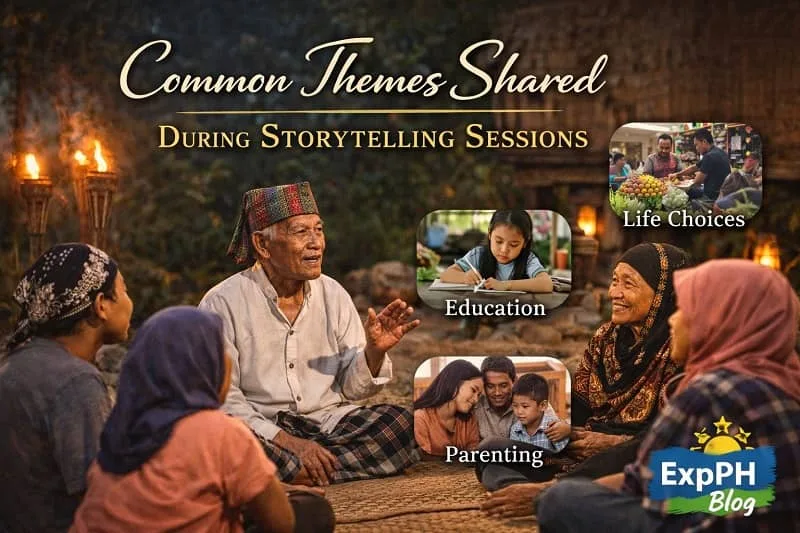
Common Themes Shared During Storytelling Sessions
Stories of Ancestry and Lineage
One of the most common topics in Storytelling Sessions with Sulu Elders is family history. Elders recount ancestors journeys, marriages, clan origins and shared struggles that shaped families over time, helping listeners understand where they came from and why kinship remains important Sulu communities today.
These stories help listeners understand family roles and responsibilities within their households and clans. Knowing one’s lineage builds respect for family ties and community structure, guiding behavior, strengthening relationships and encouraging accountability as individuals learn their place and duty inside the wider social fabric locally.
Tales of Courage and Resistance
Sulu’s history includes stories of bravery, resistance and survival during challenging periods. Elders share accounts of defending land, faith and dignity, describing hardship, sacrifice and courage that shaped collective identity while reminding listeners of the strength required to protect community values in times of uncertainty.
Through Storytelling Sessions with Sulu Elders, listeners learn resilience and the importance of standing firm in personal beliefs. These stories show how faith and conviction guide action, encourage perseverance and help individuals face challenges without abandoning principles even when pressure and fear are present today.
Moral Lessons and Life Advice
Storytelling Sessions with Sulu Elders often focus on practical life lessons drawn from experience. Elders share stories that teach honesty, humility, patience and respect for elders and parents, helping listeners understand proper conduct, responsible choices and the long term effects of actions within family and community life.
These lessons are woven into narratives rather than lectures, making them easier to understand and remember. Story based teaching feels natural and engaging, allowing listeners to reflect, relate experiences to their own lives, and absorb guidance without feeling pressured or instructed directly by elders gently.
Spiritual and Religious Teachings
Faith plays a central role in Sulu culture and daily life. Storytelling Sessions with Sulu Elders include stories about spirituality, prayer and moral accountability, helping listeners understand belief as a guide for behavior, decisions and responsibility toward God, family and the wider community around them.
These narratives reinforce religious values by explaining them through lived experience. Instead of abstract instruction, elders share personal examples that show how faith is practiced daily, making spiritual teachings relatable, understandable and meaningful for listeners across different ages within families and communities over time together.
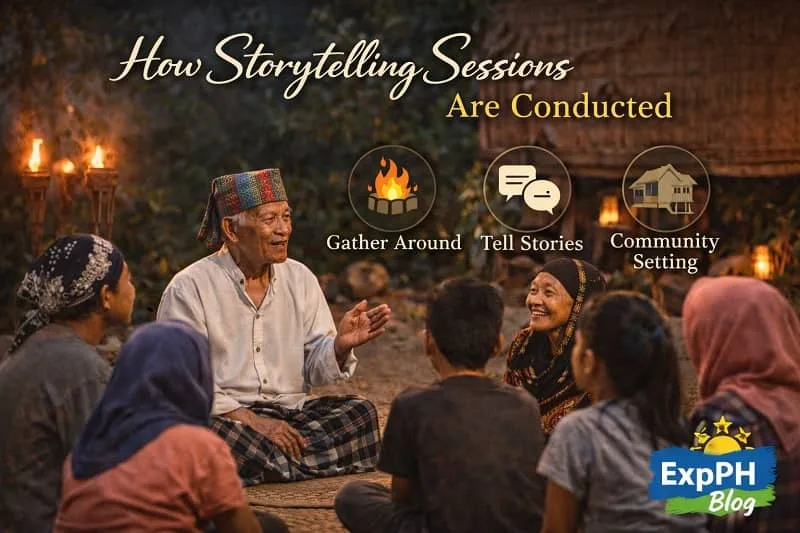
How Storytelling Sessions Are Conducted
Traditional Settings
Traditionally, Storytelling Sessions with Sulu Elders take place in relaxed and familiar environments within the community. Homes, community centers and shaded outdoor spaces provide comfort, encourage attentive listening, and create an atmosphere where elders feel respected while stories are shared naturally across generations.
Sessions often happen in the evening after daily tasks are finished, allowing everyone to slow down and focus fully. This timing helps listeners remain attentive, reduces distractions, and creates a calm setting where elders can speak clearly while stories unfold patiently with respect shared together.
Modern Adaptations
Today storytelling sessions continue to evolve as communities respond to changing lifestyles. Some groups organize structured cultural programs, school based activities, or planned gatherings that introduce storytelling to younger audiences while keeping traditions active and relevant in modern community life today for future generations.
Even with modern tools and documentation methods, the heart of Storytelling Sessions with Sulu Elders remains unchanged. Personal connection, direct listening, and shared wisdom continue to guide these sessions, ensuring that technology supports tradition rather than replacing the human experience within communities today and tomorrow.
Language and Expression
Most storytelling sessions are conducted in the Tausug language to preserve linguistic heritage. Elders rely on voice, expression, and rhythm to communicate meaning, helping listeners understand emotion and context while strengthening appreciation for language used daily within families and local communities today together continuously shared.
This expressive style makes Storytelling Sessions with Sulu Elders engaging and emotionally powerful for listeners. Tone, pauses, and gestures help stories feel alive, allowing audiences to connect deeply with messages, lessons, and memories passed down through spoken tradition within families and communities across generations today.
The Impact on Youth and Education
Encouraging Cultural Pride
Listening to elders helps young people develop pride in their identity. Storytelling Sessions with Sulu Elders remind youth that their culture has depth, history and meaning. This pride strengthens self confidence, encourages cultural awareness, and helps young individuals value traditions as part of their personal growth and belonging.
Improving Listening and Communication Skills
Storytelling requires patience, focus and respect from listeners. Regular participation in Storytelling Sessions with Sulu Elders improves listening ability and communication skills. Youth learn when to speak, when to listen, and how to share thoughts clearly while respecting others during conversations within community settings today.
Guiding Life Choices
Storytelling Sessions with Sulu Elders often share stories that reflect real consequences of personal choices. These narratives help young people understand responsibility and decision making. Listening to experiences about education, relationships and conduct guides youth toward wiser actions while learning from lessons shaped by real life situations within communities.
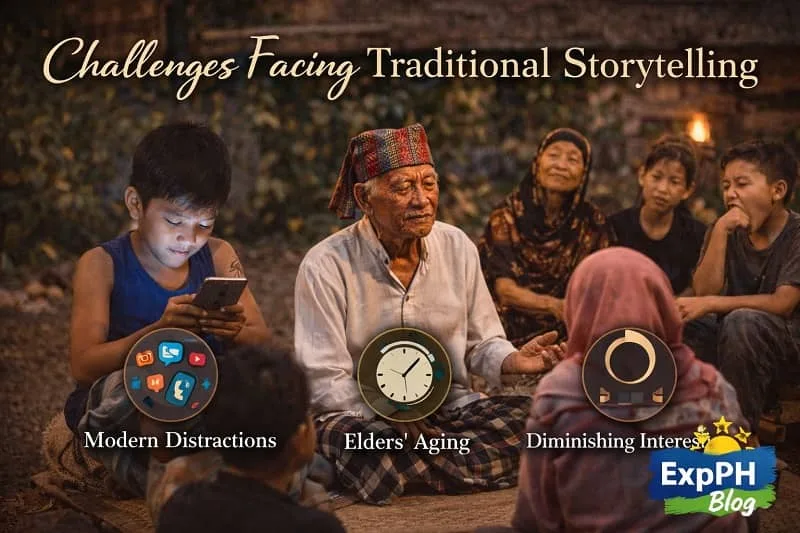
Challenges Facing Traditional Storytelling
Influence of Technology
Modern entertainment competes strongly with traditional practices in many communities today. Social media and digital content often reduce interest in Storytelling Sessions with Sulu Elders. Yet when storytelling is presented creatively and meaningfully, it continues to capture attention and inspire curiosity among younger audiences.
Decline in Regular Gatherings
Busy schedules and migration reduce opportunities for regular storytelling within communities. Fewer shared gatherings mean fewer chances to hold Storytelling Sessions with Sulu Elders. Community led initiatives, planned events, and cultural programs can help revive these traditions and encourage participation across generations again.
Loss of Elder Knowledge
As elders grow older, many unrecorded stories risk being lost permanently. Preserving Storytelling Sessions with Sulu Elders through documentation becomes increasingly important. Recording voices, experiences, and lessons helps protect cultural knowledge and ensures wisdom remains accessible for future generations to learn from.
Efforts to Preserve Storytelling in Sulu
Community Based Programs
Local organizations and cultural groups now organize storytelling events to ensure continuity within communities. These programs encourage youth participation and elder involvement. By formalizing Storytelling Sessions with Sulu Elders, communities protect oral traditions, strengthen cultural identity, and support knowledge sharing across generations in meaningful ways.
Integration in Education
Some schools integrate storytelling into classroom lessons by inviting elders to share experiences with students. This approach connects academic learning with cultural wisdom, helping learners understand history, values, and identity through lived stories while promoting respect for elders and tradition within educational settings today.
Documentation and Archiving
Recording storytelling sessions helps preserve content for future generations. Audio and video archives allow Storytelling Sessions with Sulu Elders to reach wider audiences beyond local communities. Documentation ensures that voices, language, and lessons remain accessible, supporting cultural education and long term preservation efforts today.
Why Storytelling Still Matters in the Modern World
Human Connection in a Digital Age
Technology cannot replace the warmth of human storytelling in community life today. Storytelling Sessions with Sulu Elders offer emotional depth and authenticity that screens cannot replicate, allowing listeners to feel connection, empathy, and shared experience through real voices, presence, and meaningful interaction rooted in tradition.
Learning Beyond Books
Not all knowledge comes from textbooks alone. Storytelling Sessions with Sulu Elders provide context, emotion, and understanding that enrich learning, helping listeners grasp values, history, and meaning through stories shaped by experience, reflection, and wisdom gained over many years within families and communities.
Building Cultural Continuity
Without storytelling, culture slowly fades from daily life and memory. Storytelling Sessions with Sulu Elders ensure traditions remain active and meaningful, guiding younger generations to understand identity, responsibility, and heritage through ongoing practice, listening, and respectful transmission across time within families and communities.
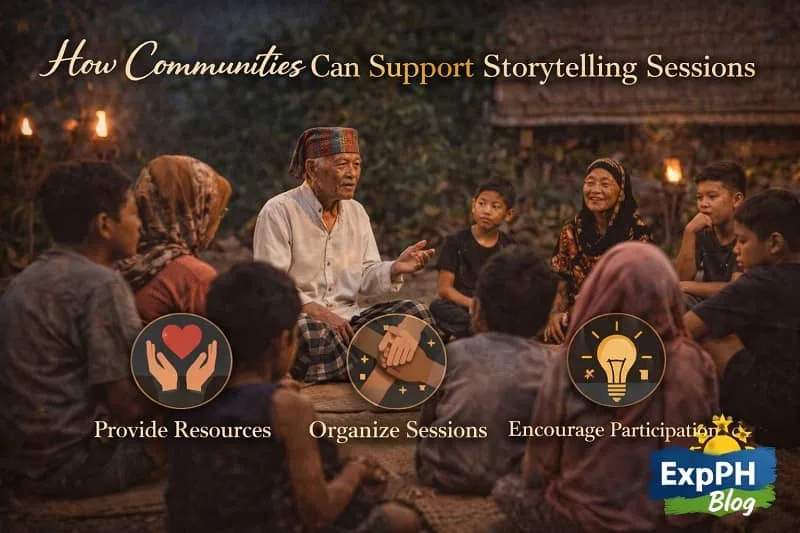
How Communities Can Support Storytelling Sessions
Encouraging Youth Participation
Parents and community leaders play an important role in encouraging youth participation. They can invite young people to attend Storytelling Sessions with Sulu Elders regularly. Active involvement helps youth develop respect, curiosity, and appreciation for culture while learning directly from elder wisdom and shared experiences within the community.
Valuing Elders’ Contributions
Respecting elders and recognizing their role motivates them to continue sharing knowledge. When communities value their experiences and voices, elders feel appreciated and confident. This support encourages ongoing storytelling, strengthens intergenerational relationships, and ensures cultural wisdom continues to guide younger generations through shared learning and meaningful interaction within society.
Creating Safe and Inclusive Spaces
Storytelling thrives in environments where everyone feels welcome and respected. Communities can create safe and inclusive spaces that encourage open listening and dialogue. Such settings allow elders to speak freely and youth to ask questions, strengthening trust, understanding, and participation across generations through shared cultural experiences together.
Conclusion
Storytelling Sessions with Sulu Elders are living treasures that preserve culture and educate youth while strengthening communities. They carry lessons shaped by history, faith, and real life experience shared through spoken tradition. These sessions allow elders to pass wisdom directly to younger generations, helping them understand identity, responsibility, and values. By keeping stories alive through regular gatherings, communities ensure that cultural knowledge remains meaningful, practiced, and deeply connected to daily life rather than forgotten over time.
In a world that moves quickly, these sessions remind people to pause, listen, and learn from those who came before them. Supporting Storytelling Sessions with Sulu Elders helps ensure Sulu heritage remains alive and accessible for future generations. Continued practice, documentation, and respect for elders allow storytelling to shape identity and values. Through shared stories, communities build unity, strengthen relationships, and preserve wisdom that guides present and future generations with purpose and understanding.
These articles may interest you next.
- A Day in a Traditional Tausug Household and Community Life
- Tapul Island A Peaceful Escape in the Heart of Sulu
- Learning Silat the Martial Art of the Tausug People
- Traditional Tausug Wedding Practices Explained
- Experiencing the Tausug Pag duwaa
For the full reference guide, click the link below.
- Komisyon sa Wikang Filipino (KWF)
- National Commission for Culture and the Arts (NCCA)
- UNESCO Philippines
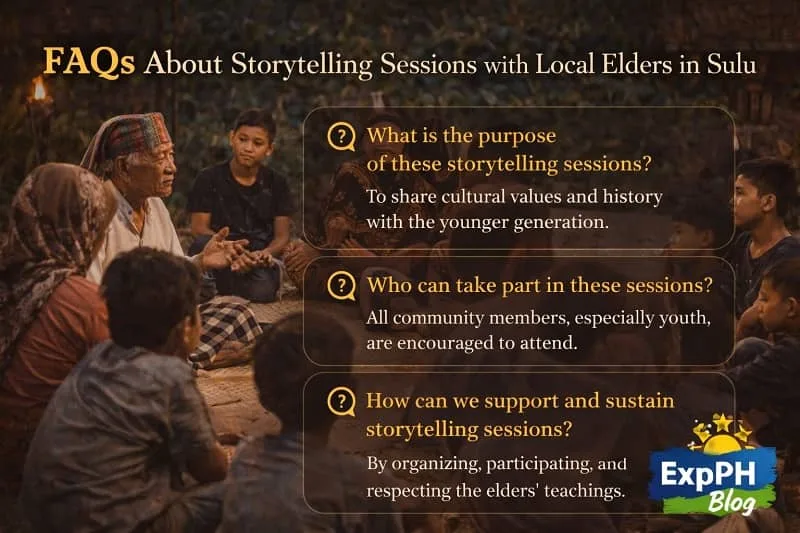
FAQs About Storytelling Sessions with Local Elders in Sulu
What is the importance of Storytelling Sessions with Local Elders in Sulu?
They preserve oral history, cultural values, and traditions while strengthening community bonds, educating youth, and ensuring Sulu heritage is passed respectfully to future generations sustainably.
What do elders usually share during these sessions?
Elders share life experiences, ancestral stories, moral lessons, spiritual guidance, and historical accounts that reflect Tausug identity, resilience, and community values across generations today collectively.
Where are storytelling sessions commonly held in Sulu?
They are usually held in homes, community spaces, schools, mosques, or cultural events where elders and youth gather for respectful listening and discussion and reflection.
How do storytelling sessions benefit the youth?
Youth gain cultural pride, moral guidance, listening skills, stronger identity, and practical wisdom that helps them make responsible decisions in modern life and daily challenges.
Are storytelling sessions documented for preservation?
Yes, schools and organizations document sessions using audio or video recordings to preserve stories, language, and knowledge for education and cultural archives nationwide long-term access.
How do storytelling sessions strengthen community relationships?
Storytelling strengthens identity, promotes respect for elders, encourages dialogue, and reinforces shared values that help maintain harmony and unity within communities over time together locally.
Can modern technology support traditional storytelling?
Technology can record, share, and archive sessions online, making storytelling more accessible while still respecting tradition and the authority of elders within Sulu communities globally.
Who can participate in storytelling sessions with elders?
Participation is open to elders, youth, students, families, researchers, and community members who value learning, listening, and preserving Sulu culture through shared stories traditions together.
Do storytelling sessions help preserve the Tausug language?
Yes, they help preserve the Tausug language by encouraging its regular use, teaching expressions, and passing vocabulary naturally through stories across generations families communities continuously.
How can communities help sustain storytelling traditions?
Communities can organize events, invite elders, support documentation, encourage youth attendance, and create respectful spaces where storytelling is valued culturally, socially, and educationally.
Test your knowledge about Storytelling Sessions with Local Elders in Sulu.
Results


#1. Who usually leads storytelling sessions in Sulu?
#2. What culture is mainly represented in Sulu storytelling?
#3. What is the main purpose of storytelling sessions?
#4. Where are storytelling sessions commonly held?
#5. What do elders often share in stories?
#6. Why are elders important storytellers?
#7. What skill do youth develop through storytelling?
#8. What language is commonly used in sessions?
#9. What modern tool helps preserve storytelling?
#10. What value is strongly promoted in storytelling?
Thank you for taking time to learn about Sulu culture and traditions.
Your curiosity helps keep local stories alive for future generations. We would love to hear from you.
Comment below and share your experience, thoughts, or what you learned from this quiz with us.

A Filipino web developer with a background in Computer Engineering. Founder of ExpPH Blog and ExpPH Business Guide, creating practical content on OFW guidance, business, finance, freelancing, travel, and lifestyle. Passionate about helping Filipinos grow, he shares insights that educate, empower, and inspire readers nationwide.