
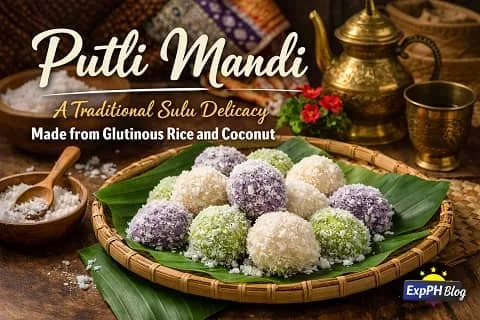
Putli Mandi: A Traditional Sulu Delicacy Made from Glutinous Rice and Coconut
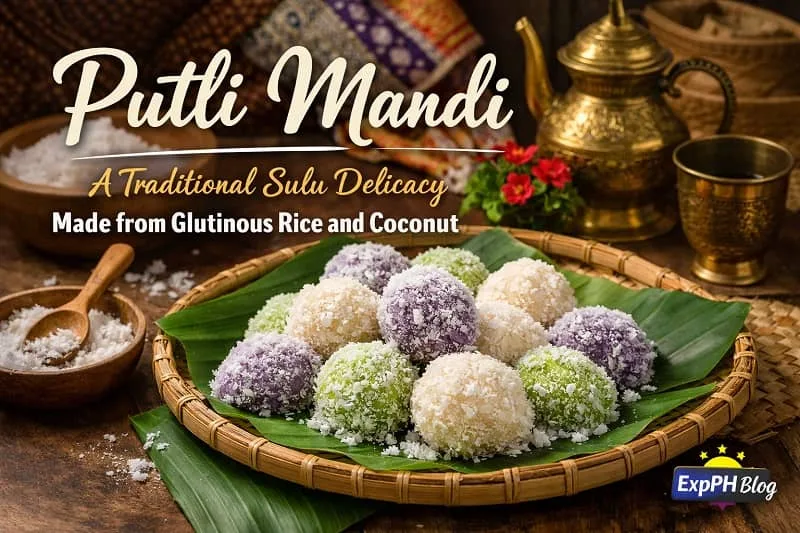
Putli Mandi is more than just a sweet snack. It is a reflection of Sulu’s rich culture, family traditions, and deep respect for heritage. For many Tausug families, this delicacy represents togetherness, celebration, and the passing of traditions from one generation to the next. In today’s fast-paced world, where modern snacks dominate store shelves, Putli Mandi remains a quiet reminder of the beauty of simple ingredients and time honored cooking methods.
This article explores the story, ingredients, preparation, cultural value, and modern relevance of the Putli Mandi Sulu Delicacy. Whether you are a Filipino food lover, an OFW longing for a taste of home, or a reader curious about regional delicacies, this guide will help you understand why Putli Mandi continues to hold a special place in Sulu cuisine.
Understanding Putli Mandi as a Sulu Delicacy
Putli Mandi is a traditional rice based delicacy made mainly from glutinous rice and coconut. It is widely prepared in Sulu and nearby areas, especially during family gatherings, religious celebrations, and important community occasions where food is shared with guests.
The name Putli Mandi reflects local language and long standing tradition. Although recipes vary slightly between households, the core identity remains unchanged. It is known for its soft texture and gentle sweetness that allows the natural taste of rice and coconut to stand out.
The uniqueness of the Putli Mandi Sulu Delicacy lies in its simplicity. It uses no artificial flavoring or complicated methods. Instead, it depends on careful preparation, patience during cooking, and the use of fresh, high quality local ingredients.
The Cultural Roots of Putli Mandi in Sulu
A delicacy shaped by history
Sulu has long been a center of trade, culture, and Islamic influence in the southern Philippines. Local food reflects these deep historical roots. Putli Mandi developed as a practical and nourishing dish using ingredients that were easily available to local families.
Glutinous rice and coconut have always been plentiful in Sulu. Over generations, families perfected ways to combine these ingredients into a simple delicacy meant to be shared during meaningful gatherings and important community occasions.
Passed down through generations
Putli Mandi is often prepared by elders and taught to younger family members. The process is not always written down. Instead, it is learned by watching, helping, and repeating. This oral and hands on tradition strengthens family bonds and ensures that the recipe survives across generations.
For OFWs from Sulu, memories of Putli Mandi are often tied to childhood, homecomings, and family celebrations. Preparing or tasting it abroad can bring comfort and emotional connection to home.
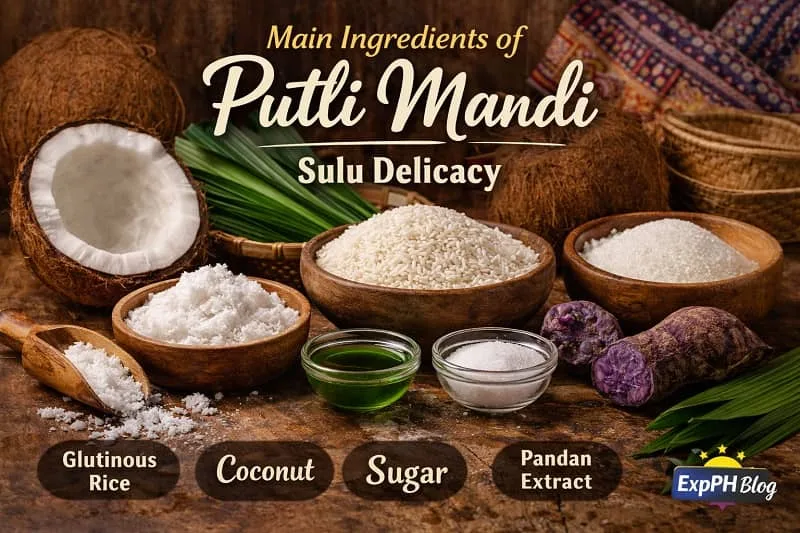
Main Ingredients of Putli Mandi Sulu Delicacy
Glutinous rice as the foundation
Glutinous rice, locally known as malagkit, gives Putli Mandi its soft and chewy texture. This rice absorbs liquid well and becomes sticky when cooked, making it ideal for traditional kakanin prepared using slow and careful cooking methods.
The rice is usually soaked before cooking to reach the correct consistency. Proper soaking allows even cooking and helps create a smooth texture that defines the quality of well prepared Putli Mandi.
Coconut as flavor and richness
Coconut is essential to the Putli Mandi Sulu Delicacy. Freshly grated coconut or coconut milk provides natural sweetness and aroma. Many households still grate coconuts by hand, believing this method produces a richer and more authentic flavor.
Some versions include coconut strips to add texture, while others rely only on coconut milk for a softer and creamier result that highlights the dish’s natural taste.
Natural sweeteners
Traditional Putli Mandi uses minimal sugar. Some recipes include brown sugar or local sweeteners, while others depend mostly on the natural sweetness of coconut. This makes the delicacy lighter and less overpowering than many modern desserts.
Traditional Preparation Process
Preparing the rice
The glutinous rice is washed carefully to remove excess starch and then soaked for several hours. This step is important because it softens the grains and allows even cooking. After soaking, the rice is drained properly and set aside, ready to be cooked with other ingredients.
Cooking and mixing
The soaked rice is cooked slowly, often using coconut milk, until it becomes thick and sticky. Continuous stirring is necessary to prevent burning and maintain an even texture. Sweeteners and coconut are added little by little, allowing the cook to adjust the flavor based on taste and family tradition.
Shaping and serving
After cooking, the mixture is shaped by hand or placed into simple molds while still warm. Some families wrap Putli Mandi in banana leaves to add aroma and preserve freshness. It may be served warm or at room temperature, depending on personal preference and occasion.

Occasions Where Putli Mandi Is Commonly Served
Religious celebrations
Putli Mandi is commonly prepared during Islamic holidays and important community gatherings in Sulu. Serving this delicacy during such occasions reflects generosity, gratitude, and respect for shared traditions. The act of preparing and sharing food strengthens community ties and reinforces cultural values passed down through generations.
Family gatherings and weddings
During weddings, birthdays, and family reunions, Putli Mandi is served as a symbol of unity and tradition. It is usually prepared in large quantities to be shared with guests. Offering this delicacy represents hospitality and the importance of togetherness during meaningful family celebrations.
Everyday comfort food
In some households, Putli Mandi is not reserved only for special occasions. It is sometimes prepared as a simple afternoon snack when family members are at home. This everyday preparation turns the delicacy into a comforting food that brings warmth and familiarity.
Nutritional Value of Putli Mandi Sulu Delicacy
A source of energy
Glutinous rice is rich in carbohydrates that provide steady energy. This makes Putli Mandi a filling and satisfying snack, especially for individuals with active or physically demanding routines. It helps restore energy while offering comfort through familiar flavors rooted in traditional cooking.
Healthy fats from coconut
Coconut adds healthy fats that support energy needs and contribute to a feeling of fullness. When eaten in moderation, coconut can be part of a balanced diet. Its natural richness also enhances flavor without the need for artificial additives.
Minimal processing
Traditional Putli Mandi is made using simple ingredients without preservatives or artificial flavoring. This minimal processing makes it a cleaner alternative to many packaged sweets. It allows people to enjoy a traditional delicacy that feels wholesome and closer to natural food preparation.
Variations of Putli Mandi Across Households
Texture differences
Texture preferences for Putli Mandi vary between families. Some prefer a firmer consistency, while others enjoy a softer and creamier result. These differences depend on the amount of coconut milk used and the length of cooking time. Each variation reflects personal taste and long standing family tradition.
Sweetness level
The level of sweetness in Putli Mandi depends on family preference. Some versions are only lightly sweet to highlight the coconut flavor, while others include more sugar to create a dessert like taste. Both approaches remain faithful to traditional preparation methods.
Modern adaptations
In urban areas and overseas, some cooks adapt Putli Mandi using ingredients that are easier to find locally. While these changes may slightly affect the flavor, the heart of the Putli Mandi Sulu Delicacy remains the same.

Why Putli Mandi Matters to OFWs
A taste of home abroad
For Overseas Filipino Workers, food often serves as the strongest emotional connection to home. Putli Mandi brings memories of family kitchens, shared meals, and familiar traditions. Preparing this delicacy abroad can ease homesickness and help OFWs reconnect with their cultural identity and sense of belonging.
Preserving culture for the next generation
OFWs raising children overseas often use traditional food to teach cultural roots. Putli Mandi is easy to prepare and rich in meaning. Sharing this delicacy allows parents to explain values, traditions, and family history in a way children can understand and appreciate.
Putli Mandi in the Context of Filipino Kakanin
Similarities with other rice delicacies
Like many Filipino rice cakes, Putli Mandi uses glutinous rice and coconut as its main ingredients. Despite these similarities, its preparation method and gentle flavor make it distinct from other kakanin found in different regions. This difference highlights the creativity and local influence behind Sulu cuisine.
Regional identity
Every region in the Philippines has rice delicacies that reflect local culture and tradition. The Putli Mandi Sulu Delicacy represents Sulu’s unique culinary identity. It showcases local ingredients, cooking practices, and values that distinguish the region from the rest of the country.
How Putli Mandi Supports Cultural Tourism
Showcasing local heritage
Traditional food plays an important role in cultural tourism. Featuring Putli Mandi during local events and food showcases helps introduce visitors to Sulu’s heritage. Through food, travelers gain a deeper understanding of local history, traditions, and values that shape the community’s identity.
Encouraging local livelihoods
Home based food makers can earn income by preparing and selling traditional delicacies like Putli Mandi. This practice supports local families and small businesses. It also helps keep traditional cooking methods alive while providing sustainable livelihood opportunities within the community.
Tips for First Time Cooks
Start simple
Begin with basic ingredients and follow traditional methods as closely as possible. Using simple tools and familiar techniques helps preserve the authentic texture and flavor of Putli Mandi. Avoid shortcuts, since rushing or altering steps can change the consistency and overall quality of the delicacy.
Taste as you go
Adjust the sweetness and coconut flavor gradually during cooking. Traditional preparation depends more on tasting than strict measurements. This approach allows the cook to balance flavors naturally and adapt the dish based on personal preference or family tradition.
Be patient
Patience is essential when cooking Putli Mandi. Slow cooking allows the rice and coconut to blend properly. Rushing the process can lead to uneven texture or burnt spots, which may affect both flavor and appearance.
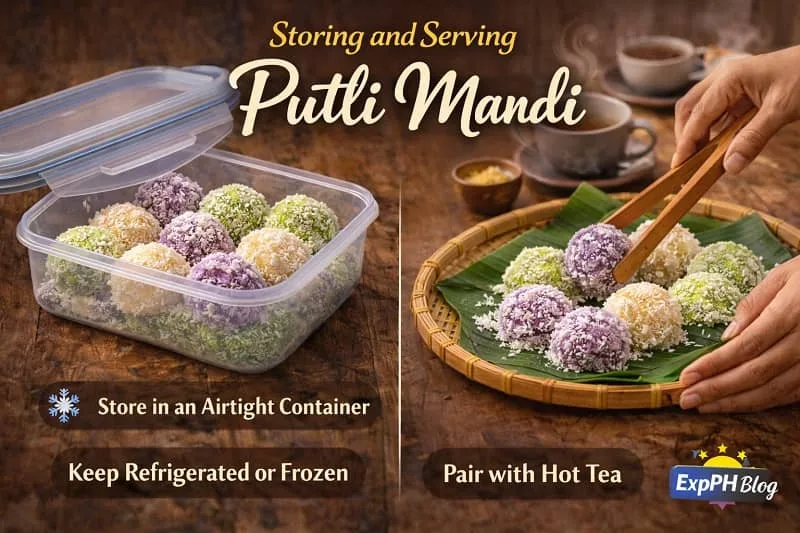
Storing and Serving Putli Mandi
Short term storage
Putli Mandi is best enjoyed fresh when its texture and flavor are at their peak. If storage is necessary, place it in an airtight container and refrigerate for a short time. Proper storage helps maintain softness while preventing spoilage and unwanted changes in taste.
Reheating tips
Reheat Putli Mandi gently using steam or low heat. This method helps restore its soft texture without drying it out. Avoid high heat, since it can harden the rice and reduce the delicate coconut flavor.
The Future of Putli Mandi Sulu Delicacy
Preserving tradition in a modern world
As food trends continue to evolve, many traditional dishes risk being overlooked or forgotten. Preserving recipes and sharing the stories behind them helps protect culinary heritage. These efforts allow younger generations to understand traditional food not only for its flavor but also for its cultural meaning, history, and role in family life. By valuing traditional dishes, communities can keep their identity strong while adapting to modern lifestyles.
Role of digital platforms
Digital platforms like ExpPH Blog play an important role in educating readers about regional food traditions. By documenting and sharing the stories behind dishes such as Putli Mandi, these platforms help preserve cultural knowledge. Online content makes traditional food accessible to wider audiences, including younger readers and Filipinos abroad, ensuring these traditions remain relevant in a digital age.
Conclusion
Putli Mandi is more than a simple delicacy made from rice and coconut. It represents culture, family ties, and identity that are deeply rooted in Sulu tradition. The Putli Mandi Sulu Delicacy reflects values such as simplicity, generosity, and respect for heritage that continue to shape Tausug life. Through its careful preparation and shared enjoyment, the dish preserves stories and traditions that have been passed down through generations.
For Filipinos and OFWs alike, Putli Mandi serves as a reminder that food goes beyond nourishment. It carries memories, history, and emotional connection to home. By appreciating and preserving this delicacy, we help protect Sulu’s culinary heritage for future generations. Trying Putli Mandi is not just tasting food, but experiencing the heart and spirit of Sulu.
You may find value in the articles listed next.
- Latal Platter: A Symbol of Tausug Culture, Unity, and Celebration
- Piaya the Sweet and Crispy Delight from Negros Philippines
- Panganan A Traditional Filipino Sweet Deep Fried Snack
- Tausug Pastil: A Deep Fried Savory Pastry from Sulu
- Experiencing the Tausug Pag duwaa
Access the authoritative source through the link below.
- Bangsamoro Autonomous Region in Muslim Mindanao (BARMM) – Sulu
- National Commission for Culture and the Arts
- UNESCO – Intangible cultural heritage
- National Museum of the Philippines
- Bangsamoro Information Office
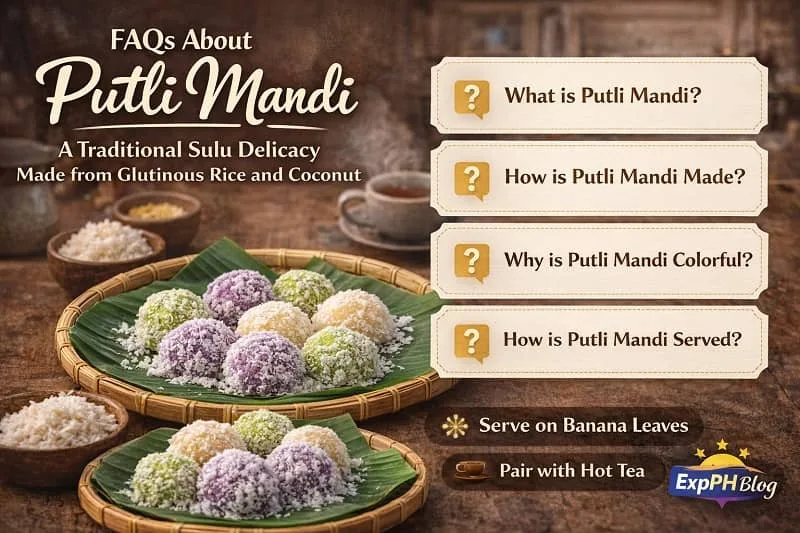
FAQs About Putli Mandi A Traditional Sulu Delicacy Made from Glutinous Rice and Coconut
What is Putli Mandi?
Putli Mandi is a traditional Sulu delicacy made from glutinous rice and coconut, commonly served during family gatherings, celebrations, and important cultural occasions.
Where does Putli Mandi originate?
Putli Mandi originates from Sulu, Philippines, and is closely associated with Tausug culture, reflecting local traditions, ingredients, and time honored cooking practices.
What ingredients are used in Putli Mandi?
Putli Mandi uses glutinous rice, coconut milk or grated coconut, and natural sweeteners, creating a soft, mildly sweet delicacy without artificial flavoring.
Is Putli Mandi similar to other Filipino kakanin?
Putli Mandi shares ingredients with other kakanin but differs in texture, preparation method, and cultural meaning unique to Sulu and Tausug heritage.
When is Putli Mandi usually served?
Putli Mandi is commonly served during religious celebrations, weddings, family gatherings, and special occasions where sharing traditional food is important.
Is Putli Mandi suitable for OFWs?
Putli Mandi is ideal for OFWs because it offers comfort, cultural connection, and a familiar taste of home that helps ease homesickness abroad.
How is Putli Mandi traditionally prepared?
Putli Mandi is prepared by soaking glutinous rice, cooking it slowly with coconut, stirring continuously, and shaping it once a soft consistency is reached.
Does Putli Mandi contain a lot of sugar?
Putli Mandi is lightly sweetened, relying mostly on coconut flavor, making it less sugary compared to many modern desserts and packaged sweets.
How long does Putli Mandi stay fresh?
Putli Mandi is best eaten fresh but can stay good for one to two days when stored properly in an airtight container and refrigerated.
Can Putli Mandi be prepared outside the Philippines?
Putli Mandi can be prepared abroad using available ingredients, allowing OFWs to preserve tradition while adapting slightly to local ingredient availability.
Test your knowledge about Putli Mandi, one of Sulu’s most loved traditional delicacies.
Results


#1. Where does Putli Mandi originate?
#2. What is the main rice used?
#3. What gives Putli Mandi richness?
#4. Putli Mandi is best described as?
#5. Which culture is associated with it?
#6. When is Putli Mandi commonly served?
#7. What texture does it have?
#8. Which ingredient is optional?
#9. Putli Mandi belongs to which category?
#10. Why is Putli Mandi important?
Have you tried Putli Mandi before, or learned something new today?
Comment your experience with us and let us know how this delicacy connects to your story.

A Filipino web developer with a background in Computer Engineering. Founder of ExpPH Blog and ExpPH Business Guide, creating practical content on OFW guidance, business, finance, freelancing, travel, and lifestyle. Passionate about helping Filipinos grow, he shares insights that educate, empower, and inspire readers nationwide.
Pingback: Daral Tausug Delicacy: 7 Traditions Wrapped in Love in Sulu!
Pingback: 7 Reasons Jualan Sulu Banana Pancake Is Loved by All Today!!
Pingback: Wadjit Black Rice Cake: 5 Powerful Facts About Coconut Flavor
Pingback: Tausug Apam: 7 Powerful Facts Behind the Traditional Pancake