
Panganan A Traditional Filipino Sweet Deep Fried Snack
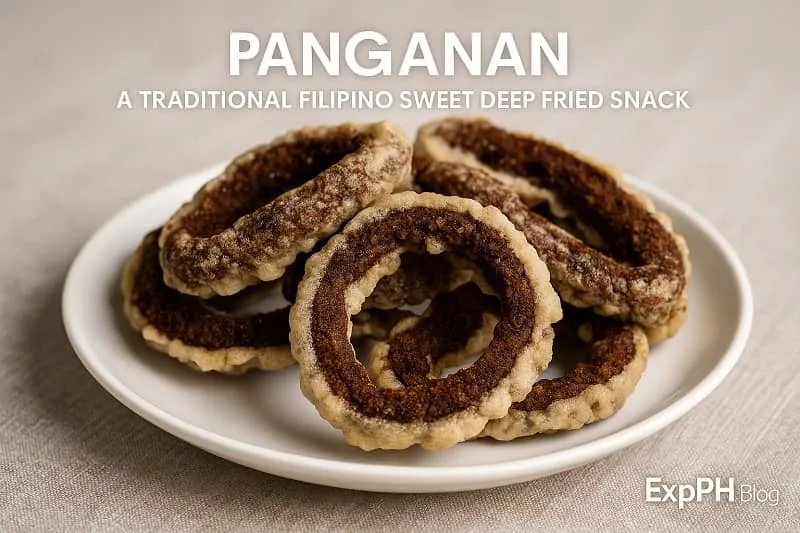
Panganan is a traditional Filipino sweet, deep fried snack that carries cultural meaning shaped by history, migration, and regional creativity. While Panganan appears in different forms across the Philippines, this article focuses primarily on Panganan as part of Sulu delicacies, particularly among Tausug communities, where it reflects local ingredients, identity, and generational food traditions deeply rooted within everyday community life, passed through families markets celebrations reinforcing identity continuity across generations.
Across the country, Panganan is known for its finger like, twisted, or pretzel shaped form and its satisfying texture that can be crisp, soft, or chewy. In Sulu, however, Panganan stands out for its use of corn and coconut, highlighting how local resources influence traditional Filipino food practices, tastes, techniques, and culinary identity shaped by environment, livelihood, climate, history locally, reflecting regional tastes resources climate shaping preferences and cooking methods.
This guide explores Panganan through its meaning, linguistic roots, and cultural role, with special emphasis on Tausug Panganan as part of Sulu’s culinary heritage. It aims to inform, educate, and respectfully document regional knowledge, ensuring cultural accuracy, appreciation, and understanding while supporting heritage preservation, responsible storytelling, and continued learning for readers, communities, educators, students, researchers, and future generations across Philippines, supporting learning documentation preservation dialogue scholarship for diverse audiences nationwide.
What Is Panganan?
Panganan refers to a traditional Filipino sweet, deep fried snack commonly handmade, sold in local markets, or prepared at home. It is shaped into simple forms such as fingers, twists, or loops, then fried until fully cooked and lightly sweetened for everyday enjoyment by families, across regions and generations, reflecting home traditions comfort nostalgia shared across Filipino households today.
While many Filipinos recognize Panganan as a snack, its meaning goes beyond a single recipe. Ingredients, texture, and preparation vary depending on region and tradition, making Panganan a flexible, evolving delicacy shaped by local history, resources, household practices, and shared cultural experiences across Philippine communities, allowing adaptation creativity continuity across diverse regions communities and kitchens.
In Sulu, Panganan is valued not only for taste but also for its role in family gatherings and everyday food culture. It supports sharing, familiarity, and cultural continuity within households, local markets, neighborhood interactions, and daily life across generations of Tausug and Sulu communities today, reinforcing bonds identity resilience and shared values through everyday practices.
Linguistic Roots of the Word Panganan
The name Panganan has linguistic roots connected to Javanese culture. In Javanese tradition, the term panganan is a general word referring to snacks or traditional market sweets that are served on a table. Related terms such as pacetan or nyamikan also describe light snacks or sweets commonly found in markets, illustrating shared culinary language history across cultures markets communities traditionally.
These snacks are collectively known in Java as jajanan pasar, which are traditional treats sold in local markets and shared during gatherings. Over time, the word panganan spread across regions through trade, migration, and cultural exchange, eventually becoming part of local food vocabulary in different parts of Southeast Asia, including the Philippines, showing historical connections movement trade memory across islands regions continually.
In the Filipino context, Panganan evolved into a specific type of sweet, deep fried snack, adapted to local ingredients and tastes, especially in regions like Sulu, through generations of cooking, market traditions, cultural exchange, regional creativity, community memory, shared identity, and everyday food practices, demonstrating adaptation resilience identity continuity within Filipino regional culinary traditions.
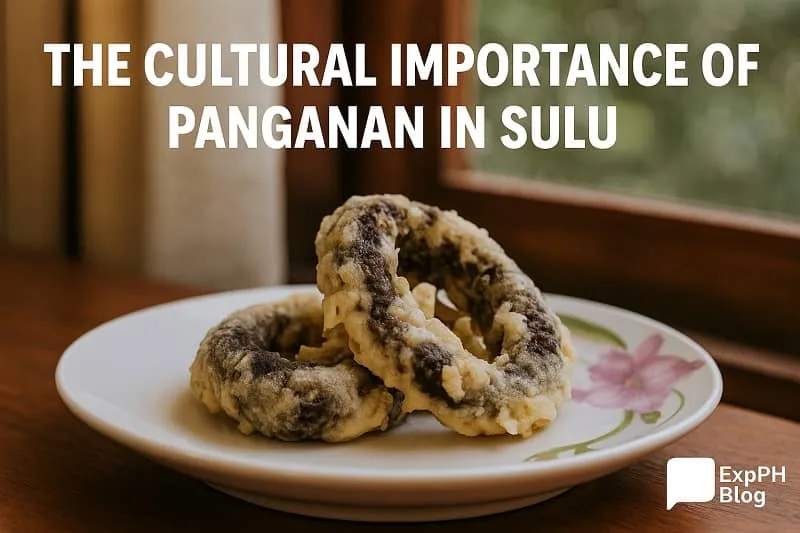
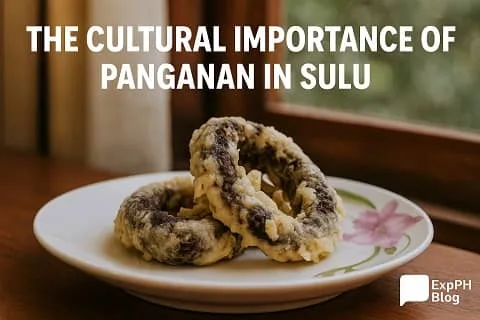
The Cultural Importance of Panganan in Sulu
In Sulu, this traditional sweet snack holds a meaningful place among Tausug delicacies. It is often prepared at home or sold in small markets, reflecting everyday food culture rooted in family habits, local tastes, and community life rather than commercialized cuisine, across generations today locally, preserving identity values continuity pride resilience memory heritage practice collectively.
Food in Tausug communities is closely tied to family and tradition, and this delicacy is no exception. It is commonly made during simple gatherings, shared with relatives, or enjoyed as a snack during the day within homes, neighborhoods, and familiar social settings across communities today, strengthening bonds routines belonging cooperation trust respect warmth kinship continuity.
Because this sweet snack is handmade, its preparation reflects patience, care, and the passing of culinary knowledge from one generation to the next. This makes the delicacy an important symbol of Sulu’s living food heritage within families, markets, and cultural memory shared locally across generations, symbolizing learning transmission care patience identity survival meaning heritage continuity.
Regional Context of Panganan in the Philippines
Although this article focuses on Sulu delicacies, understanding Panganan’s broader presence helps explain its adaptability and cultural richness, across regions, histories, migrations, markets, households, ingredients, techniques, meanings, tastes, identities, continuity, resilience, creativity, memory, heritage, community, tradition.
Panganan in Quezon and Marinduque
In Quezon and Marinduque, this traditional sweet snack is typically made using rice flour, sometimes combined with arrowroot starch. The dough is shaped into finger like or twisted forms, then deep fried and sweetened with syrup or sugar for familiar taste in local households today, across generations and festive occasions.
This version is widely known in local markets and often associated with provincial snacks and celebrations, reflecting shared memories, community gatherings, seasonal festivities, and simple food traditions enjoyed by families, vendors, and visitors across towns in Quezon and Marinduque provinces during fiestas and everyday life.
Tausug Panganan from Sulu
Among Tausug communities, this traditional sweet snack takes on a distinct Sulu identity. Instead of rice flour alone, local versions commonly use corn powder, flour, sugar, eggs, and coconut, reflecting regional resources, household practices, and long established culinary traditions within island communities today locally shared.
Corn reflects local agriculture, while coconut adds aroma and depth of flavor. Eggs help bind the dough and create a richer texture, producing a slightly denser, more filling result that suits local taste preferences shaped by environment, livelihood, climate, and everyday cooking habits within communities.
This Tausug version represents how Filipino food adapts naturally to environment and culture. It demonstrates flexibility, resilience, and creativity, showing how local ingredients, knowledge, and values shape traditional delicacies that remain meaningful, practical, and deeply rooted within community life across Sulu today for future generations.
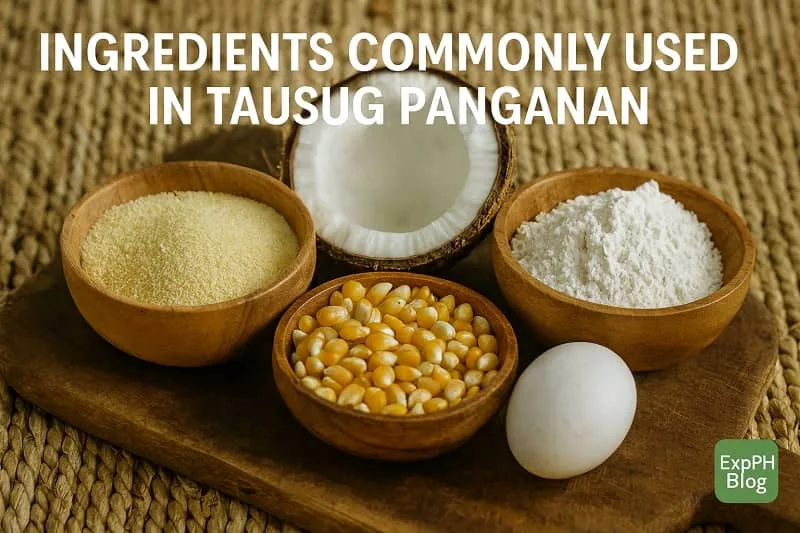
Ingredients Commonly Used in Tausug Panganan
While recipes vary by household, several ingredients are commonly found within this Tausug delicacy, reflecting local resources, taste preferences, and cooking habits. These components form the foundation of preparation, ensuring familiar flavor, texture, and consistency across families, markets, gatherings, and food traditions in Sulu communities.
Corn Powder and Flour
Corn powder is a key ingredient in Sulu, replacing or complementing rice flour depending on availability. It provides the snack with a distinct texture and regional character, connecting preparation methods to local agriculture, climate, and long established Tausug food practices within island households today locally.
Sugar and Sweeteners
Sugar is used to lightly sweeten the dough or coat the finished snack after frying. The sweetness is usually balanced rather than overpowering, allowing natural flavors to stand out while appealing to a wide range of tastes within Tausug families and community markets daily locally, across generations and shared traditions.
Eggs and Coconut
Eggs contribute structure and softness, helping bind ingredients during mixing and frying. Coconut adds fragrance and richness, enhancing overall flavor. Together, these elements reflect local food traditions, resource use, and the practical cooking knowledge passed down through Tausug households over generations within Sulu communities today.
Cooking Oil
Because this treat is deep fried, proper oil temperature is essential for successful preparation. Correct heat ensures even cooking, prevents excessive oil absorption, and helps achieve the desired texture, whether slightly crisp or soft, across consistent batches prepared in Sulu kitchens by families daily locally.
How Panganan Is Traditionally Prepared in Sulu
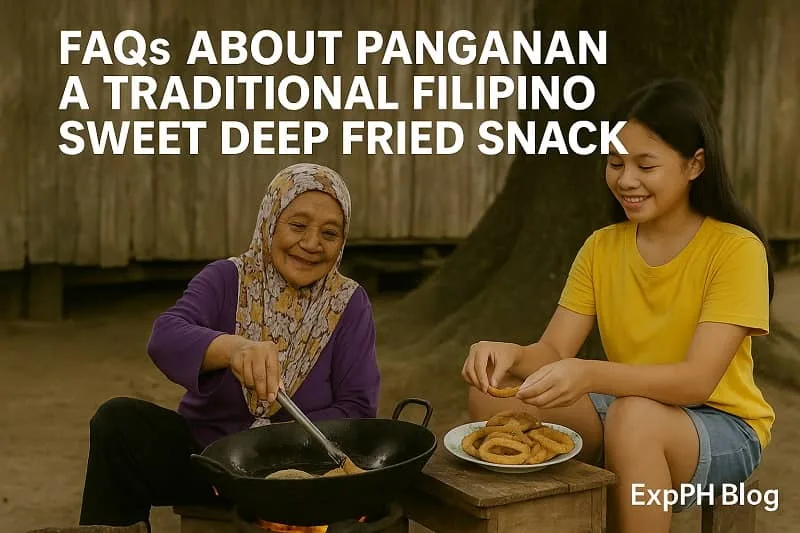
Preparing this traditional sweet snack in Sulu is often a shared activity among families. Dough is mixed by hand, shaped carefully, and fried in small batches, while forming is done without molds, relying instead on experience, memory, and long practiced tradition within local households daily.
After frying, the delicacy is cooled and sometimes lightly sweetened before serving. The process emphasizes simplicity, patience, and consistency rather than decoration, highlighting careful technique, timing, and balance developed through repeated practice in home kitchens across generations and everyday family cooking routines in Sulu communities.
This method reflects Tausug values of practicality, sharing, and respect for tradition. It reinforces cooperation, humility, and cultural continuity, showing how food preparation connects people, preserves identity, and strengthens community bonds through ordinary yet meaningful culinary practices within Sulu households, families, markets, gatherings, daily life.
Panganan as a Generational Tausug Delicacy
This traditional sweet snack is rarely taught through written recipes, as knowledge is passed down through observation and daily practice within families. Children learn by watching elders prepare dough, control heat carefully, and judge doneness by sight and smell during shared cooking moments at home.
This generational transfer keeps Tausug food traditions alive, strengthens cultural identity, and supports community continuity through shared values, memories, and everyday culinary practices passed between families, markets, celebrations, and daily life across Sulu communities for future generations locally with pride and care by elders today.
Panganan in Sulu Markets and Daily Life
In Sulu, this traditional sweet snack can be found in small markets and neighborhood stalls. It is affordable, filling, and familiar, making it a popular everyday choice for families, workers, students, travelers, and community members seeking comfort, convenience, and taste in daily food routines locally.
Its continued presence in local markets shows that this traditional Tausug delicacy still plays an important role in daily life. It reflects community habits, shared tastes, local ingredients, and food practices that remain meaningful through routine meals, gatherings, small trade, and cultural continuity across island communities.
Why Panganan Remains Important Today
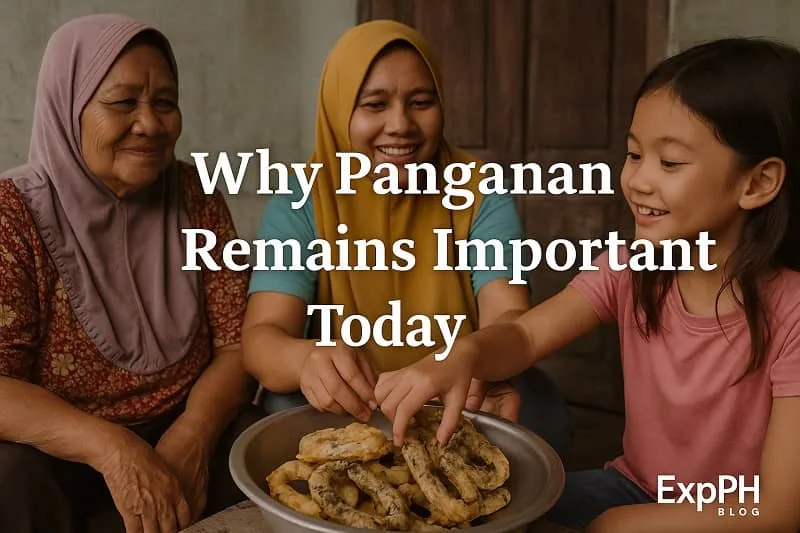
Despite modern snacks and packaged foods, Panganan remains relevant because it represents home, tradition, and strong local identity. Its simplicity allows it to survive changing times without losing meaning, value, or emotional connection within families, communities, markets, and everyday Filipino life today.
In Sulu, Panganan continues to be a quiet but important part of culinary heritage. It reflects Tausug values, local ingredients, family practices, and food traditions that remain present through daily life, gatherings, markets, and shared memories passed across generations within island communities.
Preserving Panganan as Part of Sulu Delicacies
Documenting and respecting Panganan helps preserve Tausug food traditions for future generations. Recognizing regional differences, including linguistic roots and ingredient variations, ensures cultural accuracy, respect, and responsible storytelling within Filipino culinary heritage shared proudly by communities nationwide today and families.
Preservation begins with understanding, listening to elders, valuing local knowledge, and acknowledging community voices. Through education, documentation, and careful sharing, traditions like Panganan remain alive, meaningful, and respected within Sulu culture and broader Filipino society today across generations nationwide locally.
Final Thoughts on Panganan
Panganan is more than a sweet, deep fried snack. It reflects cultural exchange, regional adaptation, and strong generational continuity within Filipino communities. From linguistic roots in Javanese snack culture to its unique expression among Tausug communities in Sulu, Panganan tells a meaningful story of shared heritage, migration, creativity, and local identity shaped through time, passed down orally through families, markets, celebrations, and everyday cooking traditions across islands and generations nationwide, strengthening cultural memory identity continuity pride resilience belonging across Filipino communities.
By focusing on Panganan as part of Sulu delicacies, we honor the people who continue to prepare and share this traditional snack today. This focus highlights Tausug knowledge, local ingredients, and food practices that survive modernization. Documenting Panganan supports cultural respect, accuracy, and appreciation, while encouraging younger generations to value, preserve, and proudly represent their culinary heritage within communities, schools, markets, families, storytelling, education, research, tourism, identity, continuity, pride nationally.
Go deeper into the topic with the links below.
- Tiyula Itum is Mindanao’s Fascinating Tausug Black Soup
- Pyanggang Manok Authentic Tausug Blackened Chicken
- Kiyaliya The Crispy and Savory Fried Beef Rolls of Sulu
- Junay The Traditional Sulu Dish You Need to Try
- Kulma Authentic Tausug Style Curry Dish
For file references, click the link below.
- National Commission for Culture and the Arts (Philippines)
- National Museum of the Philippines
- Department of Tourism Philippines
FAQs About Panganan A Traditional Filipino Sweet Deep Fried Snack
What is Panganan?
This traditional Filipino sweet snack is deep fried, handmade, and commonly enjoyed in local markets, family homes, and community gatherings across many Philippine regions today, across many generations nationwide locally.
Where does the name Panganan come from?
The name originates from Javanese culture, where it refers to table served snacks or market sweets, later absorbed into Filipino regional food language traditions today, through history across Southeast Asian communities.
What ingredients are used in Tausug Panganan from Sulu?
In Sulu, the Tausug version commonly uses corn powder, flour, sugar, eggs, and coconut, producing a richer flavor and denser texture locally within island communities, passed down through generations.
What shapes does Panganan usually have?
The snack is hand shaped into fingers, twists, or pretzel like forms, showing tradition, practicality, and creativity passed through generations in Filipino households nationwide today.
Where is Panganan commonly sold?
This delicacy is commonly sold in local markets, roadside stalls, and neighborhood eateries, especially in provinces where traditional snacks remain everyday food choices for communities.
Why is Panganan important in Sulu cuisine?
Within Sulu cuisine, the delicacy represents Tausug identity, family traditions, local ingredients, and continued preservation of simple but meaningful food practices among island communities today.
What texture does Panganan usually have?
Its texture may be crisp, soft, or chewy, depending on ingredients, dough preparation, and frying methods used by individual households regionally across Philippine island communities.
Why is Panganan considered a generational delicacy?
This treat is considered generational because preparation methods are learned through observation, practice, and family participation rather than written recipes over time within many households.
How is Panganan from Quezon different from Sulu Panganan?
The Quezon version typically uses rice flour and syrup, while the Sulu style highlights corn powder and coconut shaped by local agriculture traditions taste preferences, influenced by regional climate and resources.
Why does Panganan remain relevant today?
It remains relevant because it is affordable, culturally meaningful, and continues connecting communities with culinary heritage through markets and shared traditions across different Filipino regions.
Test your knowledge about its origin, ingredients, and cultural importance, especially in Sulu delicacies.
Results


#1. What type of food is Panganan?
#2. Which region is strongly associated with Tausug Panganan?
#3. What main ingredient is common in Tausug Panganan?
#4. What shape is Panganan commonly made into?
#5. Which ingredient adds aroma in Sulu version?
#6. What culture influenced the word panganan?
#7. What does panganan mean originally?
#8. Where is Panganan usually sold?
#9. How is Panganan usually prepared?
#10. Why is Panganan culturally important?
Your curiosity supports cultural awareness and helps preserve local food traditions for future generations.
Comment below and share your experience with us. Your story helps keep Filipino food heritage alive.

A Filipino web developer with a background in Computer Engineering. Founder of ExpPH Blog and ExpPH Business Guide, creating practical content on OFW guidance, business, finance, freelancing, travel, and lifestyle. Passionate about helping Filipinos grow, he shares insights that educate, empower, and inspire readers nationwide.
Pingback: 7 Facts About Tausug Pastil, A Deep Fried Pastry from Sulu.
Pingback: 7 Powerful Reasons Latal Platter Defines Tausug Culture Now!
Pingback: 7 Amazing Facts About Putli Mandi Sulu Delicacy Explained!
Pingback: Daral Tausug Delicacy: 7 Traditions Wrapped in Love in Sulu!