
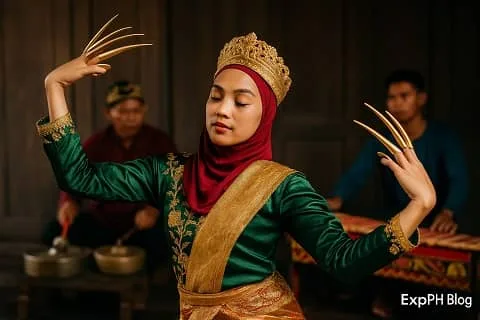
Immersive Pangalay Dance Experience with Tausug Performers
The Pangalay Dance is one of the most graceful and meaningful cultural expressions in the Philippines. Rooted in the traditions of the Tausug people of Sulu in the Sulu Archipelago of Mindanao, this ancient art form reflects centuries of heritage, artistry, and identity. The movements are slow, flowing, and deeply expressive. Every gesture tells a story about life, spirituality, and the connection between humans and the world around them. What makes this cultural tradition truly special is its ability to pull you into a calm and meditative rhythm that feels both ancient and timeless.
Experiencing the Pangalay Dance firsthand, especially in Sulu with Tausug performers, gives you a deeper understanding of its importance. This art form is not only a performance but also a collective memory of the Tausug community. It symbolizes elegance, strength, and the beauty of cultural continuity. When visitors participate in or observe the dance, they witness the living heartbeat of Tausug culture.
In this long form article, you will learn the complete history, meaning, techniques, cultural value, and real life experience of joining a Tausug dance session with authentic performers. This guide was crafted to bring you into the world of this iconic cultural art form and help you appreciate why it remains one of the most respected traditional dances in Southeast Asia.
Table of Contents
The Cultural Origins of the Pangalay Dance
A Living Heritage of the Tausug People
The Pangalay Dance has existed long before the Philippines became a nation. It is believed to be one of the earliest dance traditions in the archipelago, influenced by Malay, Indonesian, and even Buddhist and pre Islamic traditions found across Southeast Asia. Although many dances evolved or disappeared over time, the Tausug community preserved the Pangalay Dance with pride and devotion.
Meaning Behind the Movements
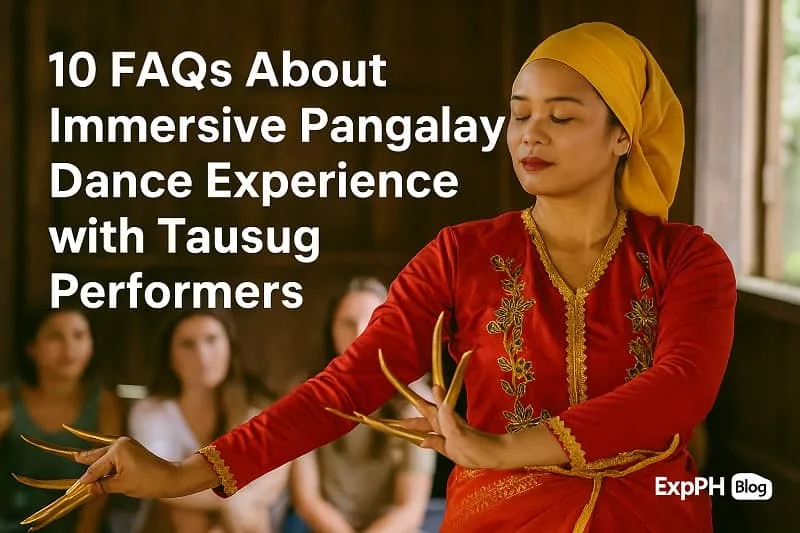
The movements of the Pangalay Dance mirror the natural flow of water and wind. Every glide, turn, and finger gesture is intentional. The bending of the knees symbolizes humility, while the extended arms communicate grace and resilience. The delicate finger movements, achieved through long metal fingernails called janggay, express beauty, precision, and spiritual significance.
The Pangalay Dance often represents:
- The fluidity of the ocean around the Sulu Archipelago
- The strength of Tausug warriors
- The purity of spiritual devotion
- Harmony between body and nature
Influence From Neighboring Cultures
Because the Sulu Archipelago was once a thriving center of maritime trade, the Pangalay Dance absorbed influences from various cultures. Traders brought music, instruments, and artistic ideas to Sulu. Instead of copying foreign forms, Tausug dancers adapted them into their own unique tradition. This is why the Pangalay Dance has movements that resemble Thai, Cambodian, and Indonesian classical dances while still maintaining a Tausug identity.
The Spiritual Essence of the Pangalay Dance
Meditative Qualities
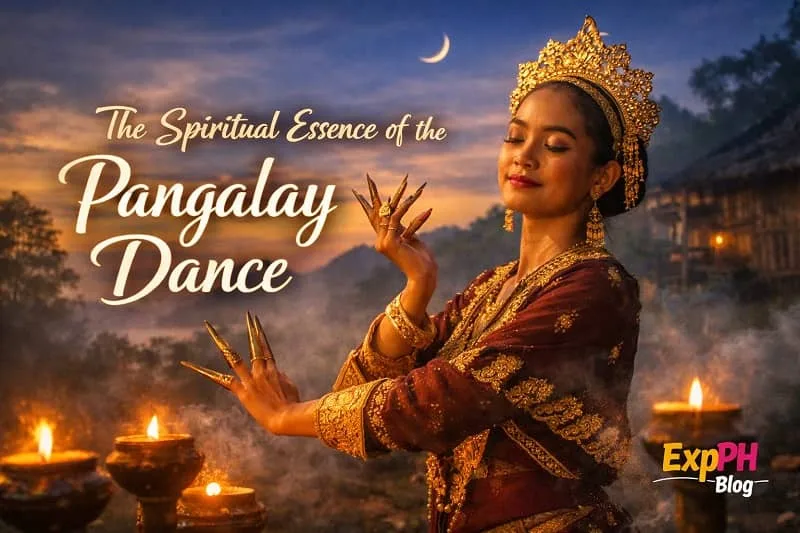
One of the most remarkable qualities of this traditional Tausug performance is its meditative effect. The slow and controlled movements require deep concentration. This makes the cultural practice a form of body prayer for many Tausug families. The flowing gestures calm the mind, strengthen the body, and allow the dancer to enter a peaceful state, promoting harmony and inner balance.
Symbol of Tausug Resilience
For the Tausug people, this traditional performance symbolizes their ability to endure challenges. Despite periods of conflict and hardship in Sulu, the dance survived through generations. It became a symbol of hope, unity, and pride. By performing this cultural art, the Tausug express their identity with dignity, strengthening their cultural resilience today.
A Bridge Between Old and New Generations
Children in Sulu often learn this traditional Tausug dance from elders who mastered it decades ago. This creates a powerful bond between generations. In an era where modern influences dominate, this cultural performance helps preserve language, values, and stories. It continues to teach younger Tausugs about patience, discipline, and respect for tradition.
The Art of Performing the Pangalay Dance
Precision of the Hands and Fingers
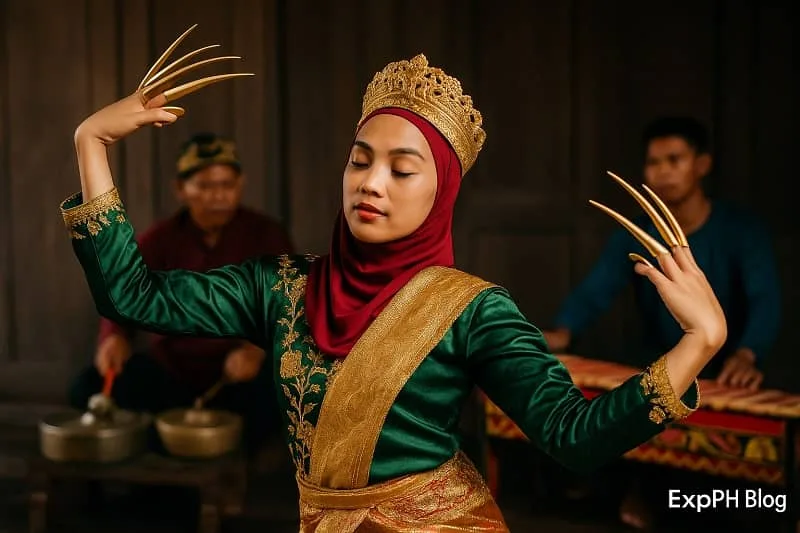
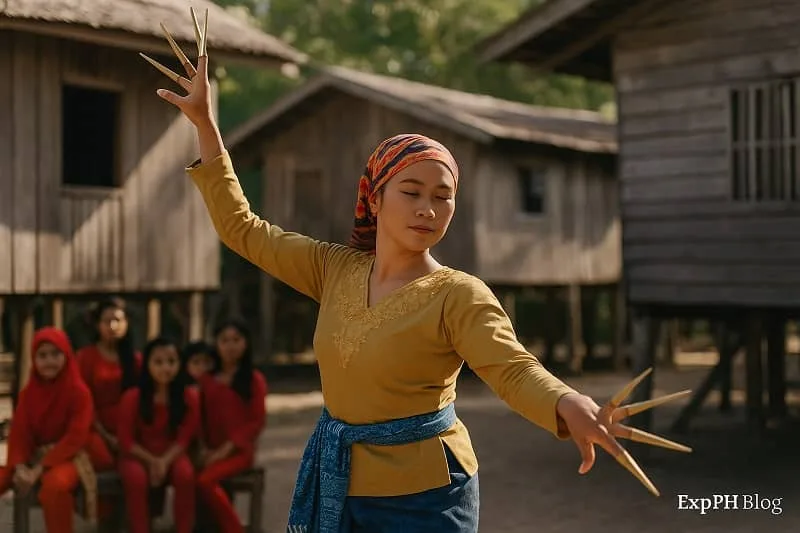
The signature beauty of the Pangalay Dance lies in its hand and finger movements. Performers often use janggay, which are long metal or wooden nails worn on the fingers. These create extended lines that enhance the elegance of the dance. The dancer must control each finger independently while maintaining fluidity. This takes years of practice and strong muscle coordination.
Graceful Body Movements
The upper body plays a major role in the Pangalay Dance. Shoulders must remain relaxed while the torso moves gently in circular or swaying motions. The body must appear weightless even when the dancer carries emotional intensity, creating a graceful flow that highlights precision, balance, and the deep cultural meaning behind every movement.
Mastering the Footwork
Contrary to what many people think, the Pangalay Dance is not simply slow movement. The footwork requires balance and precise timing. Dancers often rise on the balls of their feet, glide smoothly, and shift weight carefully to maintain steadiness. The choreography may look effortless to the audience, but it demands physical strength and practice.
Music That Complements the Dance
The music used in this traditional Tausug performance often features instruments such as the kulintangan, agong, and gabbang. The sound is rhythmic yet calm, giving dancers room to express themselves. The harmony between dancer and musician is essential for a complete cultural dance experience, creating an atmosphere that highlights emotion, skill, and cultural unity.
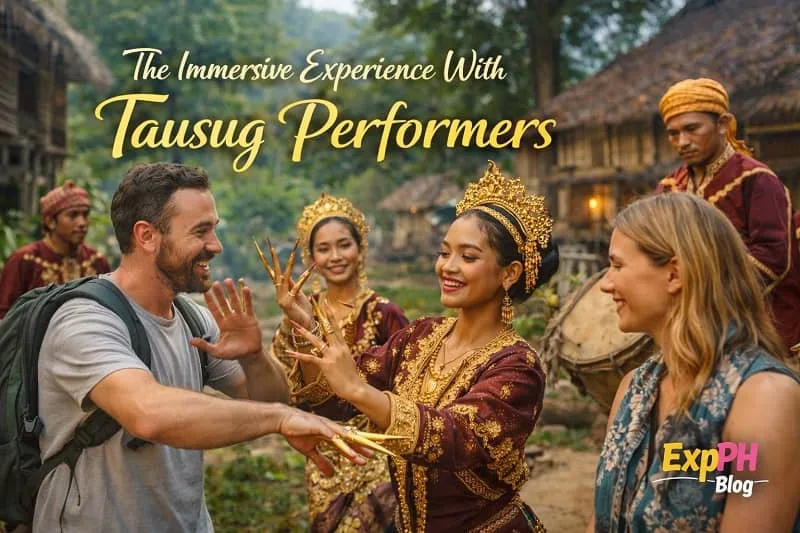
The Immersive Experience With Tausug Performers
Joining a Pangalay Dance Session in Sulu
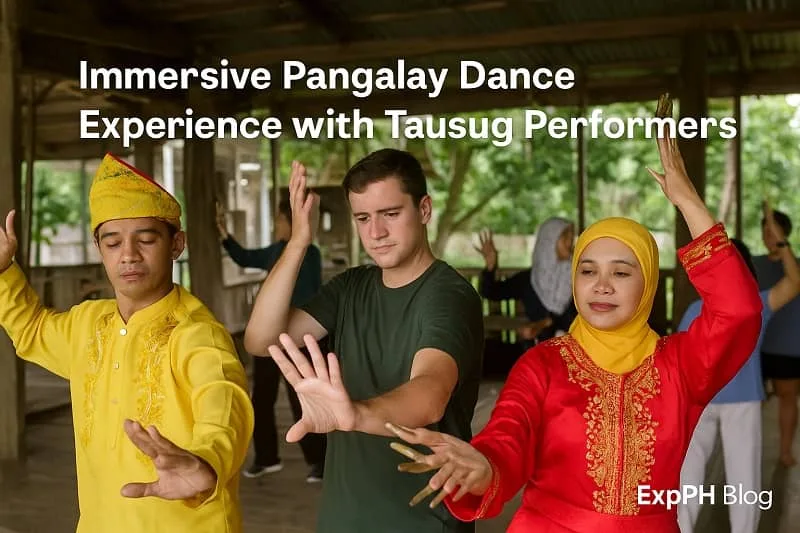
Nothing compares to learning the Pangalay Dance directly from Tausug performers in Sulu. Many communities welcome visitors who want to explore their cultural heritage. When you join a Pangalay Dance session, you are treated not as a tourist but as a guest who is invited to learn with sincerity, creating meaningful connections and memories that last for years.
Warm Tausug Hospitality
Tausug performers often begin with a short introduction about the history of the Pangalay Dance. They share stories about how they learned from their parents or grandparents. The atmosphere is warm and respectful. Before the dance starts, performers usually teach visitors simple breathing techniques that prepare the body for movement, ensuring comfort and focus throughout.
Learning the Movements Step by Step
Visitors are taught basic Pangalay Dance movements first. These include gentle finger extensions, graceful wrist rotations, controlled arm glides, balanced knee bends, and soft stepping patterns that introduce the rhythm and flow of the dance, helping beginners feel more confident.
- Finger extensions
- Gentle wrist rotations
- Arm glides
- Slight knee bends
- Soft stepping patterns
You will practice slowly as Tausug performers guide your posture and timing. Once you feel comfortable, you will try the movements to live music. The moment the kulintangan begins to play, the experience becomes magical. You will feel the rhythm guide your body, and this is when the spirit of the Pangalay Dance becomes real, creating a deeply memorable moment.
Cultural Sharing and Storytelling
After the practice, performers often sit with visitors to share more stories. They talk about the important role of the Pangalay Dance in weddings, celebrations, and community gatherings. You might even hear personal stories about how the dance helped them stay connected to their ancestors, deepening understanding, enriching conversations, and inspiring meaningful cultural appreciation.
Why the Pangalay Dance Matters Today
Cultural Preservation
Cultural institutions such as the National Commission for Culture and the Arts continue to document and support traditional dances like Pangalay to preserve them as part of the country’s intangible cultural heritage.
In a rapidly modernizing world, this classical Tausug dance plays a vital role in preserving local identity. Schools, cultural groups, and families in Sulu and across Mindanao continue to pass on the tradition to younger generations. By supporting this indigenous performance art, visitors and cultural advocates help ensure that an important part of Philippine heritage remains alive, cherished, protected, and shared for years to come.
Tourism That Respects Culture
Responsible tourism promotes learning and appreciation. When travelers experience Pangalay with respect, they help uplift local communities and strengthen cultural pride. Sulu is slowly building a reputation as a destination where living traditions continue to thrive. This heritage dance adds depth to the visitor experience and encourages meaningful cultural understanding between guests and the Tausug community.
A Global Artistic Contribution
This Tausug dance tradition stands beside other classical Asian dances as a masterpiece of human creativity. Its movements demonstrate discipline, refinement, and emotional storytelling. Many international dancers study this Southeast Asian performance art because they admire its elegance and cultural depth. This global appreciation highlights its artistic value and reinforces its lasting influence in the world of traditional performance.
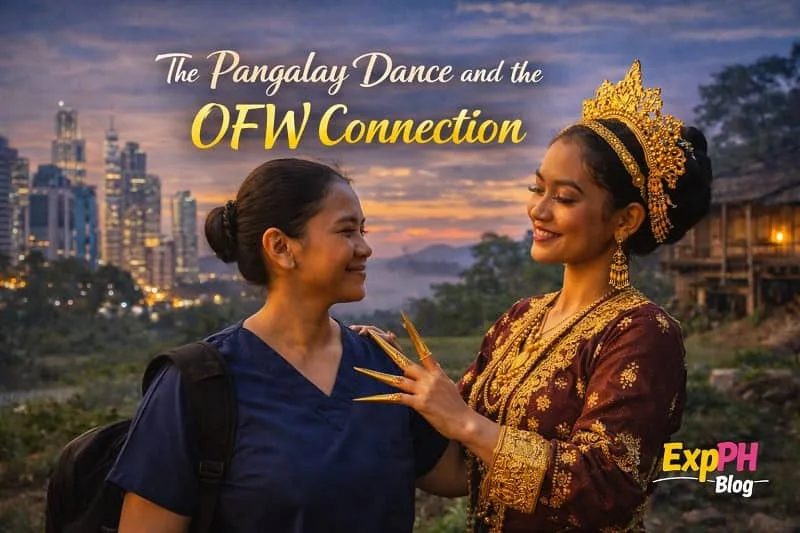
The Pangalay Dance and the OFW Connection
For many Overseas Filipino Workers, cultural identity becomes even more meaningful when living far from home. Watching or remembering the Pangalay Dance can awaken a deep sense of pride and belonging. The graceful hand movements and calm rhythm remind OFWs that no matter how far they travel, their roots remain strong and beautiful.
Many OFWs from Mindanao and the Sulu Archipelago carry stories of this dance with them. Some even perform traditional dances during Filipino community gatherings abroad to introduce their heritage to international friends and colleagues. In doing so, they become cultural ambassadors who proudly represent the Philippines.
Experiencing the Pangalay Dance before going abroad can strengthen one’s connection to heritage. For OFWs who return home, witnessing this performance again can feel like reconnecting with family and identity. Culture becomes a source of emotional grounding, resilience, and pride during both departure and homecoming.
At ExpPH Blog, we believe that preserving traditions like the Pangalay Dance is not only about tourism or artistic appreciation. It is about keeping the Filipino spirit alive wherever in the world our kababayans may be.
How to Appreciate the Pangalay Dance as a Visitor
Observe with Respect
When watching a Pangalay Dance, always be mindful of its cultural significance. The dance is not a mere entertainment performance. It is an expression of identity and history. Observing with respect allows performers to feel appreciated and valued. This mindful approach strengthens cultural understanding and encourages meaningful connections between visitors and the Tausug community.
Participate When Invited
Some communities invite guests to try the movements. Participating gives you a deeper understanding of the dance and its meaning. Do your best even if the movements feel challenging. What matters most is your sincerity. This sincere effort builds cultural respect, creates genuine connections, and helps preserve meaningful traditions for future generations.
Support Local Artists
You can support the preservation of the Pangalay Dance by buying local crafts, attending workshops, or sharing your experience online with a respectful tone. This helps promote the culture while giving honor to Tausug performers. Your involvement also strengthens community pride, encourages cultural learning, and inspires others to appreciate the beauty of Tausug traditions.
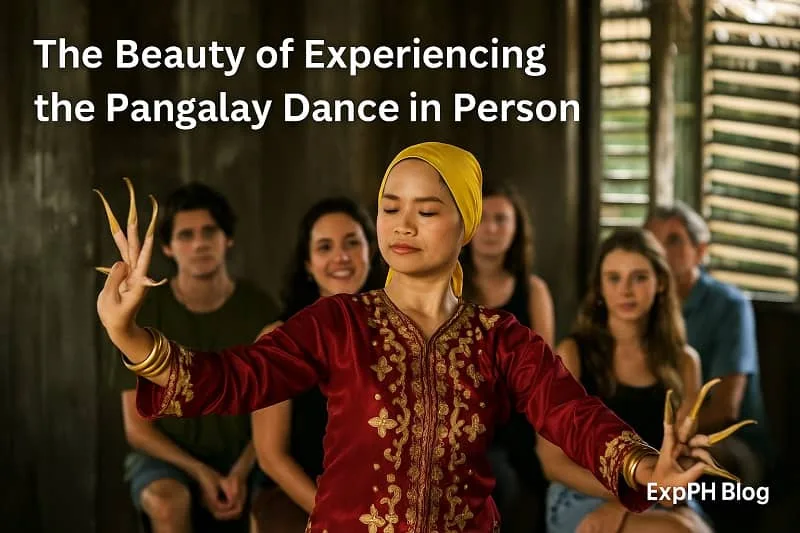
The Beauty of Experiencing Pangalay in Person
Watching videos or reading descriptions will never compare to seeing the Pangalay Dance live. The elegance of the movements, the soothing music, and the heartfelt expressions of Tausug performers create an unforgettable experience. Visitors often describe the experience as calming, inspiring, and spiritually moving. Many leave with a deeper cultural appreciation, a renewed sense of connection, and a lasting admiration for the rich artistic traditions preserved by the Tausug community.
The Pangalay Dance teaches patience, grace, and mindfulness. It connects you to a culture that values family, tradition, and the beauty of life. When performed with sincerity, the dance becomes a language of peace and unity. It encourages meaningful reflection, nurtures cultural respect, strengthens emotional well being, and helps visitors appreciate the deep artistic wisdom carried through generations of Tausug heritage.
Conclusion
The Pangalay Dance is one of the greatest cultural treasures of the Philippines and a proud symbol of Tausug heritage in Sulu. It reflects the strength, artistry, and heritage of the Tausug people. Experiencing this graceful tradition with authentic performers in Sulu gives you a deeper connection to their culture and way of life. Whether you observe, participate, or learn the history, this cultural performance leaves a lasting impression on your heart and mind. This timeless heritage showcases elegant movements, meaningful stories, and a deep cultural identity that continues to inspire visitors and strengthen appreciation for the rich legacy preserved across generations in Sulu.
The dance is more than movement. It is a living story of identity, resilience, and grace. It continues to inspire visitors and remains a symbol of pride for the Tausug community. By appreciating the Pangalay Dance, you honor the culture of Sulu and contribute to keeping this beautiful tradition alive. This powerful connection helps preserve ancestral knowledge, supports cultural advocates, strengthens community pride, and encourages greater respect for the traditions that shape Tausug identity in meaningful ways for future generations.
This cultural art continues to thrive because it carries stories of the Tausug people and their enduring spirit. The tradition connects generations through shared movements, lessons, and expressive gestures that speak without words. Watching the performance reveals how deeply rooted it is in community values and everyday life. Its beauty encourages visitors to appreciate the culture more deeply while understanding why this meaningful heritage deserves preservation.
Continue building knowledge with the resources below.
- Panampangan Island The Hidden Paradise of Tawi-Tawi
- Pyanggang Manok Authentic Tausug Blackened Chicken
- Tiyula Itum is Mindanao’s Fascinating Tausug Black Soup
- Panyam Filipino Rice Pancake
- The Majestic Bud Bongao
For reference details, click the link below.
- The Pangalay Dance in the Construction of Filipino Heritage
- National Commission for Culture and the Arts (NCCA)
- Interrogating the Sanskritization of Pangalay
- The Pangalay Dance Style of the Philippines
Frequently Asked Questions
What is the Pangalay Dance?
The Pangalay Dance is a traditional Tausug dance from Sulu known for its graceful, flowing movements that highlight balance, flexibility, and cultural expression, enriching cultural appreciation.
Why is the Pangalay Dance important to the Tausug people?
It is an essential symbol of Tausug identity because it preserves ancestral stories, showcases cultural values, and connects modern generations to their heritage, strengthening community pride.
What makes the Pangalay Dance different from other Philippine dances?
The Pangalay Dance focuses on slow, fluid gestures with detailed hand movements, which makes it closer to classical Asian dances rather than typical folk dances, enhancing its unique style.
Can visitors join a Pangalay Dance session in Sulu?
Yes, many cultural groups in Sulu welcome guests who want to learn the Pangalay Dance, and the experience is guided respectfully by Tausug performers, ensuring meaningful cultural immersion.
Do I need experience to try the Pangalay Dance?
No, beginners are welcome. The dance is taught step by step, and instructors usually start with basic hand and arm movements before guiding you into full sequences, making learning enjoyable.
What should I wear when joining a Pangalay Dance workshop?
It is recommended to wear comfortable clothing that allows free movement. Lightweight fabrics help you perform the slow and controlled gestures more effectively, improving overall dance comfort.
What instruments are used during a Pangalay Dance performance?
Traditional instruments such as the kulintangan, agong, and gabbang provide rhythmic music that enhances the flow and expression of the dance, creating a captivating performance atmosphere.
Is the Pangalay Dance performed only during special events?
Although commonly seen during weddings and celebrations, the Pangalay Dance is also practiced during cultural workshops and community gatherings, keeping traditions alive regularly.
What is the meaning of the janggay worn during the Pangalay Dance?
Janggay are long metal or wooden fingernail extensions that emphasize hand movements and symbolize elegance, beauty, and artistic discipline, highlighting the dancer’s refined skill.
How does experiencing the Pangalay Dance help visitors understand Tausug culture?
By joining or observing the dance, visitors witness the values, traditions, and artistic spirit of the Tausug people, creating a deeper cultural connection, appreciation, and respect.
Learning Hub Quiz!
Test your knowledge about the Immersive Pangalay Dance Experience with Tausug Performers.
Results


#1. What culture practices the Pangalay Dance?
#2. What is the key feature of Pangalay hand gestures?
#3. What instrument guides the Pangalay rhythm?
#4. What movement style defines Pangalay Dance?
#5. What does the Pangalay Dance symbolize?
#6. Who usually teaches Pangalay traditions?
#7. Where is the Pangalay Dance commonly performed?
#8. What material is used for janggay?
#9. What feeling does the Pangalay Dance promote?
#10. What skill is important for Pangalay Dance?
We appreciate your time and curiosity.
Share your score and comment your Pangalay Dance experience with us.

A Filipino web developer with a background in Computer Engineering. Founder of ExpPH Blog and ExpPH Business Guide, creating practical content on OFW guidance, business, finance, freelancing, travel, and lifestyle. Passionate about helping Filipinos grow, he shares insights that educate, empower, and inspire readers nationwide.
Pingback: 10 Inspiring Facts on Tausug Culture and Daily Life at Home.
Pingback: 10 Inspiring Lessons from Silat Tausug Martial Art Revealed.
Pingback: 5 Reasons Tapul Island Is a Truly Peaceful Sulu Getaway Today
Pingback: Discover 7 Powerful Ways Tausug Pag Duwaa Unites Communities
Pingback: 7 Powerful Traditional Tausug Wedding Practices Explained now
Pingback: 7 Powerful Steps: Quranic Recitation with Tausug Teachers.
Pingback: Sulu Traditional Weaving: 7 Powerful Ways Experience Today.