
Jualan (Banana Pancake): A Simple Sulu Snack Loved by All Ages
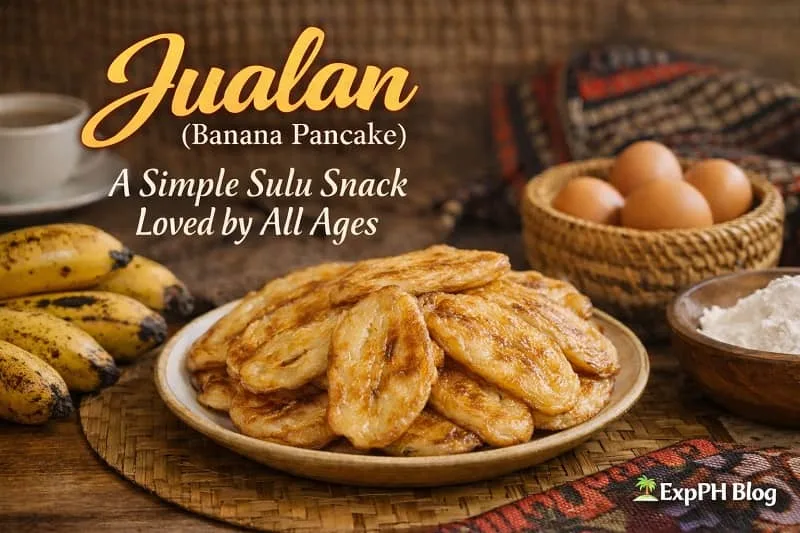
In many Filipino homes, food is more than nourishment. It is memory, comfort, and connection. In the southern province of Sulu, one humble snack quietly carries these meanings across generations. Known locally as Jualan, this simple banana pancake has become a familiar sight in homes, small stalls, and community gatherings. While it may look modest, Jualan holds a special place in Sulu food culture because of its simplicity, affordability, and wide appeal.
This article explores the story, ingredients, preparation, and cultural value of Jualan. It also explains why the Jualan Sulu Banana Pancake continues to be loved by children, adults, elders, and even overseas Filipinos who long for the taste of home. Whether you are discovering it for the first time or reconnecting with familiar flavors, this guide offers a deep and respectful look at one of Sulu’s everyday delicacies.
Understanding Jualan in Sulu Food Culture
Jualan is often described as a banana pancake, but that description only scratches the surface. In Sulu, Jualan is not just a snack made from bananas and batter. It represents resourcefulness, family traditions, and the ability to turn simple ingredients into something satisfying.
Unlike heavily commercialized street food, Jualan is usually homemade or sold in small quantities by local vendors. It is cooked fresh, eaten warm, and shared casually. This simplicity is part of its charm and why it remains popular even as modern snacks become more accessible.
Why Jualan Is Called a Sulu Snack
Although banana pancakes exist in many cultures, Jualan is closely tied to daily life in Sulu. Its preparation, serving style, and local meaning reflect household traditions rather than commercial food trends, which gives the Jualan Sulu Banana Pancake a clear regional identity.
Local Naming and Identity
The term Jualan is widely used in Sulu homes and communities. Using this local name helps preserve cultural identity and clearly separates the snack from generic banana pancakes commonly found in other places and food traditions.
Everyday Accessibility
Jualan is an everyday snack rather than a food for special events. It is often prepared when bananas are ripe, when children need a quick bite after school, or when guests visit without prior notice.
Familiar Taste Profile
Jualan has a mild and gently sweet flavor that feels familiar and comforting. It avoids heavy toppings and artificial flavorings, making it easy to enjoy and suitable for children, adults, and elders alike.
Key Ingredients of Jualan Sulu Banana Pancake
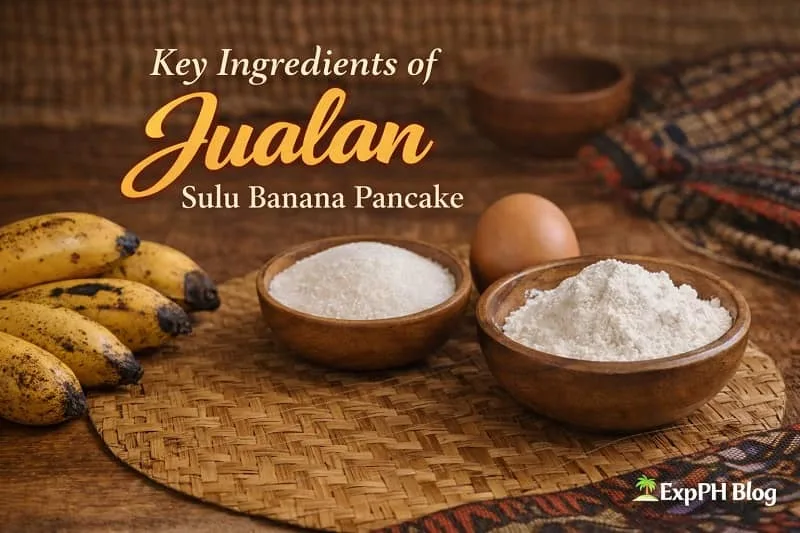
One reason the Jualan Sulu Banana Pancake has lasted through generations is its use of simple and accessible ingredients. These items are commonly found in Sulu households, making the snack easy to prepare while preserving its traditional taste and everyday appeal.
- Bananas as the Star Ingredient
Ripe saba bananas are most often used because they provide natural sweetness and a soft texture. Other local banana varieties may also be used depending on availability. - Basic Batter Components
The batter is made from flour, water or milk, and a small amount of sugar. Some families add eggs, while others prefer a simpler mixture. - Cooking Oil
Jualan is pan fried using a shallow amount of oil. This method creates a lightly crisp outside while keeping the inside soft and tender.
These ingredients reflect the practical cooking style of many Sulu households, where food is prepared thoughtfully, resources are valued, and flavors remain simple and honest.
How Jualan Is Traditionally Prepared
Although each family may have small variations, the traditional preparation of Jualan follows the same basic steps. The process is simple, practical, and easy to learn, which helps keep this Sulu snack popular in many households.
- Step 1: Preparing the Bananas
The bananas are peeled first, then either mashed directly into the batter or sliced and added later. The method depends on family preference and desired texture. - Step 2: Mixing the Batter
The batter is mixed until smooth, ensuring the bananas are evenly spread. The consistency should be balanced, not too thick and not too watery. - Step 3: Cooking the Pancake
Small amounts of batter are poured into a heated pan with oil. Each side is cooked until lightly golden and fully set. - Step 4: Serving Fresh
Jualan is best eaten while hot or warm. It is usually served plain, without syrup or toppings, to keep the flavor simple.
This straightforward process makes Jualan easy to prepare, even for beginners who are learning traditional cooking methods at home.

Why Jualan Is Loved by All Ages
The Jualan Sulu Banana Pancake appeals to people of all generations because of its simple taste and familiar texture. Its balanced flavor and easy preparation make it a snack that fits naturally into family life across different age groups.
- Child Friendly Flavor
Children enjoy Jualan for its natural sweetness and soft texture. It is easy to chew and gentle on the stomach, making it a safe and comforting snack. - Comfort Food for Adults
For many adults, Jualan brings a sense of nostalgia. It often recalls childhood afternoons, home kitchens, and simple moments shared with family members. - Suitable for Elders
The mild flavor and soft consistency make Jualan suitable for older family members. It is easy to eat and does not rely on strong seasonings.
This wide appeal is uncommon in modern snacks, which are often designed to target only specific age groups.
Jualan as a Cultural Memory for OFWs
For Overseas Filipino Workers, food often becomes a strong emotional link to home. Simple dishes like Jualan can trigger memories more deeply than elaborate meals, reminding OFWs of family life, familiar routines, and the comfort of home cooking.
Nostalgia and Emotional Connection
OFWs from Sulu often connect Jualan with family bonding and simpler times. Remembering its taste can provide comfort during long periods abroad and help ease feelings of homesickness through familiar flavors.
Easy to Recreate Overseas
Because the ingredients are basic, OFWs can recreate the Jualan Sulu Banana Pancake in many countries. Locally available bananas and flour allow them to enjoy a familiar snack even while living far from home.
Sharing Culture Abroad
Some OFWs share Jualan with friends and coworkers as a way to introduce Sulu culture. This simple act helps build understanding and gives Jualan meaning beyond being just a snack.
Nutritional Perspective of Jualan
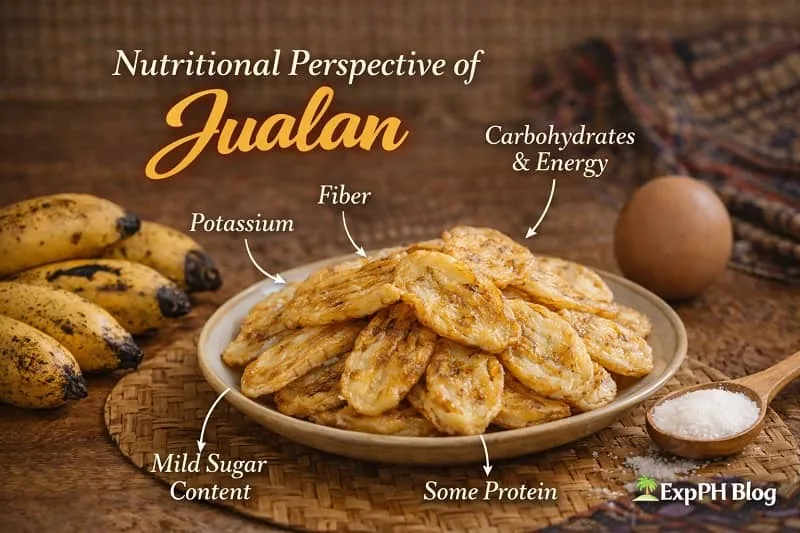
Although Jualan is a simple snack, it can still offer basic nutritional benefits when eaten in moderation. Its ingredients are familiar and minimally processed, making it a practical option for those who prefer homemade food over packaged snacks.
Natural Energy Source
Bananas supply carbohydrates that provide quick energy. This makes Jualan suitable as a light snack, especially during busy days when a small boost of energy is needed between meals.
Minimal Processing
Unlike many packaged snacks, Jualan is freshly prepared and free from preservatives. This allows better control over ingredients and supports a more natural approach to everyday snacking.
Moderation Matters
Because it is pan-fried, Jualan should be eaten in reasonable portions as part of a balanced diet.
For general banana nutrition, including fiber and potassium, authoritative guidance is available through the Philippine Food Composition Tables published by the Food and Nutrition Research Institute, which outline the nutritional value of commonly consumed bananas in Filipino diets.
Jualan in Modern Times
As food trends continue to change, Jualan remains relevant while keeping its traditional identity. Its simplicity allows it to adapt to modern settings without losing its original character, making it both familiar and meaningful to today’s generation.
- Presence in Small Food Stalls
In some areas, Jualan is sold as an affordable snack alongside other local delicacies. It appeals to customers looking for simple and comforting food. - Home Based Food Ideas
Some families prepare Jualan for small-scale selling, especially in communities where starting a food business requires very little capital. - Online Food Content
With growing interest in regional Filipino food, Jualan now appears in blogs and social media posts that focus on cultural stories and food heritage.
Despite these modern adaptations, the core recipe of Jualan remains largely unchanged and continues to reflect its traditional roots.
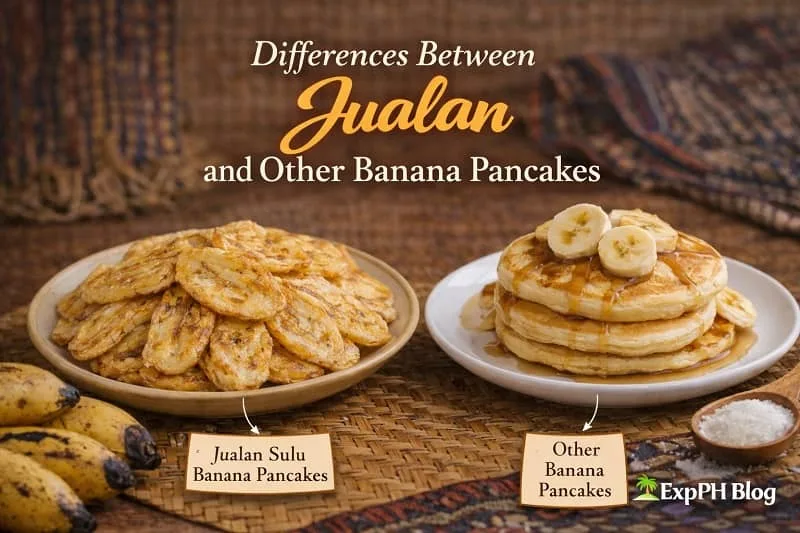
Differences Between Jualan and Other Banana Pancakes
Although many banana pancakes exist, the Jualan Sulu Banana Pancake stands apart through its simplicity and cultural meaning. Its ingredients, texture, and everyday role reflect traditional Sulu cooking rather than modern breakfast styles or commercial food trends.
- Simpler Ingredient List
Many banana pancakes use baking powder, butter, or added toppings. Jualan usually relies only on basic ingredients, keeping the flavor natural and straightforward. - Thinner and Crispier Texture
Jualan is often thinner and lightly crisp when cooked. This texture differs from fluffy breakfast pancakes that are thicker and more cake like. - Cultural Context
Jualan carries a strong local identity connected to daily life in Sulu. It is part of home cooking traditions rather than restaurant or café culture.
These distinctions help preserve the uniqueness of Jualan and explain why it remains meaningful within Sulu food traditions.
Passing Down the Tradition
Jualan is commonly learned through everyday family life rather than written recipes. The knowledge is shared naturally from parents to children, allowing the snack to remain part of home cooking while strengthening cultural continuity across generations.
- Learning by Watching
Children learn Jualan by watching elders prepare it in the kitchen. Through observation and practice, they slowly understand the process and develop confidence. - Adjusting by Taste
Measurements are rarely exact. Families rely on taste and experience, which allows each household to create a version that suits their preference. - Preserving Simplicity
Even with small variations, families aim to keep Jualan simple. This approach respects tradition and maintains the snack’s original character.
This oral and hands-on way of teaching ensures Jualan continues to be prepared and enjoyed across generations.
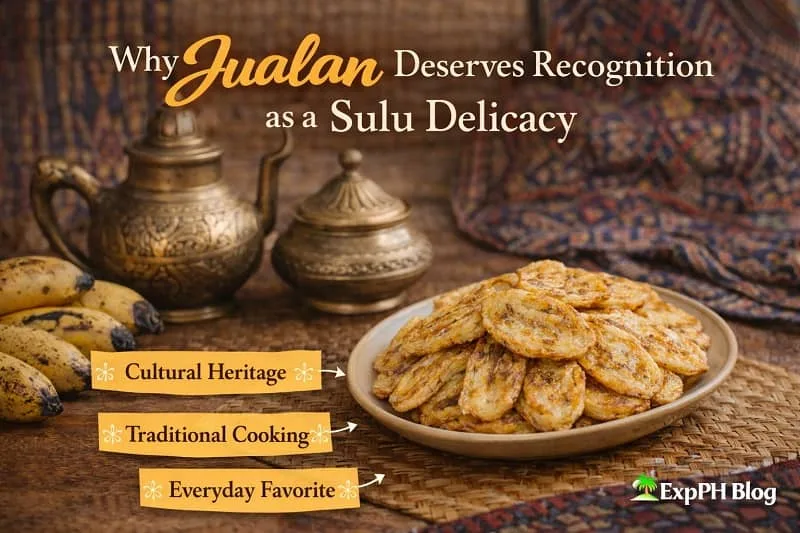
Why Jualan Deserves Recognition as a Sulu Delicacy
Not all traditional food needs complexity to be meaningful. Jualan shows how simple ingredients and everyday preparation can carry deep cultural value. Its role in daily life makes it an important part of Sulu food heritage worth recognizing.
- Representation of Daily Life
Jualan reflects everyday living in Sulu rather than special ceremonies. It is a regular home snack that connects food with ordinary family routines. - Accessibility Across Economic Levels
Jualan can be enjoyed regardless of income. Its affordable ingredients make it accessible to many households and help it remain widely shared. - Cultural Continuity
Each time Jualan is cooked, a small part of Sulu heritage is preserved. The practice keeps local food traditions active and meaningful.
Recognizing Jualan as a delicacy helps document its value and encourages respect for traditional Sulu food culture.
Jualan and Community Bonding
Food often brings people together, and Jualan supports this connection in quiet and meaningful ways. Through sharing, hospitality, and small-scale selling, this simple snack helps strengthen relationships within families and neighborhoods across Sulu communities.
- Shared Snacks
Families often eat Jualan together during short breaks or casual gatherings. These shared moments encourage conversation and togetherness at home. - Welcoming Visitors
Offering Jualan to guests is a simple sign of hospitality. It shows care and warmth without the need for elaborate preparation. - Neighborhood Selling
Local sellers offer Jualan through small stalls, creating daily interactions and building familiarity within the community.
These everyday moments help strengthen community ties and reinforce the social value of Jualan.
Challenges in Preserving Traditional Snacks
Like many traditional foods, Jualan faces several challenges in modern times. Changes in lifestyle, food exposure, and consumption habits can slowly reduce interest in homemade snacks, making preservation efforts more important for cultural continuity.
- Changing Food Preferences
Younger generations may prefer modern snacks that are heavily marketed and widely available, reducing everyday exposure to traditional food like Jualan. - Lack of Documentation
Many traditional recipes are not written down. Knowledge is passed verbally, which increases the risk of details being forgotten over time. - Commercial Competition
Mass produced snacks are more visible and aggressively marketed. This makes simple homemade food less noticeable to younger consumers.
Continued storytelling and cultural content help counter these challenges by keeping traditional snacks relevant and appreciated.
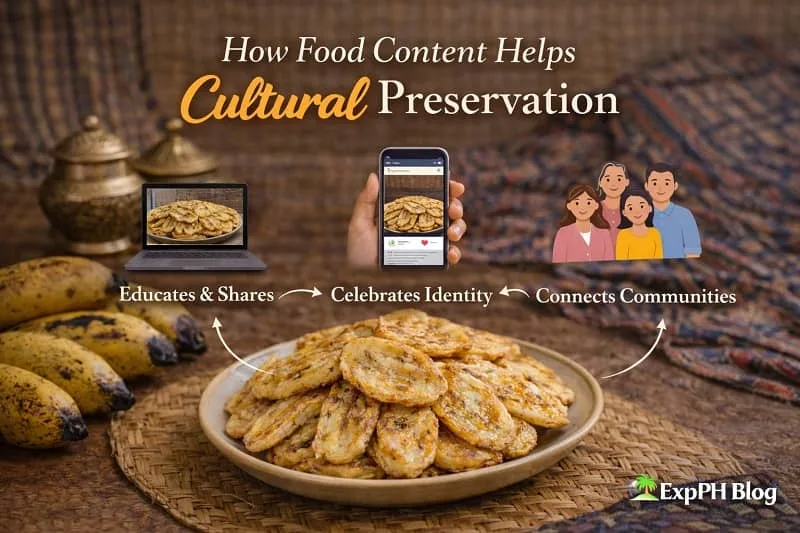
How Food Content Helps Cultural Preservation
Writing about Jualan on platforms like ExpPH Blog plays an important role in protecting food heritage. Well written content helps record traditions, explain cultural meaning, and keep local food visible in a digital space that reaches many readers.
- Creating Digital Records
Articles help document traditional recipes and food stories. This creates lasting records that future generations can access and learn from. - Educating Wider Audiences
Readers outside Sulu can discover Jualan and understand its cultural value. This encourages respect and appreciation for regional traditions. - Supporting Identity
Food content strengthens pride in local heritage. It helps communities see everyday food as part of their cultural identity.
This approach shows that food writing serves cultural preservation, not just entertainment.
Conclusion: Why Jualan Still Matters Today
The Jualan Sulu Banana Pancake may be simple in ingredients, yet it carries deep meaning within Sulu culture. It represents home, comfort, and continuity across generations. Easy to prepare and enjoyed by all ages, Jualan remains part of everyday life. Its presence in family kitchens reflects values of simplicity, sharing, and tradition that continue to shape local food practices today.
For Overseas Filipino Workers, Jualan serves as a reminder of their roots and the familiar comfort of home-cooked food. For younger generations, it offers a connection to tradition through taste and memory. For new readers, Jualan shows how food preserves culture in quiet and honest ways. By sharing stories like this, simple snacks remain respected, remembered, and passed on.
You may also enjoy these related educational topics from ExpPH Blog:
- Daral: The Traditional Tausug Delicacy Wrapped in Love
- Putli Mandi: A Traditional Sulu Delicacy Made from Glutinous Rice and Coconut
- A Day in a Traditional Tausug Household and Community Life
- Panganan A Traditional Filipino Sweet Deep Fried Snack
- Experiencing the Tausug Pag duwaa
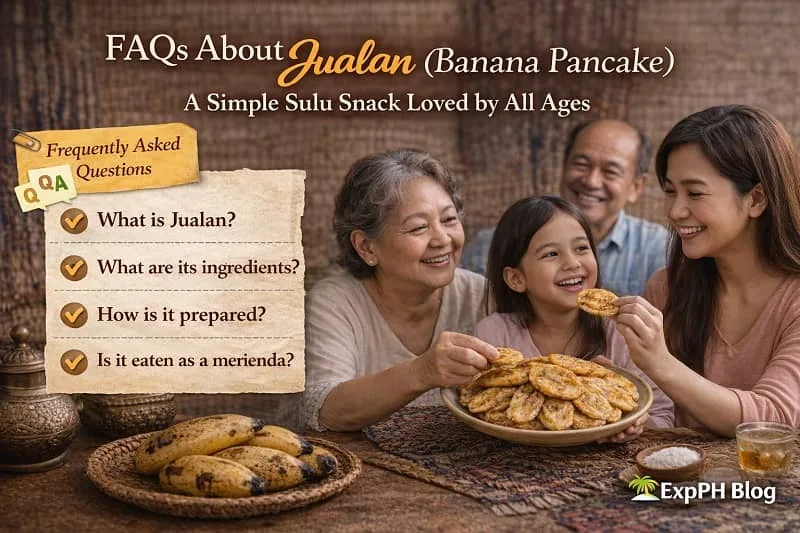
FAQs About Jualan (Banana Pancake) A Simple Sulu Snack Loved by All Ages
What is Jualan in Sulu cuisine?
Jualan is a traditional Sulu banana pancake made from ripe bananas and simple batter, commonly enjoyed as an affordable homemade snack across generations in families.
What makes Jualan different from other banana pancakes?
The Jualan Sulu Banana Pancake is thinner, simpler, and less sweet than other banana pancakes, focusing on natural flavor rather than toppings or syrups added.
What type of banana is used for Jualan?
Ripe saba bananas are commonly used for Jualan, providing natural sweetness, soft texture, and authentic flavor that defines this traditional Sulu snack for local households.
Is Jualan considered a healthy snack?
Jualan can be a balanced snack when eaten in moderation, offering energy from bananas, minimal processing, and fewer additives compared to packaged snacks today often.
How is Jualan traditionally cooked?
The batter is pan-fried in shallow oil until lightly golden, creating a soft inside with a gentle crisp exterior ideal for snacking at home.
Is Jualan sold as street food in Sulu?
Jualan is often homemade but can also be sold in small neighborhood stalls, making it both a household snack and casual street food option locally.
Why is Jualan loved by all age groups?
Its mild sweetness, soft texture, and familiar taste make Jualan easy to enjoy for children, adults, and elders alike in many Sulu households every day.
Can Overseas Filipino Workers recreate Jualan abroad?
Yes, many OFWs recreate Jualan abroad using local bananas and basic ingredients, helping them reconnect with Sulu food memories while living far from home overseas.
Is Jualan considered a dessert or a snack?
Jualan is lightly sweet rather than a dessert, usually eaten as a snack, breakfast item, or afternoon merienda in Sulu homes and nearby communities daily.
Why is it important to preserve Jualan as a delicacy?
Preserving Jualan helps protect Sulu culinary heritage, promotes cultural identity, and ensures traditional snacks remain known to future generations through food writing, sharing, teaching, cooking.
Test your knowledge below and see how well you understand this simple yet meaningful Sulu snack.
Results


#1. What is Jualan commonly known as?
#2. Which province is Jualan associated with?
#3. What is the main ingredient in Jualan?
#4. Which banana is commonly used?
#5. How is Jualan usually cooked?
#6. When is Jualan often eaten?
#7. Why do children enjoy Jualan?
#8. Why is Jualan popular with elders?
#9. Can OFWs make Jualan abroad?
#10. What does Jualan represent culturally?
Your interest helps keep Filipino food culture alive and appreciated.
Share your quiz experience and score in the comments. We would love to hear from you.

A Filipino web developer with a background in Computer Engineering. Founder of ExpPH Blog and ExpPH Business Guide, creating practical content on OFW guidance, business, finance, freelancing, travel, and lifestyle. Passionate about helping Filipinos grow, he shares insights that educate, empower, and inspire readers nationwide.
Pingback: Wadjit Black Rice Cake: 5 Powerful Facts About Coconut Flavor