
Daral: The Traditional Tausug Delicacy Wrapped in Love
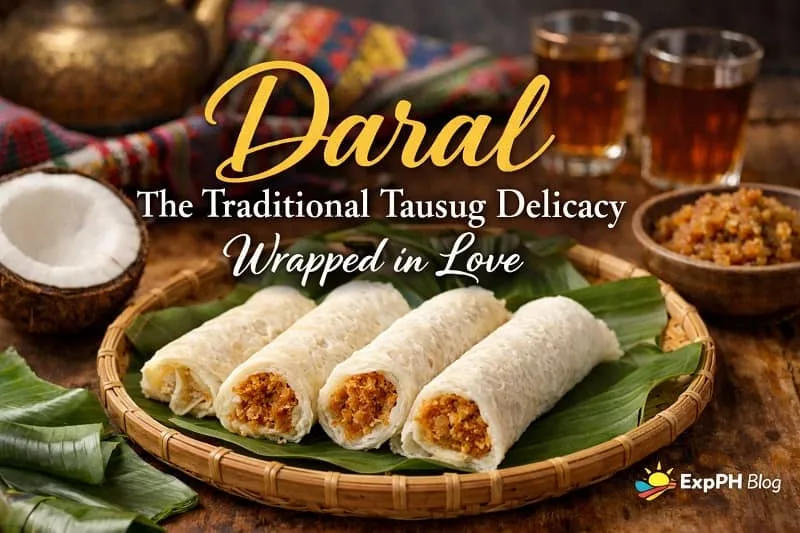
Food has a way of carrying stories that words alone cannot express. In many Filipino communities, traditional delicacies are more than simple dishes. They represent history, family bonds, and shared identity. Among the Tausug people of Sulu, one delicacy stands out for its simplicity, symbolism, and deep emotional meaning. That delicacy is Daral.
This article explores the Daral Tausug delicacy in depth, not just as food, but as a cultural expression passed from one generation to the next. For Tausug families at home and overseas, Daral often becomes a reminder of home, love, and heritage. Whether you are discovering Daral for the first time or reconnecting with your roots, this guide aims to honor its story with respect and clarity.
The Cultural Importance of Daral in Tausug Life
Daral as More Than Just Food
The Daral Tausug delicacy is never prepared casually. It is made during meaningful occasions and family gatherings where food strengthens relationships. In Tausug culture, Daral reflects care, intention, and emotional connection rather than convenience or daily consumption.
Daral symbolizes:
- Care and patience in preparation
- Love shared within the family
- Hospitality toward guests
- Respect for tradition
Because Daral requires time and focus, it represents effort and sincerity. It is prepared with purpose, never rushed, and often reserved for people and moments that truly matter to the family.
When Daral Is Commonly Served
Daral is served during important gatherings where family and community bonds are valued. It is not everyday food, but a dish connected to presence, sharing, and togetherness during meaningful moments.
Daral is served during:
- Family reunions
- Religious celebrations
- Community gatherings
- Special visits from relatives
For many Tausug families, especially elders, Daral brings people together. It is shared while stories are exchanged, memories are recalled, and relationships are strengthened through time spent together.
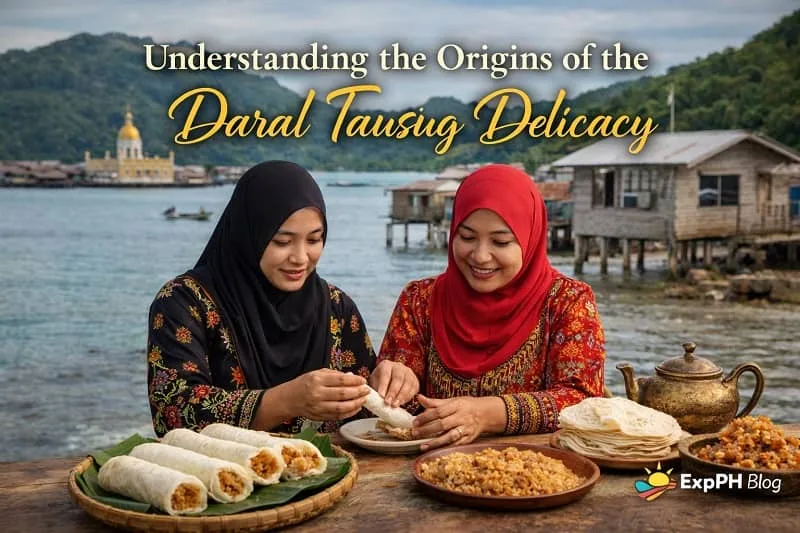
Understanding the Origins of the Daral Tausug Delicacy
Roots in Sulu’s History and Environment
The Daral Tausug delicacy reflects the natural environment of Sulu, where rice and coconut are everyday staples. Daral developed from locally available ingredients and was shaped by generations of Tausug families who valued practicality, nourishment, and shared meals.
Daral shows how Tausug ancestors:
- Maximized local ingredients
- Created food that was filling and nourishing
- Developed recipes suited to communal sharing
This simplicity is Daral’s strength. It uses modest ingredients yet carries cultural meaning, proving that value comes from tradition and purpose rather than cost.
Passed Down Through Oral Tradition
Daral is traditionally passed down through observation and practice rather than written recipes. Mothers, grandmothers, and elders teach each step by example, guiding younger family members through experience and repetition. Measurements rely on feel and intuition, making each family’s Daral unique while honoring the same tradition.
Key Ingredients of the Daral Tausug Delicacy
Rice as the Foundation
Rice is the foundation of Daral and represents sustenance in many Filipino cultures. In Daral, rice is carefully processed for wrapping and cooking, creating a texture that is soft yet firm, reflecting patience and attention during preparation.
The preparation of rice requires:
- Proper soaking
- Careful grinding or processing
- Attention to consistency
This step alone shows skill and discipline, as the quality of the rice determines the final texture and structure of Daral.
Coconut as Flavor and Symbol
Coconut adds natural sweetness and richness to the Daral Tausug delicacy. It balances the mild flavor of rice and creates a comforting taste. In Tausug culture, coconut also represents abundance, generosity, and the sharing of blessings within the family.
Banana Leaves as Wrapping
Banana leaves are used to wrap Daral before cooking and serve both practical and symbolic roles. They protect the delicacy while enhancing aroma and reflecting respect for nature and tradition.
Banana leaves:
- Add subtle aroma
- Protect the Daral during cooking
- Represent natural living and sustainability
The careful wrapping process reinforces the idea that Daral is prepared with intention and care.
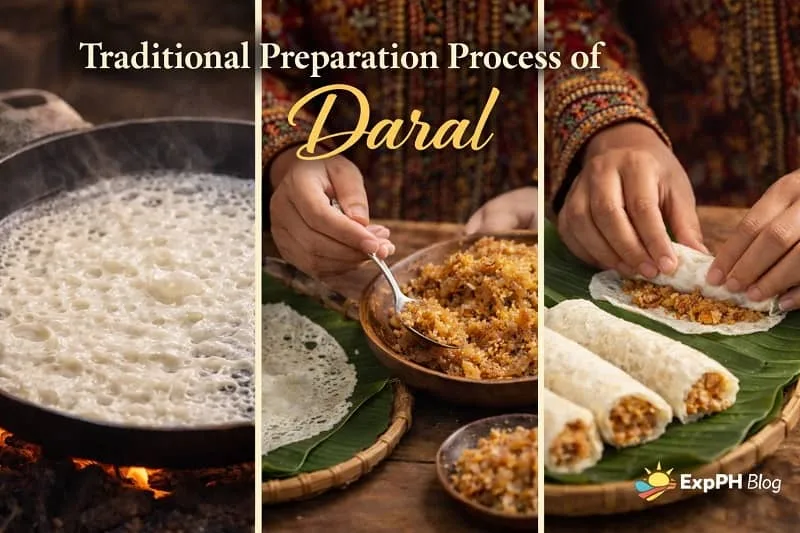
Traditional Preparation Process of Daral
The Importance of Preparation Time
Making the Daral Tausug delicacy is never rushed. Each step is done with care, from preparing the rice to wrapping the banana leaves. The process encourages patience and focus. In many homes, preparation becomes a shared family activity where everyone helps.
Step by Step Overview
Although methods may vary by household, the preparation process follows a familiar structure that values care and consistency.
The general process includes:
- Preparing and processing the rice
- Mixing rice with coconut
- Shaping the mixture
- Wrapping it carefully in banana leaves
- Cooking until firm and aromatic
This process often takes hours, but the result reflects effort, tradition, and shared commitment.
Daral and the Role of Women in Tausug Tradition
Women as Keepers of Culinary Heritage
In Tausug culture, women play an important role in preserving traditional food practices. The Daral Tausug delicacy is closely linked to mothers and grandmothers who teach preparation through daily example and guidance, ensuring traditions continue across generations.
Their role includes:
- Passing down cooking knowledge
- Maintaining cultural continuity
- Teaching patience and discipline
Through this process, Daral becomes both a cultural lesson and a shared family responsibility.
Teaching Values Through Cooking
Preparing Daral helps younger family members learn important values that shape character and identity.
Cooking Daral teaches:
- Respect for elders
- Appreciation for tradition
- The importance of sharing
These lessons extend beyond the kitchen, influencing daily behavior, relationships, and a deeper understanding of cultural responsibility.
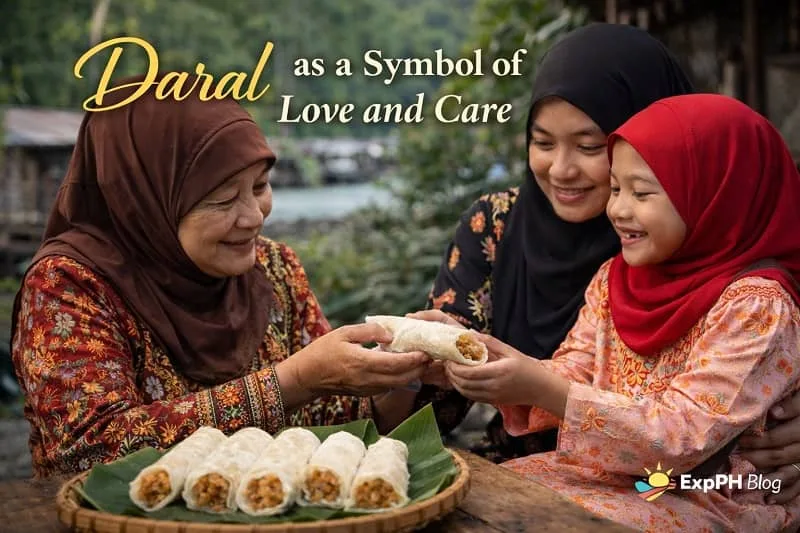
Daral as a Symbol of Love and Care
Why Daral Is Called “Wrapped in Love”
The phrase “wrapped in love” describes both the physical and emotional meaning of Daral. The banana leaf protects the food, while careful preparation shows intention and care. The Daral Tausug delicacy is made for people who matter, never mass produced or prepared without purpose.
Emotional Connection for Tausug Families
For many Tausug families, especially those living apart, Daral carries deep emotional meaning. Its taste, aroma, and texture often bring back memories of home, shared meals, and family gatherings, creating comfort and a sense of belonging across generations.
Daral and the OFW Experience
Daral as a Taste of Home Abroad
For Overseas Filipino Workers, traditional food creates a strong connection to home. The Daral Tausug delicacy reminds many OFWs of family, roots, and identity. Some recreate Daral using available ingredients, while others wait to enjoy it during home visits.
Preserving Culture Despite Distance
Daral plays an important role in helping OFWs preserve cultural identity while living abroad.
Daral helps OFWs:
- Stay connected to Tausug heritage
- Share culture with their children abroad
- Maintain identity despite living overseas
Through food, memories and traditions remain alive, bridging the past with present experiences.
Modern Adaptations of the Daral Tausug Delicacy
Adjusting to Urban and Overseas Kitchens
As Tausug families move to cities or live abroad, many adapt the Daral recipe to fit available tools and ingredients. While techniques may change, the heart of the tradition remains focused on care, intention, and cultural preservation.
Adaptations may include:
- Using modern kitchen appliances
- Modifying wrapping techniques
- Adjusting cooking methods
The goal is not perfection, but preserving the meaning behind the dish.
Balancing Tradition and Convenience
Modern life often requires efficiency, yet many Tausug families still choose traditional preparation during special occasions. This balance allows Daral to remain relevant while keeping its cultural value intact for future generations.
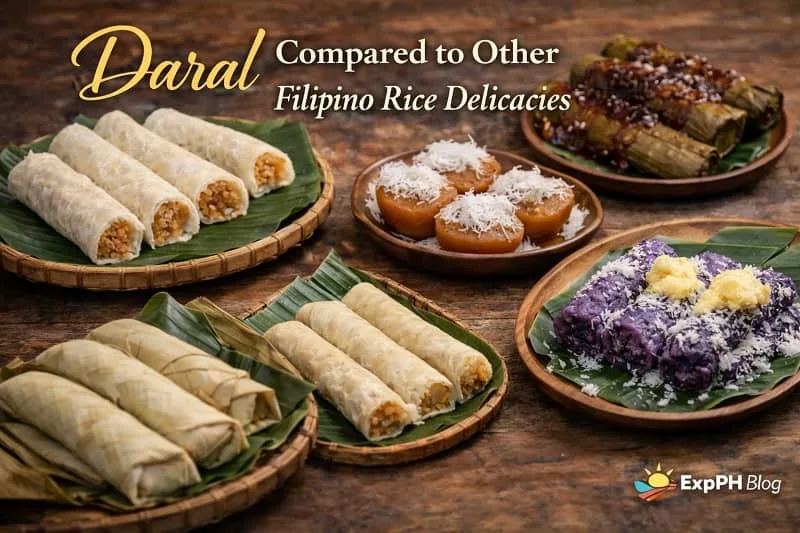
Daral Compared to Other Filipino Rice Delicacies
What Makes Daral Unique
The Philippines has many rice-based delicacies, but the Daral Tausug delicacy stands apart because of its cultural meaning and careful preparation. Daral is deeply tied to identity and tradition rather than flavor alone or commercial appeal.
Distinct features include:
- Strong association with Tausug identity
- Simple ingredients with deep symbolism
- Focus on wrapping and patience
Daral emphasizes meaning and intention more than sweetness or presentation.
Respecting Regional Diversity
Each Filipino region has its own food traditions shaped by history and environment. Daral adds to the country’s rich culinary diversity and deserves recognition alongside other regional delicacies that reflect identity, heritage, and community values.
The Importance of Preserving Tausug Food Heritage
Why Daral Should Be Remembered
Preserving traditional food like Daral helps protect Tausug cultural identity. In a rapidly changing world, food traditions anchor families to their roots and shared history. Daral is more than a recipe, it reflects values passed down through generations.
The Daral Tausug delicacy represents:
- Cultural survival
- Family continuity
- Respect for ancestors
Losing Daral would mean losing an important part of Tausug history and collective memory.
Support From Cultural Institutions
Efforts to preserve Filipino food heritage are supported by cultural organizations that document and promote indigenous traditions. For reference on Philippine cultural preservation, The National Commission for Culture and the Arts provides official resources on safeguarding traditional practices, including food heritage.
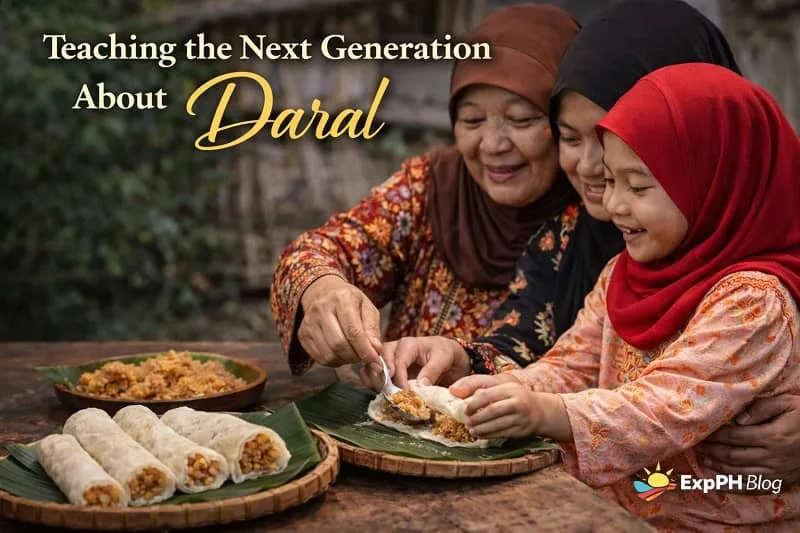
Teaching the Next Generation About Daral
Passing Knowledge to Children
Teaching children how Daral is prepared helps ensure the tradition continues. Even small roles, such as observing or helping with wrapping, can build interest and understanding. Through involvement, children learn cultural meaning while developing respect for family practices.
Children learn:
- Cultural pride
- Patience and focus
- Appreciation for tradition
These lessons remain with them as they grow and form their identity.
Daral as a Family Story
Every Tausug family has its own way of preparing Daral. Sharing these stories strengthens family bonds and keeps memories alive. Through storytelling and cooking together, Daral becomes part of family history passed across generations.
Daral in Today’s Digital Age
Sharing Daral Through Social Media
Many Tausug families now share Daral through photos and videos online. This allows the Daral Tausug delicacy to reach wider audiences while honoring its cultural meaning. Digital sharing helps document traditions that might otherwise fade with time.
Social sharing can:
- Educate others about Tausug culture
- Encourage pride among young Tausugs
- Preserve knowledge digitally
When done thoughtfully, online sharing supports cultural awareness and preservation.
Respectful Representation Matters
When Daral is shared online, it should be presented with respect and accuracy. Cultural food must not be treated as a trend without meaning. Context helps viewers understand its value, history, and connection to family and identity.

Common Misunderstandings About Daral
Daral Is Not Just a Snack
Some people may see Daral as a simple snack, but for the Tausug, it carries deeper meaning. Daral is closely tied to family traditions, shared experiences, and cultural identity. It represents care, patience, and intention rather than casual eating.
Daral Is Not Mass Produced Food
Unlike commercial delicacies, Daral is usually handmade in family settings. Each piece reflects personal effort and cultural knowledge. This handcrafted process is essential to its value, as Daral is prepared for meaningful occasions rather than large-scale production.
Why Daral Still Matters Today
A Reminder of Slower Living
In a fast-paced world, Daral reminds people to slow down and be present. Its careful preparation encourages patience, focus, and intention. Making Daral teaches the value of time, shared effort, and meaningful moments rather than speed or convenience.
Strengthening Cultural Identity
The Daral Tausug delicacy helps Tausug people remember who they are and where they come from. For families at home or abroad, Daral reinforces cultural identity, strengthens pride, and keeps traditions alive across generations.
Key ways Daral strengthens identity:
- Connects people to heritage
- Preserves family traditions
- Builds cultural pride
Final Thoughts on the Daral Tausug Delicacy
Daral is far more than rice and coconut wrapped in banana leaves. It represents love, patience, and deep cultural pride. For the Tausug people, Daral reflects strong family bonds, respect for tradition, and the quiet strength found in shared heritage. Each step of preparation carries meaning, showing care not only for the food but also for the people who will receive it. Through Daral, values are expressed without words, strengthening relationships and honoring ancestral practices passed down through generations.
The Daral Tausug delicacy continues to matter because it connects generations across time and distance. It reminds OFWs of home, comforts families living apart, and teaches children about their roots. Daral honors elders by preserving their knowledge and stories. Every carefully wrapped piece carries memory and identity. Preserving Daral means preserving culture, ensuring that future generations experience the same sense of belonging. As long as families prepare and share Daral with intention, it will remain wrapped not only in leaves, but in love.
These related posts help reinforce key ideas and explore other Filipino delicacies connected to regional heritage.
- Putli Mandi: A Traditional Sulu Delicacy Made from Glutinous Rice and Coconut
- Piaya the Sweet and Crispy Delight from Negros Philippines
- Panganan A Traditional Filipino Sweet Deep Fried Snack
- Tausug Simple Atsara Pickled Papaya Recipe
- Panyam Filipino Rice Pancake
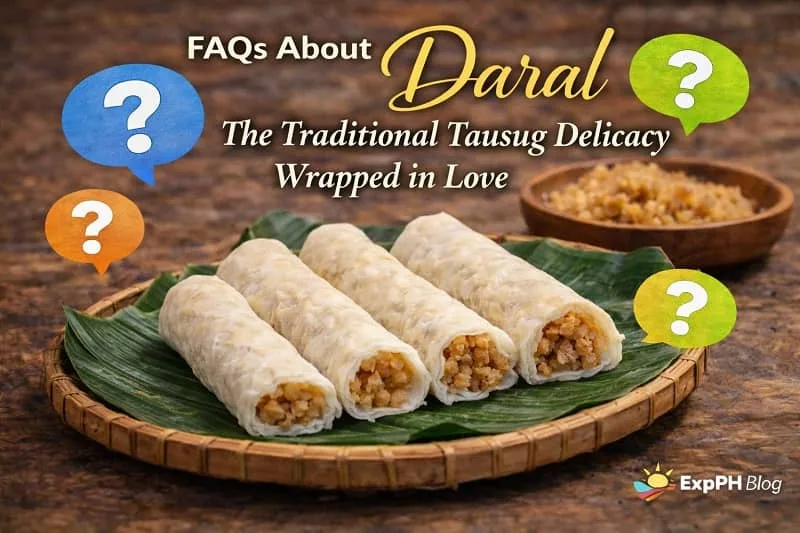
FAQs About Daral The Traditional Tausug Delicacy Wrapped in Love
What is Daral in Tausug culture?
Daral is a traditional Tausug rice delicacy made from rice and coconut, wrapped in banana leaves, symbolizing love, patience, family bonds, and cultural heritage identity.
Why is Daral important to the Tausug people?
Daral is important because it represents Tausug identity, family unity, tradition, and care, often prepared for meaningful gatherings, celebrations, and moments that strengthen deep connections.
When is Daral usually served?
Daral is commonly served during family reunions, religious celebrations, community gatherings, and visits, where sharing food becomes a way to express hospitality, respect, and togetherness.
Where did the Daral Tausug delicacy originate?
Daral originated in Sulu, using locally available rice and coconut, reflecting Tausug ancestors’ resourcefulness, communal lifestyle, and ability to transform simple ingredients into cultural food.
What ingredients are used to make Daral?
Daral uses rice, coconut, and banana leaves, ingredients chosen for availability and symbolism, creating a delicacy that is nourishing, aromatic, simple, and rooted in tradition.
Why does preparing Daral take time?
Preparing Daral takes time because rice processing, mixing, wrapping, and cooking require patience, care, and attention, reinforcing the value of intentional cooking within Tausug households.
Who traditionally prepares Daral in Tausug families?
Women traditionally preserve Daral by teaching preparation methods to younger generations, ensuring culinary knowledge, cultural values, patience, and respect for tradition continue within Tausug families.
Why is Daral meaningful for OFWs?
For many OFWs, Daral represents home, comfort, and identity, offering emotional connection to family and culture despite distance, long work hours, and life abroad challenges.
How is Daral adapted in modern kitchens?
Modern adaptations of Daral use kitchen appliances or alternative techniques, allowing families in cities or overseas to preserve tradition while adjusting to contemporary lifestyles today.
Why does Daral still matter today?
Daral still matters today because it strengthens cultural identity, encourages slower living, honors ancestors, and connects generations through shared food, memory, and love and tradition.
Test your knowledge about Daral The Traditional Tausug Delicacy Wrapped in Love.
Results


#1. What is Daral in Tausug culture?
#2. Where did Daral originate?
#3. What leaf wraps Daral traditionally?
#4. When is Daral usually prepared?
#5. What does Daral symbolize?
#6. Who usually prepares Daral?
#7. What main ingredient defines Daral?
#8. Why is Daral important to OFWs?
#9. How is Daral knowledge passed down?
#10. Why does Daral still matter today?
Thank you for taking time to learn about Tausug culture and food heritage.
Your curiosity helps keep traditions alive. Share your quiz experience and thoughts with us in the comments section. We would love to hear from you.

A Filipino web developer with a background in Computer Engineering. Founder of ExpPH Blog and ExpPH Business Guide, creating practical content on OFW guidance, business, finance, freelancing, travel, and lifestyle. Passionate about helping Filipinos grow, he shares insights that educate, empower, and inspire readers nationwide.
Pingback: 7 Reasons Jualan Sulu Banana Pancake Is Loved by All Today!!