
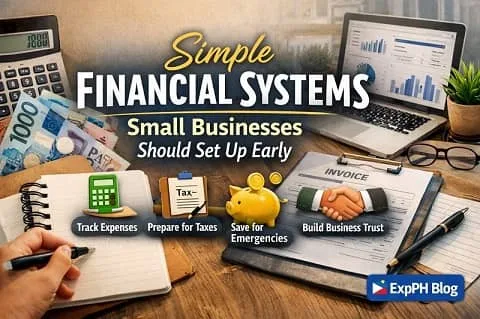
Simple Financial Systems Small Businesses Should Set Up Early
Starting a small business is exciting, but it can also feel overwhelming, especially when money starts moving in and out faster than expected. Many small business owners focus heavily on sales, marketing, and growth, while financial organization is often postponed. This delay is one of the most common reasons businesses struggle or fail early.
Setting up financial systems from the beginning is not about being perfect or complicated. It is about clarity, control, and confidence. When your finances are organized early, you make better decisions, reduce stress, and build a business that can grow sustainably.
For Overseas Filipino Workers and aspiring entrepreneurs supporting families back home, strong financial systems are even more important. Remittances, side businesses, and family-run operations need structure to avoid confusion, misuse of funds, and long-term losses.
This guide breaks down the simple financial systems small businesses should set up early, explained in a practical and human-friendly way.
Setting up financial systems is just one part of starting a successful business,
check out How to Start a Home-Based Business in the Philippines and learn how to plan, launch, and manage your business effectively.
Table of Contents

Why Financial Systems Matter from Day One
Financial systems form the foundation of a stable and sustainable business. They show where money comes from, where it goes, and how much remains. Without clear systems, many small businesses rely on assumptions, checking bank balances instead of tracking actual profit, which often leads to missed expenses, unpaid taxes, or hidden debts.
Early financial systems help small businesses stay organized and confident by providing clear records and reliable data. When finances are tracked properly from the start, owners avoid costly mistakes and gain better control over daily operations.
Early financial systems help you:
- Track income and expenses accurately
- Avoid mixing personal and business money
- Prepare for taxes with less stress
- Make decisions based on real numbers
- Build trust with partners and lenders
For OFWs managing businesses remotely or supporting family-run operations, financial systems create transparency and accountability. They allow owners to monitor performance, control spending, and protect hard-earned income, even when they are not physically present.

Separate Business and Personal Finances
Separating business and personal finances is one of the most important steps in building a stable small business. Mixing funds creates confusion and hides the true financial condition of your business. Clear separation improves tracking, decision making, and long term growth. It also protects your personal money from business risks.
Open a Dedicated Business Bank Account
One of the first systems every small business should establish is a separate bank account for business transactions. Using one account for both personal and business expenses leads to confusion, poor tracking, and costly mistakes during tax filing and financial reporting.
A dedicated business bank account helps you:
- Track income and expenses accurately
- Simplify bookkeeping and audits
- Build trust with banks and partners
- Avoid conflicts with family or business partners
Even small home based businesses benefit from this setup. For OFWs, having a separate account makes it easier to monitor cash flow, manage operations remotely, and maintain clear financial records while working abroad.
Set Clear Rules for Owner Withdrawals
Many small business owners treat business funds as personal money, which quickly leads to confusion and financial problems. Without clear rules, it becomes difficult to measure profit and control spending. This habit often results in cash shortages and unstable operations.
To maintain control, establish simple withdrawal rules:
- Decide a fixed schedule for withdrawals
- Set a consistent amount or percentage
- Record every transaction properly
- Avoid unplanned or emergency withdrawals
Following these rules helps you understand your real business performance. It also ensures that your business has enough funds to operate smoothly and grow consistently over time.
1. Basic Bookkeeping System
A basic bookkeeping system keeps your business organized and financially clear. It does not need to be complicated to work well. What matters is consistency and accuracy. When records are updated regularly, you can track performance, control expenses, and make better decisions with confidence.
Track Income and Expenses Consistently
Bookkeeping becomes effective when transactions are recorded on a regular schedule. Delays often lead to missing entries and confusion. Consistent tracking gives a clear view of your business activity and helps prevent errors that can affect financial reports and decision making.
At a minimum, your system should track:
- Daily or weekly income
- Operating expenses
- Fixed costs like rent or subscriptions
- Variable costs like supplies or shipping
You can begin with spreadsheets or simple bookkeeping tools. The priority is accuracy over time. Regular recording prevents backlog, reduces mistakes, and helps you stay in control of your business finances.
Categorize Transactions Properly
Categorizing transactions turns simple records into meaningful financial insights. Instead of listing expenses randomly, group them based on purpose such as marketing, supplies, utilities, or transportation. This approach makes it easier to understand where your money goes and how to manage it.
Proper categorization helps you:
- Identify spending patterns
- Control unnecessary expenses
- Prepare clear financial reports
- Make informed budgeting decisions
For OFW supported businesses, clear categories improve communication and transparency. It becomes easier to explain financial reports, avoid misunderstandings, and maintain trust while managing operations from abroad.

2. Cash Flow Management System
A cash flow management system helps you control how money moves in and out of your business. It ensures you have enough cash to operate daily and avoid financial stress. With proper tracking and planning, you can prevent shortages and keep your business stable.
Understand Cash Flow vs Profit
Many small business owners confuse profit with cash flow, which can lead to serious financial problems. Profit shows what remains after expenses, while cash flow tracks actual money movement. A business may appear profitable but still struggle to pay bills on time.
A simple cash flow system tracks:
- When money comes in
- When payments are due
- How much cash is available
This system is crucial for businesses with delayed payments or seasonal income. It helps you stay prepared, avoid missed obligations, and maintain smooth daily operations without relying on guesswork.
Create a Simple Cash Flow Forecast
A cash flow forecast helps you plan ahead by estimating future income and expenses. It gives you a clear view of upcoming financial needs and prevents unexpected shortages. With regular updates, you can make better decisions and avoid unnecessary financial pressure.
To create a simple forecast:
- List expected income for the next three months
- Include all fixed and variable expenses
- Update figures regularly based on actual results
- Adjust plans if cash flow becomes tight
This approach keeps your business prepared and flexible. It allows you to manage spending wisely and maintain enough cash to support operations and growth.
3. Budgeting System for Small Businesses
A budgeting system helps small businesses plan how money will be used each month. It gives direction and prevents unnecessary spending. Instead of guessing, you assign every amount with purpose. This creates better control, protects cash flow, and supports steady business growth.
Set a Monthly Operating Budget
A monthly budget is a financial plan that guides your spending decisions. It helps you stay focused on priorities while avoiding waste. With a clear structure, you can manage resources wisely and ensure your business remains stable even during slow periods.
Your monthly budget should include:
- Expected income
- Fixed expenses
- Variable expenses
- Savings or reinvestment funds
This system encourages disciplined spending and helps maintain balance. It ensures your business has enough funds for operations while setting aside money for future growth and unexpected needs.
Review and Adjust the Budget Regularly
A budget should change as your business grows and conditions shift. Reviewing it each month allows you to compare planned figures with actual results. This process helps identify problems early and improve financial decisions moving forward.
To keep your budget effective:
- Review income and expenses monthly
- Compare actual results with your plan
- Identify causes of unexpected changes
- Adjust allocations when needed
For OFWs, a clear budget creates alignment with partners or family. Everyone understands how money is used, which reduces confusion and keeps the business running smoothly.
4. Invoicing and Payment Tracking System
An invoicing and payment tracking system ensures your business gets paid on time. It keeps records organized and prevents missed payments. With a simple system in place, you can maintain steady cash flow and build professional relationships with your clients.
Use Standardized Invoices
Using a standard invoice format keeps your records clear and consistent. It also presents your business as professional and reliable. Clear invoices help clients understand what they are paying for and when payment is expected.
A standardized invoice should include:
- Date
- Invoice number
- Client details
- Product or service description
- Payment terms
This system reduces confusion and speeds up payments. It also makes it easier to track transactions and maintain accurate financial records over time.
Monitor Accounts Receivable
Accounts receivable refers to payments that customers still owe your business. Tracking these regularly helps you avoid missed or delayed collections. Without proper monitoring, unpaid invoices can build up and disrupt your cash flow.
To manage receivables effectively:
- Record all issued invoices
- Track due dates carefully
- Follow up on overdue payments
- Keep a simple tracking system
This approach ensures that every payment is accounted for. It protects your cash flow and helps maintain a steady stream of income for daily operations.
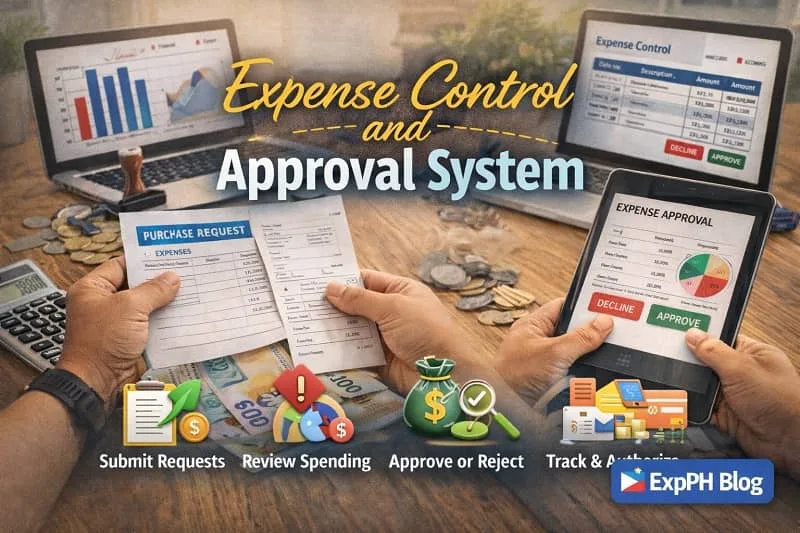
5. Expense Control and Approval System
An expense control system helps small businesses manage spending and avoid unnecessary losses. Without clear rules, costs can increase without notice and affect cash flow. Setting guidelines ensures every expense supports business goals and keeps finances stable and well organized.
Set Spending Limits and Rules
Small businesses often lose money through unplanned or excessive spending. Clear rules create accountability and prevent misuse of funds. By setting limits and defining approval steps, you ensure that every expense is necessary, recorded properly, and aligned with your business priorities.
Clear spending rules should cover:
- Who is allowed to spend
- Maximum spending limits
- Required approval process
This system improves discipline and reduces financial risk. It also helps maintain control when multiple people handle business expenses, especially in family run or OFW supported operations.
Keep and Organize Receipts
Receipts are essential for proving expenses and maintaining accurate financial records. Keeping them organized makes bookkeeping easier and ensures you are prepared for tax filing. Whether stored digitally or physically, they should always be accessible and properly categorized.
A strong receipt system helps you:
- Verify business expenses
- Support tax filings
- Reduce bookkeeping errors
- Save time during audits or reviews
In the Philippines, proper record keeping is required by the Bureau of Internal Revenue. Registered businesses must maintain books of accounts and supporting documents to stay compliant and avoid penalties.
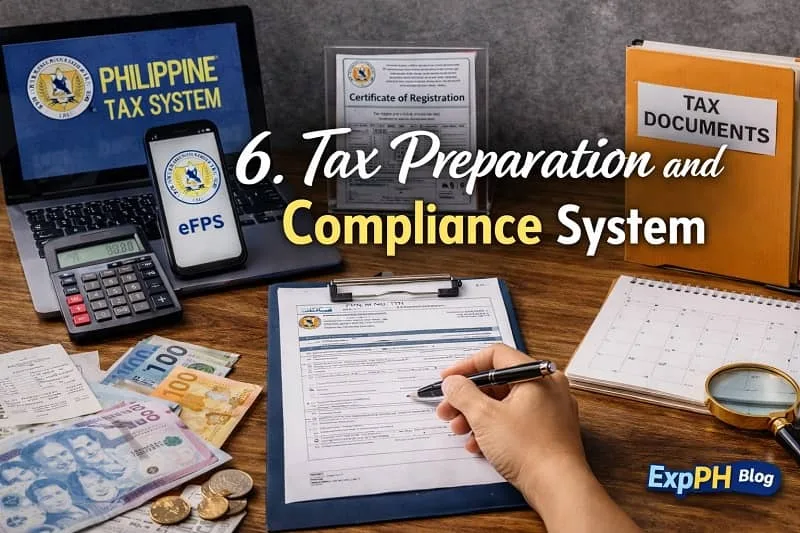
6. Tax Preparation and Compliance System
A tax system helps you stay compliant and avoid penalties that can harm your business. Planning early reduces stress and prevents last minute issues. With proper tracking and preparation, you can meet obligations on time and keep your business legally secure.
Know Your Tax Responsibilities Early
Taxes are a required part of running any business. Ignoring them can lead to penalties and serious financial problems. Understanding your responsibilities early allows you to prepare properly and avoid costly mistakes that may affect your operations.
A basic tax system includes:
- Tracking taxable income
- Setting aside funds for taxes
- Keeping complete financial records
This approach builds discipline and reduces pressure during filing periods. It ensures your business remains compliant while maintaining stable financial management throughout the year.
Schedule Regular Tax Reviews
Waiting until tax season can create stress and increase the risk of errors. Regular reviews help you stay updated on your financial position and prepare for upcoming payments. This habit keeps your records accurate and your obligations manageable.
To stay on track:
- Review tax records monthly or quarterly
- Check income and expenses regularly
- Estimate upcoming tax payments
- Adjust plans based on financial changes
For OFWs managing businesses in the Philippines, this system provides clarity and control. It helps ensure smooth coordination with family or partners handling daily operations.
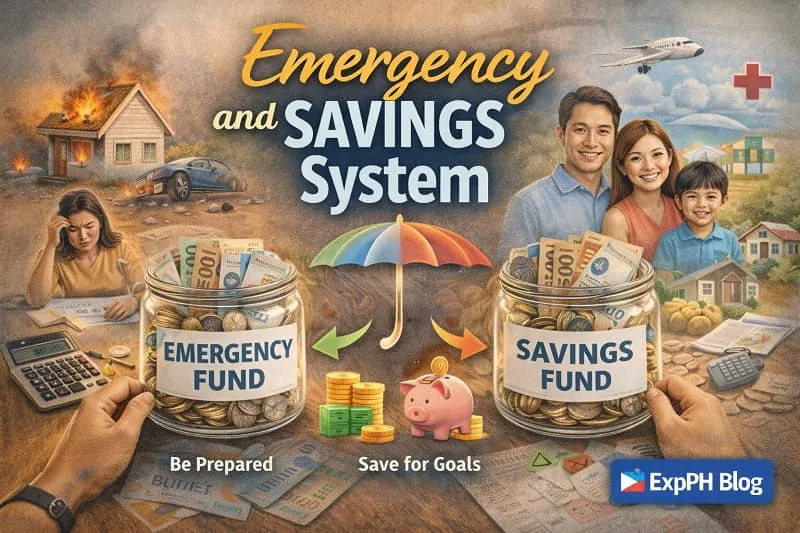
7. Emergency and Savings System
An emergency and savings system protects your business from unexpected financial problems. Sudden expenses or slow sales can disrupt operations if you are unprepared. Building a reserve ensures stability and reduces stress, allowing your business to continue operating even during difficult periods.
Build an Emergency Fund for the Business
Every business faces unexpected costs such as repairs, delayed payments, or sudden increases in expenses. An emergency fund provides a safety net that keeps operations running without interruption. It allows you to handle problems without relying on debt or personal money.
To build a strong emergency fund:
- Save at least three months of operating expenses
- Set aside funds regularly
- Treat savings as a fixed priority
- Use the fund only for real emergencies
This system strengthens financial security and gives you confidence to manage risks while maintaining steady operations.
Separate Savings from Operating Funds
Emergency savings should always be kept separate from your daily business funds. Mixing them increases the risk of accidental spending and weakens financial discipline. A clear separation ensures that your reserve remains untouched and available when truly needed.
To protect your savings:
- Use a separate bank account
- Label funds clearly as emergency savings
- Avoid using savings for daily expenses
- Monitor balances regularly
This approach builds strong financial habits and supports long term stability. For OFW funded businesses, it ensures remitted money is preserved for its intended purpose.
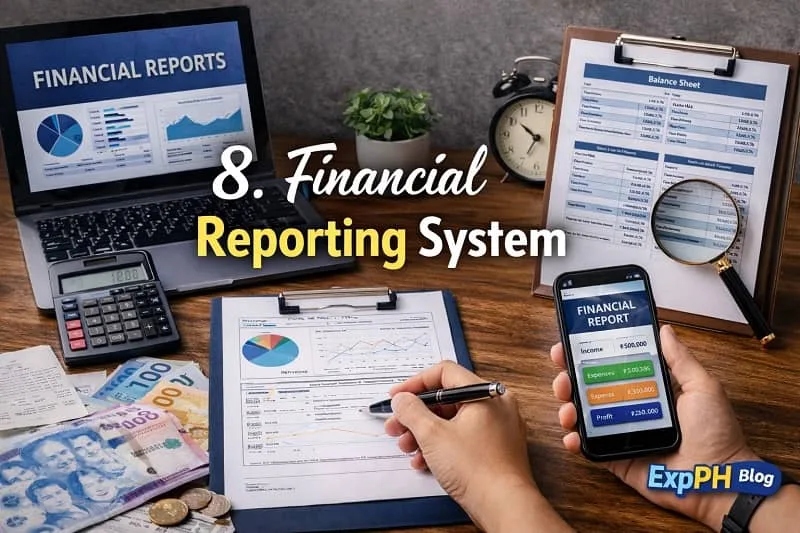
8. Financial Reporting System
A financial reporting system helps you understand how your business is performing. Regular reports provide clear insights into income, expenses, and overall financial health. With consistent review, you can identify problems early and make informed decisions to improve results.
Review Simple Financial Reports Monthly
Financial reports do not need to be complex to be useful. Reviewing a few key reports each month gives you a clear picture of your business performance. This habit helps you stay informed and take action before small issues become serious problems.
At a basic level, review:
- Income statement
- Expense summary
- Cash balance
These reports show how your business earns, spends, and manages money. Regular checks improve awareness and help maintain control over your financial situation.
Use Reports for Decision Making
Financial reports are not just records, they are tools for making smarter decisions. By reviewing them regularly, you can plan ahead, control costs, and identify opportunities for growth. Clear data supports confident actions that strengthen your business.
Use your reports to decide:
- When to invest or expand
- Which products or services perform best
- Where expenses can be reduced
This habit builds consistency and improves long term results. It helps ensure your business remains stable while creating opportunities for sustainable growth.

Learning to Build Better Financial Systems
Building strong financial systems starts with learning the right skills early. Many small business owners face problems not from lack of effort, but from limited financial knowledge. Developing these skills helps you avoid mistakes and create a stable foundation for long term growth.
Build Skills Before the Business Grows
Many business owners struggle because they start without understanding basic financial principles. Learning accounting, budgeting, and cash flow management early helps you make better decisions. It prevents costly errors and prepares your business for growth with clear and organized systems.
Focus on building these core skills:
- Basic bookkeeping and record keeping
- Budget planning and expense control
- Cash flow management
- Financial decision making
Learning these areas early improves confidence and control. It allows you to manage your business properly instead of reacting to problems as they appear.
Use Practical Learning Resources
Structured learning can make financial systems easier to understand and apply. Online platforms like Udemy offer beginner friendly courses that guide you step by step. These lessons focus on real business situations, making them practical and easy to follow.
When choosing a learning resource, look for:
- Clear step by step lessons
- Real world examples
- Simple financial explanations
- Practical exercises or templates
Choosing the right resource helps you build systems correctly from the start. This approach saves time, reduces mistakes, and supports long term business stability.

Common Financial System Mistakes to Avoid
Avoiding common financial mistakes is just as important as building good systems. Many small businesses struggle not because of poor sales, but because of weak financial habits. Recognizing these mistakes early helps you stay organized, reduce risks, and maintain long term stability.
Delaying Financial Organization
Waiting to organize finances until the business grows is a costly mistake. Financial systems are easier to manage when transactions are still simple. Starting early builds strong habits and prevents confusion as your business becomes more active and complex over time.
To avoid this mistake:
- Set up basic systems immediately
- Record transactions from the start
- Keep documents organized early
- Review finances regularly
Early organization creates structure and control. It allows your business to grow smoothly without dealing with messy records or financial confusion later.
Relying on Memory Instead of Records
Relying on memory instead of written records often leads to mistakes and misunderstandings. Small transactions may seem easy to remember, but they quickly add up and become difficult to track. Proper documentation ensures accuracy and protects your business from disputes.
To stay accurate and organized:
- Record every transaction consistently
- Keep receipts and supporting documents
- Use simple tracking tools or logs
- Review records frequently
This habit improves clarity and accountability. It also makes it easier to explain financial data to partners, family members, or anyone involved in your business.
Ignoring Financial Data
Tracking financial data is not enough if you never review it. Many business owners collect numbers but fail to use them for decision making. Without regular review, problems can go unnoticed and grow into serious financial issues.
To make your data useful:
- Set a monthly review schedule
- Analyze income and expenses
- Identify unusual changes or trends
- Take action based on findings
Regular review helps you stay informed and proactive. It supports better decisions and keeps your business financially healthy over the long term.

Financial Systems for OFW-Owned and Family-Run Businesses
Financial systems are essential for OFW owned and family run businesses where responsibilities are shared across locations. Clear processes reduce misunderstandings and protect relationships. With proper systems, both the owner and family members can manage finances with confidence and maintain long term stability.
Maintain Transparency and Accountability
OFW owned businesses often depend on family members to handle daily operations. Without clear systems, confusion and mistrust can develop. Transparent financial practices ensure that everyone understands how money is used and help maintain accountability even when the owner is working abroad.
To maintain transparency:
- Share regular financial reports
- Record all expenses consistently
- Set clear spending rules
- Review finances together when possible
This approach builds trust and prevents conflict. It ensures that all parties stay aligned and responsible while managing the business from different locations.
Align Business Goals with Family Goals
A strong financial system connects business decisions with family priorities such as education, housing, or future plans. When finances are organized, it becomes easier to allocate resources in a way that supports both business growth and family needs.
To align goals effectively:
- Define clear financial priorities
- Set shared short and long term goals
- Allocate funds based on priorities
- Review progress regularly
This system creates balance and direction. It turns the business into a reliable source of support and progress instead of stress, helping both the business and the family grow together.

FAQs About Simple Financial Systems Small Businesses Should Set Up Early
What are financial systems in a small business?
Financial systems are structured ways to track income, expenses, cash flow, savings, and taxes so business owners can manage money clearly and confidently.
Why should small businesses set up financial systems early?
Setting up financial systems early prevents confusion, improves decision making, reduces financial mistakes, and builds a strong foundation for sustainable business growth.
What is the most important financial system to start with?
Separating personal and business finances is the most important starting system because it creates clarity, accurate records, and better financial control.
Do small businesses need accounting software right away?
Small businesses do not need complex software immediately, but they must consistently track income and expenses using spreadsheets or simple tools.
How do financial systems help with cash flow problems?
Financial systems help monitor cash inflows and outflows, identify shortages early, plan expenses properly, and prevent running out of money unexpectedly.
How often should financial records be updated?
Financial records should be updated daily or weekly to maintain accuracy, avoid backlog, reduce errors, and make financial reviews easier and faster.
Can financial systems help OFW-owned businesses?
Financial systems help OFW-owned businesses by improving transparency, tracking remitted funds, monitoring performance remotely, and preventing misuse of business money.
What common mistakes do small businesses make with financial systems?
Common mistakes include mixing personal and business funds, delaying record keeping, ignoring reports, and making decisions without reviewing financial data.
How do financial systems support business growth?
Financial systems support growth by revealing profitable areas, controlling expenses, improving cash flow planning, and guiding smarter investment and expansion decisions.
Is budgeting necessary for very small businesses?
Budgeting is necessary even for small businesses because it controls spending, prioritizes expenses, prevents cash shortages, and supports long-term financial stability.
Conclusion: Build Financial Systems That Support Growth
Financial systems are not about complexity or advanced tools. They are about clarity, discipline, and long-term stability. When finances are organized, business owners understand how money moves, where it is spent, and what remains. Clear systems reduce stress and remove guesswork. They also help owners respond quickly to problems and opportunities. Instead of reacting late, businesses can plan ahead with confidence. This clarity allows small businesses to operate with purpose, even during uncertain periods or slower seasons.
By setting up simple financial systems early, small businesses gain better control over cash flow and daily decisions. Risks are reduced because problems are spotted sooner. For OFWs and local entrepreneurs, these systems protect hard-earned income and support family goals. Starting with basic systems and improving them over time creates a strong foundation for growth. Financial systems do not just support business operations. They support stability, progress, and a more secure future.
These related readings complement the discussion above and may help deepen your understanding.
Financial Systems Quiz for Small Business Beginners
Test your understanding of Simple Financial Systems Small Businesses Should Set Up Early.
Results


#1. What is the main purpose of financial systems?
#2. Which system should be set up first?
#3. Why separate personal and business money?
#4. What does cash flow track?
#5. What helps prevent overspending?
#6. Why is bookkeeping important?
#7. What should invoices include?
#8. What supports tax readiness?
#9. Why build business savings?
#10. How do reports help owners?
Want to learn more practical business skills like this?
Your time and effort matter, and every step you take toward better financial systems strengthens your business future. We would love to hear from you. Please comment below and share your quiz experience with us.

A Filipino web developer with a background in Computer Engineering. Founder of ExpPH Blog and ExpPH Business Guide, creating practical content on OFW guidance, business, finance, freelancing, travel, and lifestyle. Passionate about helping Filipinos grow, he shares insights that educate, empower, and inspire readers nationwide.