

Best OFW Success Habits to Build in 2026

Overseas Filipino Workers have long been known for resilience, sacrifice, and strong commitment to their families. As global work environments continue to change, building the right habits becomes even more important. Success in 2026 will not rely on luck or location alone. It will depend on discipline, adaptability, and intentional daily actions that guide how OFWs manage work, finances, and personal growth while abroad.
This guide explores the most important OFW success habits to build in 2026. These habits are practical, realistic, and shaped by real OFW experiences across different countries and industries. Whether you are newly deployed or already years into your overseas journey, these habits can help protect your income, strengthen your skills, and prepare you for a more secure future for yourself and your family.
Why OFW Success Habits Matter More in 2026
The world of overseas work is changing rapidly. Automation, digital skill requirements, rising living costs, and evolving labor policies now affect OFWs more directly than before. Relying on hard work alone is no longer enough. Consistent, smart decision-making has become essential for long-term stability.
OFW success habits function as a personal system that supports daily choices. These habits influence how OFWs earn, save, learn, and plan for the future. Strong habits allow progress even during challenging periods, while weak habits can cause financial setbacks despite high income.
Building OFW success habits early helps create stability, clear direction, and personal confidence. This is especially important for OFWs who plan to return home, start a business, shift to freelancing, or prepare for retirement in the Philippines.

Habit 1: Building a Clear Financial System, Not Just Saving Money
Building a clear financial system is one of the most important OFW success habits. Income abroad can be high, but without structure it can disappear quickly. A system gives direction to every peso, helping OFWs balance daily needs with long-term goals.
Understanding the Difference Between Saving and Financial Systems
Many OFWs save money, but not all follow a clear system. Saving alone is passive and often inconsistent. A financial system is intentional and structured. It directs income toward priorities before spending happens, helping OFWs stay in control.
A strong financial system includes budgeting, emergency funds, debt management, and long-term goals. This habit reduces impulse spending, lowers financial stress, and ensures income is used with purpose instead of being lost to unplanned expenses.
Daily and Monthly Money Discipline for OFWs
Successful OFWs treat money management as a routine, not a one-time task. This means reviewing expenses weekly, tracking remittances, and adjusting budgets based on real living costs abroad.
A helpful starting point is learning basic financial literacy from trusted institutions. The Bangko Sentral ng Pilipinas provides official financial education resources designed for Filipinos, including OFWs, covering savings, investments, and money protection.
Understanding these basics helps OFWs avoid scams, control debt, and make informed decisions.

Habit 2: Making Continuous Learning a Non-Negotiable Routine
Making continuous learning a daily habit helps OFWs stay prepared for change. Skills protect income, open new opportunities, and improve confidence. Learning regularly allows OFWs to grow beyond their current roles and plan for better career options over time.
Why Learning Is One of the Core OFW Success Habits
The most successful OFWs do not stop learning after deployment. They treat learning as protection for their future. New skills increase earning potential, improve job security, and support career movement across industries and locations.
In 2026, learning is no longer optional. It is how OFWs remain competitive and relevant. Many industries now demand updated skills due to automation and digital processes, making continuous learning a long-term advantage.
Learning Even With Limited Time
Many OFWs work long hours, but learning does not require full-time study. Even 20 to 30 minutes each day can create meaningful progress over a year when learning is consistent.
Learning habits work best when goals are specific. Instead of saying you want to learn more, successful OFWs choose one skill and practice it regularly until it becomes part of their routine.
Practical Skill Development Through Online Courses
One effective way to build this habit is through structured online courses that fit flexible schedules. Platforms like Udemy offer courses on freelancing, digital skills, financial management, business, and career growth that OFWs can take at their own pace.
After understanding why continuous learning matters and identifying a skill aligned with your long-term goals, Udemy can support structured and flexible learning.
This works well for OFWs because courses are affordable, accessible globally, and focused on practical skills rather than theory.

Habit 3: Treating Time as a Limited Asset
Treating time as a limited asset helps OFWs protect their energy and focus. Overseas work often demands long hours, making free time valuable. Using time with intention supports learning, planning, and recovery, which all contribute to steady progress and better long-term outcomes.
The Hidden Cost of Unplanned Free Time
Time is often underestimated by OFWs. After long shifts, it is easy to fall into passive habits like endless scrolling or unstructured rest. Rest matters, but successful OFWs balance recovery with purposeful activities that support future goals and personal growth.
Creating a Simple Weekly Structure
This habit does not require strict schedules or rigid routines. A simple weekly structure is easier to follow and maintain. For example:
- One day for financial review
- One or two evenings for learning
- One block of time for rest and personal connection
Over time, this structure reduces stress, improves focus, and supports consistent progress without leading to burnout or exhaustion.
Habit 4: Strengthening Emotional and Mental Resilience
Strengthening emotional and mental resilience helps OFWs stay stable during challenges. Working far from home brings stress, uncertainty, and pressure. This habit supports clearer thinking, better decisions, and emotional balance, allowing OFWs to handle difficulties without losing focus on long-term goals.
Why Mental Strength Is Part of OFW Success Habits
Homesickness, isolation, cultural differences, and pressure to provide are common OFW challenges. Ignoring emotional health often leads to poor decisions and unhealthy coping habits. Strong OFWs recognize their emotions while maintaining control over actions and responsibilities.
Healthy Coping Strategies That Actually Work
Successful OFWs develop simple coping habits such as journaling, regular communication with family, physical movement, and limiting negative social media content. Mental resilience strengthens patience, decision-making, and focus, especially during demanding work periods or difficult contract situations.

Habit 5: Building Income Protection and Backup Plans
Building income protection and backup plans helps OFWs stay secure during uncertainty. Overseas work carries higher risks from health issues, contract changes, and global events. Preparing in advance reduces financial shock and protects long-term goals when unexpected situations arise.
Preparing for the Unexpected
Illness, contract termination, and global crises affect OFWs more than local workers. One essential OFW success habit is planning for disruption. This includes emergency savings, basic insurance awareness, and realistic backup income ideas that can support expenses during income gaps.
Avoiding Risky Shortcuts
Many OFWs are tempted by high-risk schemes due to urgency or fear. Developing habits of verification, patience, and research helps protect hard-earned income. Careful decision-making reduces losses and keeps financial plans stable even during uncertain periods.
Habit 6: Strengthening Family Financial Communication
Strengthening family financial communication helps OFWs protect both income and relationships. Clear discussions reduce stress and prevent confusion. When families understand financial goals, they are more likely to support responsible decisions that benefit everyone over the long term.
Why Silent Remittances Cause Problems
Sending money without clear agreements often leads to misunderstandings, dependency, and conflict. When expectations are unclear, funds may be misused. Successful OFWs treat remittances as part of a shared financial plan rather than an unlimited source of support.
Creating Clear Expectations With Family
This habit involves setting boundaries, discussing goals, and aligning spending priorities. It is not about being strict. It is about clarity and consistency. Families who understand the plan tend to support long-term stability instead of focusing only on short-term spending.
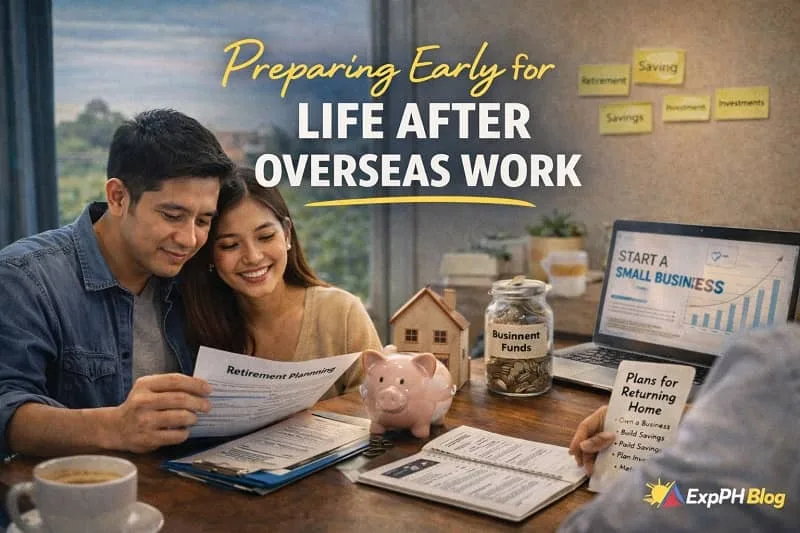
Habit 7: Preparing Early for Life After Overseas Work
Preparing early for life after overseas work helps OFWs avoid rushed decisions later. Planning ahead provides clarity and confidence. This habit allows OFWs to explore options gradually while still earning, reducing pressure when the time comes to transition home.
Thinking Beyond the Current Contract
One defining trait of successful OFWs is future orientation. They do not wait until their final contract to plan ahead. Preparation may include learning new skills, exploring local employment, business planning, freelancing, or gradual steps toward semi-retirement.
Small Steps That Compound Over Time
Small actions create meaningful progress over time. Researching industries, testing side projects, or learning basic business concepts can make transitions smoother. These steps reduce stress and allow OFWs to adjust plans gradually instead of making sudden changes.
Habit 8: Protecting Health as a Long-Term Investment
Protecting health as a long-term investment helps OFWs sustain their income and quality of life. Overseas work can be physically and mentally demanding. When health is prioritized, OFWs maintain energy, focus, and resilience, which supports consistent work performance and long-term financial stability.
Health and Income Are Directly Connected
Medical emergencies can erase years of savings. OFWs who protect their health through proper sleep, nutrition, and preventive care safeguard their ability to work. This habit is not about perfection. It focuses on consistency, awareness, and making better daily choices.
Simple Health Habits That Matter
Small health habits can make a big difference over time, such as:
- Regular movement, even short walks
- Balanced meals within budget
- Paying attention to warning signs
Healthy OFWs work more effectively, think more clearly, and recover faster from stress and physical strain.
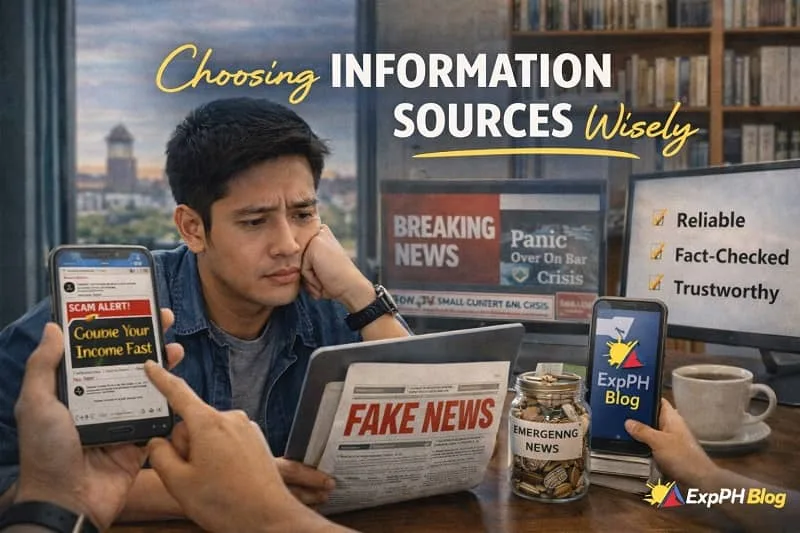
Habit 9: Choosing Information Sources Wisely
Choosing information sources wisely helps OFWs avoid confusion and costly mistakes. The internet offers endless advice, but not all content is reliable. Developing this habit allows OFWs to focus on accurate guidance that supports informed decisions and long-term stability.
Avoiding Misinformation and Fear-Based Content
Not all advice found online is helpful or accurate. Successful OFWs build the habit of verifying information, especially on investments, migration rules, and finances. This reduces fear-driven decisions and protects savings from scams or misleading promises.
Following Educational and Practical Sources
Following educational and practical sources helps OFWs stay grounded. Content that explains options clearly without pressure supports calm thinking. This habit encourages decisions that align with personal goals, financial plans, and realistic long-term expectations.
Habit 10: Practicing Consistency Over Motivation
Practicing consistency over motivation helps OFWs maintain progress even during difficult periods. Motivation often fades due to stress, fatigue, or routine. Consistent habits provide stability, allowing OFWs to move forward steadily without relying on emotional energy or temporary enthusiasm.
Why Motivation Is Not Reliable
Motivation comes and goes depending on mood and circumstances. Habits remain when motivation disappears. Successful OFWs understand this difference. They rely on routines and systems that guide action daily, even when energy is low or challenges feel overwhelming.
Designing Habits That Are Easy to Maintain
Habits are easier to maintain when they are simple and realistic. Small repeatable actions work better than big promises. Over time, consistency builds confidence, discipline, and momentum, leading to steady improvement without pressure or burnout.
How These OFW Success Habits Work Together
These habits are not isolated from each other. They work together to support balanced growth. Financial discipline improves peace of mind. Continuous learning strengthens income security. Time management lowers stress. Emotional resilience supports better decisions, especially during challenges faced while working overseas.
When practiced together, these OFW success habits create a strong and stable foundation for growth. They help OFWs adapt to different work environments and remain focused on long-term goals regardless of location or job type.
Final Thoughts: Building a Stronger OFW Future in 2026
Success for OFWs in 2026 will not come from shortcuts or temporary trends. It will come from habits built with patience and practiced every day. These OFW success habits are realistic and sustainable, shaped by real challenges overseas Filipino workers face. When applied consistently, they create stability, protect income, and support long-term growth despite changing work conditions.
You do not need to build every habit at the same time. Start with one habit and focus on doing it well. Once it becomes part of your routine, move to the next. Over time, these habits strengthen income management, confidence, and decision-making. While the OFW journey is demanding, the right habits make it more purposeful, empowering, and secure.
You may also find these related articles helpful as you continue building healthy habits and balance while working overseas.
- Best Work-Life Balance Tips for Filipinos and OFWs in 2026
- How to Connect with a Filipino Community Abroad
- How to Deal with Homesickness as an OFW
- Balancing Work and Personal Life Abroad
- Weekend Relaxation Tips for OFWs
FAQs About the Best OFW Success Habits to Build in 2026
What are the most important OFW success habits to focus on in 2026?
The most important OFW success habits include disciplined money management, continuous learning, emotional resilience, time management, and early planning for life after overseas employment.
Why are OFW success habits more important now than before?
OFW success habits matter more today because global job competition, higher living costs, and changing labor demands require smarter decisions, adaptability, and long-term planning.
How can OFWs build success habits despite long working hours?
OFWs can build success habits by starting small, using short daily routines, focusing on consistency, and choosing habits that fit their schedule and energy levels.
Which financial habits should OFWs prioritize first?
OFWs should prioritize budgeting, emergency savings, debt control, and clear remittance planning to protect income and avoid financial stress while working abroad.
How does continuous learning help OFWs succeed in 2026?
Continuous learning helps OFWs stay competitive, improve job security, access higher-paying opportunities, and prepare for freelancing, business, or local employment after returning home.
What role does mental health play in OFW success habits?
Mental health supports better decisions, emotional balance, and resilience, helping OFWs handle homesickness, work pressure, and challenges without harming productivity or relationships.
Can OFW success habits help with reintegration in the Philippines?
Yes, OFW success habits support smoother reintegration by building savings, skills, confidence, and realistic plans for employment, business, or retirement in the Philippines.
How can OFWs manage family expectations through better habits?
OFWs manage family expectations by communicating financial goals clearly, setting boundaries, and aligning remittances with long-term plans instead of short-term spending.
Are OFW success habits useful for first-time overseas workers?
Yes, OFW success habits are especially helpful for first-time workers because they prevent costly mistakes, encourage discipline early, and create strong foundations for future growth.
How long does it take to see results from OFW success habits?
Results from OFW success habits vary, but consistent practice often shows financial stability, better decisions, and reduced stress within a few months.
Test your knowledge about the Best OFW Success Habits to Build in 2026 through our quick quiz below.
Results


#1. Which habit protects OFWs from financial emergencies?
#2. Why is continuous learning important for OFWs?
#3. What mindset helps OFWs manage income better?
#4. Which habit improves long-term career options?
#5. What helps OFWs avoid burnout?
#6. Why is time management important for OFWs?
#7. What habit supports smooth reintegration?
#8. How should OFWs handle remittances?
#9. What protects OFWs from misinformation?
#10. What matters more than motivation?
Thank you for taking time to test your knowledge.
Your willingness to learn is already a strong OFW success habit. Share your quiz experience in the comments and let us know which question made you think the most.

A Filipino web developer with a background in Computer Engineering. Founder of ExpPH Blog and ExpPH Business Guide, creating practical content on OFW guidance, business, finance, freelancing, travel, and lifestyle. Passionate about helping Filipinos grow, he shares insights that educate, empower, and inspire readers nationwide.



Pingback: Best OFW Life Planning Checklist for 2026 Complete Pro Guide
Pingback: Best Productivity Habits for OFWs Filipinos Practice 2026.
Pingback: 7 Ways OFWs Can Plan OFW Career Growth Overseas Today Smartly