
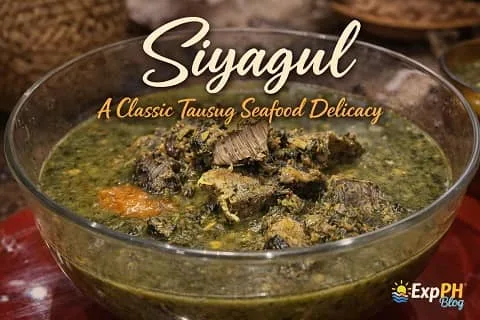
Siyagul A Classic Tausug Seafood Delicacy
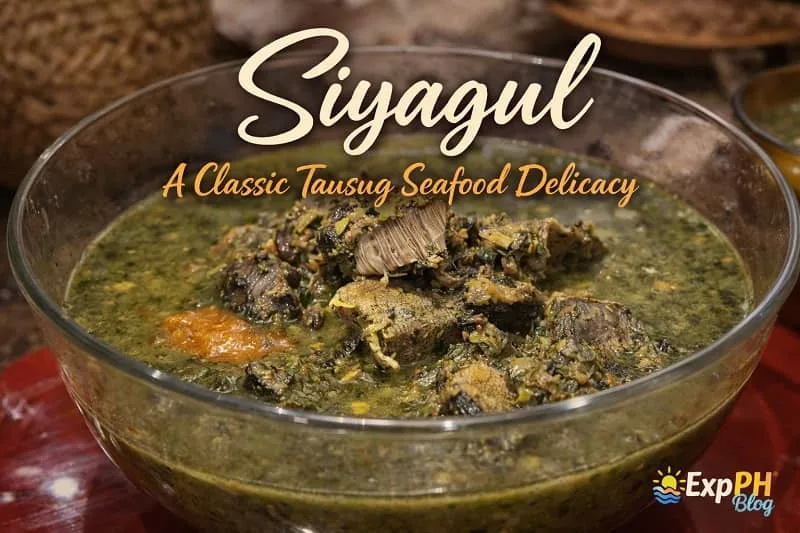
Siyagul is more than just a seafood dish. It is a cultural expression, a culinary tradition, and a reflection of the Tausug people’s deep connection to the sea. Known for its bold yet balanced flavors, Siyagul Tausug seafood highlights how simple ingredients, when treated with respect, can produce extraordinary results.
In Southern Philippines, especially in Sulu, Tawi Tawi, and nearby coastal communities, Siyagul remains a treasured dish passed down through generations. It is commonly prepared using fresh squid and stingray, combined with sharp, aromatic ingredients that bring out the natural taste of the seafood.
This article explores the origins, preparation, variations, cultural importance, and modern relevance of Siyagul Tausug seafood, offering readers a complete understanding of why this dish deserves recognition among the Philippines’ most authentic regional cuisines.
Understanding Siyagul Tausug Seafood
Siyagul Tausug seafood refers to a traditional way of preparing fresh seafood using minimal cooking techniques and bold seasoning. Unlike heavily sauced dishes, Siyagul depends on acidity, gentle spice, and ingredient freshness to shape its clean, vibrant, and authentic coastal character from southern Philippine communities.
At its core, Siyagul focuses on balance and restraint in flavor. The seafood is never overpowered by spices. Instead, vinegar or calamansi enhances natural sweetness of squid or stingray, while ginger, onions, and chilies add warmth, aroma, texture, and depth to every carefully prepared serving.
For the Tausug people, Siyagul Tausug seafood represents practicality, sustainability, and respect for ingredients. Living close to the sea provides daily access to fresh catch, and this dish reflects mindful cooking traditions, ensuring resources are valued, shared, and never wasted within coastal households across generations.
Origins of Siyagul in Tausug Culture
The Tausug people have long depended on the ocean for daily survival and nourishment. Fishing is not only a livelihood but a deeply rooted way of life. Siyagul Tausug seafood emerged from this coastal environment, shaped by necessity, tradition, and generations of practical cooking knowledge.
In earlier times, refrigeration was unavailable in coastal communities. Seafood needed immediate preparation after being caught. Using vinegar and salt helped preserve freshness while enhancing natural flavor. Over time, these simple preservation techniques evolved into the distinctive and well loved Siyagul Tausug seafood dish.
Siyagul Tausug seafood is commonly prepared during family gatherings, communal meals, and special occasions. It symbolizes hospitality, shared heritage, and unity, reflecting the Tausug value of togetherness through food prepared, served, and enjoyed collectively within close knit coastal households.
Why Siyagul Is Considered a Classic Delicacy
Many Filipino dishes become popular because of rich flavors and complex preparation. Siyagul Tausug seafood stands out by embracing simplicity, allowing natural seafood taste to shine. Its restrained approach highlights freshness, balance, and tradition rather than heavy sauces or complicated cooking methods.
The dish avoids expensive ingredients and elaborate techniques. Its strength lies in freshness and careful preparation. Squid must remain tender, stingray must be properly cleaned, and seasoning must stay balanced. Each step requires attention, skill, and respect for the seafood being prepared.
This simplicity elevates Siyagul Tausug seafood into a classic delicacy admired across generations. It shows that great food does not require excess or luxury, only quality ingredients, thoughtful preparation, and a deep understanding of flavor balance rooted in cultural tradition.
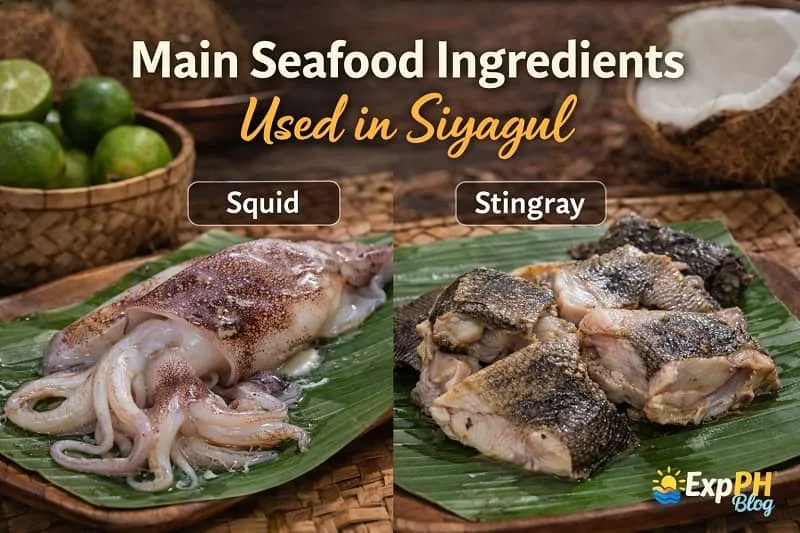
Main Seafood Ingredients Used in Siyagul
Squid in Siyagul Tausug Seafood
Squid is one of the most commonly used seafoods in Siyagul Tausug seafood because of its tender texture and mild flavor. Fresh squid is cleaned thoroughly, lightly cooked or briefly blanched, then sliced into bite sized pieces. Careful cooking prevents toughness and preserves natural sweetness.
In Siyagul Tausug seafood, squid absorbs acidity and spices beautifully, creating a refreshing and satisfying dish. Vinegar, ginger, onions, and chilies enhance the squid’s delicate flavor without overpowering it, resulting in a balanced seafood preparation that feels light, vibrant, and deeply connected to coastal Tausug cooking traditions.
Stingray in Siyagul Tausug Seafood
Stingray is another traditional ingredient in Siyagul Tausug seafood, especially in coastal Tausug communities. Its firm yet delicate texture holds up well against acidic marinades. When prepared properly, stingray meat becomes soft, flavorful, and moist without breaking apart during mixing.
Using stingray in Siyagul Tausug seafood highlights the Tausug people’s resourcefulness and deep knowledge of marine ingredients. It reflects their ability to transform locally available seafood into meaningful dishes that honor tradition, sustainability, and practical coastal cooking wisdom passed down through generations.
Essential Seasonings That Define Siyagul
The flavor of Siyagul Tausug seafood comes from a carefully selected combination of seasonings. Vinegar or calamansi provides acidity, which brightens the dish and balances the richness of the seafood. Ginger adds warmth and helps remove any fishy smell. Onions contribute sweetness and crunch, while chilies bring controlled heat.
Salt is used sparingly to support, not dominate, the taste. The goal is enhancement rather than intensity. Every ingredient plays a clear role, working together to create harmony, balance, and a clean flavor profile that defines the simplicity and authenticity of Siyagul Tausug seafood.
Traditional Preparation Method
Preparing Siyagul Tausug seafood follows a simple process, yet careful attention to detail is essential. Fresh seafood is cleaned thoroughly and cooked briefly, often through grilling or blanching. After cooling, it is combined with vinegar, ginger, onions, chilies, and salt for balanced seasoning.
The mixture is gently tossed and allowed to rest briefly so flavors blend naturally. Siyagul Tausug seafood is best enjoyed fresh, often within the same day of preparation, ensuring optimal taste, texture, and aroma while preserving the dish’s clean, vibrant, and authentic coastal character.
Differences Between Siyagul and Kinilaw
Many people compare Siyagul Tausug seafood to kinilaw, another Filipino seafood dish. Both use vinegar and fresh seafood, but they differ in preparation and regional identity. Kinilaw relies on acidity and spices, while Siyagul Tausug seafood may include coconut milk for added richness.
Siyagul Tausug seafood reflects Tausug culinary philosophy that values balance, simplicity, and respect for ingredients. The addition of coconut milk softens acidity and enhances texture, creating a smoother flavor profile while preserving the natural taste of seafood through careful, traditional preparation methods.
Cultural Importance of Siyagul in Tausug Communities
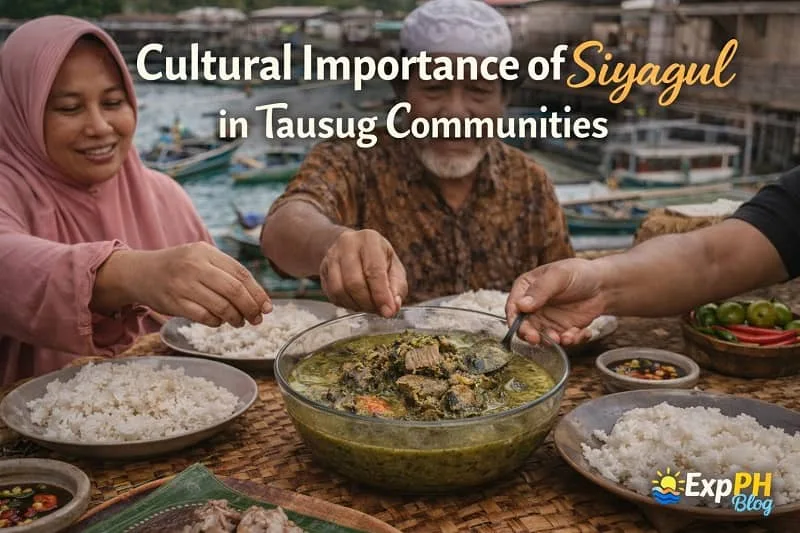
Food plays a central role in Tausug culture, and Siyagul Tausug seafood is no exception. It is commonly served during celebrations, family reunions, and communal meals. Preparing Siyagul together strengthens family bonds, encourages cooperation, and reinforces shared cultural identity within coastal Tausug communities.
For many Tausug families, Siyagul recipes are passed down orally through generations. Younger members learn by observing elders rather than following written instructions. This hands-on tradition preserves authenticity, strengthens intergenerational ties, and ensures cultural knowledge remains alive through daily cooking practices and shared culinary experiences.
Siyagul as Everyday Food and Special Dish
Despite its cultural importance, Siyagul Tausug seafood is not limited to special occasions alone. It is deeply integrated into daily life, reflecting the Tausug people’s close relationship with the sea and their ability to prepare fresh, nourishing meals using simple techniques and locally available ingredients.
Siyagul Tausug seafood is commonly enjoyed as an everyday meal, especially in coastal communities with abundant seafood. This dual role as daily nourishment and celebratory dish highlights its versatility, practicality, and enduring relevance within Tausug households across generations and changing lifestyles.
Health Benefits of Siyagul Tausug Seafood
Siyagul Tausug seafood is naturally healthy because of its light preparation method. It is low in fat, high in protein, and rich in essential nutrients like omega three fatty acids. Ginger supports digestion, while vinegar contributes to gut health and overall digestive balance.
Because it avoids heavy sauces, deep frying, and excessive oil, Siyagul Tausug seafood fits well into balanced and mindful diets. Its clean flavors, nutrient rich ingredients, and minimal processing make it a smart choice for those seeking wholesome, traditional seafood meals.
Modern Interpretations of Siyagul
As Filipino cuisine gains wider global recognition, Siyagul Tausug seafood is appearing in modern kitchens and restaurants. Some chefs add cucumber, mango, or herbs to introduce new textures and refreshing flavors, while others experiment with seafood such as tuna or shrimp.
While these modern interpretations add creativity and visual appeal, the heart of Siyagul Tausug seafood remains unchanged. Fresh ingredients, balanced acidity, and simple preparation continue to define the dish, ensuring tradition is respected even as culinary styles evolve.
Siyagul in Contemporary Filipino Food Culture
Today, Siyagul Tausug seafood is gradually gaining recognition beyond its regional roots in Southern Philippines. Increased interest in regional cuisines has encouraged more people to explore traditional dishes that highlight cultural identity, coastal heritage, and the simplicity of authentic Tausug seafood preparation.
Food bloggers, cultural advocates, and local restaurants play an important role in introducing Siyagul Tausug seafood to wider audiences. Their efforts help preserve Tausug culinary heritage while encouraging respect, awareness, and appreciation for the rich diversity of Filipino regional food traditions.
Challenges in Preserving Traditional Siyagul
Despite growing interest, traditional Siyagul Tausug seafood faces several challenges today. Modern lifestyles, limited access to fresh seafood, and changing food preferences affect its continuity. Younger generations may become unfamiliar with traditional preparation methods, reducing everyday practice and cultural transmission within Tausug households.
Documenting and sharing knowledge is essential to ensure Siyagul Tausug seafood survives for future generations. Writing, teaching, and digital storytelling help preserve techniques, cultural meaning, and history. Community involvement and educational platforms can support awareness, encourage practice, and keep this traditional seafood delicacy alive.
Role of Food Blogs in Cultural Preservation
Platforms like ExpPH Blog play a vital role in preserving dishes such as Siyagul Tausug seafood. By documenting recipes, cultural history, and local context, food blogs help bridge generational gaps and make regional cuisines accessible to a wider, global audience.
This form of digital preservation ensures Siyagul Tausug seafood remains relevant and appreciated over time. Online storytelling keeps traditions visible, supports cultural education, and encourages younger generations to explore, understand, and value authentic Filipino dishes rooted in regional heritage.
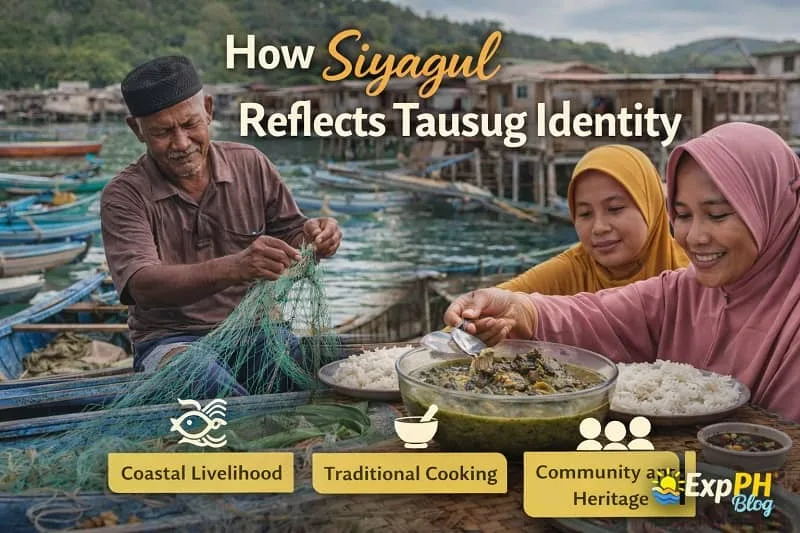
How Siyagul Reflects Tausug Identity
Siyagul Tausug seafood reflects Tausug identity through its simplicity, resilience, and deep respect for nature. The dish tells the story of a coastal people shaped by the sea, relying on traditional knowledge, fresh resources, and balanced flavors to sustain daily life.
Every ingredient and cooking technique in Siyagul Tausug seafood carries meaning rooted in daily routines and shared history. These practices reflect cultural values, practical wisdom, and strong community ties passed down through generations of Tausug families and coastal households.
Serving Siyagul the Traditional Way
Traditionally, Siyagul Tausug seafood is served with freshly steamed rice, allowing the dish’s tangy and savory flavors to shine. The rice balances acidity and spice, making the meal satisfying, comforting, and suitable for both everyday family dining and shared communal meals.
Siyagul Tausug seafood may also be paired with grilled dishes or enjoyed as pulutan during social gatherings. Presentation remains simple, often placed in communal bowls to encourage sharing, conversation, and togetherness, reflecting Tausug hospitality and strong community centered dining traditions.
Why Siyagul Deserves Wider Recognition
Among the many Filipino seafood dishes found across the country, Siyagul Tausug seafood remains underrepresented in mainstream culinary discussions. Despite its long history and cultural importance, it is often overlooked compared to more popular regional dishes and widely commercialized Filipino food specialties.
Its simplicity, cultural depth, and health benefits make Siyagul Tausug seafood deserving of wider recognition. Highlighting this dish helps showcase the richness of Philippine regional cuisines, encourages cultural appreciation, and supports the preservation of traditional food practices from southern coastal communities.
Preserving Authenticity While Embracing Change
As Siyagul Tausug seafood continues to evolve, maintaining authenticity remains important. Cultural roots, traditional techniques, and core ingredients should be respected to preserve identity. Thoughtful adaptation allows the dish to grow while honoring the values and history that define traditional Tausug seafood cooking.
Innovation should respect tradition by protecting the core values of Siyagul Tausug seafood. Balancing preservation with adaptation allows the dish to thrive in modern contexts, remain culturally meaningful, and continue connecting generations through food, heritage, and shared culinary experiences.
Teaching Siyagul to the Next Generation
Passing down knowledge is essential to preserving Siyagul Tausug seafood for future generations. Teaching younger members about ingredients, preparation methods, and cultural meaning helps maintain authenticity while strengthening family traditions and ensuring valuable culinary knowledge continues through everyday practice.
Families, schools, and cultural organizations can support this effort by teaching young people about traditional foodways. Cooking together fosters appreciation, builds skills, and encourages continuity, allowing Siyagul Tausug seafood to remain a living tradition rather than a forgotten cultural memory.
Siyagul as a Symbol of Coastal Life
Siyagul Tausug seafood symbolizes coastal living shaped by the sea and daily survival. It represents how Tausug communities rely on fresh marine resources, practical cooking methods, and shared meals to sustain families while honoring traditions deeply connected to their surrounding natural environment.
It reflects constant interaction with the sea, respect for natural resources, and strong communal values. This symbolism makes Siyagul Tausug seafood more than nourishment, transforming it into a cultural narrative that tells stories of resilience, identity, cooperation, and heritage passed through generations.
Conclusion
The Timeless Appeal of Siyagul Tausug Seafood
Siyagul Tausug seafood stands as a testament to the power of simplicity and tradition. Through fresh ingredients, careful preparation, and deep cultural significance, it represents the heart of Tausug cuisine. In a world filled with fast food and increasingly complex flavors, Siyagul offers a grounding reminder that authenticity, balance, and respect for ingredients can remain timeless, meaningful, and deeply satisfying for generations across families, communities, and shared coastal traditions nationwide.
By sharing and celebrating dishes like Siyagul Tausug seafood, we help preserve not only recipes but also stories, identities, and heritage deeply rooted in Philippine culture. Writing, cooking, and teaching these traditions encourage understanding across regions and generations. When people learn the meaning behind food, they develop respect for cultural diversity and help ensure treasured coastal cuisines continue to thrive well into the future through shared learning and everyday practice.
View more content that may interest you below.
- Junay The Traditional Sulu Dish You Need to Try
- Kiyaliya The Crispy and Savory Fried Beef Rolls of Sulu
- Pyanggang Manok Authentic Tausug Blackened Chicken
- Panganan A Traditional Filipino Sweet Deep Fried Snack
- Kulma Authentic Tausug Style Curry Dish
For research references, click the link below.
- Philippine Regional Cuisines
- Sulu and Mindanao Cultural Heritage
- Seafood and Traditional Food Practices
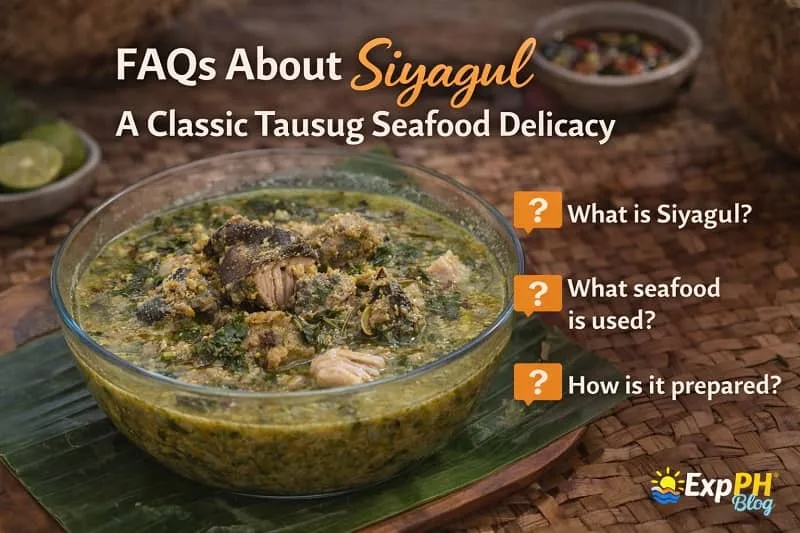
FAQs About Siyagul A Classic Tausug Seafood Delicacy
What is Siyagul in Tausug cuisine?
Siyagul is a traditional Tausug seafood dish made from fresh squid or stingray mixed with vinegar, ginger, onions, chilies, highlighting natural flavors of coastal communities.
Where did Siyagul Tausug seafood originate?
Siyagul Tausug seafood comes from Sulu and nearby islands, where coastal communities rely on fresh catch, simple preparation, and bold seasoning traditions passed down generations.
Why are squid and stingray commonly used in Siyagul?
Squid and stingray are popular because they are abundant, flavorful, tender when cooked briefly, and absorb the vinegar and spices used in Siyagul dishes well within traditional Tausug cuisine.
How is Siyagul different from kinilaw?
Siyagul differs from kinilaw by using fewer ingredients, avoiding coconut milk, and focusing on sharper, cleaner flavors that highlight the seafood itself in Tausug cuisine.
Is Siyagul Tausug seafood healthy?
Yes, Siyagul Tausug seafood is healthy because it is low fat, high protein, lightly prepared, and rich in nutrients from fresh seafood sourced daily locally by coastal Tausug communities.
How is Siyagul traditionally served?
Siyagul is traditionally served fresh with steamed rice, sometimes alongside grilled dishes, and enjoyed during family meals or small community gatherings in coastal Tausug homes.
Are there modern variations of Siyagul?
Yes, modern versions of Siyagul include mango, cucumber, or herbs, but traditional Siyagul Tausug seafood keeps flavors simple and ingredients minimal to preserve authenticity always.
Why is freshness important when making Siyagul?
Freshness is crucial because Siyagul relies on natural seafood taste, minimal cooking, and acidity, which cannot hide spoilage or low quality ingredients in the dish from coastal cooking traditions.
How does Siyagul reflect Tausug culture?
Siyagul reflects Tausug culture by showing respect for the sea, valuing simplicity, sharing food communally, and preserving traditions through everyday cooking practices and family bonds.
How can people learn to cook Siyagul properly?
You can learn Siyagul Tausug seafood by studying traditional methods, sourcing fresh seafood, practicing balance in seasoning, and learning from Tausug communities through shared knowledge.
Test your knowledge about this classic Tausug seafood delicacy
Results


#1. What is Siyagul primarily known as?
#2. Which seafood is commonly used in Siyagul?
#3. Aside from squid, what seafood is traditional in Siyagul?
#4. Which region is Siyagul associated with?
#5. What ingredient provides acidity in Siyagul?
#6. How is Siyagul usually cooked?
#7. What cooking style best describes Siyagul?
#8. Which spice adds warmth to Siyagul?
#9. How is Siyagul traditionally served?
#10. What value does Siyagul represent?
Your curiosity helps keep Filipino food culture alive and appreciated.
Please comment your quiz score and share your experience with us on ExpPH Blog.

A Filipino web developer with a background in Computer Engineering. Founder of ExpPH Blog and ExpPH Business Guide, creating practical content on OFW guidance, business, finance, freelancing, travel, and lifestyle. Passionate about helping Filipinos grow, he shares insights that educate, empower, and inspire readers nationwide.


Pingback: 7 Facts About Tausug Pastil, A Deep Fried Pastry from Sulu.