
Spanish Footprints in Quezon and Marinduque
Colonial architecture, trade routes, early settlements
Introduction
The story of the Spanish Footprints in Quezon and Marinduque begins long before the arrival of large settlements and churches. These provinces served as important links that connected Luzon to the Visayas. With their coastlines facing major waters, traders and missionaries found them ideal entry points. As Spain expanded its colonial system, both Quezon and Marinduque became essential areas for religious conversion, agricultural development, and maritime travel.
Understanding the Spanish Footprints in Quezon and Marinduque includes learning how early communities interacted with missionaries, how barangay leaders adapted, and how settlers embraced or resisted new customs. Although not all changes were peaceful, these interactions eventually shaped the identity of both provinces revealing how these experiences shaped cultural development and strengthened traditions that continue defining community identity.
Early Indigenous Communities and Their First Encounters with the Spanish
Before exploring the deeper Spanish Footprints in Quezon and Marinduque, it is important to recognize that both provinces were home to thriving barangays long before colonial influence arrived. These communities had their own spiritual practices, trade networks, and social structures. Most settlements were located near rivers and coastlines where fishing, farming, and bartering sustained everyday life.
First Contact with Missionaries and Expeditions
Spanish missionaries and soldiers arrived during the late sixteenth century. Their main goals were religious conversion, resource mapping, and territorial expansion. Quezon, which was historically part of the larger province of Tayabas, became a target for evangelization because of its strategic position between Manila and the Bicol region. Missionaries who left strong Spanish Footprints in Quezon and Marinduque documented early local customs, native agriculture, and community leadership structures.
Marinduque, positioned at the heart of the archipelago, attracted missionaries for similar reasons. The island offered a convenient stopover for galleons and smaller trade ships navigating between Luzon and the Visayas. These early encounters laid the foundation for the Spanish Footprints in Quezon and Marinduque that continue to be visible today.
The Role of Religion in Establishing Spanish Influence
No discussion of the Spanish Footprints in Quezon and Marinduque is complete without recognizing the significant role of religion. Spanish colonizers believed that territory could only be fully governed once its people accepted Christianity. This led to the construction of mission stations, chapels, and eventually full sized churches.
Establishment of Parishes and Mission Towns
In Quezon, the early formation of towns such as Tayabas, Sariaya, and Lucban was heavily influenced by religious leadership. Missionaries designed town centers following the Spanish layout known as the plaza complex. The church, municipal hall, and open square were arranged side by side. These town plans remain visible today and are among the strongest Spanish Footprints in Quezon and Marinduque.
Marinduque also experienced rapid development of parishes. Boac, Santa Cruz, and Gasan became towns where stone churches served as spiritual and administrative centers. The presence of these structures indicates how deeply the Spanish Footprints in Quezon and Marinduque shaped local communities.
Colonial Architecture that Shaped the Cultural Landscape
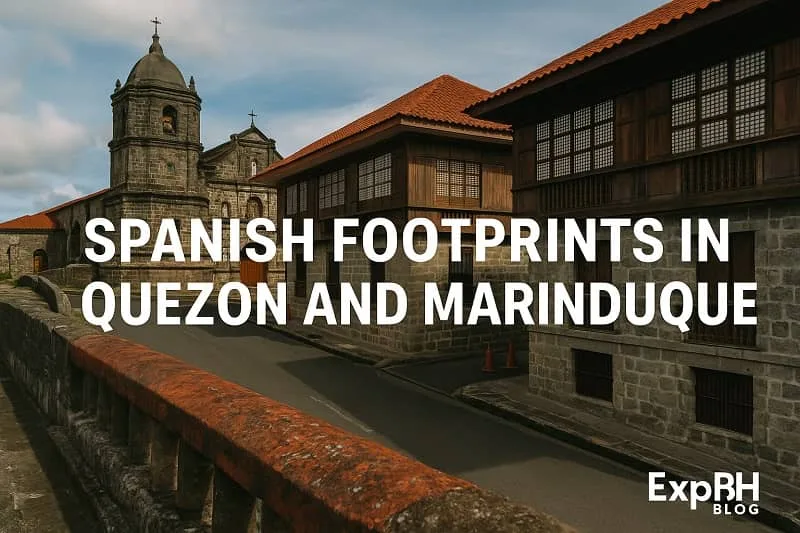
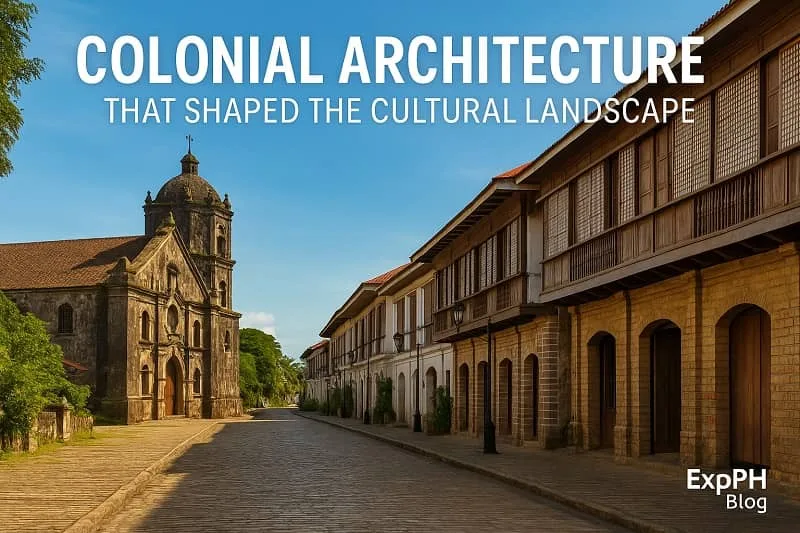
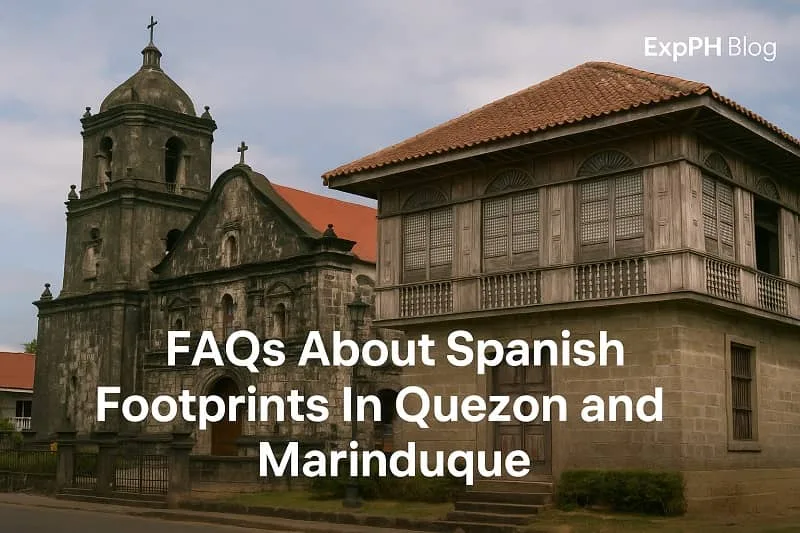
One of the most striking evidence of the Spanish Footprints in Quezon and Marinduque is the architecture. Churches, bridges, old municipal buildings, and ancestral houses continue to stand as reminders of the past. These structures showcase the fusion of European style with Filipino craftsmanship.
Churches as Symbols of Spanish Legacy in Quezon
Quezon province is home to several architectural treasures that highlight the Spanish Footprints in Quezon and Marinduque. Some of the most notable examples are:
- Tayabas Basilica (Minor Basilica of Saint Michael the Archangel):
This grand church is one of the biggest in the country. Its thick stone walls, arched ceilings, and bell tower represent classic Spanish colonial design. The basilica stands as a powerful symbol of the Spanish Footprints in Quezon and Marinduque and remains a major pilgrimage site. - Sariaya Church (Saint Francis of Assisi Parish):
This church combines Baroque architecture with local materials. The nearby ancestral homes in the town center also carry Spanish era influences reflecting how colonial influence shaped local architecture and community identity. - Lucban Church (San Luis Obispo Parish):
This centuries old church is built with volcanic stones and follows a simple yet elegant colonial style showcasing skilled craftsmanship and preserving traditions that continue shaping community identity and honoring its legacy.
These churches continue to shape community identity and reflect how enduring the Spanish Footprints in Quezon and Marinduque truly are by preserving traditions, strengthening cultural pride, supporting unity, and reminding generations of the historical influence that continues shaping their shared identity today.
Colonial Architecture in Marinduque
Marinduque has its own collection of Spanish era structures that highlight the island’s role during colonial times:
- Boac Cathedral (Immaculate Conception Cathedral):
This fortress like church protected residents during Moro raids. Its design clearly illustrates the Spanish Footprints in Quezon and Marinduque, especially in how defense and religion were combined. - Old Stone Houses and Bridges:
Several old houses in Boac and Santa Cruz feature ventanillas, capiz windows, and wide verandas. These architectural elements further emphasize the depth of the Spanish Footprints in Quezon and Marinduque. - Heritage Streets and Town Centers:
The layout of Boac, with its narrow streets and elevated structures, showcases how the Spanish redesigned local communities for administrative efficiency that influenced daily life significantly.
Trade Routes that Strengthened the Spanish Presence
We cannot study the Spanish Footprints in Quezon and Marinduque without understanding the role of trade. Commerce played a key role in connecting these provinces to the rest of the archipelago and to the Spanish colonial economy which strengthened regional growth and created long lasting economic connections.
Tayabas as a Key Trade Hub
Quezon’s historical name, Tayabas, highlights its identity as a route for travelers and merchants. The province became a gateway connecting Manila to Bicol. This made Tayabas an important stopover for goods, travelers, and missionaries. The Spanish Footprints in Quezon and Marinduque can be seen in the network of old roads, bridges, and river ports built during this period.
The most famous example is the Tayabas Bridges, a series of stone arch bridges such as Malagonlong Bridge. These bridges represent remarkable engineering achievements and remain some of the best preserved Spanish structures in Southern Luzon that highlight Spanish engineering excellence.
Marinduque and Maritime Trade
Marinduque’s position along sea routes made it a valuable stop for ships traveling between Luzon and the Visayas. The island provided food, water, and shelter for travelers. Spanish records mention the island frequently, which shows how central it was in colonial logistics during that important historical period.
These connections reveal another layer of the Spanish Footprints in Quezon and Marinduque that shaped local economies, especially in fishing, farming, and ship repair helping communities develop stronger livelihoods and maintain cultural practices that supported economic stability across generations.
Development of Early Settlements Under Spanish Rule
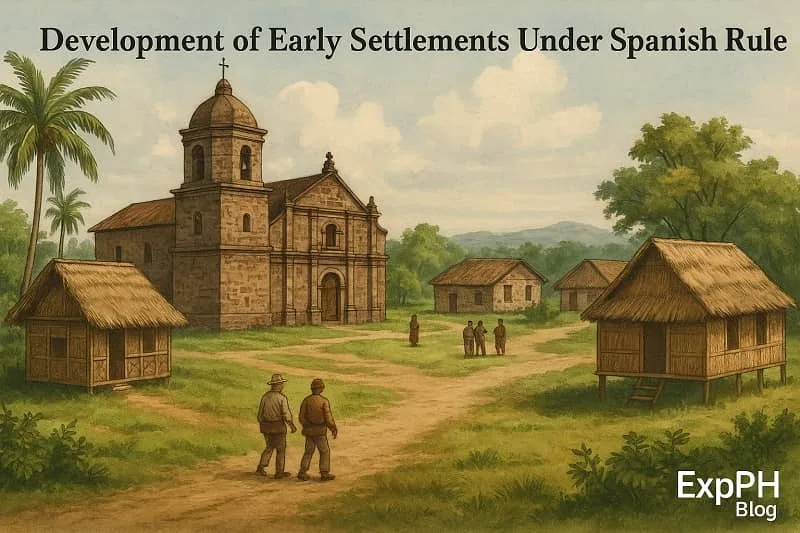
The establishment of pueblos or organized towns is one of the strongest Spanish Footprints in Quezon and Marinduque. Through the policy of reduccion, villagers were encouraged or required to relocate to centralized communities where churches and government buildings were located.
Plaza Complex and Urban Planning
Both Quezon and Marinduque followed the standard Spanish layout where the town plaza served as the heart of community life. Around the plaza, residents would find:
- The church
- The convent
- The municipal building
- The marketplace
- The school
This layout is still visible today and serves as a living reminder of the Spanish Footprints in Quezon and Marinduque showing how historic design continues shaping communities, preserving cultural identity, and reminding future generations of the lasting influence created during colonial times throughout both provinces.
Influence on Daily Life and Local Customs
Daily activities were regulated through religious celebrations, community labor, and agricultural cycles. This influence shaped the values and traditions that remain visible in festivals, family structures, and local governance that continue guiding community practices and strengthening cultural identity today.
The Spread of Education and Literacy
Education played a major role in spreading Spanish influence. Schools were often managed by priests who taught reading, writing, catechism, and arithmetic. While access was limited, it marked the beginning of literacy in various towns laying foundations that influenced future education systems across many towns.
Formation of a Hispanicized Culture
As people learned basic Spanish, some terms entered local languages. Many religious expressions, place names, and family names show the depth of the Spanish Footprints in Quezon and Marinduque reflecting how colonial influence shaped communication and strengthened cultural ties across generations today.
Cultural Traditions Influenced by Spain
The Spanish Footprints in Quezon and Marinduque extend beyond architecture and town planning. Both provinces continue to celebrate cultural traditions rooted in the colonial era highlighting how these practices remain influential in shaping community identity and preserving historical connections today.
Religious Festivals and Catholic Customs
Some examples include:
- Pahiyas Festival in Lucban:
Although heavily influenced by agricultural rituals, it developed stronger Catholic elements during the Spanish period. - Moriones Festival in Marinduque:
This world famous festival blends local creativity with Spanish biblical interpretation creating a meaningful cultural tradition.
Both events represent the vibrant Spanish Footprints in Quezon and Marinduque, giving each community a unique identity showing how these traditions continue shaping community values, strengthening identity, and connecting generations through shared cultural practices and historical appreciation.
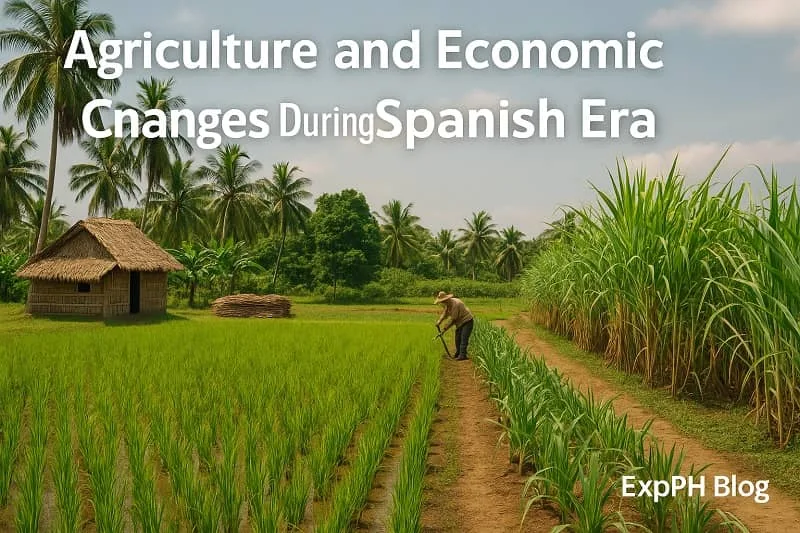
Agriculture and Economic Changes During the Spanish Era
Spanish rule reshaped the farming systems of Quezon and Marinduque. New crops, new methods, and new economic expectations emerged creating widespread adjustments that transformed production practices and influenced community resilience while shaping long term agricultural development throughout both provinces.
Introduction of Cash Crops
Coconuts, abaca, and sugarcane were promoted by Spanish authorities. These crops became major exports that supported local development. The shift in agricultural focus is another example of the Spanish Footprints in Quezon and Marinduque that significantly shaped economic growth and identity.
Land Ownership and Social Hierarchy
The Spanish introduced structured land ownership, which reshaped community relationships. Some families gained prominence while others became tenant farmers. This social shift continues to influence modern community dynamics affecting local identities and shaping evolving social conditions across generations.
Challenges and Conflicts Under Spanish Rule
While the Spanish Footprints in Quezon and Marinduque brought new systems and infrastructure, they also introduced hardship. Forced labor, tribute payments, and religious requirements created tension among residents shaping challenges that influenced community relationships and long term growth.
Local Resistance Movements
People from Quezon and Marinduque joined various uprisings, especially during the Philippine Revolution. These acts of resistance show that the Spanish Footprints in Quezon and Marinduque were met with both acceptance and rebellion revealing their courage and commitment to protecting culture and freedom.
Lasting Legacy of the Spanish Era in Modern Times
Today, the Spanish Footprints in Quezon and Marinduque remain strong. Whether through centuries old churches, celebrated festivals, preserved bridges, or cultural habits, these provinces keep their heritage alive which continue to inspire residents and visitors to appreciate their shared history and cultural identity.
Heritage Tourism and Cultural Appreciation
Many towns now promote heritage walks, storytelling sessions, and traditional crafts. Travelers who explore these destinations gain a deeper appreciation of how the Spanish Footprints in Quezon and Marinduque influenced local identity in many ways that continue shaping community culture and pride.
Preservation Efforts
Local governments and cultural groups continue restoring old houses, churches, and bridges to protect the Spanish Footprints in Quezon and Marinduque for future generations, helping preserve community identity, strengthen cultural awareness, and inspire deeper appreciation for the province’s rich historical legacy.
Conclusion
The Spanish Footprints in Quezon and Marinduque offer a beautiful and meaningful journey into the past. From the architecture of Tayabas Basilica and Boac Cathedral, to the trade routes connecting Luzon and the Visayas, to the festivals and traditions that still shape community life, the influence of Spanish rule is woven into both provinces’ identity.
By understanding these historical layers, readers gain a fuller appreciation of why Quezon and Marinduque are more than just geographic locations that continue inspiring cultural pride today. They are living cultural landscapes where indigenous heritage, colonial experience, and modern Filipino identity come together.
The Spanish Footprints in Quezon and Marinduque remain vibrant, inspiring, and worthy of preservation, reminding everyone that history is not just something to study, but something to celebrate and share as part of a continuing story that shapes communities, strengthens identity, and enriches future generations.
Access more content ideas below.
- The Influence of Islam in Mindanao’s Culture A Legacy of Faith, Identity, and Tradition
- Top 10 Historical Landmarks in the Philippines Tracing the Nation’s Rich Heritage
- History of Tawi-Tawi, Its Culture, and the Legacy of the Bangsamoro
- Top 5 Remarkable Moments in the History of Central Luzon
- Rizal and Cavite History Cradle of Revolution
For source information, click the link below.
- National Museum of the Philippines
- National Historical Commission of the Philippines (NHCP)
- Provincial Government of Quezon
- Provincial Government of Marinduque
FAQs About Spanish Footprints in Quezon and Marinduque
What are the Spanish Footprints in Quezon and Marinduque?
The Spanish Footprints in Quezon and Marinduque refer to historical influences seen in architecture, religion, trade routes, early settlements, cultural traditions, and community structures shaped during the Spanish colonial period.
Why are the Spanish Footprints in Quezon and Marinduque historically important?
They are important because they show how colonial rule shaped architecture, faith, agriculture, trade, settlement patterns, and community life, helping modern Filipinos understand cultural roots and shared heritage.
Which structures represent Spanish Footprints in Quezon and Marinduque?
Notable structures include Tayabas Basilica, colonial bridges, Lucban Church, Boac Cathedral, ancestral houses, and old municipal buildings that reflect strong Spanish era architecture and community planning.
How did religion contribute to the Spanish Footprints in Quezon and Marinduque?
Missionaries introduced Catholicism, established parishes, organized towns, and influenced festivals. These religious practices and community layouts remain visible, forming essential Spanish Footprints in Quezon and Marinduque today.
What role did trade routes play in shaping the Spanish Footprints in Quezon and Marinduque?
Trade routes connected the provinces to Manila, Bicol, and Visayas, encouraging travel, commerce, and cultural exchange. These routes strengthened Spanish presence and influenced settlement growth.
How did early settlements change due to the Spanish Footprints in Quezon and Marinduque?
Settlements became organized pueblos with central plazas, churches, schools, and government buildings. Residents moved closer together, creating stronger communities shaped by Spanish colonial planning.
What cultural traditions reflect Spanish Footprints in Quezon and Marinduque?
Festivals like Pahiyas and Moriones, along with Catholic rituals, community gatherings, and local arts, highlight the lasting Spanish Footprints in Quezon and Marinduque through vibrant cultural expressions.
How did Spanish rule influence agriculture in Quezon and Marinduque?
Spanish authorities introduced cash crops, new tools, organized landownership, and farming systems. These changes supported local economies and expanded agricultural production across both provinces.
Did people resist the Spanish Footprints in Quezon and Marinduque?
Yes. Many residents joined revolts, challenged forced labor, and defended local traditions. Resistance shows that the Spanish Footprints in Quezon and Marinduque involved both acceptance and struggle.
How can tourists explore the Spanish Footprints in Quezon and Marinduque today?
Tourists can visit heritage churches, bridges, ancestral houses, museums, and festival sites. Guided tours and cultural programs offer meaningful ways to appreciate preserved Spanish Footprints in both provinces.
Learning about our history becomes more meaningful when we test what we know.
This short quiz will help you review the key ideas about the Spanish Footprints in Quezon and Marinduque, including architecture, trade routes, early settlements, and cultural influence. Take your time, enjoy each question, and strengthen your knowledge through fun learning.
Results


#1. What shaped many town centers?
#2. What structure symbolizes Spanish heritage in Tayabas?
#3. Which island hosted Moriones Festival?
#4. What guided early settlements?
#5. What church served as a fortress?
#6. What strengthened colonial trade?
#7. What material shaped old houses?
#8. What festival shows Spanish influence?
#9. What helped spread religion?
#10. What improved agricultural output?
Your curiosity keeps our culture alive.
Share your score, invite your friends to try the quiz, and comment about your experience with us. Your voice helps the ExpPH community grow.

A Filipino web developer with a background in Computer Engineering. Founder of ExpPH Blog and ExpPH Business Guide, creating practical content on OFW guidance, business, finance, freelancing, travel, and lifestyle. Passionate about helping Filipinos grow, he shares insights that educate, empower, and inspire readers nationwide.

Pingback: 10 Powerful Maritime History Facts about Masbate and Romblon