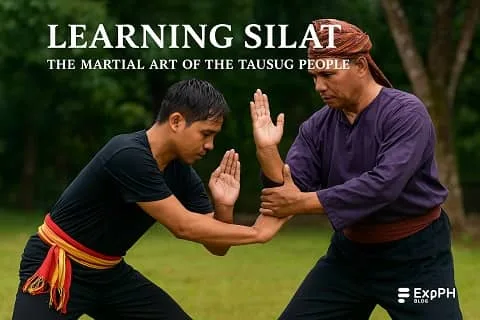
Learning Silat the Martial Art of the Tausug People
Silat is one of Southeast Asia’s most respected martial arts, and within the Philippines, the Tausug people of Sulu have developed their own distinct version known today as Silat Tausug. This fighting art represents more than physical strength. It reflects courage, heritage, discipline, and spiritual grounding. Many Filipinos are familiar with Arnis or Eskrima, yet only a few truly understand how unique and meaningful Silat Tausug is to the Tausug community.
When you choose to learn Silat Tausug, you are not simply studying self defense. You are embracing a cultural tradition shaped by centuries of warfare, tribal life, and honor. The Tausug people have passed this martial art from generation to generation, keeping the techniques, rituals, and values alive through constant practice and storytelling.
In this long form guide, we explore everything you need to know about Silat Tausug. You will learn its history, techniques, training system, philosophy, spiritual foundation, weapons, and its modern role in Filipino culture. By the end, you will understand why Silat Tausug continues to thrive today and why more Filipinos are beginning to appreciate this traditional martial art.
Want to understand the deeper heritage behind Silat Tausug?
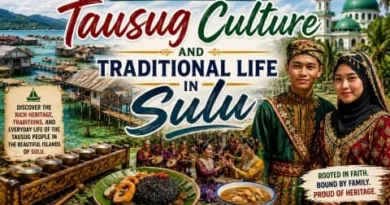
Explore our complete guide to Tausug culture and traditional life in Sulu to learn about the history, traditions, values, clothing, music, food, and warrior identity that continue to shape the Tausug people today.
Table of Contents
Quick Summary (TL;DR)
- Silat Tausug is a traditional martial art of the Tausug people from the Sulu Archipelago in the Philippines.
- It combines self defense, weapon training, discipline, and cultural identity.
- The martial art is known for fast strikes, strong footwork, and practical combat techniques.
- Silat Tausug reflects the warrior heritage and bravery of the Tausug community.
- Training includes empty hand combat, grappling, defensive movements, and traditional weapons such as the barong and kris.
- Beyond combat skills, it teaches patience, humility, respect, spiritual awareness, and self control.
- Many Filipinos are rediscovering Silat Tausug as an important part of Filipino cultural heritage and traditional martial arts preservation.
1. The Origins of Silat Tausug
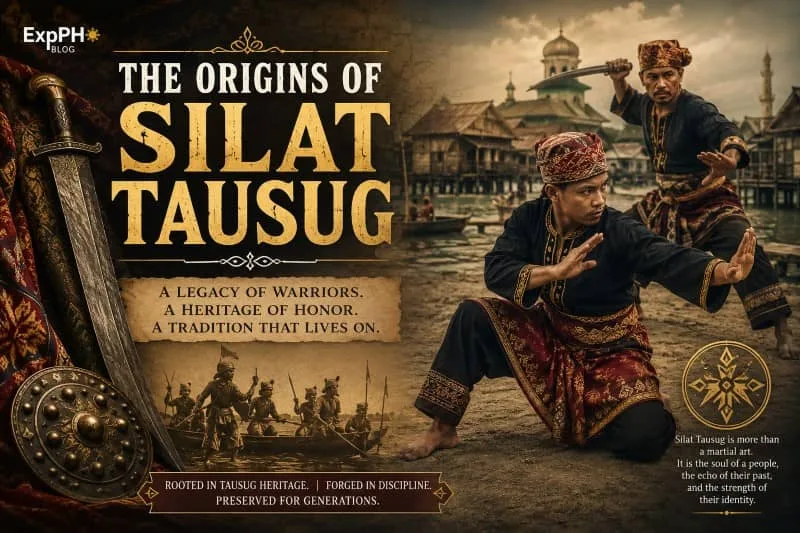
Silat Tausug developed from the long history, traditions, and warrior culture of the Tausug people in the Sulu Archipelago. Shaped by survival, regional influences, and community values, this martial art became an important part of Tausug identity. Its foundations reflect bravery, discipline, defense, and deep cultural heritage passed through generations.
Historical Background of the Tausug People
The Tausug people are native to the Sulu Archipelago, particularly Jolo, Patikul, Indanan, Talipao, and surrounding islands. For centuries, they were known as fierce warriors and defenders of their homeland. Their society valued bravery, honor, and skill in combat. This environment shaped the development of Silat Tausug, a martial system that blends hand to hand techniques, weapon skills, footwork, and spiritual discipline.
As traders and warriors, the Tausug adapted and absorbed influences from neighboring regions. But their identity remained strong, and their martial techniques grew into what we now recognize as Silat Tausug. It became a key part of their culture, used not only for war but also for ceremonies, rites of passage, and personal development.
The Role of Warfare and Defense
Sulu’s history included battles against foreign invaders, pirates, local conflicts, and territorial defense. Because of this, Silat Tausug evolved with a practical purpose. The techniques focus on efficiency, adaptability, and finishing a conflict quickly. For the Tausug, training was a necessity that ensured survival. The young were encouraged to learn Silat Tausug early, not only for protection but also as a way to uphold the warrior spirit.
Influences from Southeast Asia
Although the Tausug developed their own identity, they interacted with Malay, Indonesian, Bruneian, and Bornean cultures. These connections helped shape the foundations of Silat Tausug. Movements in Silat from countries like Indonesia and Malaysia share similarities with Tausug techniques, but Silat Tausug stands out because of its emphasis on strong stances, explosive strikes, and unique transitions designed for close quarter combat.
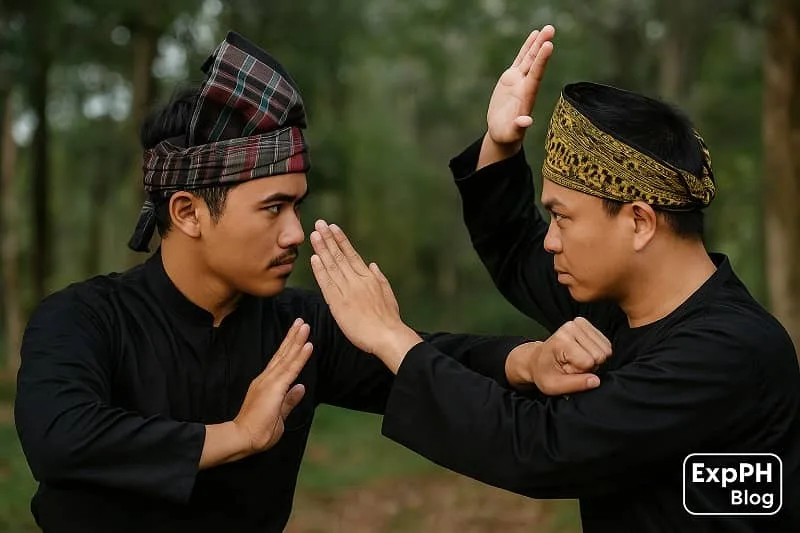
2. Understanding the Essence of Silat Tausug
Silat Tausug represents more than physical combat because it reflects the values, discipline, and cultural identity of the Tausug people. Through training, practitioners develop strength, focus, respect, and spiritual awareness. This martial art continues to guide individuals toward personal growth while preserving important traditions passed down across generations.
Silat Tausug as a Way of Life
For the Tausug, Silat Tausug is more than a martial art. It is a lifestyle that teaches patience, self control, humility, and discipline. Practitioners learn that true strength comes from character and mental clarity, not from aggression. Elders teach that a warrior must be calm, aware, and respectful, guiding students toward lifelong growth, while nurturing deeper cultural awareness and meaningful personal development.
Through consistent practice, students of Silat Tausug develop a deeper connection to their community and heritage. They learn to understand their roots and to appreciate the wisdom of their ancestors, strengthening cultural pride while gaining meaningful guidance that supports personal growth and lasting community unity, helping them honor tradition while building confidence for their future endeavors.
Physical and Mental Benefits
Training in Silat Tausug strengthens the entire body. It improves balance, enhances reflexes, sharpens coordination, and builds stamina. The footwork patterns train the legs while the striking techniques improve upper body strength. Because the art requires constant awareness, it also develops sharp mental focus, supporting disciplined growth in practice.
Students often say that the mindset they gain from Silat Tausug helps them in everyday life. They become more disciplined, more confident, and more resilient, developing stronger focus and emotional balance while learning to manage challenges calmly and build healthy habits that support long term personal growth.
The Spiritual Foundation
Like many traditional martial arts in Southeast Asia, Silat Tausug carries spiritual teachings. It emphasizes respect for God, humility, and protection of the weak. Many Tausug warriors believed that spiritual strength played an important role in combat. This belief continues today, with practitioners encouraged to train with a sincere heart and a clear purpose.
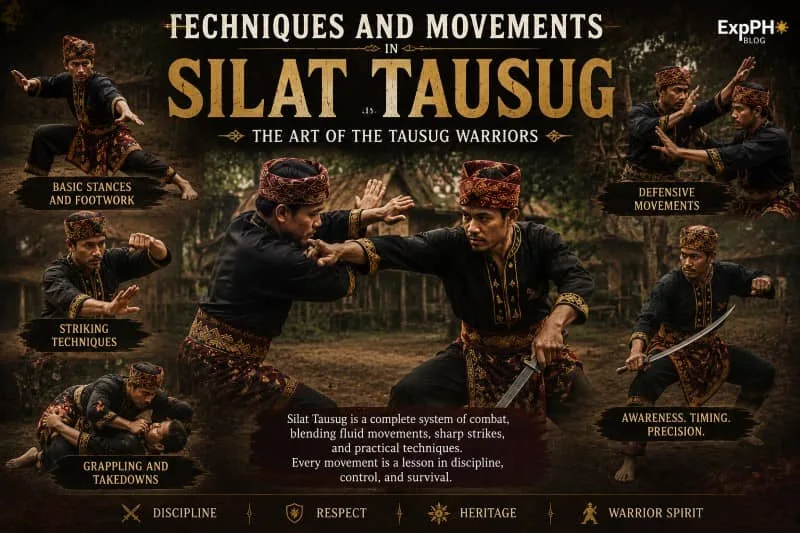
3. Techniques and Movements in Silat Tausug
Silat Tausug uses practical movements designed for close range combat, defense, and survival. Its techniques combine strong stances, fast strikes, controlled grappling, and defensive reactions that improve awareness and discipline. These movements reflect the Tausug warrior tradition while helping practitioners build confidence, coordination, balance, and effective self defense skills.
Basic Stances and Footwork
Stances form the foundation of Silat Tausug. These positions protect the practitioner and create opportunities for offense or defense. Some common stances include low kneeling forms, wide horse stances, and shifting footwork that allows quick movement in any direction, supporting stability during training.
Footwork is essential in Silat Tausug. The Tausug understand that mobility is key to survival. Practitioners learn to move smoothly across different terrains, whether on sand, soil, or uneven surfaces. Good footwork helps avoid attacks and create angles for counterstrikes, improving timing and overall effectiveness consistently.
Striking Techniques
Silat is known for powerful strikes, and Silat Tausug includes punches, palm strikes, elbows, knees, and kicks. Striking is fast and direct, designed to stop an attacker quickly. Because the Tausug often fought in close range, techniques involve minimal wasted movement, ensuring efficiency in demanding encounters, supporting effective responses under pressure.
Elbows and knees are emphasized because they generate force even in tight spaces. This practical approach makes Silat Tausug suited for real life self defense, allowing practitioners to respond quickly, maintain control, and apply powerful techniques effectively even when movement is limited or situations become unpredictable
Grappling and Takedowns
Although striking is important, Silat Tausug also includes grappling and joint control. Practitioners learn throws, sweeps, and locks that can disable an opponent without relying on strength alone. These techniques reflect the Tausug preference for ending fights decisively, highlighting effective methods shaped by tradition, reinforcing discipline and practical understanding.
Grappling in Silat Tausug often begins after a strike. The fighter controls the opponent’s balance, uses leverage, and completes a takedown quickly. Many of these movements are taught slowly at first, then practiced at full speed once the student understands the mechanics, ensuring progress with consistency, building confidence through repeated practice.
Defensive Movements
Defense in Silat Tausug involves blocking, redirecting, evading, and countering. Because the art values awareness, students are trained to read an opponent’s movements and anticipate attacks. Defensive training also includes learning how to escape holds, recover from falls, and regain balance, ensuring readiness in challenging situations.
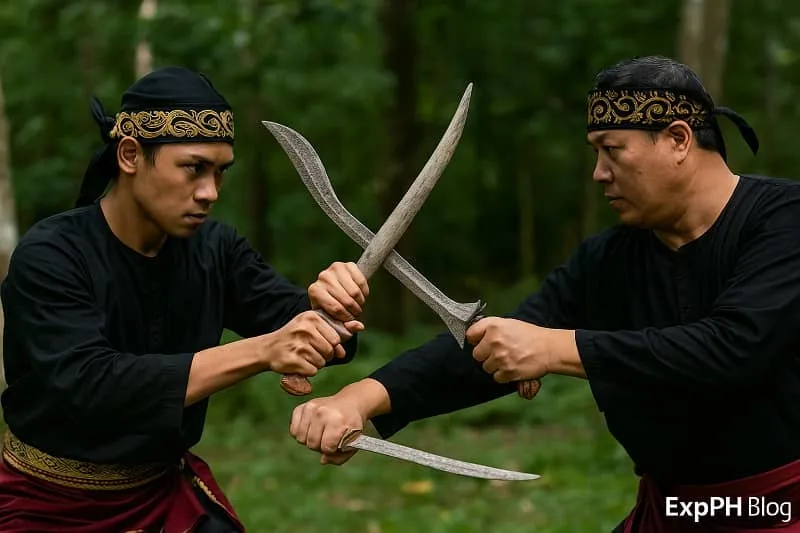
4. Weapons Training in Silat Tausug
Weapons training is an important part of Silat Tausug because it teaches discipline, precision, and practical combat skills. Traditional weapons such as the barong, kris, knives, and spears reflect the warrior heritage of the Tausug people. Through training, practitioners develop coordination, awareness, respect for tradition, and deeper cultural understanding.
The Barong
The barong is the most iconic Tausug blade. This leaf shaped sword is heavy near the tip and delivers powerful cutting strikes. Silat Tausug includes barong techniques that combine footwork and fluid cutting patterns. The barong symbolizes bravery and honor, making it a central part of Tausug culture.
The Kris
The kris is another traditional blade with a wavy or straight pattern. It is known for its piercing ability and is used in thrusting and slashing techniques. In Silat Tausug, the kris is used for both ceremony and combat training, deepening cultural identity, pride, connection, respect, and understanding for practitioners.
The Budi, Spear, and Other Traditional Weapons
Silat also includes shorter knives, staffs, and spears. Each weapon teaches unique skills that reinforce timing, precision, and awareness. When students master empty hand techniques, they can transition more easily into weapon training because the principles remain the same, guiding their progress with confidence.
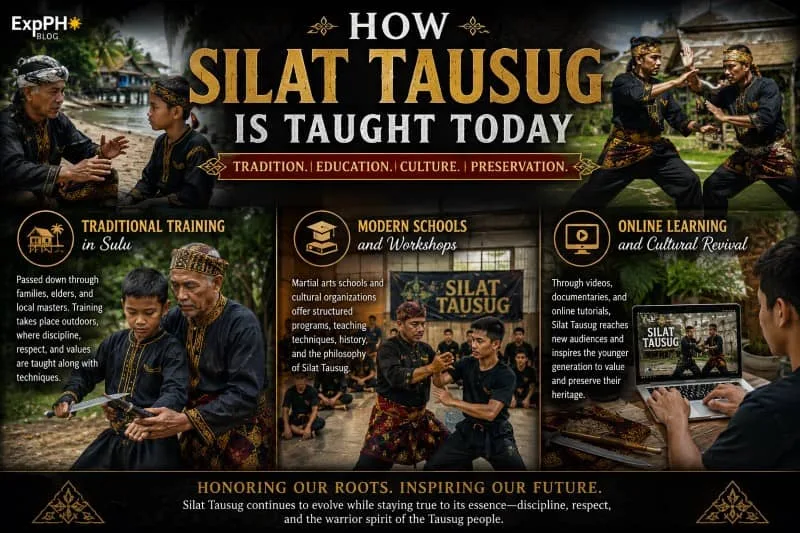
5. How Silat Tausug Is Taught Today
Silat Tausug continues to be taught through traditional family instruction, martial arts schools, workshops, and digital platforms. These teaching methods help preserve Tausug culture while introducing the martial art to new generations. Through both personal mentorship and modern learning resources, practitioners continue to strengthen cultural awareness, discipline, and traditional knowledge.
Traditional Training in Sulu
In Sulu, many families continue to pass down Silat Tausug through informal teaching. Young people learn from uncles, fathers, elders, or local masters. Training sessions often happen outdoors, on the beach, or in open fields. These lessons combine physical practice with cultural storytelling, strengthening tradition for generations.
Modern Schools and Workshops
Across the Philippines, interest in Silat Tausug is growing. Some martial arts schools now include Silat programs, and cultural organizations host workshops to preserve the tradition. These modern programs teach the foundational movements, history, and philosophy in a structured way, supporting learners across communities.
Online Learning and Cultural Revival
With digital platforms, more Filipinos are discovering Silat Tausug online. Videos, documentaries, and tutorials help raise awareness about Tausug culture. Although online learning cannot replace hands on training, it helps spread appreciation for the art, offering guidance to new learners everywhere today consistently.
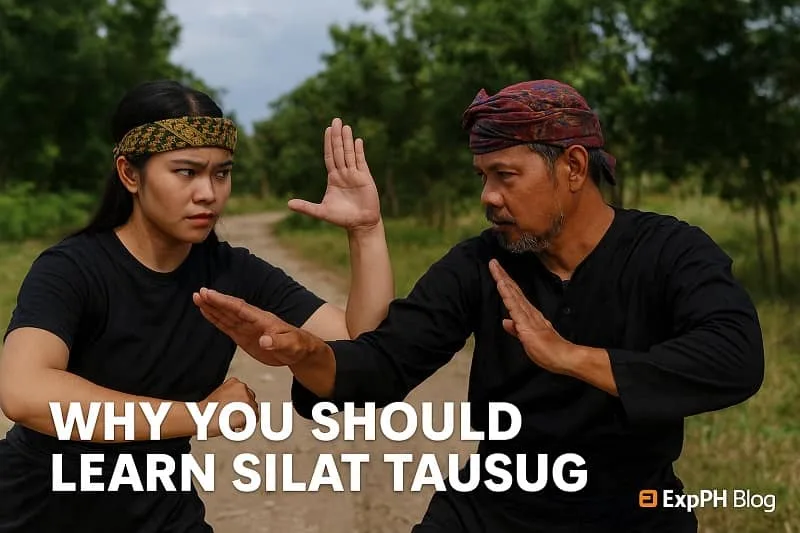
6. Why You Should Learn Silat Tausug
Learning Silat Tausug offers benefits beyond martial arts training because it strengthens self defense skills, discipline, confidence, and cultural awareness. Practitioners gain practical techniques while developing mental focus and personal growth. At the same time, studying this traditional martial art helps preserve the rich heritage and identity of the Tausug people.
A Powerful System for Self Defense
Many people choose Silat Tausug for practical reasons. Its movements work well in real life situations because they focus on speed, awareness, and decisive action. You learn to defend yourself even in narrow or crowded spaces, building confidence and improving your ability to react quickly and effectively, especially during unexpected daily situations.
A Path to Personal Growth
Practicing Silat Tausug teaches patience, confidence, and discipline. You develop physical strength and mental clarity. These qualities help you face challenges in life with greater resilience, enhancing focus determination balance and a deeper appreciation for personal growth and cultural heritage in life.
A Way to Preserve Filipino Culture
By learning Silat Tausug, you help preserve an important part of Filipino heritage. You support the revival of traditional martial arts and contribute to cultural awareness. This is especially meaningful for Tausug youth who want to reconnect with their roots, strengthening identity and inspiring deeper pride in their heritage.
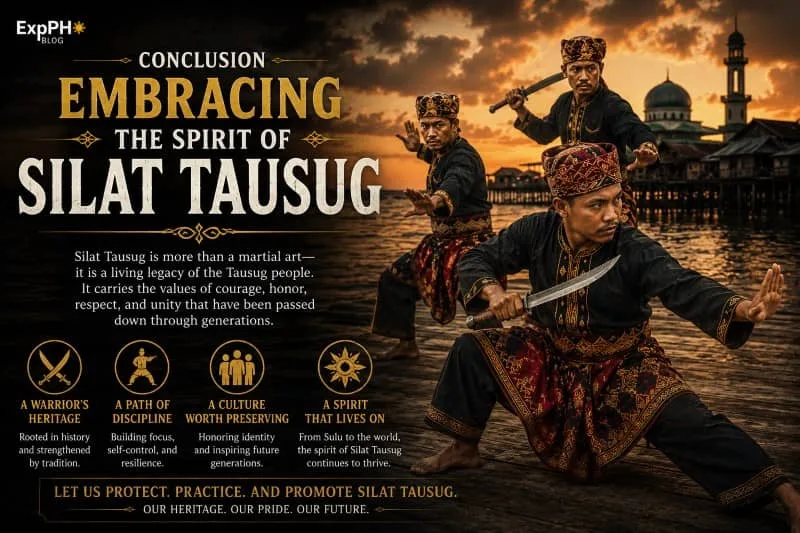
Conclusion Embracing the Spirit of Silat Tausug
Learning Silat Tausug connects you to a powerful Filipino tradition that has survived through centuries. It teaches strength, discipline, respect, and cultural identity. Whether you want self defense, fitness, cultural knowledge, or personal growth, this martial art offers something meaningful. It also deepens appreciation for heritage by encouraging mindful learning, consistent practice, and meaningful connection with the stories and values passed down by generations of dedicated Tausug practitioners over time, enriching personal growth through shared experiences that highlight resilience unity and lasting cultural pride throughout.
As more Filipinos explore their heritage, Silat Tausug continues to shine as one of the most important cultural treasures of the Tausug people. Embrace it with an open heart, train with patience, and honor the wisdom of those who kept the art alive. When you learn Silat Tausug, you become part of a living history that deserves recognition and preservation, strengthening cultural identity while inspiring future generations to value tradition, discipline, community, and the legacy embodied within every Filipino practitioner, supporting continuous learning while fostering deeper appreciation that encourages meaningful engagement with this cultural heritage.
Silat Tausug offers learners a meaningful path to understanding culture while growing in confidence and discipline. By engaging with this tradition, practitioners strengthen personal values and deepen community ties. This connection supports long lasting respect for heritage and encourages future generations to appreciate Filipino identity through mindful study, steady practice, and shared cultural experiences that honor their history and roots, promoting unity resilience and cultural pride that inspire ongoing dedication to preserving meaningful traditions across diverse communities throughout the Philippines.
10 FAQs About Learning Silat, the Martial Art of the Tausug People
1. What is the Tausug martial art and why is it important?
The Tausug martial art is a traditional combat system that teaches self defense, cultural identity, discipline, and spiritual grounding. It preserves heritage while strengthening physical skills and personal values.
2. How did the Tausug fighting style develop in the Sulu region?
The Tausug fighting style developed through centuries of warfare, cultural exchange, and community traditions. The Tausug people refined practical techniques that ensured survival, honor, and protection in daily life.
3. Can beginners with no martial arts experience learn the Tausug combat system?
Yes, beginners can learn the Tausug combat system with patience and consistent practice. Techniques start simple and gradually progress, helping learners build coordination, confidence, strength, and cultural appreciation.
4. What are the basic techniques taught in Tausug Silat training?
Basic techniques include striking, footwork, stances, grappling, and defensive movements. These help learners develop balance, awareness, speed, and reliable self defense skills for realistic situations.
5. Are weapons included in Tausug martial training?
Yes, Tausug martial training includes traditional weapons like the barong and kris. Students first master empty hand skills to ensure coordination, safety, and proper control during weapons practice.
6. How long does it take to become skilled in the Tausug fighting art?
Skill development depends on dedication and consistent training. Regular practice builds strong fundamentals within months, while long term commitment brings deeper understanding of techniques, discipline, and cultural significance.
7. Is the Tausug combat tradition effective for real life self defense?
Yes, the Tausug combat tradition is effective because it focuses on practical movements, quick reactions, and efficient takedowns. These techniques help defend confidently against close range attacks and sudden threats.
8. Can non Tausug individuals learn and practice this traditional fighting art?
Absolutely, anyone who respects Tausug culture can learn this traditional fighting art. Practitioners from all backgrounds are welcome, promoting cultural appreciation, meaningful connection, and preservation of Filipino martial heritage.
9. What physical benefits can students gain from Tausug Silat practice?
Tausug Silat practice improves agility, balance, strength, stamina, and coordination. Training enhances efficient movement while developing mental focus, discipline, and overall confidence in daily activities.
10. Where can people learn the Tausug martial tradition today?
People can learn the Tausug martial tradition in Sulu communities, cultural groups, martial arts schools, and workshops. Online resources also help beginners understand fundamentals and appreciate Tausug combat heritage.
Interested in learning more about the daily life and traditions of the Tausug people?
Read our guide on Inside Traditional Tausug Lifestyle and Community Practices to discover how family values, customs, community traditions, and cultural practices continue to shape Tausug identity across generations.
Continue your curiosity with the section below
- Immersive Pangalay Dance Experience with Tausug Performers
- A Day in a Traditional Tausug Household and Community Life
- Storytelling Sessions with Local Elders in Sulu
For reference access, click the link below
- Wikipedia Silat (overview of Silat martial arts across Southeast Asia)
- ABS-CBN News “Kuntao and Silat Sulu officials want to keep traditional martial arts alive”
- A People’s Martial Art Filipino Martial Arts and Decolonial Praxis
Test your knowledge about Learning Silat, the Martial Art of the Tausug People
This quick quiz helps you understand the culture, techniques, and heritage behind the Tausug fighting tradition.
Results


#1. What is Silat known for?
#2. Where did this martial art develop?
#3. What weapon is iconic in Tausug culture?
#4. What skill is important in Silat?
#5. What quality Silat builds?
#6. What movement is common in training?
#7. What does practice improve?
#8. Who can learn Silat?
#9. What blade is often used?
#10. What value guides students?
We appreciate your time and curiosity
Feel free to comment about your experience and share what you learned with us.

A Filipino web developer with a background in Computer Engineering. Founder of ExpPH Blog and ExpPH Business Guide, creating practical content on OFW guidance, business, finance, freelancing, travel, and lifestyle. Passionate about helping Filipinos grow, he shares insights that educate, empower, and inspire readers nationwide.