
Beekeeping and Honey Production: A Unique Agribusiness Idea for OFWs
Many Overseas Filipino Workers (OFWs) dream of building a stable source of income in the Philippines while working abroad. Some invest in small stores, food businesses, or transportation services, while others look for opportunities connected to agriculture. One growing option that deserves more attention is the OFW beekeeping business.
Beekeeping and honey production offer a unique agribusiness opportunity because they can start small, require manageable land space, and produce products with steady demand. Honey, beeswax, pollen, and other bee-related products continue to attract health-conscious consumers in the Philippines and abroad. For OFWs who want a long-term business that can grow gradually, beekeeping can become both practical and profitable.
Unlike many traditional farming businesses, beekeeping does not always require large farmland or heavy machinery. It can be started in rural areas, backyards, orchards, or farms with flowering plants. With proper planning, training, and patience, OFWs can build a sustainable honey production business that supports their families and future retirement goals.
Looking for more farming and business opportunities aside from honey production? Read our complete guide on Top 10 Profitable Agribusiness Philippines Ideas for Beginners and OFWs and discover more practical agribusiness ideas that can help build long-term income and financial stability in the Philippines.
Table of Contents
Quick Summary (TL;DR)
- An OFW beekeeping business is a low-space agribusiness with growing demand in the Philippines.
- Beekeeping can generate income through honey, beeswax, pollen, and pollination services.
- OFWs can start small while family members manage daily operations.
- Honey production supports agriculture and environmental sustainability.
- Proper training, hive management, and safety practices are important for long-term success.
- Shopee Philippines offers accessible tools and beginner beekeeping equipment for starting the business.
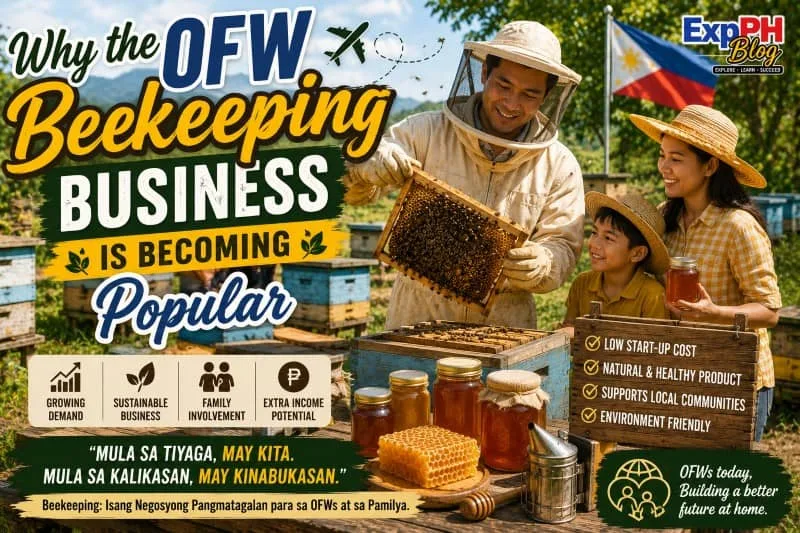
1. Why the OFW Beekeeping Business Is Becoming Popular
Many OFWs are exploring agricultural businesses because they want investments that can continue earning even while they work abroad. Beekeeping has become attractive because it combines food production with sustainable farming. It also offers a manageable business setup that families in the Philippines can operate with proper training.
The demand for honey continues to rise as more consumers look for natural and locally produced products. In the Philippines, honey is commonly sold in markets, online stores, health shops, and tourist destinations. Many households use honey for cooking, drinks, desserts, and traditional wellness practices.
An OFW beekeeping business can also support nearby farms and gardens through pollination. Bees help improve the production of fruits, vegetables, and other crops by transferring pollen between plants. Because of this, beekeeping benefits not only honey production but also the overall health and productivity of agriculture.
Another reason beekeeping appeals to beginners is its flexibility. Small operations can start with only a few hives, allowing new beekeepers to learn gradually before expanding. This setup helps reduce financial risk while giving OFWs enough time to understand hive management and honey production properly.
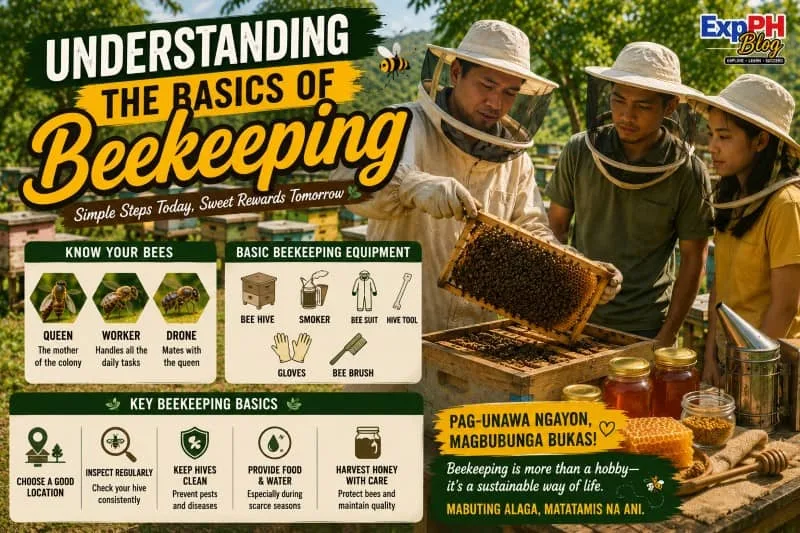
2. Understanding the Basics of Beekeeping
Before starting a honey production business, OFWs should first understand the basics of beekeeping. The process involves raising and managing bee colonies inside specially designed hives. Bees collect nectar from flowers and transform it into honey. Beekeepers monitor colony health, maintain hive cleanliness, and harvest honey carefully.
Common Bee Species Used in the Philippines
Several bee species are commonly used in honey production across the Philippines. Each type offers different advantages depending on the environment, climate, and production goals. Choosing the right species is important because bee behavior, honey output, and management difficulty can vary between colonies and farming conditions.
European Honey Bees
- European honey bees are widely used in commercial honey production because they can produce large amounts of honey and adapt well to structured hive systems. Many experienced beekeepers prefer them for larger operations due to their productivity, colony strength, and ability to support long-term honey harvesting activities.
Stingless Bees
- Stingless bees are becoming more popular in the Philippines because they are easier to manage and safer for beginners. Although they produce smaller amounts of honey, their products often sell at higher prices. Many consumers value stingless bee honey because of its distinct taste and growing reputation among health-conscious buyers.
Native Bees
- Some local beekeepers also raise native bee species that naturally thrive in specific regions of the Philippines. These bees may adapt better to local conditions and nearby flowering plants. Choosing the best species depends on climate, available resources, beekeeper experience, and the long-term goals of the business.
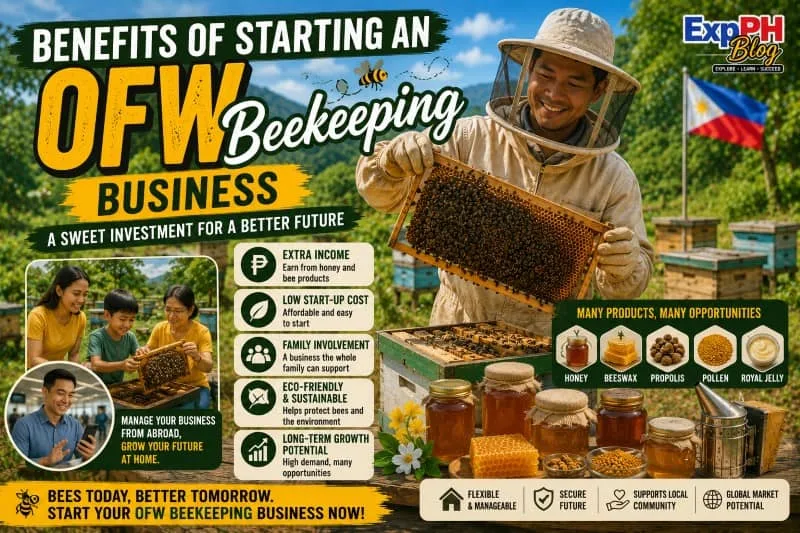
3. Benefits of Starting an OFW Beekeeping Business
An OFW beekeeping business offers several advantages for Filipinos who want a practical and sustainable agribusiness investment. Aside from producing honey, beekeeping can support farm productivity, create multiple income opportunities, and operate on a manageable scale. Its flexibility and long-term growth potential make it attractive for OFWs planning future financial stability.
Low Space Requirement
One major advantage of beekeeping is that it does not require large farmland to operate successfully. A small backyard, garden, or rural property can already support several hives if enough flowering plants are available nearby. This setup makes beekeeping suitable for OFW families with limited agricultural land or resources.
Multiple Income Opportunities
Honey is not the only product that can generate income in an OFW beekeeping business. Beekeepers can develop several revenue streams by offering different bee-related products and services. Having multiple income sources also helps improve long-term business stability while reducing dependence on a single product.
Beekeepers may sell:
- Beeswax
- Pollen
- Propolis
- Royal jelly
- Bee colonies
- Pollination services
Environmentally Friendly Business
Beekeeping supports biodiversity and improves crop pollination in farms and gardens. Healthy bee populations help increase the production of fruits, vegetables, and flowering plants because bees transfer pollen between crops. This natural process supports agricultural productivity while helping maintain healthier local ecosystems and environmental balance.
According to the Food and Agriculture Organization of the United Nations, pollinators such as bees play an essential role in global food production and ecosystem health. Their contribution supports farming communities and environmental sustainability, making beekeeping a business that benefits both agriculture and nature.
Scalable for Long-Term Growth
An OFW beekeeping business can begin with only a few hives and expand gradually as experience and profits improve. This approach allows beginners to learn proper hive management without facing heavy financial pressure. Over time, beekeepers can increase production steadily while building a more sustainable agribusiness operation.
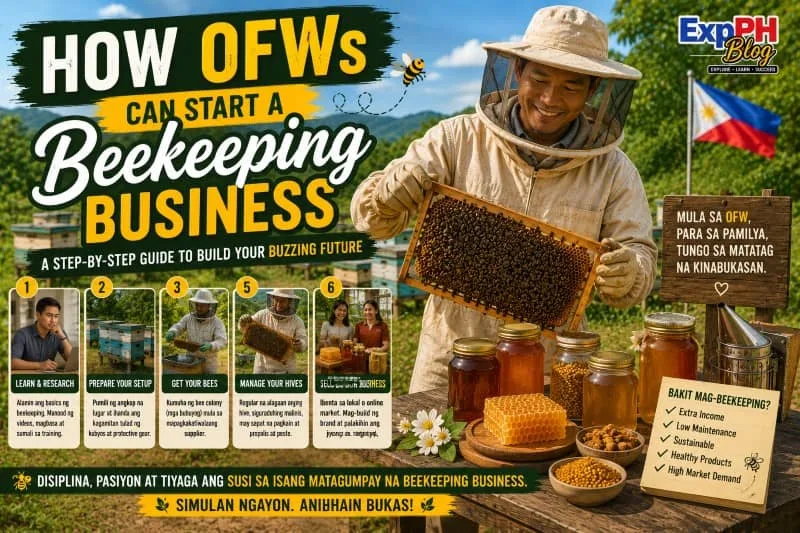
4. How OFWs Can Start a Beekeeping Business
Starting an OFW beekeeping business requires preparation, patience, and proper knowledge. Beginners should focus on learning the basics before investing heavily in equipment or colonies. Careful planning helps reduce common mistakes while improving the chances of building a stable and sustainable honey production business over time.
Study the Industry First
Before investing money, OFWs should understand the fundamentals of beekeeping and honey production. Learning about hive management, bee behavior, harvesting techniques, and seasonal patterns can help beginners avoid costly mistakes. Proper education also improves confidence when handling colonies and managing long-term business operations successfully.
Useful learning methods include:
- Online training
- Local agricultural seminars
- Government agriculture programs
- Experienced beekeeper mentorship
- Educational videos and books
Choose the Right Location
Bees need access to flowering plants, clean water, and a safe environment to remain productive and healthy. Areas heavily exposed to pesticides may negatively affect colony survival and honey quality. Selecting the right location is important because environmental conditions strongly influence long-term honey production and colony stability.
Good locations often include:
- Rural communities
- Coconut farms
- Fruit orchards
- Mountain areas
- Gardens with flowering plants
Avoid areas with excessive pollution or very limited flowering vegetation because bees rely heavily on natural nectar sources throughout the year.
Decide on Hive Type
Different hive systems are available for beginners and commercial beekeeping operations. Choosing the right hive depends on the bee species, climate conditions, maintenance preferences, and production goals. Some hive types are easier to manage, while others may offer better harvesting efficiency or support larger honey production capacity.
Common options include:
- Langstroth hives
- Top-bar hives
- Stingless bee boxes
Each hive system has advantages depending on the beekeeper’s experience level and preferred management style.
Start Small
Many experienced beekeepers recommend starting with only a few colonies during the early stages of the business. This approach allows beginners to gain practical experience without facing overwhelming costs or difficult management problems. Starting small also helps OFWs understand seasonal patterns and proper colony care before expanding operations.
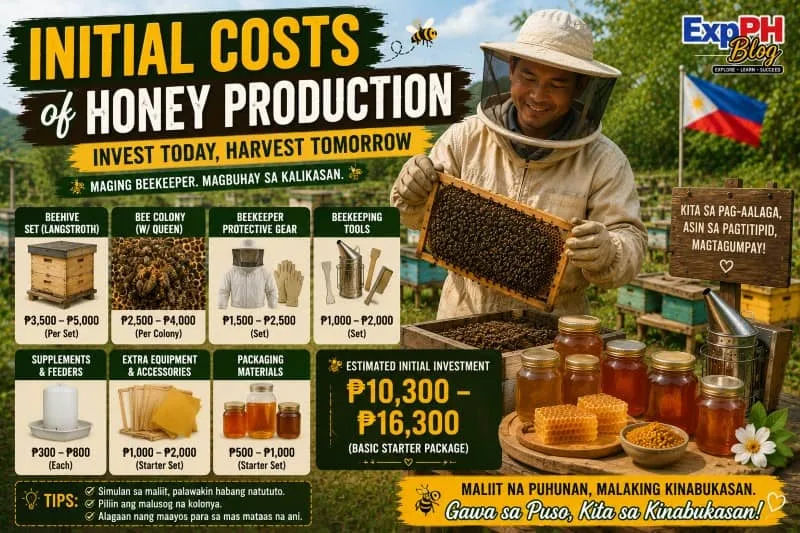
5. Initial Costs of Honey Production
The startup cost of an OFW beekeeping business depends on the number of colonies, equipment quality, and production goals. Beginners can start with a simple setup before expanding operations gradually. Starting with manageable expenses helps reduce financial pressure while allowing new beekeepers to gain practical experience and confidence.
Basic expenses may include:
- Bee colonies
- Hives
- Protective clothing
- Smokers
- Feeders
- Honey extractors
- Storage containers
Some beginners start with a smaller budget and reinvest profits from early honey harvests to improve equipment and expand hive numbers over time.
Common Beginner Mistakes
Many beginner beekeepers struggle because they expand operations too quickly without developing enough knowledge or experience. Learning the basics first helps reduce avoidable problems and improves colony survival. Patience, observation, and proper hive management are important for building a stable and sustainable honey production business.
Common mistakes include:
- Poor hive placement
- Lack of regular monitoring
- Harvesting honey too early
- Ignoring pest problems
- Using improper equipment
Consistent learning and regular colony inspections help beginners improve their skills while avoiding costly mistakes during the early stages of the business.
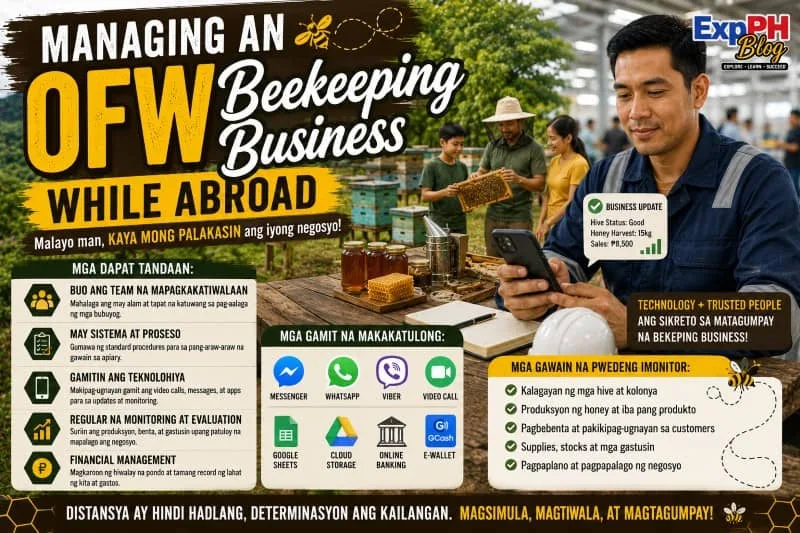
6. Managing an OFW Beekeeping Business While Abroad
Many OFWs worry about managing a beekeeping business while working overseas. Fortunately, honey production can operate as a family-managed agribusiness with proper planning and communication. Clear responsibilities, regular monitoring, and organized systems help maintain healthy colonies while allowing OFWs to supervise operations remotely from abroad.
Train a Trusted Family Member
Many OFWs assign daily hive monitoring to trusted family members such as spouses, parents, or siblings. Proper training is important because regular inspections help maintain healthy bee colonies and stable honey production. Family members should understand basic hive management, feeding practices, and common signs of colony problems.
Use Digital Communication
Modern communication tools make it easier for OFWs to monitor business operations from overseas. Video calls, messaging applications, and digital records help families provide regular updates about hive conditions and production activities. Consistent communication also allows faster decision-making when problems or equipment needs arise.
Families can regularly share:
- Hive conditions
- Honey harvest schedules
- Sales updates
- Equipment needs
Create Simple Operating Procedures
Written procedures help maintain consistency even when the OFW is working abroad for long periods. Simple instructions make daily tasks easier for family members managing the colonies. Organized systems also reduce confusion and improve long-term operational stability for the beekeeping business.
This may include:
- Feeding schedules
- Harvest procedures
- Cleaning routines
- Pest control methods
A clear management system helps improve productivity while supporting healthier colonies and more sustainable honey production operations.
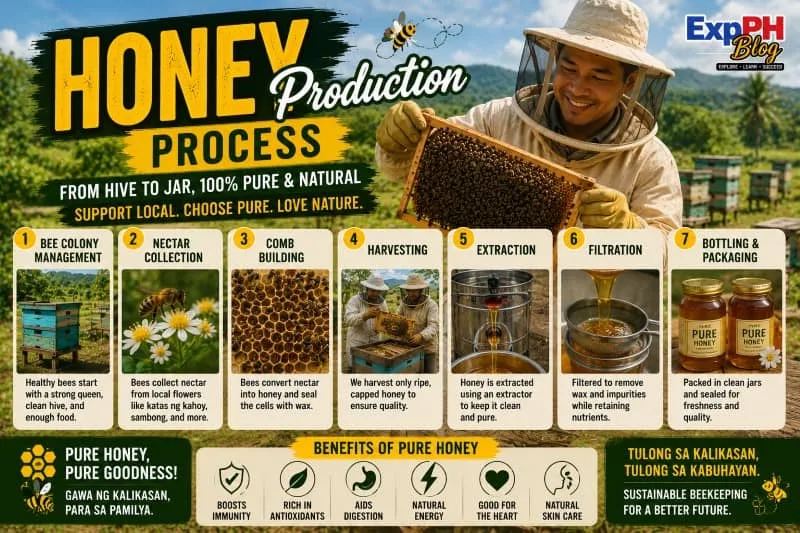
7. Honey Production Process
Understanding the honey production process helps beginners appreciate the time, care, and management required in beekeeping. Each stage plays an important role in producing clean and high-quality honey. Learning how bees create honey also helps OFWs manage expectations when building a long-term honey production business.
Nectar Collection
Worker bees collect nectar from nearby flowers and temporarily store it inside their honey stomachs during foraging trips. Bees may travel across different flowering plants throughout the day to gather enough nectar for the colony. The availability of flowers greatly affects the amount of honey bees can eventually produce.
Honey Conversion
Inside the hive, bees process the collected nectar using natural enzymes and controlled evaporation methods. These processes gradually reduce moisture while transforming the nectar into honey. Worker bees repeatedly pass the nectar between one another until the consistency becomes thick enough for long-term storage inside the hive.
Honey Storage
After the honey reaches the proper consistency, bees store it inside honeycomb cells within the hive. The cells are then sealed with thin wax caps to protect the honey from moisture and contamination. Properly sealed honey can remain preserved inside the hive for extended periods under suitable conditions.
Harvesting
Beekeepers carefully remove honey-filled frames from the hive during harvesting periods. Specialized equipment helps extract the honey without heavily damaging the honeycomb structure. Careful harvesting practices are important because rough handling may stress bee colonies and affect future honey production within the hive system.
Filtering and Bottling
After extraction, honey is filtered to remove wax particles and other small impurities before bottling. Clean processing methods help improve product quality and customer trust. Proper hygiene during harvesting, filtering, and bottling is extremely important because honey is a food product intended for public consumption.
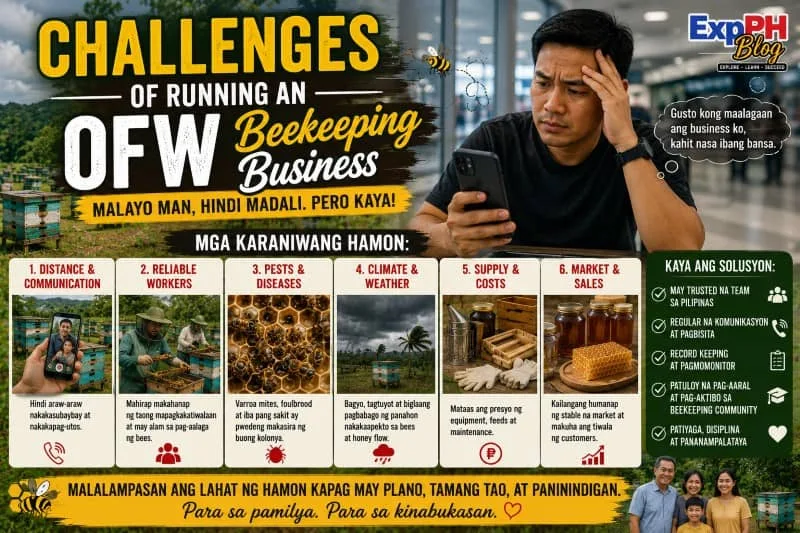
8. Challenges of Running an OFW Beekeeping Business
Like any agribusiness, an OFW beekeeping business also comes with risks and operational challenges. Beginners should understand these possible difficulties before investing in honey production. Proper preparation, consistent learning, and careful management can help reduce problems while improving the long-term sustainability of the business.
Weather Conditions
Weather conditions strongly affect bee activity, nectar collection, and overall honey production. Heavy rains, typhoons, droughts, and extreme heat may reduce flowering plants and limit food sources for colonies. Sudden environmental changes can also weaken bee health, making proper seasonal planning important for successful hive management.
Pests and Diseases
Bee colonies may suffer from pests and diseases that affect hive health and honey production. Common threats include mites, ants, beetles, and harmful infections that can weaken or destroy colonies. Regular hive inspections help identify problems early and allow beekeepers to apply proper control methods before severe damage occurs.
Limited Knowledge
Many beginners underestimate the importance of continuous learning in beekeeping. Successful honey production requires patience, observation, and practical experience developed over time. Without proper knowledge, new beekeepers may struggle with hive management, harvesting schedules, and colony health, which can lead to avoidable operational problems and financial losses.
Market Competition
Some communities already have established honey sellers with loyal customer bases and strong local reputations. New beekeeping businesses should focus on product quality, clean packaging, customer trust, and consistent branding to remain competitive. Building a reliable reputation often takes time, especially in markets with existing honey producers.

9. Marketing Honey Products Successfully
A successful OFW beekeeping business depends not only on honey production but also on effective marketing strategies. Even high-quality products may struggle without proper promotion and branding. Building customer trust, maintaining product consistency, and using digital platforms can help small honey businesses attract more buyers and grow steadily over time.
Sell Through Social Media
Social media platforms and online marketplaces can help honey producers reach more customers across different locations. Many consumers enjoy seeing authentic farm content because it creates transparency and trust. Regular online updates also help businesses stay visible while building stronger relationships with potential buyers.
Consumers often enjoy seeing:
- Honey harvesting videos
- Farm updates
- Packaging processes
- Product benefits
Build a Local Brand
Strong branding helps improve customer recognition and long-term trust in honey products. A professional and consistent presentation can make small businesses appear more reliable and organized. Customers are also more likely to remember brands that maintain good packaging quality and consistent product standards over time.
Important branding elements include:
- Product labels
- Clean packaging
- Business name
- Consistent product quality
Offer Different Honey Products
Offering different honey-related products can help increase sales opportunities and attract a wider range of customers. Product diversification also reduces dependence on a single source of income. Many successful beekeepers expand their product line gradually as their customer base and production capacity continue to grow.
Examples include:
- Raw honey
- Flavored honey
- Beeswax candles
- Honey soap
- Gift sets
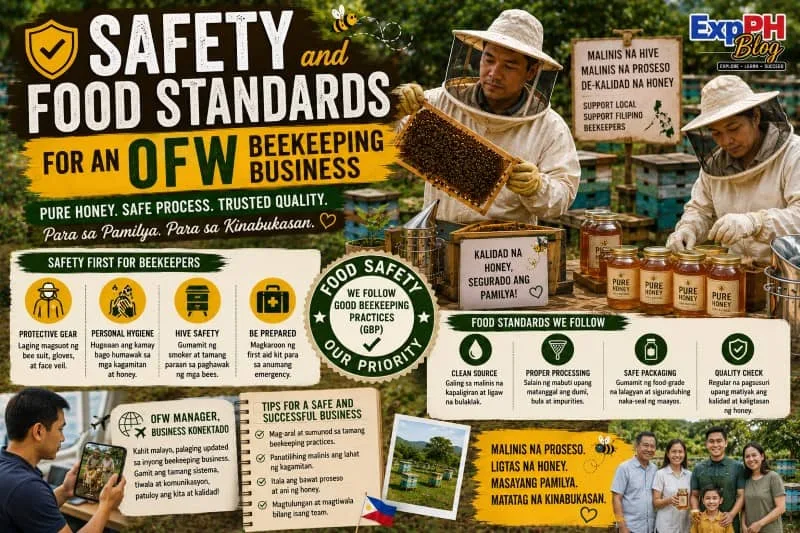
10. Safety and Food Standards for an OFW Beekeeping Business
Honey production involves food handling, which makes cleanliness and proper safety practices extremely important. Maintaining high standards helps protect product quality and customer health. An OFW beekeeping business that follows proper hygiene procedures can build stronger consumer trust while reducing contamination risks during harvesting and packaging operations.
Maintain Clean Equipment
All honey extraction and storage equipment should be cleaned and sanitized properly before every use. Dirty tools and containers may introduce contaminants that affect honey quality and food safety. Regular equipment maintenance also helps improve product consistency while supporting more professional and reliable honey production practices.
Store Honey Correctly
Honey should be stored in clean and tightly sealed containers to protect it from moisture, dirt, and excessive heat. Improper storage conditions may affect flavor, texture, and overall product quality. Keeping honey in a cool and dry environment helps preserve freshness while extending its shelf life safely.
Avoid False Claims
Honey businesses should avoid making unsupported medical or health claims about their products. Providing inaccurate information may damage customer trust and create credibility issues for the business. Consumers generally appreciate honest product descriptions, transparent labeling, and realistic expectations when purchasing locally produced honey and bee-related products.
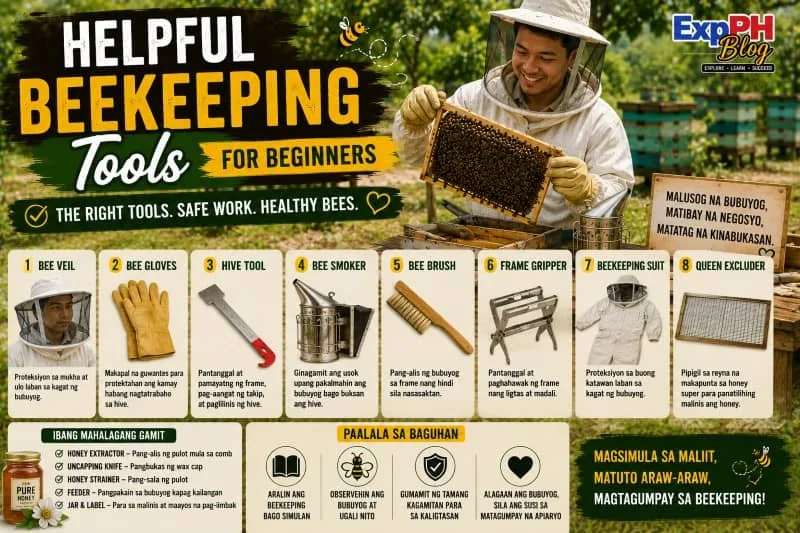
11. Helpful Beekeeping Tools for Beginners
Starting an OFW beekeeping business becomes easier when beginners use proper tools designed for hive safety and efficient honey harvesting. Reliable equipment helps reduce common mistakes while improving colony management. Investing in suitable tools early also supports safer working conditions and better long-term honey production practices for beginners.
Many Filipino beekeepers now prefer buying beginner-friendly supplies online because products are easier to compare and purchase. Equipment such as bee suits, hive boxes, smokers, gloves, feeders, and honey extractors are widely available through Shopee Philippines, helping OFWs and their families prepare practical starter setups before launching operations.
Choosing quality equipment early can improve hive management and reduce stress during harvesting activities. Proper tools also help beginners work more safely around bee colonies while supporting cleaner honey extraction and storage practices. Good equipment maintenance can further improve productivity and extend the lifespan of beekeeping supplies.

12. Expanding the Honey Business Over Time
Many successful beekeepers started with only a few colonies before gradually developing larger honey production operations. Expanding slowly allows business owners to improve their skills and strengthen colony management. An OFW beekeeping business can grow steadily through careful planning, consistent product quality, and reliable customer relationships.
Increase Hive Numbers Gradually
Expanding too quickly may create operational problems that become difficult for beginners to manage properly. Controlled growth allows beekeepers to maintain healthier colonies while improving production consistency. Gradual expansion also helps reduce financial pressure because equipment purchases and colony management responsibilities increase at a more manageable pace.
Develop Wholesale Partnerships
Wholesale partnerships can help honey producers build stable and consistent sources of income over time. Restaurants, souvenir shops, cafés, and health stores may become regular buyers of locally produced honey products. Strong partnerships also improve market reach while helping small beekeeping businesses establish long-term customer trust and recognition.
Explore Agritourism Opportunities
Some beekeeping farms eventually expand into agritourism by offering educational and recreational experiences for visitors. Agritourism activities can help increase public awareness about honey production and environmental sustainability. These experiences may also create additional income opportunities beyond direct honey sales.
Some farms eventually offer:
- Farm tours
- Honey tasting
- Educational seminars
- Bee farm experiences
Agritourism can generate additional revenue while promoting environmental awareness and supporting local tourism activities within rural communities.
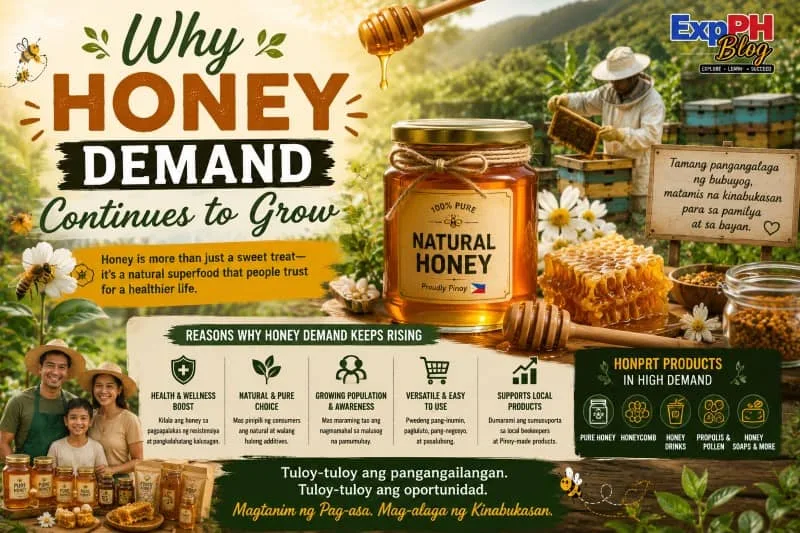
13. Why Honey Demand Continues to Grow
Consumer interest in natural and locally produced products continues to increase across the Philippines. Many people are becoming more conscious about food quality, product sources, and healthier lifestyle choices. This growing preference has helped increase demand for locally produced honey and other natural agricultural products in different markets.
Many customers prefer local honey because they:
- Want natural alternatives
- Support local farmers
- Appreciate artisanal food products
- Enjoy unique regional flavors
This growing demand creates strong opportunities for small and medium honey producers. An OFW beekeeping business can benefit from this trend by focusing on product quality, proper branding, and customer trust. As awareness about local honey continues to expand, more consumers may choose locally sourced products over mass-produced alternatives.

14. OFW Retirement Planning Through Beekeeping
Many OFWs spend years working overseas while preparing for a more stable future in the Philippines. An OFW beekeeping business can become part of a long-term retirement plan because it offers manageable operations and gradual income opportunities. With proper planning, beekeeping may continue supporting families even after retirement from overseas work.
Unlike physically demanding jobs abroad, beekeeping can remain manageable during older adulthood when operations are organized properly. Many retirees appreciate the slower pace and nature-focused environment connected to honey production. Family members can also help manage daily tasks, making the business easier to maintain over the long term.
Benefits for retirement planning include:
- Flexible work schedule
- Potential passive income
- Family involvement
- Rural lifestyle opportunities
- Lower operating costs compared to some businesses
Some retirees also enjoy the peaceful lifestyle associated with beekeeping and small-scale farming. Working around gardens, flowering plants, and bee colonies can create a more relaxing environment while still providing productive daily activities and possible long-term financial support for the family.

15. How an OFW Beekeeping Business Supports Rural Communities
An OFW beekeeping business can create positive effects that extend beyond honey production and family income. Small beekeeping operations may support local agriculture, encourage environmental awareness, and create livelihood opportunities within rural communities. As the business develops, it can also contribute to stronger community participation and long-term local economic activity.
Small honey businesses may support:
- Local employment
- Agricultural productivity
- Environmental awareness
- Sustainable farming practices
Beekeeping also benefits nearby farms because bees help improve pollination for fruits, vegetables, and flowering crops. This natural process can support healthier agricultural production while encouraging more environmentally friendly farming methods within local communities and surrounding rural areas.
As the business grows, families may hire workers for:
- Packaging
- Delivery
- Farm maintenance
- Marketing
These additional work opportunities allow OFW investments to contribute directly to local economic development. Small honey businesses may also help rural families earn extra income while supporting community-based agricultural activities and sustainable livelihood opportunities over time.

16. Digital Opportunities for Honey Businesses
Technology now makes it easier for small agricultural businesses to connect with customers and promote their products online. An OFW beekeeping business can use digital tools to improve visibility, increase sales opportunities, and build customer trust. Online platforms also help small honey producers compete beyond their local communities and markets.
Online Selling Platforms
Online marketplaces allow honey producers to reach customers from different cities and regions across the Philippines. Selling through digital platforms helps small businesses expand beyond local community sales while making products more accessible to interested buyers. Online selling also supports faster communication and easier product promotion for beginners.
Social Media Marketing
Social media marketing helps honey businesses attract customers through educational and engaging content. Regular farm updates, harvesting videos, and product information can increase visibility while building stronger customer relationships. Consistent posting also helps businesses establish trust and encourage repeat buyers who value transparency and authentic farming practices.
Content Creation
Some beekeepers create educational content to promote their products and share useful farming knowledge with online audiences. Content creation can improve customer engagement while helping businesses stand out in competitive markets. Informative and authentic content also strengthens brand recognition and encourages long-term customer trust.
Some bee farmers create:
- Educational videos
- Honey recipes
- Farming tips
- Livestream harvesting sessions
Content marketing helps establish trust and improve brand recognition while allowing honey producers to educate customers about beekeeping and locally produced honey products.
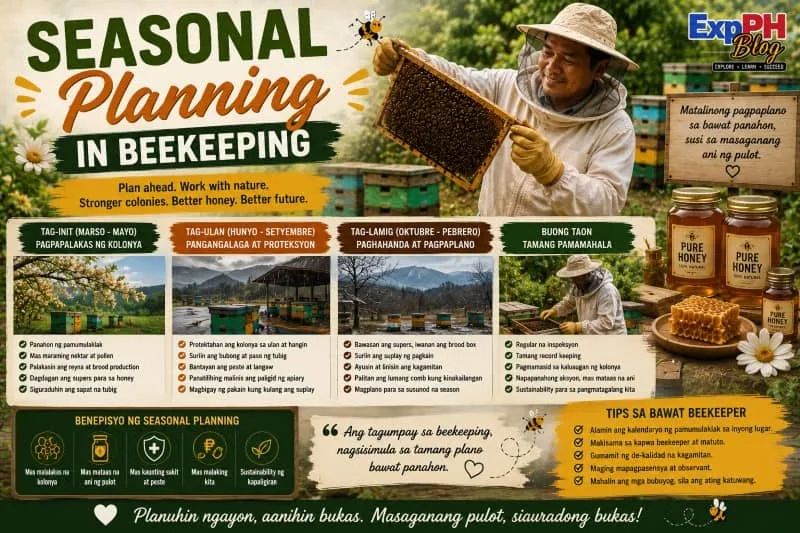
17. Seasonal Planning in Beekeeping
Seasonal planning plays an important role in successful honey production because bee activity depends heavily on flower availability and weather conditions. Understanding seasonal changes helps beekeepers prepare for fluctuations in nectar supply, colony strength, and honey production. Proper planning also improves colony survival and long-term business stability.
Flowering Seasons
- Flowering seasons strongly affect nectar collection and honey production within bee colonies. When more plants and trees bloom, bees usually gather larger amounts of nectar, which can lead to stronger honey yields. Beekeepers often monitor local flowering patterns to predict harvesting periods and improve production planning.
Rainy Season Preparation
- Heavy rains and long wet seasons can reduce bee activity because bees may struggle to forage during poor weather conditions. Excess moisture inside hives may also create health problems for colonies. Proper hive placement and ventilation help reduce moisture buildup and support healthier bee environments during rainy periods.
Dry Season Management
- Dry seasons may reduce the availability of flowers and natural nectar sources for bee colonies. During these periods, some beekeepers provide supplemental feeding to help maintain colony strength and overall bee health. Careful dry season management can help colonies survive difficult conditions while preparing for future honey production cycles.
Understanding seasonal cycles allows beekeepers to plan harvesting schedules, monitor colony health, and prepare for environmental changes more effectively. Seasonal awareness also helps improve production consistency while reducing risks that may affect honey yields and long-term colony survival.
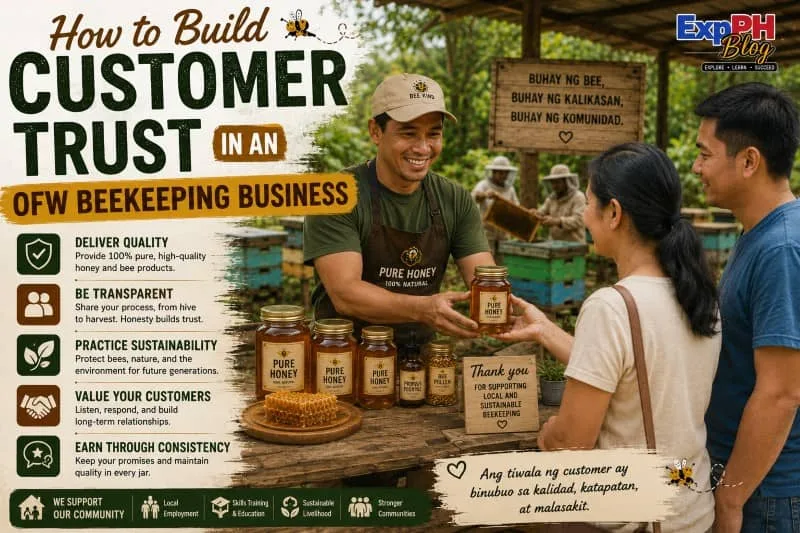
18. How to Build Customer Trust in an OFW Beekeeping Business
Customer trust is extremely important in the honey industry because fake or diluted products exist in many markets today. Buyers often look for reliable sellers who provide honest information and consistent product quality. An OFW beekeeping business that values transparency can gradually build stronger customer loyalty and long-term credibility.
Use Transparent Labeling
Clear and accurate labeling helps customers understand the quality and source of honey products. Transparent product information also improves buyer confidence because customers can identify where the honey came from and how it was prepared. Honest labeling practices help businesses appear more professional and trustworthy.
Clearly display:
- Product source
- Harvest date
- Ingredients
- Contact information
Focus on Quality
Consistent product quality encourages customers to return and recommend the business to others. Maintaining clean production practices, proper storage methods, and reliable packaging standards helps improve customer satisfaction. Buyers are more likely to trust honey brands that consistently deliver good taste, appearance, and product freshness over time.
Educate Buyers
Educating customers about real honey characteristics can help establish business credibility and strengthen customer trust. Many consumers appreciate learning about honey texture, color variations, harvesting methods, and natural crystallization. Informative content also helps buyers understand the value of locally produced honey and responsible beekeeping practices.
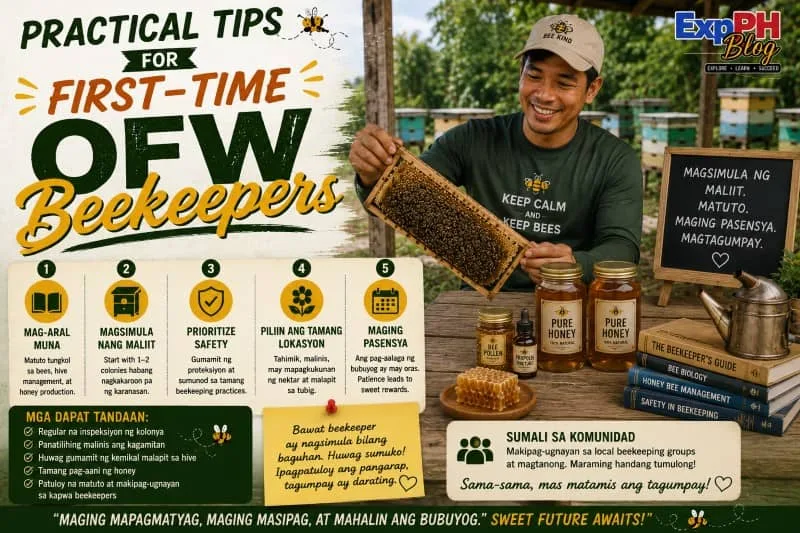
19. Practical Tips for First-Time OFW Beekeepers
Starting an OFW beekeeping business can feel challenging for beginners, especially for those with limited farming experience. However, proper preparation and realistic expectations can make the learning process more manageable. Small improvements in knowledge and daily hive management often lead to better long-term results and healthier colonies.
Start Learning Before Investing
Learning the basics of beekeeping before investing money can help beginners avoid costly mistakes and poor decisions. Understanding colony behavior, hive maintenance, and harvesting methods improves confidence during the early stages of the business. Proper knowledge also helps new beekeepers manage problems more effectively as operations gradually expand.
Avoid Expanding Too Quickly
Many beginners become too excited and expand operations before gaining enough practical experience. Rapid growth may create financial pressure and difficult management problems that affect colony health. Expanding slowly allows beekeepers to improve their skills first while maintaining more stable and productive hive conditions over time.
Build Reliable Family Support
Strong family support is important for OFWs managing a beekeeping business while working abroad. Trusted family members can help monitor colonies, manage harvesting activities, and maintain daily operations. Clear communication and proper training improve business continuity while helping ensure that hive management remains consistent and organized.
Monitor Hive Health Regularly
Regular hive inspections are essential for maintaining healthy colonies and sustainable honey production. Monitoring allows beekeepers to identify pests, diseases, food shortages, or environmental problems before they become severe. Healthy bee colonies are more productive and better prepared to survive seasonal changes and difficult weather conditions.
Stay Patient
Beekeeping success usually develops gradually through experience, observation, and consistent learning. Beginners may not see immediate results during the early stages of the business. Patience is important because strong colonies and stable honey production often require time, proper care, and continuous improvement in beekeeping practices.

20. The Future of the OFW Beekeeping Business
Agriculture continues to evolve as more Filipinos search for sustainable and environmentally friendly business opportunities. Beekeeping stands out because it combines food production, environmental awareness, and entrepreneurship within a manageable agricultural setup. This growing interest may encourage more OFWs to explore honey production as a long-term investment opportunity.
For OFWs looking beyond traditional small businesses, honey production offers a realistic path toward long-term financial stability. With proper education, careful planning, and consistent hive management, even a small beekeeping operation can gradually grow into a trusted local honey brand that supports both family income and future retirement goals.
The future of the OFW beekeeping business looks promising because consumer demand for natural and locally produced products continues to increase. As more communities recognize the importance of pollinators and sustainable farming, locally produced honey and bee-related products may continue gaining stronger support across different markets in the Philippines.

Final Thoughts on an OFW Beekeeping Business
Building an OFW beekeeping business is more than producing and selling honey. It is an opportunity to create a sustainable agribusiness that can support family income, encourage environmental awareness, and contribute to long-term financial goals. With proper planning and responsible management, beekeeping can become a stable investment that continues growing over time.
For OFWs searching for a business that can begin on a small scale and expand gradually, beekeeping offers flexibility and realistic potential. Success in honey production requires patience, training, and consistent colony care. Many successful beekeepers started with simple setups and slowly improved their operations through continuous learning and practical experience.
By understanding proper bee management, maintaining high product quality, and involving trusted family members, OFWs can transform honey production into a meaningful long-term investment. Whether the goal is retirement preparation, additional household income, or rural community support, beekeeping remains one of the most promising and sustainable agribusiness opportunities available today.
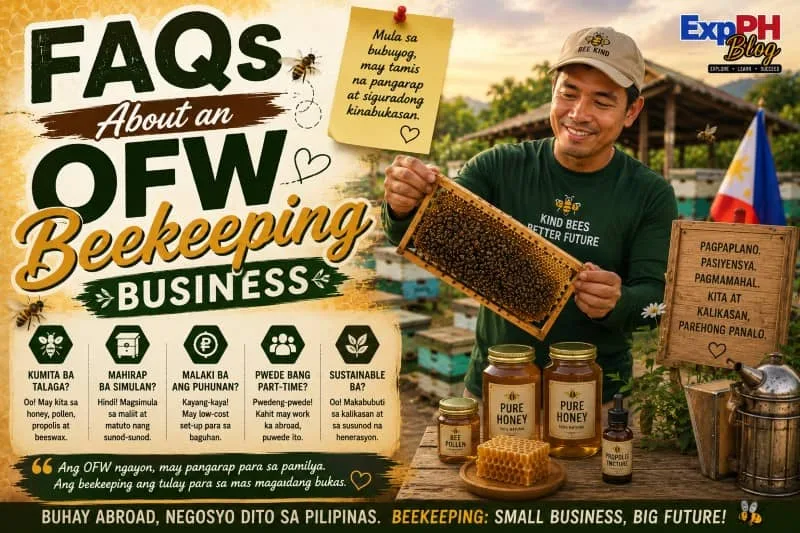
FAQs About an OFW Beekeeping Business
What is an OFW beekeeping business?
An OFW beekeeping business involves raising bee colonies for honey production and related products while OFWs manage operations through family members or local workers.
Is beekeeping profitable in the Philippines?
Beekeeping can become profitable because local honey demand continues growing. Income may come from honey sales, beeswax products, pollination services, and bee colonies.
How much space is needed for beekeeping?
Beekeeping does not always require large farmland. Small gardens, backyards, or rural areas with flowering plants can already support several healthy bee colonies.
What products can be sold besides honey?
Beekeepers may also sell beeswax, propolis, pollen, royal jelly, candles, soaps, and pollination services to increase business income opportunities over time.
Can OFWs manage beekeeping while abroad?
Yes, many OFWs manage beekeeping businesses remotely by training trusted family members and using digital communication for monitoring daily farm operations and production updates.
What are the common challenges in beekeeping?
Common challenges include pests, diseases, bad weather, poor hive management, limited experience, and maintaining consistent honey quality for long-term customer trust and sales.
Which bee species are suitable for beginners?
Stingless bees are often recommended for beginners because they are easier to manage, safer to handle, and suitable for small-scale honey production operations.
Why is honey demand increasing in the Philippines?
Many consumers prefer natural and locally produced products. Growing health awareness and support for local farmers continue increasing demand for pure honey products.
What equipment is needed for beginner beekeepers?
Basic beekeeping equipment includes hives, protective clothing, gloves, smokers, feeders, honey extractors, and storage containers for safe harvesting and proper honey handling practices.
Can beekeeping support OFW retirement plans?
Yes, beekeeping can support retirement planning by providing flexible work, possible long-term income, family involvement, and a sustainable rural business opportunity for OFWs.
Ready to explore more income opportunities beyond beekeeping?
Check out our guide on Best Business Ideas for Filipinos in 2026 for practical and profitable ventures suitable for beginners, families, and aspiring entrepreneurs across the Philippines. You can also read our master guide, Top 10 Small Business Ideas in the Philippines for 2026, to discover trending business opportunities that can help OFWs and Filipinos build long-term financial stability and sustainable income.
Related Guides
- Rice Retail and Distribution Business: A Stable Income Opportunity for OFWs
- Mushroom Farming at Home: A High-Profit Small Business for OFWs in the Philippines
Beekeeping and Honey Production Quiz for OFWs
Test your knowledge about beekeeping, honey production, and sustainable agribusiness opportunities for OFWs. This quick quiz is designed to help readers learn the basics of starting an OFW beekeeping business while exploring practical farming and honey production concepts.
Results


#1. What is the main product from beekeeping?
#2. Which bee type is beginner-friendly?
#3. Why are bees important to farms?
#4. Which platform helps sell honey online?
#5. What helps maintain hive health?
#6. Which product is made by bees?
#7. What can affect honey production?
#8. Why do customers buy local honey?
#9. What should beginners avoid?
#10. What supports customer trust?
Please share your quiz experience and thoughts in the comments section with us
Your feedback helps improve future Learning Hub content for all readers.

A Filipino web developer with a background in Computer Engineering. Founder of ExpPH Blog and ExpPH Business Guide, creating practical content on OFW guidance, business, finance, freelancing, travel, and lifestyle. Passionate about helping Filipinos grow, he shares insights that educate, empower, and inspire readers nationwide.