
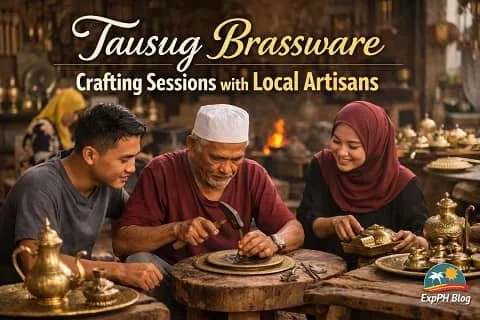
Tausug Brassware Crafting Sessions with Local Artisans
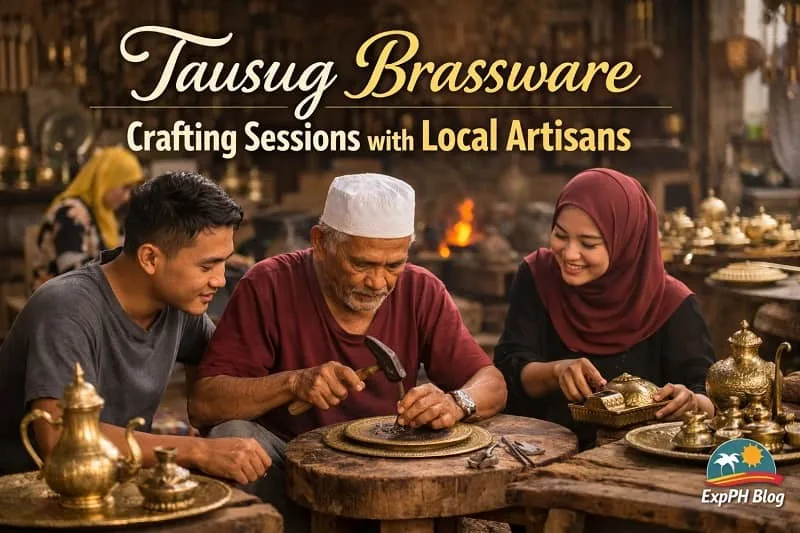
The art of Tausug Brassware Crafting is more than a traditional livelihood in the southern Philippines. It is a living heritage that reflects identity, resilience, and a strong connection between craftsmanship and culture. For generations, Tausug artisans have shaped brass into meaningful objects used for daily life and ceremonial purposes. Today, crafting sessions with local artisans offer a rare chance to experience this tradition directly while supporting cultural preservation and sustainable community livelihoods.
This in-depth guide explores the history, creative process, cultural importance, and modern relevance of Tausug Brassware Crafting. It is written for travelers, culture advocates, researchers, and Overseas Filipino Workers who wish to stay connected to Filipino heritage. By learning about this craft, readers can better understand its role in strengthening communities and preserving traditions from both near and far.
Understanding Tausug Brassware Crafting
Tausug Brassware Crafting refers to the traditional practice of creating functional and decorative brass objects by Tausug artisans, primarily found in Sulu and nearby areas in Mindanao. These crafts are shaped using time-tested methods that rely on manual skill, experience, and cultural knowledge rather than industrial machinery.
Brassware items commonly include trays, kettles, betel nut containers, decorative plates, and ceremonial objects. Each piece carries designs inspired by nature, Islamic geometry, and local symbolism. The process is slow, intentional, and deeply rooted in tradition.
For the Tausug people, brassware is not simply an object to be sold. It is a representation of identity, dignity, and continuity across generations.
A Brief History of Tausug Brassware Crafting
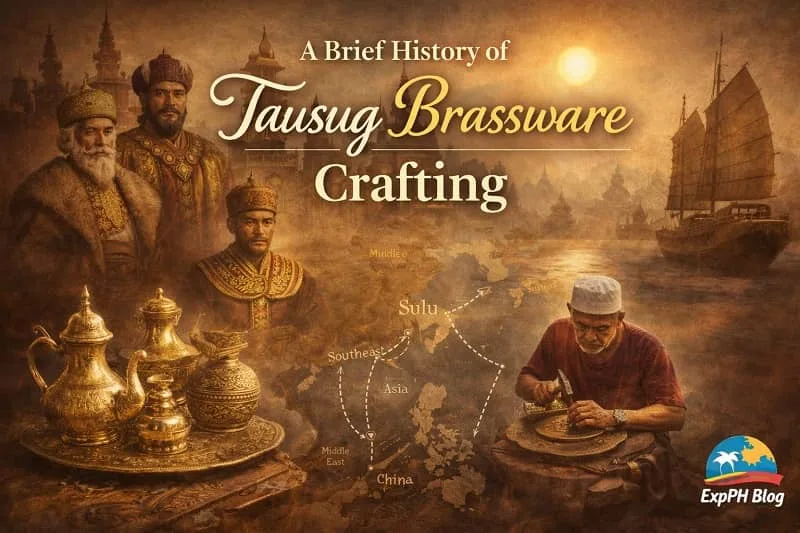
The roots of Tausug Brassware Crafting can be traced back centuries, influenced by trade routes that connected Sulu to Southeast Asia, the Middle East, and China. Brass materials, techniques, and design influences arrived through these exchanges, but the Tausug community adapted them into a distinct artistic language.
Historically, brassware was associated with leadership, ceremonies, and household status. Royal families and respected elders often owned intricately designed brass items used during important gatherings, weddings, and religious events.
Over time, the craft became a community-based skill passed down within families. Fathers taught sons, uncles guided nephews, and experienced artisans mentored younger members of the community. This generational transfer ensured that techniques and values remained intact despite changing times.
Why Crafting Sessions with Local Artisans Matter
Crafting sessions are hands-on experiences where visitors, researchers, or community members observe or participate in the brassware-making process under the guidance of local artisans. These sessions play a crucial role in sustaining Tausug Brassware Crafting for several reasons.
First, they provide direct income to artisans without relying on mass production or middlemen. Second, they raise awareness about cultural heritage, especially among younger generations and Filipinos living abroad. Third, they help document and preserve traditional knowledge that might otherwise fade due to modernization.
For OFWs, supporting these sessions can be a meaningful way to reconnect with Filipino roots while contributing to community development back home.
The Cultural Significance of Tausug Brassware
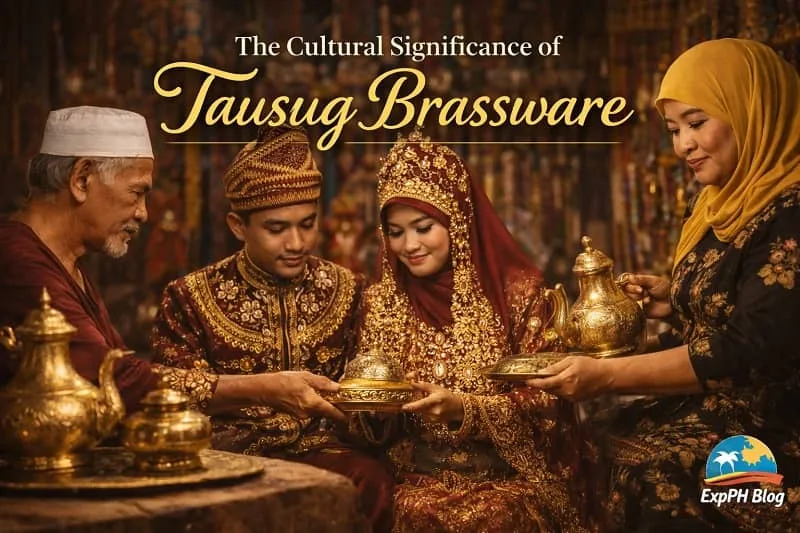
Brassware holds deep symbolic meaning in Tausug society. Many designs reflect values such as unity, faith, honor, and respect for nature. Patterns often include floral motifs, flowing lines, and geometric forms that align with Islamic artistic traditions.
Certain brass items are reserved for special occasions. For example, decorative trays may be used during weddings, while specific containers are part of traditional rituals. Owning or gifting brassware is considered a sign of respect and goodwill.
Through Tausug Brassware Crafting, artisans preserve not only technical skills but also cultural stories embedded in every design.
Tools and Materials Used in Tausug Brassware Crafting
Despite its artistic depth, Tausug Brassware Crafting depends on a simple set of traditional tools. The craft becomes remarkable through the artisan’s skill. Years of practice allow precise shaping, careful detailing, and consistent quality using methods passed down through generations.
Brass as the Primary Material
Brass is the primary material in Tausug Brassware Crafting. It is an alloy of copper and zinc valued for strength, flexibility, and its warm golden tone. Artisans use brass sheets or recycled pieces, which are melted or reshaped based on the intended design.
Traditional Hand Tools
Artisans rely on basic hand tools to shape and decorate each piece. These tools are often handmade or carefully modified to match specific techniques. Proper tool handling allows control over thickness, texture, and fine surface details throughout the crafting process.
Heat and Fire
Fire plays a vital role in shaping brass. Controlled heat softens the metal so it can be molded and engraved. This stage requires experience and patience because excessive heat can weaken the brass and damage carefully formed designs.
Step-by-Step Process of Tausug Brassware Crafting
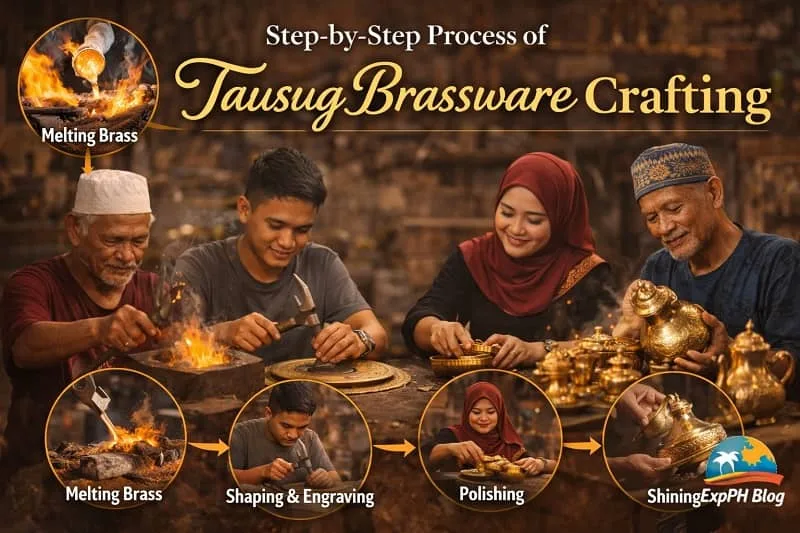
Understanding each stage of Tausug Brassware Crafting helps reveal the patience and skill behind every finished piece. The process follows a careful sequence where time, experience, and attention to detail shape raw brass into meaningful cultural objects.
Designing the Pattern
The process begins with planning the design. Some artisans sketch patterns lightly on the brass surface, while others rely on memory and experience. Traditional motifs often guide the layout, yet artisans still express creativity through unique details and personal artistic style.
Heating and Shaping the Brass
Brass is heated until it becomes soft enough to shape. Artisans use hammers and molds to form the metal gradually. This stage often requires repeated heating and careful hammering to achieve the correct thickness, balance, and overall structure.
Engraving and Detailing
After shaping, artisans engrave detailed patterns by hand. This step demands patience, steady control, and strong focus. Each engraved line adds depth and meaning, reflecting cultural symbols while showcasing the artisan’s technical skill and artistic discipline.
Polishing and Finishing
The final stage involves polishing the brass to highlight its natural shine. Some artisans use traditional finishing methods to create texture or an aged look. This step enhances durability and gives each piece its distinctive character and refined appearance.
What Happens During Crafting Sessions with Local Artisans
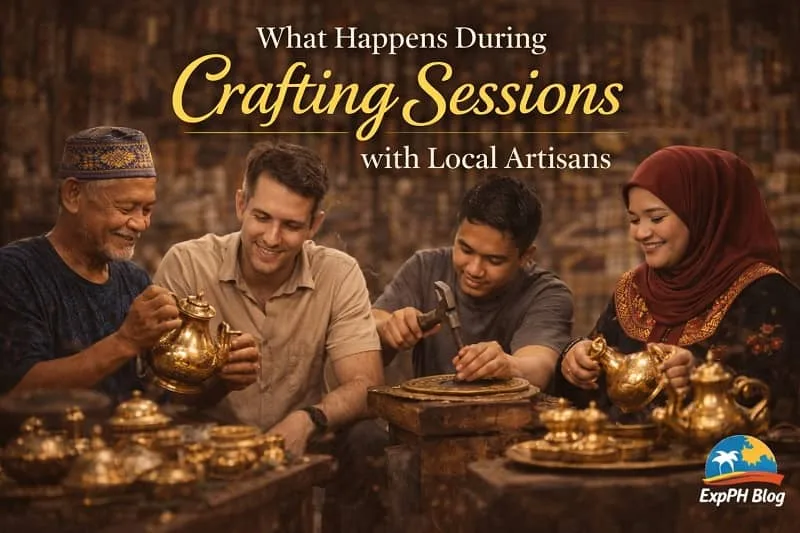
Crafting sessions are structured to be educational while respecting the artisan’s working process. Participants are introduced to the history of Tausug Brassware Crafting before observing demonstrations or attempting simple tasks under guidance. This approach helps learners understand both cultural value and technical skill.
Sessions often include live demonstrations of heating, hammering, and engraving. In some cases, participants assist with polishing or basic shaping under close supervision. For local communities, these sessions build cultural pride and inspire younger generations to learn and continue the traditional craft.
Tausug Brassware Crafting and Community Livelihoods
For many families in Sulu, Tausug Brassware Crafting provides a stable source of income. Unlike seasonal labor, the craft offers year-round opportunities when supported by fair trade practices and cultural tourism that respect tradition and community values.
Crafting sessions strengthen livelihoods by creating income beyond local markets. Artisans earn through teaching, demonstrations, and direct sales while maintaining full control over designs and pricing. This approach helps prevent cultural exploitation and ensures the craft remains authentic and community-led.
The Role of Women in Tausug Brassware Crafting
Although brass shaping is traditionally male-dominated due to physical demands, women play essential roles in Tausug Brassware Crafting. They often contribute through polishing, quality control, design planning, and marketing, ensuring each piece meets cultural and artistic standards.
In many communities, women also lead storytelling and cultural education during crafting sessions. Their involvement helps pass down values alongside technical skills. Empowering women within the craft strengthens community resilience and supports inclusive and sustainable cultural preservation.

Modern Challenges Facing Tausug Brassware Crafting
Despite its cultural value, Tausug Brassware Crafting faces growing challenges in today’s market. Artisans compete with mass-produced metal goods that cost less but lack cultural meaning. Younger generations are also less interested as they seek faster and more predictable income sources.
Limited access to wider markets and digital platforms further restricts artisan visibility and sales. Without consistent support, many craftsmen struggle to reach buyers beyond their communities. These challenges increase the risk of gradual decline if preservation and livelihood efforts are not strengthened.
How Crafting Sessions Help Preserve the Tradition
Crafting sessions connect traditional practices with modern awareness. They provide spaces for cultural education, skill documentation, and ethical income generation. Through direct interaction, artisans share knowledge while ensuring that techniques and cultural meanings remain relevant and respected.
By engaging visitors and supporters, artisans gain recognition for their expertise and cultural value. These sessions also inspire local youth to learn the craft after seeing genuine appreciation from communities, institutions, and Filipinos abroad who support heritage preservation efforts.
Supporting Tausug Brassware Crafting as an OFW
For OFWs, supporting Tausug Brassware Crafting does not always require being physically present. There are practical ways to help preserve this heritage while living abroad. Small actions can create lasting impact for artisans and their home communities.
OFWs can support the craft by purchasing authentic brassware, sharing educational content, or partnering with cultural groups. Some also sponsor crafting sessions or youth workshops. Staying connected to traditions helps OFWs maintain cultural identity while contributing positively to the Philippines.
Cultural Preservation and National Recognition
The Philippine government recognizes the importance of preserving traditional crafts as part of national heritage. Agencies such as the National Commission for Culture and the Arts promote programs that support indigenous and traditional artisans through grants, documentation, and education initiatives.
According to this national cultural body, safeguarding traditional crafts is essential for maintaining cultural diversity and strengthening community identity. This recognition underscores the value of efforts that support Tausug Brassware Crafting through ethical engagement and education.
Ethical Participation in Crafting Sessions
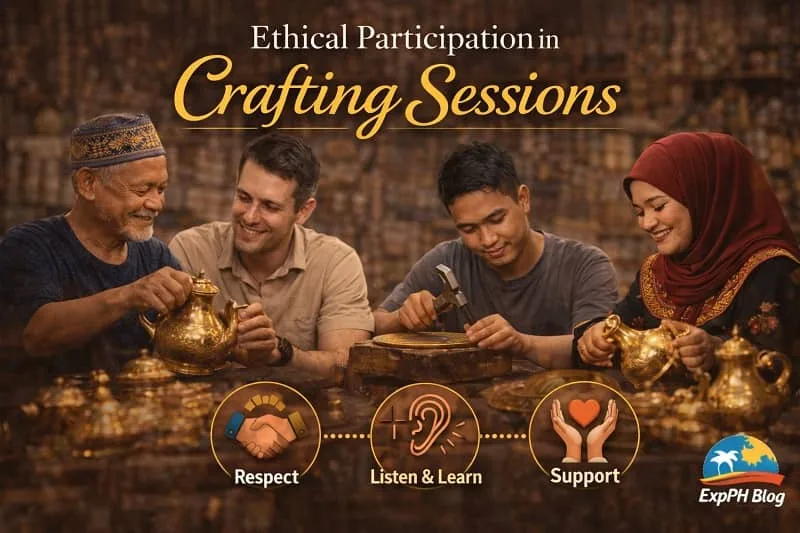
Respect is essential when joining crafting sessions. Visitors should approach the experience as learners who value culture rather than consumers seeking entertainment. Understanding the purpose of the session helps maintain dignity and mutual respect between participants and artisans.
Photography or recording should only be done with clear permission. Artisans must receive fair compensation for their time and skills. Ethical participation protects Tausug Brassware Crafting by keeping it sustainable, respectful, and firmly guided by the local community.
The Future of Tausug Brassware Crafting
The future of Tausug Brassware Crafting relies on balancing tradition with innovation. Preserving traditional methods remains essential, yet adapting to digital platforms and modern marketplaces allows artisans to reach wider audiences without losing cultural integrity.
Younger artisans are emerging who blend traditional skills with contemporary design ideas. With proper support, crafting sessions can grow into cultural education programs. Continued collaboration among communities, cultural institutions, and supporters helps ensure this heritage endures for future generations.
Why Tausug Brassware Crafting Matters to Filipino Identity
Tausug Brassware Crafting reflects the diversity and depth of Filipino culture. It highlights the creativity of Muslim Filipinos and broadens the understanding of national identity. The craft shows how regional traditions contribute meaningfully to the country’s shared cultural heritage.
By supporting this tradition, Filipinos recognize the shared history that connects regions and communities. For OFWs, it serves as a reminder that Filipino identity is rich, layered, and worth protecting through continued appreciation and cultural support.
Conclusion: Preserving Heritage Through Crafting Sessions
Tausug Brassware Crafting Sessions with Local Artisans are more than simple cultural activities. They serve as meaningful acts of preservation, education, and empowerment. Each session supports community livelihoods, safeguards traditional knowledge, and builds respectful connections between artisans and those who seek to learn from them. Through these shared experiences, cultural traditions remain active rather than forgotten, allowing craftsmanship and identity to continue shaping community life.
Engaging with Tausug Brassware Crafting through participation, advocacy, or support from abroad helps secure its future. Preserving cultural heritage is a shared responsibility that extends beyond location or background. With conscious appreciation and ethical support, this living tradition can continue to represent Filipino creativity, resilience, and pride for generations to come.
Further exploration continues with the articles below.
- Visiting a Traditional Weaving Home in Sulu and Watching the Process
- Experiencing Quranic Recitation Learning with Tausug Teachers
- Learning Silat the Martial Art of the Tausug People
- Storytelling Sessions with Local Elders in Sulu
- Experiencing the Tausug Pag duwaa
FAQs About Tausug Brassware Crafting Sessions with Local Artisans
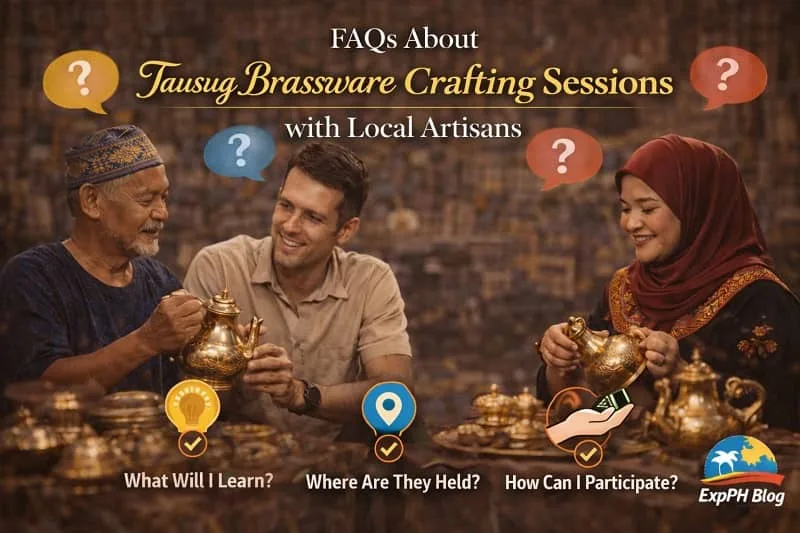
What are Tausug Brassware Crafting Sessions with Local Artisans?
They are guided, hands-on learning experiences where visitors observe or participate in traditional Tausug brass making while supporting artisans, culture preservation, and community livelihoods sustainably.
Why are these crafting sessions important?
These sessions help preserve cultural heritage, provide fair income for artisans, educate participants, inspire younger generations, and promote respect for Tausug traditions and craftsmanship nationwide.
Where do Tausug Brassware Crafting Sessions usually take place?
They are usually held in Sulu and nearby Tausug communities, often within artisan workshops or community spaces that allow authentic learning environments for cultural immersion.
Are beginners allowed to join these crafting sessions?
Yes, beginners are welcome because artisans explain each step patiently, allowing participants to observe, ask questions, and try simple tasks safely with proper guidance provided.
What skills can participants learn during a crafting session?
Participants may learn basic brass shaping, polishing, simple engraving techniques, cultural meanings of designs, and the traditional workflow used by Tausug artisans during guided sessions.
How much does it cost to join a Tausug brassware crafting session?
Fees vary by location and session length, but payments directly support artisans, materials, and community programs, making participation ethically meaningful for all involved local stakeholders.
Can OFWs support Tausug Brassware Crafting without attending in person?
Yes, OFWs can support by purchasing authentic brassware, sponsoring workshops, promoting artisans online, or partnering with cultural groups preserving Tausug craftsmanship in local communities worldwide.
What ethical guidelines should participants follow during crafting sessions?
Ethical participation requires respect, permission before recording, fair payment, cultural sensitivity, and understanding that artisans control their designs and teaching methods at all times consistently.
How do crafting sessions help preserve Tausug cultural heritage?
These sessions create awareness, generate income, document skills, encourage youth involvement, and strengthen cultural pride, helping ensure long-term survival of the craft for future generations.
Can Tausug Brassware Crafting Sessions support sustainable tourism?
Yes, crafting sessions can evolve into cultural tourism and education programs that balance tradition, sustainability, and modern opportunities for artisans through community-led initiatives, partnerships, globally.
Test your understanding of Tausug Brassware Crafting Sessions with Local Artisans.
Results


#1. What is Tausug Brassware Crafting?
#2. Where is Tausug brassware traditionally made?
#3. Who leads the crafting sessions?
#4. What metal is mainly used?
#5. Why are crafting sessions important?
#6. What skill is taught in sessions?
#7. What inspires Tausug brass designs?
#8. Who benefits directly from sessions?
#9. How do OFWs support this craft?
#10. What should participants show?
Thank you for taking time to learn about Tausug Brassware Crafting.
Your curiosity helps keep Filipino culture alive and respected. Share your thoughts and comment your experience with us on ExpPH Blog.
We appreciate you.

A Filipino web developer with a background in Computer Engineering. Founder of ExpPH Blog and ExpPH Business Guide, creating practical content on OFW guidance, business, finance, freelancing, travel, and lifestyle. Passionate about helping Filipinos grow, he shares insights that educate, empower, and inspire readers nationwide.

Pingback: Sunset in Sulu: 7 Beautiful Reasons to Experience Its Coast.