

Sunset Watching on Remote Coastal Communities
Watching the Sunset in Sulu is not just a visual experience. It is a quiet moment that reveals how life slows down along the edges of the sea, where communities live in rhythm with tides, prayer calls, fishing hours, and fading daylight. In remote coastal areas of Sulu, sunsets are not rushed, filtered, or staged. They unfold naturally, accompanied by daily routines that have remained unchanged for generations.
For travelers, cultural explorers, and Overseas Filipino Workers seeking meaningful reconnection during home visits, sunset watching in these coastal communities offers something rare. It provides calm, grounding, and cultural depth without noise or crowds. This article explores what makes sunset watching in remote coastal communities of Sulu special, how local life shapes the experience, and why it deserves attention as a respectful and sustainable travel highlight.
Understanding the Setting of Sunset in Sulu
Sulu is a province made up of islands surrounded by the Sulu Sea, home to coastal communities that rely heavily on fishing, seaweed farming, and small scale trade. Unlike commercial beach destinations, these communities are not built for tourism spectacle. Their beauty comes from authenticity and continuity.
The Sulu coastline stretches across quiet shores where wooden boats rest on sand, children play near the water, and elders gather as daylight fades. Sunset here is not an event planned around visitors. It is a shared daily pause that everyone experiences together.
Why Sunset in Sulu Feels Different
Sunset in Sulu stands out because it blends natural beauty with everyday coastal life. Without heavy development or artificial distractions, the experience feels calm, personal, and deeply connected to community routines and the surrounding sea.
Natural Light Without Distractions
In remote coastal communities, there are no tall hotels or harsh lights competing with the sky. As the sun lowers, warm colors reflect across the sea, fishing boats, and shoreline homes, creating a calm and unfiltered view that feels natural and relaxing.
The absence of urban structures allows:
- Wider sky visibility
- Clear reflection on calm waters
- Gradual color transitions from gold to deep orange
This makes the Sunset in Sulu gentle to the eyes and soothing to the mind.
Community Rhythm at Dusk
Sunset aligns with daily transitions that shape coastal life. It marks the end of work and the start of rest, family time, and reflection, giving the moment meaning beyond visual beauty.
These daily transitions include:
- Fishermen returning with their catch
- Families preparing evening meals
- Children being called home
- Evening prayers beginning
Watching the sunset means witnessing life slow down together, not simply observing the sky.

Remote Coastal Communities and Their Relationship With the Sea
Life in remote coastal communities is closely tied to the sea, shaping work routines, family roles, and shared traditions. The ocean provides livelihood, guidance, and meaning, making daily activities and quiet moments like sunset deeply connected to both survival and culture.
Fishing as a Way of Life
Most coastal families rely on the sea for daily living. Their routines follow tides and daylight. Sunset marks the end of fishing and the start of rest, repair, and planning for the next day. Boats returning at dusk link livelihood with the surrounding seascape.
Generational Knowledge and Tradition
Elders often gather near the shoreline at sunset to share stories or quietly watch the sea. Many view this time as one for reflection and gratitude. For visitors, this tradition adds depth and respect, showing that sunset is meant to be witnessed, not consumed.
Best Places to Experience Sunset in Sulu’s Coastal Areas
Sulu’s coastal areas offer varied sunset settings shaped by geography and daily life. From quiet island barangays to active mainland villages, each location provides a distinct way to experience the sunset while staying connected to community routines and the natural flow of the sea.
Small Island Barangays
Small island barangays with limited development often provide the clearest sunset views. Facing open water, these areas offer wide horizons and quiet surroundings. The setting allows visitors to focus on natural light and peaceful scenery without distractions from artificial structures or heavy activity.
What makes them ideal:
- Minimal light pollution
- Calm shorelines
- Natural seating areas like rocks or sandbanks
Fishing Villages Along the Mainland Coast
Mainland coastal villages offer a more active sunset setting. As the sun lowers, boats dock, nets are cleaned, and families gather near the shore. This balance of movement and calm makes the Sunset in Sulu feel alive while remaining rooted in everyday life.
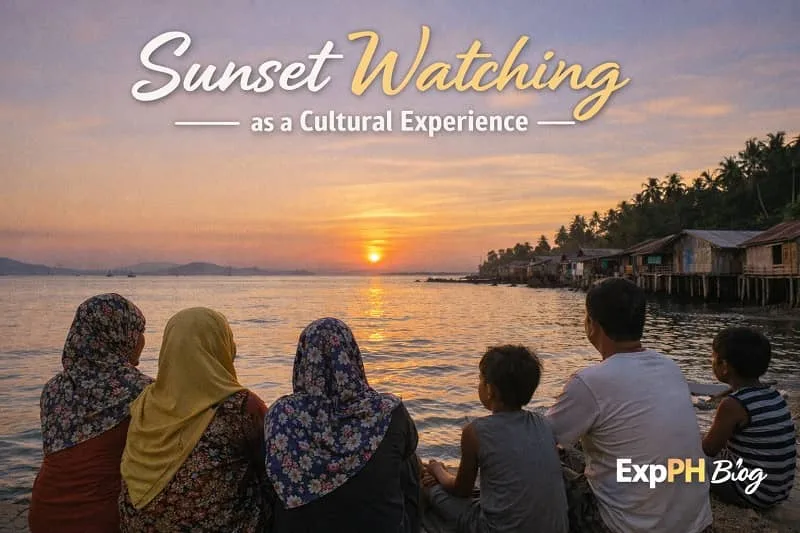
Sunset Watching as a Cultural Experience
Sunset watching in coastal communities is more than observing nature. It is a cultural moment shaped by shared routines, values, and quiet respect. When approached with awareness, the experience offers insight into daily life while strengthening understanding between visitors and local residents.
Respecting Local Space
Sunset is a shared moment for coastal residents and not a performance for visitors. Observing quietly and respecting routines helps maintain trust and comfort within the community. Simple actions show awareness and allow the experience to remain genuine for everyone present.
Simple practices include:
- Asking permission before taking photos of people
- Keeping noise low
- Dressing modestly
Respect strengthens the experience and builds lasting trust with the community.
Learning Through Observation
Without formal tours or guides, sunset watching becomes a natural learning experience. Visitors observe how weather shapes fishing, how children assist elders, and how daily life flows without rigid schedules. These moments reveal community values best understood through patience and presence.
Why OFWs Connect Deeply With Sunset in Sulu
For many Overseas Filipino Workers, home visits are emotional and often short. Sunset watching offers a simple yet meaningful way to reconnect. It requires little planning and allows OFWs to slow down, reflect, and feel grounded in familiar surroundings after long periods abroad.
Emotional Grounding After Time Abroad
Many OFWs describe sunsets as moments when stress begins to fade. Watching the Sunset in Sulu creates space for calm reflection and emotional balance after years of work overseas.
It can:
- Bring back childhood memories
- Offer mental rest after long work periods
- Reinforce identity and belonging
It requires no itinerary, no spending, and no pressure.
Sharing Moments With Family
Sunset watching often becomes a shared family moment. Sitting together by the shore encourages conversation without distraction. For OFWs, this quiet time strengthens bonds and often feels more meaningful than planned outings or busy schedules.
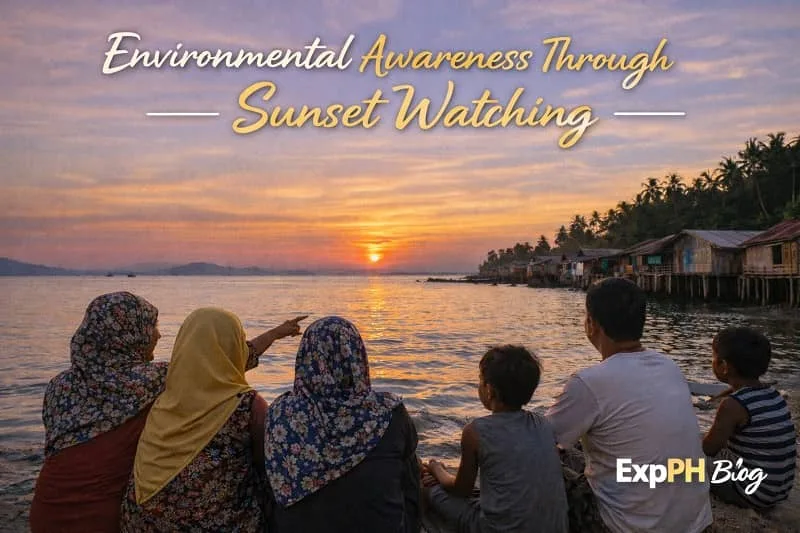
Environmental Awareness Through Sunset Watching
Sunset watching encourages awareness of the natural environment by slowing observation and reducing distraction. In quiet coastal settings, visitors become more attentive to water conditions, shoreline care, and marine life, gaining a clearer understanding of how nature and community livelihoods remain closely connected.
Observing Coastal Health
Sunset provides a calm time to observe coastal conditions naturally. Water clarity, shoreline cleanliness, and marine activity are easier to notice in soft light. These details help visitors understand environmental health and its role in supporting daily life along the coast.
This awareness helps visitors understand:
- The importance of protecting coastal ecosystems
- How community livelihood depends on environmental balance
Supporting Sustainable Practices
By valuing quiet experiences like sunset watching, travelers lessen pressure on coastal areas. This approach supports responsible travel, encourages long-term sustainability, and helps prevent short-term commercialization that can harm both the environment and local culture.
Safety and Responsible Travel Considerations
While sunset watching is peaceful, visitors should remain mindful of safety and local guidelines. Awareness helps ensure a respectful and secure experience, especially in unfamiliar coastal areas where routines change after dark and local customs should always be observed.
General safety reminders include:
- Staying with local companions when possible
- Avoiding unfamiliar areas after dark
- Respecting local customs and security advisories
For updated travel and safety information, refer to guidance from the Philippine Department of Tourism.
Photography Tips for Sunset in Sulu
Sunset photography in Sulu is most effective when it captures both scenery and daily life. Focusing on natural light and human presence helps create images that feel honest, meaningful, and connected to the coastal environment rather than overly styled or staged.
Focus on Story, Not Just Color
When photographing sunsets, look beyond the sky and include daily life along the shore. These details add context and emotion, turning simple scenes into visual stories that reflect community life and coastal culture.
Include elements such as:
- Boats returning
- Silhouettes of fishermen
- Children near the shoreline
These moments create images that feel alive and grounded.
Keep It Natural
Avoid heavy editing that changes the scene. The natural tones of the Sunset in Sulu are already warm and balanced. Light adjustments preserve authenticity and help photos reflect the true mood of the moment.
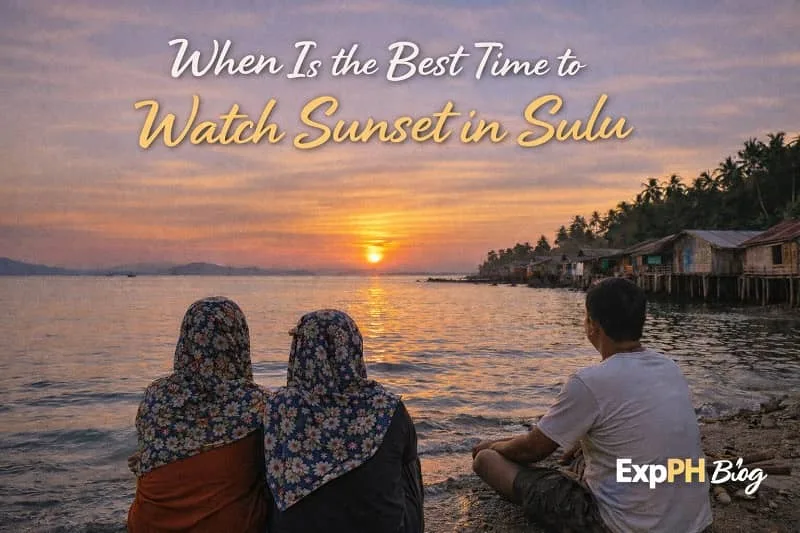
When Is the Best Time to Watch Sunset in Sulu
Sunset in Sulu varies slightly by season but usually occurs from late afternoon to early evening. Arriving with enough time allows visitors to settle in, observe surroundings, and fully experience the gradual change in light and atmosphere.
Tips to enjoy the moment:
- Arrive at least 30 minutes before sunset
- Stay after the sun disappears as colors deepen
- Observe how the sky changes gradually
Patience allows the full beauty of the sunset to unfold.
How Weather and Seasons Shape Sunset in Sulu
Weather and seasonal changes play a quiet but important role in how sunsets appear in Sulu. Cloud patterns, wind conditions, and sea movement influence color intensity and atmosphere, making each sunset slightly different depending on the time of year and daily weather conditions.
During calmer seasons, sunsets tend to appear clearer and softer, with smooth color transitions across the sky and sea. Gentle winds allow reflections to form on the water, enhancing the peaceful mood that coastal communities experience at day’s end.
Seasonal factors that shape the sunset include:
- Cloud cover affecting color depth
- Wind strength influencing sea reflections
- Seasonal rains softening light tones
Understanding these elements helps visitors appreciate why no two sunsets in Sulu ever feel the same.
Sunset Watching Without Commercial Pressure
In remote coastal communities in Sulu, sunset watching remains free from commercial influence. There are no entrance fees or packaged activities. This creates a relaxed setting where visitors can appreciate the moment without pressure, schedules, or expectations tied to tourism.
This allows visitors to:
- Experience the moment freely
- Engage respectfully with the community
- Leave minimal impact on the environment
It reinforces the idea that beauty does not need to be sold to be meaningful.
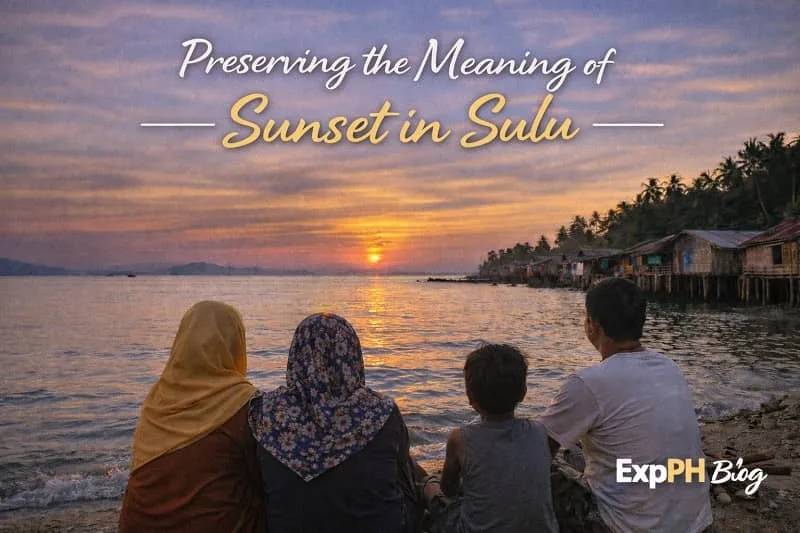
Preserving the Meaning of Sunset in Sulu
As interest in coastal sunsets grows, protecting their meaning becomes essential. Preservation helps ensure the experience remains respectful and authentic for both residents and visitors, rather than turning into a staged activity driven by attention or profit.
Preservation involves:
- Promoting respectful travel behavior
- Avoiding overexposure of sensitive locations
- Supporting community-led storytelling over external commercialization
Sunset watching should remain a shared cultural moment, not a staged attraction.
Why Sunset Watching Belongs in Sulu’s Best Experiences
Among the many experiences in Sulu, sunset watching stands out because it asks only for presence and attention. It reflects the province’s strengths through community life, simplicity, and a strong connection to the sea and natural surroundings.
It is accessible to:
- Local residents
- OFWs returning home
- Travelers seeking depth rather than entertainment
Conclusion: The Quiet Power of Sunset in Sulu
The Sunset in Sulu is not shaped by dramatic landscapes or built attractions. Its meaning comes from stillness, routine, and shared presence. In remote coastal communities, sunset marks a natural pause where work slows, families gather, and the sea reflects daily life. This moment shows balance between livelihood, relationships, and nature. Without noise or pressure, the experience remains honest and deeply rooted in local culture. It reminds visitors that beauty does not need grand settings to feel powerful.
For those willing to slow down and observe with respect, sunset watching becomes more than a simple activity. It creates space for reflection, reconnection, and understanding. In a fast moving world, the coastal sunsets of Sulu offer a quiet invitation to pause, breathe, and remember what truly matters in life.
Continue exploring related cultural experiences in Sulu:
- Learning the Art of Tausug Pis Syabit Making
- Tausug Brassware Crafting Sessions with Local Artisans
- Visiting a Traditional Weaving Home in Sulu and Watching the Process
- Wadjit (Black Rice Cake): A Classic Filipino Rice Cake with Coconut Flavor
- Putli Mandi: A Traditional Sulu Delicacy Made from Glutinous Rice and Coconut
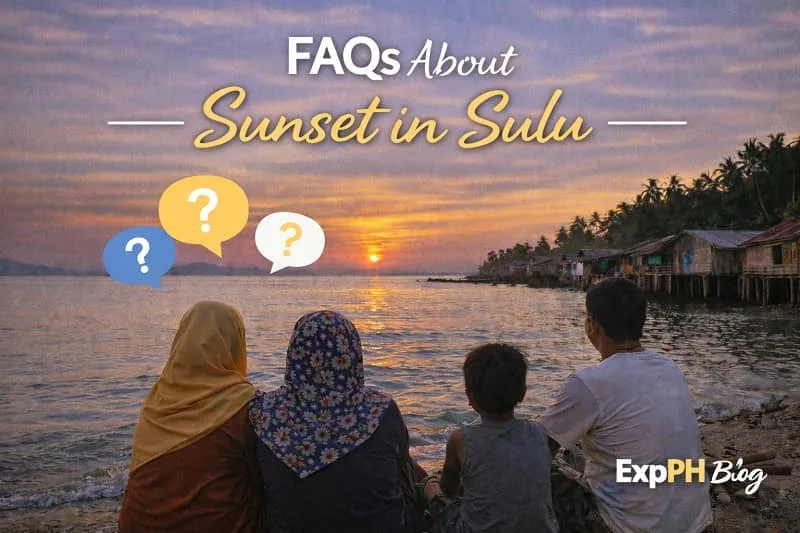
FAQs About Sunset in Sulu
What makes sunset watching special in remote coastal communities?
Sunset watching feels special because it combines natural beauty, quiet surroundings, and daily community life, creating a calm, authentic experience that feels personal and deeply meaningful.
Why is sunset watching popular in coastal areas?
Coastal areas offer open horizons, reflective waters, and fewer obstructions, allowing sunsets to appear wider, brighter, and more dramatic compared to inland or urban locations.
Is sunset watching in remote communities suitable for families?
Yes, it is family friendly, peaceful, and safe when done respectfully, making it ideal for children, elders, and relatives spending quiet bonding time together.
What is the best time to prepare for sunset watching?
Arriving at least thirty minutes before sunset allows visitors to relax, observe community activity, and enjoy gradual color changes in the sky and sea.
Do visitors need special equipment to enjoy sunset watching?
No special equipment is required, only comfortable seating, appropriate clothing, and patience to fully appreciate the natural transition from daylight to evening.
Can sunset watching help reduce stress?
Yes, watching sunsets encourages mindfulness, slows breathing, and provides mental rest, helping people release stress accumulated from work, travel, or daily responsibilities.
Is photography allowed during sunset watching?
Photography is usually allowed, but visitors should ask permission before photographing people, respect privacy, and avoid disrupting community activities during the evening.
How should visitors behave during sunset watching?
Visitors should remain quiet, dress modestly, follow local customs, avoid littering, and show respect to residents who share the shoreline during sunset hours.
Why do many locals value sunset time?
Sunset represents rest, reflection, and family time, marking the transition from work to evening routines, prayers, and shared moments within the community.
Can sunset watching be part of responsible tourism?
Yes, it promotes low impact travel, cultural respect, environmental awareness, and meaningful experiences without exploiting communities or natural resources for commercial gain.
Test your understanding of sunset watching in remote coastal communities.
Results


#1. What makes coastal sunsets unique?
#2. Why do communities value sunset time?
#3. Who often returns at sunset?
#4. What should visitors prioritize?
#5. Why is sunset watching calming?
#6. What activity happens at dusk?
#7. Why avoid heavy commercialization?
#8. What should photographers do?
#9. Why do OFWs enjoy sunsets?
#10. What supports sustainable tourism?
Your curiosity helps preserve stories, traditions, and experiences worth sharing.
Have you experienced sunset watching in a coastal community? Share your story in the comments and let us learn from your experience.

A Filipino web developer with a background in Computer Engineering. Founder of ExpPH Blog and ExpPH Business Guide, creating practical content on OFW guidance, business, finance, freelancing, travel, and lifestyle. Passionate about helping Filipinos grow, he shares insights that educate, empower, and inspire readers nationwide.