
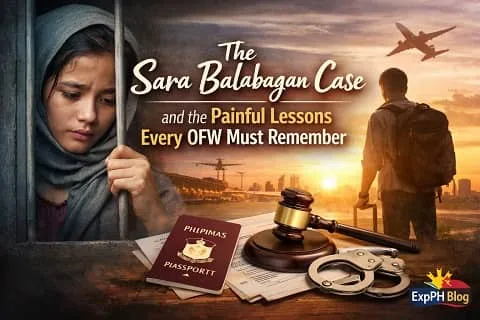
The Sara Balabagan Case and the Painful Lessons Every OFW Must Remember
For many Overseas Filipino Workers, leaving home is more than a career choice. It is a personal sacrifice made for family stability, dignity, and survival. Over the years, millions of OFWs have worked quietly abroad with little recognition. However, a few cases forced the global community to confront the risks migrant workers face. Among the most significant is the Sara Balabagan Case, which revealed how vulnerable overseas workers can become when protection systems fail.
This case is remembered not for shock or headlines, but for the serious issues it exposed. It highlighted gaps in worker protection, weak recruitment oversight, and limited support systems for Filipinos abroad. More importantly, it offers clear lessons that OFWs today must understand to remain safe, informed, and empowered throughout their overseas employment journey.
This article revisits the Sara Balabagan Case with care and respect. The goal is not to relive trauma, but to understand what went wrong, what OFWs should do differently today, and where help can be found now.
Who Was Sara Balabagan
Sara Balabagan was a young Filipino woman who went abroad as a domestic worker in the mid-1990s. Like many OFWs, she came from a poor background and sought overseas work to support her family. She was underage at the time of deployment, a fact that later became central to the case.
Her situation was not unique. During that period, many Filipinos were deployed through informal or weakly regulated channels. Age verification, proper training, and employer screening were often inadequate.
Sara’s case gained international attention after she was convicted abroad following a violent incident involving her employer. The circumstances revealed deeper issues of abuse, lack of protection, and systemic neglect that many OFWs silently endured.
The Sara Balabagan Case in Context
To understand the Sara Balabagan Case, it must be viewed within the realities of overseas domestic work during that period. Many OFWs faced weak protections, limited oversight, and unequal treatment. These conditions shaped the risks migrant workers encountered long before problems reached public attention.
Overseas Domestic Work in the 1990s
In the 1990s, domestic workers were among the most vulnerable OFWs. Many lived inside employers’ homes, worked extended hours, and had little personal freedom. Contact with family or authorities was difficult, while labor protections depended heavily on each host country’s laws and enforcement.
Recruitment standards at the time were far weaker than today. Some workers were deployed while underage or without proper training. Others signed contracts they did not fully understand, leaving them unprepared for working conditions and unaware of their rights abroad.
Power Imbalance and Isolation
Domestic workers often experience isolation because they live with their employers. This limits access to outside help and support. When abuse occurs, reporting feels risky due to language barriers, fear of job loss, and threats that discourage workers from speaking up.
The Sara Balabagan Case showed how isolation and power imbalance can worsen dangerous situations. Without timely reporting or intervention, unresolved abuse can escalate, leading to serious legal and personal consequences that could have been prevented through early support.
What Went Wrong in the Sara Balabagan Case
Understanding what went wrong in the Sara Balabagan Case is essential, not to assign blame to the victim, but to identify serious failures that must never be repeated. These gaps in protection, oversight, and support exposed how vulnerable OFWs can become when safeguards fail.
Deployment of an Underage Worker
One of the most serious failures was the deployment of an underage Filipino worker. This reflected major weaknesses in recruitment screening and document verification, allowing unsafe placement abroad without proper safeguards or accountability from agencies involved in the deployment process.
Age requirements exist to protect young workers from physical, emotional, and legal risks overseas. Ignoring these rules placed Sara in a situation she was not prepared to face, increasing her vulnerability and limiting her ability to protect herself or seek help.
Lack of Proper Training and Orientation
Overseas workers need proper orientation on their rights, local laws, and emergency procedures before deployment. In the Sara Balabagan Case, insufficient preparation left her vulnerable and unaware of where to seek help during distress or abuse.
Pre-departure training is not a simple requirement. It equips OFWs with knowledge, confidence, and practical steps to respond safely when problems arise in unfamiliar and high-risk environments.
Absence of Early Intervention
Reports and later testimonies suggested that abuse occurred before the incident that led to conviction. The tragedy developed over time through unresolved issues, not a single moment of failure or misunderstanding.
With early reporting, closer employer monitoring, and accessible support channels, intervention could have occurred sooner. Timely action might have prevented escalation and reduced the severe consequences that followed.
Why the Sara Balabagan Case Still Matters Today
Some may think the Sara Balabagan Case belongs to the past. In reality, its lessons remain deeply relevant for today’s OFWs. The issues it revealed continue to exist, making awareness and preparedness essential for workers facing similar risks abroad.
Abuse Has Not Disappeared
Despite policy improvements, cases of abuse, contract violations, and exploitation still occur. The situations may look different today, but the risks remain, especially for domestic workers and first-time OFWs in unfamiliar environments.
The Sara Balabagan Case reminds us that silence and isolation increase danger. When problems go unreported, abuse can worsen, leaving workers with fewer options and greater consequences over time.
Systems Improve Only When Failures Are Remembered
Many reforms in deployment standards, age verification, and welfare services followed high-profile OFW cases. These changes happened because failures were acknowledged, studied, and addressed through stronger rules and oversight.
Remembering the Sara Balabagan Case helps protect today’s workers. It reinforces why safeguards exist and why continued vigilance is needed to prevent the same mistakes from happening again.
Painful Lessons Every OFW Must Remember
This section focuses on lessons rather than tragedy. The goal is to help OFWs learn from past cases and make safer decisions. Awareness, preparation, and timely action can reduce risks and protect Filipino workers facing challenging conditions abroad.
Verify Everything Before Leaving
OFWs must verify all details before deployment to avoid future problems. Proper checks help prevent illegal placement and misunderstanding once overseas. Always confirm the following through official and licensed channels:
- The recruitment agency is licensed
- Age, documents, and contracts are accurate
- Job roles match the signed contract
Never rely on verbal promises alone, especially when employment and safety are involved.
Know Your Rights and Local Laws
Understanding labor laws in the host country is critical for every OFW. Actions meant for self-protection may carry serious legal consequences abroad if laws are misunderstood. Pre-departure seminars and official guides exist to explain rights, responsibilities, and proper steps during emergencies.
Speak Up Early, Not When It Is Too Late
Abuse often worsens when it remains unreported. OFWs should speak up at the first sign of danger, even when fear or uncertainty is present. Early reporting allows authorities and support groups to intervene before situations escalate further.
Early reporting saves lives and prevents long-term harm.
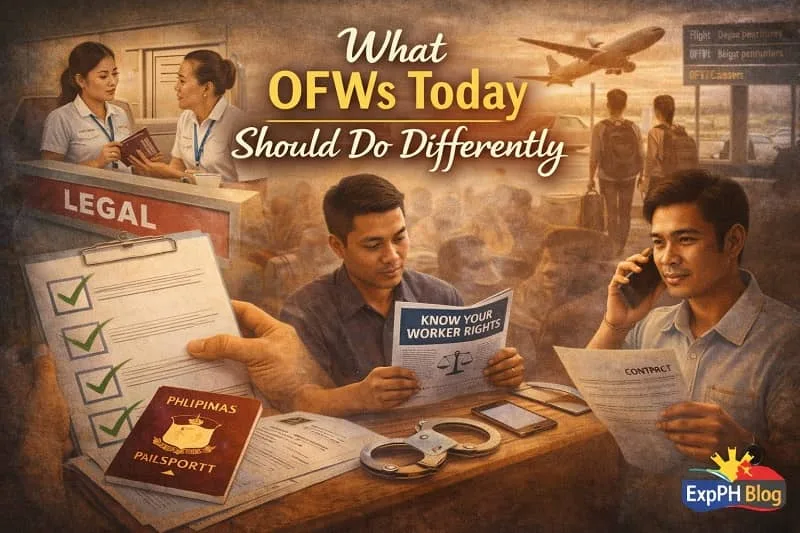
What OFWs Today Should Do Differently
Today’s OFWs have more tools, information, and support systems than in the past. Using these resources responsibly makes a real difference in safety and well-being. Informed choices reduce risk and help workers respond effectively when problems arise abroad.
Use Only Legal and Documented Channels
OFWs should avoid shortcuts, fixers, or undocumented deployment at all times. Legal and documented channels provide access to protection, shelters, and legal assistance when needed. These channels also ensure workers are covered by official support systems during emergencies.
Keep Emergency Contacts Accessible
Every OFW should keep important contact details ready at all times. These contacts provide immediate help during emergencies and stressful situations. Always keep the following information accessible:
- Embassy or consulate contact numbers
- OWWA or welfare officer details
- Trusted family contacts back home
Save these details digitally and on paper to avoid losing access.
Maintain Communication With Family
Regular communication helps families notice warning signs early. Changes in behavior, sudden silence, or signs of distress should never be ignored. Staying connected allows families to act quickly and seek help before situations become more serious.
Where Help Can Be Found Now
Unlike in the past, OFWs today have clearer and more accessible pathways to assistance. Government systems, welfare programs, and overseas posts now exist to support distressed workers. Knowing where to seek help can prevent problems from worsening and provide protection during difficult situations abroad.
Philippine Overseas Labor Offices and Embassies
Philippine embassies and overseas labor offices serve as the first line of protection for distressed OFWs. They provide temporary shelter, legal assistance, mediation with employers, and repatriation support. These offices help workers who face abuse, contract violations, or emergency situations overseas.
OWWA and Government Support Programs
The Overseas Workers Welfare Administration offers support services such as legal aid, counseling, financial assistance, and repatriation help for qualified OFWs. For official guidance on worker protection and deployment standards, OFWs may refer to the Department of Migrant Workers.
This official government source provides updated policies, verified assistance channels, and clear instructions for Filipinos working abroad.
The Role of Families and Communities
OFW safety is not the worker’s responsibility alone. Families and communities play an important role in protection and awareness. When people at home stay informed and involved, risks can be identified earlier, and help can be mobilized faster for OFWs facing difficulties abroad.
Families Must Stay Informed
Families should understand key details about their loved ones working overseas. Being informed allows families to respond quickly when problems arise and seek help without delay. Families should clearly know the following:
- The worker’s job and location
- Emergency contact information
- Warning signs of abuse or distress
Staying informed strengthens communication and support.
Communities Must Share Accurate Information
Misinformation spreads fast, especially online, and can place OFWs at risk. Communities should rely on verified sources and official guidance when sharing information. Discouraging illegal deployment and correcting false claims help protect workers and prevent unsafe decisions based on misleading advice.ally on social media. Communities should rely on verified sources and discourage illegal deployment.

Responsible Storytelling and Respect
The Sara Balabagan Case must be discussed with care and responsibility. Sensationalizing pain does not help readers or affected families. Respectful storytelling focuses on lessons and awareness, honoring the individual behind the case while helping prevent similar harm to other OFWs.
ExpPH Blog, like any OFW-focused platform, carries a responsibility to educate rather than exploit. Content should inform, guide, and protect readers while maintaining dignity, accuracy, and respect for those whose experiences shaped OFW awareness.
How the Sara Balabagan Case Changed OFW Awareness
This case forced conversations that had long been ignored. It exposed weaknesses in deployment systems and welfare protection, reminding the public that OFWs are not just economic contributors but individuals who deserve safety, dignity, and strong institutional support.
It also highlighted the consequences of neglect, silence, and delayed action. These failures showed how lack of oversight and support can escalate risks, leading to outcomes that could have been prevented through early intervention and accountability.
Moving Forward With Awareness and Preparedness
Progress happens when lessons are remembered and applied consistently. OFWs are stronger when they are informed, supported, and connected to reliable systems of help. Knowledge and preparation remain key tools for safety abroad.
The Sara Balabagan Case is not only a story from the past. It stands as a warning, a lesson, and a call to responsibility for governments, recruiters, families, and workers to protect OFWs more effectively.
Conclusion: Remembering the Sara Balabagan Case With Purpose
The Sara Balabagan Case remains one of the most important reminders in OFW history, not because of tragedy alone, but because of the lasting lessons it carries. It reveals how weak safeguards, lack of preparation, and delayed intervention can place workers at serious risk. Remembering this case helps reinforce why protection systems exist and why they must be followed, strengthened, and respected by all involved in overseas employment.
What went wrong must be acknowledged honestly so mistakes are not repeated. What OFWs should do differently must be clearly taught through training and awareness. Where help can be found must always be known and accessible. By remembering this case responsibly, we honor every Filipino who leaves home seeking a better life and deserves to return safe, protected, and respected.
Continue reading related educational material below.
- The True Story Behind Anak and a Mother’s Love
- Real Story of Bata Bata Paano Ka Ginawa and Motherhood
- A Viral Filipino TikTok Story About an OFW Side Hustle and What OFWs Can Learn From It
- Digital Tools OFWs Can Use to Track Career Progress
- OFW Documents You Must Have
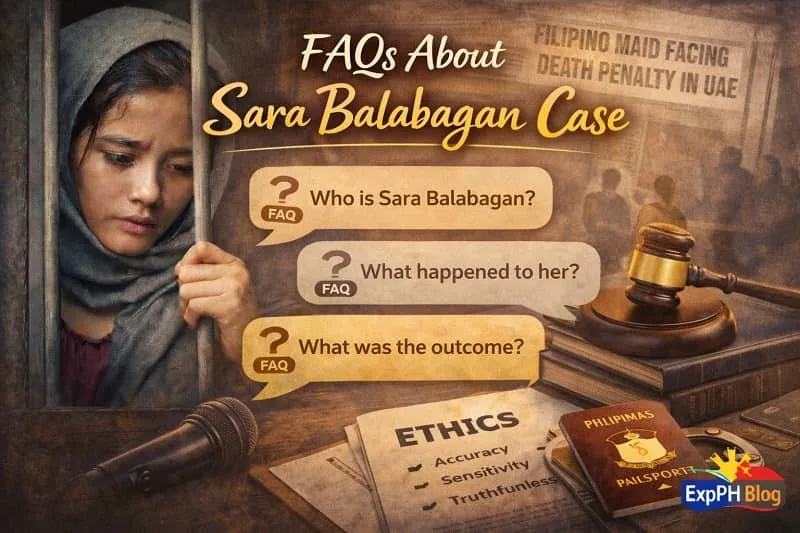
FAQs About Sara Balabagan Case
What is the Sara Balabagan Case?
The Sara Balabagan Case involves a young Filipino domestic worker whose overseas abuse, legal struggle, and conviction exposed gaps in OFW protection and deployment safeguards.
Why is the Sara Balabagan Case important for OFWs today?
It highlights risks of abuse, illegal deployment, and weak support systems, reminding OFWs to verify documents, know rights, and seek help early when danger appears.
What went wrong in the Sara Balabagan Case?
Failures included deploying an underage worker, lack of proper training, poor monitoring, and delayed intervention, which allowed abuse to escalate without immediate protection or assistance.
Was Sara Balabagan legally protected at the time?
Protection was limited, as labor safeguards for domestic workers were weaker then, leaving many OFWs vulnerable due to inadequate laws, enforcement gaps, and isolation abroad.
How did the Sara Balabagan Case affect OFW policies?
It raised national and international awareness, pushing governments to strengthen age verification, training requirements, and welfare mechanisms for Filipino migrant workers abroad worldwide over time.
What lessons should OFWs remember from this case?
OFWs must avoid illegal deployment, understand contracts, recognize abuse early, document incidents, and contact authorities or embassies before situations become dangerous abroad for timely assistance.
What should OFWs do differently today?
They should use licensed agencies, attend pre-departure orientations, keep emergency contacts, maintain communication, and report problems promptly to prevent escalation while working overseas safely.
Where can OFWs find help now?
OFWs can seek assistance from Philippine embassies, labor offices, OWWA, and the Department of Migrant Workers for legal, welfare, and repatriation support during overseas employment.
Is the Sara Balabagan Case still relevant today?
Yes, it remains relevant because abuse, isolation, and power imbalance still affect some OFWs, making awareness, preparedness, and reporting essential for modern migrant workers worldwide.
How should this case be discussed responsibly?
It should be discussed with respect, accuracy, and focus on lessons, avoiding sensationalism while promoting safety, rights awareness, and stronger protection for OFWs today globally.
Test your understanding of The Sara Balabagan Case and Lessons Every OFW Must Remember
Results


#1. Who was Sara Balabagan?
#2. Why is the Sara Balabagan Case important?
#3. What major issue occurred in the case?
#4. What type of work was involved?
#5. What risk did isolation create?
#6. What should OFWs verify before leaving?
#7. What should OFWs do when abuse begins?
#8. Who can help distressed OFWs today?
#9. What lesson does the case emphasize most?
#10. Why should this case be remembered?
Thank you for taking time to learn from real OFW history
Awareness saves lives, and informed OFWs make safer choices. We also invite you to comment below and share your thoughts or experiences, your voice can help educate and protect other Filipinos working abroad.

A Filipino web developer with a background in Computer Engineering. Founder of ExpPH Blog and ExpPH Business Guide, creating practical content on OFW guidance, business, finance, freelancing, travel, and lifestyle. Passionate about helping Filipinos grow, he shares insights that educate, empower, and inspire readers nationwide.