How OFWs Can Prepare for a Successful Poultry Farming Business
Starting a poultry farm in the Philippines can be an opportunity for returning Overseas Filipino Workers (OFWs) who want to invest in agricultural production. However, raising chickens requires careful preparation, suitable facilities, reliable supplies, and consistent management. Poultry Farm Planning for OFWs helps aspiring entrepreneurs understand what to prepare before investing their savings in a chicken farming operation.
Whether you plan to raise broilers for meat or layers for egg production, understanding the daily responsibilities and operating costs can help you make better business decisions.
This guide is part of our complete resource on:
Poultry Farming Business for OFWs: Step-by-Step Guide to Starting a Profitable Chicken Farm in the Philippines
Table of Contents
5 Important Preparations for Poultry Farm Planning for OFWs
Before purchasing chicks or building a poultry facility, evaluate the resources and responsibilities involved in operating a chicken farm.
1. Choose Between Broiler and Layer Farming
Your first decision is whether to raise broilers or layers.
- Broiler farming: Focuses on raising chickens for meat. Production is organized around growing cycles, so you need to plan chick purchases, feeding, housing, and selling schedules.
- Layer farming: Focuses on producing eggs. It requires ongoing care, suitable housing, feeding, and regular egg collection and distribution.
Consider your available capital, target customers, management capacity, and preferred production model before choosing.
2. Assess Your Farm Location
A suitable location helps support poultry health and efficient operations. Evaluate the available space, ventilation, drainage, water supply, road access, and distance from nearby homes.
Check local zoning, environmental, and business requirements before constructing a poultry facility. You should also consider whether the location allows reliable access to feed suppliers and potential buyers.
3. Prepare Your Poultry Housing and Equipment
Chicken housing should provide adequate space, ventilation, protection from harsh weather, and appropriate sanitation.
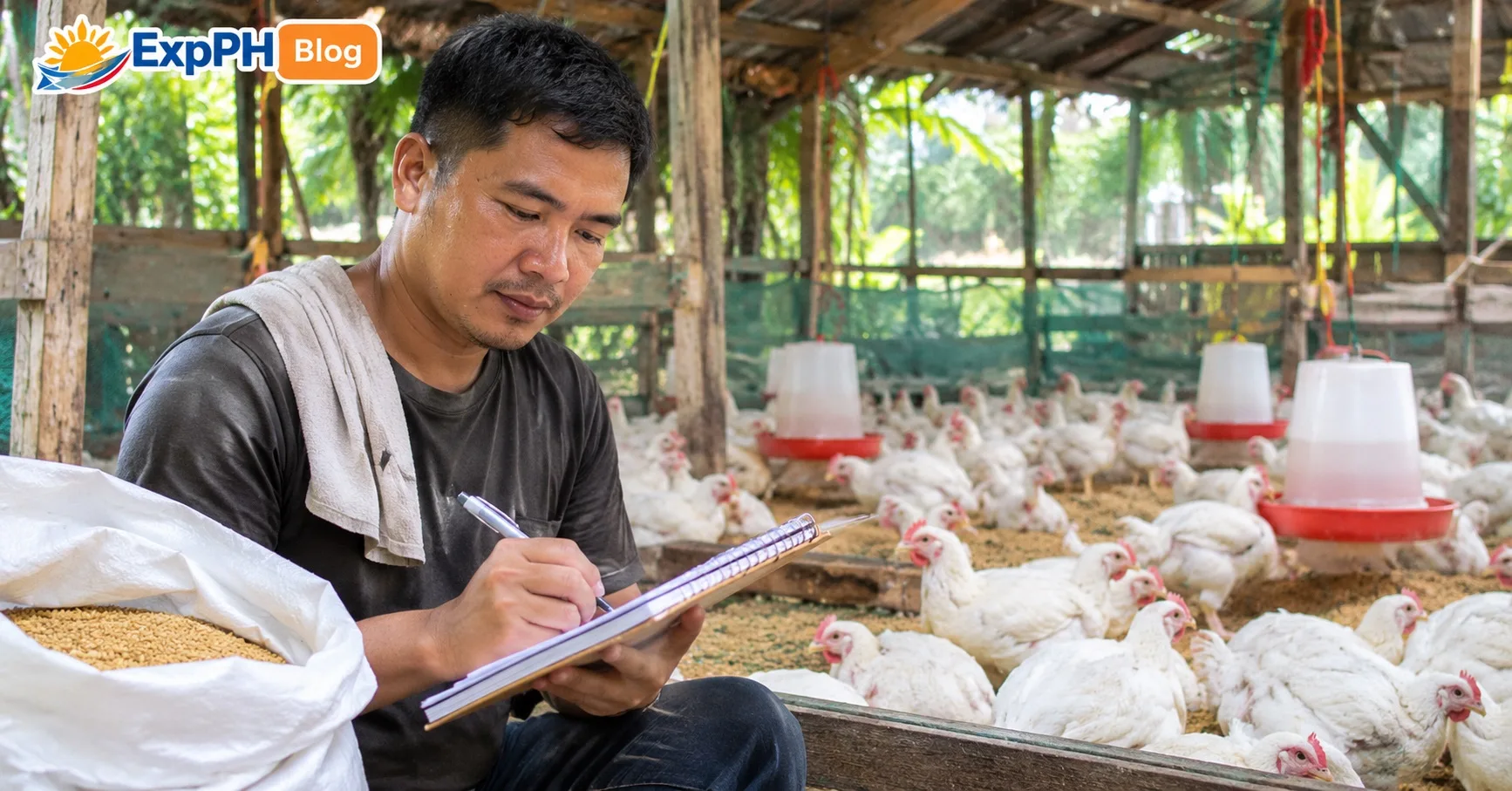
Depending on your production model, equipment may include feeders, drinkers, lighting, brooding equipment, and storage facilities for feed. Plan the layout so cleaning, feeding, and monitoring can be done efficiently.
Avoid building facilities based only on the number of chickens you hope to raise. Your housing capacity must match appropriate space and management requirements.
4. Calculate Startup and Operating Expenses
Poultry farming involves more than purchasing chicks. Prepare a budget covering:
- Chick purchases
- Poultry housing and equipment
- Feeds and drinking water
- Vaccination and veterinary support
- Labor and utilities
- Cleaning and sanitation supplies
- Transportation and distribution
Also prepare funds for recurring expenses throughout the production cycle. Your available capital should be sufficient to support the operation without depending on immediate sales.
5. Identify Buyers Before Production Begins
A poultry business needs a reliable market for its products. Depending on your chosen operation, potential customers may include households, restaurants, local markets, retailers, and egg distributors.
Research local selling prices, customer demand, competing suppliers, and delivery arrangements. Understanding your target market helps you estimate whether your planned production volume is realistic.
One Practical Tip: Prepare a Farm Operations Checklist
Create a written checklist covering feeding schedules, water supply, cleaning, health monitoring, recordkeeping, and production expenses. If you are an OFW who will manage the farm from overseas, identify a reliable on-site manager and establish clear reporting responsibilities before investing.
One Common Mistake: Starting With More Chickens Than You Can Manage
Raising too many chickens without adequate housing, equipment, capital, or experience can create management problems. It may also increase expenses and make it harder to maintain proper sanitation and bird health.
Begin with a manageable production capacity that matches your resources and ability to supervise daily operations. Expand only after you understand the requirements and performance of your initial operation.
Conclusion
A poultry farm requires more than capital and a suitable location. Poultry Farm Planning for OFWs involves choosing the right production model, preparing facilities, calculating operating expenses, and identifying potential buyers. Start with a realistic farm size, establish reliable management, and build your operation gradually.
If you want a complete roadmap for long-term success, read:
Top 10 Small Business Ideas in the Philippines for 2026
Related Guides
- Top 10 Profitable Agribusiness Philippines Ideas for Beginners and OFWs
- Vegetable Farming and Organic Produce: A Sustainable Business Idea for OFWs Returning Home

A Filipino web developer with a background in Computer Engineering. Founder of ExpPH Blog and ExpPH Business Guide, creating practical content on OFW guidance, business, finance, freelancing, travel, and lifestyle. Passionate about helping Filipinos grow, he shares insights that educate, empower, and inspire readers nationwide.