
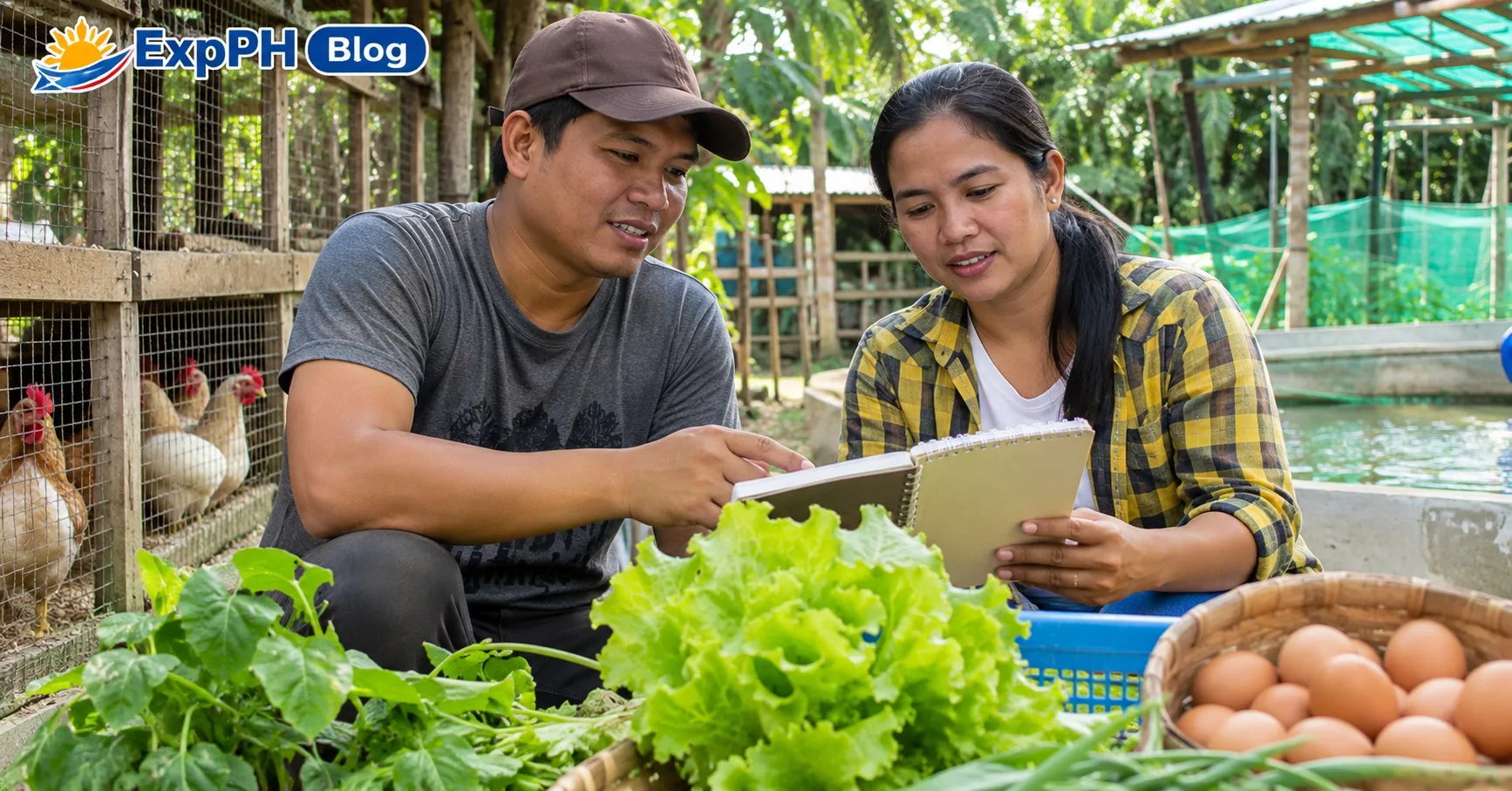
How Beginners and OFWs Can Choose the Right Agribusiness in the Philippines
Agriculture offers several business opportunities for Filipinos who want to earn income from farming, livestock, and food production. However, choosing the right opportunity requires more than finding a product that appears profitable. Agribusiness Planning for Beginners and OFWs helps aspiring entrepreneurs evaluate their available capital, land, skills, and local market demand before investing.
For returning OFWs, agribusiness can be a way to use their savings and prepare for a business they can manage in the Philippines. Starting with a realistic plan can help reduce unnecessary expenses and improve the chances of building a sustainable operation.
This guide is part of our complete resource on:
Top 10 Profitable Agribusiness Philippines Ideas for Beginners and OFWs
5 Important Factors to Consider Before Starting an Agribusiness
Not every agricultural business is suitable for every beginner. The right choice depends on available resources, location, experience, and the customers you intend to serve.
1. Identify Available Land and Resources
Start by checking whether you own, rent, or have access to suitable agricultural land. Consider the size, soil condition, water supply, accessibility, and location.
Some activities require larger areas, while others can operate on smaller spaces. Mushroom cultivation, for example, may be suitable for controlled growing areas, while vegetable farming requires appropriate growing conditions and a reliable water source.
If you are an OFW, confirm that the property can be accessed and managed reliably before making an investment.
2. Research Local Market Demand
Before choosing a product, find out what people in your target area regularly buy. Restaurants, market vendors, grocery stores, food processors, and households may provide potential customers.
Study existing suppliers, common selling prices, seasonal demand, and transportation expenses. A product may be easy to produce, but selling it consistently is another challenge.
3. Match the Business With Your Available Capital
Agribusiness expenses can include land preparation, seeds, livestock, equipment, feed, labor, utilities, packaging, and transportation.
Prepare a realistic budget that includes operating expenses, not just the initial setup. Some agricultural activities also require several months before generating revenue, so you need enough funds to maintain operations during that period.
4. Consider Your Experience and Management Skills
Choose an agricultural activity that matches your knowledge or willingness to learn. Farming and livestock production require proper management, monitoring, and attention to daily operations.
Returning OFWs can use their previous work experience in areas such as administration, logistics, sales, or financial management. However, technical agricultural knowledge may still be necessary, so consider training or guidance from experienced local farmers.
5. Plan How Products Will Reach Customers
A business needs a reliable way to sell and distribute its products. Consider whether you will sell directly to consumers, supply local markets, work with restaurants, or coordinate with distributors.
Also consider storage, transportation, product quality, and possible spoilage. These factors can affect how much money remains after production and selling expenses.
Choose an Agribusiness That Fits Your Situation
Beginners can explore different agricultural activities based on their resources and location. Vegetable farming may suit areas with appropriate soil and water conditions. Poultry farming requires proper housing, feed management, and disease prevention. Fish farming needs suitable water facilities and technical knowledge.
Other opportunities, such as goat raising and mushroom cultivation, have their own requirements and market considerations.
For OFWs, the availability of a trustworthy person to supervise operations is especially important. A business that looks manageable on paper may become difficult if nobody can handle daily responsibilities while the owner is overseas.
One Practical Tip: Validate Your Market Before Investing
Visit local markets and speak with potential buyers before purchasing equipment, livestock, or supplies. Ask what products they need, how frequently they purchase, and what quality and quantity they expect.
This simple research can help you select an agricultural activity based on actual demand rather than assumptions.
One Common Mistake: Investing Before Understanding Operating Costs
Some beginners focus only on the money needed to start. They overlook recurring expenses such as animal feed, fertilizer, labor, electricity, water, maintenance, and transportation.
Without a realistic operating budget, even a promising agricultural business can experience financial difficulties. Calculate both startup and ongoing expenses before committing your savings.
Conclusion
Successful agribusiness begins with careful preparation, market research, and realistic financial planning. Agribusiness Planning for Beginners and OFWs helps aspiring entrepreneurs choose opportunities that match their resources, experience, and local market conditions. Start with a manageable operation, understand its requirements, and expand when your business becomes sustainable.
If you want a complete roadmap for long-term success, read:
Top 10 Small Business Ideas in the Philippines for 2026
Related Guides
- Best Business Ideas for Filipinos in 2026
- Poultry Farming Business for OFWs: Step-by-Step Guide to Starting a Profitable Chicken Farm in the Philippines
Table of Contents

A Filipino web developer with a background in Computer Engineering. Founder of ExpPH Blog and ExpPH Business Guide, creating practical content on OFW guidance, business, finance, freelancing, travel, and lifestyle. Passionate about helping Filipinos grow, he shares insights that educate, empower, and inspire readers nationwide.