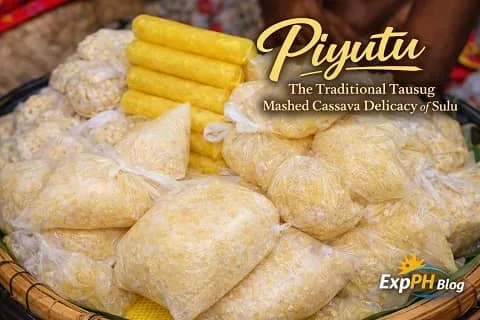
Piyutu: The Traditional Tausug Mashed Cassava Delicacy of Sulu
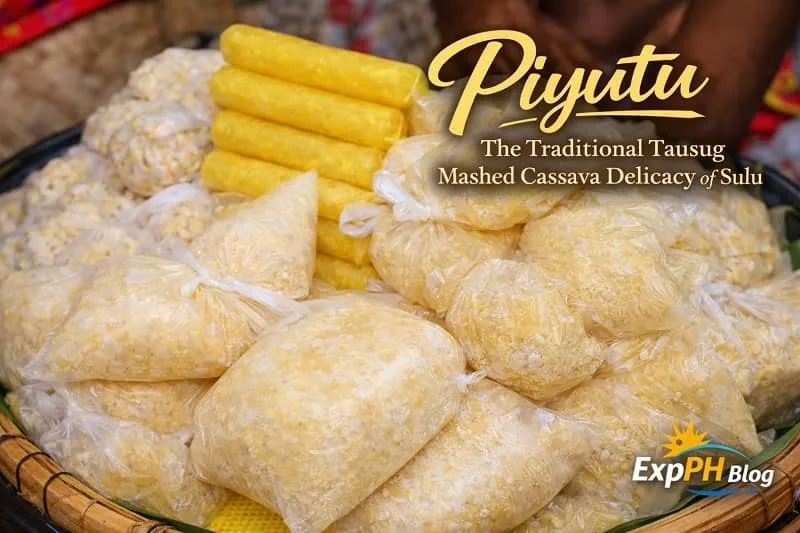
The island province of Sulu is known for its rich history, strong Islamic heritage, and deeply rooted food traditions. Among these traditional foods is Piyutu, a simple dish made from cassava that carries strong cultural meaning. More than a source of nourishment, Piyutu Tausug delicacy reflects resilience, shared living, and the rhythm of everyday life among the Tausug people. It represents how food connects families, supports daily routines, and preserves identity across generations within the community.
Unlike many modern Filipino desserts that depend on sugar and processed ingredients, Piyutu reflects a time when food was shaped by availability and sustainability. This traditional mashed cassava dish remains part of Tausug household cooking today. It is commonly prepared during ordinary family meals and quiet gatherings, where food strengthens bonds and supports simple living without excess.
This article explores the origins, preparation, and cultural importance of Piyutu while highlighting its continued relevance. It honors the role of this dish in Tausug identity and the broader cultural heritage of Sulu.
Understanding Piyutu in Tausug Cuisine
What Is Piyutu Tausug Delicacy
Piyutu is a traditional Tausug food made primarily from cassava, also known locally as kamoteng kahoy. The cassava is boiled until soft, then mashed or pounded into a smooth and dense texture. In its most traditional form, Piyutu is plain and unadorned, allowing the natural flavor of cassava to stand on its own.
Unlike many cassava dishes in other parts of the Philippines, Piyutu is not always prepared as a dessert. It may be eaten as a snack, served as a side dish, or enjoyed as a simple meal. How it is consumed often depends on family habits and daily routines.
The simplicity of Piyutu Tausug delicacy gives it lasting importance. It reflects the Tausug approach to food that values practicality and nourishment. Rather than being reserved for special events, Piyutu remains part of everyday life and family traditions.
Cassava as a Staple Food in Sulu
Cassava has long been an important crop in Sulu and nearby parts of Mindanao. It grows well in coastal and rural areas and requires little care to survive. Because it can withstand difficult weather, cassava provides a steady food source for many households. Its reliability makes it valuable for families who depend on locally grown crops for daily nourishment.
For Tausug communities, cassava became essential during periods when rice was limited or expensive. Families relied on it for regular meals and long-term food security. Over time, this reliance shaped traditional dishes like Piyutu, which continue to be prepared and valued today.
Cassava-based foods such as Piyutu show how the Tausug people adapt to their environment. These dishes reflect resourcefulness and cultural strength. Through food, the Tausug preserve identity while using local resources to support everyday living.
Cultural Significance of Piyutu in Tausug Life
A Food of Everyday Living
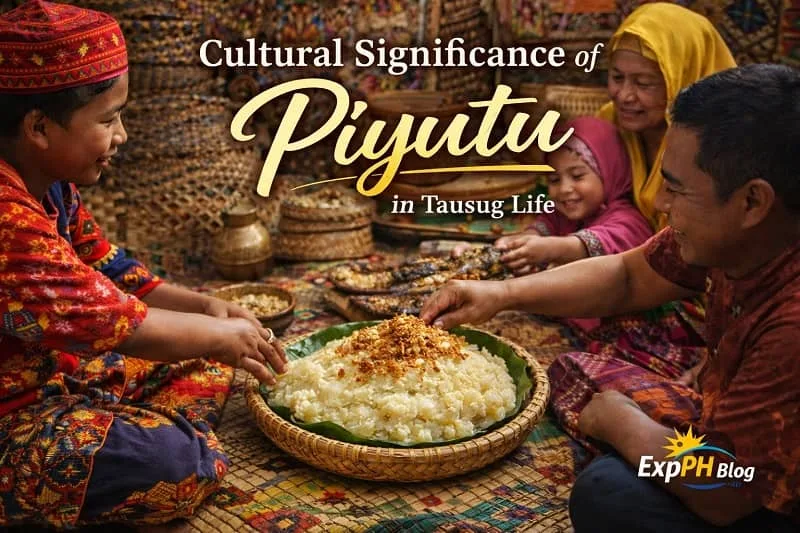
Piyutu is not a dish made for festivals or large celebrations. It is closely connected to daily life in Tausug households. Families often prepare it in the morning or afternoon and serve it as a filling snack or a simple meal. Its presence in daily routines shows how food supports both nourishment and family connection.
The everyday nature of Piyutu Tausug delicacy gives it special meaning. It represents comfort, routine, and familiarity. For many Tausug families, the taste and texture of Piyutu bring memories of childhood, family gatherings, and meals shared together on woven mats at home.
Piyutu and Community Sharing
In Tausug culture, food is rarely eaten alone. Meals are often shared because sharing strengthens relationships and builds trust within the community. Piyutu is usually prepared in portions meant for family members or nearby neighbors. This practice turns a simple dish into a shared experience that supports unity and cooperation in everyday life.
When visitors arrive, offering food like Piyutu is seen as a sign of welcome and respect. This act of hospitality reflects the Tausug value of generosity. Even when resources are limited, sharing food remains an important way of showing care and maintaining strong social bonds.
Traditional Preparation of Piyutu Tausug Delicacy
Selecting and Preparing Cassava
The preparation of Piyutu begins with choosing fresh cassava roots that are firm and clean. These roots are carefully peeled and washed to remove dirt and unwanted residue. Proper handling at this stage ensures the cassava is safe and ready for cooking before it is used in traditional preparation.
Correct preparation is important because cassava must be fully cooked before it is eaten. This knowledge is passed down through generations within Tausug families. It reflects a strong awareness of food safety while preserving long-established cooking traditions.
Cooking and Mashing Process
After cleaning, the cassava is boiled until it becomes soft and tender. Once cooked, it is mashed using traditional tools or basic household utensils. In some communities, pounding the cassava is preferred to achieve a smoother and more even texture.
The finished Piyutu has a dense and smooth consistency that can be shaped or served immediately. Some families enjoy a slightly coarse texture, while others prefer a softer mash. This variation shows how Piyutu Tausug delicacy adapts to household tastes while keeping its traditional character.
Variations and Serving Styles
Plain Piyutu
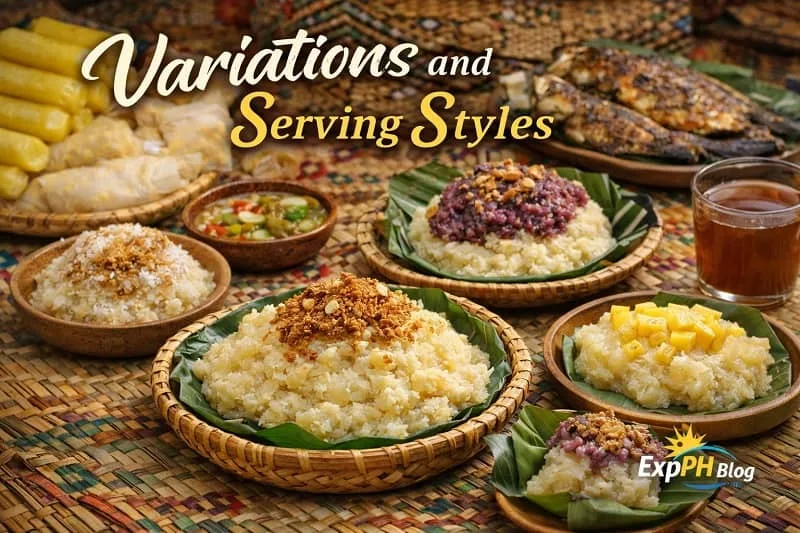
The most traditional form of Piyutu is prepared plain without added sugar or flavorings. This version highlights the natural taste of cassava and its simple texture. It is often enjoyed with tea or coffee and fits well into daily meals within Tausug households.
Plain Piyutu reflects practicality and balance in Tausug food culture. Its simplicity makes it suitable for regular consumption. Rather than being treated as a special dish, it remains a familiar food that supports everyday routines and shared family moments.
Sweetened Piyutu
In some homes, Piyutu is lightly sweetened using sugar or coconut-based ingredients. This variation is often prepared for children or served during relaxed family gatherings. The added sweetness makes the dish more appealing while keeping its traditional base.
Even when sweetened, Piyutu remains modest and simple. It does not aim to become a rich dessert. Instead, it maintains its identity as a traditional Tausug food rooted in balance and moderation.
Piyutu as a Side or Snack
Piyutu can be eaten on its own or served alongside other Tausug dishes. It may accompany savory foods during meals or be enjoyed as a filling afternoon snack. This versatility allows Piyutu to fit easily into different eating occasions within the household.
The flexibility of Piyutu Tausug delicacy adds to its lasting appeal. It adapts to daily routines without losing its traditional character. Whether served alone or with other foods, Piyutu remains a dependable and familiar part of Tausug home cooking.
Piyutu in the Context of Tausug Identity
Food as Cultural Memory
Food carries memory, and Piyutu holds a special place in Tausug culture. For Tausug people living outside Sulu, including OFWs and migrants, traditional foods like Piyutu serve as strong reminders of home, family, and shared roots. These foods help maintain emotional connection despite distance.
Preparing or recalling Piyutu supports cultural identity across time and place. The familiar taste and process bring comfort and continuity. Through food, Tausug traditions remain alive even when people live far from their homeland.
Passing Traditions to the Next Generation
Elders often teach younger family members how to prepare Piyutu through hands-on guidance. Along with cooking methods, they share stories, values, and cultural lessons. This shared experience helps strengthen family bonds and preserve tradition.
In a modern world shaped by fast food and convenience meals, passing down traditional dishes becomes an act of cultural preservation. Teaching Piyutu ensures that Tausug food heritage continues through future generations.
Relevance of Piyutu Tausug Delicacy Today
A Simple Food in a Modern World
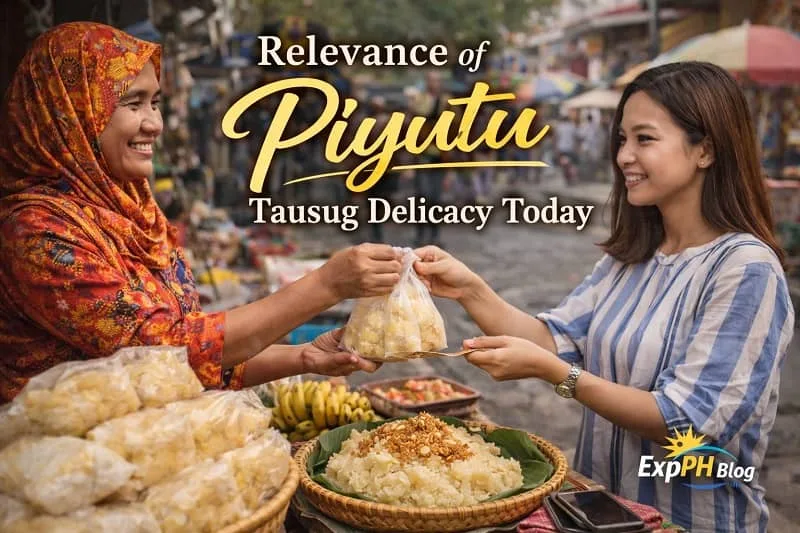
As lifestyles continue to change, many traditional foods face the risk of being forgotten. Piyutu remains relevant because it is simple to prepare, affordable, and nourishing. Its reliance on cassava makes it accessible to many households that value practical and wholesome meals.
Cassava is naturally filling and provides steady energy. Because of this, Piyutu suits people who prefer simple foods made from basic ingredients. It reflects a return to balanced eating rooted in tradition rather than convenience.
Cultural Education Through Food
For readers unfamiliar with Tausug culture, learning about Piyutu offers meaningful insight into daily life in Sulu. The dish shows how food reflects local history, environment, and shared values developed over generations. Through simple ingredients and preparation, Piyutu reveals how culture is shaped by practical living and strong community ties.
Understanding traditional foods like Piyutu helps promote respect for cultural diversity in the Philippines. Food education encourages appreciation for regional identities and long-standing traditions. By learning through cuisine, readers gain deeper awareness of how heritage is preserved through everyday practices.
Piyutu and the Broader Sulu Food Tradition
Connection to Other Tausug Delicacies
Piyutu exists alongside other well-known Tausug foods such as Satti, Tiulah Itum, and Pyanggang. Together, these dishes reflect a food tradition shaped by simplicity, spice, and cultural meaning. Each dish has a place in daily meals, special gatherings, or spiritual occasions.
Within this shared tradition, Piyutu represents everyday nourishment. While some dishes are prepared for celebrations, Piyutu remains part of regular household life. Its presence complements more elaborate foods and helps complete the wider picture of Tausug cuisine.
Food as Cultural Storytelling
Every Tausug dish tells a story, and Piyutu speaks of resilience and daily survival. It reflects how food supports life during ordinary moments rather than special events. Through simple ingredients, it carries lessons about endurance and practicality.
Not all meaningful foods are elaborate or festive. Sometimes, the most important dishes are those eaten quietly at home. Piyutu reminds us that cultural value often lives in simplicity and routine.
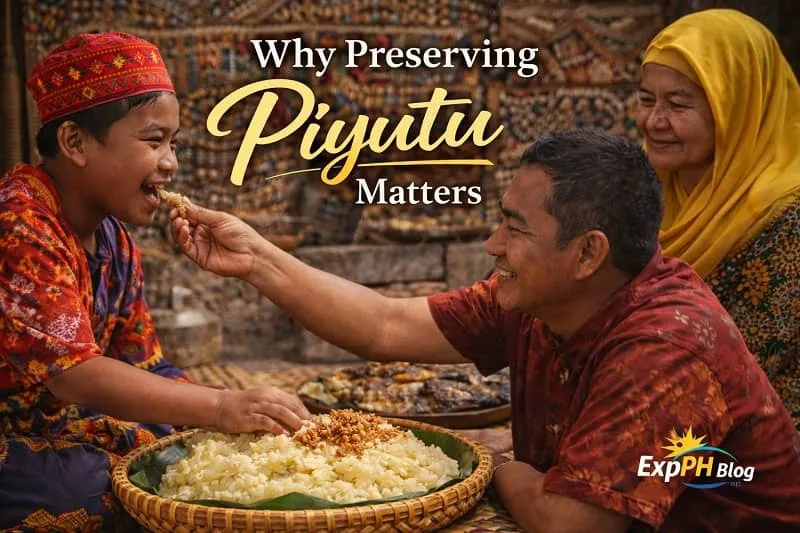
Why Preserving Piyutu Matters
Protecting Indigenous Food Knowledge
Traditional food knowledge is an important part of cultural heritage. Preserving dishes like Piyutu helps protect cooking techniques, shared values, and ways of life that are often passed down orally. These practices reflect daily experiences that may never be recorded in written form.
Documenting and sharing traditional foods ensures they are not lost as lifestyles change. By recording recipes and cultural context, future generations gain access to knowledge that supports identity and continuity.
Respecting Cultural Roots
Writing about Piyutu Tausug delicacy is not meant to follow trends or promote commercialization. It is an effort to show respect and understanding for cultural roots shaped by history and daily life in Sulu. Careful documentation helps present these traditions responsibly. It allows readers to learn about the dish without removing it from its cultural context or meaning.
Food deserves respect when it represents the identity of a people. Honoring traditional dishes like Piyutu helps preserve cultural pride. It also encourages greater appreciation for indigenous heritage and the values carried through everyday cooking practices.
Conclusion: The Lasting Value of Piyutu Tausug Delicacy
Piyutu is more than mashed cassava. It reflects Tausug history, values, and everyday life in Sulu. Through its simple preparation and regular use, it teaches lessons about resilience, sharing, and cultural pride. Piyutu shows how food can support families while holding meaning beyond nutrition. It represents a way of living shaped by the environment, long-standing traditions, and strong community ties that continue to guide daily life.
In a time when food is often fast and commercialized, Piyutu reminds us that nourishment can be humble and meaningful. Preserving and understanding traditional foods like Piyutu Tausug delicacy helps keep cultural heritage alive. This effort supports not only the Tausug people but also Filipinos who value cultural diversity, tradition, and respect for regional identity.
By learning about Piyutu, we move closer to understanding the depth of Sulu’s culture. It allows us to appreciate the quiet strength of its people and the traditions that continue to shape their daily lives through food and shared practices.
You may want to read these next.
- A Day in a Traditional Tausug Household and Community Life
- Pyanggang Manok Authentic Tausug Blackened Chicken
- Junay The Traditional Sulu Dish You Need to Try
- Kulma Authentic Tausug Style Curry Dish
- Experiencing the Tausug Pag duwaa
For supporting documents needed, click the link below.
- Bangsamoro Commission for the Preservation of Cultural Heritage (BCPCH)
- National Commission for Culture and the Arts (NCCA)
- National Museum of the Philippines
- Philippine Statistics Authority (PSA)
- UNESCO Philippines
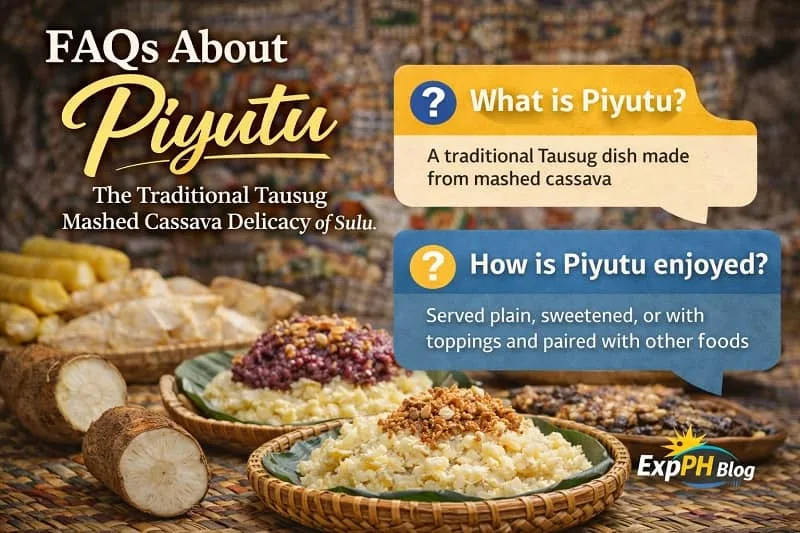
FAQs About Piyutu The Traditional Tausug Mashed Cassava Delicacy of Sulu
What is Piyutu in Tausug cuisine?
Piyutu is a traditional Tausug food made from boiled cassava, mashed until smooth, commonly eaten as a snack or light meal in Sulu communities today.
What ingredients are used to make Piyutu Tausug delicacy?
The main ingredient of Piyutu is cassava, a hardy root crop widely grown in Sulu and valued for its affordability, availability, and nourishing qualities locally.
Why is Piyutu culturally important to the Tausug people?
Piyutu is culturally important because it reflects Tausug resilience, simple living, and the tradition of sharing food within families and communities across generations in Sulu.
How is Piyutu traditionally prepared?
Piyutu is usually prepared by peeling cassava, boiling it until soft, then mashing it thoroughly using simple tools or traditional household methods passed down orally.
How is Piyutu commonly served and eaten?
Piyutu can be eaten plain, lightly sweetened, or paired with drinks like coffee or tea, depending on household preference and occasion within Tausug family homes.
How is Piyutu different from other cassava dishes in the Philippines?
Piyutu is different from other cassava dishes because it is simpler, less sweet, and closely tied to everyday Tausug home life in Sulu communities today.
Is Piyutu still eaten in modern times?
Yes, Piyutu is still eaten today, especially in rural Sulu, where traditional foods remain part of daily meals and cultural identity among many Tausug families.
Is Piyutu considered a nutritious traditional food?
Piyutu is generally considered nutritious because cassava provides energy, helps sustain fullness, and supports basic dietary needs when prepared properly in traditional Tausug home cooking.
Why should people learn about Piyutu Tausug delicacy?
Learning about Piyutu helps non-Tausug readers understand Sulu culture through food, highlighting values of simplicity, resilience, and shared community life within Tausug society, past generations.
How can Piyutu be documented respectfully in cultural writing?
Piyutu is best documented respectfully by focusing on its cultural context, traditional preparation, and everyday role in Tausug life rather than commercialization or modern reinterpretation.
Test your knowledge about Piyutu, the traditional Tausug mashed cassava delicacy of Sulu.
Results


#1. What is Piyutu primarily made from?
#2. Which group traditionally prepares Piyutu?
#3. Where does Piyutu originate?
#4. How is cassava prepared for Piyutu?
#5. What texture does Piyutu usually have?
#6. When is Piyutu commonly eaten?
#7. What does Piyutu represent culturally?
#8. Is Piyutu usually very sweet?
#9. Why is cassava important in Sulu?
#10. Why should Piyutu be preserved?
Have you tasted Piyutu or experienced Tausug food culture?
Comment below and share your experience with us. Your story helps preserve culture.

A Filipino web developer with a background in Computer Engineering. Founder of ExpPH Blog and ExpPH Business Guide, creating practical content on OFW guidance, business, finance, freelancing, travel, and lifestyle. Passionate about helping Filipinos grow, he shares insights that educate, empower, and inspire readers nationwide.