

Managing Big Life Transitions Without Stress
Life transitions are a natural part of the human journey. Whether it is moving to a new country, changing careers, getting married, becoming a parent, returning home after years abroad, or starting over financially, these changes can feel overwhelming. For many Filipinos, especially Overseas Filipino Workers, life transitions are not just occasional events. They are repeated experiences that require resilience, adaptability, and emotional strength.
At ExpPH Blog, we understand that growth often comes with uncertainty. The good news is that managing life transitions without stress is possible when you approach change with the right mindset, preparation, and practical strategies. This guide will walk you through proven ways to handle major life changes calmly and confidently, while protecting your mental health, finances, and long term goals.
If you are currently going through a transition or preparing for one, you are not alone. Let us break this down step by step in a way that feels manageable and empowering.
Table of Contents
Understanding Life Transitions and Why They Feel Stressful
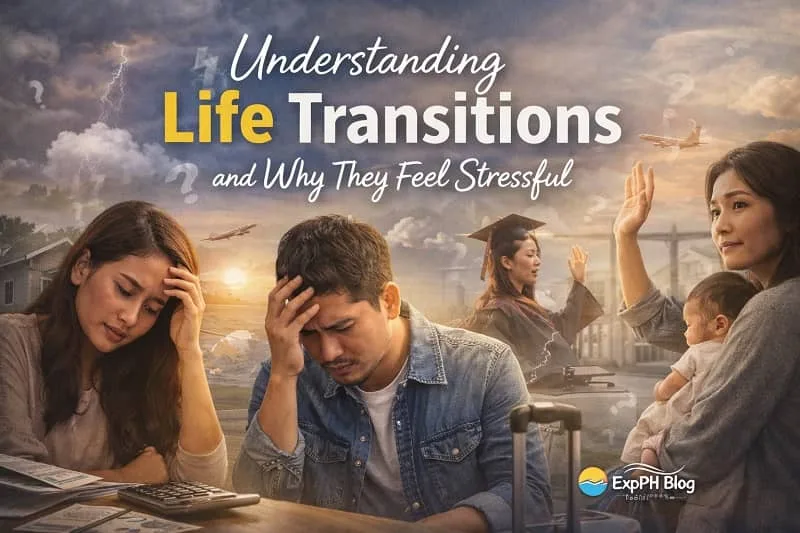
Before exploring solutions, it helps to understand why life transitions feel overwhelming. Major changes interrupt routine and challenge your sense of stability. When familiar patterns shift, uncertainty increases. Recognizing the source of stress allows you to respond calmly instead of reacting emotionally.
What Are Life Transitions?
Life transitions are significant events that reshape your routine, identity, responsibilities, or environment. These changes may involve different areas of life, including:
- Personal changes such as marriage, divorce, parenthood, or loss
- Professional shifts such as a new job, job loss, promotion, or career change
- Geographic moves such as working abroad or returning home
- Financial adjustments such as starting a business or managing debt
For OFWs, life transitions often include deployment to another country, contract renewal decisions, or reintegration into Philippine society after years overseas.
Why Life Transitions Trigger Stress
Even positive changes can create stress because they interrupt familiarity and routine. The brain prefers stability and predictability. When daily patterns shift, your sense of control may decrease, which can trigger anxiety and emotional tension.
According to the World Health Organization, stress becomes harmful when it exceeds your ability to cope and begins affecting mental and physical health. This is why managing life transitions intentionally matters. You may not remove stress completely, but you can reduce its intensity and long term impact.

Reframing Life Transitions as Growth Opportunities
How you think about change strongly influences how you experience it. Life transitions can feel threatening when viewed as loss or failure. However, when you see them as opportunities for growth, learning, and improvement, the emotional weight becomes lighter and more manageable.
Shift From Fear to Curiosity
Instead of asking, “What if this fails?” ask, “What can I learn from this experience?” This shift redirects your energy from fear to growth. Life transitions often create new paths that lead to stronger skills, deeper relationships, and unexpected opportunities.
For OFWs, moving abroad may feel intimidating at first. Over time, it develops independence, cross cultural communication, and financial discipline. These strengths often become long term advantages in both career and personal life.
Focus on What You Can Control
You cannot control every outcome during life transitions, but you can manage specific areas of your life, including:
- Daily habits
- Preparation and planning
- Responses to challenges
- Financial decisions
- Learning and skill development
When you concentrate on these controllable factors, stress becomes more manageable. A sense of direction replaces uncertainty, and confidence grows with each intentional action you take.

Emotional Strategies for Managing Life Transitions
Emotions often rise and fall during major life transitions. Feeling uncertain, hopeful, worried, or motivated at different moments is completely normal. The key is not to suppress emotions but to manage them wisely so they do not control your decisions or daily behavior.
Accept That Mixed Emotions Are Normal
It is possible to feel excited and afraid at the same time. You may feel grateful for new opportunities yet exhausted from adjustments. These mixed emotions do not mean you are weak or unprepared. They simply reflect change.
Allow yourself to acknowledge feelings without harsh self judgment. Emotional awareness strengthens resilience.
Build a Support System
Avoid isolating yourself during life transitions. Connection provides perspective and comfort. Consider reaching out to:
- Family members
- Close friends
- Church groups or community organizations
- Fellow OFWs with similar experiences
Even one meaningful conversation can reduce emotional pressure and remind you that you are not facing challenges alone.
Practice Simple Stress Reduction Techniques
Managing stress does not require complex routines. Small daily habits can stabilize your emotions and improve focus. You can start with:
- Deep breathing exercises
- Short daily walks
- Journaling your thoughts
- Limiting social media comparison
Consistency is more important than intensity. Simple actions practiced regularly build lasting emotional balance.

Financial Stability During Major Life Transitions
Money worries often increase during life transitions. Changes in income, expenses, or location can create uncertainty. Careful financial planning provides stability and reduces pressure. When you understand your financial position clearly, you make decisions with confidence instead of reacting emotionally.
Create a Transition Budget
Before a major change, outline your financial needs carefully. Estimate the following:
- Fixed monthly expenses
- Emergency fund target
- Possible income gaps
- Extra transition costs such as relocation or training
For OFWs, this may include visa fees, placement costs, airfare, or temporary housing. A clear budget prevents surprises and improves decision making.
Build or Strengthen Your Emergency Fund
Financial experts often recommend saving three to six months of essential expenses. This safety net protects you from delays, job adjustments, or unexpected costs. During life transitions, having accessible savings reduces anxiety and allows you to focus on adapting rather than worrying about immediate income.
Avoid Emotional Spending
Stress can lead to impulsive purchases that provide short term comfort but long term strain. Recognize this pattern early. Pause before making large financial decisions. Ask yourself, “Does this support my long term stability?” Thoughtful spending protects your financial foundation during uncertain periods.

Career and Skill Growth During Life Transitions
Career changes are common during life transitions. A new environment, job shift, or contract decision can feel unstable at first. Instead of seeing this period as a setback, treat it as a development stage where you strengthen skills and expand long term opportunities.
Identify Skills That Increase Stability
During uncertain seasons, focus on abilities that create flexibility and income security. Ask yourself:
- What skills are in demand globally?
- What can I learn that supports remote income?
- Which abilities allow relocation flexibility?
Upskilling improves confidence and strengthens financial resilience. When your skills remain relevant, career transitions become less intimidating and more strategic.
Use Online Learning to Reduce Career Uncertainty
One practical way to manage career related life transitions is by investing in structured learning. Online platforms such as Udemy provide affordable courses in freelancing, business, digital marketing, programming, and other in demand fields.
If you want guided training while navigating change, you can explore relevant courses here:
https://www.udemy.com/
Instead of feeling stuck during transition periods, use the time to build valuable skills. Continuous learning increases income potential, improves job security, and turns uncertainty into preparation.

Life Transitions for OFWs: Unique Challenges and Practical Solutions
Life transitions for OFWs often involve greater emotional and practical pressure. Distance from family, cultural adjustments, and unfamiliar systems can intensify stress. Understanding these challenges early allows you to prepare wisely and respond with confidence instead of feeling overwhelmed.
Adjusting to a New Country
Culture shock is common when working abroad. You may struggle with language differences, unfamiliar food, workplace expectations, or loneliness. These reactions are normal during early adjustment.
To adapt more smoothly, consider the following steps:
- Learn basic local phrases
- Understand workplace expectations
- Connect with Filipino communities
- Maintain regular family communication
Small consistent efforts build comfort and confidence over time.
Handling Family Separation
Living far from loved ones can create emotional strain. Missing milestones and daily interactions may lead to sadness or guilt. A structured approach helps maintain strong family bonds despite distance.
Helpful strategies include:
- Schedule regular video calls
- Set shared financial goals
- Communicate expectations clearly
- Plan future reunions
A shared purpose makes sacrifices meaningful and strengthens family unity.
Preparing for Reintegration Back Home
Returning to the Philippines after years abroad is another significant life transition. Reverse culture shock may occur as routines and expectations change again. Preparation reduces uncertainty and supports smoother adjustment.
Before returning, focus on:
- Planning your income source
- Reviewing savings and investments
- Setting clear post return goals
- Exploring small business options
Preparation prevents avoidable stress during reintegration and supports long term stability.

Physical Health and Life Transitions
Life transitions often affect physical health as much as emotional well being. Increased stress can disrupt sleep, appetite, and energy levels. When your body feels exhausted, it becomes harder to think clearly and make wise decisions. Protecting your health supports smoother adjustment.
Protect Your Sleep
Quality sleep plays a vital role in emotional balance and clear thinking. During life transitions, maintain consistent sleeping hours even when schedules change. Rest allows your mind and body to recover.
To improve sleep quality, remember to:
- Keep a regular sleep schedule
- Limit caffeine intake
- Avoid late night scrolling
- Create a calm bedtime routine
Healthy sleep strengthens resilience.
Maintain Basic Exercise
You do not need expensive memberships to stay active. Simple routines can support mental clarity and physical strength during life transitions.
Helpful options include:
- Daily walking
- Home workouts
- Light stretching
- Bodyweight exercises
Regular movement reduces stress hormones and improves mood. Consistency builds energy and strengthens your ability to handle change.
Eat Balanced Meals
Stress can lead to overeating or skipping meals. Both habits reduce energy and focus. Balanced nutrition supports emotional stability and physical endurance.
Focus on:
- Regular meal times
- Fruits and vegetables
- Protein rich foods
- Adequate hydration
Proper nutrition helps you remain steady and strong during demanding transitions.
Practical Planning Framework for Stress Free Life Transitions
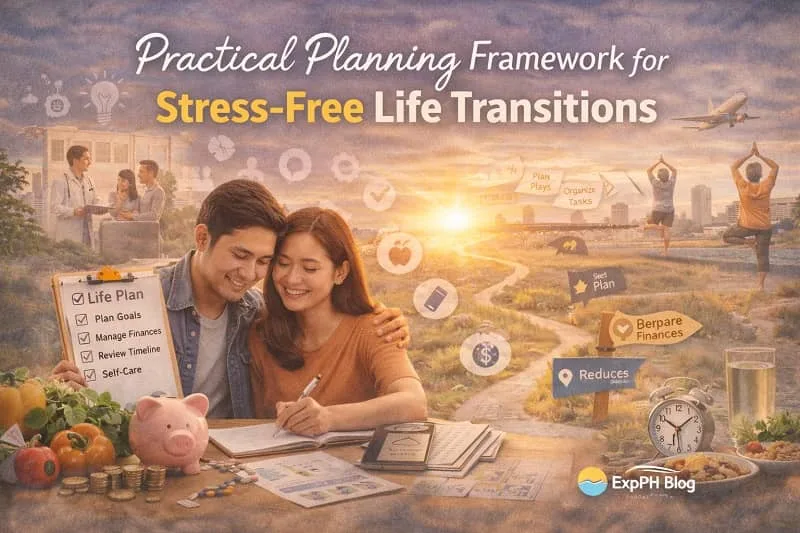
Managing life transitions becomes easier when you follow a clear structure. Instead of reacting emotionally, create a simple action plan that guides your decisions. A step by step approach reduces confusion, improves focus, and strengthens confidence during uncertain periods.
Step 1: Define the Transition Clearly
Clarity removes unnecessary fear. Take time to write down important details about the change you are facing. Ask yourself:
- What is changing?
- When will it happen?
- What is within your control?
Seeing the situation clearly helps you respond logically instead of emotionally.
Step 2: Break It Into Small Tasks
Major life transitions feel overwhelming when viewed as one large problem. Divide the process into manageable weekly or daily actions. Smaller steps create steady progress.
Examples include:
- Research housing options
- Prepare important documents
- Create a savings plan
- Enroll in a short course
Consistent progress builds confidence and momentum.
Step 3: Set Realistic Expectations
Life transitions rarely unfold perfectly. Delays, adjustments, and minor setbacks are common. Accepting this reality prevents disappointment and emotional frustration. Flexibility allows you to adapt calmly and adjust plans when necessary.
Step 4: Track Small Wins
Recognize every completed task, even simple ones. Tracking small achievements keeps motivation strong and reinforces forward movement. Each small win proves that progress is happening, which reduces stress and strengthens resilience during periods of change.

Spiritual and Mindset Anchors During Life Transitions
Life transitions often test patience and emotional strength. For many Filipinos, faith and spirituality offer comfort during uncertain seasons. A strong inner foundation provides stability when external circumstances change. Grounded beliefs help you respond calmly instead of reacting from fear.
Strengthen Your Inner Foundation
Spiritual grounding creates mental clarity during stressful periods. Through prayer, meditation, or quiet reflection, you reconnect with values that guide your decisions. These practices remind you that transitions are temporary seasons, not permanent disorder.
You can strengthen your foundation by:
- Setting aside daily reflection time
- Reading uplifting passages
- Practicing gratitude
- Seeking spiritual community support
Consistency deepens emotional stability.
Focus on Long Term Vision
During life transitions, short term discomfort can distract you from bigger goals. Recenter your focus by asking meaningful questions such as:
- Where do I want to be in five years?
- How does this transition support that goal?
When change connects to purpose, stress becomes more manageable and direction feels clearer.
Common Mistakes to Avoid During Life Transitions
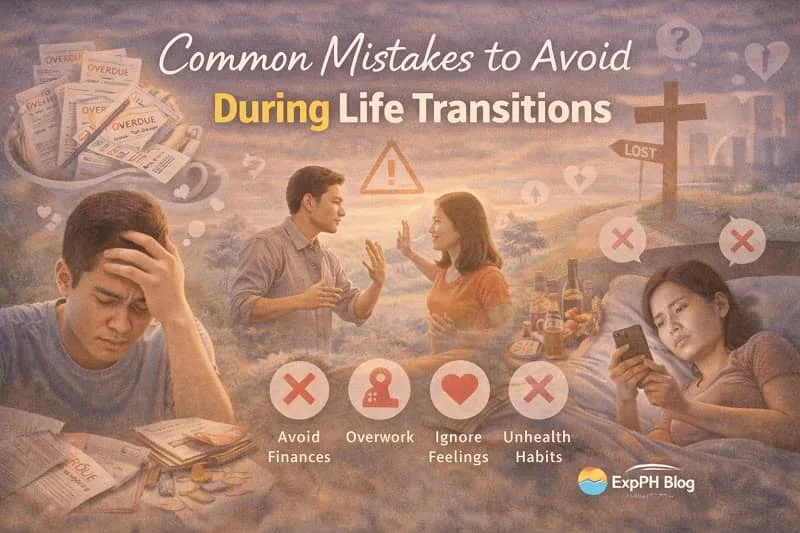
Life transitions already bring natural pressure, so avoiding preventable mistakes makes adjustment smoother. Awareness helps you respond wisely instead of reacting impulsively. By recognizing common pitfalls early, you reduce emotional strain and protect your long term stability.
Trying to Control Everything
You cannot predict every outcome during major change. Attempting to control every detail increases anxiety and frustration. Focus on preparation and thoughtful action instead of perfection. Accept that some uncertainty is normal and manageable with steady planning.
Ignoring Emotional Signals
Persistent exhaustion, hopelessness, or overwhelming stress should not be ignored. Emotional strain can affect both health and decision making. Seeking support from trusted individuals or professionals shows strength, not weakness. Mental well being deserves the same priority as financial security.
Making Major Decisions in Emotional Highs or Lows
Intense emotions can distort judgment. Avoid making irreversible decisions when you feel extremely excited, angry, or discouraged. Give yourself time to cool down. Pause, reflect carefully, and review your long term goals before taking action.

Turning Life Transitions Into Long Term Advantages
Life transitions may feel uncomfortable at first, yet they often shape your strongest qualities. Challenges force you to grow beyond familiar limits. When handled intentionally, change becomes preparation for greater responsibility and opportunity in the future.
Key strengths developed during life transitions include:
- Adaptability
- Emotional intelligence
- Financial discipline
- Cross cultural communication
- Problem solving skills
For OFWs, these abilities often become lifelong advantages. They support business ventures, leadership roles, and meaningful community influence. Instead of viewing change as disruption, treat it as training that equips you for long term success and stability.
Final Thoughts on Managing Life Transitions Without Stress
Life transitions are part of every meaningful journey. While change is unavoidable, long term stress can be managed through preparation and awareness. With emotional discipline, financial planning, and continuous learning, you can approach major changes with stability and confidence.
As you navigate life transitions, remember to:
- Clarify what is changing
- Focus on what you can control
- Build financial stability
- Strengthen emotional resilience
- Invest in valuable skills
- Stay connected to long term goals
If you are experiencing a major shift right now, pause and breathe. Growth often feels uncomfortable at the beginning, yet it builds stronger foundations over time. Discomfort does not mean failure. It often signals development.
Managing life transitions without stress does not mean removing every challenge. It means responding with wisdom, preparing with intention, and trusting that each change can create forward movement. With the right mindset and consistent action, uncertainty can become empowerment and progress.
Explore the helpful resources below to strengthen your knowledge and build greater confidence during life transitions.
- How to Manage Stress Through Mindful Breathing
- Building Better Relationships Through Effective Communication
- Top 10 Small Business Ideas in the Philippines for 2026
- How to Build Confidence and Achieve Your Goals
- 10 Best Freelance Websites for Filipinos
Frequently Asked Questions
What are life transitions?
Life transitions are major changes that affect your routine, identity, responsibilities, or environment, such as career shifts, relocation, marriage, parenthood, or returning home from abroad.
Why do life transitions cause stress?
Life transitions create stress because they disrupt stability and predictability. Your brain prefers routine, so sudden change can trigger uncertainty, fear, and temporary emotional imbalance.
How can I reduce stress during life transitions?
You can reduce stress by creating a clear plan, building financial stability, maintaining healthy routines, seeking support, and focusing on controllable actions daily.
Are positive life transitions also stressful?
Yes, even positive life transitions like promotions or marriage can cause stress because they bring new responsibilities, expectations, and adjustments to daily life.
How important is financial planning during life transitions?
Financial planning is crucial during life transitions because it reduces uncertainty, prevents unnecessary debt, and provides security when income or expenses suddenly change.
How can OFWs manage life transitions more effectively?
OFWs can manage life transitions by preparing financially, building strong communication with family, developing adaptable skills, and connecting with supportive Filipino communities abroad.
What role does mindset play in life transitions?
Mindset shapes how you experience life transitions. Viewing change as growth instead of threat improves resilience, confidence, and emotional control during challenging periods.
Should I learn new skills during life transitions?
Yes, learning new skills during life transitions increases flexibility, improves career opportunities, and strengthens confidence while adapting to new environments or responsibilities.
When should I seek professional help during life transitions?
Seek professional help if stress becomes overwhelming, affects sleep or health, or interferes with daily functioning, work performance, or relationships.
Can life transitions lead to long term personal growth?
Yes, life transitions often build resilience, adaptability, emotional intelligence, and financial discipline, which contribute to stronger long term stability and personal development.
Learning Hub Quiz!
Test your understanding of Managing Big Life Transitions Without Stress with this quick quiz.
Results


#1. What is a life transition?
#2. Why do life transitions cause stress?
#3. What reduces stress during transitions?
#4. How many months should emergency savings cover?
#5. What mindset helps most?
#6. What supports OFWs emotionally?
#7. What strengthens career stability?
#8. What improves emotional control?
#9. What prevents financial stress?
#10. What turns transitions into growth?
Thank you for taking this quiz.
We would love to hear from you. Share your life transition experience in the comments and inspire fellow readers who may be going through similar changes.

A Filipino web developer with a background in Computer Engineering. Founder of ExpPH Blog and ExpPH Business Guide, creating practical content on OFW guidance, business, finance, freelancing, travel, and lifestyle. Passionate about helping Filipinos grow, he shares insights that educate, empower, and inspire readers nationwide.