
The Rise of Freelancing in the Philippines
Over the past decade, the Philippine labor landscape has undergone a powerful transformation. What was once dominated by office-based employment and overseas migration has gradually shifted toward digital work and freelancing. Today, thousands of Filipinos earn competitive income without leaving their homes.
Freelancing in the Philippines is no longer a side hustle. It has become a legitimate career path, a source of foreign income, and for many, an alternative to working abroad.
As the global gig economy expands, Filipino professionals are building careers in virtual assistance, digital marketing, web development, content creation, graphic design, bookkeeping, and more. With strong English proficiency, cultural adaptability, and competitive rates, Filipino freelancers are highly sought after by international clients.
In 2026, freelancing is not just a trend. It is a pillar of the Philippine digital economy.
Table of Contents
Historical Background of Freelancing in the Philippines
Freelancing in the Philippines started gaining momentum in the early 2000s as internet connectivity improved nationwide. Faster connections allowed Filipino professionals to work with international employers without leaving the country. At the same time, the expanding BPO industry strengthened communication skills, digital literacy, and customer service expertise.
Many BPO employees later realized they could offer their services independently through online platforms. Instead of remaining in traditional office roles, they explored contract-based digital work. This shift marked the beginning of a new employment model focused on flexibility, global clients, and performance-based income.
The growth of global freelance marketplaces further accelerated this transition. These platforms simplified hiring, communication, and payment processes, making remote collaboration more accessible and secure for both freelancers and clients.
Platforms such as:
- Upwork
- Freelancer
- Fiverr
- OnlineJobs.ph
The COVID-19 pandemic significantly intensified this movement. Lockdowns disrupted traditional employment across many industries, forcing workers to seek alternative income sources. Remote freelancing became a practical solution. What initially served as temporary financial relief gradually developed into a stable and long-term career path for many Filipinos.
5 Steps to Start Freelancing in the Philippines in 2026
Starting a freelancing career requires focus, preparation, and consistent improvement. The digital market is competitive but offers strong income potential for those who build the right foundation. Follow this practical roadmap to begin your freelancing journey with clarity and confidence.
Step 1: Choose a Profitable Skill
Select one marketable skill and commit to mastering it. Avoid learning multiple areas at the same time. Focus creates depth and confidence. If you feel uncertain, structured training can provide direction and build foundational knowledge for long term growth.
Consider enrolling in affordable online courses through platforms such as Udemy. Training in digital marketing, programming, virtual assistance, graphic design, or AI tools can strengthen your expertise. Skill development remains the foundation of freelancing success and sustainable income growth.
Step 2: Build a Simple Portfolio
Create sample projects before landing your first client. Demonstrating ability is more powerful than listing skills. Use accessible tools to present your work clearly and professionally.
You may use:
- Google Docs
- Canva
- Simple personal websites
A clean portfolio builds credibility and increases client trust.
Step 3: Register on Freelance Platforms
Begin with one or two reputable platforms and complete your profile carefully. A professional photo, clear description, and skill focused overview improve visibility. Apply consistently and tailor each proposal to client needs.
Start with:
- Upwork
- OnlineJobs.ph
- Fiverr
Consistency and professionalism increase your chances of getting hired.
Step 4: Set Up Payment Methods
Reliable payment systems ensure secure transactions with international clients. Choose trusted platforms and verify your account details to prevent delays or issues. Keep records of earnings for financial management and tax compliance.
Common payment methods include:
- PayPal
- Payoneer
- Wise
Secure payment access supports smooth freelancing operations.
Step 5: Continuously Upgrade Your Skills
Freelancing evolves quickly as technology advances and client expectations change. Ongoing training keeps you competitive and relevant in global markets. Professionals who invest in specialized knowledge often increase their rates and attract higher value clients over time.
Taking advanced online courses can significantly boost income potential. Freelancers who focus on high demand skills and consistent improvement often double or triple their earnings within a few years of dedicated effort.
5 Reasons Why Freelancing Is Growing Rapidly in 2026
Freelancing continues to expand across the Philippines as digital technology reshapes employment and business practices. Many professionals now view online work as practical and sustainable. Several important factors explain why freelancing has become one of the fastest growing career paths in the country in 2026.
1. Young and Skilled Workforce
Each year thousands of graduates enter the Philippine labor market while available corporate roles remain limited. Freelancing offers another opportunity for skilled individuals to earn income and develop experience through international clients and online projects.
Key realities include:
- Skill based work opportunities online
- Growing number of university graduates
- Limited entry level corporate positions
- Digital platforms connecting workers to global clients
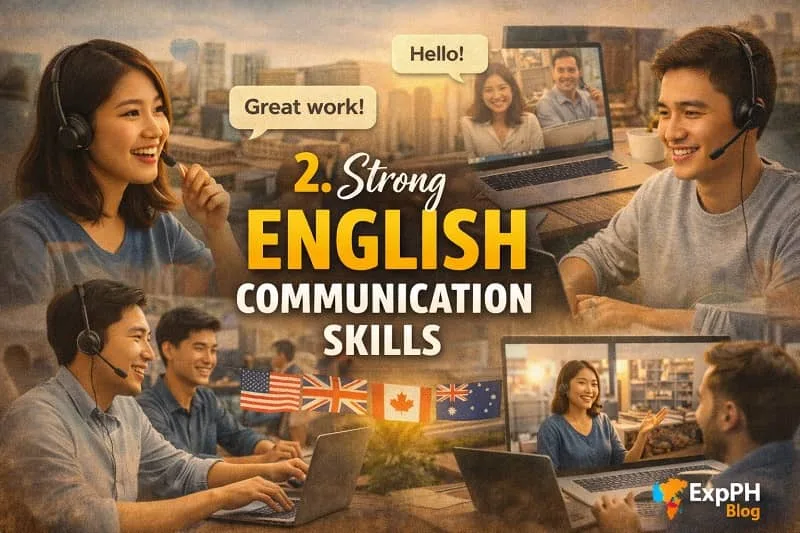
2. Strong English Communication Skills
Filipinos maintain strong competitiveness in the global freelancing market because English communication is widely used in education and business. Clear communication improves collaboration and helps freelancers build trust with international clients who expect reliable and understandable interaction.
Important advantages include:
- High adaptability in international teams
- Strong English proficiency
- Service oriented work culture
- Clear communication with global clients

3. Global Demand for Remote Talent
Companies around the world increasingly rely on remote professionals to support business operations. Outsourcing allows businesses to reduce costs while maintaining productivity. Filipino freelancers meet this demand by offering reliable work, competitive rates, and the ability to collaborate across different time zones.
Major drivers include:
- Reliable service delivery from Filipino workers
- Global outsourcing trends
- Businesses hiring remote professionals
- Competitive labor costs
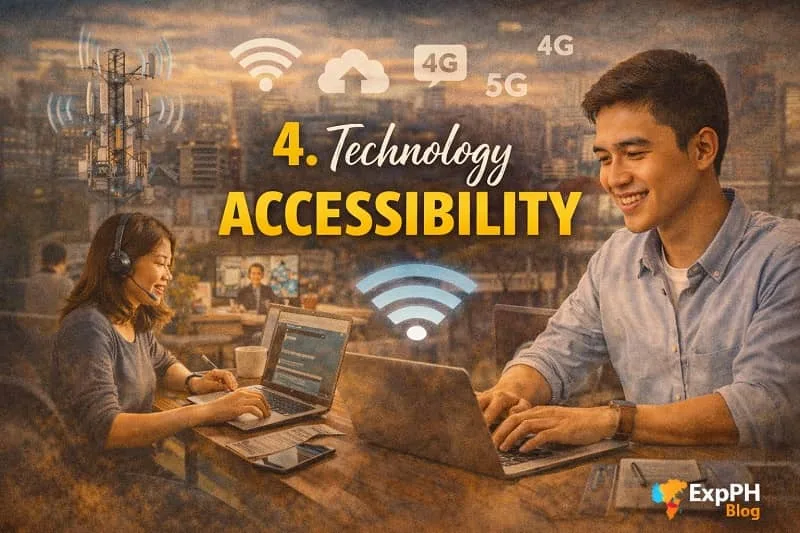
4. Technology Accessibility
Improved internet infrastructure and affordable digital devices have expanded access to online work across the Philippines. Professionals can now connect with international clients without relocating to large cities, making freelancing possible even for individuals living in smaller communities.
Technology improvements include:
- Remote collaboration tools
- Faster internet connectivity
- Affordable laptops and smartphones
- Cloud based work platforms

5. Desire for Flexibility
Many Filipinos seek work arrangements that provide better control over schedules and responsibilities. Freelancing allows individuals to manage workloads based on personal priorities while maintaining income opportunities. This flexibility attracts parents, students, and professionals who prefer balanced lifestyles.
Lifestyle benefits include:
- Better work life balance
- Ability to manage personal responsibilities
- Flexible working hours
- Work from home opportunities
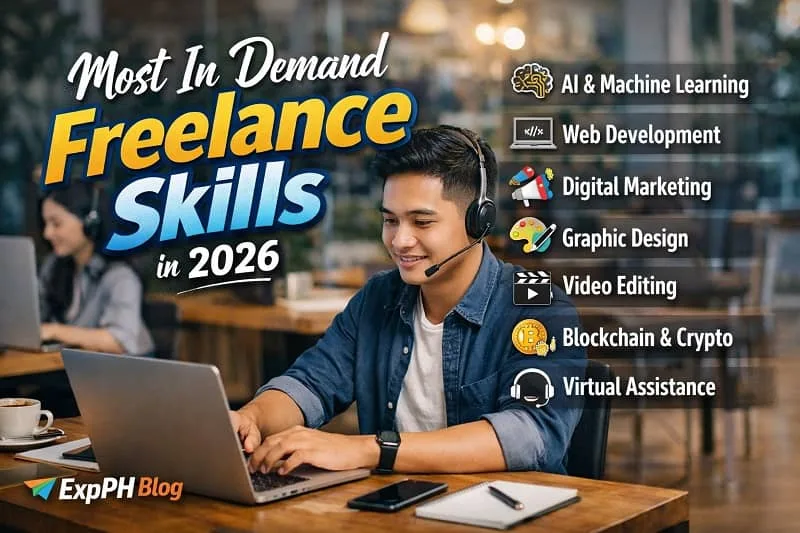
Most In Demand Freelance Skills in 2026
Freelancers who earn higher income levels often focus on specialized services that deliver measurable results. In 2026 global clients continue to prioritize digital expertise that improves visibility, automation, and online growth. Professionals who develop focused skills gain stronger positioning and long term earning potential.
High demand freelance skills include:
- Virtual Assistance
- Social Media Management
- Digital Marketing
- SEO
- Web Development
- Graphic Design
- Video Editing
- Data Analytics
- AI Tool Integration
Specialization remains the key to success in competitive markets. Generalists often struggle in crowded entry level categories. Specialists who master a niche can charge higher rates, attract premium clients, and build stronger reputations in the global digital economy.
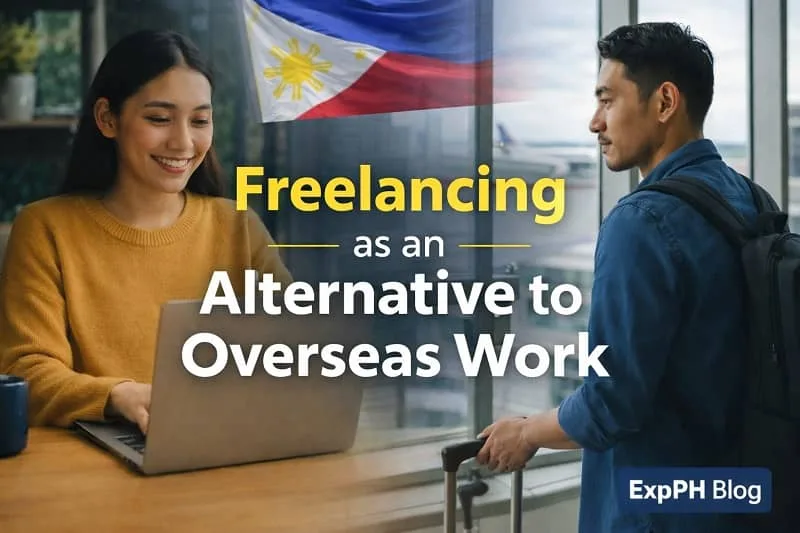
Freelancing as an Alternative to Overseas Work
For decades, millions of Filipinos sought employment abroad to provide financial stability for their families. Overseas work remains an important source of income for many households. However, freelancing now presents another practical path that allows individuals to earn foreign income while remaining in the Philippines.
can work with international clients from home using digital tools and stable internet connections. This model offers greater flexibility and reduces emotional strain often associated with long periods of separation.
This means:
- Families stay together
- No relocation expenses
- No long term separation
- Dollar income without migration
For many aspiring OFWs, freelancing can serve as a starting point toward global employment. Others view it as a sustainable long term career that provides financial growth while preserving family unity and community connections.

How Much Can Freelancers Earn in the Philippines?
Freelancing income in the Philippines depends on skill level, specialization, experience, and client quality. Beginners typically start with modest earnings while experienced professionals can reach six figure monthly income. Rates also vary based on industry demand, technical complexity, and long term client relationships.
Typical monthly income ranges include:
- Entry level Virtual Assistant: ₱25,000 to ₱40,000
- Intermediate Digital Marketer: ₱60,000 to ₱120,000
- Experienced Web Developer or AI Specialist: ₱150,000 to ₱250,000 or more
Income growth in freelancing is strongly tied to expertise and reputation. Professionals who specialize in high demand skills and maintain strong client retention often increase their rates steadily. Consistent performance and ongoing skill development significantly improve long term earning potential.

4 Advantages of Freelancing for Filipinos
Freelancing offers meaningful benefits for Filipinos seeking independence and financial growth. It provides greater control over work arrangements while opening access to international markets. Professionals who commit to continuous improvement can build stable careers that combine flexibility, income potential, and long term development.
1. Flexibility
Freelancers can work from home and manage their own schedules based on client agreements. This structure allows better balance between personal responsibilities and professional goals. Many individuals value the ability to choose working hours and adjust workloads according to changing priorities.
2. Higher Income Potential
Global clients often offer higher rates compared to many local employers. Skilled freelancers who deliver consistent results can gradually increase their fees. Earnings are influenced by expertise, specialization, and long term client relationships rather than fixed company salary structures.
3. Entrepreneurship
Freelancing encourages independent thinking and business development. Many professionals eventually expand into small agencies or digital service teams. By managing multiple clients and outsourcing tasks, freelancers can transition from solo work into scalable digital businesses.
4. Continuous Skill Growth
Exposure to international standards strengthens communication, project management, and technical expertise. Working with diverse clients encourages adaptability and innovation. Freelancers who invest in learning and professional development remain competitive and increase their long term career stability.
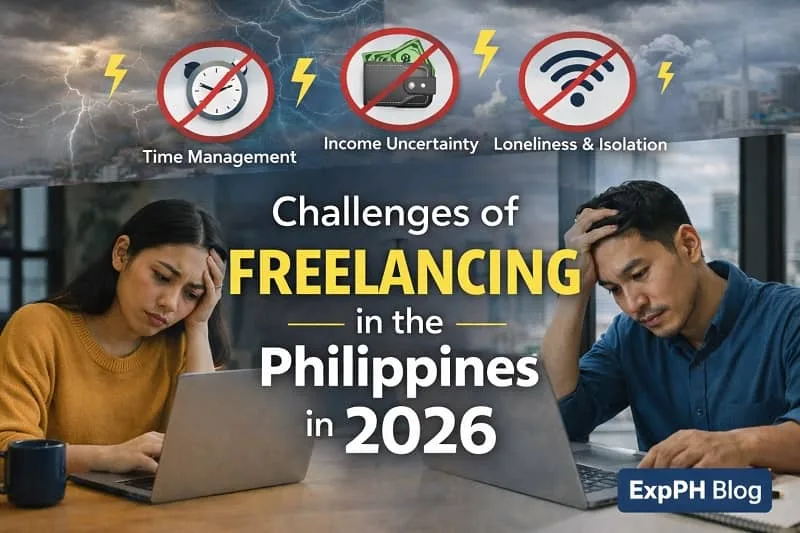
4 Challenges of Freelancing in the Philippines
Freelancing offers flexibility and income potential but it also presents serious challenges. Independent workers must manage uncertainty and responsibility without the structure of traditional employment. Understanding these limitations helps freelancers prepare better and build long term stability in a competitive digital environment.
1. Income Instability
Freelance income is not always predictable. Projects may end suddenly and new contracts can take time to secure. Monthly earnings may fluctuate depending on workload and client demand. Without careful budgeting and savings planning financial pressure can increase quickly.
2. No Automatic Benefits
Freelancers are responsible for managing their own government contributions and protection plans. This includes:
- SSS
- PhilHealth
- Pag IBIG
- Retirement savings
Unlike traditional employees freelancers must organize these payments independently to ensure long term security.
3. Competition
Entry level freelance roles are highly saturated. Many beginners apply for the same positions which lowers rates and increases rejection risk. To stand out professionals must improve communication skills build strong portfolios and develop specialized expertise that differentiates them from competitors.
4. Burnout Risk
Remote work requires discipline and clear boundaries between personal and professional life. Without structure freelancers may work long hours or accept excessive workloads. Maintaining balance strong routines and scheduled rest periods is essential for protecting mental health and sustaining productivity.
To remain competitive continuous learning is necessary. Freelancers who treat skill development as a long term investment often achieve stronger client retention higher rates and more stable career growth compared to those who stop improving.

The Role of Government and Education
Government institutions play an important role in strengthening the country’s digital workforce. Agencies such as the Department of Information and Communications Technology and TESDA continue expanding digital literacy and online skills programs. These initiatives help Filipinos access training opportunities and participate in remote work.
Despite these programs freelancers must take personal responsibility for continuous improvement. Government support can provide foundations but long term success depends on discipline skill upgrading and proper financial management. Independent workers must actively seek knowledge and remain adaptable in a changing digital economy.
Universities and training institutions also carry significant responsibility. Academic programs should align with digital economy demands and global work standards. Practical skills such as online communication project management and portfolio building must be integrated into curricula to prepare graduates for freelancing careers.
The Future of Freelancing in the Philippines
The Philippine digital workforce is expected to grow steadily beyond 2026 as technology reshapes global employment. More businesses now rely on remote professionals for specialized tasks. This trend creates broader opportunities for Filipinos who are prepared to adapt and compete in international markets.
Emerging fields that will generate new income opportunities include:
- Artificial Intelligence
- Blockchain
- Data Science
- Automation
- Advanced Digital Marketing
Professionals who build expertise in these areas can position themselves for higher value projects and long term career growth.
Freelancers who specialize and commit to continuous improvement are more likely to succeed. The Philippines is transitioning from a labor exporting nation into a competitive hub of digital professionals who deliver global services while working from home.
Final Thoughts on Freelancing in the Philippines
The rise of freelancing in the Philippines represents more than a change in employment trends. It reflects digital empowerment, economic resilience, and a stronger desire for independence among Filipino professionals. Remote work has opened access to global markets while allowing individuals to remain with their families. This transformation shows how technology can reshape careers and create sustainable income opportunities within the country.
Freelancing offers flexibility, global earning potential, and long term career growth, but success requires discipline and specialization. Continuous learning and portfolio development are essential for staying competitive. For Filipinos seeking financial freedom or an alternative to overseas employment, freelancing provides a practical path forward. Start small, invest in your skills, and improve consistently. The digital economy continues to expand, and the Philippines is well positioned to lead in this evolving global workforce.
FAQs About Freelancing in the Philippines
What is freelancing and how does it work in the Philippines?
Freelancing is independent contract work where Filipinos offer digital services to local or international clients, usually online, without traditional employment contracts or fixed office arrangements.
Why is freelancing growing rapidly in the Philippines?
Freelancing is growing due to strong English skills, global demand for remote workers, affordable internet access, and Filipinos seeking flexible income without relocating abroad.
What skills are most in demand for Filipino freelancers?
High demand skills include virtual assistance, digital marketing, graphic design, web development, video editing, bookkeeping, and emerging areas like automation and artificial intelligence services.
Can freelancing replace traditional employment or overseas work?
Freelancing can replace traditional jobs for some individuals by providing competitive income, flexibility, and the opportunity to earn foreign currency while staying with family.
How much can a Filipino freelancer earn monthly?
Income varies by skill and experience, ranging from entry level earnings around twenty five thousand pesos to six figure monthly income for specialized professionals.
Do freelancers need a college degree to succeed?
A college degree helps, but clients prioritize skills, results, communication, and reliability more than formal education credentials in most freelancing industries.
What platforms can Filipinos use to find freelance jobs?
Popular platforms include Upwork, Freelancer, Fiverr, and OnlineJobs.ph, where Filipino professionals connect with global clients seeking remote services and project-based work opportunities.
What challenges do freelancers commonly face?
Common challenges include inconsistent income, lack of employee benefits, intense competition, payment risks, and the need for constant skill upgrading.
How can beginners start freelancing successfully?
Beginners should choose one skill, complete online training, build a simple portfolio, register on trusted platforms, and apply consistently while improving communication and time management.
Is freelancing a stable long-term career in the Philippines?
Freelancing can be stable long term if professionals specialize, maintain multiple clients, manage finances wisely, and continuously upgrade skills to remain competitive globally.
Browse through more guides in the section below.
- Best Online Platforms for Tech Freelancers and OFWs in 2026
- Online Learning Platforms Filipinos Can Use While Abroad
- Best Freelancing Platforms for OFWs in 2026
- How OFWs Can Upskill Without Burning Out
- 10 Best Freelance Websites for Filipinos
Learning Hub Quiz!
Test your understanding of the digital workforce revolution in the Philippines.
Results


#1. What mainly drives freelancing growth in the Philippines?
#2. Which skill is highly in demand for freelancers?
#3. Why do many Filipinos choose freelancing?
#4. Which platform connects freelancers to global clients?
#5. What currency do many freelancers earn?
#6. What is a major freelancing challenge?
#7. What helps freelancers stay competitive?
#8. Which sector helped prepare Filipinos for freelancing?
#9. Freelancing allows Filipinos to work from where?
#10. What long term benefit does freelancing provide?
Thank you for taking this quiz.
Share your experience in the comments below. Did you score high? Are you already freelancing? We would love to hear your journey.

A Filipino web developer with a background in Computer Engineering. Founder of ExpPH Blog and ExpPH Business Guide, creating practical content on OFW guidance, business, finance, freelancing, travel, and lifestyle. Passionate about helping Filipinos grow, he shares insights that educate, empower, and inspire readers nationwide.