Rendang a Classic Muslim Dish
The Filipino Muslim Take on a Southeast Asian Culinary Classic
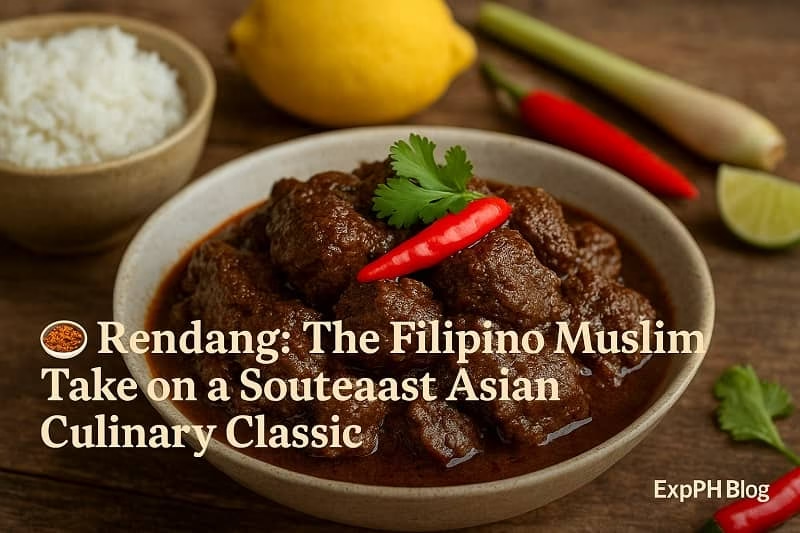
Filipino Muslim Rendang isn’t just food it’s a flavorful story simmered with history, culture, and community. This aromatic dish captures the heart of Filipino Muslim cuisine and stands as a delicious link to Southeast Asia’s shared heritage.
Slowly cooked to perfection, Filipino Muslim Rendang is an intricate dance between meat, coconut milk, and a carefully curated blend of spices that reveal themselves layer by layer. Every spoonful tells of patience, precision, and tradition qualities deeply rooted in Filipino Muslim households.
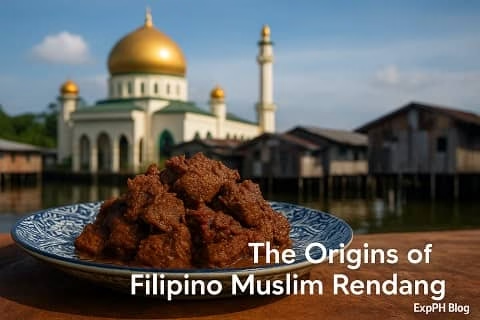
Filipino Muslim Rendang is a rich, aromatic dish made of meat most commonly beef slow-cooked in coconut milk and a carefully selected blend of spices until tender. The dish is then cooked until the coconut milk separates, forming a thick, flavorful glaze that envelops each piece of meat in a savory, slightly sweet, and intensely aromatic sauce. The aroma alone of toasted coconut, fragrant lemongrass, and golden turmeric can instantly transport anyone to a Filipino Muslim home where food and faith go hand in hand.
While Rendang is widely enjoyed across Brunei, Indonesia, Malaysia, Singapore, and the Philippines, each region has developed its own version that reflects local ingredients, culinary traditions, and cultural values. In the Philippines, especially in Mindanao and the Sulu Archipelago, Filipino Muslim Rendang carries deep cultural significance it is both a culinary treasure and a symbol of faith, patience, and family.
Here, it’s more than just a meal. Filipino Muslim Rendang represents hospitality, respect, and gratitude, often served during Eid celebrations, weddings, and community feasts. It embodies the art of slow cooking a process that mirrors the Filipino Muslim way of life: patient, purposeful, and rooted in tradition.
Beyond its deep cultural importance, eating Filipino Muslim Rendang also offers nutritional and emotional benefits. Packed with protein, healthy fats from coconut milk, and anti-inflammatory spices, this dish nourishes both body and soul. It’s a flavorful reminder that traditional cooking can also be healthy, grounding, and healing connecting generations through taste and shared experience.
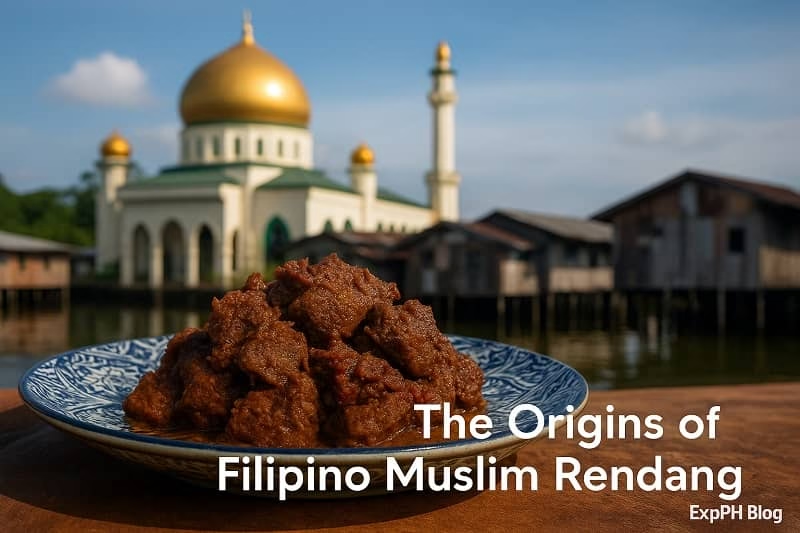
The Origins of Filipino Muslim Rendang
Every pot of Filipino Muslim Rendang tells a tale of trade, travel, and tradition. Its roots stretch back to the Malay and Minangkabau cultures of Sumatra, where Rendang originated as both a preservation technique and a dish of celebration.
Centuries ago, traders and sailors carried Rendang as provisions during long voyages across the Malay Archipelago, which included present-day Indonesia, Malaysia, Brunei, and the southern Philippines. The dish was practical it could last for days without refrigeration and flavorful, representing a fusion of culture and necessity.
The cooking process itself is a testament to endurance. The Minangkabau slow-cooked meat in coconut milk and spices for hours until the sauce thickened into an oil-rich coating. When this technique reached Mindanao and Sulu, Filipino Muslim cooks embraced it wholeheartedly, merging it with their own flavors and customs.
They added palapa, the Maranao condiment made with sakurab, ginger, and chili, giving the dish a unique Filipino personality. The result: Filipino Muslim Rendang, a version both familiar and distinctive spicy, creamy, and profoundly comforting.
Even today, this dish stands as a culinary bridge across centuries linking trade routes, families, and faiths through shared taste and tradition.
Filipino Muslim Rendang: More Than Just a Dish
For Filipino Muslims, Rendang is not simply cooked it is crafted with care, reverence, and pride.
In the Muslim-majority regions of Marawi, Cotabato, Lanao del Sur, and the Sulu Archipelago, Rendang holds a symbolic place at the heart of every celebration. It’s more than nourishment it’s part of religious expression and social unity.
During Eid al-Fitr and Eid al-Adha, pots of Rendang are shared not only among families but with neighbors, friends, and guests, regardless of faith. It represents generosity (paggalang) and gratitude to Allah for blessings received.
Mothers, aunts, and grandmothers guardians of culinary tradition spend hours teaching the next generation the subtle secrets of this dish: how to gauge the right flame, when to stir, and how to know when the coconut oil has “spoken” by surfacing to the top.
To them, Filipino Muslim Rendang is more than sustenance. It’s a living memory, an inheritance of patience, family values, and love.
Regional Variations of Filipino Muslim Rendang
What makes Filipino Muslim Rendang remarkable is its regional creativity. Across Mindanao, you’ll find multiple renditions each reflecting local taste and tradition:
- Maranao Rendang (Rendang a Baka): Vibrant yellow from turmeric and palapa, spicy and full-bodied, often enjoyed with glutinous rice.
- Tausug Rendang: Sweet and nutty with kalamay (toasted coconut) and palm sugar, inspired by Sulu’s tropical ingredients.
- Maguindanao Rendang: The driest, spiciest version cooked until the sauce becomes oil-rich, offering a deep umami finish.
- Zamboanga Rendang: Slightly tangy, influenced by Spanish touches through bay leaves and vinegar.
These variations highlight how Filipino Muslim Rendang celebrates diversity. Each version speaks a dialect of flavor, but all share one language respect for time, spice, and soul.
The Cultural Significance of Rendang
Cooking Filipino Muslim Rendang is a ritual of mindfulness. Every ingredient serves a symbolic role:
- Coconut milk represents life’s richness.
- Spices embody strength and faith.
- Slow simmering mirrors patience in devotion.
The act of cooking together stirring slowly, tasting carefully, sharing stories strengthens family bonds. In community feasts (kanduli), Rendang is served to mark milestones: from weddings to new births, from peace agreements to Ramadan’s end.
To eat Rendang in a Filipino Muslim household is to participate in a story of love, resilience, and faith that spans generations.
Preparing Filipino Muslim Rendang
Cooking Filipino Muslim Rendang is both art and science.
- Choose Beef with Character: Cuts like brisket or shank absorb flavor beautifully.
- Extract Fresh Coconut Milk: Traditional cooks insist on using hand-pressed gata from freshly grated coconuts for superior flavor.
- Build the Spice Base: A blend of turmeric, lemongrass, garlic, galangal, ginger, shallots, and chili forms the aromatic foundation.
- Simmer Gently: Rendang demands patience; it’s cooked low and slow until the sauce thickens and the oil naturally separates.
- Taste, Adjust, Respect: The cook must listen to the dish aroma, texture, and color reveal when it’s ready.
As many Maranao cooks say, “Rendang has its own timing it finishes when it’s meant to.”
Health Benefits of Eating Filipino Muslim Rendang
While indulgent, Filipino Muslim Rendang is filled with natural goodness:
- Protein-Packed: Perfect for strength and energy.
- Anti-Inflammatory: Spices like turmeric, garlic, and ginger reduce inflammation and boost immunity.
- Heart-Friendly Fats: Coconut milk provides medium-chain triglycerides, beneficial for metabolism.
- Digestive Aid: Lemongrass and galangal promote healthy digestion.
- Mood-Boosting Aroma: The warm scent of spices creates comfort, lowering stress and anxiety.
Beyond physical health, it also promotes emotional well-being. Sharing a meal of Rendang brings comfort, nostalgia, and a sense of belonging a healing recipe for both body and soul.
Rendang as a Culinary Bridge
Rendang transcends boundaries. In Mindanao, it bridges Muslim and Christian homes. Across Southeast Asia, it connects nations.
In the Philippines, Filipino Muslim Rendang serves as a culinary ambassador representing unity through food. Every serving shared with non-Muslim neighbors or tourists becomes a gesture of peace, a way to showcase Mindanao’s rich heritage.
Even in cities like Davao and Zamboanga, where cultures blend, Rendang stands as a symbol of coexistence, proving that food can speak louder than differences.
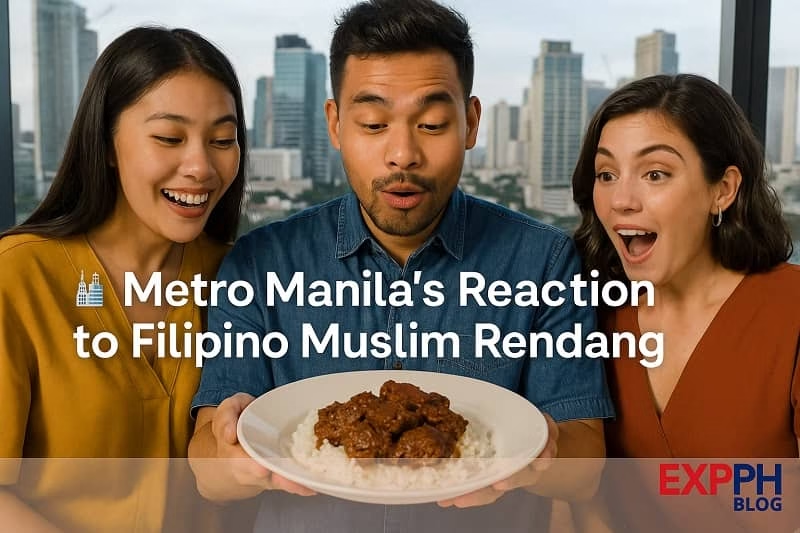
Metro Manila’s Reaction to Filipino Muslim Rendang
In Metro Manila, where culinary diversity thrives, the taste of Filipino Muslim Rendang has taken the capital by storm.
When food lovers from Luzon encounter it for the first time, they often describe the experience as “surprisingly soulful” familiar yet new, comforting yet exotic. The creamy coconut, layered spices, and subtle heat create a sensory journey that captivates even the most sophisticated palates.
Restaurants in Makati, Quezon City, and Taguig now feature Filipino Muslim Rendang in their menus, offering city diners a taste of Mindanao’s pride. Some versions are slightly toned down in spice for the Manila palate, but the essence remains bold, creamy, and deeply flavorful.
At food expos and halal fairs, long queues form around stalls selling authentic Rendang. Non-Muslim visitors eagerly explore this dish, amazed by its depth of flavor and cultural importance. Many admit they never realized that such complexity existed within Filipino cuisine.
Food influencers and vloggers in NCR have played a huge role in popularizing Filipino Muslim Rendang. On TikTok, reactions range from admiration to awe “It tastes like a hug!” or “You can feel the history in every bite.” This growing digital curiosity has transformed Rendang into not just a meal but a cultural experience.
Chefs in Manila describe it as “a story cooked into food.” Its balance of creaminess, spice, and caramelized depth fits seamlessly with the Filipino preference for comfort food. Some even pair it with local sides like garlic rice or pandan-infused rice, creating a fusion that feels both traditional and modern.
For Manileños, Rendang has become more than an exotic dish it’s a way to connect with Mindanao, to understand Filipino Muslim identity, and to celebrate the unity of flavors that define the nation’s culinary map.
On Flavor & Cooking
The flavor of Filipino Muslim Rendang is layered, complex, and timeless. The coconut sweetness gently cushions the spice, while turmeric adds warmth and color. Lemongrass brightens every bite, and galangal deepens the base note of flavor.
Each spoonful feels like a journey across Southeast Asia, with the soul of Mindanao at its core. It’s a dish that rewards patience the kind that grows richer with every hour it cooks and even tastier the day after.
On Cultural Value
For Filipino Muslims, Rendang is faith expressed through flavor. It is an act of love, generosity, and identity.
Each pot serves as a bond between family members, between communities, and between generations. To serve Rendang to guests is to say: “We honor you. We share our story with you.”
On Regional Identity
From the mountain provinces of Lanao del Sur to the coastal villages of Tawi-Tawi, each version of Filipino Muslim Rendang reflects local identity. The spices may differ, but the values remain respect for food, for time, and for tradition.
On Global Significance
Filipino Muslim Rendang is now crossing borders. In Filipino communities abroad from Dubai to Toronto it graces halal restaurant menus and home gatherings. It represents not just Mindanao, but the Philippines as a whole: diverse, flavorful, and proud.
International chefs have started recognizing its appeal, describing it as “the soul of Southeast Asia in one dish.”
On Heritage & Legacy
Every pot of Rendang keeps a story alive. It honors ancestors who once cooked over wood fires, preserving not just recipes but resilience. In every home where Rendang is prepared, heritage is stirred, not forgotten.
Through it, the younger generation learns patience, respect for tradition, and the value of cultural pride. The dish becomes both lesson and legacy a bridge between the past and future of Filipino Muslim identity.
Conclusion
Filipino Muslim Rendang is far more than a dish it is a masterpiece of culture, patience, and passion that unites hearts through flavor. From the coconut groves of Mindanao to the bustling streets of Metro Manila, it carries with it the essence of Filipino identity diversity, warmth, and heritage. Every bite tells a story of balance: the harmony of spice and sweetness, strength and tenderness, faith and flavor.
As Filipino Muslim Rendang continues to find its way from Mindanao homes to global tables, it serves as a living celebration of what it truly means to be Filipino resilient, welcoming, and full of soul. Whether enjoyed for the first time or as part of cherished family tradition, each serving becomes a journey through centuries of love, community, and cultural pride.
In the end, Rendang reminds us that food is more than sustenance it is a bridge of heritage and heart, proving that all flavors, no matter how different, belong to one Filipino table.
Explore more helpful posts by browsing the section below.
- Satti: A Flavorful Filipino Breakfast Specialty from Western Mindanao
- Uncovering the Hidden Story of Adobo
- Tausug Simple Atsara: Easy and Quick Pickled Papaya Recipe
- Piaya: The Sweet and Crispy Delight from Negros, Philippines
- Panyam Filipino Rice Pancake – A Sweet Mindanaoan Treat
FAQs About Rendang a Classic Muslim Dish
1. What makes Filipino Muslim Rendang different from other types of Rendang?
Filipino Muslim Rendang stands out for its rich coconut flavor and the use of local Mindanao spices like palapa a Maranao condiment made from sakurab (native shallots), ginger, and chili. Compared to Indonesian or Malaysian Rendang, the Filipino Muslim version is often creamier, slightly sweeter, and less oily, while maintaining the same slow-cooked tenderness. It reflects a blend of local Filipino ingredients and Islamic culinary traditions, giving it a flavor that’s both familiar and uniquely regional.
2. Is Filipino Muslim Rendang spicy?
Yes, Filipino Muslim Rendang has a gentle spice kick, but it’s usually balanced and aromatic rather than overwhelmingly hot. The spice level depends on the region and the cook. Maranao and Maguindanao versions tend to be spicier, while Tausug-style Rendang is milder and sweeter. In Metro Manila and restaurants outside Mindanao, chefs often adjust the heat level to suit broader Filipino taste preferences while keeping the authentic flavor intact.
3. What ingredients are commonly used in Filipino Muslim Rendang?
Traditional Filipino Muslim Rendang uses:
- Beef (usually shank, brisket, or ribs)
- Fresh coconut milk (gata)
- Turmeric, lemongrass, galangal, garlic, ginger, and shallots
- Native chilies for spice
- Palapa or toasted coconut (kalamay) for depth and aroma
These ingredients are slow-cooked for hours until the sauce thickens and forms a flavorful, caramelized coating. The process captures the essence of Filipino Muslim cuisine rich, soulful, and full of patience.
4. Where can I taste authentic Filipino Muslim Rendang in Metro Manila?
You can enjoy authentic Filipino Muslim Rendang at several halal and Mindanao-inspired restaurants in Metro Manila. Areas like Quezon City, Taguig (BGC), and Makati have restaurants that specialize in halal Filipino cuisine. Some well-known Mindanaoan eateries, such as those serving Maranao dishes, also offer Rendang during festivals or special events. Additionally, halal food expos and pop-up fairs across NCR often feature local Muslim chefs showcasing their regional specialties, including the iconic Rendang.
5. Why is Filipino Muslim Rendang important in Filipino culture?
Filipino Muslim Rendang is more than a dish it’s a symbol of faith, hospitality, and unity. It represents the cultural identity of Muslim Filipinos in Mindanao and serves as a culinary bridge that connects communities across the Philippines. Serving Rendang during Eid, weddings, or family feasts signifies respect and generosity. Its growing popularity in Metro Manila and abroad also highlights the beauty of Filipino diversity, showing how one dish can unite people through flavor, history, and shared appreciation.
Test your knowledge about Filipino Muslim Rendang.
Each question is short and fun perfect for mobile! Let’s see how much you’ve learned about this Filipino Muslim culinary masterpiece.
Results


#1. What ingredient gives Rendang its creamy texture?
#2. Which region in the Philippines is most famous for Filipino Muslim Rendang?
#3. During which occasion is Filipino Muslim Rendang commonly served?
#4. What word best describes Filipino Muslim Rendang’s cooking style?
#5. What is the main meat used in traditional Filipino Muslim Rendang?
We appreciate your time and curiosity about Filipino Muslim culture and cuisine.
If you enjoyed this quiz, share your score in the comments below and tell us what part of Filipino Muslim Rendang you found most interesting!
For more Muslim traditional food, please visit “Ramadan Delights Bring Spotlight to Culinary Traditions of Filipino Muslims.”

A Filipino web developer with a background in Computer Engineering. Founder of ExpPH Blog and ExpPH Business Guide, creating practical content on OFW guidance, business, finance, freelancing, travel, and lifestyle. Passionate about helping Filipinos grow, he shares insights that educate, empower, and inspire readers nationwide.