
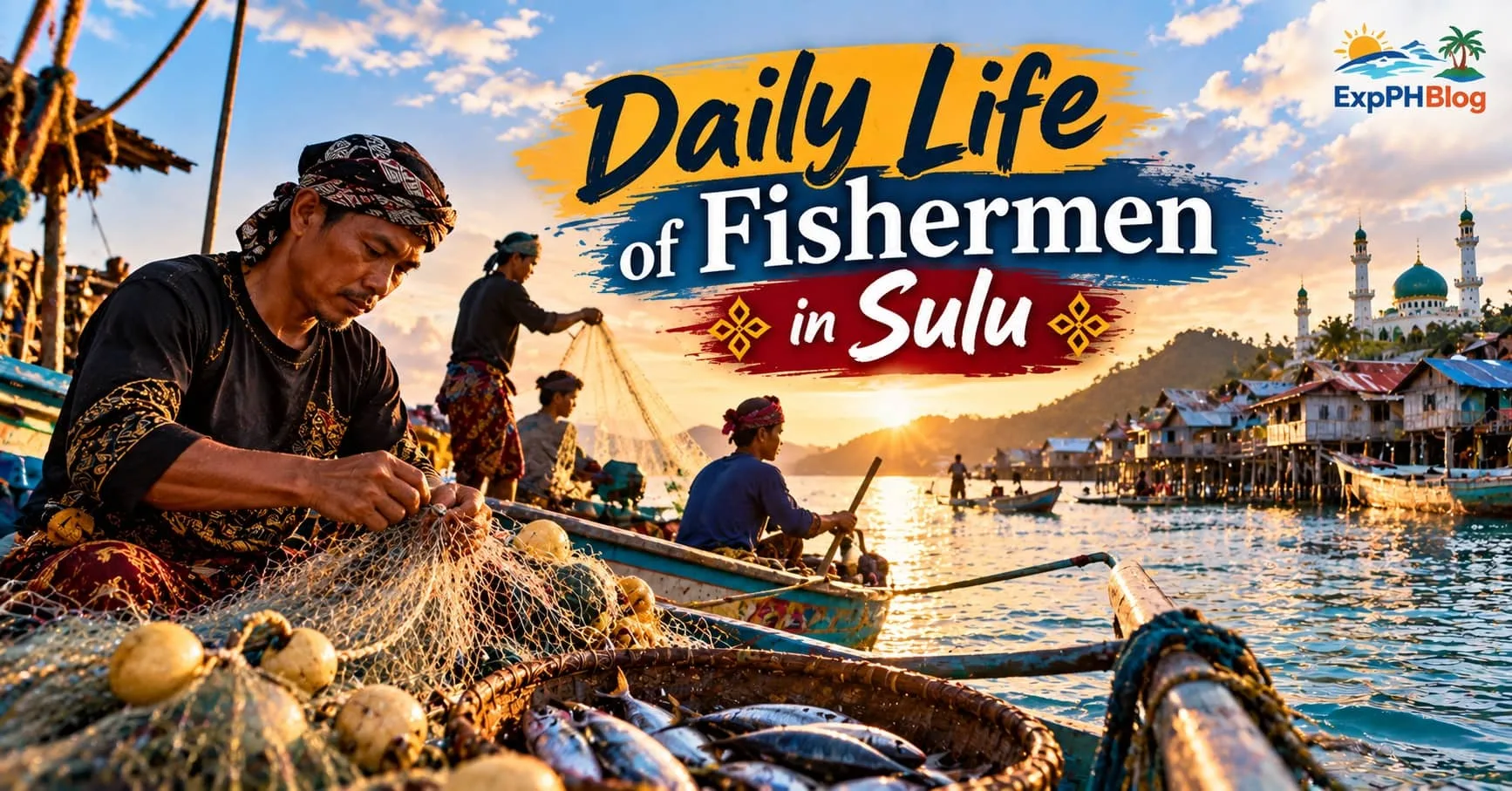
Daily Life of Fishermen in Sulu
The Daily Life of Fishermen in Sulu is a powerful story of resilience, tradition, family responsibility, and deep connection to the sea. In the southernmost part of the Philippines, where turquoise waters meet generations of maritime culture, fishing is not just a livelihood. It is identity, survival, and heritage passed down from father to son, from grandfather to grandson.
Sulu, located in the Bangsamoro Autonomous Region in Muslim Mindanao, is surrounded by rich fishing grounds. The Sulu Sea provides tuna, grouper, mackerel, squid, and many other species that sustain coastal communities. According to the Bureau of Fisheries and Aquatic Resources, fisheries remain one of the primary livelihood sources for many coastal provinces in Mindanao, including Sulu. This makes understanding the Daily Life of Fishermen in Sulu important not only from a cultural perspective, but also from an economic and national development point of view.
For ExpPH Blog readers, especially those with family members working abroad, this topic hits close to home. Many OFWs come from fishing families. Some leave because fishing income is seasonal. Others work overseas to support parents who still go out to sea every dawn. This article explores the full picture, from sunrise to sunset, from tradition to modern challenges.
Want to learn more about the culture, traditions, and everyday experiences of the Tausug people?
Read our complete guide on Inside Traditional Tausug Lifestyle and Community Practices and discover the rich heritage, family values, customs, and community life that continue to shape Sulu today.
Quick Summary (TL;DR)
- Early Morning Routine: Fishermen in Sulu often wake up around 3:00–4:00 AM to prepare their boats, fishing nets, and supplies before sunrise.
- Traditional Fishing Methods: Many rely on handlines, gill nets, fish traps, and spearfishing, combining traditional knowledge with modern equipment.
- Family and Community Life: Fishing supports entire households, with women helping sell and process fish while managing family finances.
- Daily Challenges: Unpredictable weather, rising fuel costs, fluctuating fish prices, and limited cold storage make earning a stable income difficult.
- OFW Family Support: Money sent home by overseas Filipino workers helps fishing families pay for education, repair boats, and meet everyday needs.
- Culture and Sustainability: Fishing remains an important part of Sulu’s maritime heritage, making responsible fishing and marine conservation essential for future generations.
In short: The daily life of fishermen in Sulu reflects the resilience, hard work, family values, and cultural traditions of Filipino coastal communities. Behind every catch is a story of sacrifice, cooperation, and hope for a better future.
Let us take a deeper look.
Table of Contents

1. The Geography That Shapes the Daily Life of Fishermen in Sulu
Sulu is an archipelagic province made up of numerous islands such as Jolo, Panglima Tahil, and Indanan. It lies between the Sulu Sea and the Celebes Sea, areas known for productive fishing grounds. This strategic location provides rich marine resources that support thousands of coastal families.
Coastal Communities and Island Living
Most fishermen live in coastal barangays with homes built close to the shoreline. Living near the sea allows quick access to boats, nets, and daily fishing activities. Children grow up observing their fathers repair nets and prepare gear, learning early that the sea will shape their future.
Island life often comes with limited infrastructure and fewer preservation facilities. Many communities lack reliable cold storage, which means fish must be sold on the same day they are caught. This reality shapes daily routines and pushes fishermen to return early and sell quickly.
Rich Marine Biodiversity
The waters surrounding Sulu support diverse marine ecosystems filled with reef fish, tuna, squid, and other valuable species. Healthy coral reefs provide breeding grounds that sustain small scale fishing. Protecting these ecosystems is essential to ensure long term livelihood security for coastal families.
Since the sea determines income and survival, the Daily Life of Fishermen in Sulu depends heavily on weather patterns, marine conditions, and seasonal fish migration. Fishermen must constantly adapt their schedules and strategies to changing tides and environmental shifts.
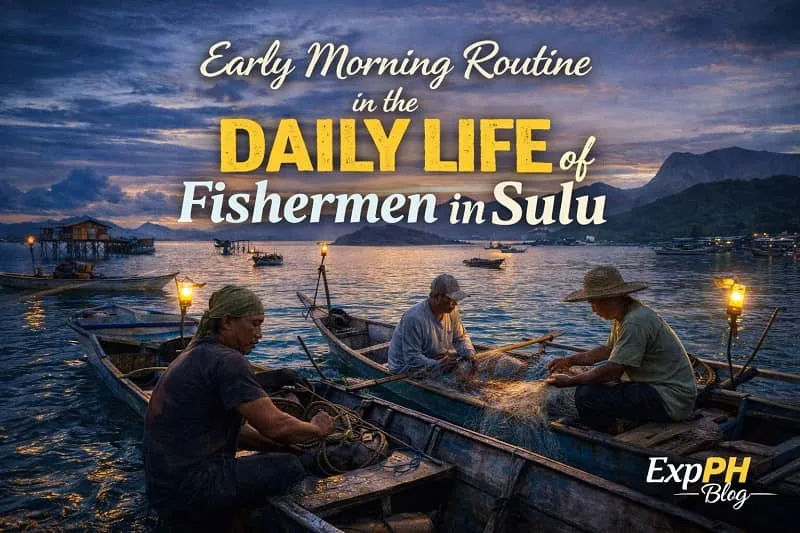
2. Early Morning Routine in the Daily Life of Fishermen in Sulu
The Daily Life of Fishermen in Sulu begins long before sunrise. While most communities are still asleep, coastal households are already awake and preparing for the sea. Early departure allows fishermen to reach productive fishing grounds at the right time.
Preparing Before Dawn
Around 3:00 or 4:00 in the morning, fishermen rise quietly and assess the weather. They observe the sky, check wind direction, and monitor tide movement. Some listen to radio updates for advisories. Safety remains essential because rough waters and sudden storms pose serious risks.
Before leaving shore, they carefully prepare:
- Fishing nets
- Hooks and lines
- Fuel for motorized boats
- Ice boxes when available
- Drinking water and simple meals
Prayer is also part of the routine in many households. Faith offers guidance and protection as they face the uncertainty of the open sea.
Traditional Boats and Tools
An enduring symbol of Sulu is the colorful vinta, a traditional boat linked to Tausug heritage. Although many fishermen now use small motorized boats, traditional craftsmanship still influences design. Equipment remains simple and practical, suited for small scale fishing.
Common tools include:
- Hand lines for tuna
- Gill nets for reef fish
- Fish traps in shallow waters
Large commercial vessels are uncommon in these communities, so fishermen rely on skill, experience, and well maintained basic gear to sustain their livelihood.
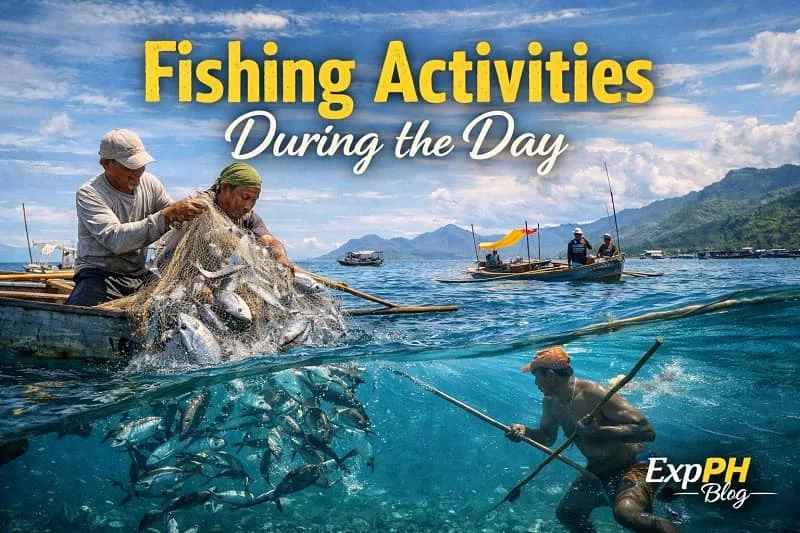
3. Fishing Activities of Fishermen in Sulu During the Day
Once the boat leaves the shore, the most demanding part of the Daily Life of Fishermen in Sulu begins. Hours are spent scanning the water, adjusting position, and waiting patiently. Success depends on timing, experience, and understanding how fish respond to tides and currents.
Casting Nets and Lines
Fishermen use different methods based on target species and water depth.
Common techniques include:
- Handline fishing
- Gill net fishing
- Spearfishing in shallow waters
- Fish traps
Each method requires skill developed through years at sea. Fathers teach sons how to read wave patterns and locate feeding grounds. Some days bring heavy catches. Other days end with only a few kilos, reflecting the uncertainty of fishing life.
Weather and Risk Management
Weather in the Sulu Sea can shift quickly and without warning. Sudden rain, strong winds, and rising waves create serious danger for small boats. Fishermen monitor updates from the Philippine Atmospheric, Geophysical and Astronomical Services Administration before departure to stay informed.
To reduce risks, they follow safety practices such as:
- Wearing life vests when available
- Avoiding deep waters during strong winds
- Informing family before departure
- Traveling in small groups
Even with preparation, fishing remains physically demanding and sometimes dangerous, requiring courage and constant awareness throughout the day.
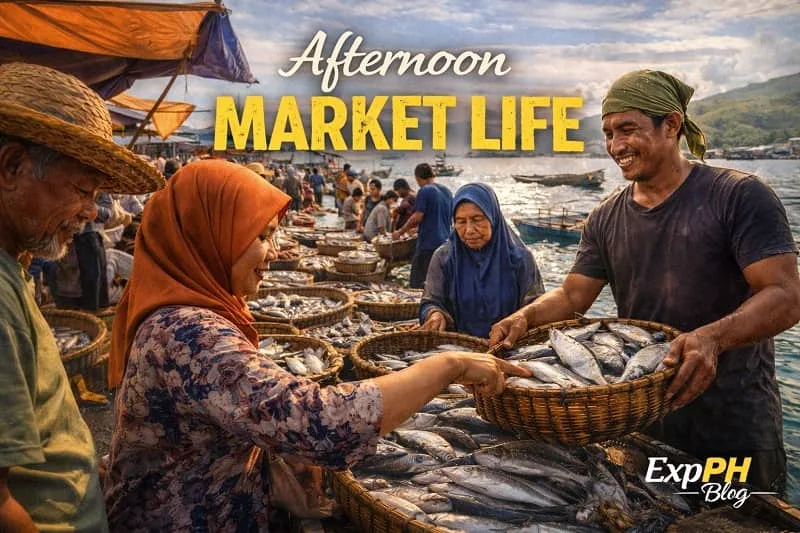
4. Afternoon Market Life of Sulu Fishermen
Fishing does not end when the boats return to shore. The Daily Life of Fishermen in Sulu continues in busy local markets where the morning catch must be sorted and sold. Afternoon hours are focused on trade, negotiation, and ensuring that fresh seafood reaches buyers quickly.
Selling the Catch
By late morning or early afternoon, fishermen bring their catch to nearby markets. Some sell to regular buyers who transport fish to larger towns. Others sell directly within their barangay. Since cold storage is limited, quick selling is essential to maintain freshness and value.
Prices often depend on:
- Fish species
- Size and weight
- Season
- Market demand
Income changes from day to day. A strong catch can support a family for several days. A poor catch may require careful budgeting or small loans to manage expenses.
Women’s Role in the Fishing Economy
Women play a vital role in sustaining fishing households. In the Daily Life of Fishermen in Sulu, wives and mothers often manage the financial side of the livelihood while supporting post harvest work.
Their responsibilities usually include:
- Cleaning and sorting fish
- Selling in local markets
- Managing household budget
- Drying small fish
This shared effort strengthens family unity. Fishing is rarely an individual task. It is a cooperative household enterprise built on trust and partnership.

5. Family Life and Community Values of Fishermen in Sulu
Fishing communities in Sulu are closely connected through shared livelihood and tradition. The sea unites families and neighbors who depend on one another for support. Strong relationships help them manage hardship and celebrate success together, reinforcing trust and collective responsibility.
Children and Education
Many fishermen dream of seeing their children finish school and secure stable careers. Financial pressure sometimes requires teenagers to help at sea, especially during peak fishing seasons. Despite challenges, parents continue prioritizing education as a pathway toward better opportunities and long term stability.
Education often depends on sacrifice. Some family members work abroad in Malaysia, the Middle East, or nearby countries to send money home. The Daily Life of Fishermen in Sulu is closely linked to OFW support, which helps cover tuition, supplies, and daily household needs.
Faith and Cultural Identity
Sulu is predominantly Muslim, and Islamic teachings guide daily routines and decision making. Prayer, religious gatherings, and moral discipline shape community life. Faith provides strength during uncertain fishing seasons and encourages gratitude during times of abundance.
Respect for elders remains strong in coastal barangays. Neighbors cooperate during boat repairs, share extra catch, and support families in need. These traditions reflect a culture built on unity, responsibility, and mutual care.
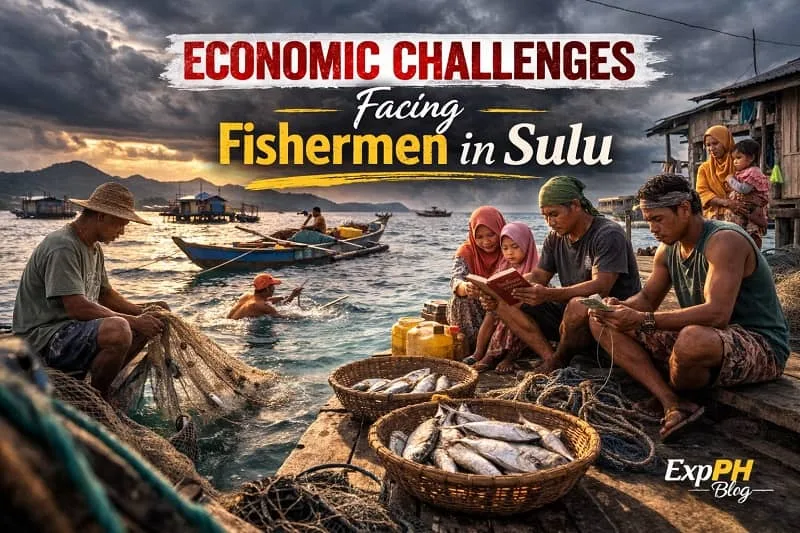
6. Economic Challenges Facing Fishermen in Sulu
Fishing provides independence and a sense of pride, yet it also brings constant uncertainty. The Daily Life of Fishermen in Sulu depends on forces beyond their control, including weather patterns, fuel costs, and shifting market demand. These factors shape both income stability and long term livelihood security.
Income Instability
Fishing income changes daily based on the size and quality of the catch. Several days of rough weather can stop operations entirely. Rising fuel prices reduce earnings, while market prices shift depending on supply and demand. Because of this instability, some younger relatives pursue overseas work for steadier income.
Environmental Concerns
Marine sustainability remains a serious concern for coastal communities. Overfishing and destructive practices damage coral reefs and reduce breeding areas for fish. Government programs under the Department of Agriculture encourage responsible methods and provide assistance to small scale fishermen.
Sustainable practices are essential to protect marine resources and secure the future of the Daily Life of Fishermen in Sulu for the next generation.
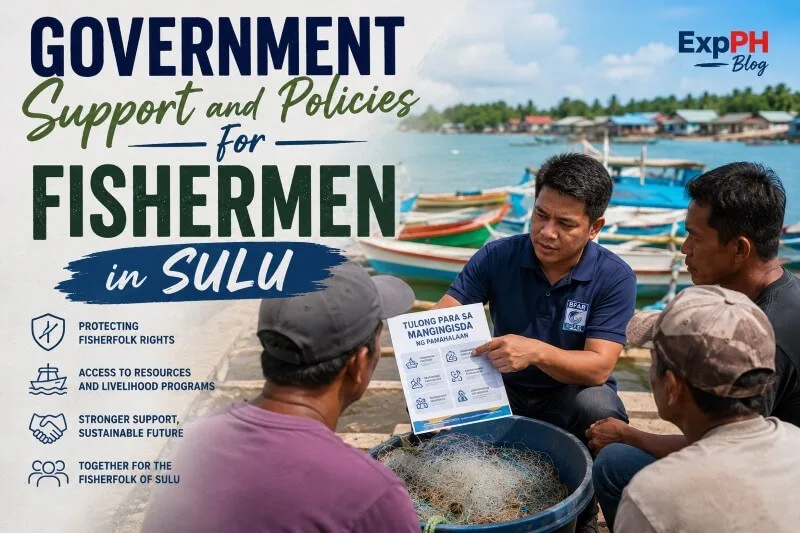
7. Government Support and Policies for Fishermen in Sulu
Fishermen in Sulu can register with local authorities to access government assistance programs. These programs may include fuel subsidies, fishing gear distribution, and livelihood training. Registration helps ensure that small scale fishermen receive support designed to improve productivity, safety, and long term income stability.
For official guidelines and fisheries development initiatives, readers can visit the Bureau of Fisheries and Aquatic Resources website at https://www.bfar.da.gov.ph. The site offers verified information about regulations, safety standards, and current support programs available to registered fishermen.
Accessing reliable information is important for protecting livelihoods. Updated policies and clear safety guidance help fishing communities make informed decisions, reduce risks at sea, and strengthen the long term sustainability of the Daily Life of Fishermen in Sulu.
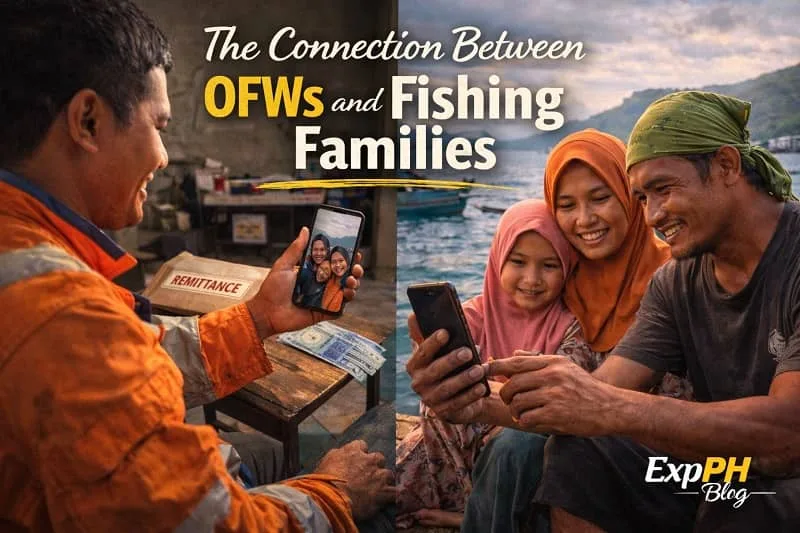
8. The Connection Between OFWs and Fishing Families
For ExpPH Blog readers, the link between overseas work and coastal livelihood carries deep meaning. Many families in Sulu balance life at sea with relatives working abroad. The Daily Life of Fishermen in Sulu often depends not only on daily catch but also on steady support from overseas.
Many OFWs come from fishing households in coastal provinces. Their remittances help strengthen family stability and improve long term security.
Financial support from abroad often covers essential needs such as:
- Repairing damaged boats
- Buying new fishing gear
- Funding children’s education
- Building stronger coastal homes
In return, families provide emotional strength and a sense of belonging. When OFWs return for vacation, joining early morning fishing trips becomes a meaningful bonding experience. This connection reflects the OFW first pillar of ExpPH Blog by linking local livelihood stories with global Filipino sacrifice and resilience.
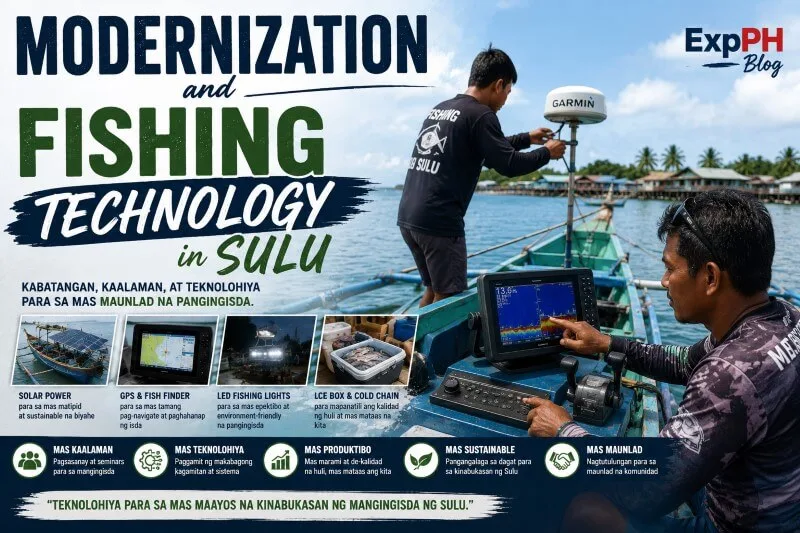
9. Modernization and Fishing Technology in Sulu
Technology continues to influence the Daily Life of Fishermen in Sulu. While traditional knowledge remains essential, modern tools gradually improve efficiency and communication. These changes help some families increase income, though access to equipment often depends on available savings and financial support.
Motorized Boats
Many fishermen now use small motorized boats instead of relying solely on paddles or sails. Engines allow them to reach deeper waters and more productive fishing grounds. This increases catch potential and shortens travel time, helping maximize limited fishing hours each day.
Mobile Phones and Market Prices
Mobile phones help fishermen coordinate with buyers before returning to shore. They can check current market prices and confirm demand for specific fish species. This reduces spoilage and improves income planning. Still, modernization requires capital, and not every fisherman can afford consistent upgrades.
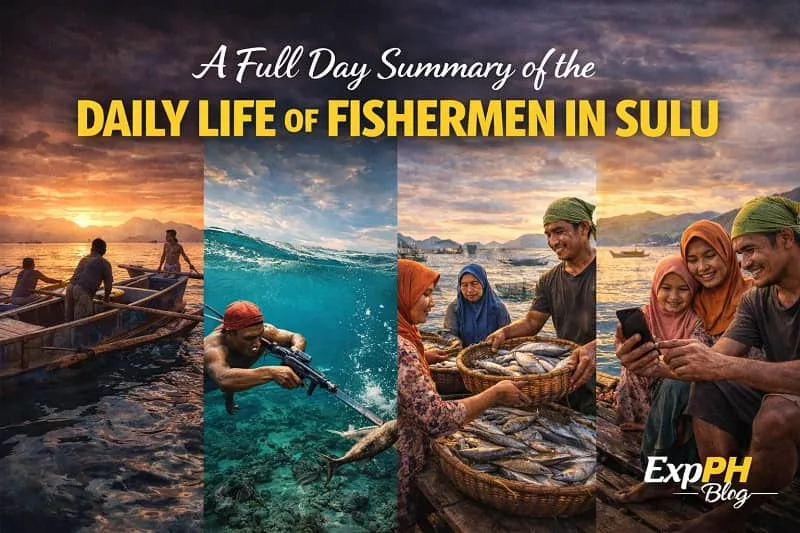
10. A Full Day Summary of the Daily Life of Fishermen in Sulu
The Daily Life of Fishermen in Sulu follows a steady rhythm shaped by tides and family responsibility. Each day blends physical labor with patience and discipline. From early preparation to evening rest, routines reflect commitment to livelihood and deep respect for the sea.
A typical day often includes:
- Waking up before dawn
- Preparing fishing gear
- Traveling to fishing grounds
- Casting nets or lines for hours
- Returning by late morning
- Selling fish in local markets
- Repairing nets and boats
- Spending evening with family
The routine is physically demanding and requires strength and focus. Despite the challenges, many fishermen find fulfillment in providing for their families and continuing a tradition rooted in courage, resilience, and community support.
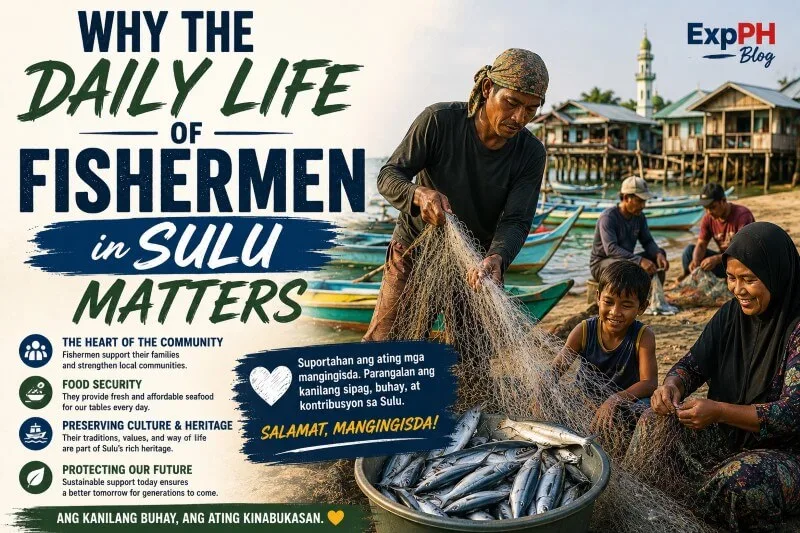
11. Why the Daily Life of Fishermen in Sulu Matters
The Daily Life of Fishermen in Sulu goes beyond the act of catching fish. It reflects identity, responsibility, and the enduring bond between people and the sea. Understanding this livelihood helps readers appreciate how coastal families balance tradition, survival, and hope for future generations.
This way of life represents:
- Cultural heritage
- Economic survival
- Community resilience
- OFW family connections
- Environmental sustainability
By learning about the Daily Life of Fishermen in Sulu, we recognize the quiet dedication of those who rise before dawn to feed communities. Their work sustains traditions, supports families, and strengthens the social fabric of coastal provinces.
12. FAQs About the Daily Life of Fishermen in Sulu
What time do fishermen in Sulu usually start their day?
Most fishermen in Sulu begin their day between 3:00 and 4:00 in the morning to prepare boats, check weather conditions, and reach fishing grounds before sunrise.
What types of fish are commonly caught in Sulu waters?
Fishermen in Sulu commonly catch tuna, mackerel, grouper, squid, and reef fish, depending on the season, weather patterns, and specific fishing areas visited.
What boats are used in the Daily Life of Fishermen in Sulu?
Many fishermen use small motorized boats, while some still rely on traditional wooden boats like the vinta, reflecting Sulu’s rich maritime heritage.
How do fishermen in Sulu sell their catch?
After returning from sea, fishermen sell their catch at local markets, to middlemen, or directly to households within their coastal communities.
What challenges do fishermen in Sulu face daily?
They face unstable income, unpredictable weather, rising fuel costs, limited cold storage, and environmental concerns that affect fish populations and overall livelihood stability.
How does weather affect the Daily Life of Fishermen in Sulu?
Weather strongly influences fishing schedules, as strong winds, heavy rains, and rough seas can delay trips and reduce daily income opportunities.
What role do women play in fishing communities in Sulu?
Women manage fish selling, household finances, drying or processing fish, and budgeting earnings, making them essential partners in sustaining fishing families.
Why do some family members become OFWs instead of fishermen?
Some choose overseas work for stable income, better opportunities, and financial security, especially when fishing income becomes unpredictable or insufficient.
Is fishing in Sulu considered dangerous?
Fishing carries risks such as sudden storms, strong currents, and equipment accidents, especially for small boat operators without advanced safety equipment.
How is the Daily Life of Fishermen in Sulu connected to Filipino culture?
Fishing reflects strong family values, faith, cooperation, and resilience, which are deeply rooted cultural traits within coastal communities across Sulu province.
Final Thoughts on the Daily Life of Fishermen in Sulu
The Daily Life of Fishermen in Sulu is shaped by early sunrise tides, changing weather, deep faith, and strong family commitment. Each trip to sea carries physical effort and real risk, yet it also carries hope for daily income and long term stability. Fishing brings pride to many households because it reflects tradition and independence. At the same time, it presents constant challenges that require patience, discipline, and courage.
For many families, some members continue the fishing tradition while others become OFWs to secure steadier income. Both paths show resilience and sacrifice. As readers of ExpPH Blog, understanding this reality deepens our respect for Filipino determination. Whether working at sea or abroad, the shared goal remains the same, to support family with dignity and hope.
Want to learn more about Tausug culture and traditions?
Read our Complete Guide to Tausug Culture and Traditional Life in Sulu and discover the rich heritage, family values, customs, and community life that continue to shape Sulu today.
Explore more about Sulu culture and traditions through these related articles
- A Day in a Traditional Tausug Household and Community Life
- The Spirit of Ramadan Among the Tausug: Faith, Unity, and Tradition
- Storytelling Sessions with Local Elders in Sulu
Learning Hub Quiz!
Test your knowledge about the Daily Life of Fishermen in Sulu and discover how well you understand their routines, challenges, and culture.
Results


#1. What time do fishermen usually wake up?
#2. What is a traditional boat in Sulu called?
#3. Where do fishermen sell their catch?
#4. What strongly affects fishing schedules?
#5. Which fish is commonly caught in Sulu?
#6. What time do boats usually leave shore?
#7. Who helps sell and manage income?
#8. Why do some family members become OFWs?
#9. What resource do fishermen depend on most?
#10. What value is strong in fishing communities?
Have you lived in a coastal community or experienced fishing life in Sulu?
We would love to hear your story. Comment your experience below and let us know how this topic connects with your journey.

A Filipino web developer with a background in Computer Engineering. Founder of ExpPH Blog and ExpPH Business Guide, creating practical content on OFW guidance, business, finance, freelancing, travel, and lifestyle. Passionate about helping Filipinos grow, he shares insights that educate, empower, and inspire readers nationwide.