Biyaki: A Traditional Tausug Delicacy from Sulu
Discover the history, ingredients, preparation, and cultural meaning of the Tausug delicacy Biyaki from Sulu. When people talk about Filipino cuisine, many immediately think of adobo, sinigang, or lechon. Beyond these well known dishes lies a rich culinary world shaped by diverse regional cultures across the Philippines. One of the most meaningful yet lesser known treasures from Mindanao is the Tausug delicacy Biyaki.
In the southern province of Sulu, food is more than taste. It represents identity, memory, faith, and family. Biyaki reflects all of these values. It uses simple ingredients, yet carries deep cultural meaning.
For OFWs from Mindanao, especially those with Tausug roots, dishes like Biyaki are more than comfort food. They serve as reminders of home, family gatherings, and traditions that continue even across long distances.
In this in depth guide, we explore the history, ingredients, preparation, cultural value, and modern relevance of the Tausug delicacy Biyaki. This article aims not only to inform but also to help preserve cultural understanding for future generations.
Biyaki is just one sweet taste of Sulu’s vibrant food culture.
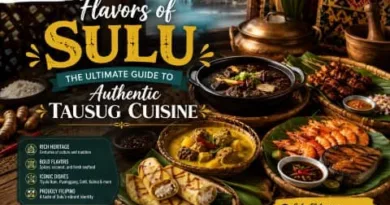
If you want to discover more traditional dishes, rich spices, and the history behind the region’s food, dive into our complete master guide: Flavors of Sulu: The Ultimate Guide to Authentic Tausug Cuisine.
Quick Summary (TL;DR)
Biyaki is a traditional Tausug steamed corn delicacy from Sulu, Mindanao, made with grated young corn, coconut milk, and sugar wrapped in corn husks. Beyond its sweet and creamy taste, it holds deep cultural significance as a symbol of hospitality, family bonds, and heritage. For many, especially Overseas Filipino Workers (OFWs), it serves as a comforting reminder of home. This guide explores its history, preparation, and the importance of preserving this lesser-known Filipino culinary treasure.
1. What Is Biyaki?
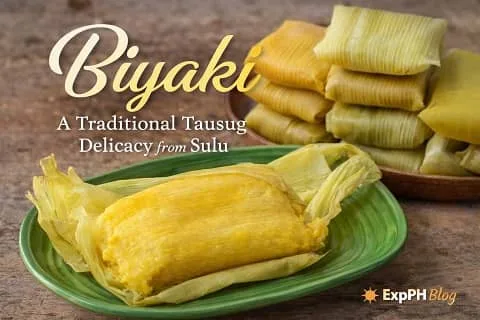
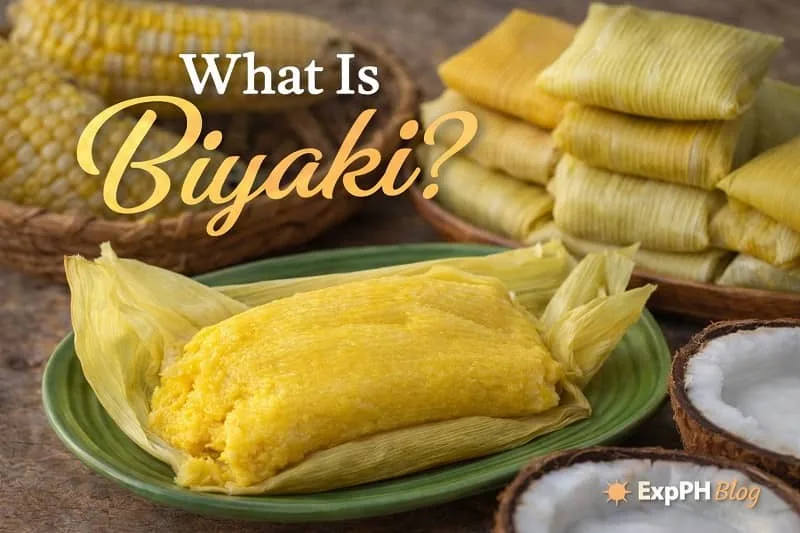
Biyaki is a traditional steamed corn delicacy made from grated young corn, coconut milk, and sugar. The mixture is wrapped in corn husks and steamed until soft and creamy. Its bright yellow color and naturally sweet flavor come from fresh young corn.
Unlike many commercial desserts sold in urban areas, Biyaki remains closely tied to local tradition. Families prepare it during special gatherings and community celebrations. Serving Biyaki reflects hospitality, cultural pride, and the importance of sharing food with loved ones.
Each step of preparation carries meaning, especially in communities where traditional cooking methods are still practiced. Biyaki is more than a snack. It represents heritage, memory, and the preservation of regional Filipino identity.
2. Historical Roots of the Tausug Delicacy Biyaki
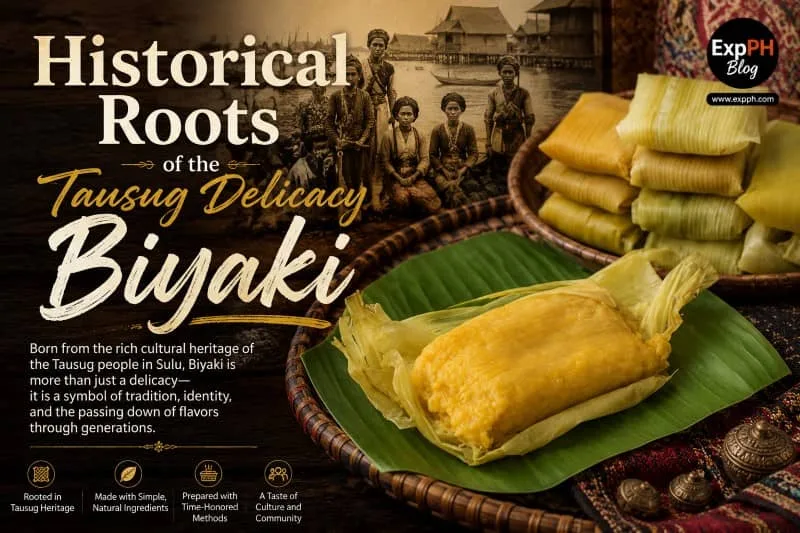
The origins of Biyaki are deeply intertwined with the rich history and geography of the Sulu Archipelago. Shaped by centuries of trade, Islamic heritage, and the natural abundance of the region, this traditional delicacy reflects the resourcefulness and vibrant culture of the Tausug people.
Cultural Background of the Tausug People
The Tausug people are among the major ethnolinguistic groups in the southern Philippines. Their history is shaped by regional trade, Islamic influence, and strong community ties. Sulu once served as the center of the Sultanate of Sulu and became an important trading hub in Southeast Asia.
Through centuries of interaction with neighboring cultures, Tausug food traditions evolved while maintaining a distinct identity. The Tausug delicacy Biyaki developed within this cultural setting, shaped by local ingredients such as young corn and coconut, which are widely used in traditional dishes.
Influence of Geography on Ingredients
Sulu’s tropical climate supports the growth of coconut trees and seasonal crops including corn. These natural resources influenced local cooking practices. Coconut milk became an essential ingredient in many Tausug recipes, including Biyaki, because it enhances flavor and texture.
The use of young corn reflects practical island living and reliance on accessible crops. The simplicity of ingredients highlights resourcefulness and balance. The strength of the Tausug delicacy Biyaki lies in careful preparation and respect for traditions passed down through generations.
Table of Contents
3. Key Ingredients of Biyaki
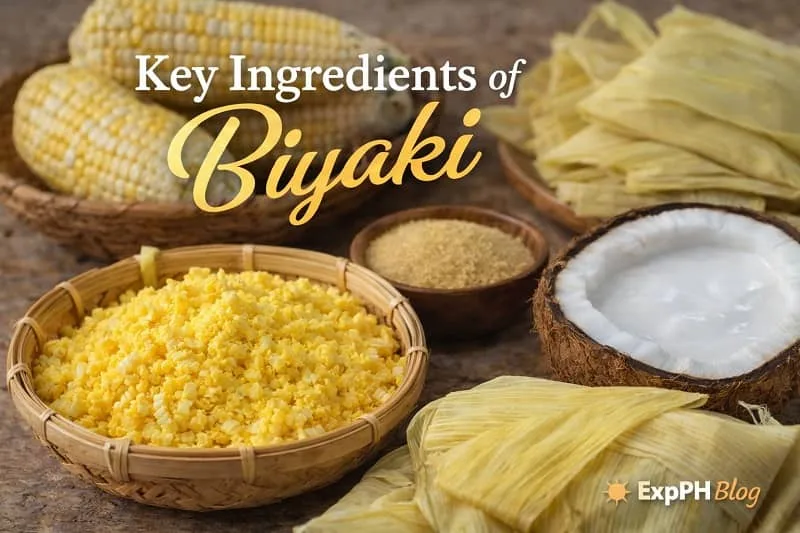
The authentic taste and texture of Biyaki come from a simple yet perfect combination of locally sourced ingredients. Each component plays a vital role in creating this beloved Tausug delicacy, highlighting the natural flavors and agricultural resourcefulness of the region.
Young Corn
- Young grated corn is the main ingredient of Biyaki. It provides natural sweetness, bright yellow color, and a soft texture after steaming. The quality of the corn directly affects the flavor and consistency. Freshly harvested young corn produces the best results.
Coconut Milk
- Coconut milk adds richness and depth to the corn mixture. It enhances the natural sweetness without overpowering the flavor. When blended properly, it helps create a smooth and moist texture that remains soft even after cooling.
Natural Sweeteners
- Brown sugar or white sugar may be added to adjust sweetness. The amount depends on how sweet the young corn tastes. Sweeteners should complement the corn rather than dominate the flavor. Proper balance keeps the texture creamy and pleasant.
Corn Husks
- Corn husks are used to wrap the mixture before steaming. They give Biyaki its traditional shape and presentation. During cooking, the husks release a light aroma that enhances the overall flavor while helping the mixture hold together properly.
4. Traditional Preparation of Biyaki
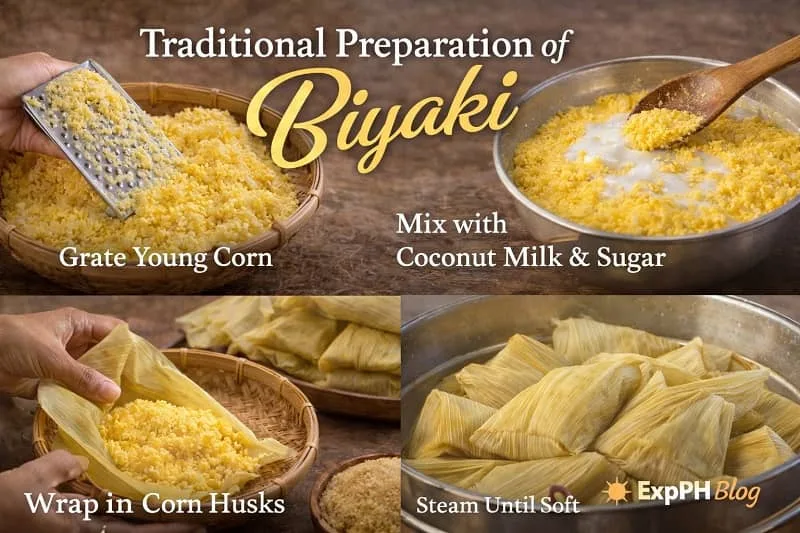
Making Biyaki is a labor of love that relies on time-honored techniques passed down through generations. From grating the fresh corn to carefully wrapping and steaming the mixture, each step requires patience and attention to detail to achieve the perfect creamy texture and authentic flavor.
Step 1: Preparing the Corn
- Fresh young corn is grated carefully until smooth and slightly thick. The grated corn should be moist but not watery. Using tender young corn ensures natural sweetness and a soft texture after steaming. Freshness greatly affects the final taste.
Step 2: Mixing the Ingredients
- The grated corn is combined with coconut milk and sugar in a bowl. The mixture is stirred gently until evenly blended. The goal is a smooth and creamy consistency without lumps. Proper mixing ensures balanced flavor in every bite.
Step 3: Wrapping in Corn Husks
- Clean corn husks are shaped into small pockets to hold the mixture. The corn batter is placed inside and folded securely. Wrapping keeps the shape intact during steaming and adds a light natural aroma.
Step 4: Steaming and Cooling
- The wrapped Biyaki is steamed until firm and fully cooked. Steaming allows the mixture to set while preserving moisture. After cooking, it is cooled slightly before serving warm or at room temperature.
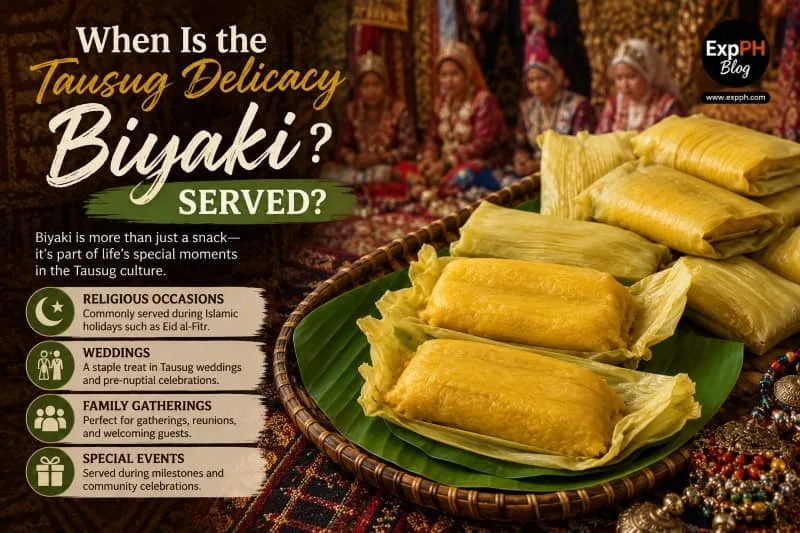
5. When Is the Tausug Delicacy Biyaki Served?
Biyaki is a versatile delicacy that holds a special place in Tausug dining, whether it is the centerpiece of a grand celebration or a simple snack enjoyed at home. From joyous family milestones and religious observances to quiet everyday moments, serving this dish always brings a sense of warmth, unity, and cultural pride.
Family Celebrations
- The Tausug delicacy Biyaki is often prepared for weddings, Eid gatherings, and important community events. Its presence reflects generosity and shared joy. Serving Biyaki during celebrations shows respect for guests and highlights the importance of food in strengthening family bonds.
Religious Occasions
- Many Tausug families follow Islamic practices in daily life and food preparation. Cleanliness and halal standards guide how dishes are handled and served. For official guidance on halal practices in the Philippines, readers may visit the website of the National Commission on Muslim Filipinos.
Everyday Comfort Food
- Although Biyaki is associated with special gatherings, families also prepare it on ordinary days. It can be shared at home as a comforting dish that brings warmth and familiarity. Even without a celebration, Biyaki carries meaning through simple moments together.
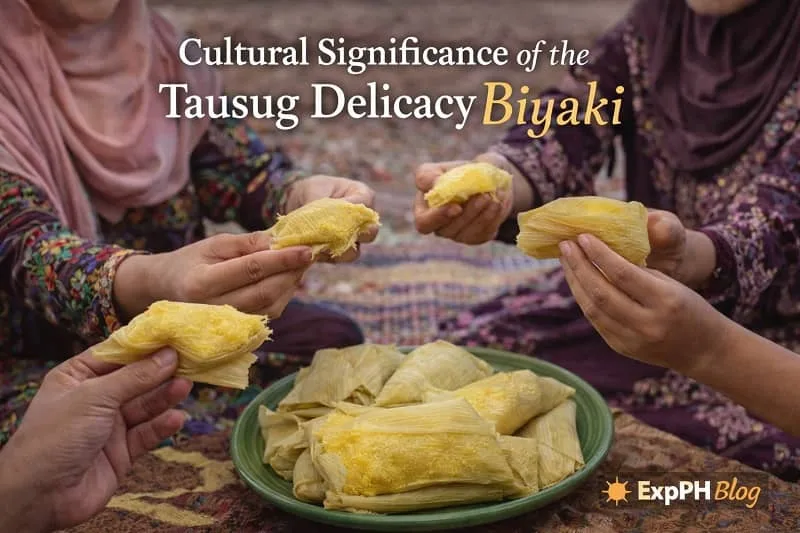
6. Cultural Significance of the Tausug Delicacy Biyaki
Beyond its sweet and creamy taste, Biyaki carries profound meaning for the Tausug community. It serves as a powerful expression of hospitality, a living bridge to ancestral traditions, and a comforting reminder of home for those living far away.
Symbol of Hospitality
In Tausug culture, offering food expresses respect and welcome. Serving the Tausug delicacy Biyaki to guests reflects warmth and pride in heritage. It shows appreciation for visitors and strengthens relationships through the simple yet meaningful act of sharing a traditional dish.
Connection to Ancestral Traditions
Traditional cooking methods are passed down through spoken instruction and hands on practice. Grandmothers teach mothers and mothers guide their children. Through this process, the Tausug delicacy Biyaki becomes a living tradition that connects present generations with their ancestors.
Emotional Anchor for OFWs
For Overseas Filipino Workers from Mindanao, cultural dishes offer comfort and stability. Preparing Biyaki abroad can feel like reconnecting with home. Familiar flavors ease homesickness and remind OFWs that their cultural identity remains strong wherever they build their lives.
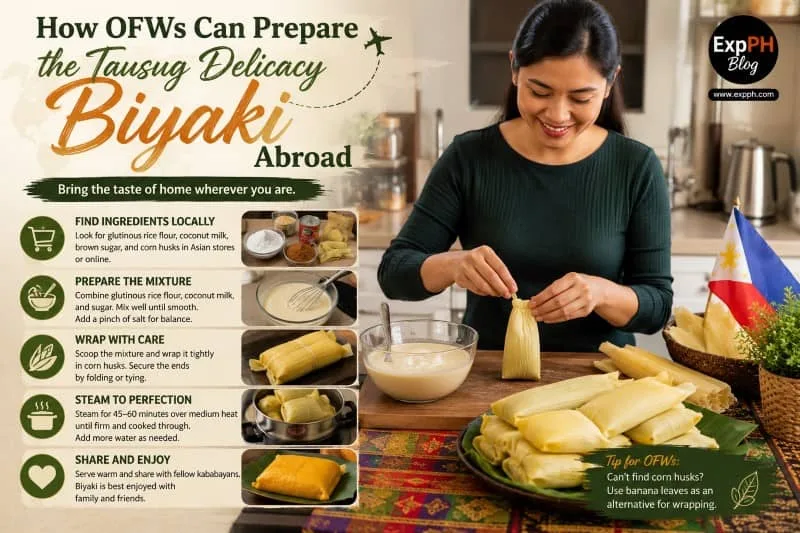
7. How OFWs Can Prepare the Tausug Delicacy Biyaki Abroad
Living far from home doesn’t mean leaving traditional flavors behind. For Overseas Filipino Workers (OFWs), preparing Biyaki abroad is highly achievable with a few practical adjustments. By sourcing ingredients from local Asian markets or using accessible substitutes, OFWs can recreate this comforting dish to ease homesickness and share a piece of Tausug heritage with their international friends.
Finding Ingredients Overseas
OFWs can find most ingredients for the Tausug delicacy Biyaki in Asian grocery stores. Fresh young corn, coconut milk, and sugar are widely available in many countries. In areas with strong Filipino communities, these ingredients are easier to locate and often affordable.
Practical Substitutes
If fresh young corn is unavailable, frozen sweet corn can be used as an alternative. Brown sugar works well when muscovado is not available. Canned coconut milk can replace freshly extracted coconut milk while still maintaining a rich and creamy texture.
Sharing Culture With Friends
Preparing Biyaki abroad creates meaningful opportunities to share Tausug heritage with colleagues and friends. Serving this traditional delicacy encourages cultural appreciation and conversation. Through food, OFWs can express pride in their identity while strengthening connections within diverse communities.
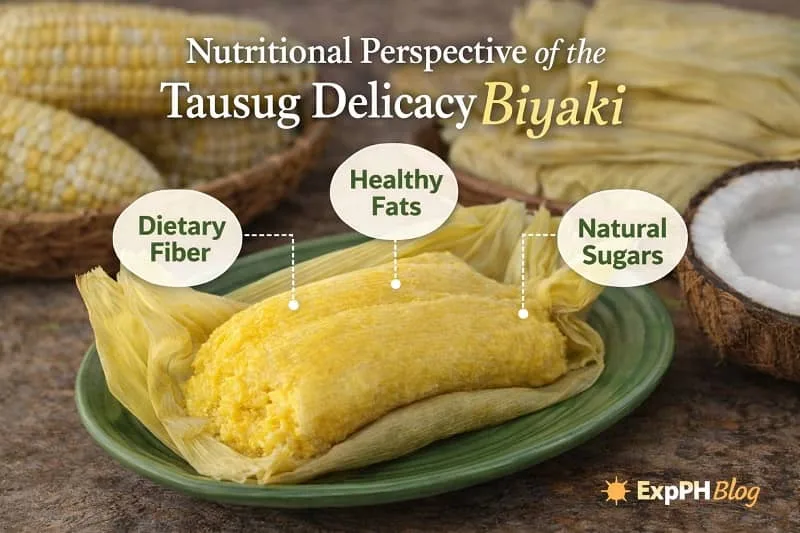
8. Nutritional Perspective of the Tausug Delicacy Biyaki
The Tausug delicacy Biyaki is rich in carbohydrates because it is made from young corn, which naturally contains starch and sugars. Coconut milk adds fats that provide energy and enhance texture. While these nutrients support energy needs, moderation remains important for balanced nutrition.
Since Biyaki is prepared using simple ingredients and traditional steaming methods, it usually contains fewer artificial additives than many commercial desserts. It can be considered a more natural option compared to processed sweets that include preservatives and excessive refined sugars.
Portion control is still essential when enjoying Biyaki. Its carbohydrate and sugar content may increase quickly if eaten in large amounts. Individuals monitoring blood sugar or calorie intake should consume it mindfully as part of a well balanced diet.
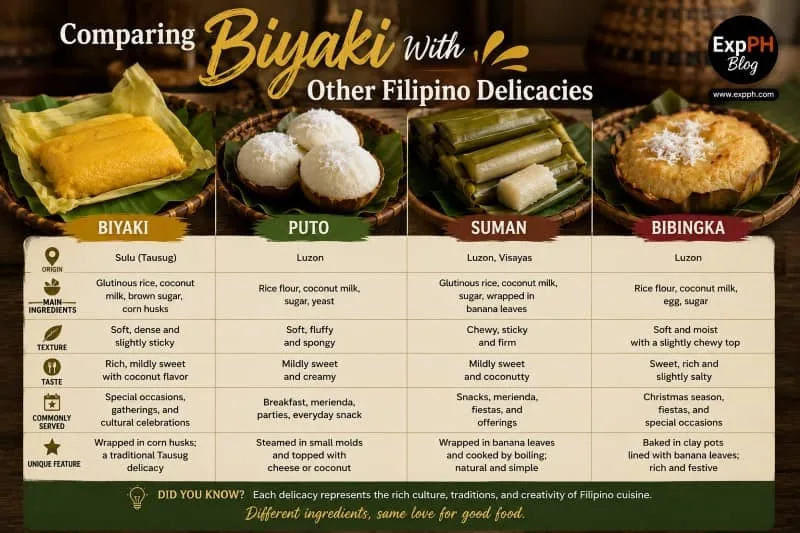
9. Comparing Biyaki With Other Filipino Delicacies
The Philippines offers many traditional steamed snacks and kakanin, each shaped by local ingredients and culture. Unlike rice based desserts such as biko or suman, the Tausug delicacy Biyaki is made from grated young corn and wrapped in corn husks before steaming.
While some Filipino kakanin use glutinous rice and caramelized toppings, Biyaki focuses on the natural sweetness of corn and the creaminess of coconut milk. Its smooth texture and simple presentation reflect regional identity and practical island cooking traditions.
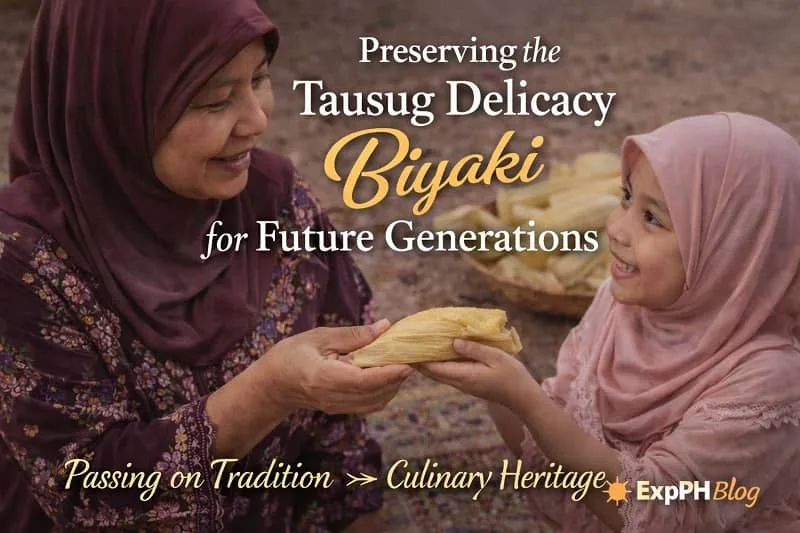
10. Preserving the Tausug Delicacy Biyaki for Future Generations
As modern conveniences change the way we eat, actively safeguarding traditional recipes like Biyaki becomes essential. By documenting family recipes, passing down hands-on cooking skills to the youth, and promoting cultural awareness online, we can ensure that this cherished Tausug delicacy continues to be celebrated and enjoyed for years to come.
Documenting Recipes
Writing down family recipes helps prevent valuable traditions from fading over time. Recording the steps, ingredients, and stories behind the Tausug delicacy Biyaki ensures that future generations can recreate it accurately. Blogging and digital archiving also strengthen long term cultural preservation efforts.
Teaching the Youth
Encouraging younger family members to learn traditional cooking builds confidence and cultural awareness. When children participate in preparing Biyaki, they develop a deeper understanding of their roots. Hands on learning keeps traditions alive and strengthens identity within the family.
Promoting Cultural Awareness
Sharing dishes like Biyaki through platforms such as ExpPH Blog increases appreciation for Mindanao heritage. Educational content helps readers understand cultural significance beyond taste. Promoting traditional foods online supports recognition and respect for diverse Filipino communities.
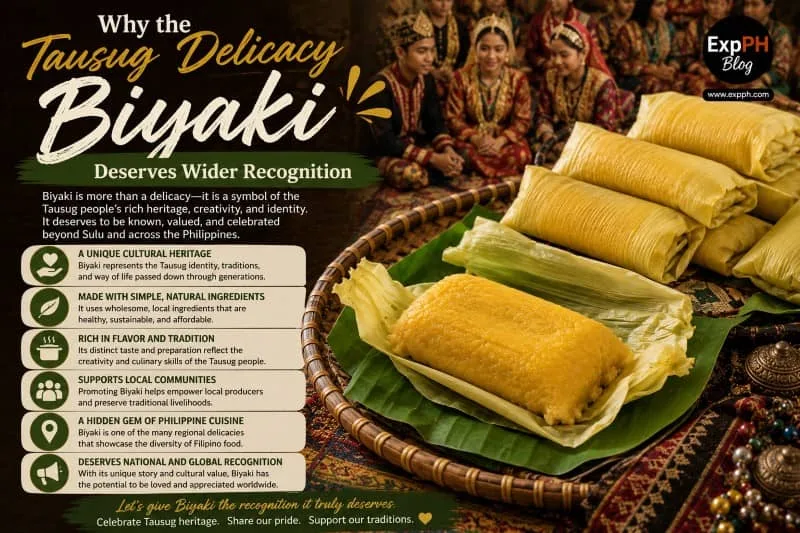
11. Why the Tausug Delicacy Biyaki Deserves Wider Recognition
Many regional Filipino dishes receive limited attention online despite their cultural value. Highlighting the Tausug delicacy Biyaki helps represent a community with a rich culinary tradition. Sharing its story promotes awareness and ensures that lesser known heritage foods gain proper recognition.
Greater visibility for Biyaki can encourage interest in Sulu and deepen appreciation for Mindanao culture. Traditional dishes often reflect history, belief, and shared experience. Biyaki carries stories of resilience, faith, and unity that deserve to be understood and remembered.
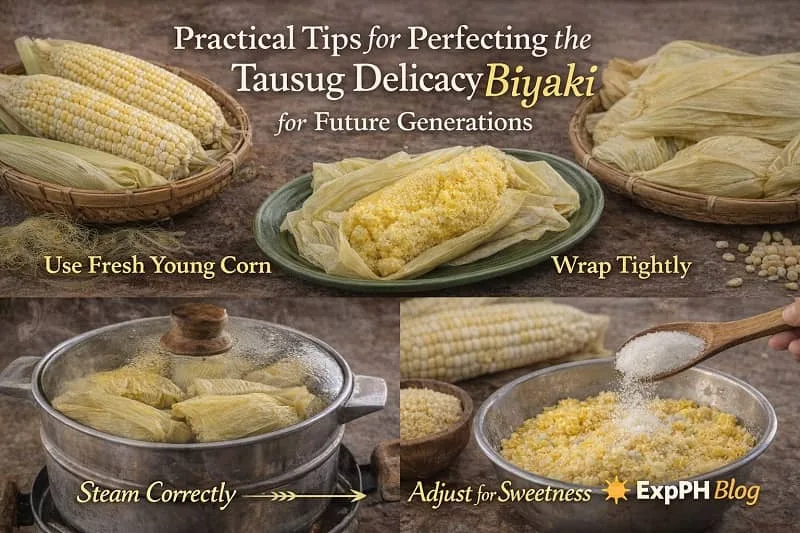
12. Practical Tips for Perfecting the Tausug Delicacy Biyaki
Creating the perfect Biyaki requires a delicate balance of technique and taste. By following a few practical tips—such as controlling the steaming temperature, ensuring a smooth mixture, and carefully adjusting the sweetness—you can achieve the ideal creamy texture and authentic flavor that makes this Tausug delicacy so special.
Use Gentle Steaming
Steam the Tausug delicacy Biyaki over steady medium heat. Proper steaming allows the corn mixture to set evenly without becoming too dry. Avoid very high heat, which may cause uneven cooking or excessive moisture loss during the process.
Mix Ingredients Thoroughly
Before wrapping, ensure the grated corn, coconut milk, and sugar are evenly blended. A smooth mixture prevents uneven texture after steaming. Proper mixing helps distribute sweetness and ensures a consistent flavor in every portion.
Balance Sweetness
Taste the corn mixture before wrapping and adjust sweetness gradually. Young corn varies in natural sugar content, so small adjustments help maintain balance. The goal is to enhance the natural corn flavor without making it overly sweet.
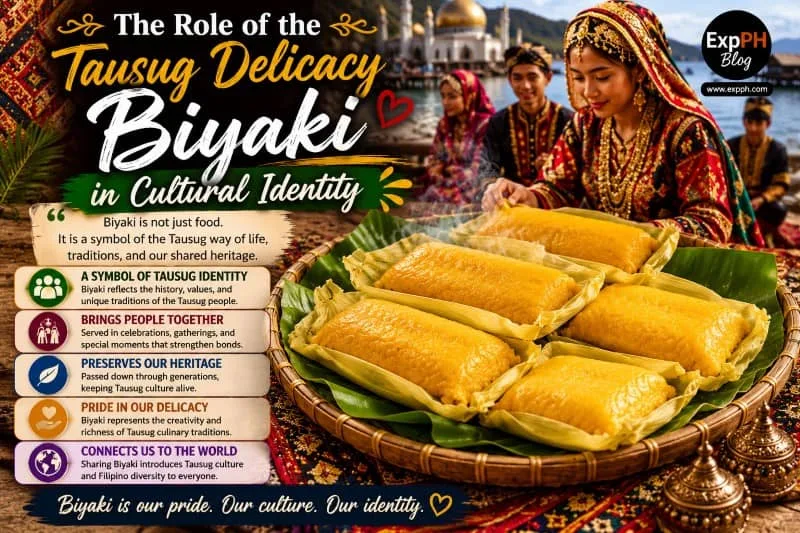
The Role of the Tausug Delicacy Biyaki in Cultural Identity
In a modern world shaped by convenience and fast food, many traditional dishes face the risk of being forgotten. The Tausug delicacy Biyaki stands as a reminder that heritage still holds value and deserves preservation through everyday practice.
For OFWs building lives abroad, preparing traditional food strengthens cultural identity within the family. Teaching children about Biyaki helps them understand their roots even if they grow up outside the Philippines.
Food serves as more than nourishment. It becomes a shared language within families and communities. It carries memory across generations and creates a strong sense of belonging wherever people choose to live.
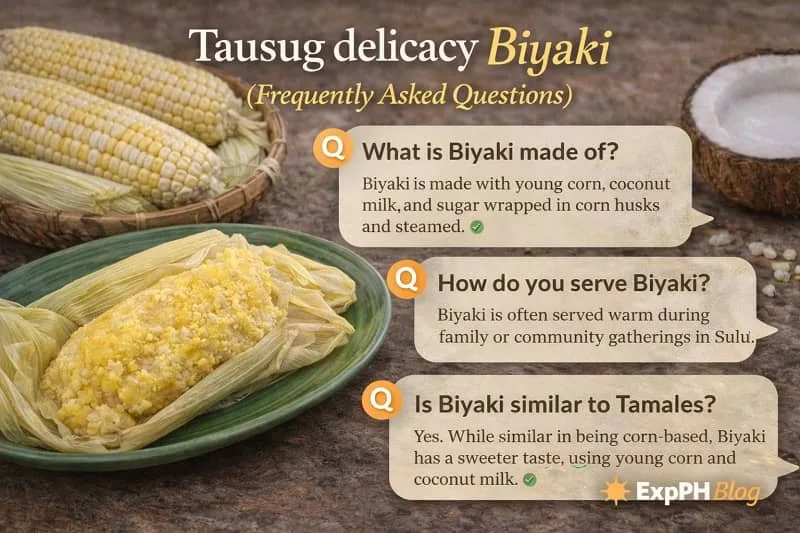
FAQs About the Traditional Tausug Delicacy Biyaki from Sulu
What is Biyaki in Tausug culture?
Biyaki is a traditional steamed corn delicacy from Sulu made with grated young corn, coconut milk, and sugar, wrapped in husks and gently steamed.
What are the main ingredients of Biyaki?
The main ingredients of Biyaki include young grated corn, coconut milk, sugar, and corn husks used for wrapping before steaming to shape.
How is Biyaki traditionally cooked?
Biyaki is prepared by mixing grated corn with coconut milk and sugar, wrapping the mixture in corn husks, then steaming until firm and soft.
Is Biyaki a dessert or a snack?
Biyaki can be enjoyed as both a dessert and a snack, often served during celebrations or shared casually among family members.
Why is Biyaki wrapped in corn husks?
Corn husks help shape Biyaki during steaming and add a subtle natural aroma that enhances flavor while maintaining traditional presentation and cultural authenticity.
When is Biyaki usually served in Sulu?
In Sulu, Biyaki is commonly served during weddings, religious gatherings, and important family celebrations as a symbol of generosity and hospitality.
Can OFWs prepare Biyaki abroad?
Yes, OFWs can prepare Biyaki abroad using fresh or frozen corn, coconut milk, and sugar from Asian grocery stores.
Is Biyaki considered halal?
Biyaki is generally considered halal when prepared with permissible ingredients and clean cooking practices consistent with Islamic dietary guidelines followed by Tausug families.
How should Biyaki be stored?
After steaming, Biyaki should be cooled completely, placed in an airtight container, and refrigerated to maintain freshness and prevent spoilage.
Why is Biyaki important for cultural preservation?
Biyaki helps preserve Tausug identity by passing traditional recipes to younger generations and strengthening awareness of regional Filipino heritage through shared food experiences.
Final Thoughts on the Tausug Delicacy Biyaki
The Tausug delicacy Biyaki is more than a sweet steamed corn delicacy from Sulu. It represents cultural expression shaped by history, faith, and strong community values. Each preparation reflects tradition passed through generations with care and pride. By understanding its roots and meaning, readers gain insight into the richness of Tausug heritage and the importance of preserving regional Filipino cuisine. Biyaki reminds us that food can carry identity and shared history.
For readers of ExpPH Blog, especially OFWs, learning about Biyaki offers a meaningful way to reconnect with heritage. Preparing it at home or sharing it with friends abroad keeps traditions alive across borders. Appreciating its story strengthens cultural awareness and respect for diversity within the Philippines. Celebrating the Tausug delicacy Biyaki also celebrates Filipino resilience and unity. Sometimes the simplest dishes hold the deepest stories and lasting connections.
Loved learning about the sweet and comforting flavors of Biyaki?
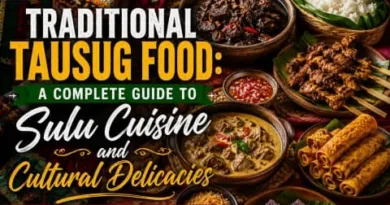
Your culinary journey doesn’t have to end here. Discover more rich flavors, historical dishes, and heritage recipes in our comprehensive guide: Traditional Tausug Food: A Complete Guide to Sulu Cuisine and Cultural Delicacies.
Get additional knowledge from the links below
- Wadjit (Black Rice Cake): A Classic Filipino Rice Cake with Coconut Flavor
- Putli Mandi: A Traditional Sulu Delicacy Made from Glutinous Rice and Coconut
- Daral: The Traditional Tausug Delicacy Wrapped in Love
Quiz on the Traditional Tausug Delicacy Biyaki from Sulu
Test your knowledge and see how much you learned about this meaningful cultural delicacy from Sulu.
Results


#1. What is Biyaki mainly made from?
#2. How is Biyaki traditionally cooked?
#3. What wraps Biyaki before cooking?
#4. What adds creaminess to Biyaki?
#5. Biyaki comes from which province?
#6. Biyaki is best described as a?
#7. Why is Biyaki culturally important?
#8. OFWs cook Biyaki to?
#9. When is Biyaki often served?
#10. What gives Biyaki sweetness?
Thank you for taking the quiz
We would love to hear from you. Have you tried cooking Biyaki or tasted it in Sulu? Share your experience in the comments with us.

A Filipino web developer with a background in Computer Engineering. Founder of ExpPH Blog and ExpPH Business Guide, creating practical content on OFW guidance, business, finance, freelancing, travel, and lifestyle. Passionate about helping Filipinos grow, he shares insights that educate, empower, and inspire readers nationwide.