Apam: The Traditional Tausug Pancake and Its Cultural Significance
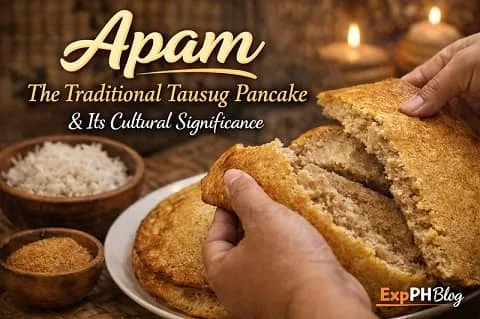
Apam is more than a simple pancake. For the Tausug people, it represents memory, tradition, and cultural identity passed from one generation to the next. Known locally as Apam, this delicacy is deeply rooted in daily life, celebrations, and family gatherings in Sulu and nearby island communities. While it may look modest at first glance, its meaning goes far beyond taste.
This article explores Tausug Apam in depth, from its historical roots and cultural importance to how it is prepared, served, and preserved today. Written for real readers and guided by long term SEO value, this piece aims to help preserve Tausug food heritage while making it accessible to Filipinos at home and abroad, especially OFWs who long for familiar flavors from home.
Apam is just one delicious piece of a much larger culinary tradition.
To dive deeper into the rich, spicy, and diverse food culture of the region, check out our complete master guide: Flavors of Sulu: The Ultimate Guide to Authentic Tausug Cuisine.
Table of Contents
Quick Summary (TL;DR)
Tausug Apam is a traditional pancake from Sulu made of rice flour, coconut milk, and sugar. More than just a daily snack, it symbolizes cultural identity, hospitality, and family togetherness. It holds deep emotional value for the Tausug people and Overseas Filipino Workers (OFWs) as a comforting reminder of home, and its slow, traditional preparation method is passed down through generations to preserve their rich heritage.
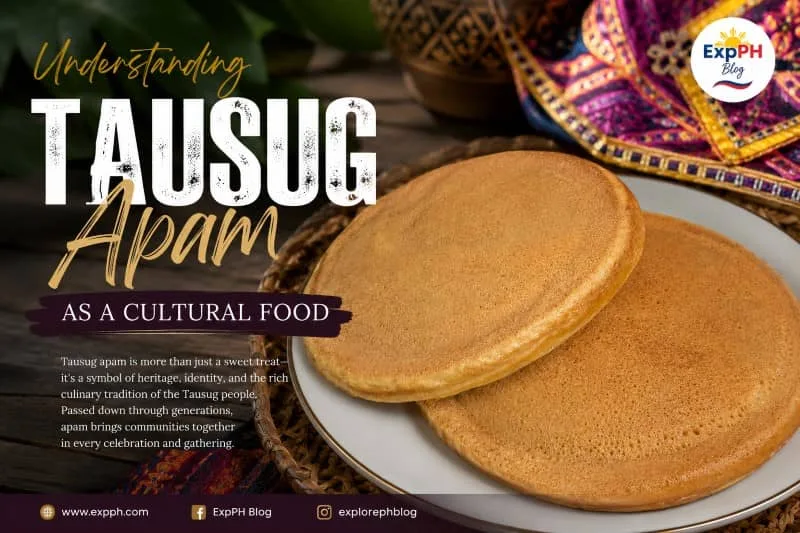
1. Understanding Tausug Apam as a Cultural Food
This traditional pancake is made using rice flour, coconut milk, and sugar. Its importance comes not only from its ingredients but from how it is prepared and shared. In many Tausug households, Apam represents togetherness, respect for elders, and the passing of cooking knowledge from one generation to the next through everyday family practice.
Unlike commercial pancakes, traditional Apam is prepared slowly and with care. The cooking process values patience and attentiveness rather than speed. This unhurried method reflects the values of the Tausug community, where food preparation is seen as a meaningful act that connects family members and preserves cultural identity.
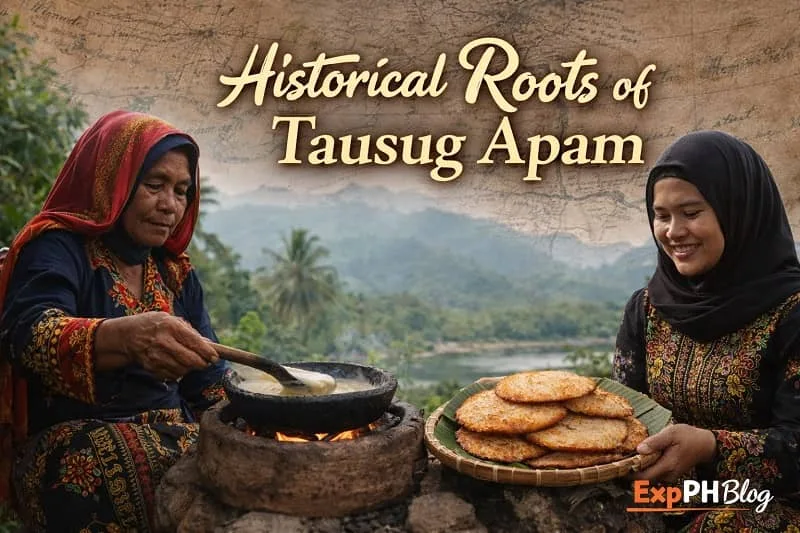
2. Historical Roots of Tausug Apam
The roots of Tausug Apam come from early Austronesian food traditions that depended on rice and coconut as daily staples. Before modern kitchens, families cooked using clay pans and open fires. Apam developed as a simple yet nourishing food that could be prepared with ingredients found locally, making it practical for everyday life.
As time passed, this traditional pancake became linked to meaningful occasions such as religious gatherings, weddings, and community celebrations. It grew beyond daily food and became a symbol of hospitality, unity, and shared cultural identity among the Tausug people.
Influence of Trade and Migration
The Tausug people have long participated in trade across Southeast Asia, which influenced their food culture, including Apam. While similar rice based pancakes exist in nearby regions, Tausug Apam formed its own character through local cooking methods and flavors shaped by island life.
Even with outside influences, this cultural food remained distinct. This shows the strong cultural identity of the Tausug community and their ability to protect traditions while adapting to social and economic changes over time.
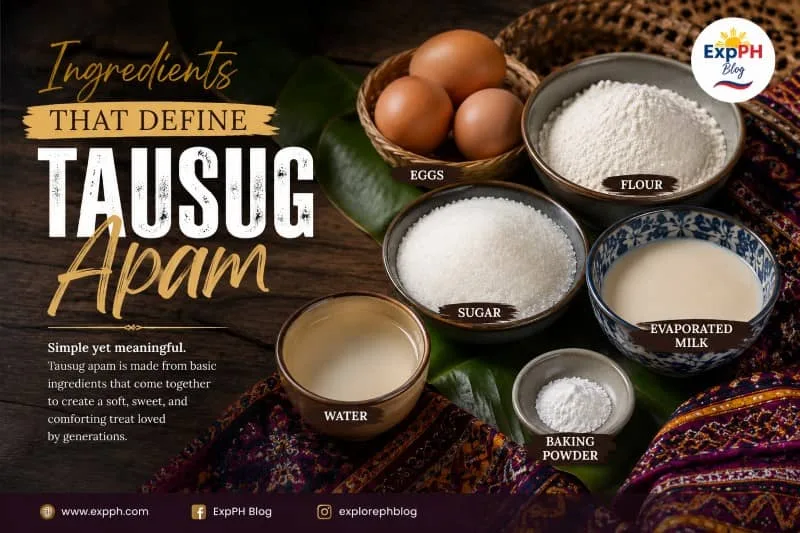
3. Ingredients That Define Tausug Apam
The strength of Tausug Apam lies in its simplicity. Each ingredient has a clear purpose and nothing is excessive or wasted. This reflects a traditional cooking style that values balance, practicality, and respect for available resources. The careful use of simple ingredients allows the natural flavors to stand out while preserving the dish’s cultural authenticity.
Rice Flour as the Foundation
Rice flour gives Tausug Apam its structure and filling quality. Rice has always been central to Tausug life, serving as both daily nourishment and a symbol of survival. Using rice flour ties Apam to long standing agricultural traditions and reflects the importance of rice in sustaining families across generations.
Coconut Milk and Local Sweeteners
Coconut milk provides richness and aroma, while sugar or native sweeteners bring gentle sweetness. In many rural areas, freshly grated coconut is preferred, which adds deeper flavor and freshness. These ingredients highlight the Tausug connection to coastal living and the use of natural resources in traditional cooking.
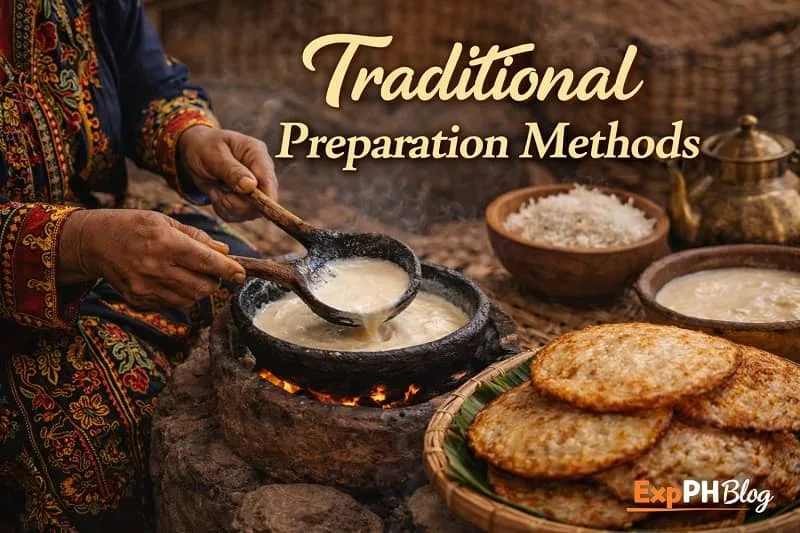
4. Traditional Preparation Methods for Tausug Apam
Preparing this traditional pancake is usually a shared family activity. Elders guide younger members by showing them how to mix the batter, manage the heat, and know when the pancake is ready. This hands on learning helps preserve cooking skills while strengthening family relationships and respect for tradition within the household.
Cooking Techniques Passed Through Generations
Traditionally, Tausug Apam is cooked on a flat pan or clay griddle using low heat. The batter is poured carefully and left to cook slowly until bubbles form on the surface. This method creates a soft center with gently crisp edges that define the dish.
The cooking process is rarely written or measured. Instead, it is learned through watching and practicing alongside elders. This approach helps maintain cultural continuity while passing down knowledge through experience rather than instructions.
In many Tausug families, knowledge about traditional dishes lives through stories rather than written instructions. Elders recall when Apam was prepared during quiet afternoons or shared after prayers. These memories give the dish meaning beyond food. Oral tradition helps keep culture alive even when lifestyles and locations change.
5. Tausug Apam in Daily Life and Celebrations
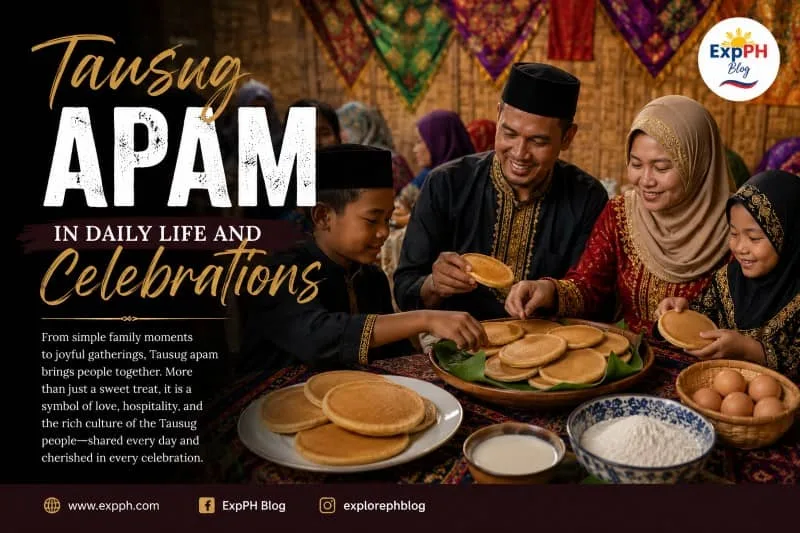
This cultural food is enjoyed as a daily snack and as a special dish during gatherings. Its simple ingredients and flexible preparation make it suitable for many occasions. Families often serve it with tea or coffee at home, while larger batches are prepared for visitors. This everyday presence keeps the dish closely tied to daily life and shared moments.
Role in Religious and Community Events
During religious celebrations and community events, Tausug Apam is prepared in large quantities and shared with guests. Offering Apam shows respect, generosity, and hospitality. Sharing food helps strengthen relationships within the community and reflects the Tausug value of togetherness during meaningful occasions.
Food safety and cleanliness are especially important during large gatherings. General guidance on safe food handling is supported by standards from the World Health Organization, which promotes proper hygiene and preparation practices during communal events.
6. The Emotional Connection of Tausug Apam for OFWs
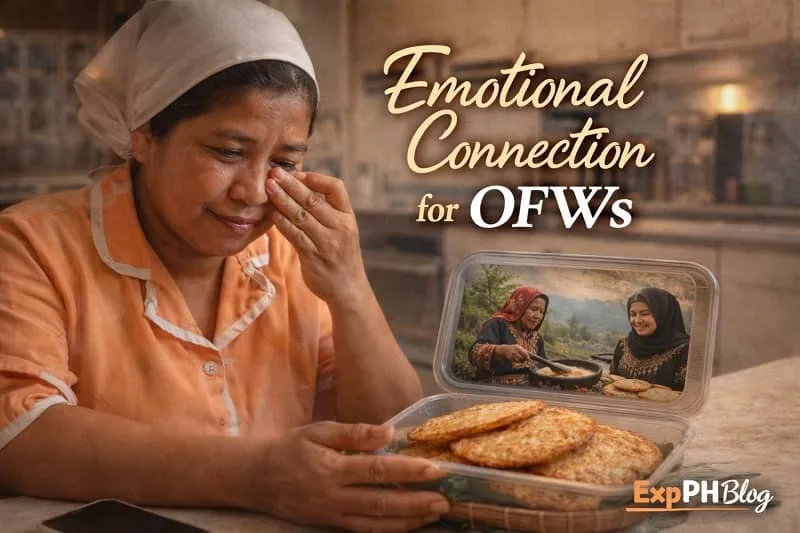
For many Overseas Filipino Workers, food serves as a strong emotional connection to home. Apam often brings back memories of family kitchens, quiet mornings, and shared meals. Preparing or tasting this dish can provide comfort during difficult moments abroad and help OFWs feel closer to their roots despite being far from home.
Preserving Identity Abroad
OFWs from Sulu often recreate Tausug Apam in foreign kitchens using available ingredients. Even if the flavor changes slightly, the act of cooking helps preserve cultural identity and reduce homesickness. Sharing Tausug Apam with friends and coworkers abroad also introduces Tausug culture to others while strengthening pride in one’s heritage.
7. Modern Adaptations of Tausug Apam
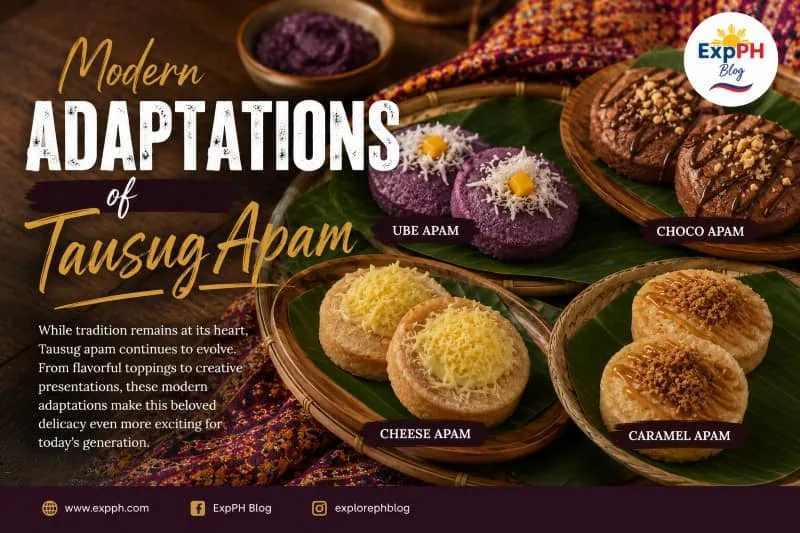
As lifestyles continue to change, Tausug Apam has also adapted to modern living. While traditional preparation is still respected, many families now adjust the method to fit busy schedules and limited space. These changes allow the dish to remain part of daily life without losing its cultural meaning or connection to tradition.
Home Kitchens and Urban Settings
In urban areas, this cultural food is often cooked using nonstick pans or electric stoves. Some families add simple toppings or adjust sweetness while keeping the original recipe in mind. These adaptations show that Tausug Apam is a living tradition that grows with its people rather than remaining unchanged.
8. Nutritional Value and Practical Benefits of Tausug Apam
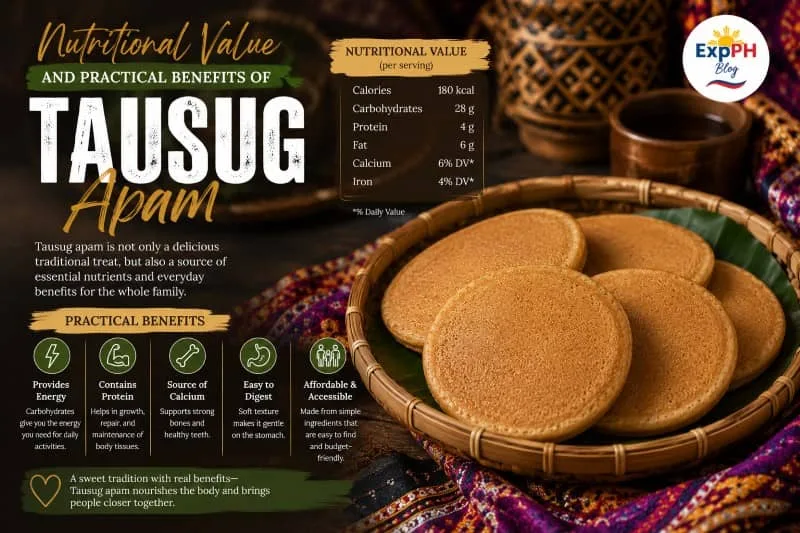
Tausug Apam is filling and provides steady energy, making it suitable for breakfast or a light meal. Its ingredients are simple and minimally processed, which aligns with traditional eating habits. Rice flour and coconut milk offer nourishment without complexity, supporting everyday energy needs while remaining easy to prepare at home.
For families with limited budgets, Tausug Apam is an affordable and practical choice. The ingredients are widely available and inexpensive, which explains why the dish has remained a household staple across generations. Its value lies in both nourishment and accessibility.

9. Cultural Preservation Through Food Writing
Documenting foods like Tausug Apam plays an important role in cultural preservation. Oral traditions remain valuable, but written records help ensure knowledge is not lost over time. Writing about traditional dishes allows future generations to learn their meaning, preparation, and history, even if they grow up far from their cultural roots.
Sharing the story of Tausug Apam on platforms like ExpPH Blog helps make Filipino food heritage more visible and respected. These written records support cultural pride at home while introducing local traditions to a global audience that values authenticity.
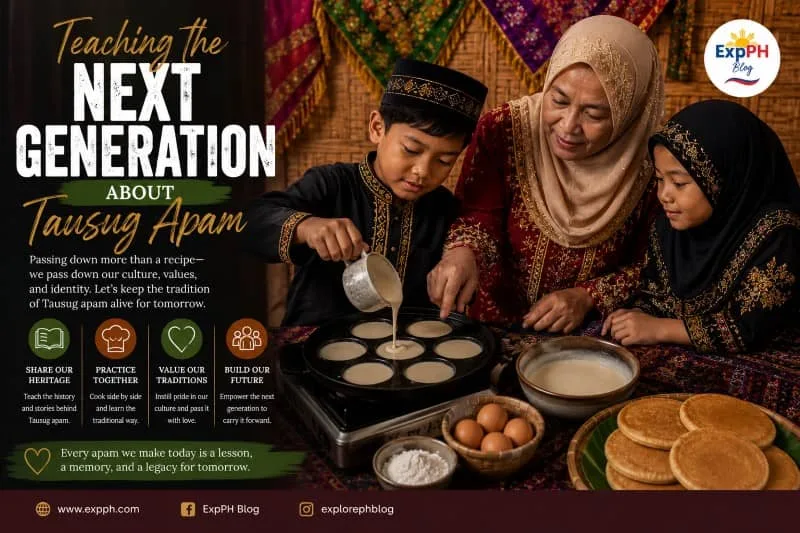
10. Teaching the Next Generation About Tausug Apam
Passing down the knowledge of how to make Tausug Apam requires care and intention. Parents and elders play an important role by involving children in cooking and sharing stories connected to the dish. These moments help young people learn skills while understanding the values and history linked to their food traditions.
When children understand the meaning behind Tausug Apam, they are more likely to value and protect their heritage. Learning through experience builds respect for culture and encourages the next generation to continue traditions with pride and responsibility.
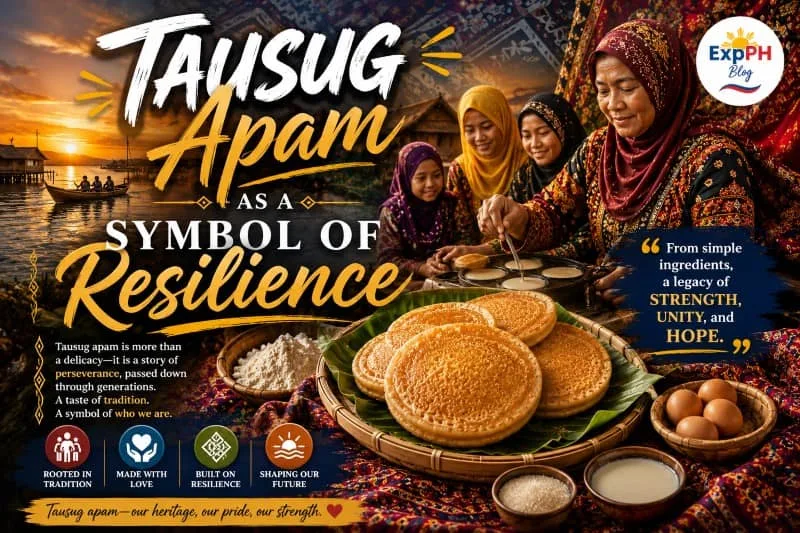
11. Tausug Apam as a Symbol of Resilience
Despite the challenges faced by the Tausug community, their traditions continue to endure. Tausug Apam reflects resilience, adaptability, and cultural pride that have been preserved through generations. Preparing and sharing this dish shows how everyday practices help communities remain strong even during periods of change or hardship.
Each Tausug Apam carries a story of survival, connection, and hope. Preserving and sharing its story helps honor the past while strengthening cultural identity for future generations.
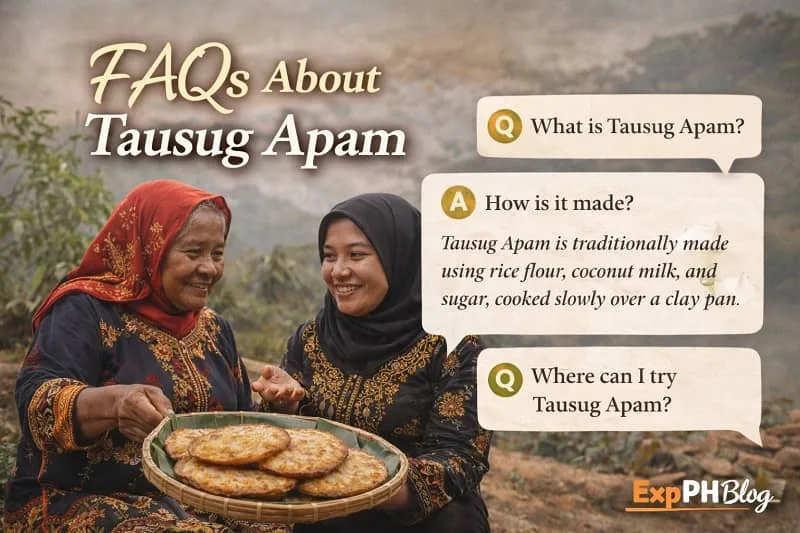
12. FAQs About The Traditional Tausug Pancake and Its Cultural Significance
What is Tausug Apam?
Tausug Apam is a traditional pancake from the Tausug people, made with rice flour and coconut milk, commonly served during gatherings, celebrations, and everyday family meals.
Where does Tausug Apam originate?
Tausug Apam originates from Sulu and surrounding island communities, where it developed through generations as part of Tausug culinary tradition and daily household food culture.
How is Tausug Apam different from other apam varieties?
Tausug Apam differs through its cooking method, texture, and cultural role, focusing on simplicity, slow cooking, and communal preparation rather than commercial or heavily modified versions.
What ingredients are traditionally used in Tausug Apam?
Traditional Tausug Apam uses rice flour, coconut milk, sugar, and water, relying on locally available ingredients that reflect Tausug agricultural practices and coastal living.
Is Tausug Apam eaten during special occasions?
Yes, Tausug Apam is often prepared during religious gatherings, weddings, and community events, where sharing food symbolizes hospitality, respect, and strong social bonds.
How is Tausug Apam traditionally cooked?
Tausug Apam is traditionally cooked on a flat pan over low heat, allowing the batter to cook slowly until soft inside with lightly crisp edges.
Can Tausug Apam be made outside the Philippines?
Yes, many OFWs prepare Tausug Apam abroad using substitute ingredients, adapting the recipe while preserving its cultural meaning and emotional connection to home.
Is Tausug Apam considered a healthy food?
Tausug Apam can be a balanced snack, providing energy from rice and coconut, especially when consumed moderately as part of a traditional diet.
Why is Tausug Apam culturally important?
Tausug Apam represents heritage, family tradition, and identity, serving as a living reminder of Tausug history, values, and resilience across generations.
How can Tausug Apam traditions be preserved?
Preservation happens through family teaching, cultural documentation, and sharing stories and recipes online, helping younger generations appreciate and continue Tausug food heritage.
Conclusion
Apam is more than a traditional pancake. It reflects Tausug history, values, and daily life shaped by family, community, and tradition. From simple ingredients and careful preparation to its presence in celebrations and OFW homes abroad, Tausug Apam continues to connect people to their roots. It carries memories of shared meals, cultural teaching, and quiet moments that strengthen identity across generations.
By learning about and appreciating Tausug Apam, readers help preserve an important part of Filipino cultural heritage. Food tells stories that words alone cannot express. Tausug Apam shares a story of identity, continuity, resilience, and shared humanity that deserves to be remembered and passed on.
Hungry for more?
Apam is only one part of Sulu’s vibrant food culture. Discover the stories, ingredients, and recipes behind the region’s most beloved foods in our comprehensive pillar: Traditional Tausug and Sulu Cuisine and Cultural Delicacies.
Continue exploring related Tausug and Sulu delicacies below
- Bangbang Sug: Traditional Sulu Snack Assortment You Should Try
- Jualan (Banana Pancake): A Simple Sulu Snack Loved by All Ages
- Daral: The Traditional Tausug Delicacy Wrapped in Love
Test your knowledge about Apam, the traditional Tausug pancake, and its cultural significance
Results


#1. What is Tausug Apam?
#2. Where does Tausug Apam originate?
#3. What is the main flour used in Tausug Apam?
#4. Which ingredient gives Apam richness?
#5. How is Tausug Apam traditionally cooked?
#6. When is Tausug Apam commonly served?
#7. What cultural value does Apam represent?
#8. Why do OFWs cook Tausug Apam abroad?
#9. How is Apam knowledge preserved?
#10. What does Tausug Apam symbolize?
Thank you for taking time to learn about Tausug culture through food
Your curiosity helps preserve Filipino heritage for future generations. We would love to hear from you. Please comment below and share your quiz experience with us.

A Filipino web developer with a background in Computer Engineering. Founder of ExpPH Blog and ExpPH Business Guide, creating practical content on OFW guidance, business, finance, freelancing, travel, and lifestyle. Passionate about helping Filipinos grow, he shares insights that educate, empower, and inspire readers nationwide.