Learning the Art of Tausug Pis Syabit Making
Pis Syabit weaving is more than a traditional craft. It is a living expression of identity, patience, skill, and cultural pride among the Tausug people of the southern Philippines. For generations, this intricate textile art has been passed down through families, preserving stories, values, and history in every woven pattern.
Today, learning the art of Tausug Pis Syabit making is not only about keeping tradition alive. It also opens opportunities for cultural education, livelihood, and global appreciation. For Overseas Filipino Workers, cultural advocates, and Filipinos seeking a deeper connection to heritage, Pis Syabit weaving offers both meaning and purpose.
This guide explores the origins, techniques, materials, cultural value, and modern relevance of Pis Syabit weaving. Whether you are learning out of curiosity, heritage pride, or a desire to support traditional artisans, this article will help you understand why this art form remains important today.
If you want to learn more about Tausug traditions, heritage, and daily life beyond Pis Syabit weaving, read our complete guide: Complete Guide to Tausug Culture and Traditional Life in Sulu. This master pillar explores Tausug culture, traditions, identity, and community life in the southern Philippines.
Quick Summary (TL;DR)
- Pis Syabit weaving is a traditional Tausug textile art from Sulu in the southern Philippines.
- The craft represents cultural identity, heritage, patience, and artistic skill passed down through generations.
- Traditional Pis Syabit uses geometric patterns and symbolic colors that reflect Tausug values and beliefs.
- Weaving is done by hand using simple looms, making every textile unique and culturally meaningful.
- The tradition supports local artisans, community livelihoods, and cultural preservation efforts.
- Overseas Filipino Workers and cultural advocates help sustain the craft through support and promotion.
- Modern adaptations allow Pis Syabit weaving to remain relevant in fashion, art, and cultural education.
- Learning Pis Syabit weaving requires patience, respect for tradition, and understanding of its cultural context.
- Preserving this weaving tradition helps protect Tausug heritage for future generations.
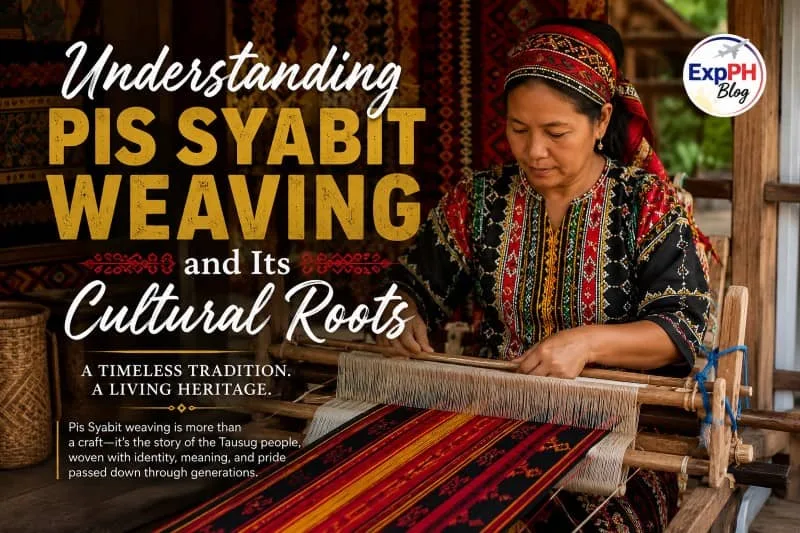
1. Understanding Pis Syabit Weaving and Its Cultural Roots
Pis Syabit weaving reflects the rich cultural identity of the Tausug people in Sulu. More than a traditional craft, it represents history, artistic skill, and community values passed through generations. Understanding its roots helps preserve an important part of Filipino heritage while encouraging appreciation for indigenous traditions today.
What Is Pis Syabit Weaving?
Pis Syabit weaving is a traditional textile art practiced by the Tausug people. The word Pis means cloth, while Syabit means to weave. Together, they describe a handwoven fabric known for geometric patterns, rich colors, and designs that carry cultural meaning and identity.
Pis Syabit is traditionally worn as a head covering or sash, and it is also used as a decorative textile. Over time, its use expanded into wall hangings, ceremonial items, and handcrafted accessories that reflect both tradition and creativity.
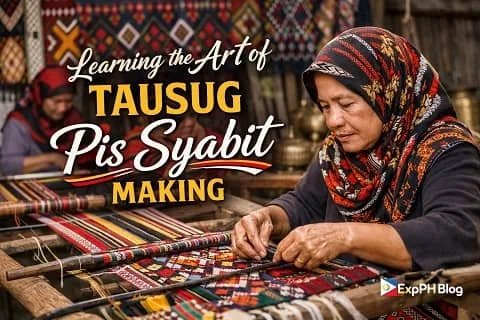
Unlike factory made textiles, Pis Syabit weaving is done by hand using simple looms, usually inside the home. This careful process requires focus and patience, allowing each woven piece to remain unique, detailed, and deeply connected to the weaver’s skill.
The Tausug People and Their Weaving Heritage
The Tausug are an ethnolinguistic group mainly found in Sulu, parts of Mindanao, and nearby islands. Their name means people of the current, which reflects their strong maritime heritage, adaptability, and long history of trade and cultural exchange.
Weaving plays an important role in daily Tausug life. Pis Syabit weaving is traditionally practiced by women, while men often assist with preparation and trade. The skill is usually learned early and passed down through generations within families.
This weaving tradition is closely tied to Tausug identity. Wearing Pis Syabit expresses pride, honor, and belonging, especially during weddings, religious events, and community celebrations where cultural values and heritage are publicly shared and respected.
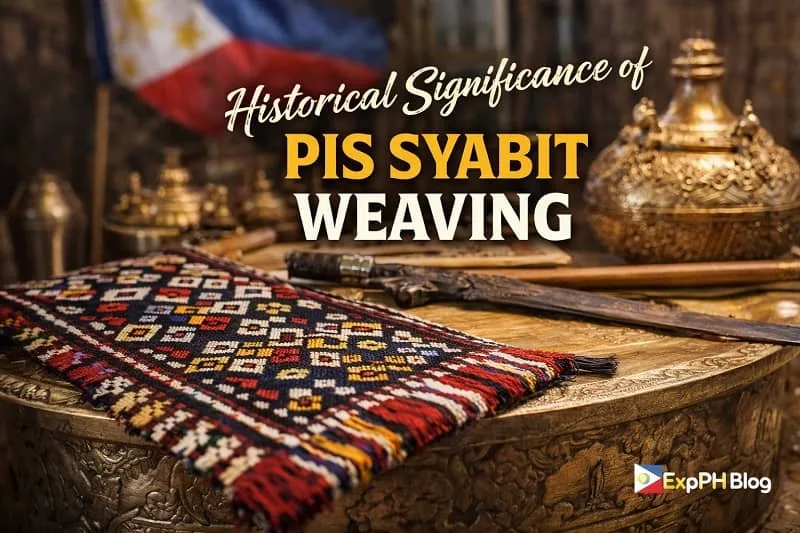
2. Historical Significance of Pis Syabit Weaving
Pis Syabit weaving carries deep historical value within Tausug culture and tradition. Beyond its artistic beauty, the textile reflects identity, social status, and shared cultural experiences shaped through generations. Its long history continues to highlight the resilience, creativity, and heritage of the Tausug people in southern Philippines.
Pis Syabit as a Marker of Identity and Status
Historically, Pis Syabit patterns were never only decorative. Specific colors and motifs signaled social rank, clan ties, or personal achievements. Wearing a finely woven Pis Syabit showed respect, dignity, and a strong sense of belonging within the Tausug community.
Leaders, elders, and warriors often wore more detailed and complex designs. In many communities, highly skilled weavers earned recognition for their craftsmanship. Their work was valued not only for beauty but also for its role in trade and ceremonial exchanges.
Pis Syabit weaving also functioned as a visual form of communication. Through carefully chosen patterns and colors, weavers shared stories, beliefs, and collective memories, allowing cultural values to be expressed without spoken words.
Influence of Trade and Cultural Exchange
Sulu was once an important trading center in Southeast Asia. Through maritime trade, Tausug weavers encountered new materials, dyes, and design ideas. These influences enriched Pis Syabit weaving while allowing it to grow without losing its traditional foundation.
According to the National Commission for Culture and the Arts, traditional Philippine textiles like Pis Syabit reflect centuries of cultural exchange while preserving indigenous knowledge systems. More information on Philippine textile heritage is available at https://ncca.gov.ph.
This long history adds lasting value to Pis Syabit weaving today. It is both a functional textile and a cultural artifact that represents identity, resilience, and the shared experiences of the Tausug people across generations.
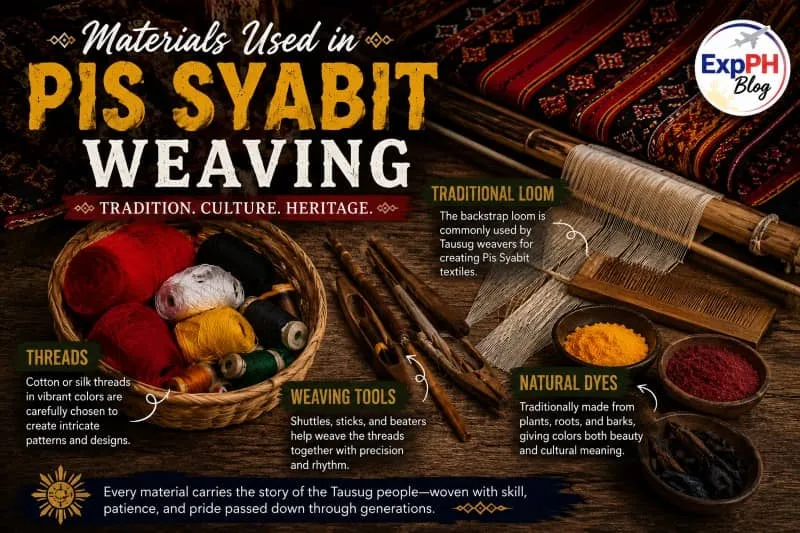
3. Materials Used in Pis Syabit Weaving
The materials used in Pis Syabit weaving reflect the resourcefulness and creativity of Tausug artisans through generations. From natural fibers and plant based dyes to modern commercial threads, these materials support both tradition and adaptation. They also help preserve the cultural identity and craftsmanship behind every woven textile.
Traditional Threads and Fibers
In earlier times, Pis Syabit weaving relied on locally sourced fibers such as cotton and abaca. These fibers were hand spun, naturally dyed, and carefully prepared before weaving began. Each step required attention and skill to produce strong threads suitable for long lasting textiles.
Natural dyes were made from plants, roots, and bark found in the local environment. Colors such as red, black, yellow, and green carried symbolic meaning. Weavers selected these colors with purpose, ensuring that each finished piece reflected cultural values.
Working with natural materials demanded patience and deep knowledge. Weavers needed to understand fiber strength, dye absorption, and proper drying methods. These skills ensured that the finished Pis Syabit remained durable, vibrant, and functional over time.
Modern Materials and Practical Adaptations
Today, many weavers use commercial threads because they are easier to obtain and more affordable. Synthetic fibers allow brighter colors and faster weaving while still following traditional patterns that define Pis Syabit weaving.
Even with modern materials, skilled weavers continue to use traditional methods. The true value of Pis Syabit weaving lies in technique and cultural meaning rather than the type of thread used.
This balance between tradition and adaptation helps Pis Syabit weaving remain relevant. It allows artisans to sustain the craft while adjusting to modern needs and changing economic conditions.
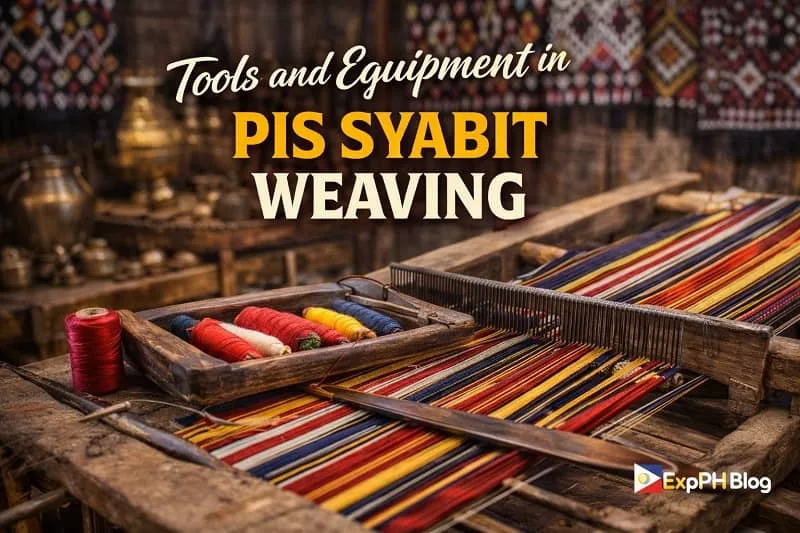
4. Tools and Equipment in Pis Syabit Weaving
Traditional tools and equipment play an important role in Pis Syabit weaving. Simple looms and handmade weaving tools help artisans create detailed patterns with precision and consistency. These tools reflect the practical skills, patience, and craftsmanship that continue to preserve Tausug weaving traditions across generations.
The Traditional Loom
The loom used in Pis Syabit weaving is simple but highly effective. Many weavers use a backstrap loom or a basic wooden frame loom that can be set up easily inside the home using limited space.
This type of loom allows the weaver to control thread tension by hand, creating tight and even patterns. Traditional looms require focus and coordination, making loom control one of the first skills beginners must learn.
Supporting Tools for Precision
Beyond the loom, weavers use shuttles, heddles, and wooden sticks to separate threads and guide the weaving process. Each tool serves a clear purpose and helps maintain accurate patterns and strong fabric structure.
Caring for these tools is an important part of the craft. A well maintained loom and tools support consistent quality and help prevent mistakes during the weaving process.
5. Learning the Process of Pis Syabit Weaving
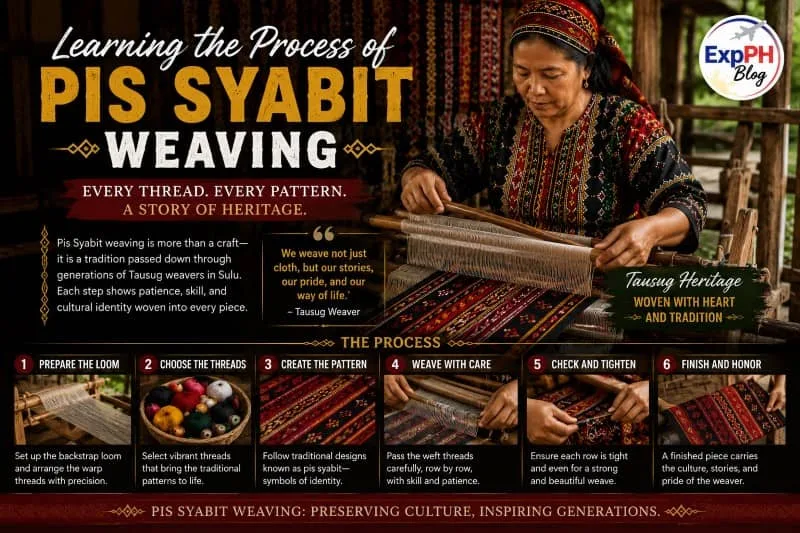
Learning the process of Pis Syabit weaving requires patience, focus, and careful attention to detail. From preparing the threads to creating detailed patterns on the loom, every step reflects traditional Tausug knowledge and craftsmanship. The weaving process also highlights the discipline and cultural value behind this respected textile art.
Preparing the Threads
Before weaving begins, threads must be carefully measured, aligned, and arranged to match the chosen pattern. This stage takes time and focus because accuracy here determines the final design and overall quality of the finished Pis Syabit textile.
Errors during thread preparation can affect the entire piece. Experienced weavers may spend hours adjusting threads to achieve balance and symmetry. This careful preparation shows why Pis Syabit weaving is valued as an art rather than a simple craft.
The Weaving Technique Step by Step
After the threads are prepared, weaving starts by passing the weft thread over and under the warp threads in a fixed sequence. Patterns emerge through repeated movements and careful counting that demand patience and steady rhythm.
Weavers rely on memory and visual guidance instead of written instructions. This traditional method helps preserve cultural knowledge. Completing one Pis Syabit piece may take several days or weeks, depending on pattern detail and size.
6. Symbolism and Meaning in Pis Syabit Patterns
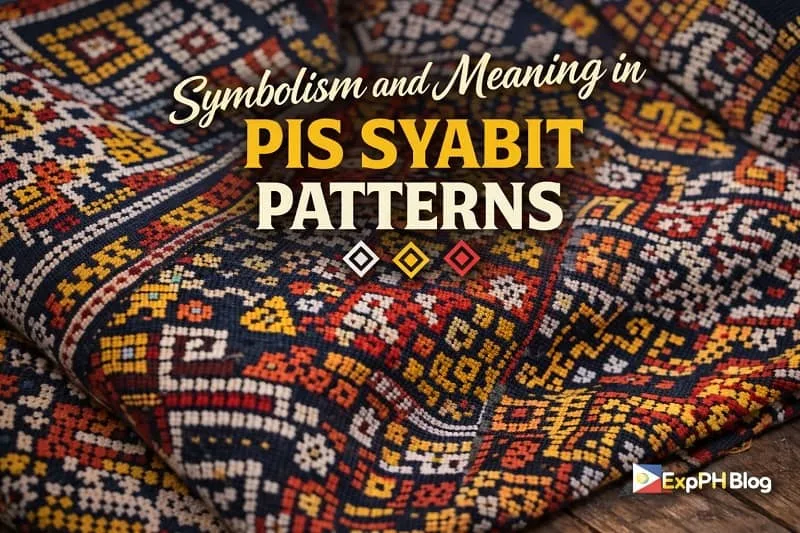
Pis Syabit patterns carry symbolic meanings that reflect Tausug beliefs, traditions, and cultural identity. Through geometric motifs and carefully chosen colors, weavers express values such as unity, courage, resilience, and honor. These traditional designs give Pis Syabit weaving deeper meaning beyond its decorative appearance and artistic craftsmanship.
Common Motifs and Their Interpretations
Pis Syabit weaving uses geometric motifs such as diamonds, zigzags, and straight lines. These patterns often represent nature, protection, unity, and balance. Each design reflects cultural ideas that guide the Tausug community in daily life and shared traditions.
Although meanings may differ among families and regions, the symbolism stays rooted in Tausug values and worldview. Understanding these motifs allows deeper appreciation of Pis Syabit textiles beyond their visual beauty and craftsmanship.
Color Choices and Cultural Meaning
Colors used in Pis Syabit weaving are chosen with purpose. Red commonly symbolizes courage, black reflects strength and resilience, and yellow represents honor and prosperity within Tausug culture and tradition.
While modern weavers may introduce new colors, traditional meanings remain important. These symbolic color choices are especially respected in ceremonial pieces where cultural identity and heritage are carefully preserved.
7. Pis Syabit Weaving as a Source of Livelihood
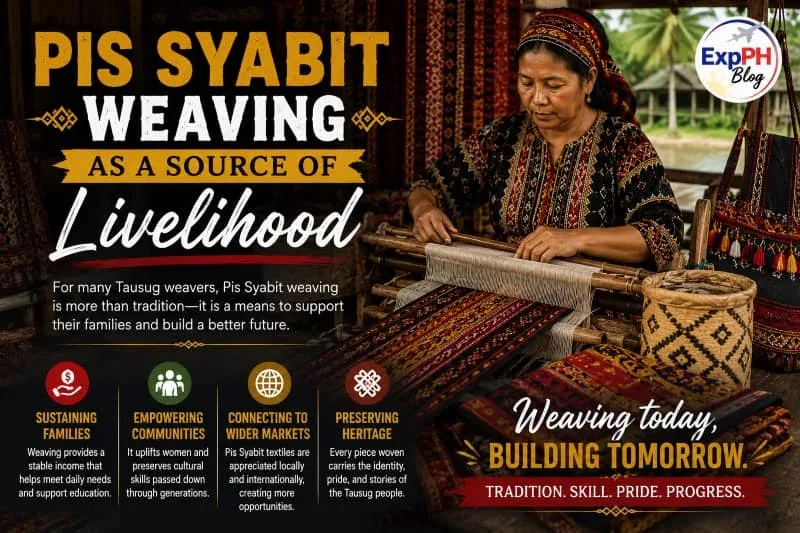
Pis Syabit weaving supports both cultural preservation and economic opportunity within Tausug communities. Many artisans rely on this traditional craft as a source of income while sharing their heritage through handmade textiles. The growing appreciation for authentic woven products also helps strengthen local livelihoods and cultural sustainability.
Supporting Artisans and Local Economies
For many Tausug families, Pis Syabit weaving serves as an important source of additional income. Finished textiles are sold through local markets, cultural events, and online platforms that help artisans reach wider audiences beyond their communities.
This traditional craft strengthens community economies and helps preserve indigenous knowledge. Fair pricing and ethical sourcing remain essential to ensure weavers receive proper value for their skill and labor over time.
Relevance for Overseas Filipino Workers
For Overseas Filipino Workers, Pis Syabit weaving offers a meaningful link to home and cultural identity. Many OFWs support artisans by buying authentic pieces, sharing them abroad, or helping fund community based weaving projects.
Some OFWs eventually return home and invest in cultural enterprises. By supporting traditional weaving, they help create sustainable livelihoods rooted in heritage, aligning with ExpPH Blog’s OFW first focus.
8. Preserving Pis Syabit Weaving for Future Generations
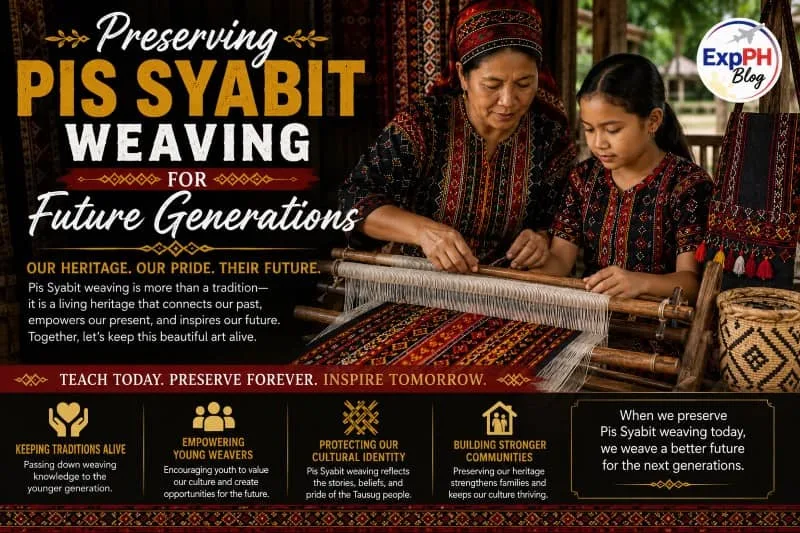
Preserving Pis Syabit weaving requires continuous support from communities, educators, and cultural organizations. As traditional weaving faces modern challenges, efforts to teach younger generations and promote cultural awareness become increasingly important. Protecting this tradition helps ensure Tausug heritage, knowledge, and craftsmanship continue to thrive for many years ahead.
Challenges Facing Traditional Weaving
Like many traditional crafts, Pis Syabit weaving faces several challenges today. These include declining interest among younger generations, limited access to materials, and competition from mass produced textiles that are cheaper and faster to make.
Without active preservation efforts, important skills and cultural knowledge connected to Pis Syabit weaving risk disappearing. Protecting this tradition requires community support, education, and continued recognition of its cultural value.
Cultural Education and Community Programs
Community workshops, school programs, and cultural festivals play an important role in preserving Pis Syabit weaving. Teaching children basic weaving skills helps ensure the tradition continues across future generations.
Government and cultural institutions also support documentation and promotion initiatives. These efforts increase awareness and help bring greater visibility to Tausug textile heritage locally and internationally.
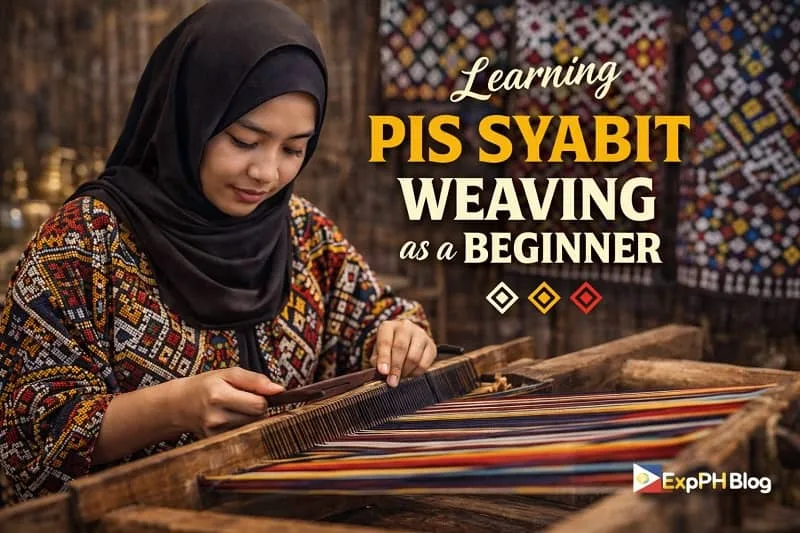
9. Learning Pis Syabit Weaving as a Beginner
Learning Pis Syabit weaving as a beginner requires patience, practice, and respect for Tausug cultural traditions. New learners often begin with simple techniques before progressing to more detailed patterns and weaving methods. Understanding the cultural meaning behind the craft is also important in developing genuine appreciation for this traditional textile art.
What Beginners Should Expect
Learning Pis Syabit weaving takes patience and commitment. Beginners usually start with simple patterns to understand basic techniques before moving on to more detailed designs that require stronger focus and coordination.
Mistakes are a normal part of the process. Experienced weavers stress the importance of consistency, careful practice, and respect for the craft, which helps learners build skill and confidence over time.
Respecting Cultural Context
People outside the Tausug community are encouraged to learn Pis Syabit weaving with humility and respect. Understanding the cultural background and meaning behind the patterns is as important as learning the weaving technique itself.
This respectful approach ensures that Pis Syabit weaving is valued as cultural heritage. It helps prevent misuse and promotes appreciation rather than appropriation of traditional knowledge.
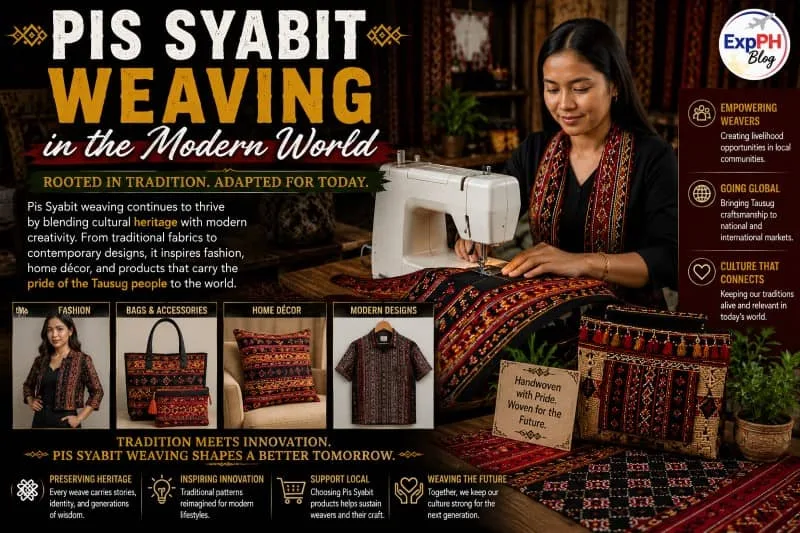
10. Pis Syabit Weaving in the Modern World
Pis Syabit weaving continues to evolve in the modern world through fashion, digital platforms, and cultural exhibitions. Traditional Tausug patterns are now appreciated by wider audiences while still preserving their cultural meaning and artistic value. This growing recognition helps promote Filipino heritage and supports the sustainability of traditional weaving communities.
Contemporary Uses and Global Appreciation
Today, Pis Syabit textiles appear in fashion, interior design, and cultural exhibitions. Designers often collaborate with artisans to adapt traditional patterns into modern forms that appeal to wider audiences while preserving cultural meaning.
This growing global appreciation opens new markets for weavers. It also strengthens Filipino cultural identity by showcasing traditional craftsmanship in both local and international creative spaces.
Digital Platforms and Cultural Awareness
Digital platforms such as social media and online marketplaces help artisans reach broader audiences. Sharing the stories behind each woven piece allows buyers to understand the effort, skill, and cultural meaning involved.
This online presence supports long term sustainability for Pis Syabit weaving communities. It encourages fair appreciation and helps traditional artisans remain visible in a modern digital world.
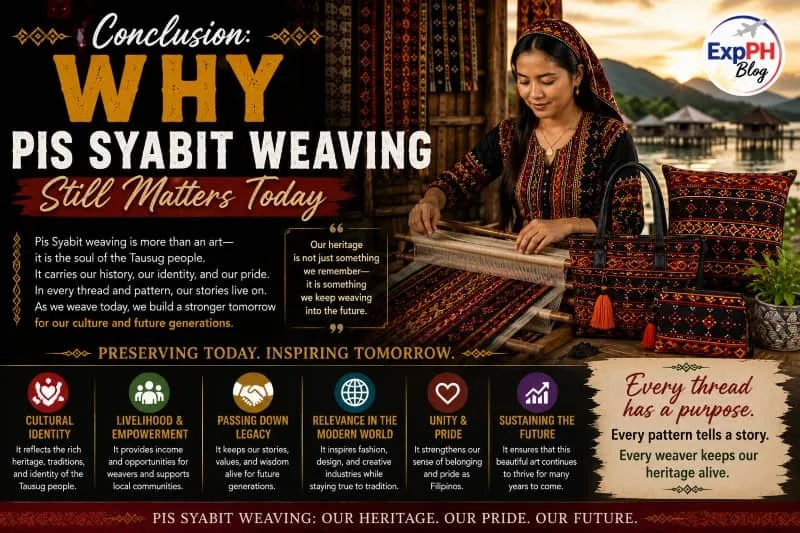
Conclusion: Why Pis Syabit Weaving Still Matters Today
Pis Syabit weaving is more than the act of creating fabric. It represents the preservation of identity, respect for ancestors, and the continuation of cultural knowledge shaped by patience and skill. Each woven piece reflects values passed down through generations, carrying stories, beliefs, and traditions that remain meaningful today. Through learning and appreciation, this art form continues to connect the past with the present in a powerful and lasting way.
For the Tausug people, Pis Syabit weaving stands as a symbol of resilience, pride, and cultural strength. For Filipinos, especially Overseas Filipino Workers, it serves as a reminder of home and heritage. Supporting this craft helps protect tradition, sustain livelihoods, and ensure Pis Syabit weaving endures for future generations.
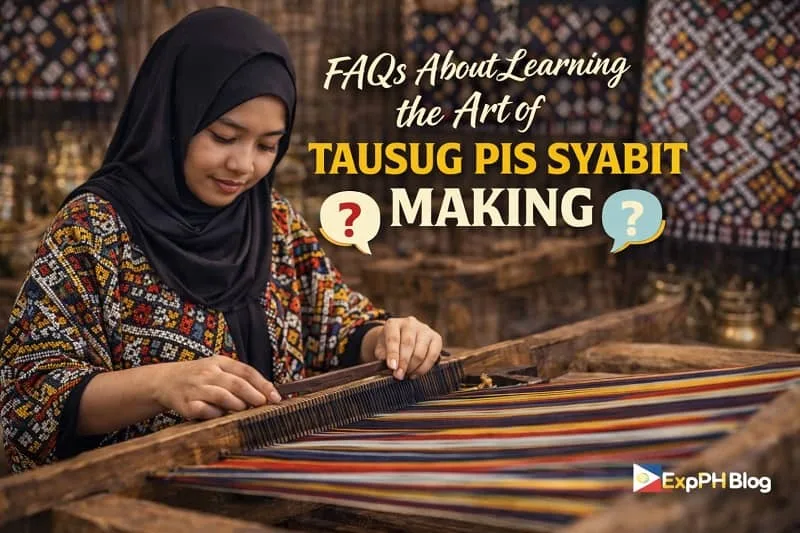
FAQs About Learning the Art of Tausug Pis Syabit Making
What is Pis Syabit weaving?
Pis Syabit weaving is a traditional Tausug textile craft using hand looms, geometric patterns, and symbolic colors to create meaningful fabrics for ceremonial purposes.
Why is Pis Syabit weaving culturally important?
It preserves Tausug identity, passes ancestral knowledge, supports local livelihoods, and strengthens cultural pride by keeping traditional skills alive across generations within communities worldwide today.
What materials are used in Pis Syabit weaving?
Traditional Pis Syabit weaving uses cotton or abaca fibers, natural dyes, and simple wooden looms, though modern weavers may use commercial threads today for accessibility.
How long does it take to learn Pis Syabit weaving?
Learning basic Pis Syabit weaving can take several weeks, but mastering complex patterns requires months or years of consistent practice and patient guidance from elders.
Who can learn the art of Tausug Pis Syabit making?
Anyone can learn Pis Syabit weaving, but respectful understanding of Tausug culture, traditions, and meanings is essential when practicing or sharing this heritage with others.
Do Pis Syabit patterns have specific meanings?
Patterns in Pis Syabit weaving symbolize values like strength, balance, protection, and unity, reflecting the Tausug worldview and community beliefs through colors shapes and repetition.
How is Pis Syabit weaving used today?
Pis Syabit textiles are used today as head coverings, sashes, home decor, fashion accents, and cultural displays in local and international settings and heritage events.
Can Pis Syabit weaving provide livelihood opportunities?
Yes, Pis Syabit weaving provides income for Tausug artisans through markets, cultural fairs, and online platforms, supporting families and community based economies across southern Philippines.
Where can authentic Pis Syabit products be purchased?
Authentic Pis Syabit pieces can be purchased from trusted local artisans, cooperatives, cultural fairs, or verified sellers who respect traditional weaving practices and fair pricing.
How can people help preserve Pis Syabit weaving?
You can help preserve Pis Syabit weaving by supporting artisans, learning respectfully, sharing cultural knowledge, and promoting appreciation for authentic handmade textiles locally and globally.
Want to learn more about Tausug traditions and daily life beyond weaving?
Read our full guide: Inside Traditional Tausug Lifestyle and Community Practices. Discover how customs, heritage, and community values continue to shape life in Sulu today.
For further cultural context, related learning experiences are listed below
- Visiting a Traditional Weaving Home in Sulu and Watching the Process
- Tausug Brassware Crafting Sessions with Local Artisans
- Storytelling Sessions with Local Elders in Sulu
Pis Syabit Weaving Quiz
Test your knowledge about Learning the Art of Tausug Pis Syabit Making.
Results


#1. What does Pis Syabit refer to?
#2. Who traditionally practices Pis Syabit weaving?
#3. Where did Pis Syabit weaving originate?
#4. What tool is mainly used in Pis Syabit weaving?
#5. What do Pis Syabit patterns often represent?
#6. Why are colors important in Pis Syabit weaving?
#7. How long can weaving one piece take?
#8. Which fiber was traditionally used?
#9. Why is Pis Syabit weaving preserved today?
#10. How can OFWs support Pis Syabit weaving?
Thank you for taking time to learn about Tausug culture and Pis Syabit weaving
Your curiosity helps keep Filipino heritage alive for future generations. Share your quiz experience in the comments and tell us what you learned today.

A Filipino web developer with a background in Computer Engineering. Founder of ExpPH Blog and ExpPH Business Guide, creating practical content on OFW guidance, business, finance, freelancing, travel, and lifestyle. Passionate about helping Filipinos grow, he shares insights that educate, empower, and inspire readers nationwide.