

What Most OFWs Wish They Knew Before Working Abroad
For many Overseas Filipino Workers, working abroad is one of the biggest and bravest decisions they will ever make. It is a step filled with hope and responsibility, often shaped by family expectations and long-term goals. While overseas work can lead to better income and new opportunities, it also brings emotional challenges and difficult adjustments. Many OFWs later realize there were important realities they did not fully understand before leaving the Philippines, lessons that could have helped them prepare better from the beginning.
This article explores what OFWs wish they knew before working abroad, based on shared experiences and real-life lessons from Filipino workers in different countries and industries. It looks at common challenges, mistakes, and realizations that surface over time. Whether you are planning to work overseas or are already an OFW looking to improve your situation, this guide is designed to help you reflect, learn, and move forward with greater awareness.
The goal is not to discourage you from working abroad. Instead, it aims to help you prepare with clearer expectations and practical knowledge. Many OFWs struggled simply because they lacked the right information early on. By learning from others, you can avoid unnecessary difficulties, make smarter decisions, and approach your overseas journey with confidence and stability.
Why Many OFWs Feel Unprepared Before Leaving
Most OFWs leave the country with limited time to prepare. Some are excited, others are anxious, and many feel both at the same time. While agencies and orientation seminars exist, they often focus on documents and deployment, not on the real-life challenges of living and working abroad.
Lack of Honest Conversations Before Deployment
Many first-time OFWs rely on success stories they see online or hear from relatives. What is often missing are honest conversations about:
- Emotional struggles
- Cultural adjustment
- Workplace realities
- Long-term career planning
This gap is why understanding what OFWs wish they knew before working abroad is so important.
The Emotional Reality of Working Abroad
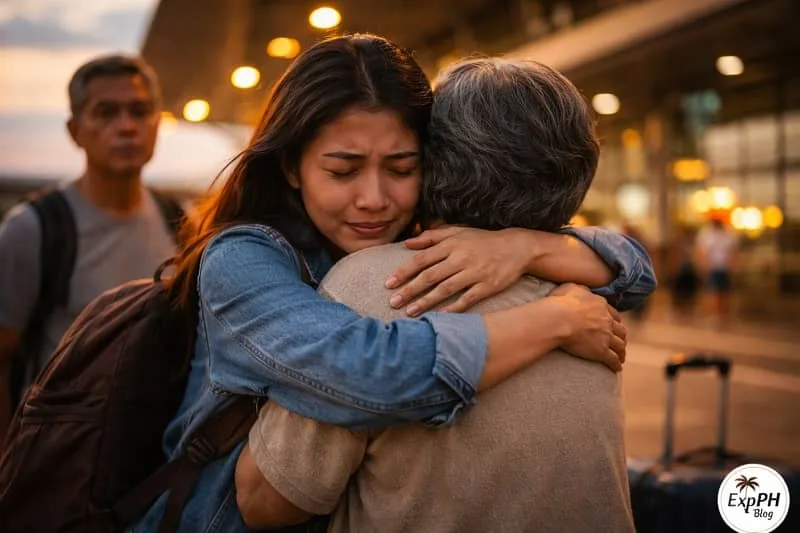
Working abroad brings emotional challenges that many OFWs do not fully anticipate, including homesickness, loneliness, and the difficulty of adjusting to life far from family, culture, and familiar routines.
Homesickness Is Stronger Than Expected
Almost every OFW experiences homesickness, regardless of confidence or independence. Being far from home affects emotions in ways many do not expect, especially during quiet moments after work or on rest days.
You often miss:
- Family gatherings
- Simple Filipino food
- Local humor and language
- Familiar daily routines
Many OFWs later realize that feeling lonely is not a sign of weakness. It is a natural emotional response to distance, separation, and adjusting to a completely new environment.
Mental Health Matters More Than You Think
Stress, anxiety, and burnout are common among OFWs, especially those working long hours or living alone. Unfortunately, mental health is rarely discussed before deployment.
One important reminder is that OFWs are encouraged to seek help when needed. The Philippine government, through the Department of Migrant Workers, provides official guidance and support services for OFWs, including welfare and assistance programs. You can find verified information on their official website at https://dmw.gov.ph.
Financial Lessons OFWs Learn the Hard Way
Many OFWs discover that earning more abroad does not always lead to financial security. Without clear planning and discipline, higher income can be quickly reduced by daily expenses and family obligations, leaving little room for savings or emergencies.
High Salary Does Not Automatically Mean Savings
Many OFWs earn more abroad than in the Philippines but still struggle to save money. Living costs are higher, and expenses can rise quickly without control. Common expenses include:
- Rent
- Food
- Transportation
- Taxes and mandatory contributions
Many OFWs regret not learning proper budgeting early.
Supporting Family Can Become Financial Pressure
Helping family is an important Filipino value, but unclear limits can create long-term financial stress. Some OFWs support extended relatives and lose focus on personal goals. Learning to set boundaries and explain financial limits early helps protect income and peace of mind.

Understanding Work Culture Abroad
Many OFWs are surprised by how different workplace culture is in other countries. Expectations, communication, and professional behavior often differ from the Philippines, which can affect job performance and relationships if not understood early.
Workplace Culture Is Very Different
One common realization among OFWs is that work culture abroad follows stricter rules and clearer boundaries. Adjusting takes time and awareness. Common differences include:
- Strict time management
- Direct communication styles
- Less personal interaction with supervisors
- Clear separation of work and personal life
Misunderstanding these can lead to stress or conflict.
Performance Is Often Valued Over Loyalty
In many countries, long service does not guarantee promotion or security. Employers value skills, results, and adaptability more than loyalty alone. OFWs who understand this early focus on improving performance, learning new skills, and staying competitive in the workplace.
Career Growth and Long-Term Planning
Many OFWs focus on immediate employment and income, often overlooking long-term career direction. Over time, they realize that planning ahead helps avoid stagnation, improves job mobility, and creates better opportunities both abroad and after returning to the Philippines.
Many OFWs Wish They Had a Career Plan
Some OFWs accept jobs quickly due to urgency and financial need. Later, they realize the role does not support future goals. Many wish they had asked:
- Will this job help me grow
- Is this skill transferable abroad
- What is my next step
Clear planning leads to better choices.
Upskilling Early Makes a Big Difference
Experienced OFWs often say skills provide flexibility and security. Those who invest in learning early gain better job options, higher pay, and confidence. Upskilling allows OFWs to adapt to changes, shift roles, and prepare for long-term career growth abroad or at home. give freedom. Those who upskill earlier have more job options and better negotiating power.
Learning Skills While Abroad Is Easier Than You Think
With online learning platforms, OFWs can study at their own pace, even while working full-time. Many OFWs wish they had taken advantage of this earlier.
A practical and widely used resource for skill development is Udemy. It offers courses in:
- IT and tech skills
- Language training
- Business and freelancing
- Personal development
This can be especially helpful for OFWs who want to shift careers, increase income, or prepare for future opportunities, either abroad or back in the Philippines.

Legal and Contract Awareness
Understanding legal responsibilities and contract terms is essential for OFWs working abroad. Many problems start from unclear agreements or lack of awareness about worker rights. Being informed helps OFWs protect themselves and avoid disputes that can affect income and job security.
Not All Contracts Are What They Seem
Some OFWs sign contracts quickly without fully understanding the details. Important terms are often overlooked and later cause issues. These usually include:
- Working hours
- Overtime pay
- Contract termination rules
- Leave policies
Reading contracts carefully and asking questions helps prevent future problems.
Know Your Rights as an OFW
Many OFWs only learn about their rights after facing workplace issues. Understanding labor laws and knowing where to seek help offers protection from unfair treatment. Official guidance from the Department of Migrant Workers provides updated information every OFW should review before and during employment abroad.
Social Life and Relationships Abroad
Life abroad can feel isolating even when OFWs are surrounded by people. Being away from family and familiar communities often affects emotional well-being. Adjusting to a new environment takes time and effort. Creating daily routines, joining trusted groups, and staying connected with loved ones can help build balance. These small actions reduce loneliness and support emotional health while living and working overseas.
Loneliness Is Real Even When You Are Surrounded by People
Many OFWs live with coworkers or housemates they barely know. Work environments may also limit meaningful social interaction. Without effort, feelings of isolation can slowly grow. Building simple routines and connecting with supportive communities helps create structure. Over time, these habits improve emotional stability and make life abroad feel more manageable and less overwhelming.
Relationships Can Change Over Time
Working abroad often changes relationships in unexpected ways. Long-distance connections test patience and emotional strength. Friendships may fade, family roles can shift, and romantic relationships may feel strained. OFWs who prepare emotionally and communicate honestly are more likely to adapt. Strong communication helps maintain healthy relationships despite physical distance and changing life circumstances.

Health and Lifestyle Adjustments
Working abroad often shifts focus toward income, causing health to be overlooked. Physical and mental well-being can suffer without balance. Understanding lifestyle changes early helps OFWs maintain energy, avoid illness, and stay productive while adjusting to new environments and daily routines.
Health Is Often Taken for Granted
Many OFWs prioritize work and income while ignoring basic health needs. Over time, long hours and poor habits cause problems. OFWs often wish they had:
- Prioritized sleep
- Maintained regular checkups
- Understood health insurance coverage
Early care helps prevent long-term health issues.
Lifestyle Abroad Is Not Always Comfortable
Life abroad may include harsh weather, strict rules, or limited living space. These conditions can feel overwhelming at first. OFWs who understand this early adjust better, manage expectations, and reduce stress while building a stable routine in a new country.
The Importance of Having a Backup Plan
Working abroad offers opportunities, but stability is not always guaranteed. Changes in employment, policies, or personal circumstances can happen suddenly. OFWs who plan ahead feel more secure and confident, knowing they have options if their current job ends unexpectedly.
Jobs Abroad Are Not Always Permanent
Overseas employment can change without warning due to contract endings or company decisions. Many OFWs wish they prepared earlier by having:
- Emergency savings
- Alternative skills
- Business ideas in the Philippines
Having clear options reduces fear, stress, and financial pressure during uncertain times.
Common Mistakes OFWs Wish They Avoided
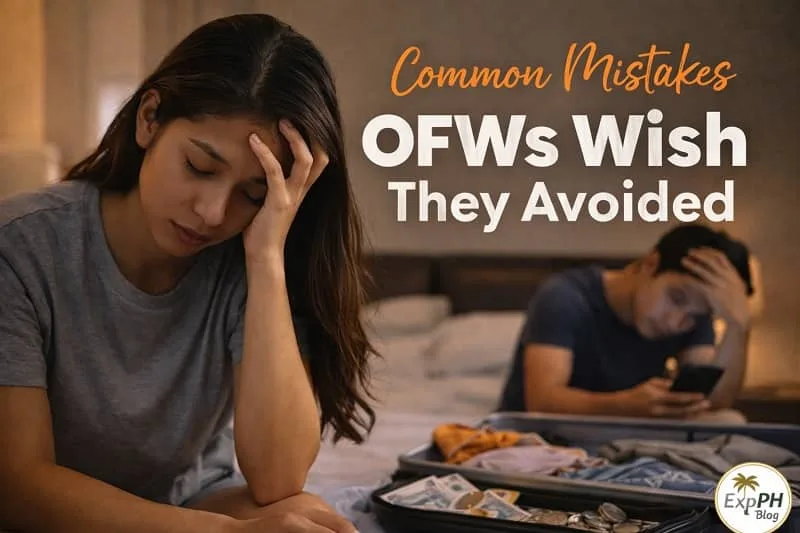
Many OFWs admit that early mistakes affected their financial and personal progress abroad. These mistakes often come from pressure, lack of planning, and limited guidance. Learning from these experiences helps OFWs make better decisions and build a more stable future.
Spending to Impress Others
Some OFWs feel pressure to show success through expensive items or lifestyle choices. This behavior often leads to debt and poor savings habits. Many later realize that real success comes from financial stability, peace of mind, and long-term security.
Ignoring Personal Growth
Focusing only on work without learning new skills limits future opportunities. Many OFWs regret delaying personal development, as growth creates better job options. Investing in learning early helps OFWs stay competitive, confident, and prepared for career changes abroad or back home.
Advice From Experienced OFWs to First-Timers
Experienced OFWs often reflect on lessons they learned through hardship and growth. If they could advise first-timers, they would focus on preparation, balance, and long-term thinking. Their guidance helps new OFWs avoid common mistakes and build a more stable life abroad.
They would remind first-time OFWs to:
- Prepare emotionally, not just financially
- Learn skills that give options
- Protect mental and physical health
- Plan beyond the current contract
- Avoid comparing journeys
These lessons reflect what OFWs wish they knew before working abroad and remain valuable at every stage.
Conclusion: Learning From Others Can Change Your Journey
Working abroad is not only about earning a higher income. It is a life decision that involves growth, sacrifice, and long-term responsibility. For many OFWs, the emotional and practical realities only become clear after they face problems on their own. Challenges related to work culture, finances, health, and family separation often come as surprises. Learning from the experiences of other OFWs helps reduce uncertainty. It allows you to prepare mentally, set realistic expectations, and understand what lies ahead. When you start your journey with awareness, you gain confidence and make choices that better protect your future.
Understanding what OFWs wish they knew before working abroad helps prevent common mistakes and poor decisions. While overseas work will always come with difficulties, preparation makes those challenges easier to manage. Being informed encourages better planning, stronger boundaries, and smarter choices both at work and in daily life. Whether you are still planning to leave, already working abroad, or considering your next move, learning from others gives you an advantage. Knowledge builds stability, reduces regret, and supports long-term success no matter where you are in the world.
Additional reading material follows below.
- Weekend Relaxation Tips for OFWs
- Online Courses and Certifications for OFWs
- Self-Care Tips for Busy Filipinos Working Abroad
- How to Connect with a Filipino Community Abroad
- Top 10 Small Business Ideas in the Philippines for 2026
FAQs About What OFWs Wish They Knew Before Working Abroad
How can OFWs prepare mentally before working abroad?
OFWs can prepare mentally by setting realistic expectations, accepting emotional challenges, staying connected with family, and building healthy routines before and after deployment.
What is the most common mistake first-time OFWs make?
Many first-time OFWs underestimate living expenses abroad, overspend early, and fail to create a clear budget and financial plan from the start.
Is working abroad always financially better?
Working abroad often pays more, but higher costs, taxes, and obligations can reduce savings if money is not managed carefully and responsibly.
Why do many OFWs struggle with homesickness?
Homesickness happens due to distance from family, cultural differences, language barriers, and lack of emotional support during the early months abroad.
Should OFWs learn new skills before leaving?
Yes, learning skills before leaving improves job opportunities, income potential, and career flexibility, helping OFWs adapt faster and plan long-term goals.
How important is understanding the employment contract?
Understanding the contract is crucial because it defines work hours, salary, benefits, and rights, helping OFWs avoid disputes and unexpected problems abroad.
Can OFWs build a career while working overseas?
Yes, OFWs can build strong careers by gaining experience, improving skills, and planning future steps instead of staying in the same role long-term.
How can OFWs avoid financial pressure from family?
OFWs can avoid pressure by setting clear financial boundaries, explaining limits early, budgeting carefully, and encouraging shared financial responsibility at home.
What health issues should OFWs be aware of?
OFWs should watch for stress, fatigue, poor diet, and lack of exercise, which can affect long-term physical and mental health if ignored.
Why is having a backup plan important for OFWs?
A backup plan protects OFWs from job loss, contract issues, or emergencies, ensuring financial stability and alternative options for future income.
This short quiz helps test what most OFWs wish they knew before working abroad, based on real experiences and lessons.
Results


#1. What do most OFWs struggle with first abroad?
#2. Why do some OFWs fail to save money?
#3. What is often misunderstood about overseas work culture?
#4. What should OFWs prioritize early for stability?
#5. What helps OFWs get better job opportunities?
#6. Why is reading contracts important?
#7. What health issue is common among OFWs?
#8. What mistake affects OFW finances most?
#9. Why is a backup plan necessary?
#10. What mindset helps OFWs succeed long-term?
Your OFW journey matters, and learning early can make a real difference for your future and your family.
Share your experience in the comments. What do you personally wish you knew before working abroad? Your story can help other OFWs.

A Filipino web developer with a background in Computer Engineering. Founder of ExpPH Blog and ExpPH Business Guide, creating practical content on OFW guidance, business, finance, freelancing, travel, and lifestyle. Passionate about helping Filipinos grow, he shares insights that educate, empower, and inspire readers nationwide.



Pingback: 7 Shocking OFW Daily Expenses Abroad You Underestimate Today
Pingback: 7 Smart Ways OFWs Can Avoid OFW Lifestyle Inflation Abroad!!
Pingback: 7 Proven Ways to Improve OFW Productivity During Long Hours!