
Best Financial Mistakes Filipinos Should Avoid in 2026
Managing money has never been easy for Filipinos, and 2026 brings new financial challenges and opportunities. Rising living costs, digital banking risks, growing side hustle culture, overseas work uncertainty, and rapid changes in skill requirements all influence how people manage their finances today. These factors demand greater awareness, adaptability, and discipline to avoid mistakes that can weaken financial stability and long-term security.
Many Filipinos work hard, earn consistently, and still struggle with money. This often happens not because income is low, but because of repeated financial decisions that slowly create problems. Understanding the financial mistakes to avoid in 2026 helps protect income, strengthen stability, and support better planning. With the right habits and mindset, Filipinos can improve control over their finances and prepare for a more secure future.
This guide is written for everyday Filipinos, including OFWs, freelancers, employees, small business owners, and families who want to make smarter money decisions. The goal is simple, help you avoid common financial traps before they become long-term problems.
Want to make smarter financial decisions and avoid costly money mistakes?
Explore our Understanding Personal Finance in the Philippines to learn practical ways to manage your income, control spending, build savings, and strengthen your financial future.
Quick Summary (TL;DR)
Avoiding common financial mistakes in 2026 starts with building better money habits and making informed decisions. Manage your budget carefully, control unnecessary spending, and prioritize savings to protect your financial future.
- Create a realistic budget: Track your income and expenses to understand where your money goes.
- Build an emergency fund: Set aside money for unexpected expenses and income disruptions.
- Manage debt wisely: Prioritize high-interest debts and avoid unnecessary borrowing.
- Avoid impulsive spending: Distinguish between essential needs and non-essential wants before making purchases.
- Be careful with investments: Research opportunities, understand the risks, and avoid promises of guaranteed high returns.
- Plan for long-term goals: Save consistently for major expenses, retirement, and future financial security.
- Review your finances regularly: Adjust your budget and savings strategy as your income, expenses, and priorities change.
Key takeaway: Small financial mistakes can become costly over time, but consistent saving, responsible spending, and careful planning can help Filipinos build a more secure financial future in 2026.
Table of Contents
Why Avoiding Financial Mistakes Matters More in 2026
The financial environment in 2026 is different from previous years. Technology makes money easier to earn and spend, but also easier to lose. Online scams are more advanced, expenses continue to rise, and job security is less stable. This is especially true for OFWs and contract-based workers who face income uncertainty.
Avoiding mistakes early is far more effective than fixing problems later. Small financial errors can slowly turn into debt, stress, and lost opportunities. Understanding the most common financial mistakes to avoid in 2026 helps Filipinos protect their income, strengthen stability, and support long-term financial health.
Ignoring Personal Budgeting and Expense Tracking
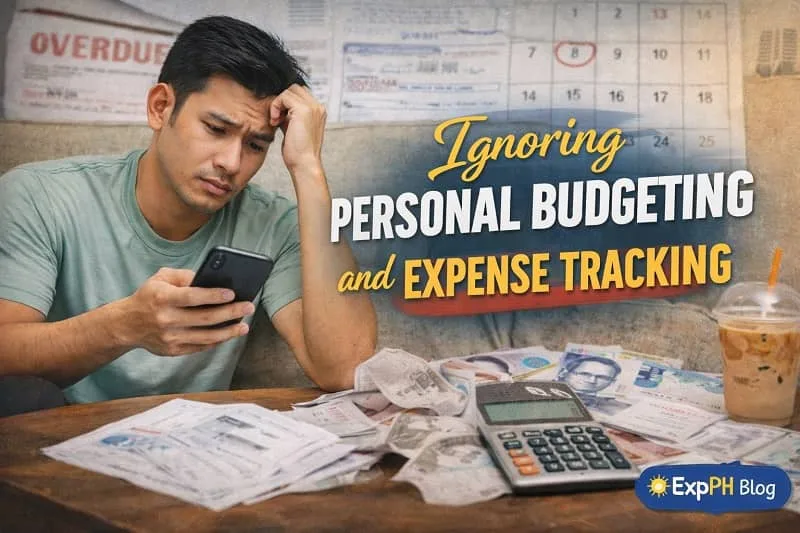
Ignoring personal budgeting and expense tracking is a common financial mistake. Without a clear system, many Filipinos lose control of spending and savings. Tracking income and expenses helps identify problem habits, manage money better, and make informed decisions that support long-term financial stability.
Living Without a Clear Monthly Budget
Many rely on rough mental estimates instead of real numbers, causing overspending without awareness. A proper budget provides structure, improves control over expenses, and helps individuals make smarter financial decisions.
In 2026, this habit is even more dangerous because:
- Prices change quickly
- Subscription services add hidden monthly costs
- Digital payments reduce spending awareness
A budget does not limit your lifestyle. It gives you control over how your money is used. When you understand where your income goes, you can plan spending with purpose, avoid unnecessary expenses, and make calm, informed decisions instead of reacting to financial pressure or sudden shortages.
Not Tracking Small Daily Expenses
Daily expenses like food delivery, coffee, online shopping, and transport add up faster than most people expect. Many Filipinos focus only on big bills and ignore small purchases, thinking they do not matter. In reality, these small expenses often determine whether you can save or not. Tracking them even for one month can reveal habits that silently drain your income.
Relying on a Single Source of Income
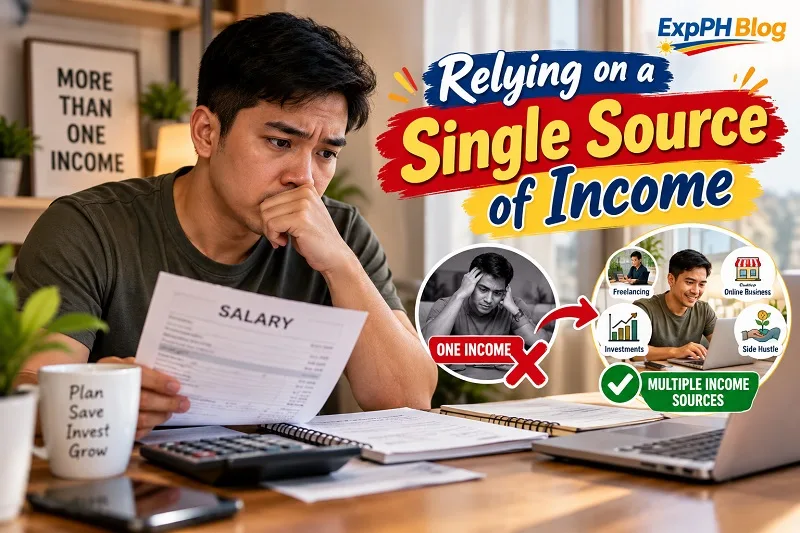
Relying on only one source of income increases financial risk, especially during uncertain times. Job loss, contract changes, or health issues can quickly disrupt earnings. Without alternatives, even short income gaps can create stress. Building additional income streams provides stability, flexibility, and better protection when primary income becomes unstable or reduced.
Depending Only on One Job or Contract
Depending on a single job or contract is one of the riskiest financial mistakes to avoid in 2026, particularly for OFWs and freelancers. Contract changes, company restructuring, visa issues, or health concerns can affect income without warning. Diversifying earnings does not mean working nonstop. It means creating backup income options.
Ignoring Skill-Based Income Opportunities
Many Filipinos underestimate the value of skill-based income. Skills like digital marketing, bookkeeping, programming, design, writing, or online teaching can provide flexible income streams. In 2026, skills are assets. The more relevant skills you have, the more control you gain over your financial future.
Investing in Skills Instead of Waiting for Promotions
One reason people remain financially stuck is waiting for promotions or salary increases that may never come. A smarter approach is investing in skills that increase your earning potential anywhere in the world.
If you want to improve your financial decisions in 2026, learning money management, investing basics, freelancing skills, or career development is a practical step. One helpful resource many Filipinos use for structured learning is Udemy, which offers affordable courses on personal finance, investing, freelancing, and high-income skills.
You can explore practical learning options here:
https://www.udemy.com/
This is not about becoming an expert overnight. It is about building knowledge that protects you from financial mistakes and opens better income opportunities over time.
Failing to Build an Emergency Fund
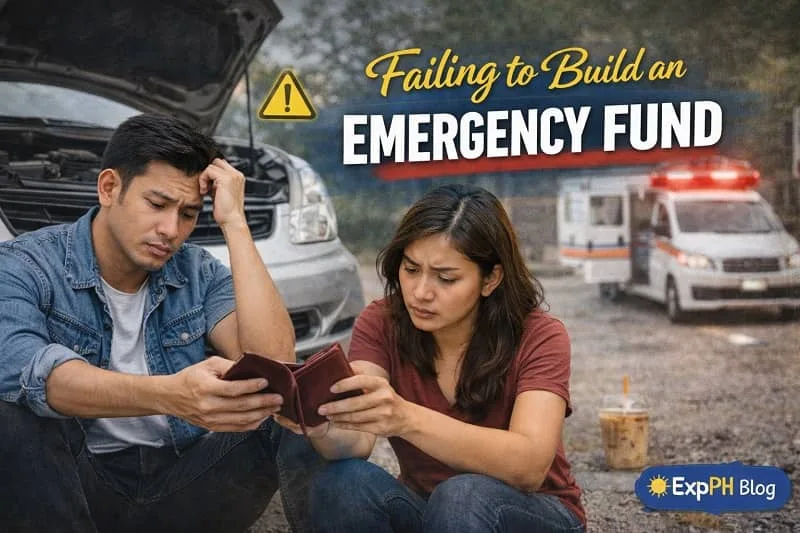
Failing to build an emergency fund leaves people unprepared for unexpected expenses. Without savings, even small financial shocks can lead to debt or stress. An emergency fund provides protection, stability, and peace of mind during job loss, medical issues, or sudden income disruptions.
Treating Savings as Optional
An emergency fund is not a luxury but essential financial protection. Many Filipinos delay saving because they believe emergencies are rare or manageable. This mindset often leads to debt and stress when unexpected expenses arise without available savings.
In 2026, emergencies include:
- Sudden job loss
- Medical expenses
- Family support needs
- Contract delays for OFWs
Without emergency savings, people often rely on high-interest loans or are forced to sell assets during difficult moments. This weakens financial stability and makes recovery harder, especially when unexpected expenses or income disruptions happen without warning.
Not Knowing How Much Emergency Fund Is Enough
A common mistake is saving without a clear target. Without knowing how much is enough, people struggle to stay consistent and may stop saving too early, leaving themselves unprepared for emergencies or unexpected income disruptions.
Ideally, an emergency fund should cover:
- Three to six months of essential expenses
- More if you are self-employed or an OFW
This fund should be easy to access during emergencies but kept separate from daily spending money. Keeping it apart helps prevent unnecessary use and ensures the savings remain available when unexpected expenses or urgent financial needs arise.

Misusing Credit Cards and Buy Now Pay Later Services
Misusing credit cards and buy now pay later services often leads to overspending and long-term debt. Easy access to credit creates false comfort and weakens budgeting discipline. When payments accumulate, financial pressure grows and managing expenses becomes more difficult over time.
Treating Credit as Extra Income
Credit cards and installment services can be useful, but many Filipinos treat them as extra income. This habit encourages overspending and creates long-term debt. Credit should support cash flow and short-term needs, not replace earned income or daily budgeting discipline.
Only Paying the Minimum Amount Due
Paying only the minimum amount due is one of the most damaging financial mistakes to avoid in 2026. Interest grows rapidly and causes small purchases to turn into long-term debt. Over time, this habit reduces cash flow, increases stress, and makes it harder to regain financial control.
A better rule is simple:
- If you cannot pay it in full within one to two billing cycles, reconsider the purchase
Delaying Retirement and Long-Term Planning
Delaying retirement and long-term planning reduces the power of time in growing savings. Many people postpone preparation, thinking it can wait. Starting early allows small contributions to build steadily, lowers future pressure, and improves financial security later in life.
Thinking Retirement Is Too Far Away
Many Filipinos delay retirement planning because it feels distant. However, time is the most powerful factor in growing money. The earlier you start, the less you need to save monthly. For OFWs, this mistake is especially common. Many earn well abroad but return home without long-term financial security.
Relying Only on SSS or Company Benefits
Government and company benefits provide support but are rarely enough for retirement. A solid retirement plan should include personal savings and investments that match your goals, risk tolerance, and expected timeline for long-term financial security.

Falling for Online Scams and High-Risk Schemes
Falling for online scams and high-risk schemes often results in sudden financial loss. Many offers appear professional and convincing, making them easy to trust. Without proper research and financial knowledge, people risk losing savings to promises that sound profitable but lack real security.
Trusting Guaranteed Returns
If an investment promises guaranteed high returns with little risk, it is a warning sign. In 2026, scammers appear more professional, using social media, influencers, and fake testimonials. Many Filipinos lose money not due to greed but because of limited financial education.
Not Verifying Platforms and Offers
Failing to verify financial platforms and offers increases the risk of scams and losses. Many people skip proper checks and rely on trust alone. Researching legitimacy, reading reviews, and confirming registrations help protect money and prevent costly financial mistakes.
Before investing or sending money:
- Check official registrations
- Research reviews from independent sources
- Avoid pressure tactics that demand immediate action
Being cautious is not a negative trait. It reflects financial responsibility and good judgment. Taking time to verify information, assess risks, and think before acting helps protect savings and prevents costly mistakes, especially in uncertain financial situations.
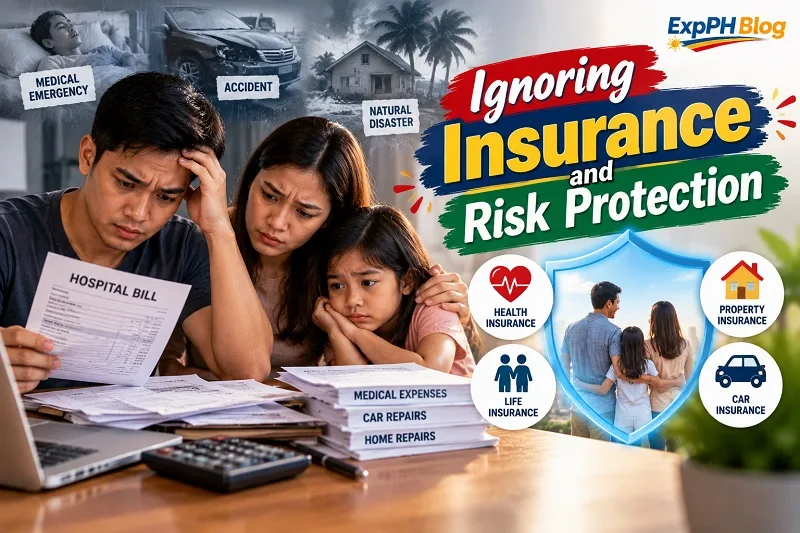
Ignoring Insurance and Risk Protection
Medical emergencies, accidents, or unexpected events can quickly drain savings and disrupt financial plans. Without insurance, people often rely on loans or personal funds. Proper coverage offers protection, reduces stress, and helps safeguard income and assets during difficult situations when financial support is essential.
Seeing Insurance as a Waste of Money
Insurance is often misunderstood as unnecessary spending. It is not an investment but financial protection. A single health emergency can wipe out years of savings. With medical costs rising in 2026, having proper insurance coverage is more important than ever.
Not Reviewing Coverage Regularly
Life circumstances change over time, including income, responsibilities, and financial goals. Insurance coverage should be reviewed regularly to ensure it still fits your current situation. Updating policies helps avoid gaps in protection and prevents paying for coverage you no longer need.
Overspending to Impress Others
Overspending to impress others often leads to unnecessary debt and financial stress. Many people spend beyond their means to maintain appearances. This habit weakens savings, delays financial goals, and creates pressure that offers no lasting value or real financial security.
Lifestyle Inflation Without Income Growth
As income grows, expenses often increase at the same pace. This pattern, known as lifestyle inflation, slows wealth building. Enjoying progress is natural, but uncontrolled spending limits savings. True financial success focuses on stability, security, and long-term freedom rather than appearances.
Using Debt for Non-Essential Status Purchases
Using loans or credit to buy luxury items is one of the most damaging financial mistakes to avoid in 2026. These purchases add long-term debt, reduce cash flow, and rarely improve income, financial stability, or lasting personal satisfaction.

Avoiding Financial Conversations and Education
Avoiding financial conversations and education limits awareness and leads to poor money decisions. Many people hesitate to talk about finances or learn basic concepts. Open discussions and continuous learning help clarify goals, prevent mistakes, and build healthier financial habits over time.
Not Talking About Money at All
Many Filipinos avoid money conversations because of cultural discomfort. This silence often causes misunderstandings, family tension, and poor financial choices. Open and healthy discussions about finances help align expectations, clarify responsibilities, and support better decisions within households and long-term financial planning.
Believing Financial Literacy Is Only for the Rich
Financial literacy is not about getting rich quickly. It focuses on avoiding costly mistakes, understanding available options, and making informed decisions. Learning basic financial concepts can greatly improve money management and long-term financial outcomes for everyday Filipinos.
FAQs About Best Financial Mistakes Filipinos Should Avoid in 2026
What is the importance of avoiding financial mistakes in 2026?
Avoiding common financial mistakes helps Filipinos protect income, reduce debt, and build stability amid rising costs, job uncertainty, and evolving digital financial risks in 2026.
What are the biggest financial mistakes Filipinos make?
The biggest mistakes include ignoring budgets, overspending with credit, lacking emergency savings, relying on one income source, delaying retirement planning, and falling for scams online.
Why is having an emergency fund important?
An emergency fund prevents borrowing during crises, covers medical or job loss expenses, and gives peace of mind when unexpected financial problems happen in 2026.
What financial mistakes should OFWs avoid in 2026?
OFWs often overspend abroad, delay investments, support extended families without limits, and return home without sufficient savings or long-term financial plans for future security needs.
How do credit cards contribute to financial problems?
Credit cards become harmful when treated as extra income, used for non-essential spending, and paid with minimum dues that accumulate high interest over time periods.
How can Filipinos avoid online financial scams?
Filipinos should avoid scams by researching platforms, verifying registrations, ignoring guaranteed returns, and never rushing decisions due to pressure tactics from unknown online investment offers.
Why is learning new skills important for financial stability?
Learning new skills increases income flexibility, improves job security, supports side hustles, and helps Filipinos adapt financially to changing economic conditions in the Philippines today.
When should Filipinos start planning for retirement?
Starting retirement planning early allows small contributions to grow over time, reducing future stress and preventing dependence on limited government benefits during later life stages.
How does budgeting help prevent financial mistakes?
Budgeting tools help track expenses, control spending, reveal bad habits, and guide smarter decisions that support savings and long-term financial goals for Filipino households nationwide.
What is the first step to avoiding financial mistakes in 2026?
The first step is awareness, reviewing income and expenses, setting realistic goals, building discipline, and committing to continuous financial learning for better money habits ahead.
Conclusion
Avoiding financial mistakes is not about being perfect but about being aware, intentional, and willing to improve. Most financial mistakes to avoid in 2026 can be prevented through proper planning, continuous learning, and discipline. Whether you are an OFW supporting a family, a young professional starting out, or a business owner facing uncertainty, strong financial habits help reduce stress, protect income, and create better outcomes over time.
Focusing on budgeting, income diversification, skill development, savings, and informed decision making builds a stronger financial foundation. Small improvements done consistently can lead to meaningful progress. The goal is not only to earn more money, but to manage it wisely, protect what you have, and grow your finances steadily starting in 2026 and continuing for many years ahead.
Avoiding common financial mistakes is an important step toward long-term financial security.
Explore our OFW Financial Success Guide for Filipinos in 2026 for practical tips on budgeting, saving, investing wisely, and building a more secure future for yourself and your family.
Continue reading with these recommended topics.
- How to Set Realistic Financial Goals for 2026
- Best Financial Goals Filipinos and OFWs Should Set for 2026
View the primary source at the link below.
- Financial Literacy Resource Guide (Library of Congress)
- Budgeting and Goal Setting (Yale University Financial Literacy)
- Personal Finance Guide (Investopedia)
- Money Smart for Young People (FDIC)
- Financial Literacy Basics (Annuity.org)
Test your knowledge about smart money decisions and see if you can spot the financial mistakes to avoid in 2026
Results


#1. What is a common budgeting mistake?
#2. Why is relying on one income risky?
#3. What should an emergency fund cover?
#4. What credit habit causes long-term debt?
#5. Why is skill development important?
#6. What is a major OFW financial mistake?
#7. Which investment promise is risky?
#8. Why start retirement planning early?
#9. What causes lifestyle inflation?
#10. What is the first step to avoid mistakes?
Your effort today helps build a stronger and more secure tomorrow
We would love to hear from you. Please comment below and share your quiz experience with us.

A Filipino web developer with a background in Computer Engineering. Founder of ExpPH Blog and ExpPH Business Guide, creating practical content on OFW guidance, business, finance, freelancing, travel, and lifestyle. Passionate about helping Filipinos grow, he shares insights that educate, empower, and inspire readers nationwide.